Overview
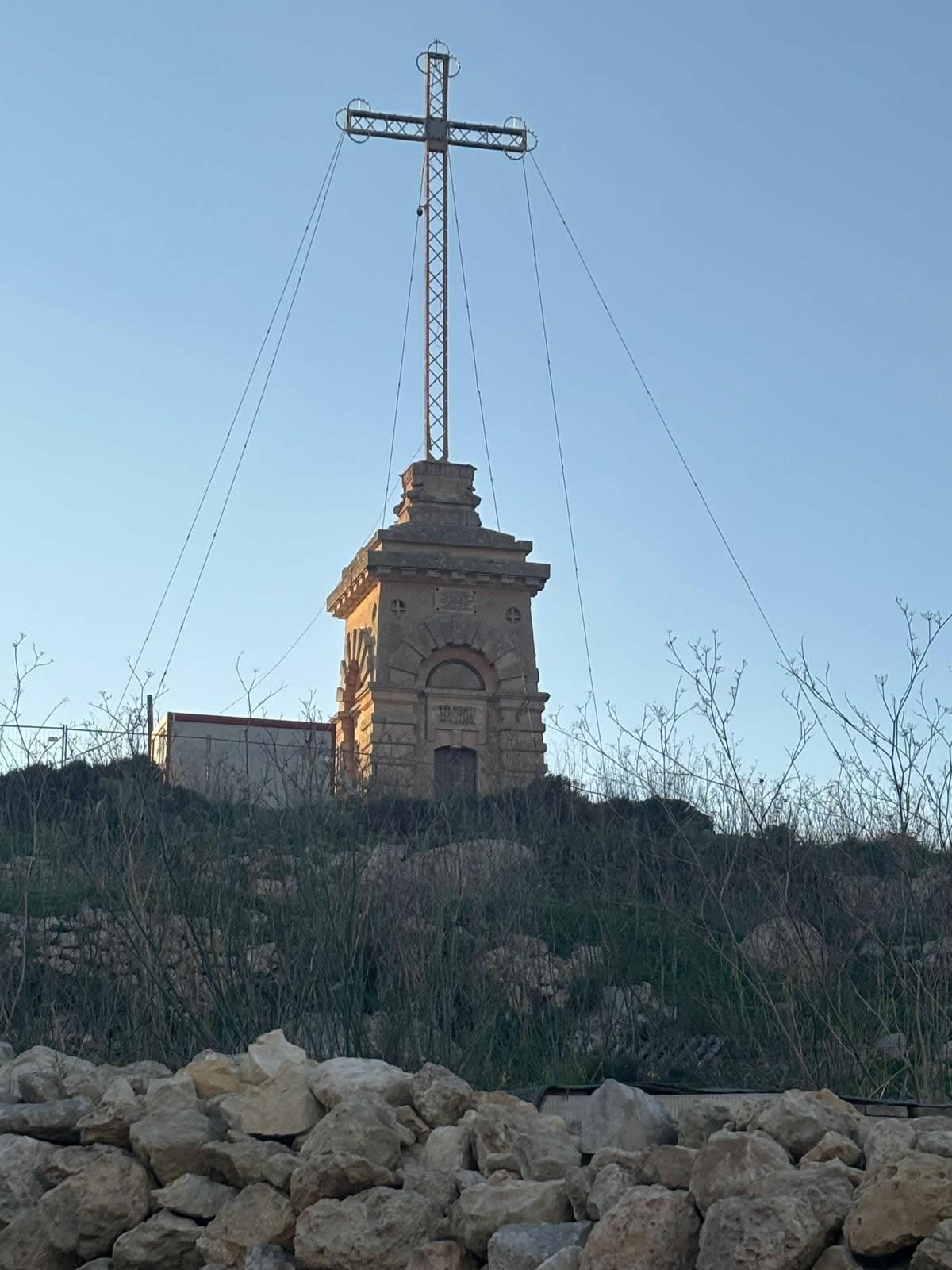
The Laferla Cross is a hilltop cross-and-shrine complex close to the Annunciation Chapel (Il-Kappella tal-Lunzjata). Its dramatic placement makes it visible from long distances and gives it a powerful “waymark” quality—especially at dawn, sunset, and during Holy Week when the hillside becomes part of a public devotion route.
Coordinates: 35.850281, 14.416678
Locality: outskirts of Siġġiewi (Salib tal-Għolja)
What it is: cross atop a monumental limestone pedestal with a shrine/altar space inside (access may vary)
On this page
Full history & purpose
Why it was built
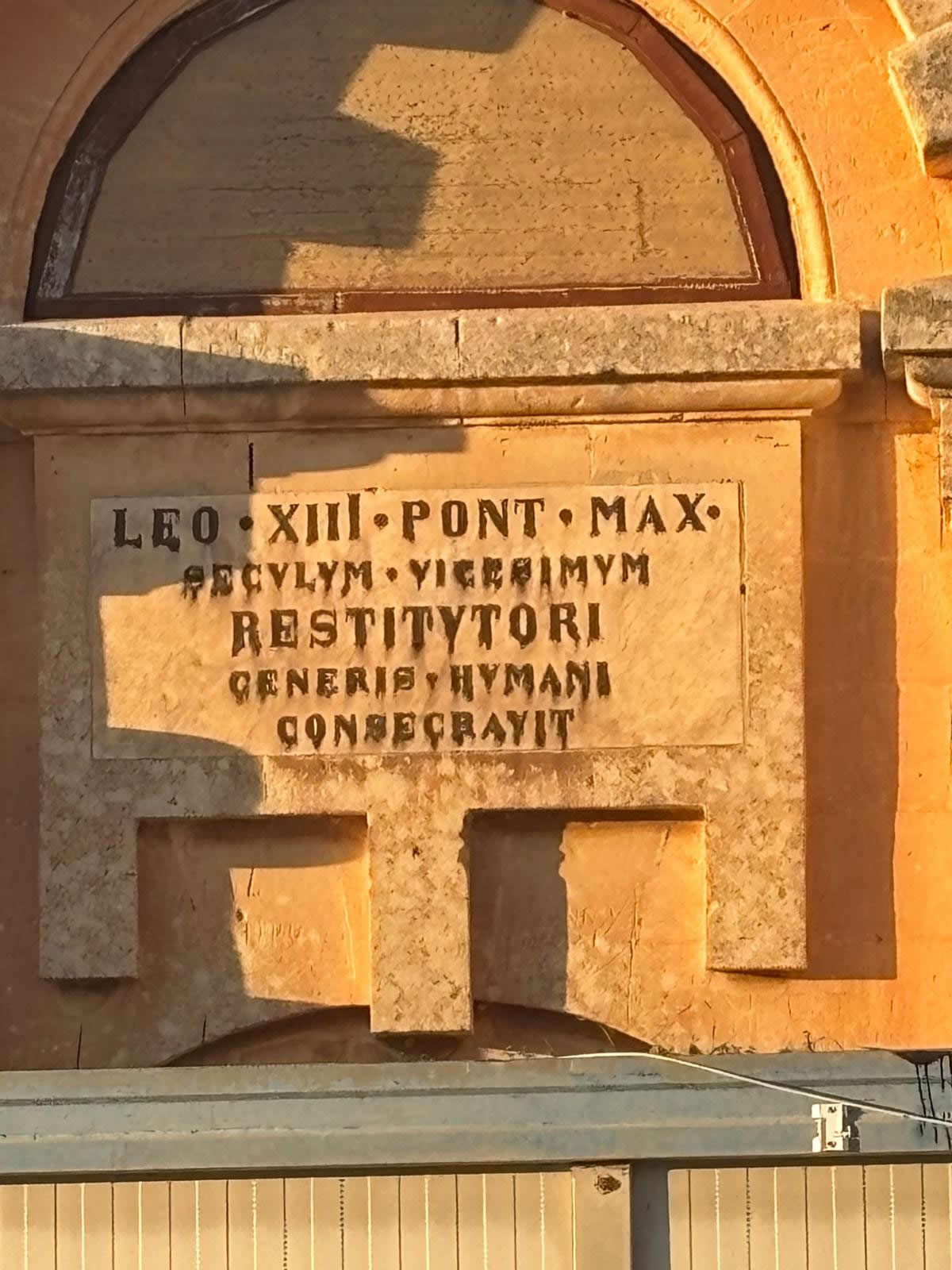
The cross was proposed by Fr Paul Laferla of Siġġiewi as a landmark memorial linked to the Holy Year (1900). The intention was devotional and public: to create a prominent, outdoor symbol of faith on the ridge above the village—an elevated place for prayer, reflection, and a “Way of the Cross” style journey along the hillside paths.
The 1903 erection and early blessing
The original Laferla Cross was erected on 27 September 1903, built under the supervision of Ġanni Mercieca. The following year, it was blessed by the Archbishop, and a devotional image of Our Lady of Sorrows was placed within the shrine space.
From local landmark to national Holy Week destination
Over the decades, the cross became a major focus of Holy Week devotion. A long, steep approach path (from the village towards the ridge) is traditionally walked in silence—often associated with Maundy Thursday and Good Friday practices. In many years, the route is visually marked with devotional features and stations, reinforcing the site’s identity as an open-air pilgrimage destination.
Confirmed dates & modifications
- The original Laferla Cross is erected as a Holy Year memorial initiative.
- The cross is blessed by the Archbishop; devotional imagery is added to the shrine.
- The original cross is replaced by an Italian-made replica reinforced in bronze and iron.
- The cross is restored by local craftsmen after erosion and structural risk concerns.
- The approach pathway and surrounding environment are improved to enhance accessibility and visitor experience.
Construction & design
The Laferla Cross is not only a tall cross: it is an ensemble of cross + monumental limestone pedestal + shrine. The current cross (post-1963) is widely described as a bronze-and-iron reinforced structure, standing on a substantial limestone base that incorporates an altar/shrine space. In many descriptions, the cross is noted as being around 16 metres high (height figures can vary by source and measurement method).
What to look for on site
- Limestone pedestal: the base is a key part of the monument’s visual impact and houses the devotional niche/altar area.
- Wind exposure: the ridge location explains why structural maintenance and restorations have been necessary.
- Landscape framing: the cross is intentionally placed for “big sky” views and long sightlines over southern/western Malta.
Restorations & access improvements
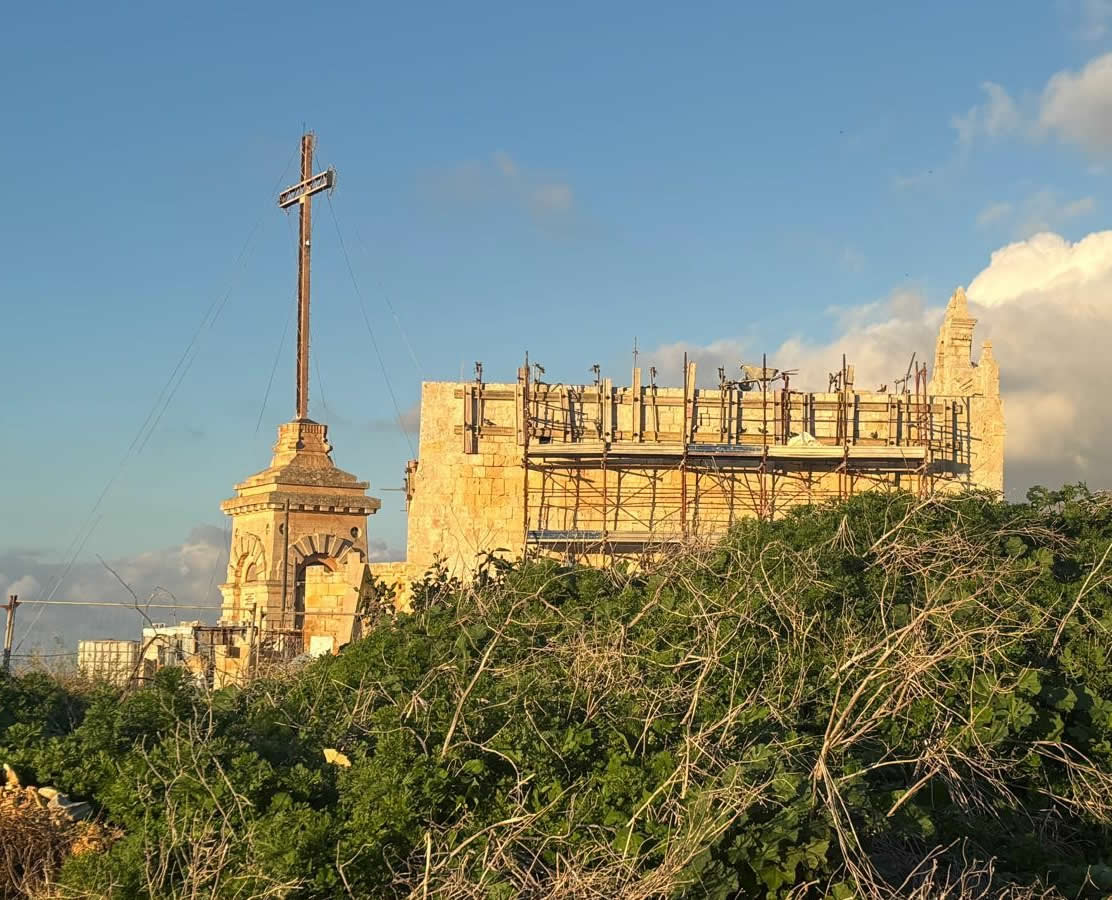
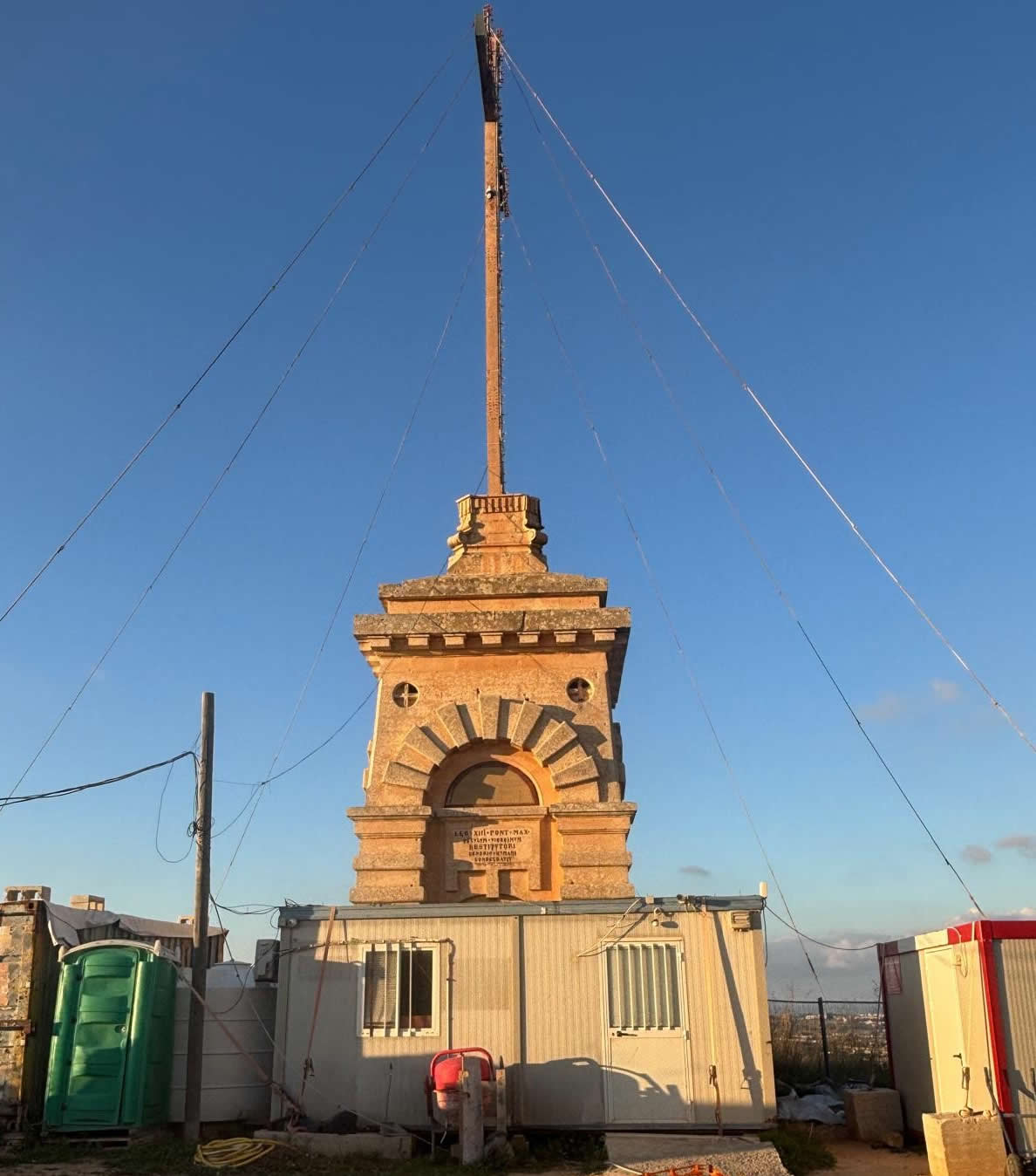
A hilltop monument in exposed weather will naturally need periodic intervention. The Laferla Cross is explicitly recorded as having been restored several times, including:
- Replacement in 1963 with a reinforced bronze-and-iron replica (structural upgrade).
- Restoration in 1984 after erosion and safety concerns.
- Pathway/environment works in 2014 to improve access and enhance the visitor route.
Use: pilgrimage, Holy Week & local life
Holy Week pilgrimage
The cross is best known as a Holy Week destination, particularly associated with Maundy Thursday and Good Friday devotion. The walk up to the ridge is part of the experience: a physical ascent matching the reflective purpose of the site.
Year-round visits
Outside Holy Week, the Laferla Cross remains popular for quiet walks, photography, and viewpoint visits. It is often paired with the nearby Annunciation Chapel and the ridge paths that thread through the surrounding countryside.
Visiting guide
Getting there
Navigate to 35.850281, 14.416678. The site is reached via rural approaches and walking paths on Salib tal-Għolja. Drive and park considerately, and continue on foot as needed.
Practical tips
- Footwear: wear proper shoes; paths can be uneven and slippery after rain.
- Wind: the ridge can be very windy—bring a layer.
- Best light: sunrise and late afternoon for dramatic skies and limestone texture.
- Respect: this is a devotional landmark; keep noise low and leave no litter.
FAQ
When was the Laferla Cross built?
The original cross was erected on 27 September 1903, linked to a Holy Year memorial initiative.
What changed in 1963?
The 1903 cross was replaced by a bronze-and-iron reinforced replica (often described as Italian-made), forming the basis of the structure seen today.
Is the shrine space open?
Access can vary depending on maintenance and events. Plan for an exterior visit, and consider timing your visit around public devotions or local openings.