Overview
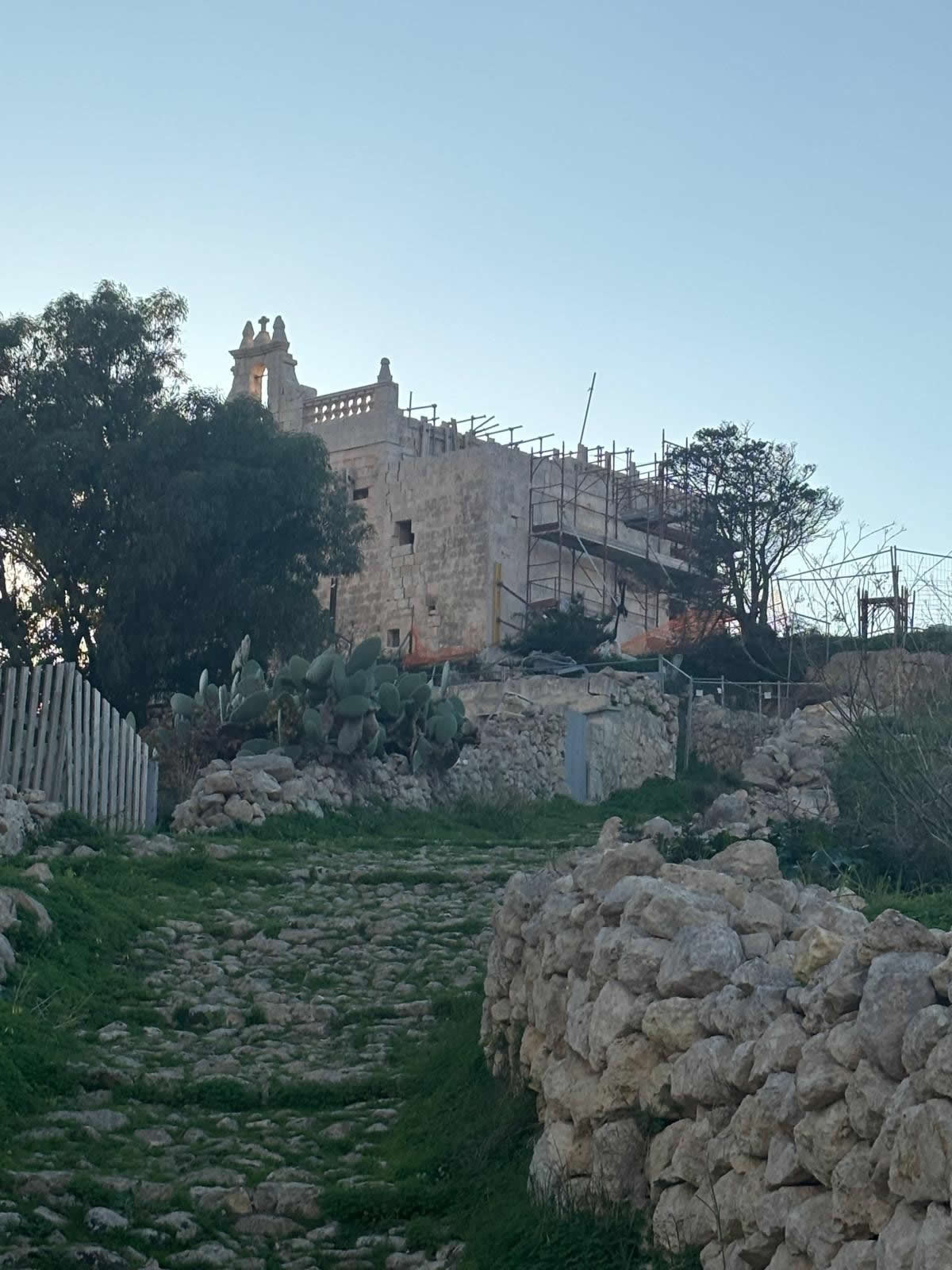
The chapel stands close to the Laferla Cross on a hill historically known by earlier place-names (including Ta’ Għemmuna), and it has long been visible from afar—famously to sailors approaching Malta from the south-west.
Coordinates: 35.849928, 14.416769
Local setting: Salib tal-Għolja ridge (beside Laferla Cross), Siġġiewi
Best for: heritage, Holy Week traditions, wide panoramas, walking & photography
On this page
Full history & construction
Medieval origins and the 1494 rebuild
A chapel dedicated to the Annunciation is documented on this hill by the 15th century, and a medieval chapel is reported to have been rebuilt in 1494. The hill’s prominence made it a practical and spiritual landmark across generations.
Early documentary mentions (1500) and the 1575 apostolic visit
A direct reference from 1500 appears in notarial records, describing a chapel on the area then known as Ta’ Kemmuna. In 1575, apostolic visitor Pietro Dusina described the chapel’s basic fittings (altar, doors, floor) and noted arrangements for the feast-day upkeep—evidence of an active rural sanctuary.
The “Carafa era” rebuild (1680–1681)
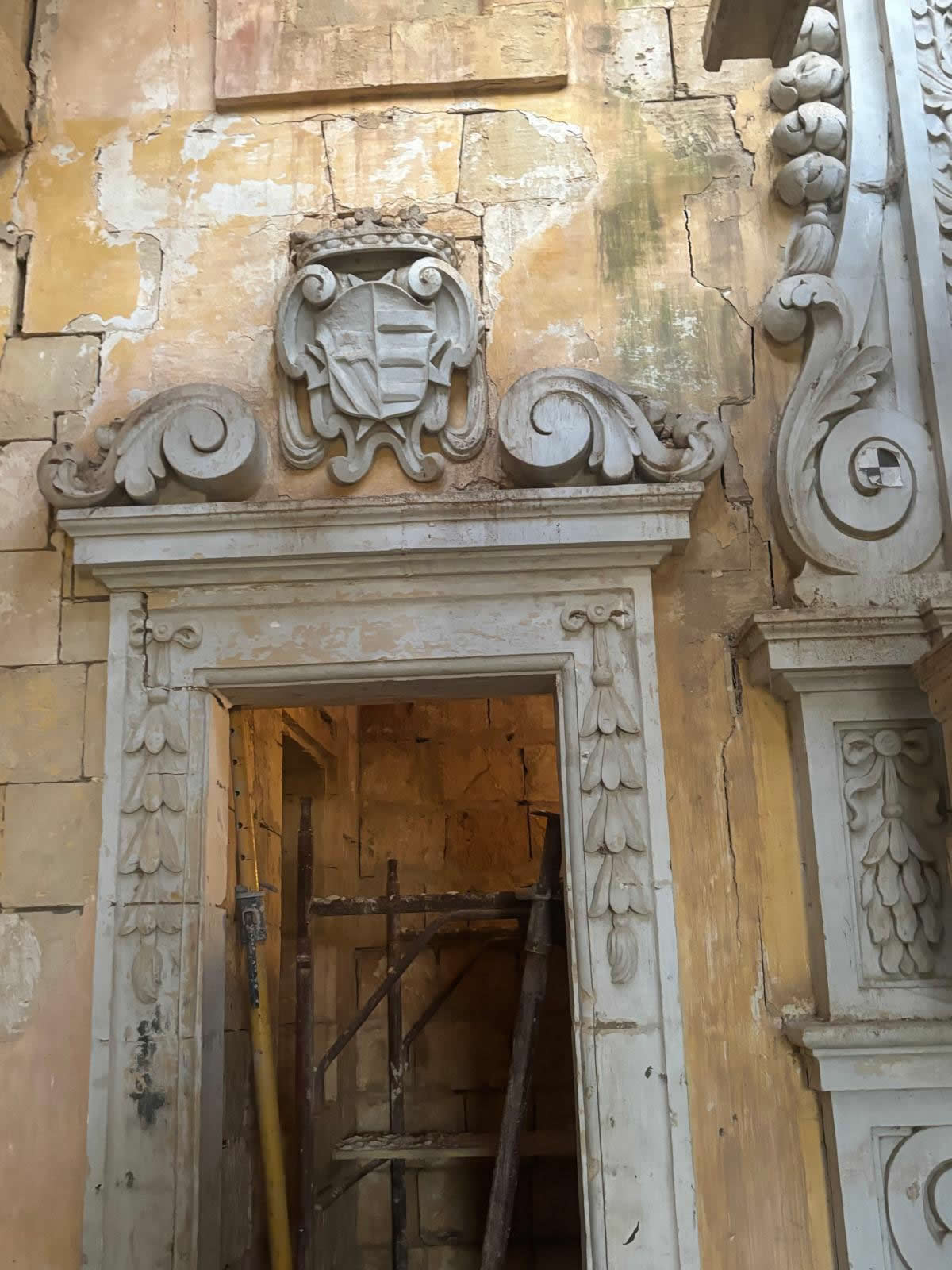
The medieval structure was replaced by a chapel built between 1680 and 1681, a phase often linked to the period when Gregorio Carafa was Grand Master and Molina was bishop; heraldic elements are also referenced in visitation reporting.
Earthquakes, collapse & rebuilding
1693: collapse and the long rebuild (1694–1749)
The 1693 earthquake (which affected Malta as well as Sicily) caused severe damage to the chapel. Rebuilding is described as beginning in August 1694, and the restored chapel was consecrated on 3 June 1749.
1856: destruction and 1857 rebuilding
Another major earthquake in 1856 destroyed the 17th-century chapel (including collapse of a side wall in accounts). The chapel was rebuilt again in 1857, attributed to initiative by the rector (recorded as Fr Nikola Micallef).
1923: renewed damage and subsequent restoration
A further earthquake in September 1923 again extensively damaged the chapel, and it was subsequently restored. The 1923 event is also commemorated in later notes/inscriptions associated with Fr Paul Laferla.
Current restoration & underground consolidation
Why the project is unusual
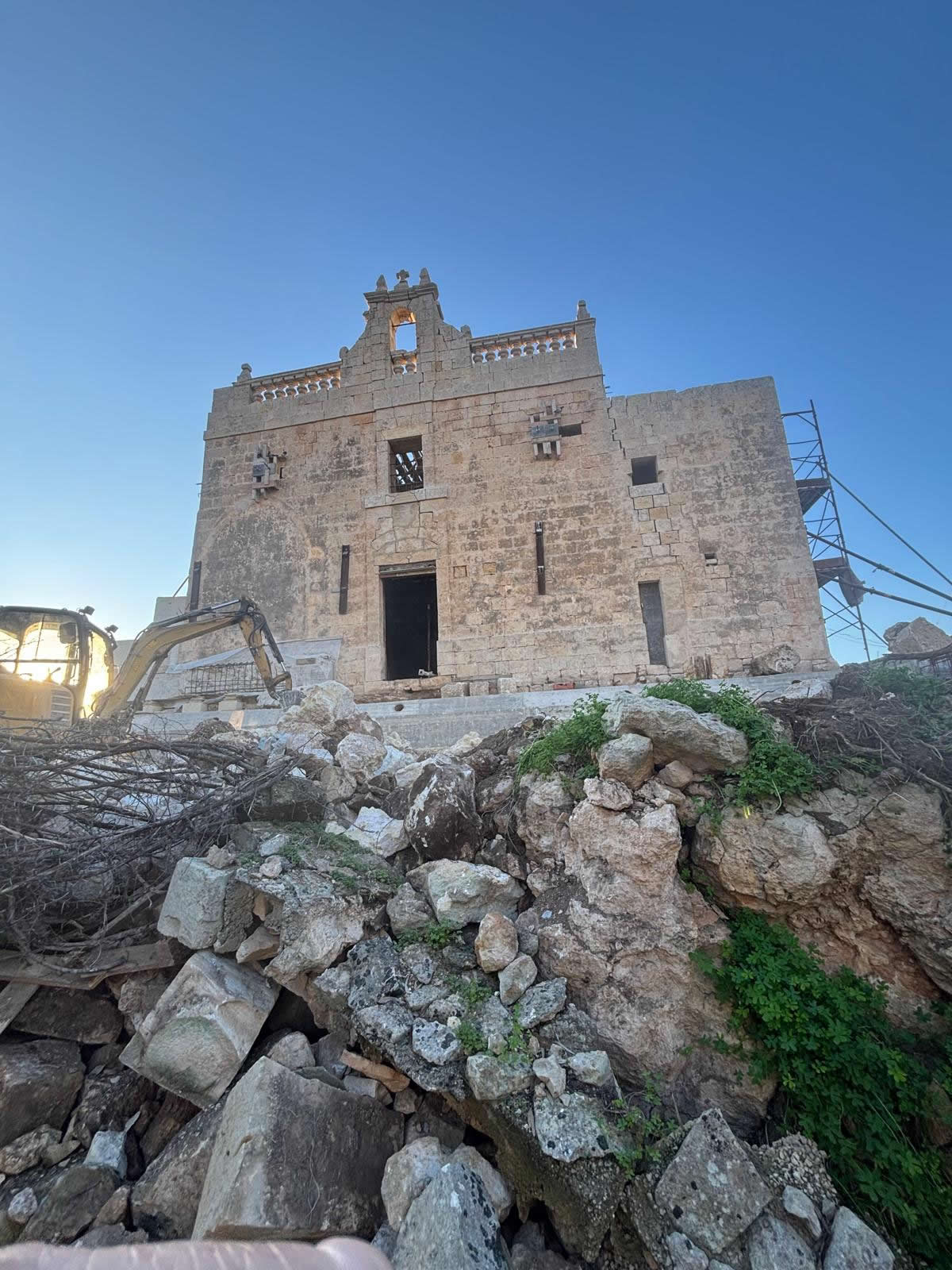
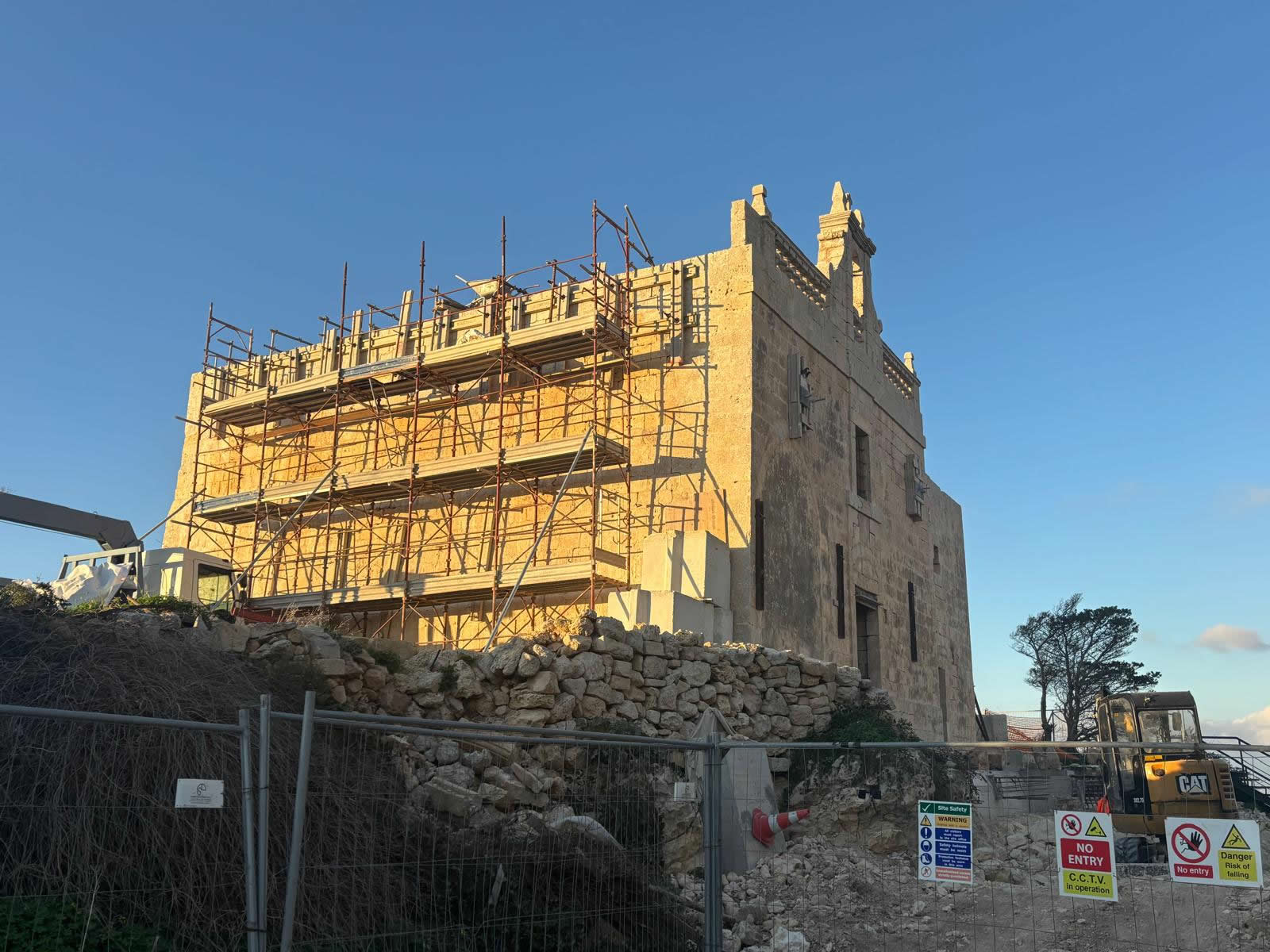
This is not a “surface-only” restoration. The chapel sits on ground described as unstable, with movement and voids/caves in the hillside contributing to progressive cracking and roof failure risk—prompting a programme that combines conservation with heavy geotechnical engineering.
What works are being done
- Continuous documentation of the structure and surrounding geological movement.
- Stabilisation of the nearby cave/void and temporary measures to support heavy machinery for piling.
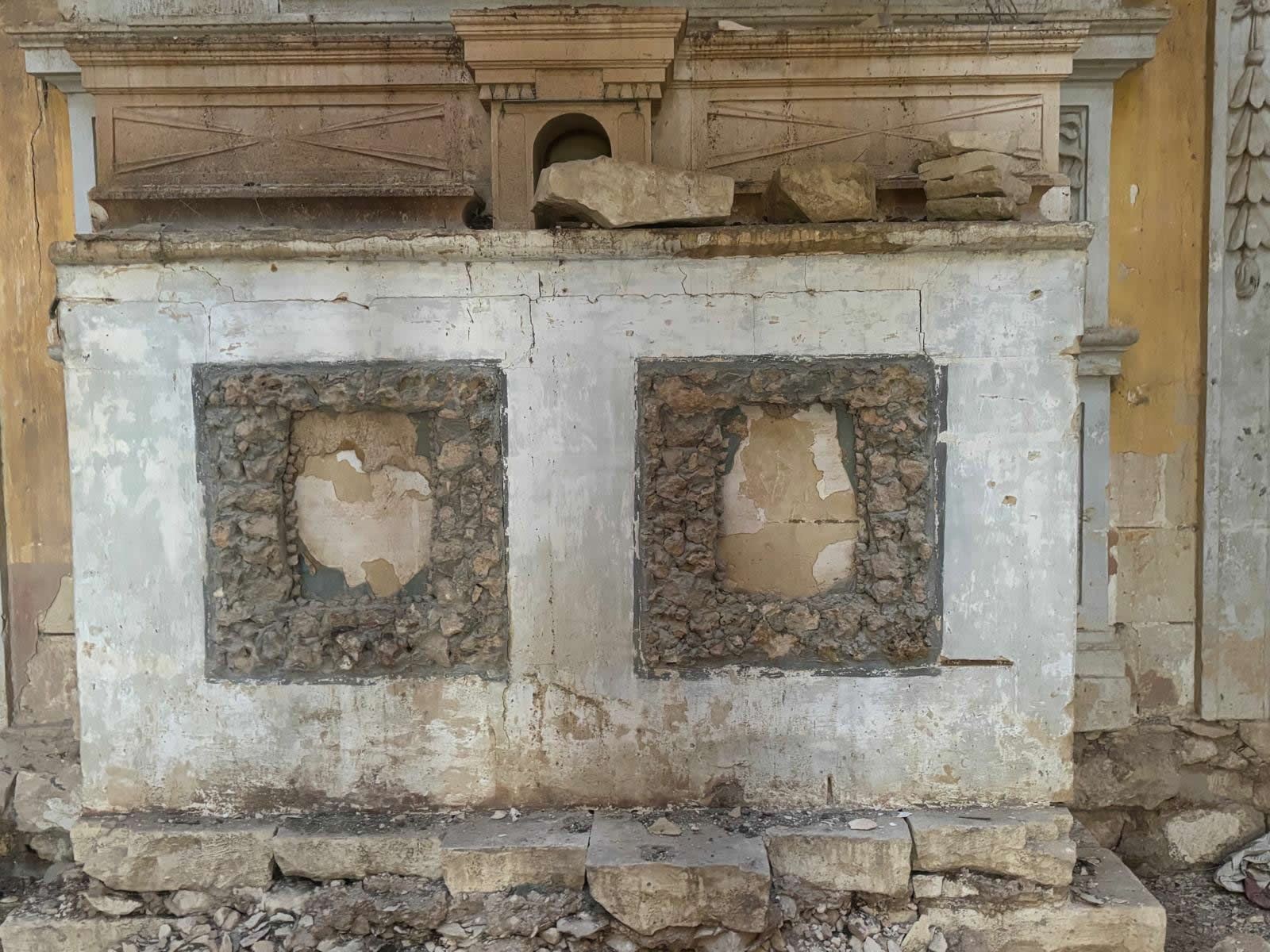
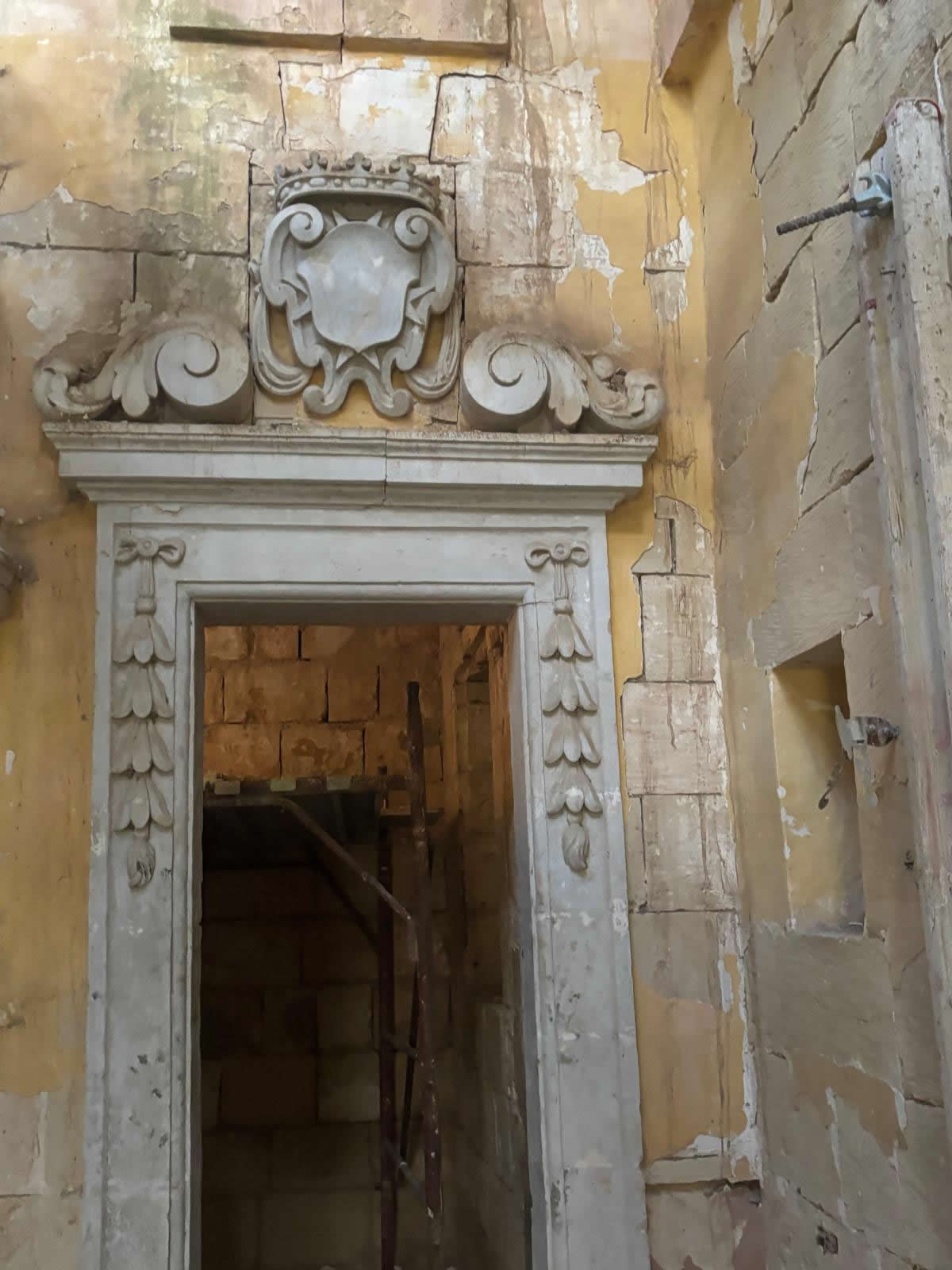
- Roof support and dismantling (temporary dismantling noted), plus preparation works including floor removal.
- Underground foundations (beams/piles/anchors) tying the chapel back into more stable ground behind it.
- Archaeological/structural discoveries during works, including medieval wall traces reported during excavation.
Programme and timeframe
Reporting describes a project valued around €1.2 million, carried out via an agreement between government restoration bodies and the Archdiocese, with a completion target reported as June 2025 (timelines can shift as discoveries emerge).
Use, traditions & Laferla Cross context
Devotion and feast day
As a chapel dedicated to the Annunciation, the devotional calendar naturally links to 25 March. The hill itself is also closely associated with Holy Week traditions, when Maltese visitors walk the area as part of Maundy Thursday / Good Friday devotional routes.
The neighbouring Laferla Cross (1903 and later rebuilds)
The Laferla Cross was erected in 1903 following the initiative of Fr Paul Laferla, later replaced by a replica in 1963 and restored in 1984; improvement works to the pathway were also reported in 2014.
Visiting guide
Getting there
Use 35.849928, 14.416769 in navigation. The site is a hilltop approach route near Siġġiewi. Please follow on-site signage and barriers, especially during restoration works when the chapel and surrounding areas may be closed.
Practical tips
- Best light: sunrise and late afternoon for limestone texture and long views.
- Footwear: the approach can be uneven; wear good walking shoes.
- Respect the place: this is a devotional landmark; keep noise down and leave no litter.
FAQ
When was the chapel built?
A chapel existed here by the 15th century. A medieval chapel was rebuilt in 1494, and a later major rebuild produced a chapel built in 1680–1681.
What are the key modification events?
Major changes followed earthquakes: collapse in 1693 (rebuilding began 1694, reconsecrated 1749), destruction in 1856 (rebuilt 1857), and renewed damage in 1923 followed by restoration.
Why is the current restoration so extensive?
The chapel stands on unstable ground with structural risk. The project includes underground piles/beams/anchors, roof and cave stabilisation, and detailed documentation/monitoring—going far beyond stone cleaning.