Overview
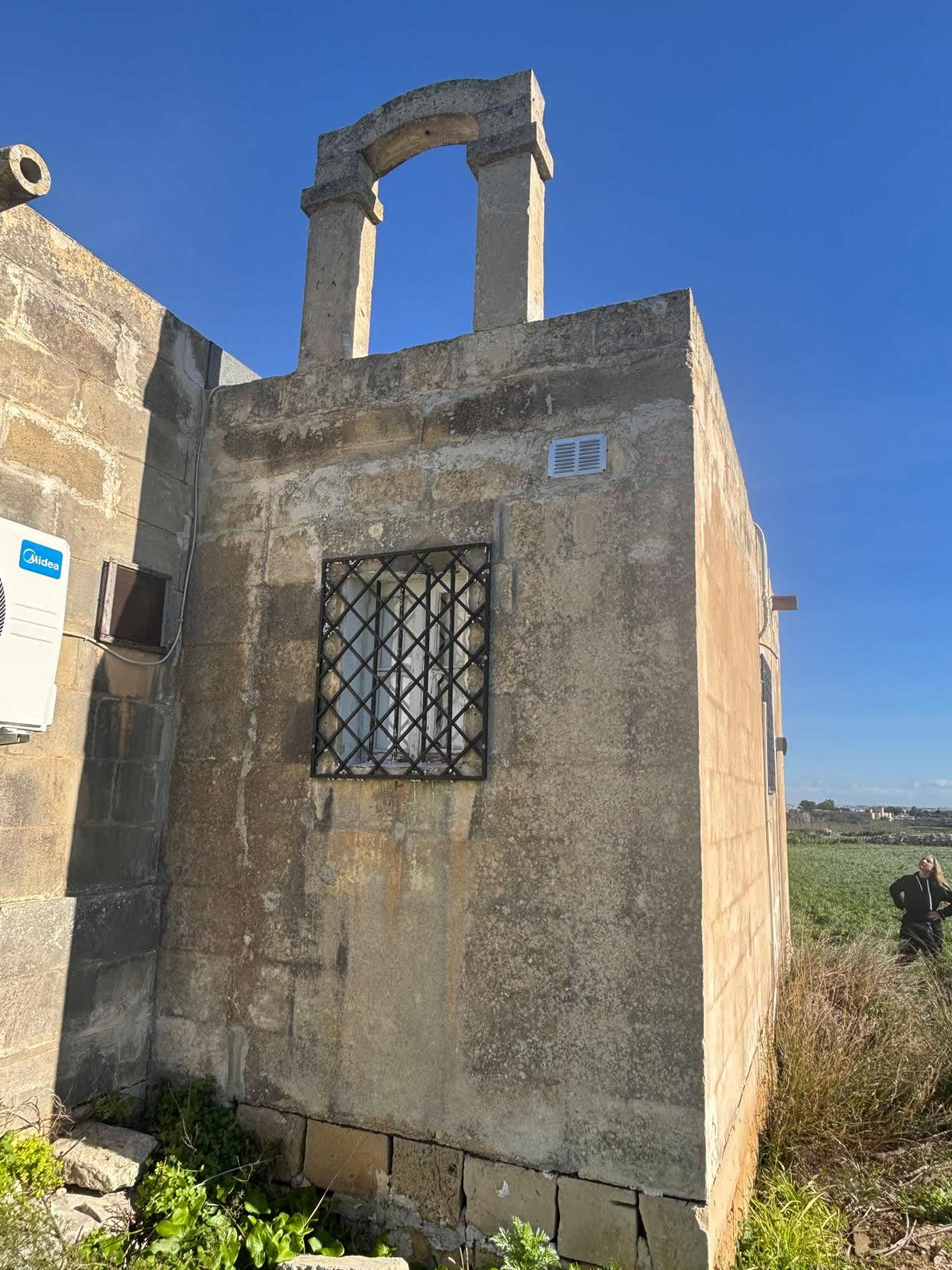
Knisja Madonna tal-Vitorja (English: Our Lady of Victory) is a Roman Catholic chapel located in the town of Attard, Malta. The chapel is listed in Maltese church directories as a place of worship within the Archdiocese of Malta and is situated along Triq l-Imdina, one of Attard’s principal historic roads.
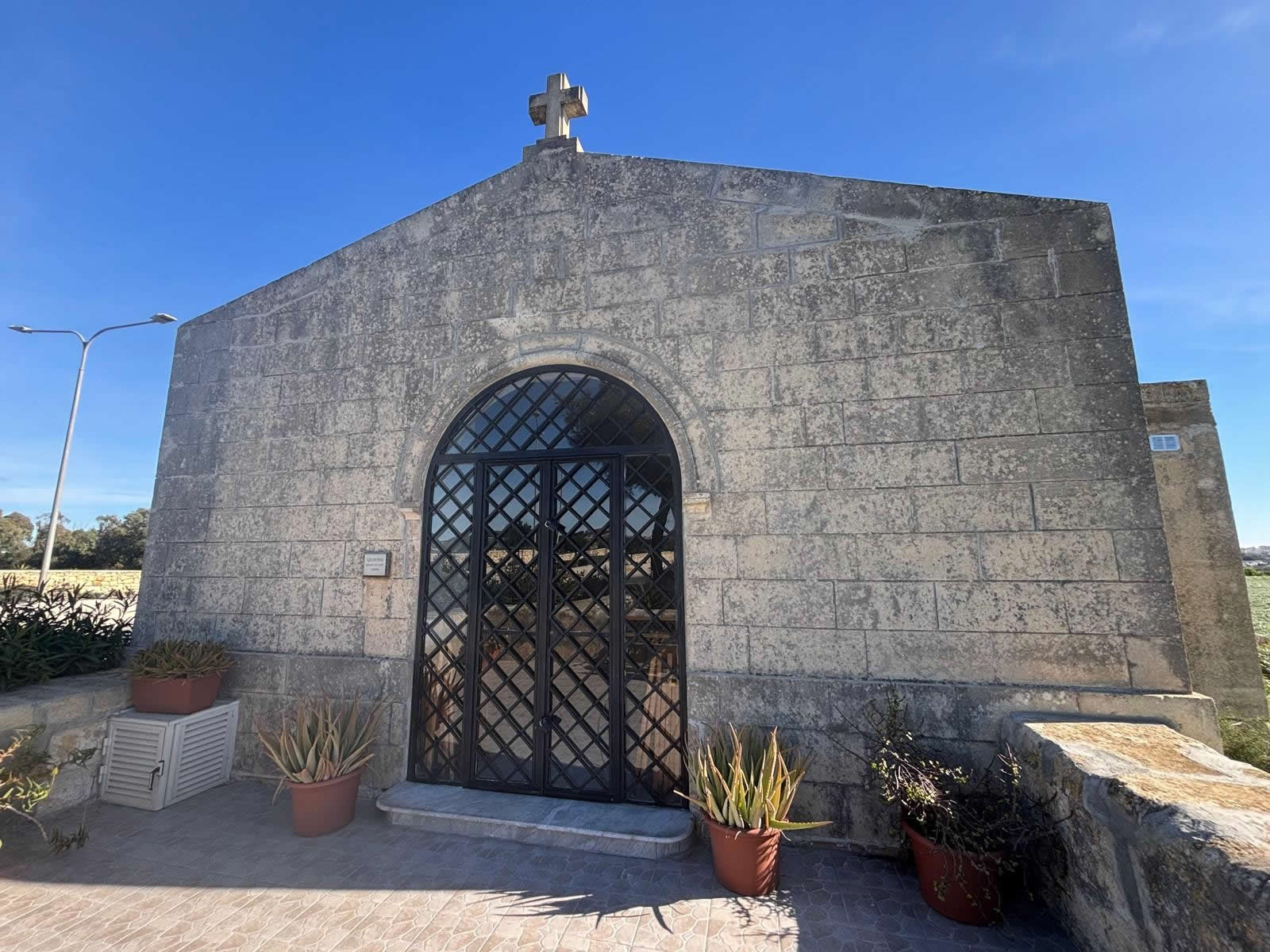
Although modest in scale, the chapel forms part of Attard’s long-standing religious landscape, which includes the parish church of St Mary and a number of smaller devotional chapels serving local neighbourhoods.
Location and setting
The chapel stands in central Malta at coordinates 35.885787, 14.423544. Triq l-Imdina historically functioned as an important route linking inland settlements, and chapels along such roads often served both residents and travellers as places for prayer and thanksgiving.
Today, the surrounding area includes residential streets and is within close proximity to notable landmarks such as Ta’ Qali and other civic and recreational sites, placing the chapel within a living, evolving urban context rather than an isolated rural setting.
Dedication to Our Lady of Victory
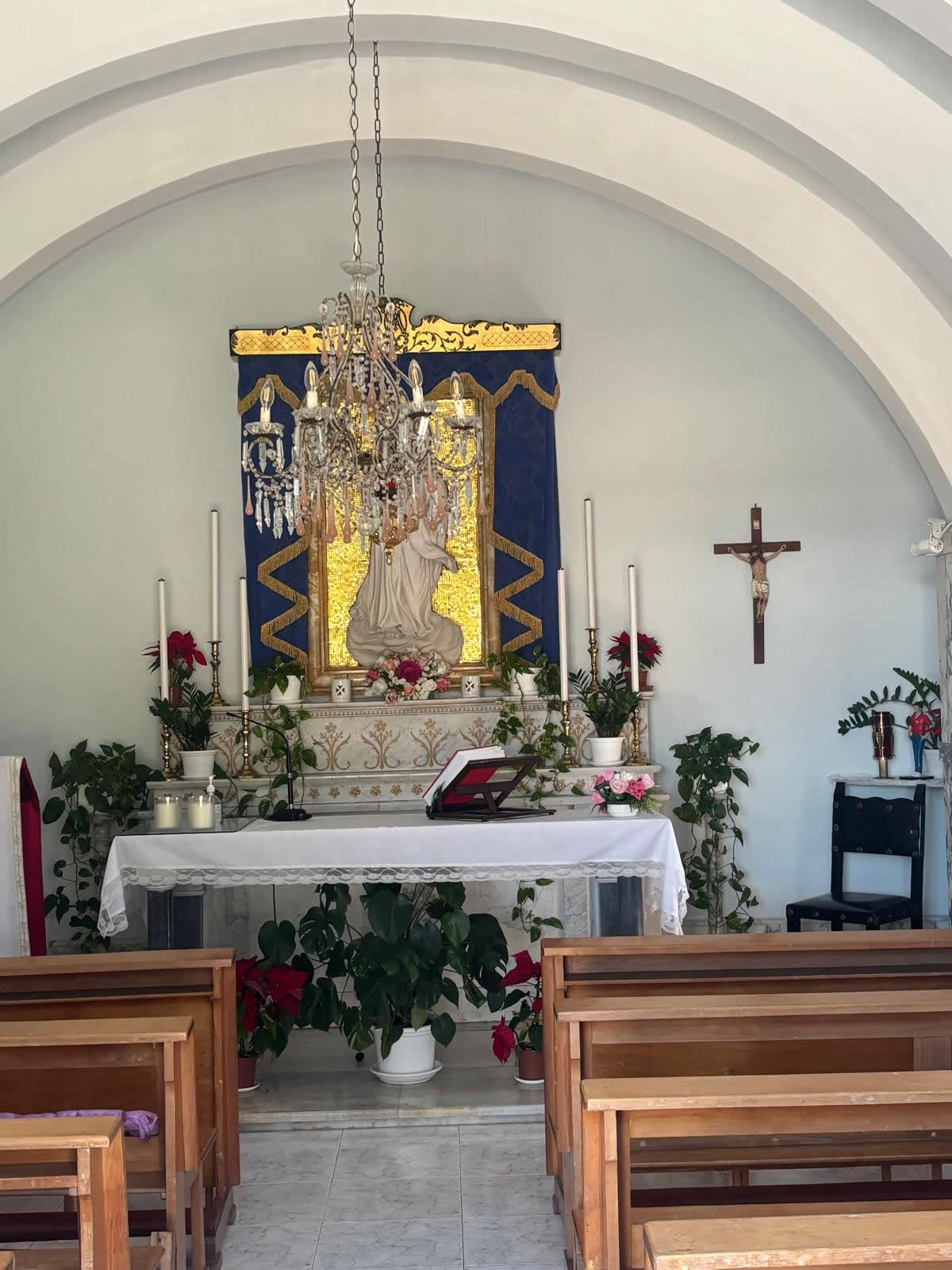
The chapel is dedicated to Our Lady of Victory (Madonna tal-Vitorja), a Marian title deeply rooted in Catholic history. The devotion became widespread following the Battle of Lepanto in 1571, when Christian forces attributed victory to the intercession of the Virgin Mary.
In time, the feast associated with this devotion evolved into what is now widely celebrated as the Feast of Our Lady of the Rosary on 7 October. Despite this evolution, the title “Our Lady of Victory” remains preserved in the names of churches and chapels across Europe and Malta, symbolising gratitude, protection, and communal faith.
History and development
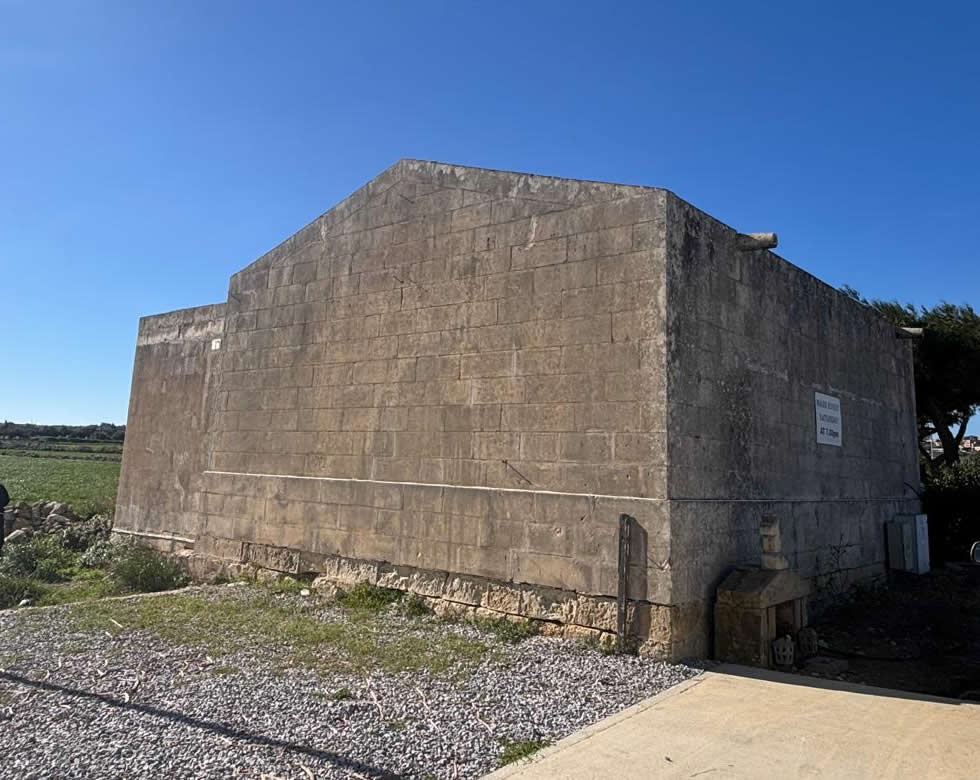
At present, no publicly accessible archival documentation confirms the precise date of construction, original benefactor, or architectural attribution for this specific chapel in Attard. Such gaps are not unusual for smaller chapels, particularly those that developed as local devotional initiatives rather than large parish or state-sponsored projects.
Nevertheless, its inclusion in official church listings and its continued recognition by ecclesiastical authorities confirm its long-standing religious function. Chapels of this type typically emerged to serve specific neighbourhoods, commemorate vows, or provide accessible places of prayer outside the main parish church.
Restoration and preservation
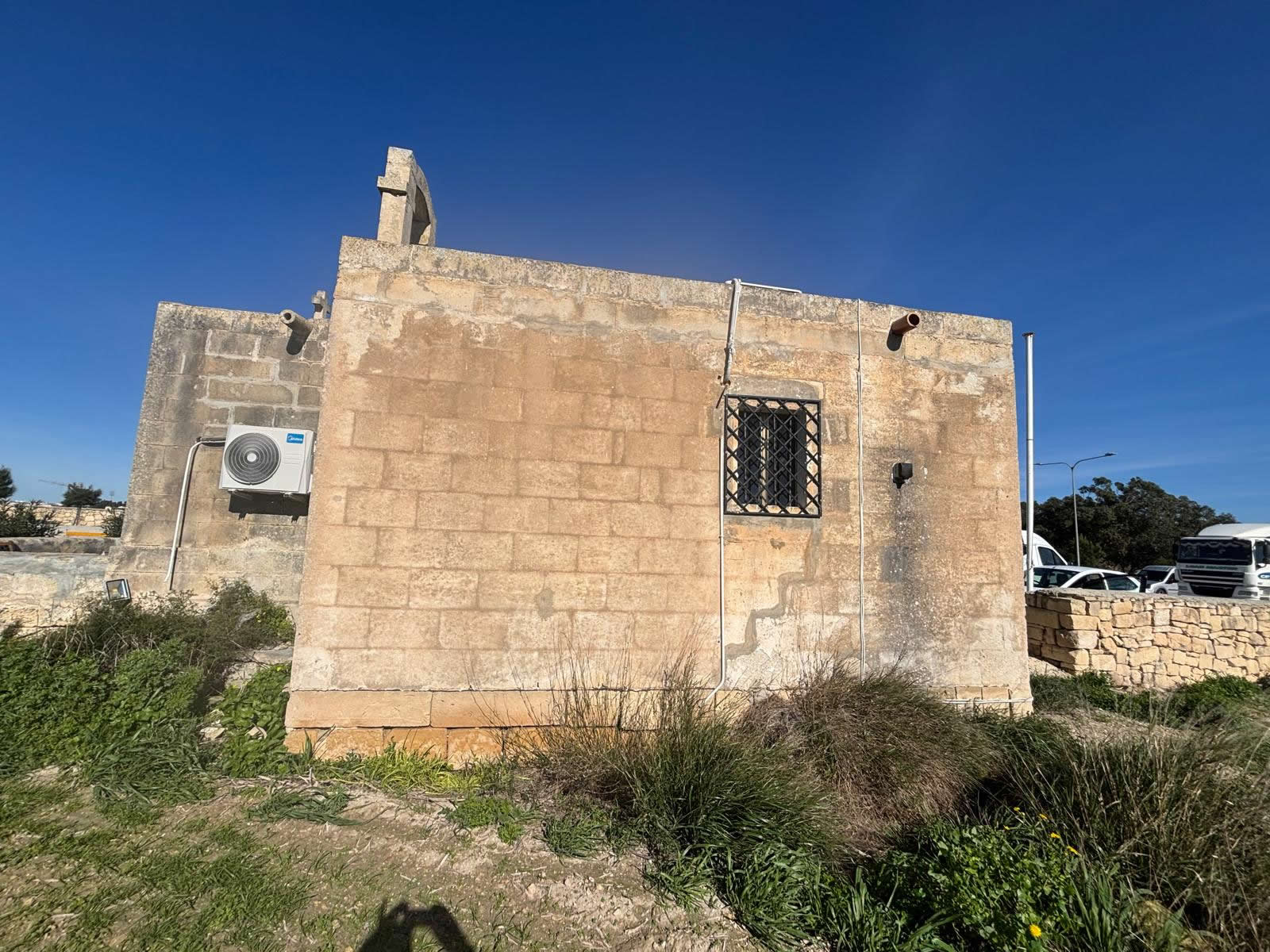
No detailed public records have been identified that describe restoration campaigns or structural modifications specific to the Madonna tal-Vitorja chapel in Attard. However, the chapel’s maintained condition and continued liturgical use indicate ongoing care consistent with practices adopted by the Archdiocese of Malta for minor religious buildings.
Any conservation or repair work would typically focus on structural stability, the preservation of devotional elements, and ensuring the building remains suitable for worship, in line with diocesan and heritage guidelines.
Religious use and community role
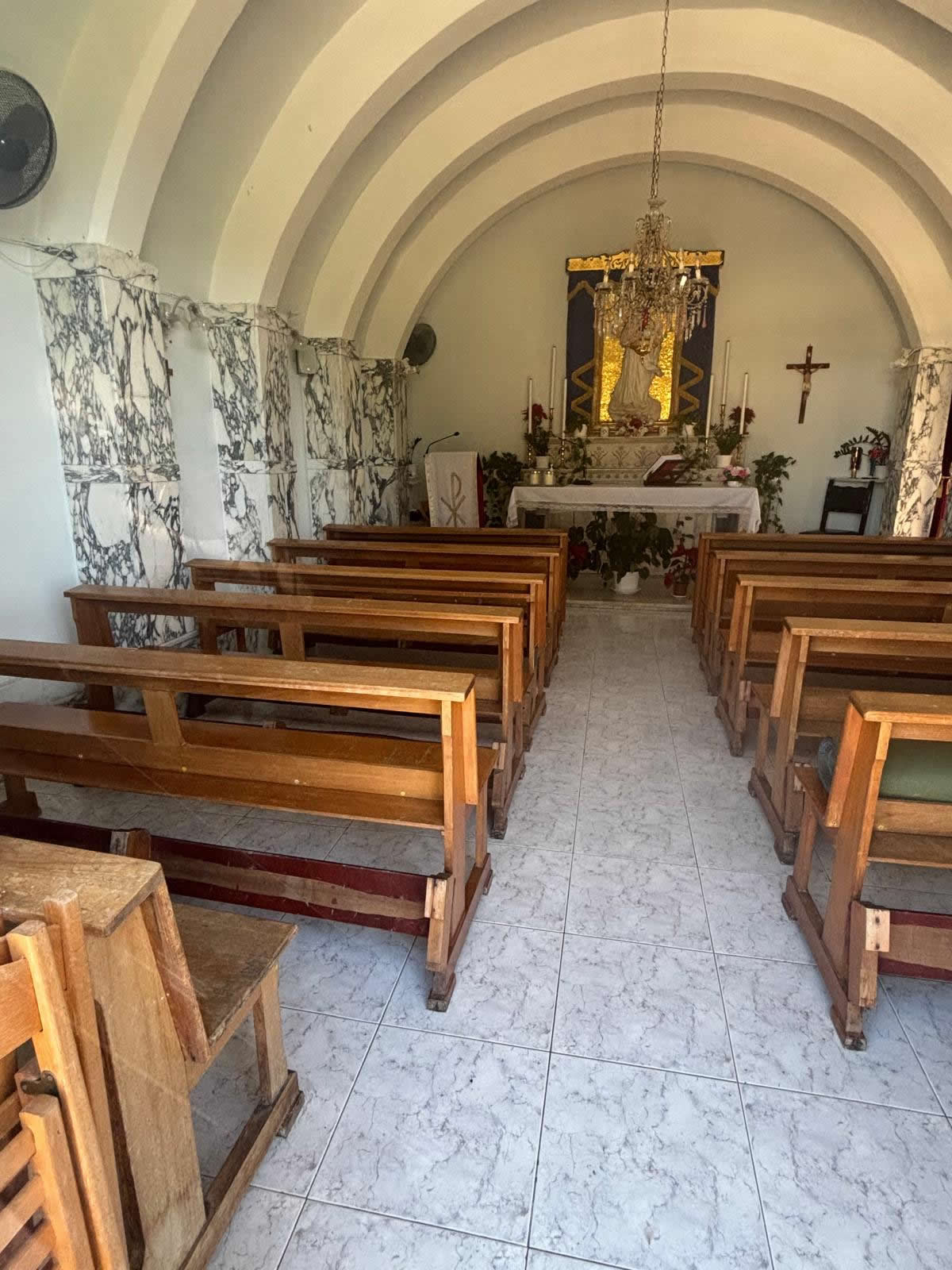
The chapel continues to function as a place of Catholic worship. In recent years, Masses celebrated from the Chapel of Our Lady of Victory in Ħ’Attard have been broadcast through Maltese church media, confirming its active role in contemporary religious life.
Beyond formal liturgy, chapels such as this traditionally serve as focal points for personal devotion, Marian prayer, and local religious identity, reinforcing their importance within the social and spiritual fabric of Maltese towns.
Cultural and spiritual significance
While modest in appearance, the Madonna tal-Vitorja chapel reflects the broader Maltese tradition of widespread Marian devotion and the island’s dense network of sacred spaces. Its dedication connects Attard to a centuries-old spiritual narrative centred on faith, thanksgiving, and communal resilience.
As part of Attard’s collection of chapels, it contributes to the town’s historic identity and remains a testament to the enduring role of small religious buildings in Malta’s cultural heritage.