Set beside country lanes near Wied il-Qlejgħa and the Chadwick Lakes walking area, Tas-Salib is a small rural chapel
dedicated to the Nativity of the Virgin Mary, and popularly known by the nearby stone cross that gives the area its name.
Coordinates: 35.891479, 14.381007Dedication: Nativity of Our Lady (8 September)Built: 16th century (trad. 1550)Rebuilt: before 1615Abandoned: sometime in the 18th centuryUse today: prayer meetings
At a glance
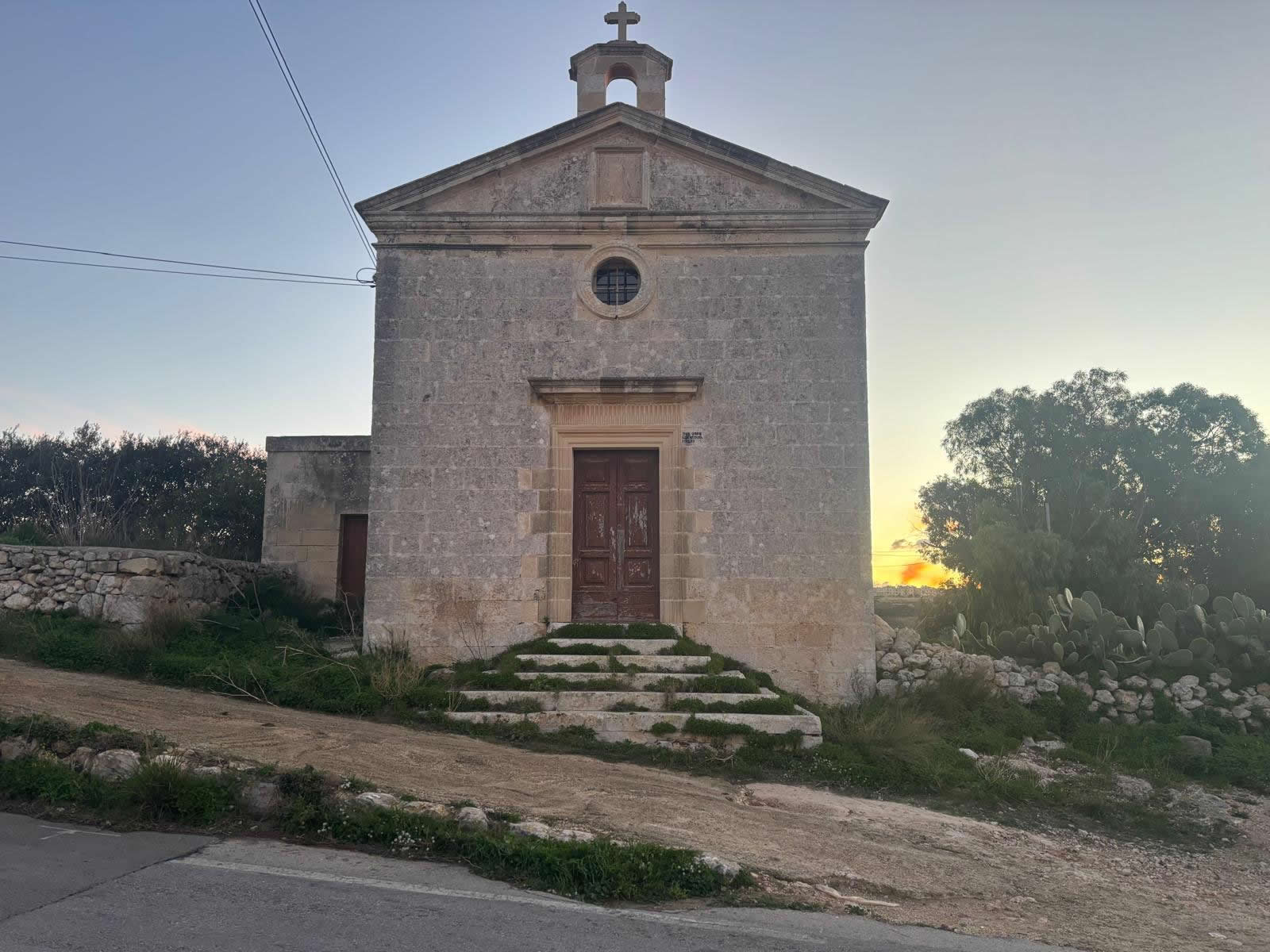
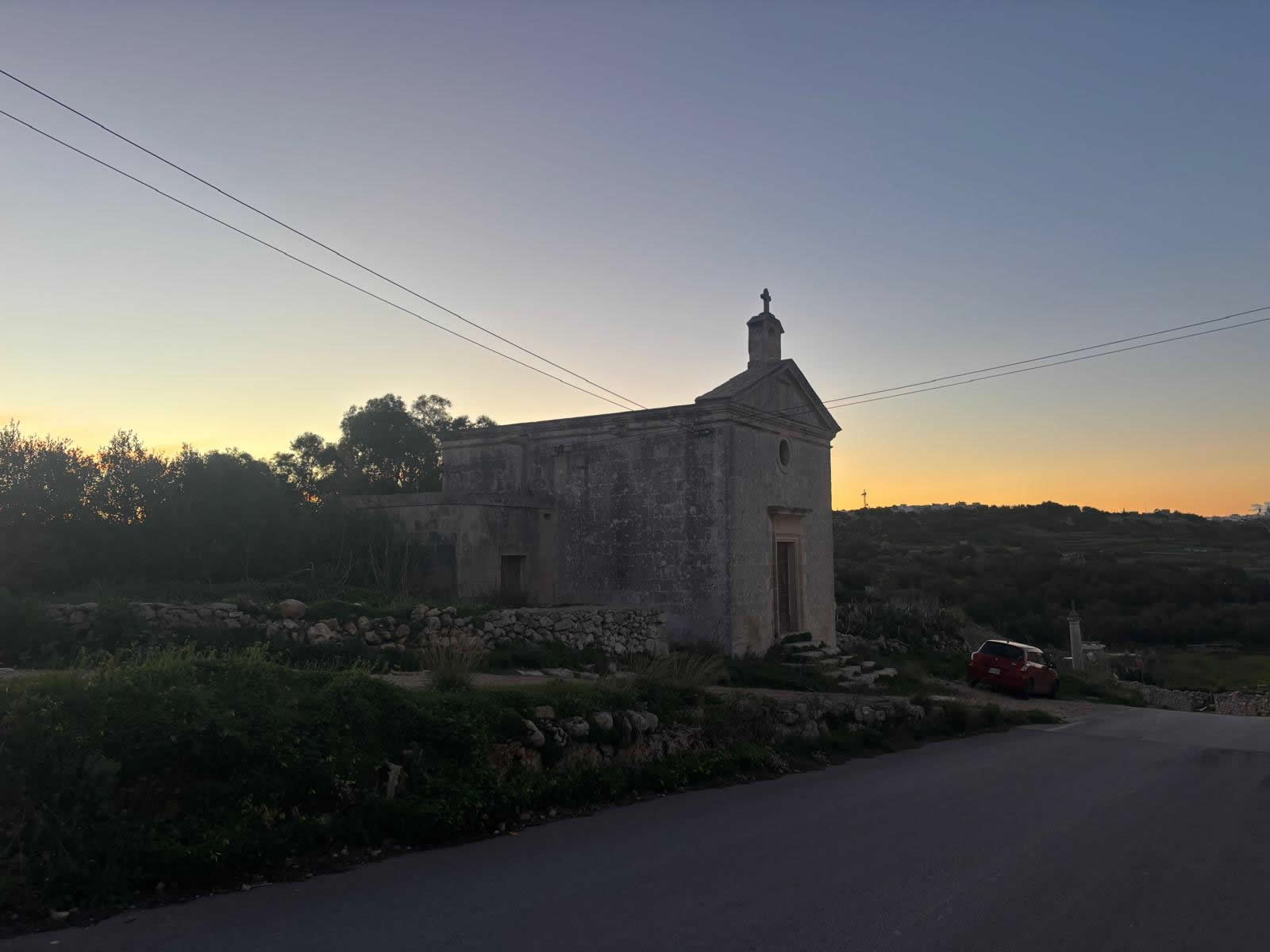
Tas-Salib is described as a typical countryside rectangular rural church with waterspouts around the building and a small bell-cot on its façade.
It is best visited as part of a rural walk: the chapel stands close to the valley routes associated with Chadwick Lakes and the Fiddien area.
Also known as“Tas-Salib” (from the nearby stone cross)
SettingRural Rabat / Fiddien, near Wied il-Qlejgħa
Key phases16th-century origin; rebuilt before 1615
Present-day useUsed for prayer meetings
Full detailed history
Confirmed / documented timeline: the chapel is described as probably built in the 16th century, with a tradition that it was built in 1550 and later rebuilt before 1615.
Origins in the 16th century
In heritage descriptions of the Chadwick Lakes area, the chapel is placed in the 16th century and linked to the popularity of the
Nativity of Our Lady devotion in Malta—especially after the Great Siege of 1565, when help from Sicily arrived on 8 September (the feast day).
Rebuilding before 1615 (local tradition)
Local chapel listings identify an early rebuild before 1615, attributed to Gregorio Xerri (with an ecclesiastical living founded there),
after a period when the church had remained closed for many years.
18th-century abandonment
Accounts for walkers visiting the area note that, like many countryside chapels, Tas-Salib suffered from a lack of funds and furnishings and was
abandoned sometime in the 18th century.
Why “Tas-Salib”?
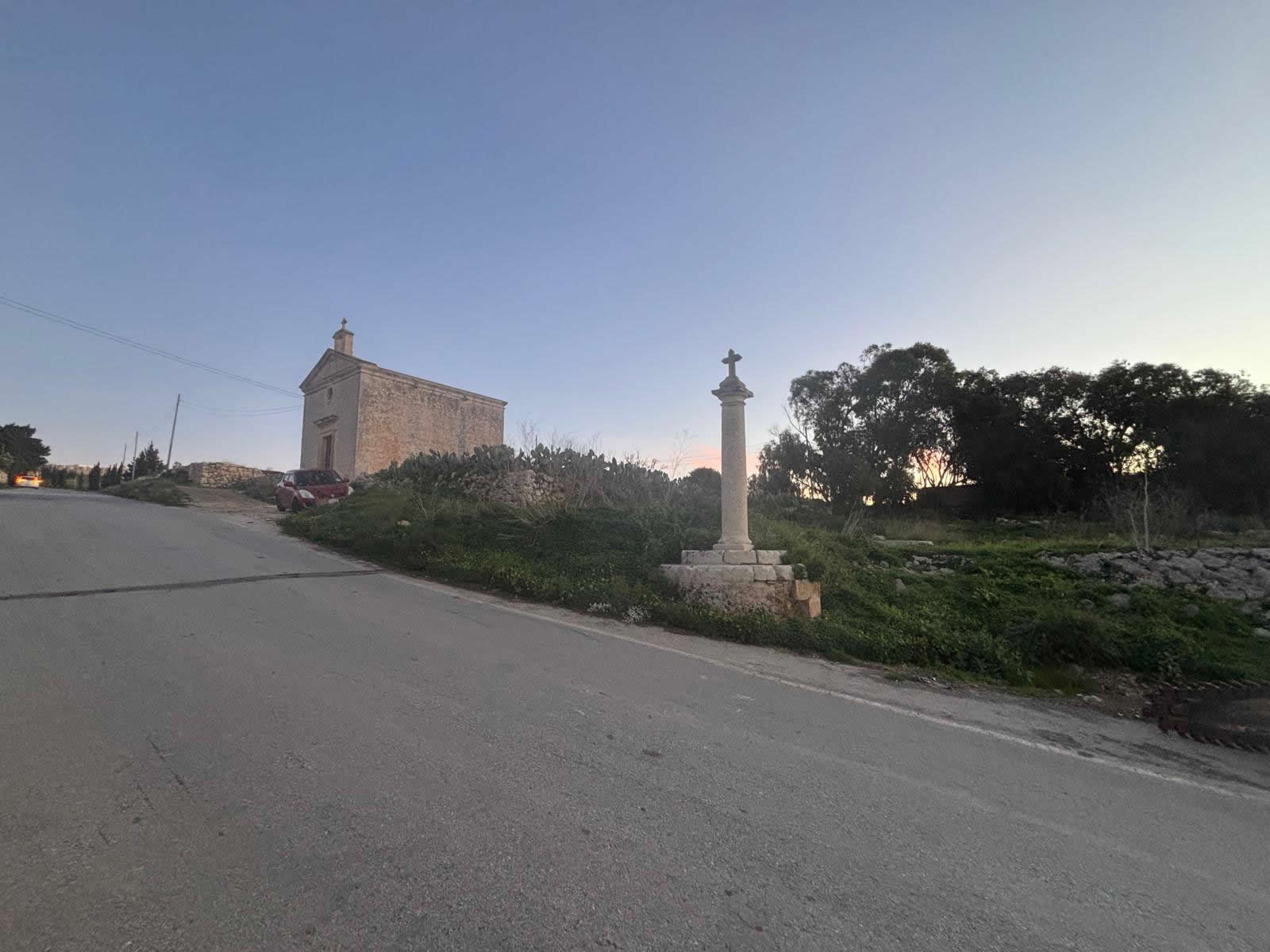
The chapel is “also referred to as Tas-Salib (of the Cross)” because of the stone cross close by—a landmark that shapes the place-name.
Visitors frequently note that the dedication is to the Nativity of Our Lady, even though the locality is known as Tas-Salib.
Construction and architectural character
Tas-Salib is described as a straightforward rural limestone chapel: a rectangular plan, practical waterspouts around the structure,
and a small bell-cot on the façade—features typical of Malta’s countryside churches.
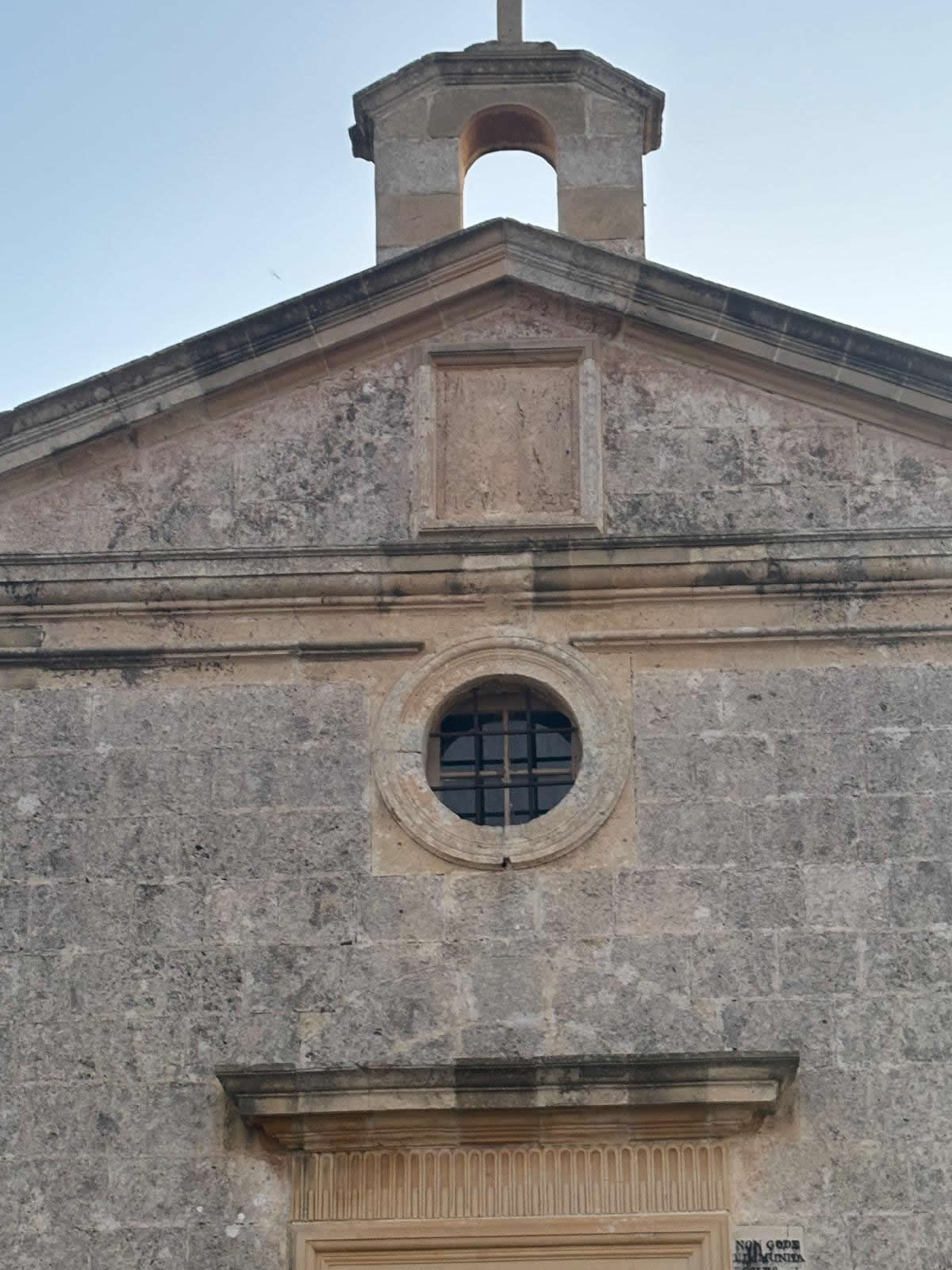
The “Non Gode l’Immunita Ecclessiastica” tablet
A notable exterior feature is the marble tablet with the wording “Non Gode l’Immunita Ecclessiastica”, indicating that ecclesiastical immunity did not apply.
Restoration and conservation
Publicly available descriptions emphasise the chapel’s cycles of use and disuse (including abandonment in the 18th century), but do not consistently publish a single,
universally cited modern restoration year.
What is clearly stated is that the chapel is used today for prayer meetings, indicating continued local stewardship and periodic upkeep typical of small rural sites.
SEO tip: if you have a restoration plaque date, parish notice, or conservation report (year + scope of works), add it to the timeline below for stronger “confirmed dates” value.
How the chapel is used today
Tas-Salib is described as being used for prayer meetings today—an appropriate modern role for a small rural chapel outside the main town centre.
Access can vary (as with many countryside chapels), so it is best appreciated as part of a daytime heritage walk in the surrounding valley landscape.
Timeline of key dates
Date / period
Event
16th century
Chapel described as probably built in this century.
1550 (tradition)
Local tradition places the building in 1550 at Fiddien (Rabat countryside).
Before 1615
Rebuilt before 1615 (attributed in local listings to Gregorio Xerri).
18th century
Reported to have been abandoned sometime in the 18th century.
Today
Used for prayer meetings.
Places to visit nearby
Wied il-Qlejgħa / Chadwick Lakes trail: valley walking routes with heritage points of interest.
Rabat: pair a countryside chapel stop with the town’s historic core and museums.
Mdina: Malta’s old capital is a short drive away for panoramic walks and heritage streets.