
Overview
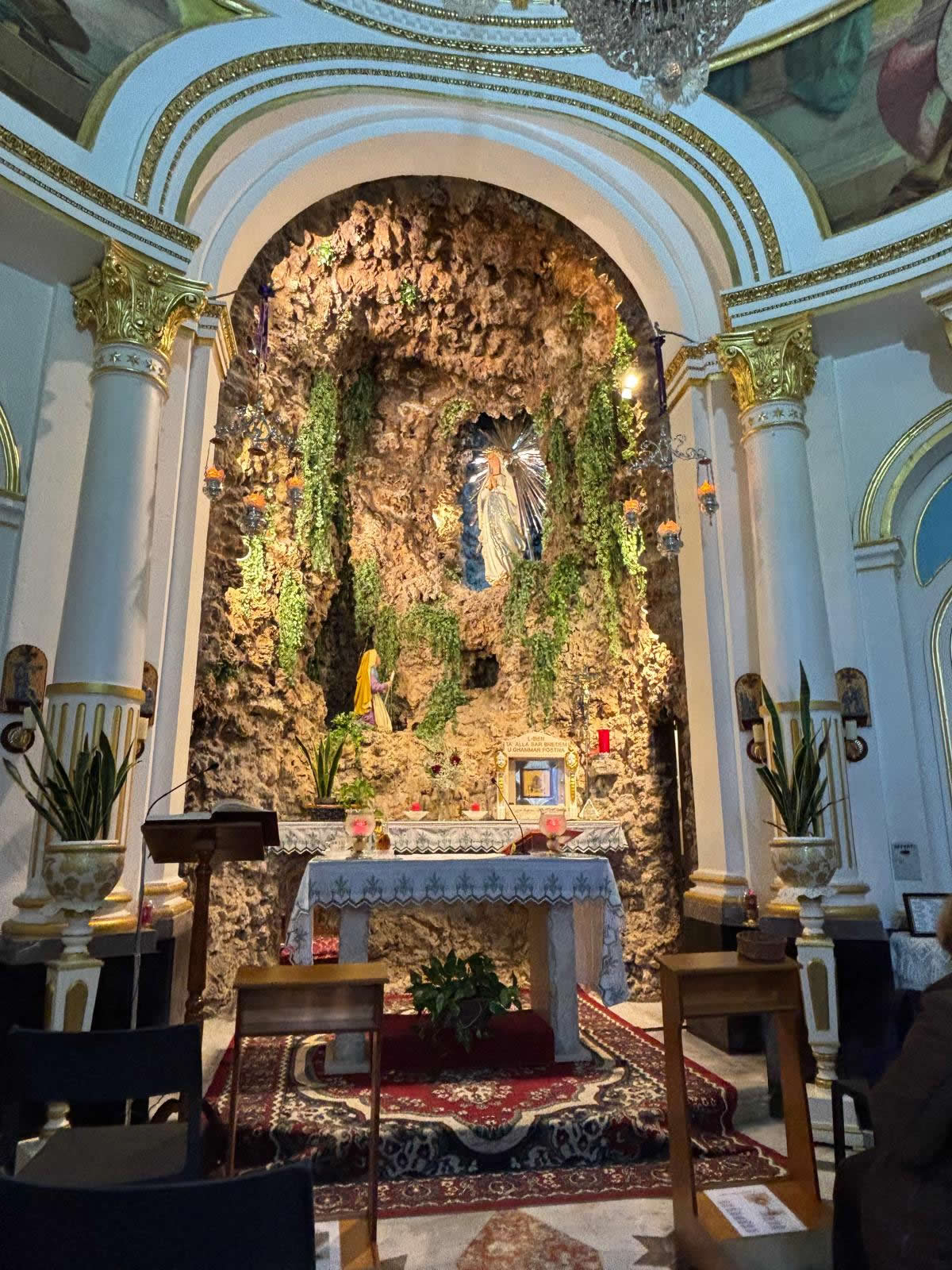
The Chapel of Our Lady of Lourdes (Kappella tal-Madonna ta’ Lourdes) is a small but deeply loved landmark in Floriana. Its defining feature is a Lourdes-style grotto with statues of the Madonna and St Bernadette, creating a devotional atmosphere that draws visitors who may never travel to Lourdes itself.

Key dates (timeline)
- 1709: An earlier chapel on this spot is built and dedicated to St Mary Magdalene by the Bailiff of the Order, Fra Filippo Wolfgang von Guttenberg.
- 1881: The Magdalene statue is replaced by a statue of Our Lady of Lourdes, helping spread Lourdes devotion in Malta.
- 1918 (July): Construction begins on a new chapel. The architect is Cav. Emmanuel Borg, and the works are entrusted to master builder Piju Ebejer.
- 26 December 1920: A major public celebration marks the chapel’s completion: the chapel is blessed and the first Mass is celebrated by Bishop Mauro Caruana, followed by a solemn procession bringing the Madonna to her chapel.
- Post–World War II: Repairs and alterations follow blast-related damage: a new lantern is made, and interior elements are reorganised.
- September 2007: The chapel is repainted inside and out through benefactors’ support (with further decorative works continuing afterward).

History
Before it was “Ta’ Lourdes”, this site hosted a small refuge chapel dedicated to St Mary Magdalene, built during the period of the Knights. Its purpose was practical and pastoral: a sheltered stop for people visiting the Capuchin friars for confession and prayer.
The character of the site changed with the rise of Lourdes devotion in the late 19th century. In 1881, only 23 years after the 1858 apparitions, a statue of Our Lady of Lourdes replaced the earlier dedication and the site quickly attracted devotion from across Malta.
By the early 20th century, the devotion had outgrown the earlier arrangement (described as an elongated niche behind an iron grille). This led to the decision to build a proper chapel—despite engineering difficulty, because the foundations had to be set well below street level.

Construction and design
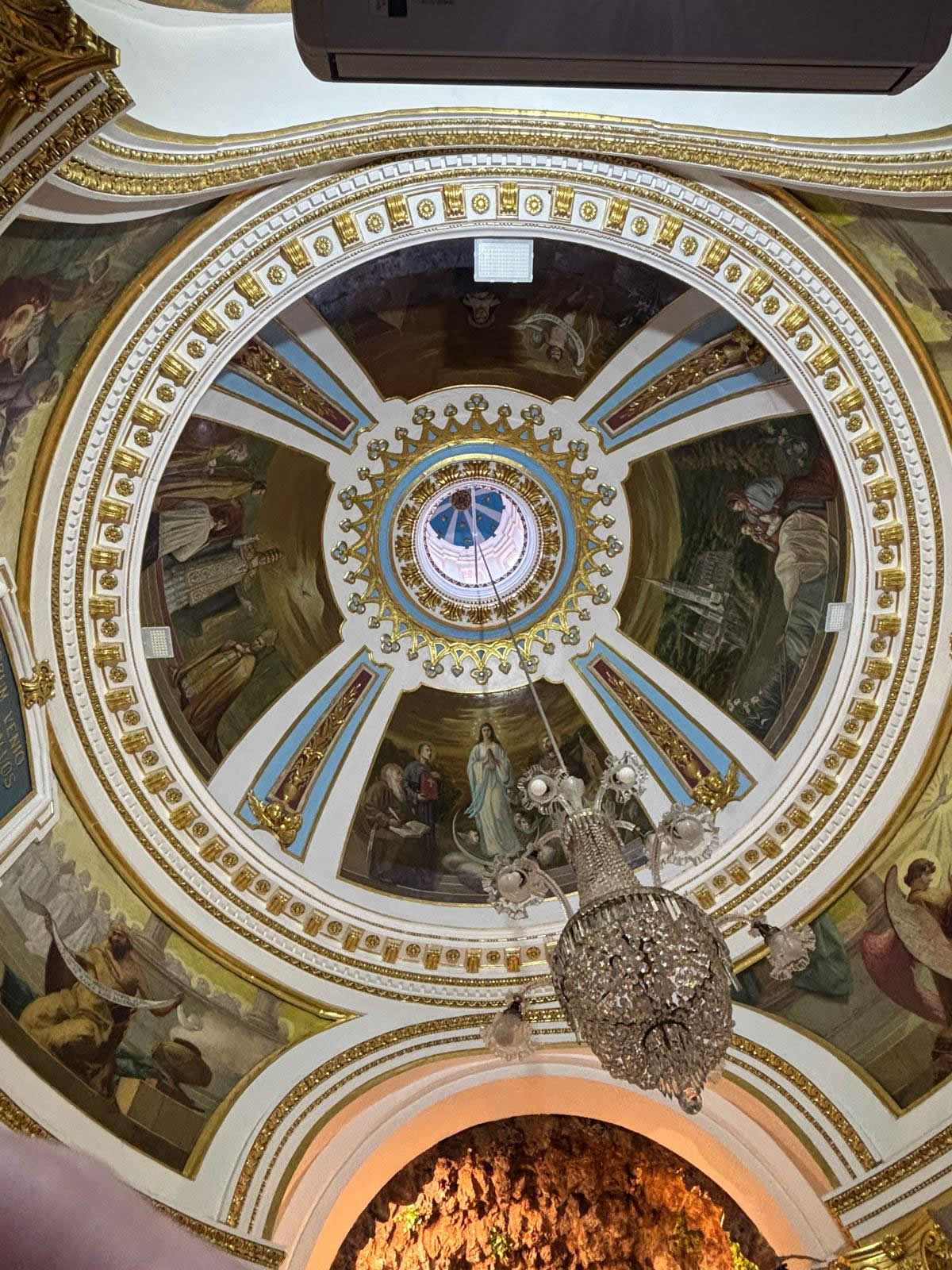
Work on the present chapel began in July 1918 to a plan by Cav. Emmanuel Borg. The result is a compact, elegant building designed to focus attention on the grotto and altar area, while providing shelter for devotees in all seasons.
The grotto
- Grotto maker: the Lourdes-style grotto is attributed to Duminku Busuttil.
- Devotional focus: statues of Our Lady and St Bernadette create a “Lourdes atmosphere” in the heart of Floriana.
Crafts and benefactors
The chapel’s story includes a long list of benefactors and craftsmen (marble workers, carpenters, sculptors) who contributed to its finish—typical of Maltese devotional buildings where community sponsorship is part of the heritage.
Restoration and conservation
Like many small chapels, Ta’ Lourdes has been maintained through periodic interventions rather than one single restoration campaign. Post-war works addressed damage and prompted changes to interior fittings and the presbytery area. Later, major repainting is recorded in 2007, with further decorative improvements continuing afterward.
- Post-war: new lantern made; interior paintwork restored; marble floor maintenance and presbytery adjustments.
- 2007: repainting inside and outside funded by benefactors.
Use today
The chapel remains a living devotional space: people visit daily to pray, light a candle, and recite the Rosary. It also forms part of Floriana’s religious landscape around the Capuchins and nearby churches, linking private devotion with community faith.

Visiting tips
- Best experience: visit in quiet hours to appreciate the grotto atmosphere.
- Respect: modest dress and silence; avoid flash photography if others are praying.
- Pair with: Capuchin Church of the Holy Crucifix, Sarria Church, and St Publius Parish Church.
Access and opening times can vary because it is a devotional chapel—plan as you would for other small Maltese chapels.
FAQ
Is this chapel older than the Lourdes apparitions?
Yes. The site’s earliest chapel is recorded as built in 1709 (as St Mary Magdalene). The Lourdes devotion was introduced later, from 1881.
When was the current chapel completed?
Building began in July 1918, and the chapel was blessed and publicly inaugurated on 26 December 1920.
What is the main highlight?
The Lourdes-style grotto with statues of Our Lady and St Bernadette—designed to bring the “Lourdes” experience to Floriana.