Overview
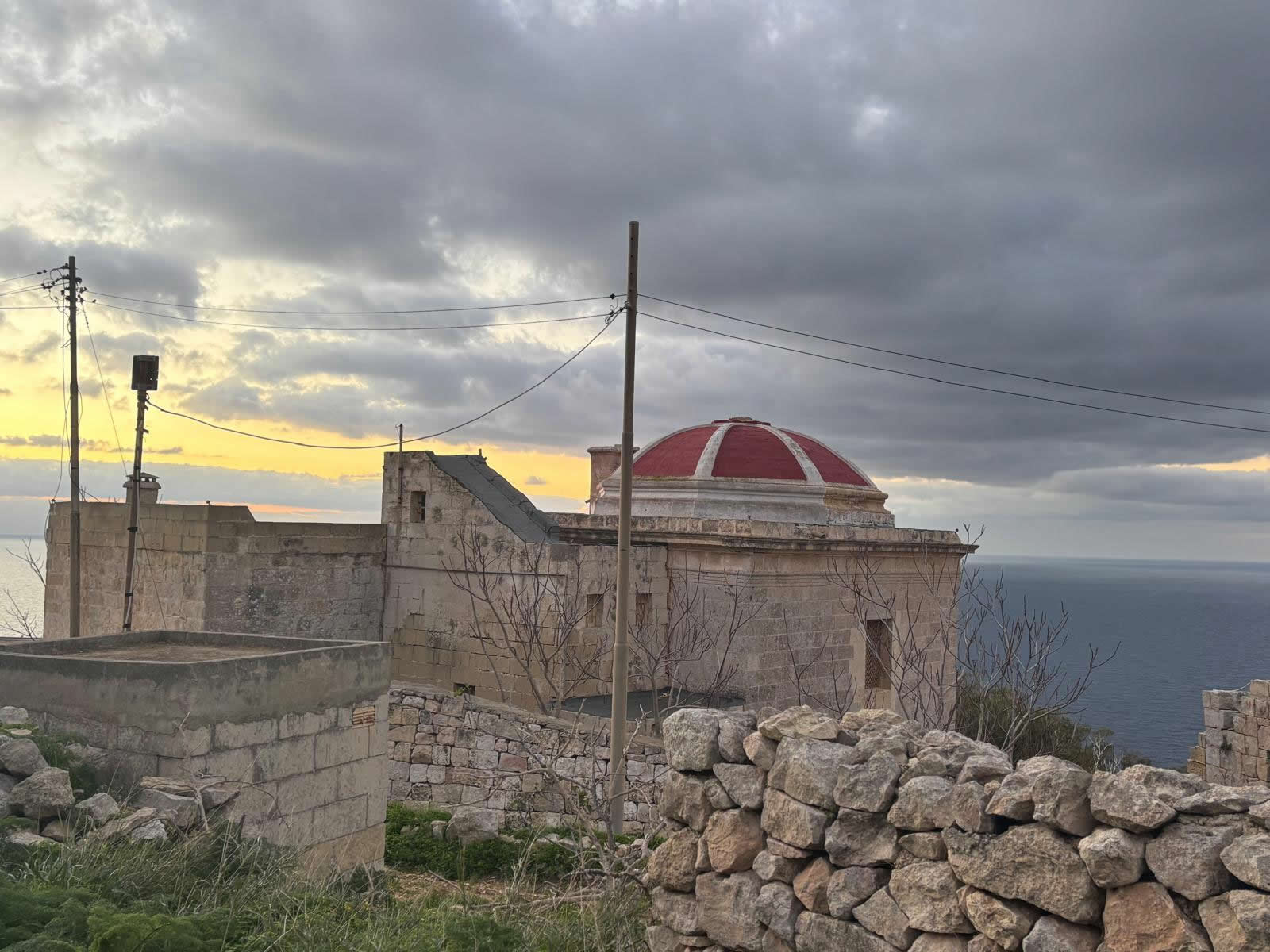
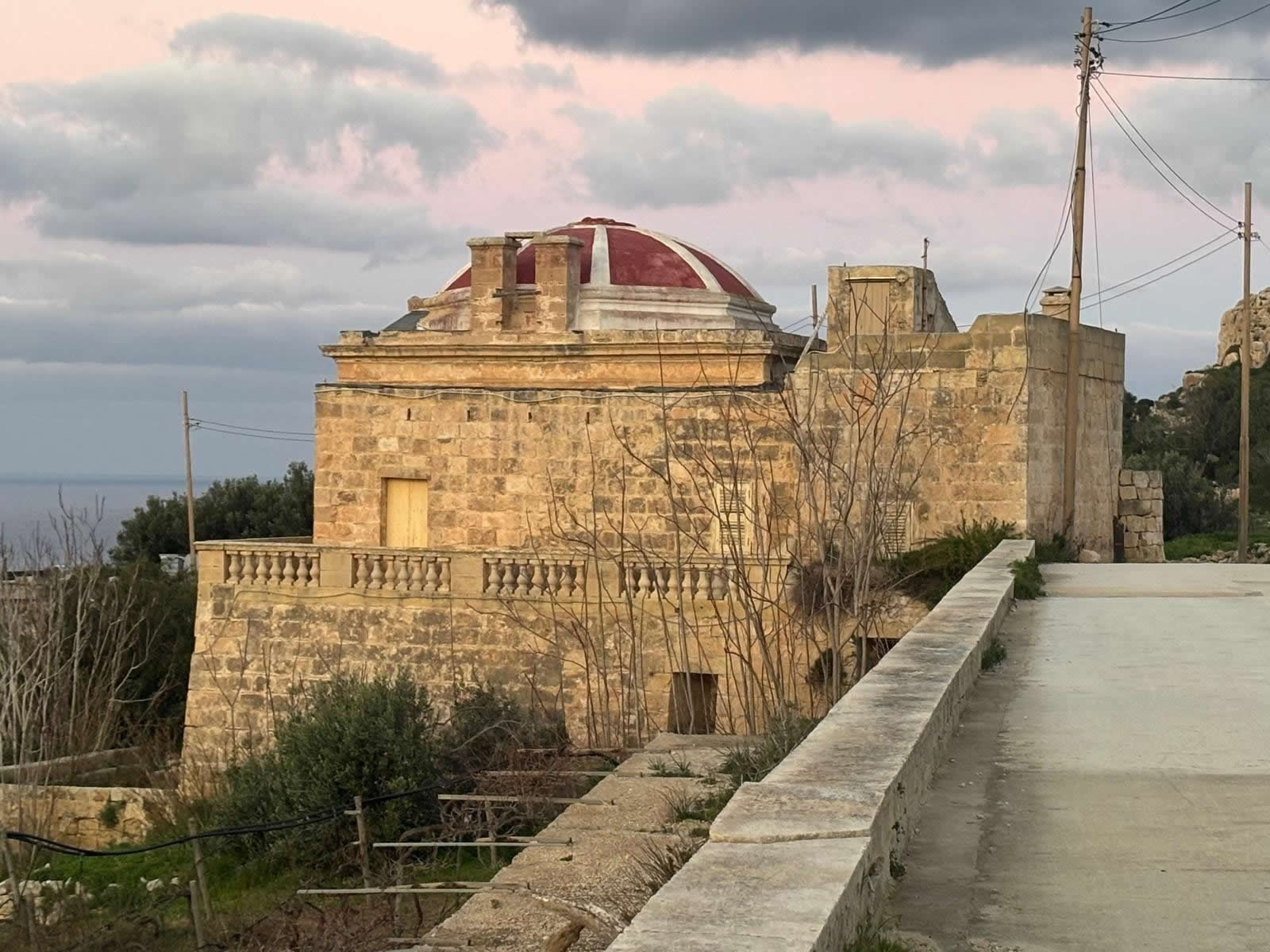
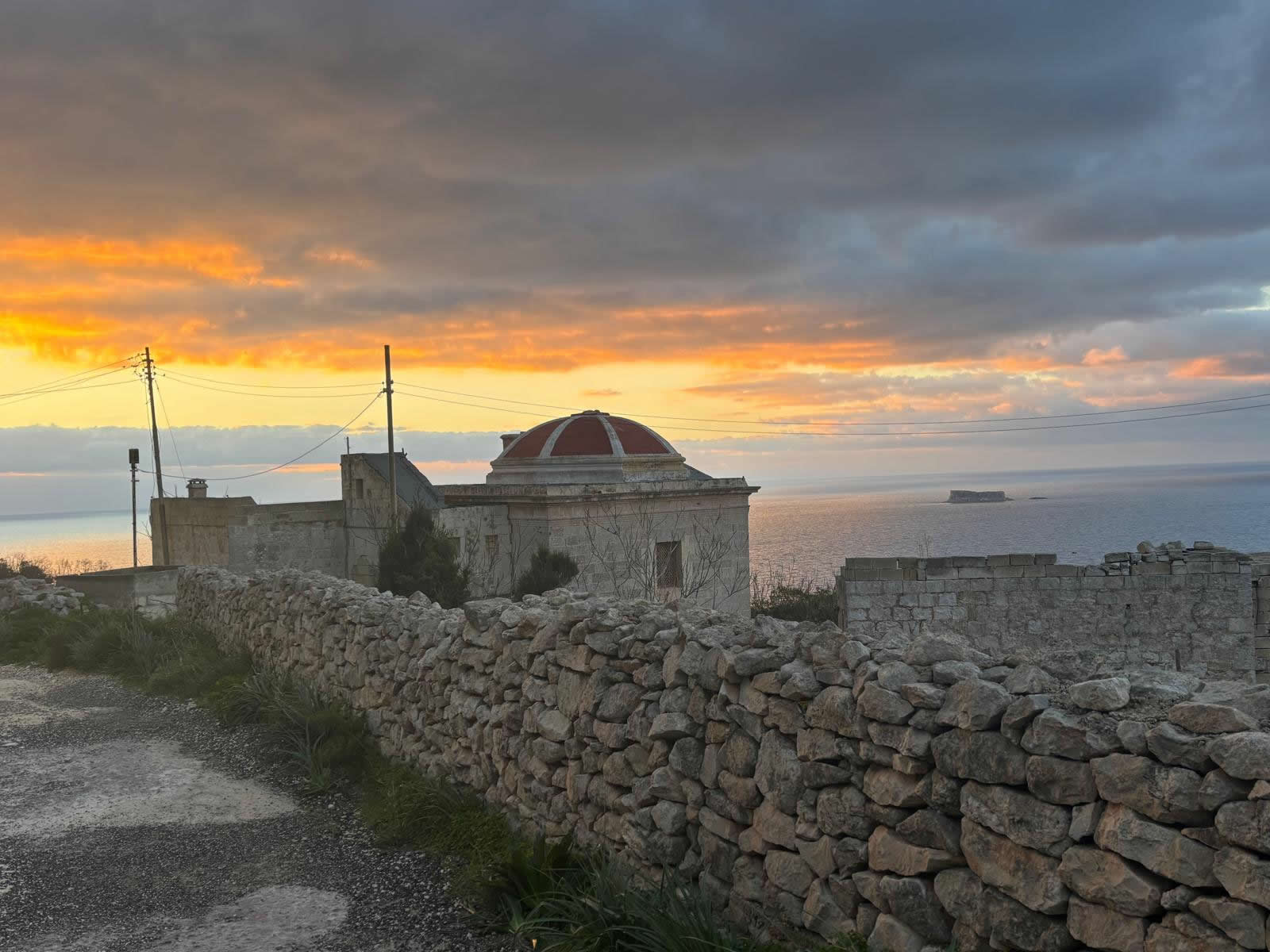
Fawwara (“spring”) is named for its water source and valley landscape. The chapel dedicated to Our Lady of Mount Carmel is the best-known landmark here, sitting above the spring system and close to the nearby Annunciation Chapel. The setting— fields, valleys and cliffward routes—makes it a favourite stop for walkers and photographers.
Coordinates: 35.840764, 14.402110
Area: Fawwara countryside (between Siġġiewi, Rabat & Dingli)
Landscape: spring valley, rural paths, open sea viewpoints (visibility permitting)
On this page
Full history & construction
The vow and the spring (early 17th century)
The chapel’s origin story is tied to a drought and the spring that gives Fawwara its name. Contemporary accounts describe how a landowner, Ġlorma (Gerolama) Ciantar, vowed to build a chapel if the spring water returned—after which water flowed again and the chapel was commissioned.
Foundation in 1616
The chapel is documented as being built in 1616 by Donna Gerolama Ciantar, wife of Martino Vella, in a garden known as ta’ Ġebel Ciantar. A notarial act dated 5 March 1616 is associated with the funding of the chapel’s construction.
Administration by the Confraternity of Our Lady of Charity (Valletta)
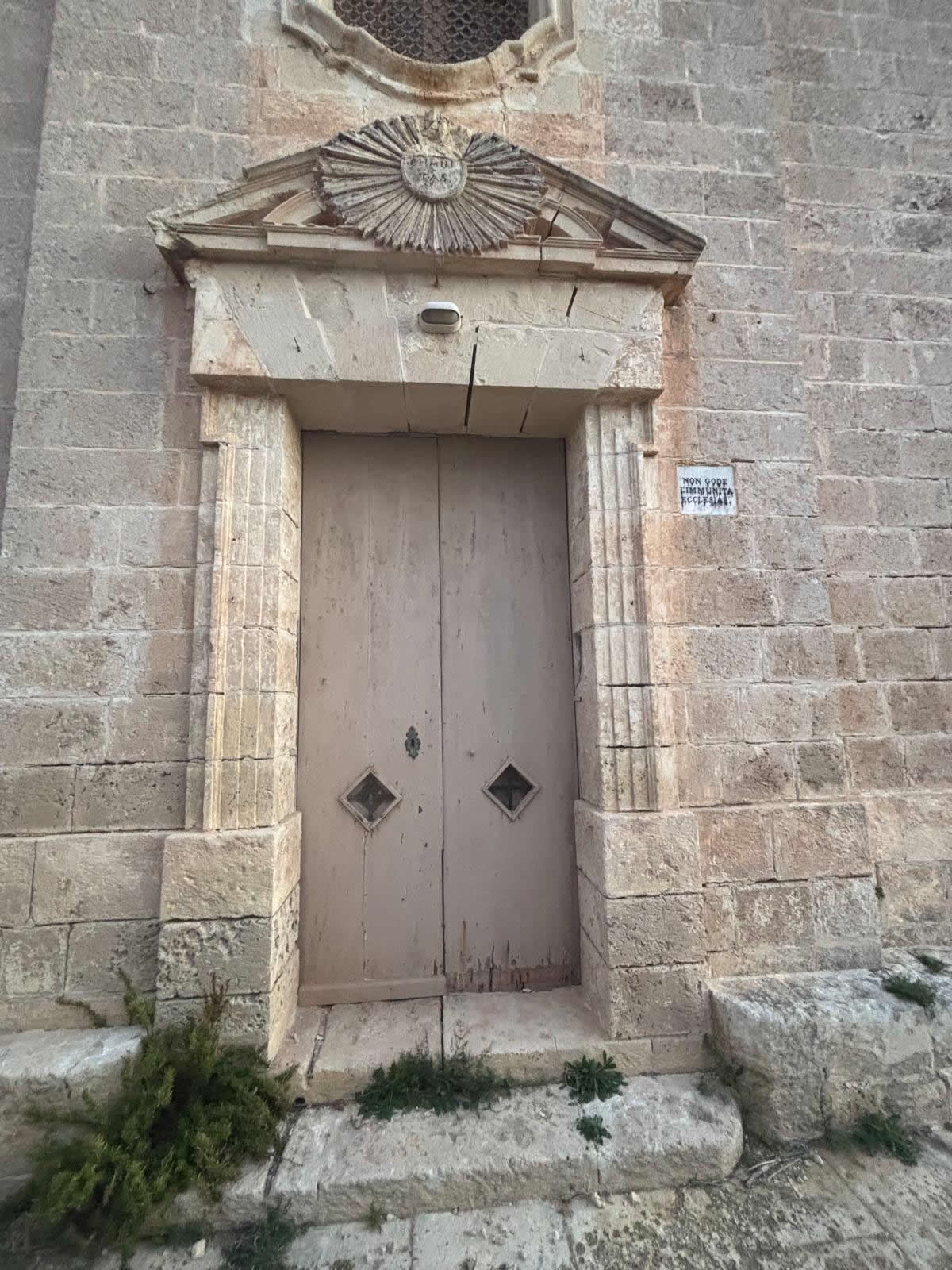
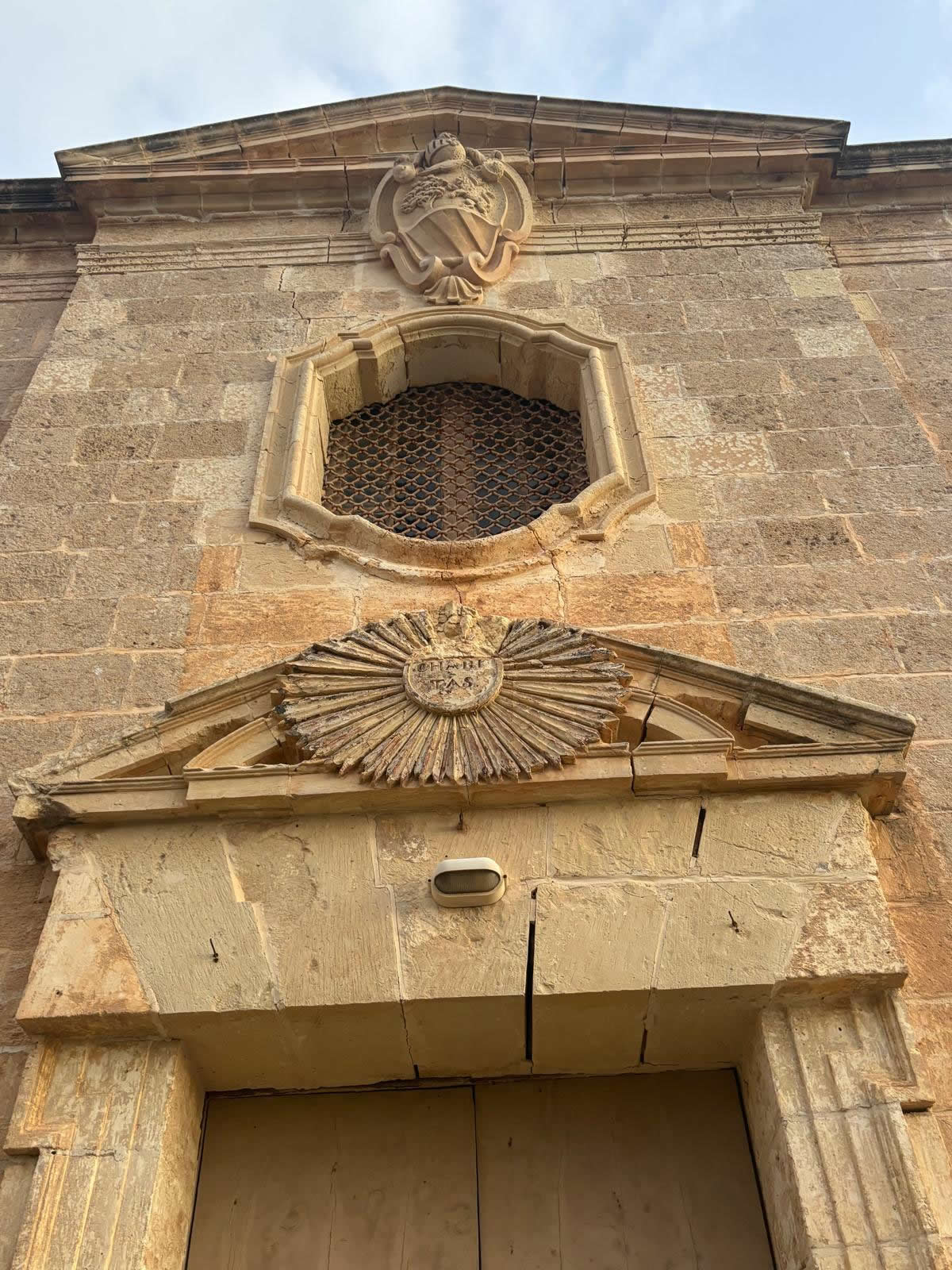
The chapel was placed under the care of the Confraternity of Our Lady of Charity (based at the church of St Paul’s Shipwreck in Valletta). Coats of arms on the façade and a commemorative marble plaque are associated with this long stewardship and benefaction traditions linked to the Ciantar family.
Rebuild in 1669 and renovation in 1756
A marble plaque records a rebuilding in 1669 by the confraternity. Later, it is believed the chapel was renovated in 1756, taking on much of its present outward appearance.
Confirmed dates & milestones
- Notarial funding recorded for the chapel’s construction.
- Chapel built by Donna Gerolama Ciantar (ta’ Ġebel Ciantar).
- Chapel rebuilt by the Confraternity of Our Lady of Charity (per marble plaque).
- Titular painting dated 1674 (Our Lady of Mount Carmel with St Jerome & St Catherine of Alexandria).
- Believed renovation giving the chapel much of its current appearance.
- Restoration project reported: dismantling annexed rooms, foundation consolidation, and reconstruction under approved method statements.
Architecture & artworks
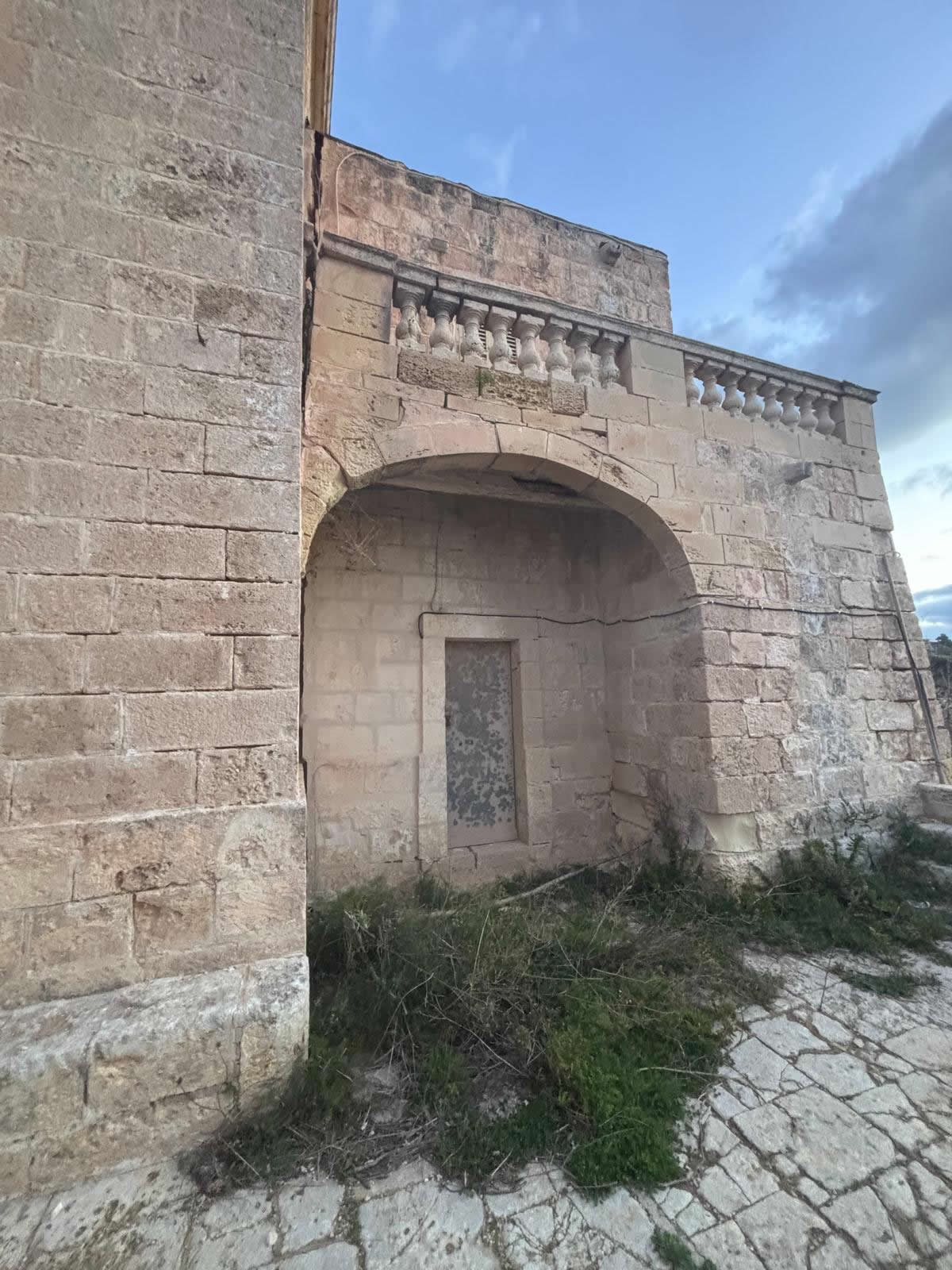
- Compact square form with dome: a square plan carried by pillars, topped by a small dome—often compared stylistically to the nearby Annunciation chapel in Fawwara.
- Bell feature: a small bell tower with a single bell historically used to call nearby farmers to Mass.
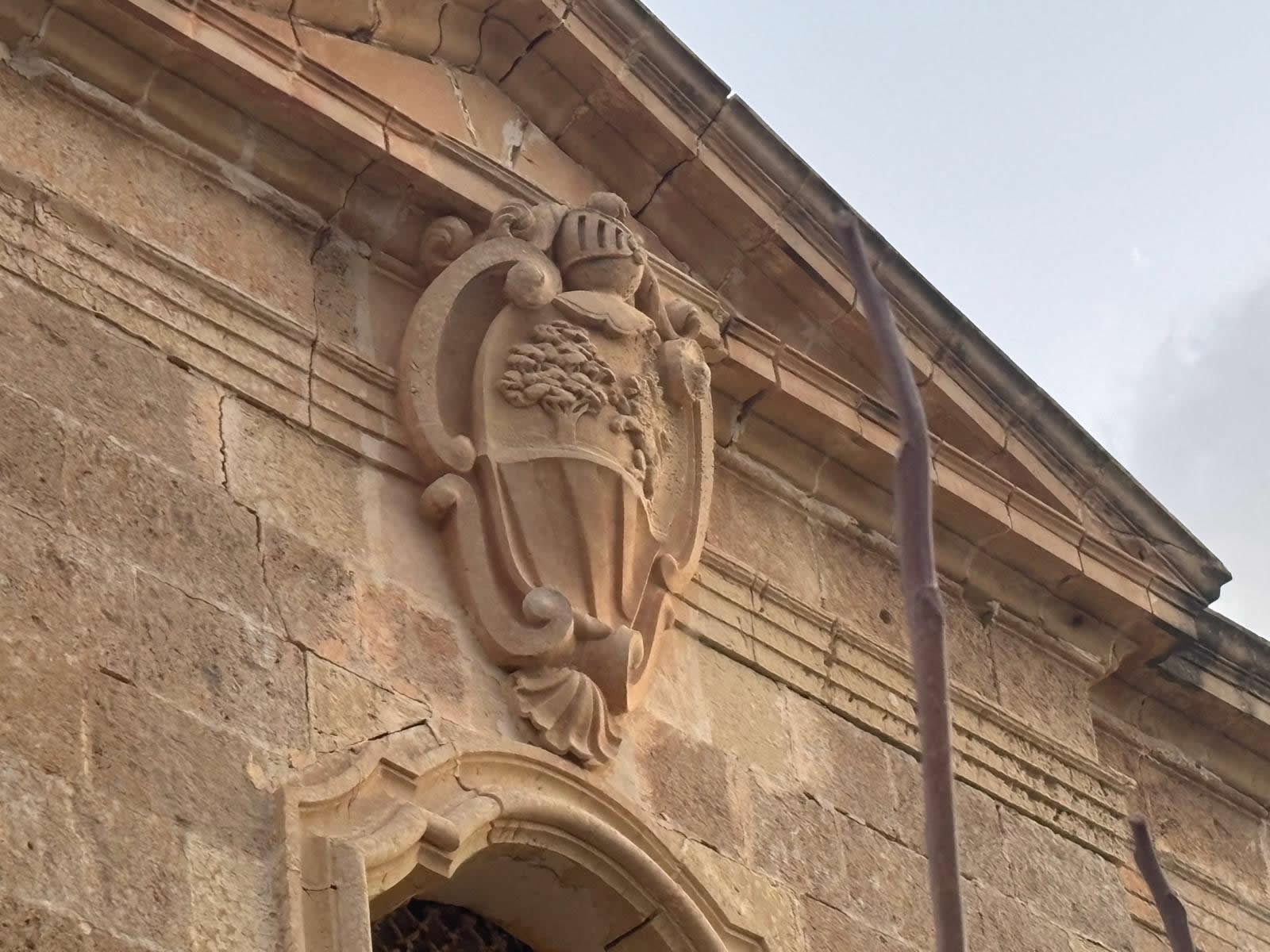
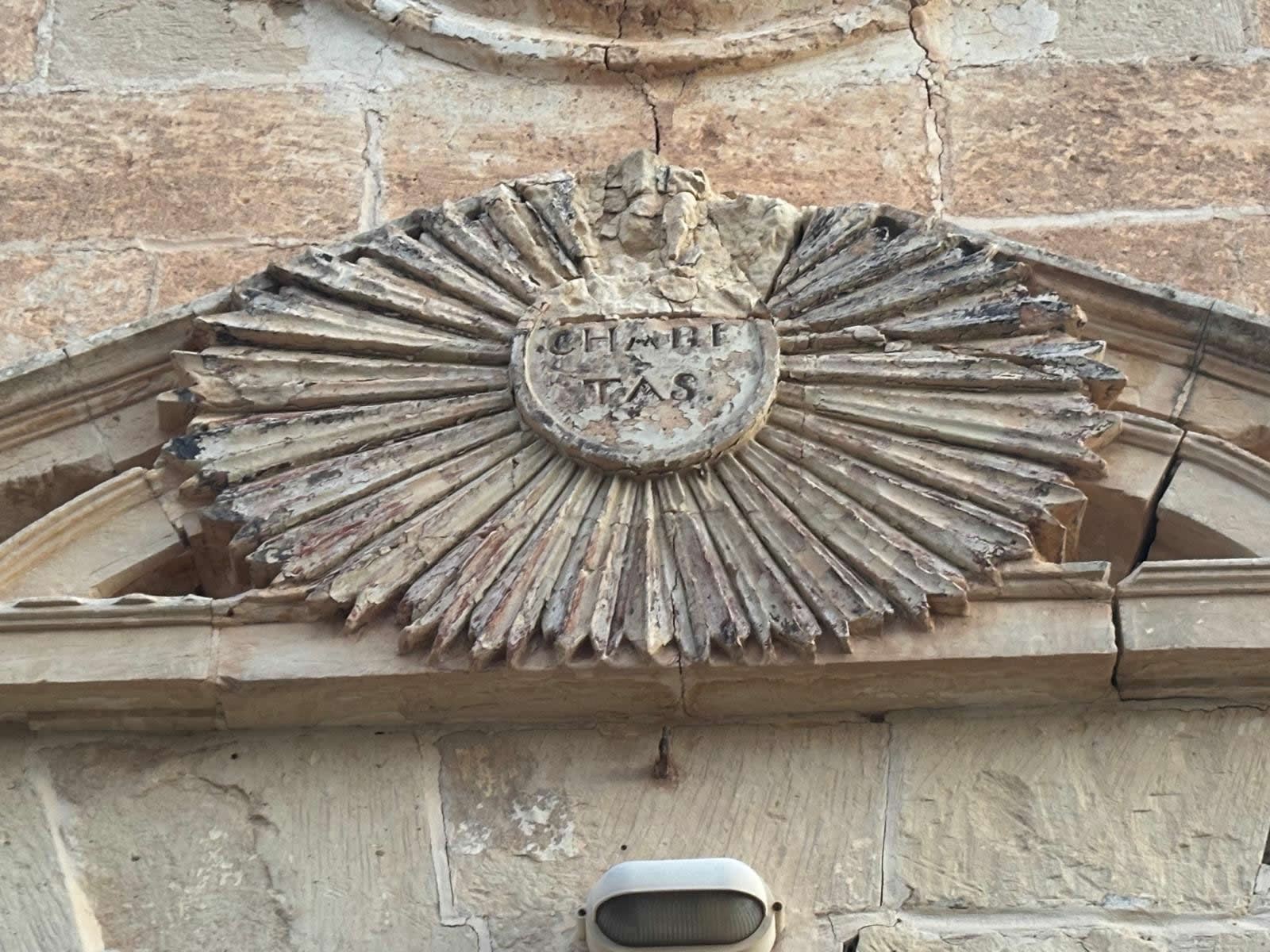
- Heraldry: coats of arms associated with the Confraternity of Our Lady of Charity and the Ciantar family appear on the entrance area; reporting notes restoration of heraldic detail in recent times.
- Titular painting (1674): Our Lady of Mount Carmel with the Child Jesus (scapular motif), with St Jerome and St Catherine of Alexandria; associated with local devotion and pilgrimage interest.
Restoration & conservation
Rural chapels face exposure, moisture and structural settlement—especially when built into complex landscapes like spring valleys. A restoration project for the chapel was reported to include:
- Dismantling annexed rooms (where appropriate)
- Consolidation of foundations
- Reconstruction of dismantled structures following an approved restoration method statement
- Monitoring by conservation officers and endorsement of the method statement by heritage authorities
If you want, I can add a short “Project status” box once you provide any newer official update (or you can ask me to web-check for the latest announcement again).
Visiting guide
Getting there
Use 35.840764, 14.402110 in navigation. Roads and lanes are rural—drive slowly, park considerately, and respect gates or signage.
What to do nearby
- Pair with: the nearby Annunciation Chapel (Fawwara) for a short two-chapel heritage walk.
- Viewpoints: the surrounding area offers broad sea-facing vistas; visibility can allow glimpses of Filfla.
- Walkers’ note: after rain, paths can be muddy and slippery near valley edges.
Access note
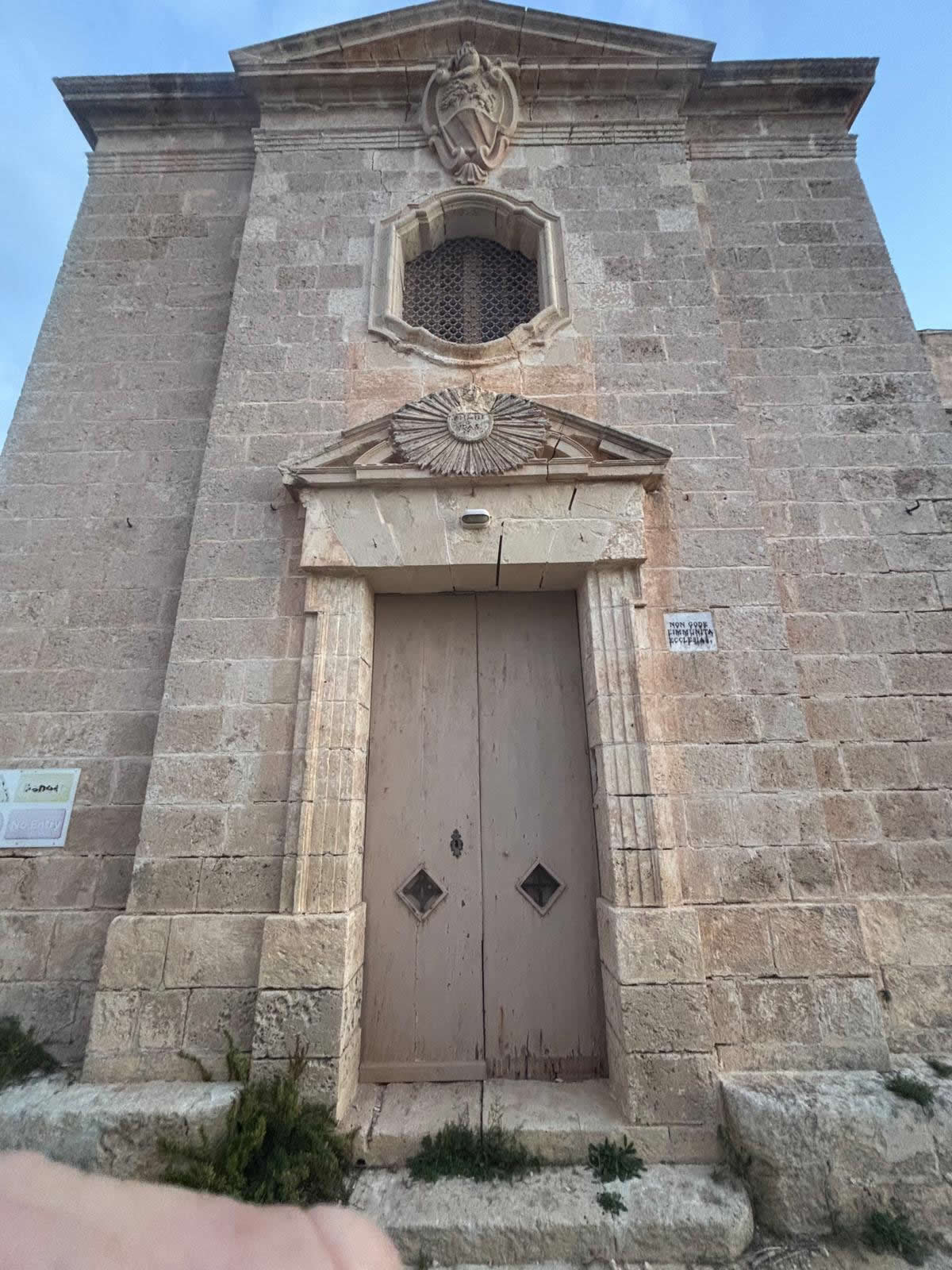
Interiors of rural chapels may be closed outside special openings. The exterior, setting and surrounding walks are still highly rewarding.
FAQ
When was the Fawwara Mount Carmel Chapel built?
It is documented as built in 1616 by Donna Gerolama Ciantar, with notarial funding linked to 5 March 1616.
When was it rebuilt or modified?
A marble plaque records a rebuild in 1669, and sources report a further renovation in 1756 that shaped its present appearance.
What is the most important artwork?
The titular painting, dated 1674, depicting Our Lady of Mount Carmel with St Jerome and St Catherine of Alexandria.