Overview
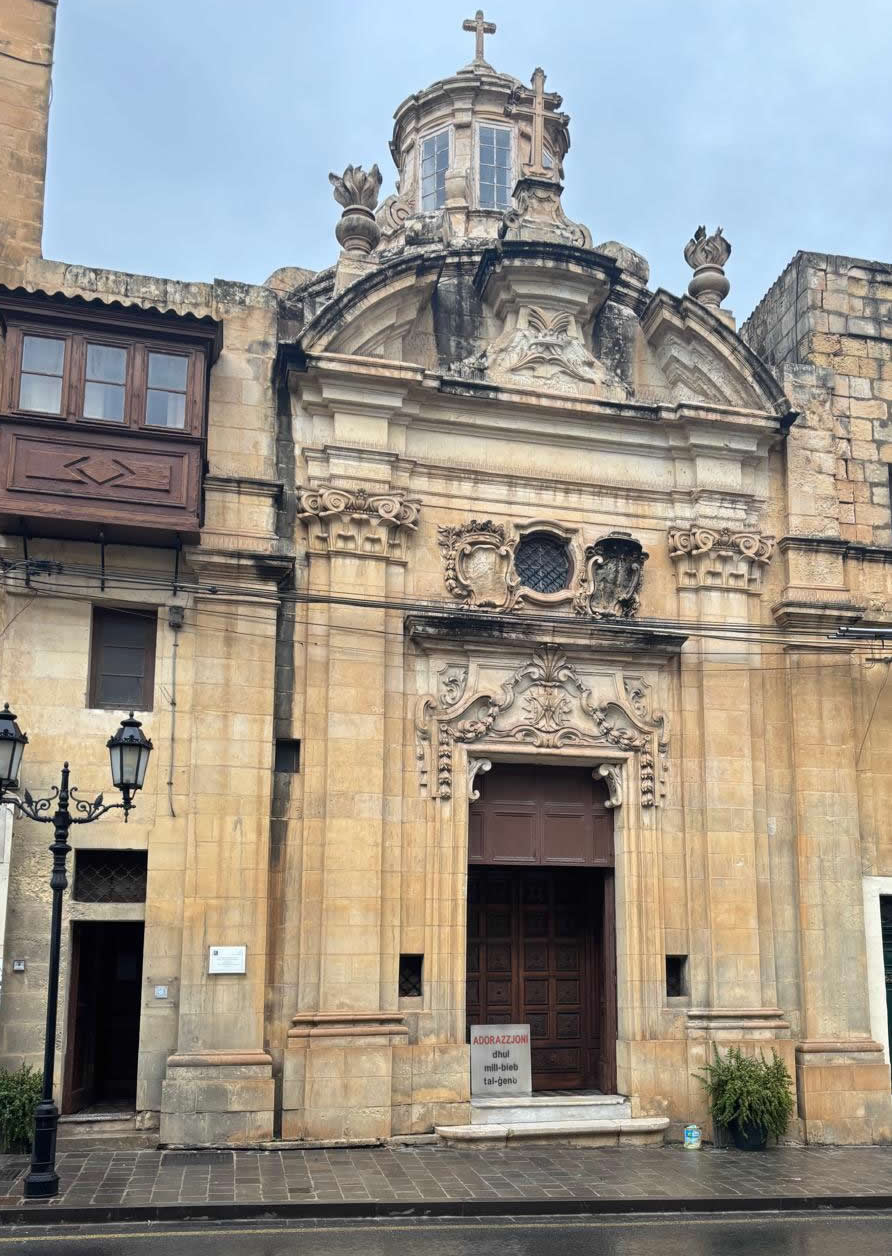
Il-Knisja ta’ Porto Salvo (Santu Nuzzu) is a small chapel with an outsized place in Ħamrun’s story. Before Ħamrun became a parish in its own right, this chapel served the local community on the edge of earlier administrative boundaries. Today it remains a distinctive stop on Triq il-Kbira San Ġużepp, admired for its rich Baroque façade and stone-carved interior details.
The chapel is associated with lay patronage (a traditional form of patron’s responsibility and rights), a feature that shaped its rebuild and upkeep across centuries.
When was it probably built?
The chapel’s first building phase is generally placed in the early 17th century, with the initial construction commonly dated to c. 1605–1620. Tradition links the beginning of the work to a Knight who lived in the area as a hermit. The chapel’s first completion is recorded as 1645, when it was finished and blessed.
If you need a single “confirmed” statement for your page: “Begun c.1605–1620 and completed in 1645; rebuilt in the mid-18th century.”
Key dates and timeline
- c. 1605–1620: Probable initial construction phase begins.
- 1645: First build completed; chapel blessed (31 August 1645).
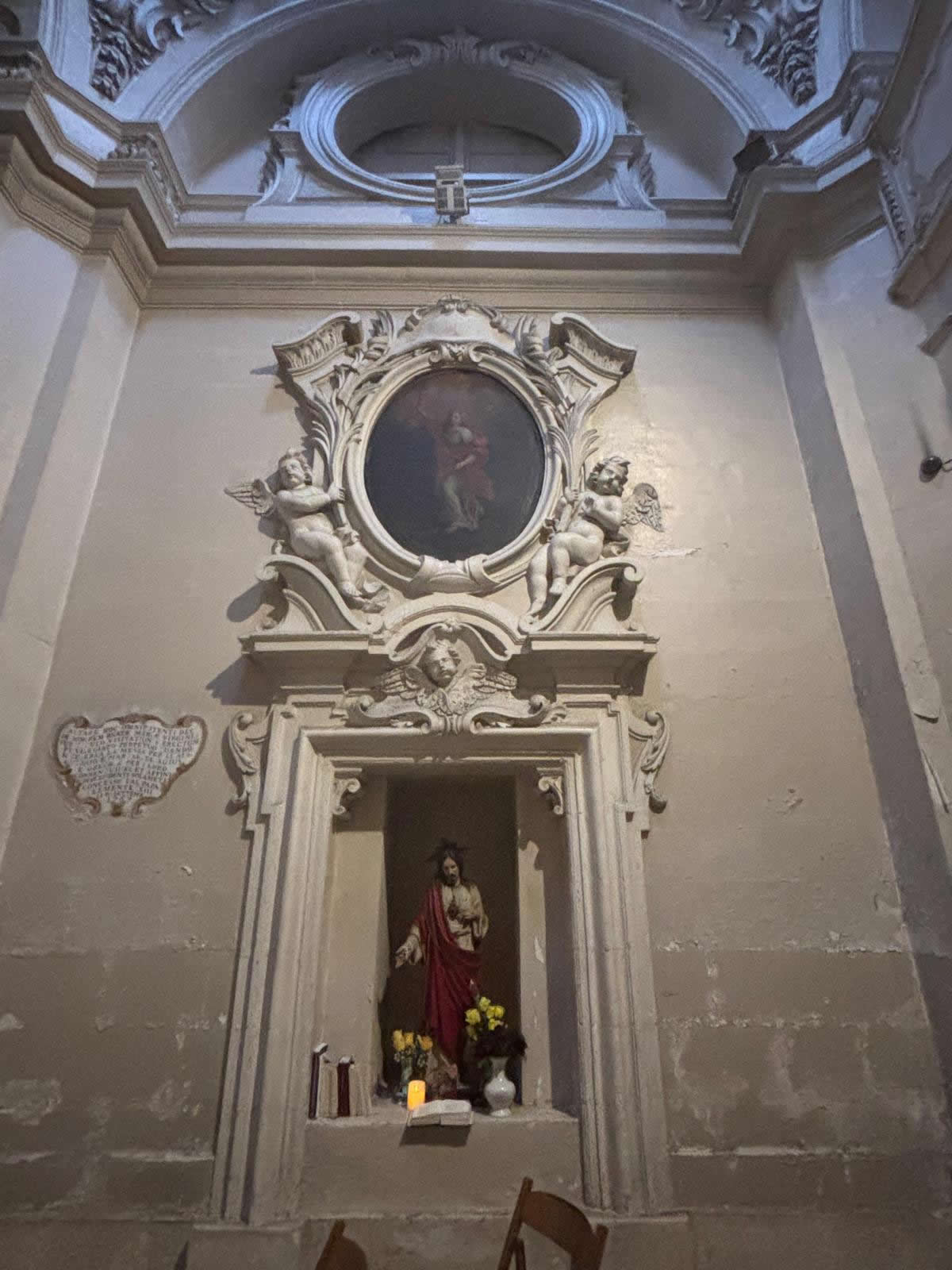
- 1736: A papal concession (16 September 1736) is associated with the chapel’s 18th-century phase; a dated inscription is recorded inside.
- Mid-18th century: Rebuilt by benefactors connected to the chapel’s patronage; later blessed in 1750.
- 1875: Ħamrun’s new parish church is completed nearby; the chapel’s role in parish life naturally declines as the parish centre shifts.
- 1954: A portrait of the 18th-century foundress in the sacristy is restored.
- 1960s: The chapel’s cross is reported to have fallen during storms.
- 1999: Reopened and adapted as a dedicated project for Eucharistic adoration (opened 6 August 1999; daytime opening reported).
- Recent years: The cross is reinstated; ongoing maintenance keeps the chapel in active devotional use.
Construction and architecture
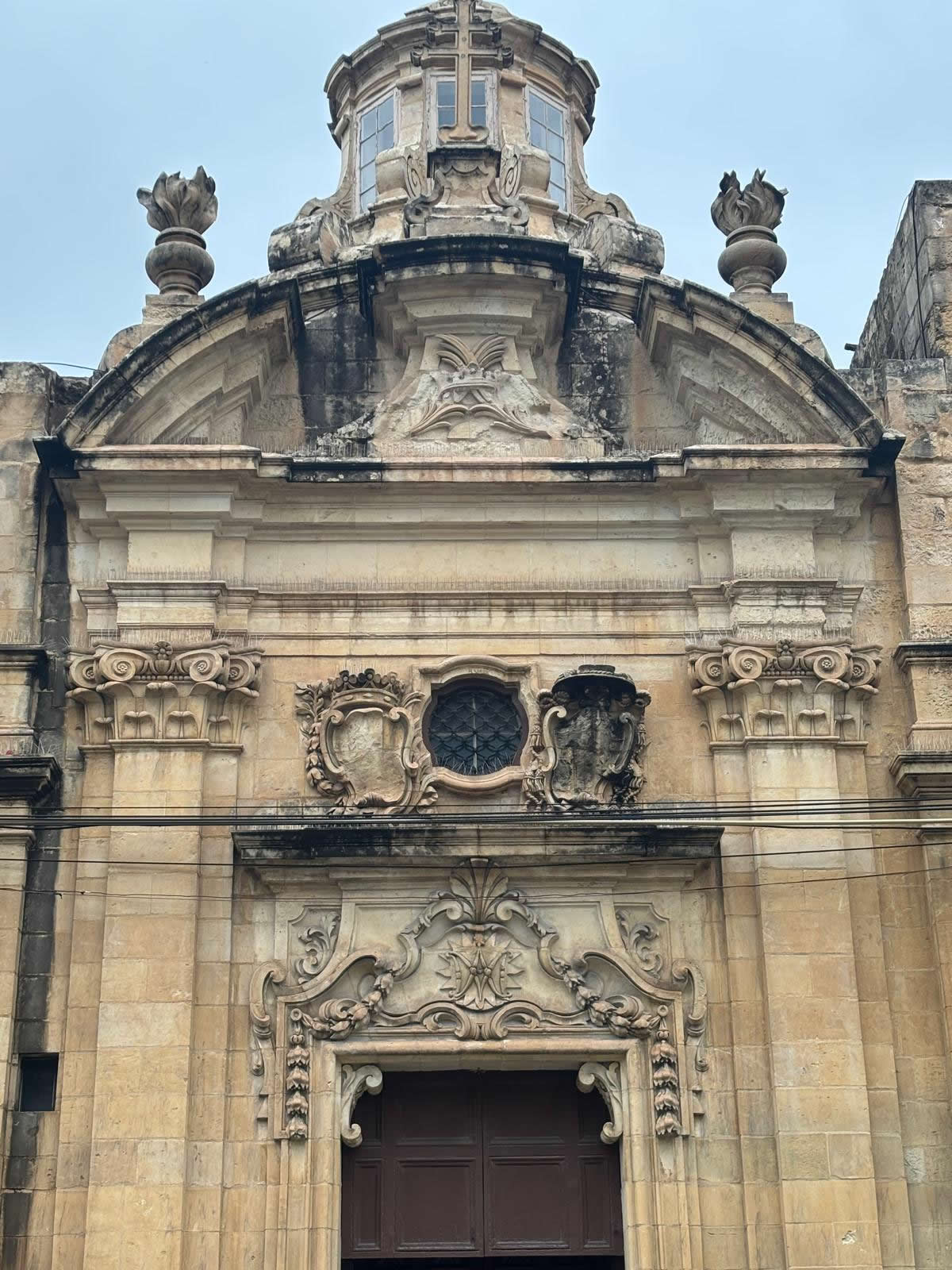
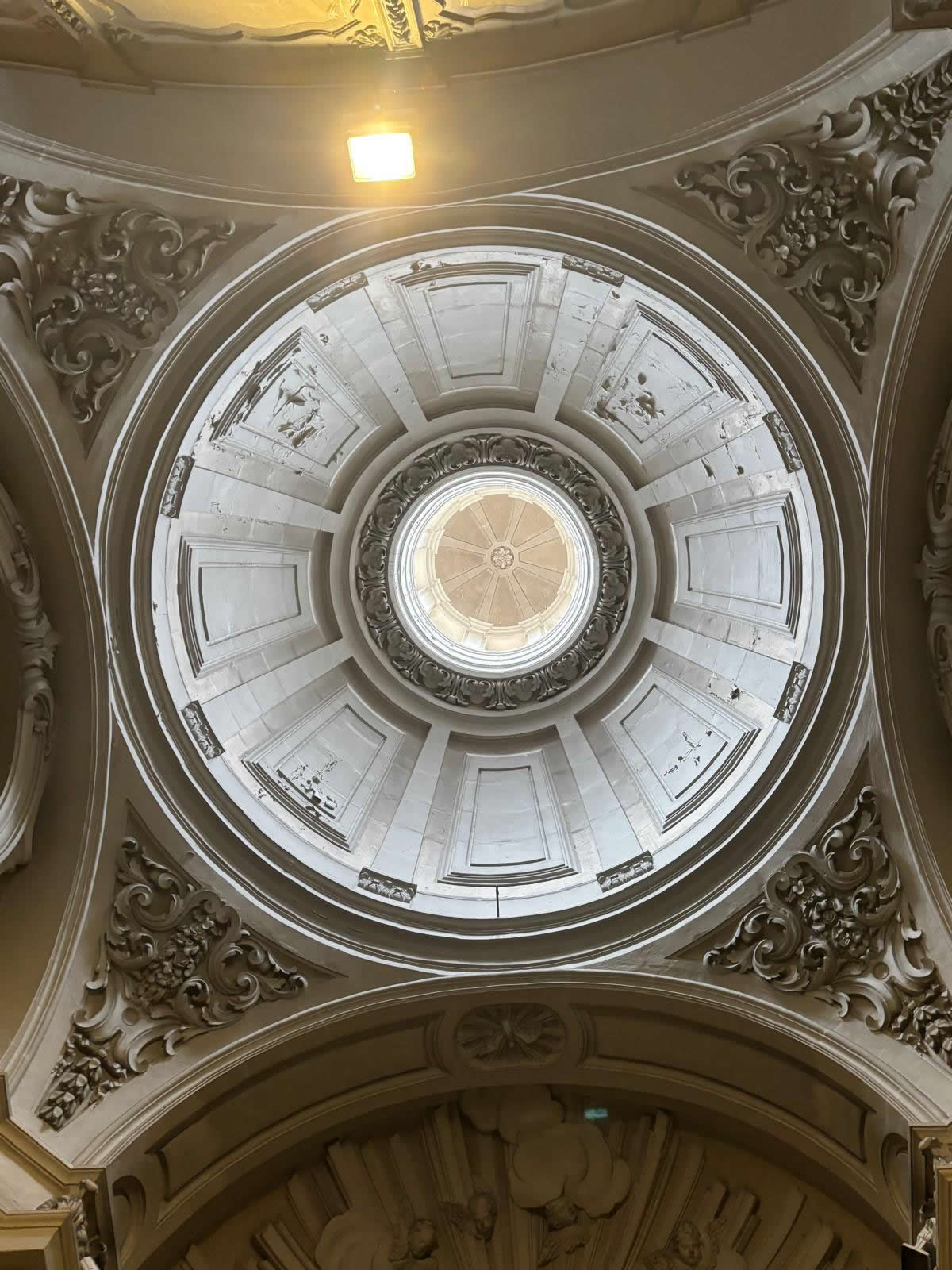
The chapel is described as Baroque in character, with a façade designed for depth and sculptural effect. Architectural commentary has praised the façade’s layered planes. While the chapel’s architect is not conclusively known, stylistic comparisons have led some writers to associate details (especially around ornamental stonework) with the circle of late Baroque design in Malta, with occasional attributions suggested for prominent architects of the period.
Interior layout
- Compact scale: approximately 6 m × 6 m, designed as a small community chapel.
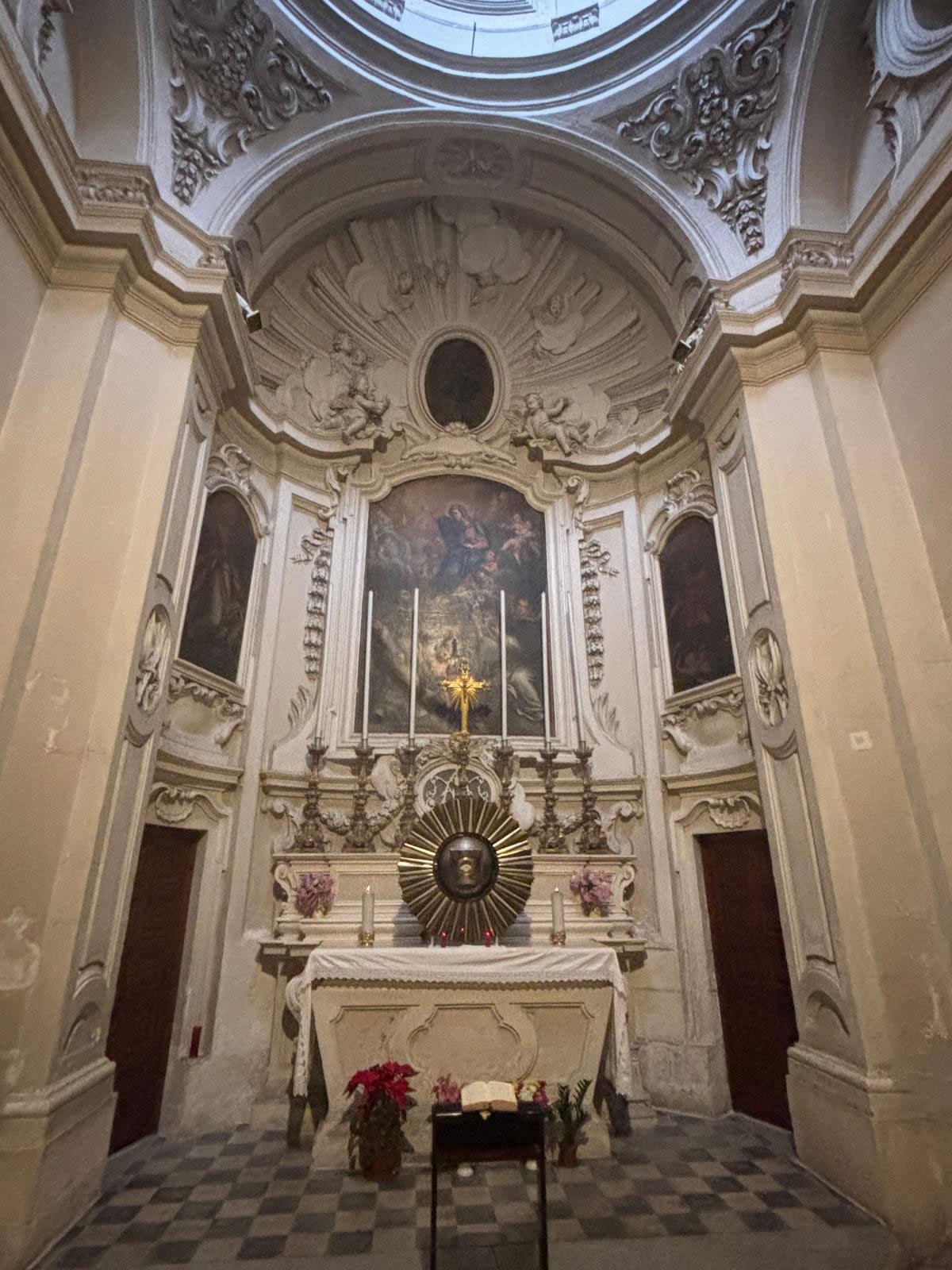
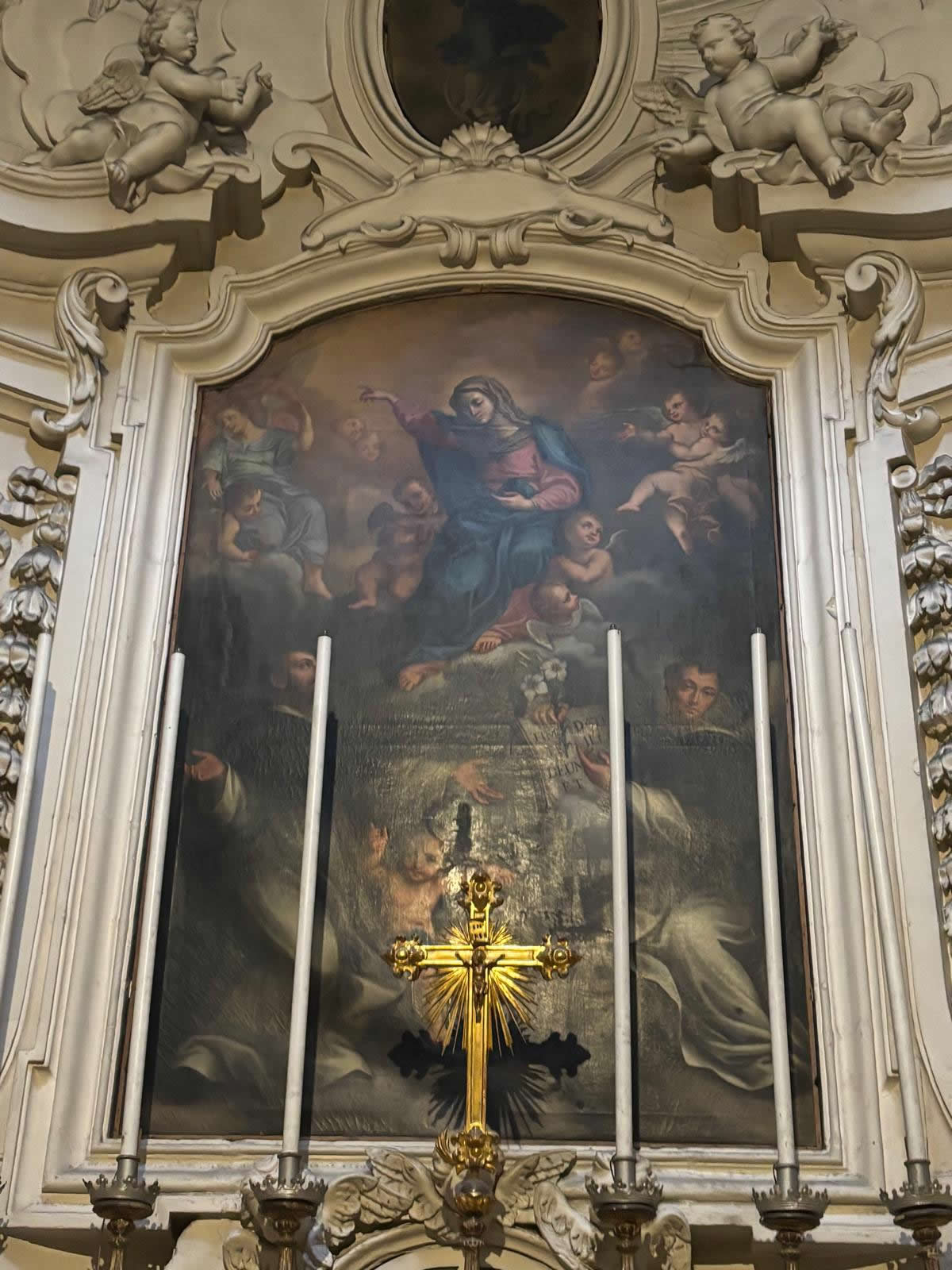
- Single altar: a simple stone altar contrasts with richer carved decoration above and around the titular painting.
- Dome and lantern: an interior dome with carved stone panels and a lantern that lights the space.
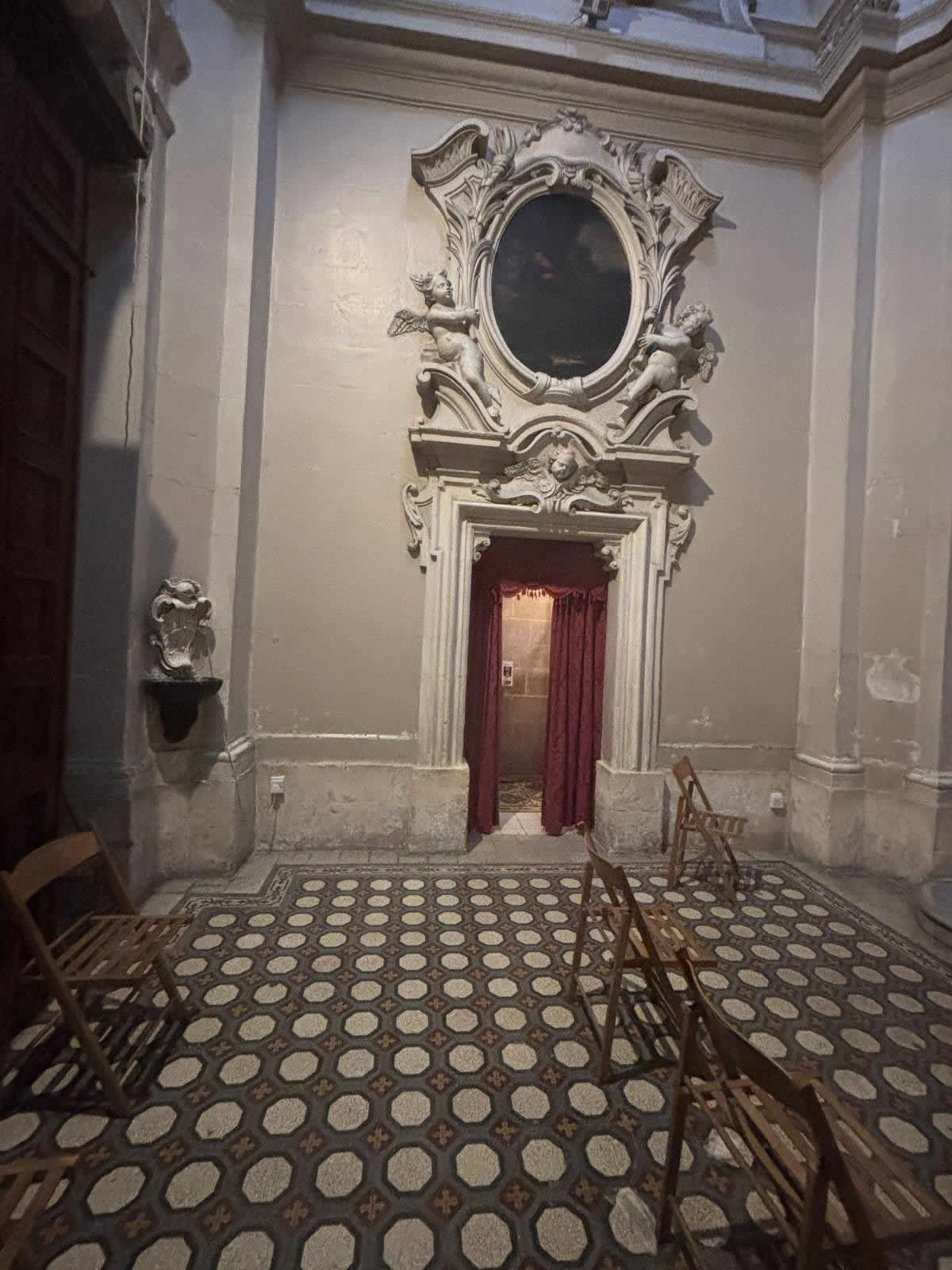
- Sacristy access: a narrow corridor leads behind the altar; an upper gallery and small room are accessed via a tight stair.
Dedication and titular art
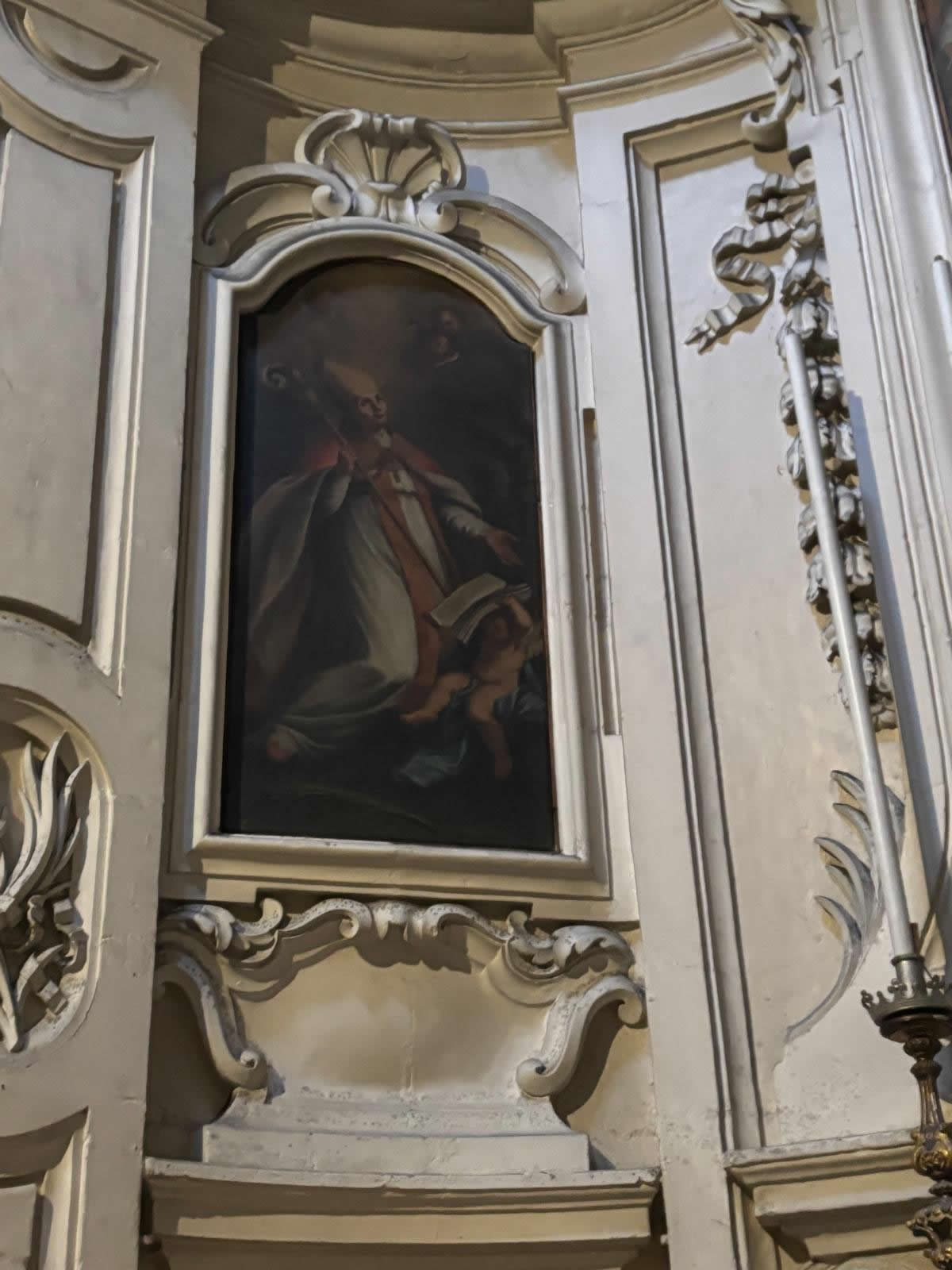
The chapel is dedicated to Our Lady of Porto Salvo, while the altar dedication is associated with the Visitation of Our Lady in the chapel’s documented 18th-century tradition. The titular painting features Marian imagery with saints commonly linked to Maltese devotional life.
Restoration and repairs
Like many small roadside chapels, Porto Salvo (Santu Nuzzu) has survived through periodic repairs rather than a single headline restoration campaign. Known conservation moments include:
- 1954: restoration of a portrait linked to the chapel’s 18th-century benefaction, kept in the sacristy.
- Cross replacement: the façade cross fell during storms (reported in the 1960s) and was reinstated in recent years.
- 1999 refresh: reopening works included repainting and new fittings (doors and seating) to support adoration use.
If you later obtain a dated conservation report (stonework cleaning, dome repairs, waterproofing, etc.), add it here to strengthen “restoration” SEO.
Use and community role
The chapel’s role has evolved from a small, boundary chapel serving local residents, to a vice-parish function in periods of rapid population growth, and finally to a quieter devotional space beside a major parish church.
- Vice-parish role: used to serve residents before the completion of the nearby parish church in 1875.
- 20th-century spiritual link: remembered as a place used for teaching catechism and prayer gatherings.
- Adoration chapel: reopened in 1999 with Eucharistic adoration as a central purpose (hours may vary—check locally).
Visiting tips
- Best time: daytime for façade details; late afternoon for warmer stone tones in photos.
- What to notice: carved stone ornament, façade pediment, Marian motifs, dome lantern lighting.
- Respect: if open for adoration, keep voices low and avoid flash photography.
- Location context: combine with a short Ħamrun walk linking the parish church and other historic chapels.
This is an active place of worship. Dress and behave respectfully, and follow any on-site guidance.
FAQ
Why is it called “Santu Nuzzu”?
The nickname is traditionally connected to the name “Tonnuccio” (Antonio) in local benefaction history and popular memory. It became the chapel’s everyday name in Ħamrun.
Is it the same as the Porto Salvo church in Valletta?
No—Malta has more than one church dedicated to Porto Salvo. This page is specifically about the Ħamrun chapel on Triq il-Kbira San Ġużepp.
Is the chapel usually open?
The chapel has been used for Eucharistic adoration; opening hours can change. If you’re visiting specifically to enter, it’s best to check locally first.