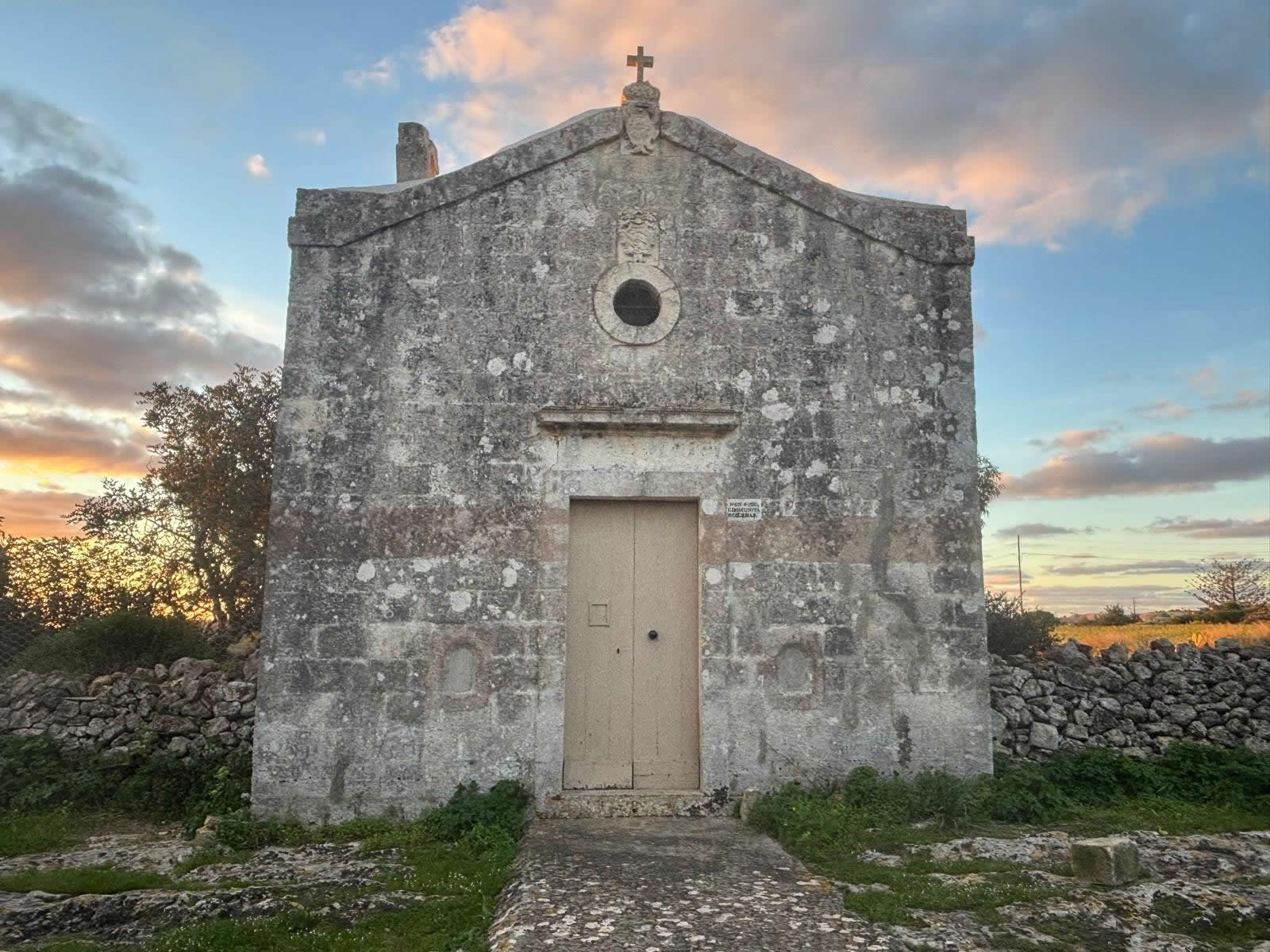
Overview
The chapel sits in the Buskett area, close to Verdala Palace, and is commonly described as being within the limits of Siġġiewi (though some references label it “Rabat” because Buskett lies on parish/administrative edges).
Coordinates: 35.862427, 14.402801
Setting: Buskett woodland (near Verdala Palace)
Type: Roman Catholic chapel (wayside/woodland sanctuary)
On this page
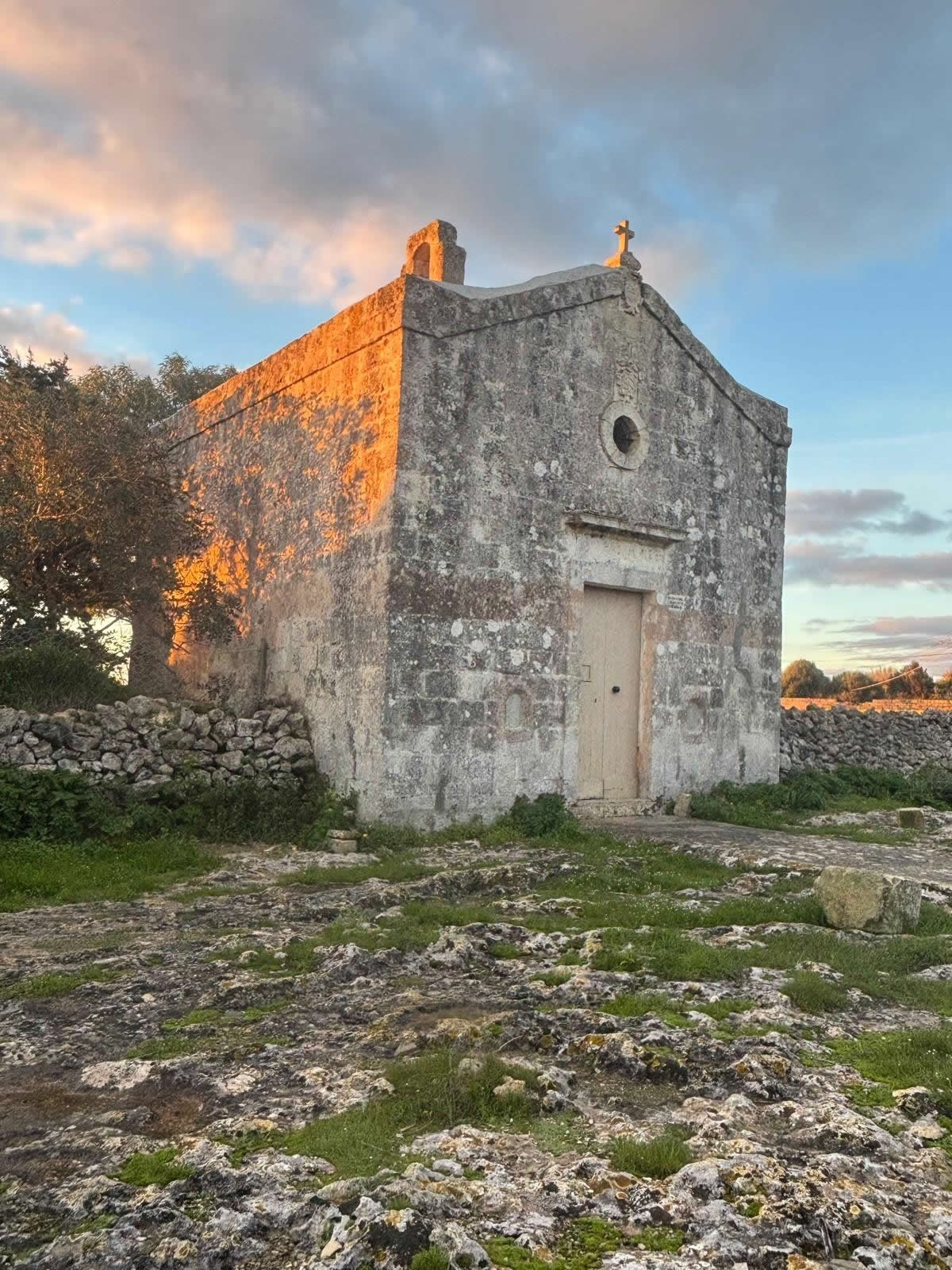
Full history & construction
Two chapels, two dedications (before 1575)
The site originally had two separate chapels next to each other—one dedicated to St Nicholas and the other to St Lucy.
1575 apostolic visitation and the “single chapel” order
During the apostolic visit of inquisitor Pietro Dusina in 1575, the instruction was given to combine the two churches into one—an important “modification moment” that shaped the chapel’s later identity as a dual-dedication sanctuary.
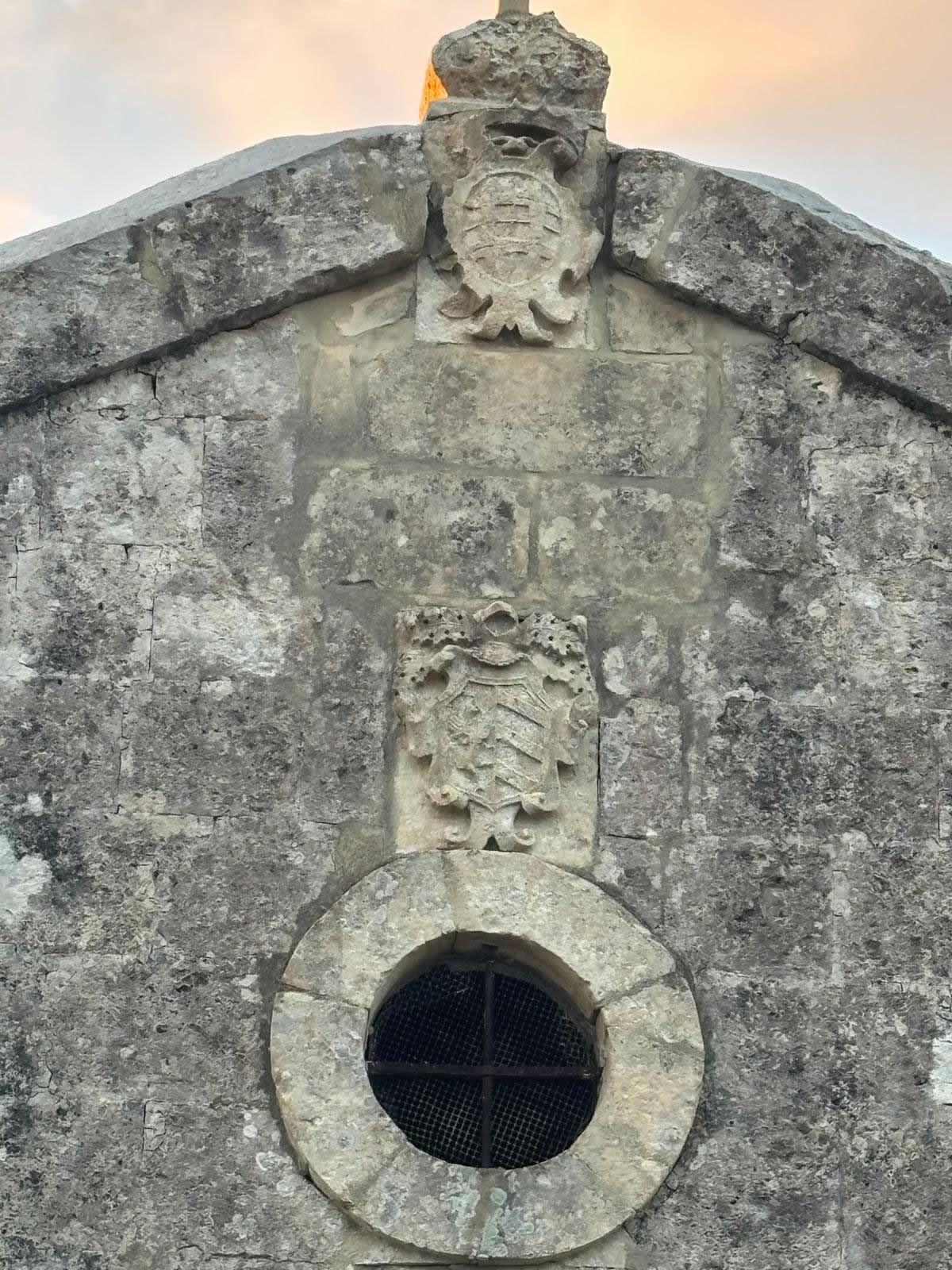
Collapse and rebuilding in 1706
After the earlier combined structure collapsed, the chapel was rebuilt in 1706, attributed to a benefactor named Anton Agius. This date is the standard “completed” year associated with the present building.
Early 18th-century condition
A later apostolic visit (Bishop Davide Cocco Palmieri, 1708–1710) described the chapel as being in very good condition, including mention of a single stone altar.
World War II and the titular painting
During World War II, the chapel served as a refuge. It reportedly avoided structural damage despite nearby bombing, but the titular painting was damaged and had to be removed.
Post-war period, abandonment, and restoration in 1960
After the war, the chapel was transferred to the Augustinian friars of Rabat and then fell into abandonment until 1960, when Rev. Raphael Azzopardi restored and blessed it.
Confirmed dates & modifications (timeline)
- Apostolic visit by Pietro Dusina orders the two chapels (St Nicholas + St Lucy) to be combined.
- Present chapel rebuilt by Anton Agius after the earlier structure collapsed.
- Bishop Davide Cocco Palmieri notes the chapel is in very good condition and mentions a stone altar.
- Used as a refuge; painting damaged and removed, while the structure reportedly avoided major war damage.
- Restored and blessed by Rev. Raphael Azzopardi after a period of abandonment.
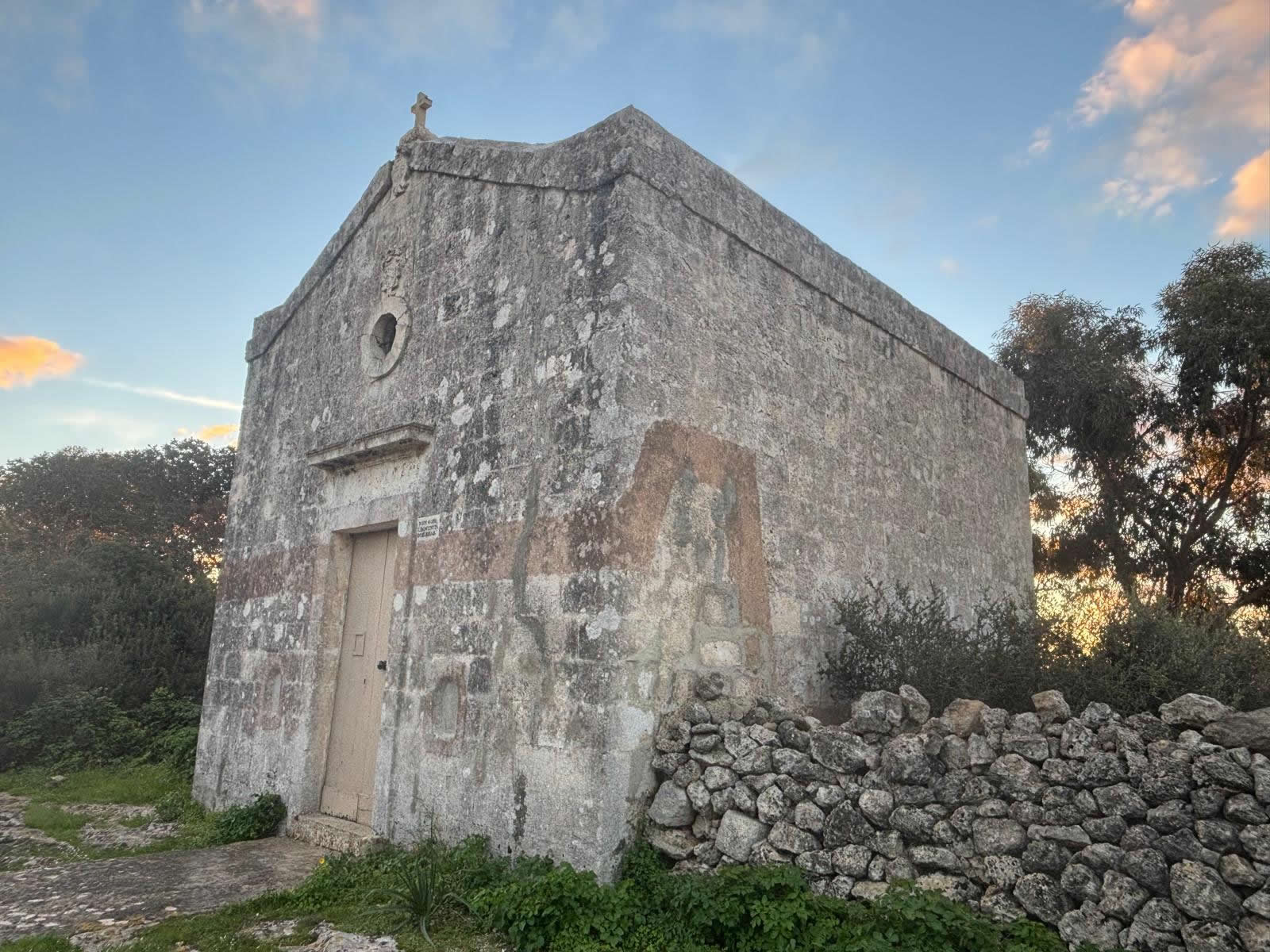
Interior & what to look for
- Single stone altar: referenced in early-18th-century visitation accounts.
- Devotional images: modern descriptions mention images of St Lucy, St Nicholas, and St Rita of Cascia, plus Stations of the Cross.
- Simple structural rhythm: the ceiling is described as having round arches supporting the roof.
Use: feast days, refuge, prayer
Before World War II, the cathedral chapter is recorded as celebrating vespers on the saints’ feast days (both in December). After the 1960 restoration, the chapel has been used for prayer services, although later accounts note periods when it again needed attention and restoration.
Visiting guide
How to get there
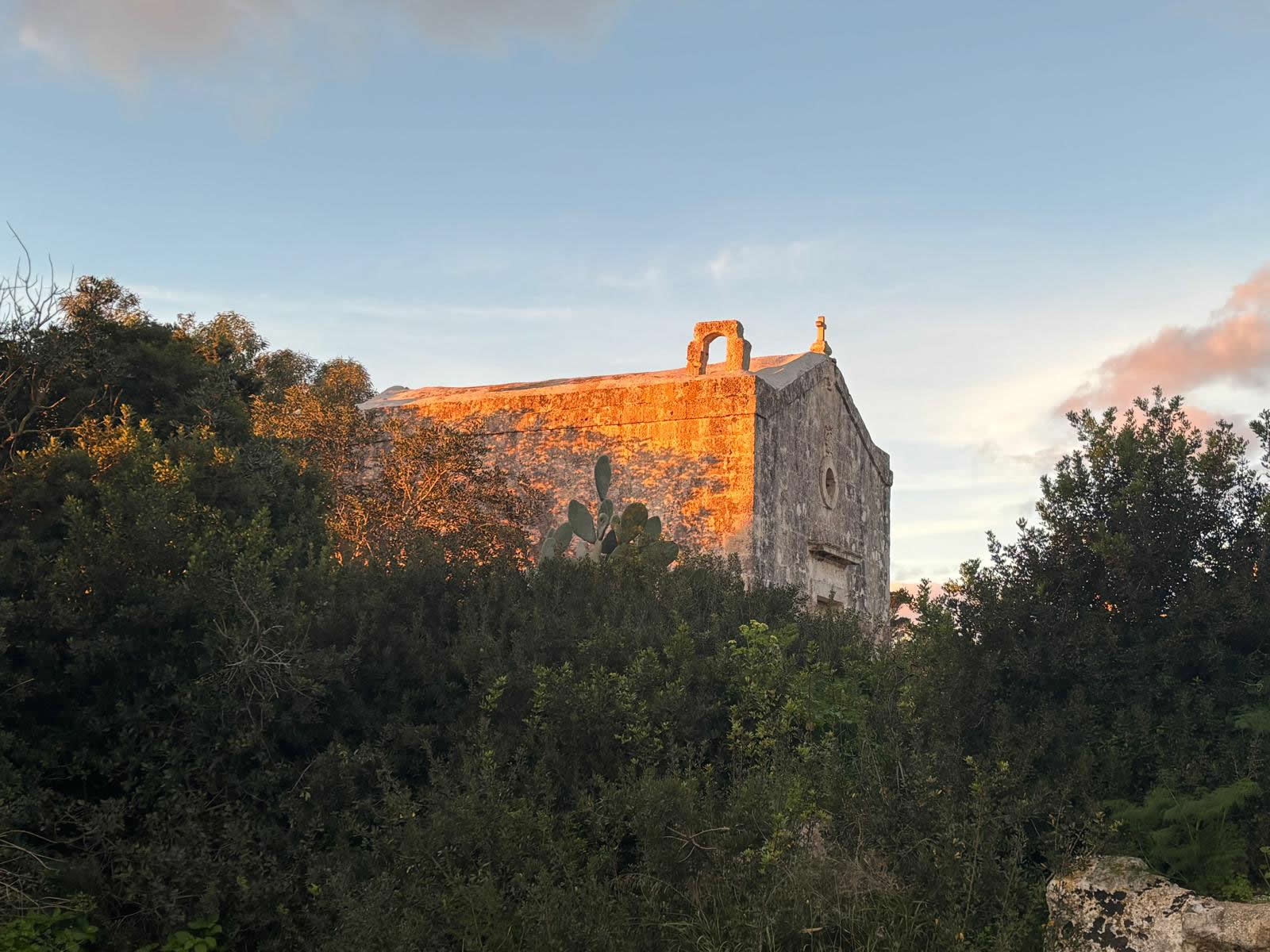
Use the coordinates 35.862427, 14.402801. The chapel is in the Buskett area close to Verdala Palace, typically visited as part of a woodland walk.
Tips for visitors
- Best time: morning or late afternoon for softer light under the trees.
- Access: interiors of small chapels may be closed outside special openings—plan for an exterior visit.
- Respect the setting: Buskett is a popular walking area; keep noise low and leave no litter.
FAQ
Is this chapel in Siġġiewi or Rabat?
It’s in the Buskett woodland near Verdala Palace, and sources commonly place it within Siġġiewi, though “Rabat” appears in some references because of the area’s proximity and historical/parish boundaries.
When was it built?
The present chapel is recorded as rebuilt in 1706, after earlier chapels on the site were ordered to be combined in 1575 and a later structure collapsed.
What are the key restoration moments?
The most clearly documented modern restoration is 1960, when Rev. Raphael Azzopardi restored and blessed the chapel after abandonment.