Location Map Coordinates 35.933334, 14.411435
- Actual name: Chapel of San Pawl Milqi (“St Paul Welcomed”).
- Built (present chapel): early 17th century, commonly dated to 1616.
- Earlier chapels: evidence and tradition indicate earlier chapels on the same spot, including at least one medieval phase.
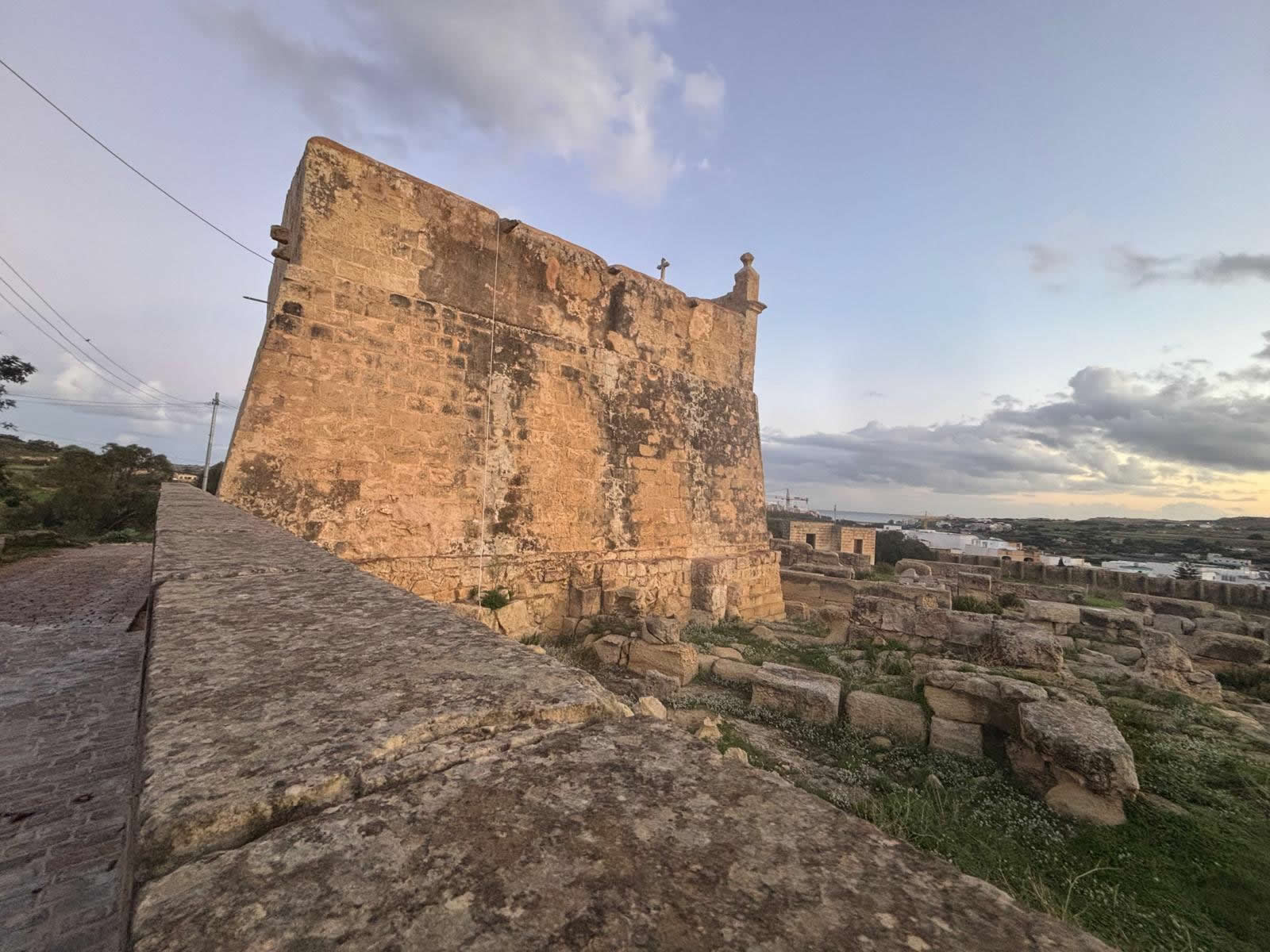
- Setting: within the ruins of Malta’s largest known Roman agricultural villa complex.
- Modern stewardship: the wider site is managed by Heritage Malta and is usually closed except on special openings.
The chapel’s name and what it means
The correct name is the Chapel of San Pawl Milqi (Maltese: Kappella ta’ San Pawl Milqi). Milqi is explained in modern heritage interpretation as referring to St Paul being “welcomed/received” at this place, reflecting the local tradition that Publius hosted St Paul after the shipwreck (Acts 28). This tradition is the reason the site carries the toponym San Pawl Milqi.
The archaeological setting: Roman villa beneath and around the chapel
The chapel stands within one of Malta’s most important archaeological landscapes: the remains of a substantial Roman-period agricultural villa, often described as the largest Roman villa discovered in Malta. Archaeology indicates industrial olive-oil production facilities on site, with presses and settling vats among the surviving features.
Scientific excavations by the Missione Archeologica Italiana a Malta took place in the 1960s (with earlier investigations also recorded in the late 19th century), and the site is now managed by Heritage Malta, usually closed except on special openings.
Early chapels and the St Paul–Publius tradition
The association with St Paul and Publius is a long-standing tradition, but modern heritage commentary also notes that the roots of the tradition are complex and not directly proven by archaeology. What is clear is that the chapel area went through multiple Christian building phases: Heritage Malta notes that the chapel zone witnessed three (possibly four) successive chapels, culminating in the present structure.
A medieval phase is commonly placed in the fourteenth century, with later rebuilding in the early seventeenth century. This sequence is important for emalta.com, because it allows you to present the site as both a devotional landmark and a layered historic monument.
Construction of the present chapel (early 17th century / 1616)
The present chapel is consistently described as being built in the early 17th century, and is widely dated to 1616. This makes it the earliest surviving chapel on the site that explicitly anchors the “San Pawl Milqi” toponym and the associated tradition in a standing building.
Construction and architectural character
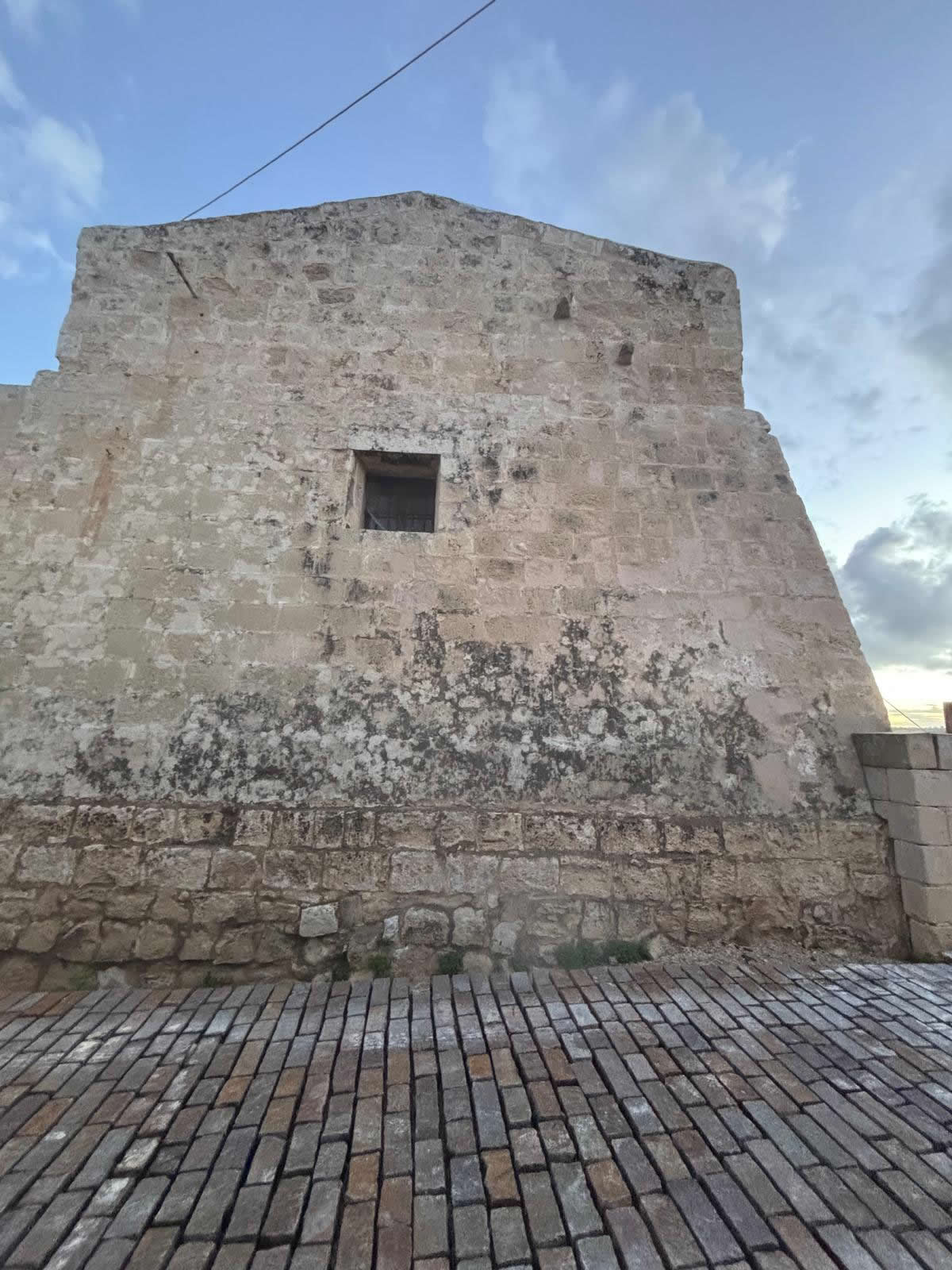
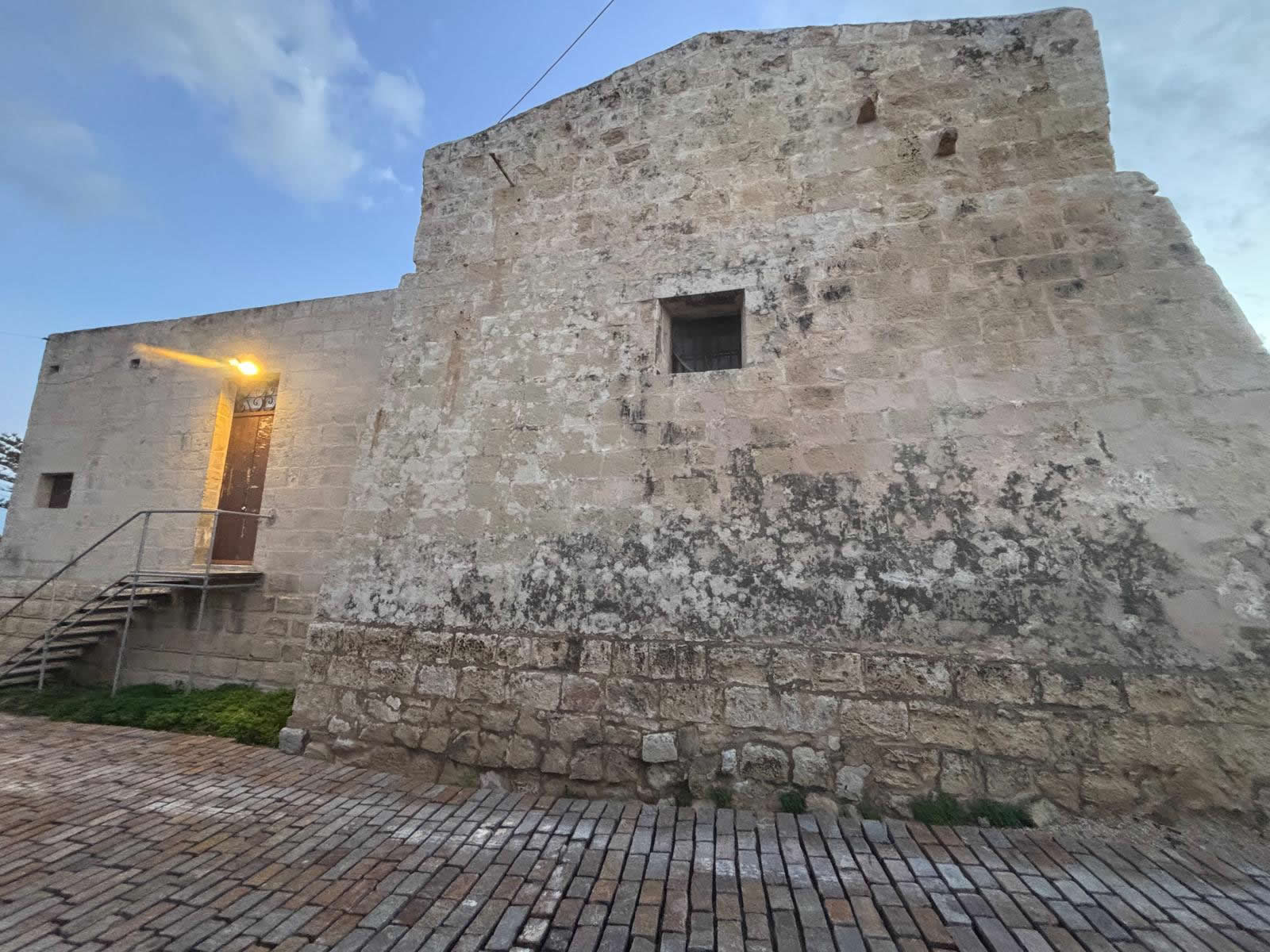
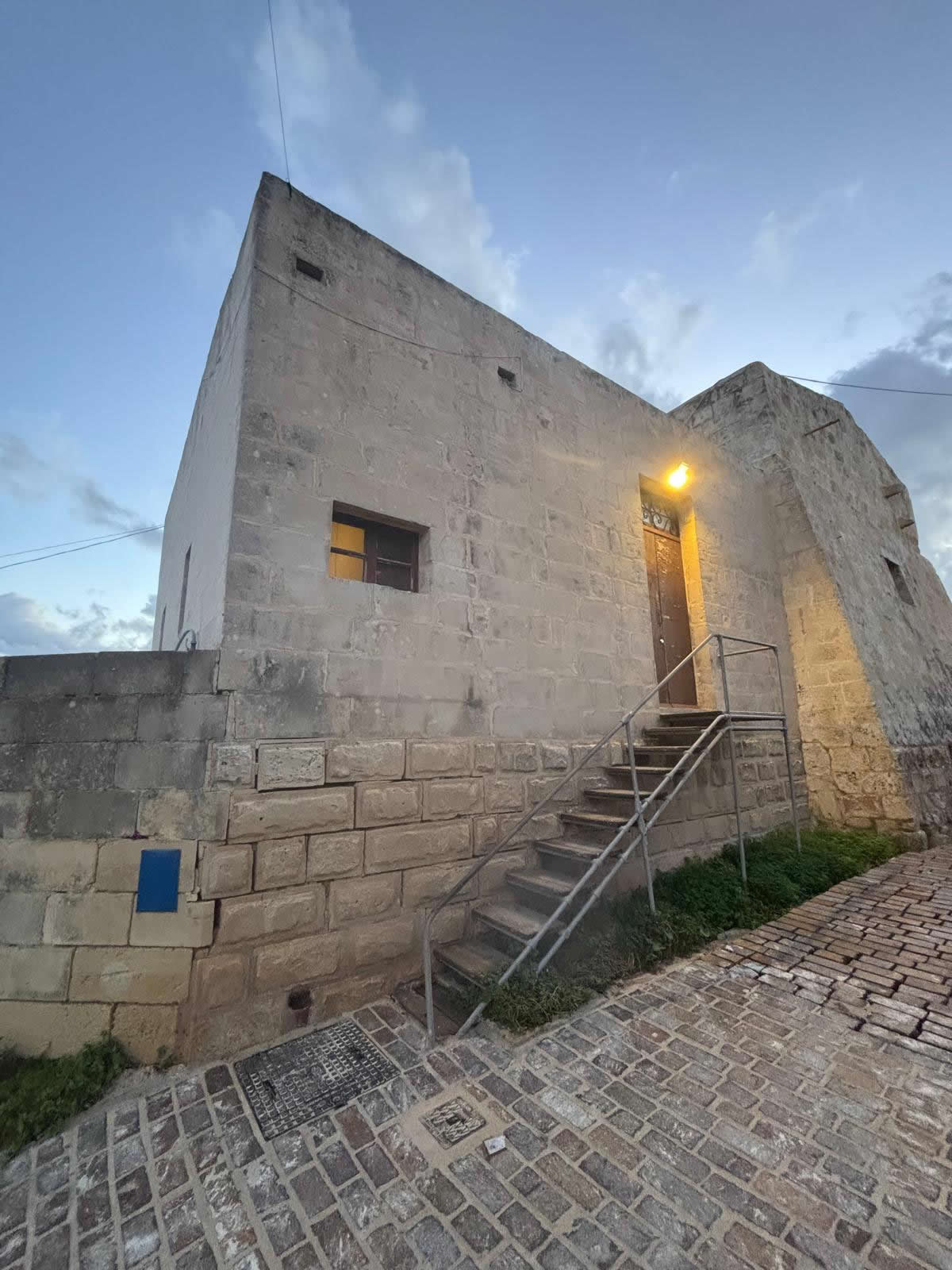
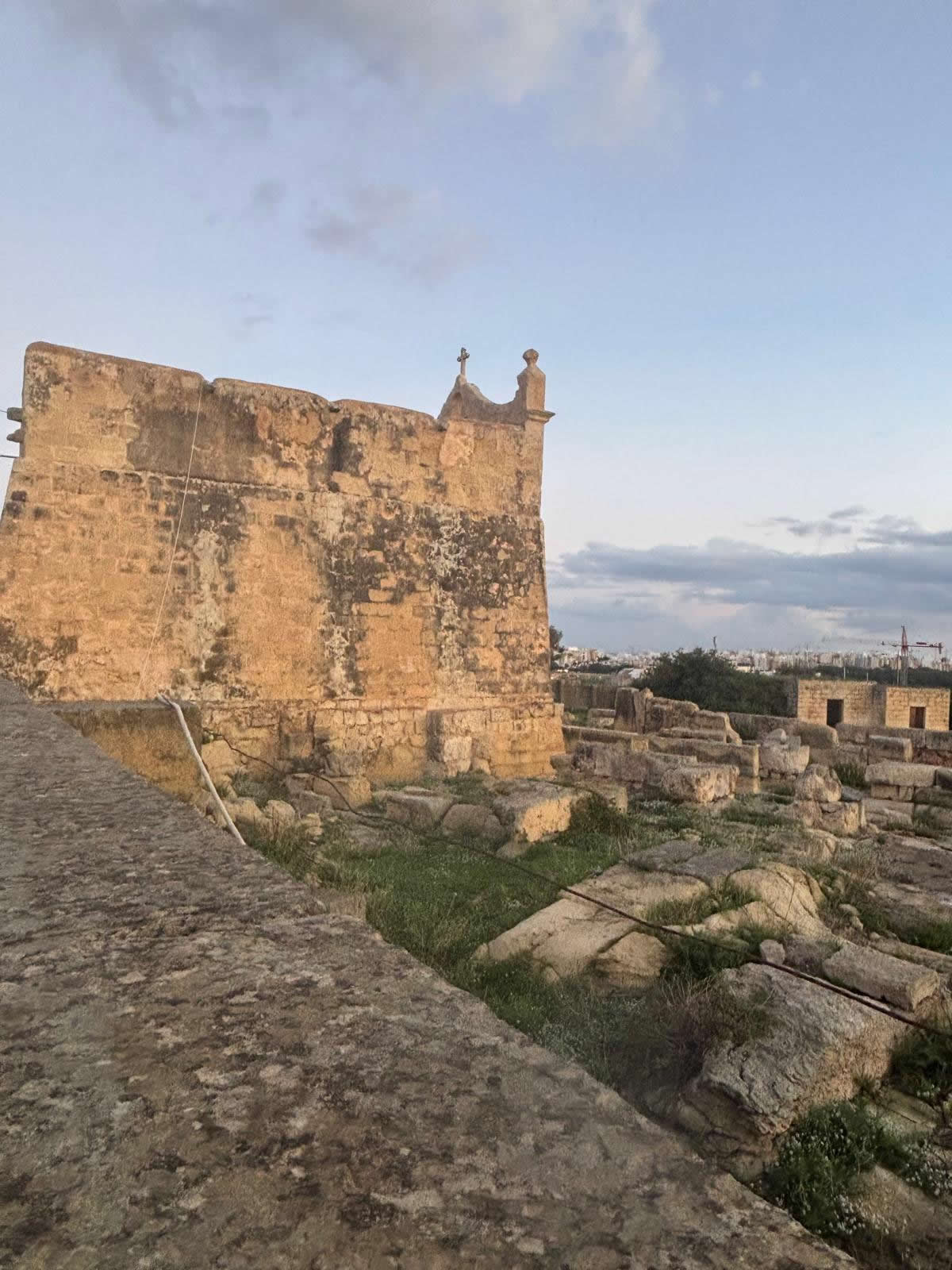
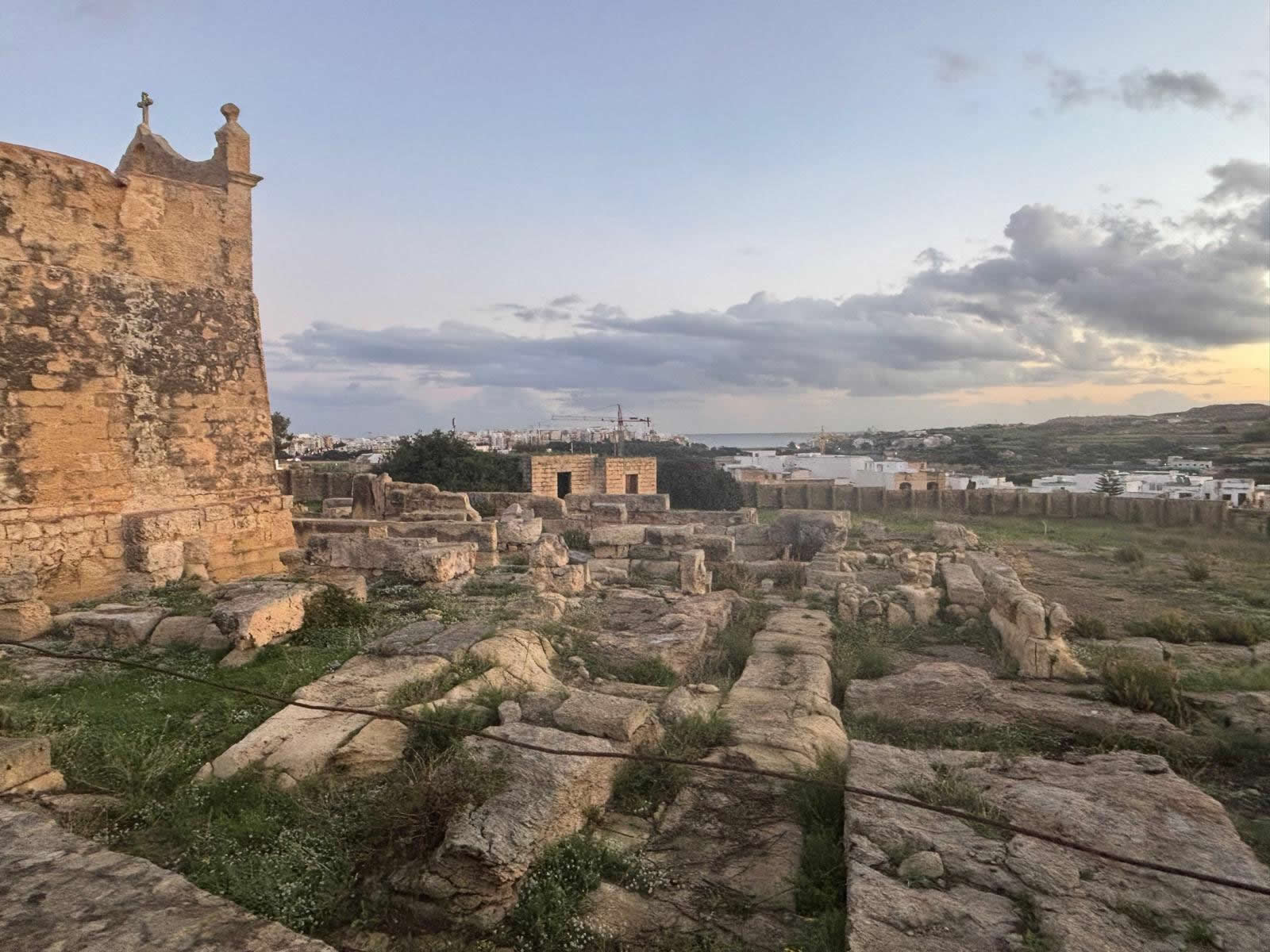
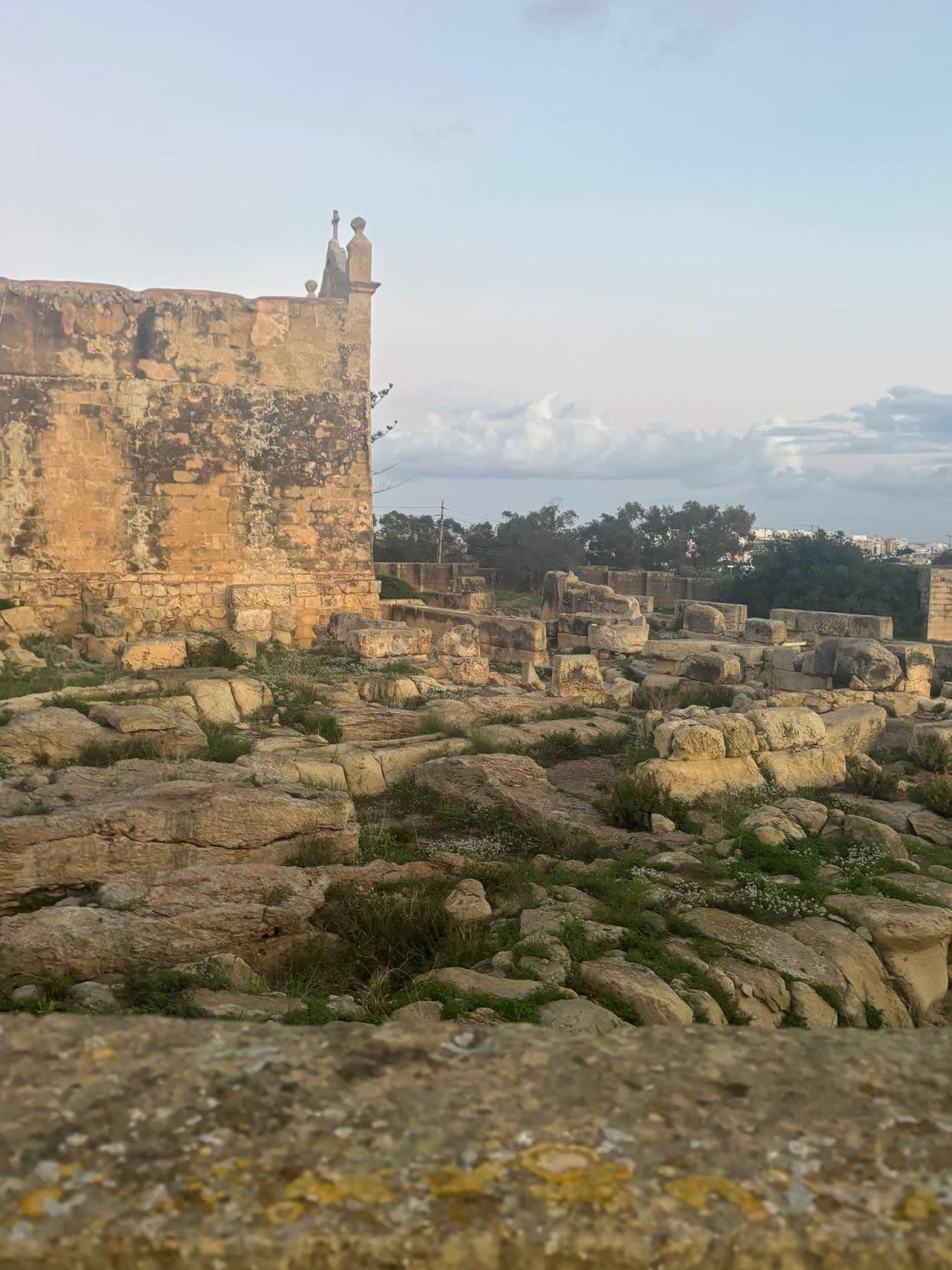
Built in Maltese limestone, the chapel is a compact rural sanctuary designed for local worship rather than a large parish congregation. Its architectural significance is heightened by its setting: the church stands amid exposed Roman masonry, giving visitors an unusual visual experience where early-modern Christian architecture and classical remains co-exist in a single site.
Restoration and conservation
The chapel and surrounding remains have required periodic conservation. In 2018, restoration works at the chapel were reported as under way, with Heritage Malta explaining the site’s traditional link to St Paul’s Islands and the Roman-period context. Contemporary reporting also noted that a call for tenders was to be issued for restoration of the chapel.
Because the site is normally closed and opened on specific occasions (for example, on the Feast of St Paul), conservation efforts are closely tied to managed public access and safeguarding the archaeological remains.
Use, access and visiting notes
The chapel forms part of an archaeological site that is generally not open daily. Heritage Malta periodically opens the site to the public on special dates, allowing visitors to see both the chapel and the Roman villa remains.
- Access: check Heritage Malta announcements for opening days and guided visits.
- Respect: treat the chapel as a place of worship and the surrounding remains as protected archaeology.
- Best viewpoints: façade and setting, plus wider landscape views over Burmarrad valley.
Confirmed build / modify timeline
- Roman period: major agricultural villa complex, with evidence of olive-oil production.
- 14th century: first chapel phase is commonly placed in this period (later fell out of use).
- 1616 (early 17th century): present chapel built and associated with the “San Pawl Milqi” dedication.
- 1963–1968: major scientific excavations by the Missione Archeologica Italiana a Malta (site archaeology).
- 2018: restoration works reported under way; tenders for chapel restoration referenced in contemporary reporting.
- Today: site managed by Heritage Malta; generally closed except on special openings/tours.
More on emalta.com
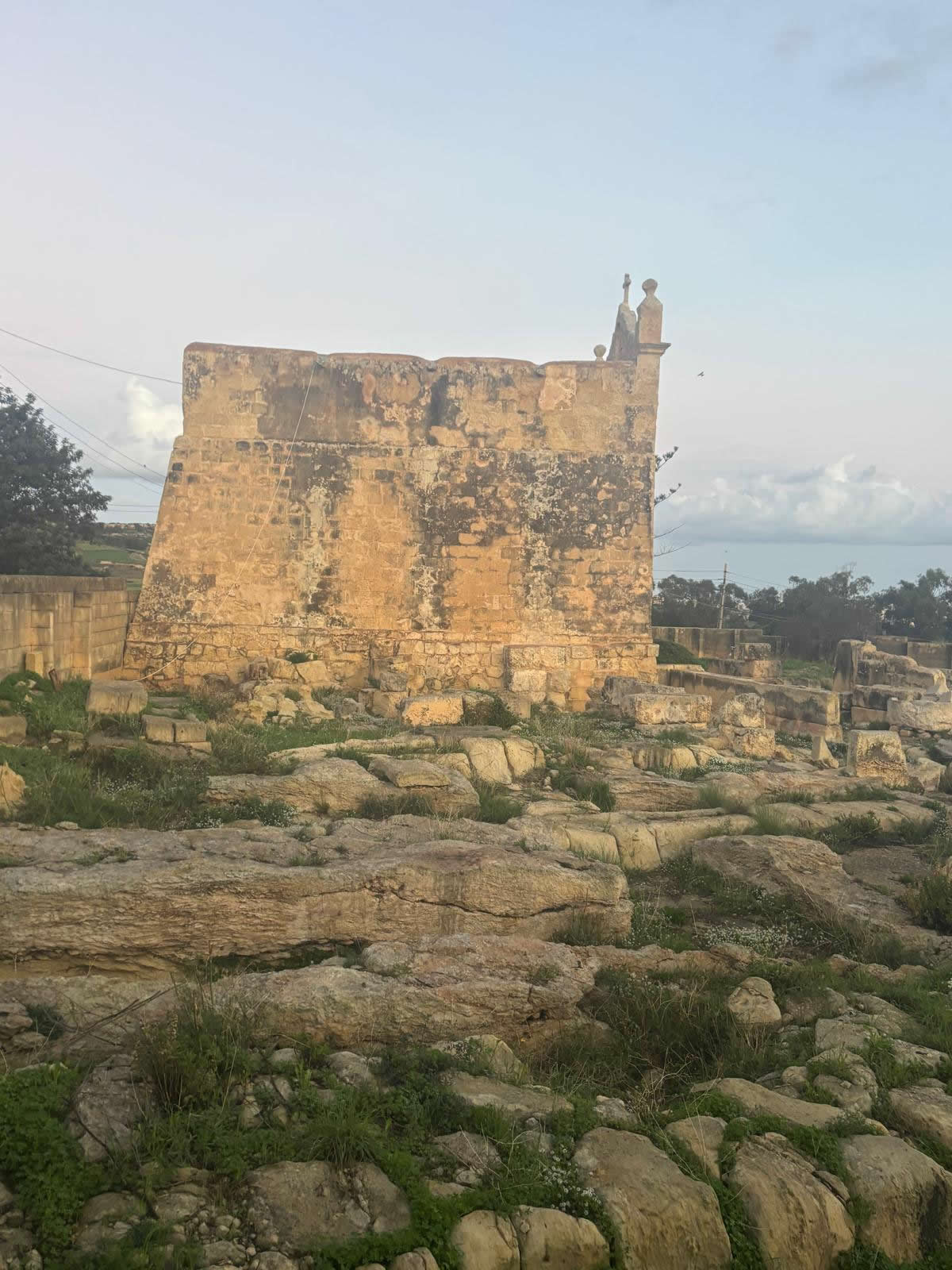
Built: early 17th century (commonly dated 1616).
Modified / conserved: multiple earlier chapel phases preceded it; restoration works reported in 2018; site conservation ongoing under Heritage Malta management.