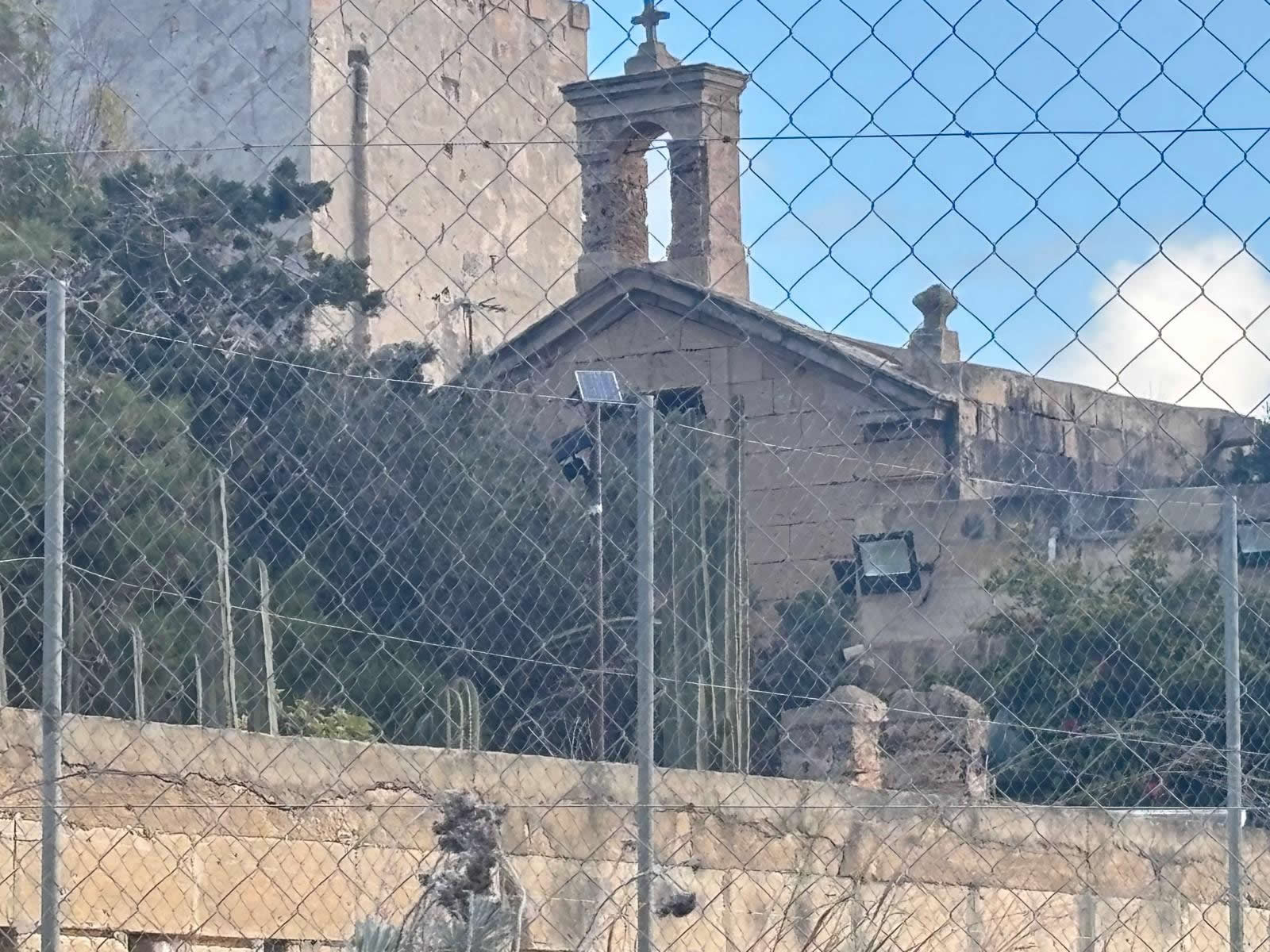
Tucked into the coastal landscape of Xrobb l-Għaġin, this small chapel is associated with St Paul’s shipwreck devotion
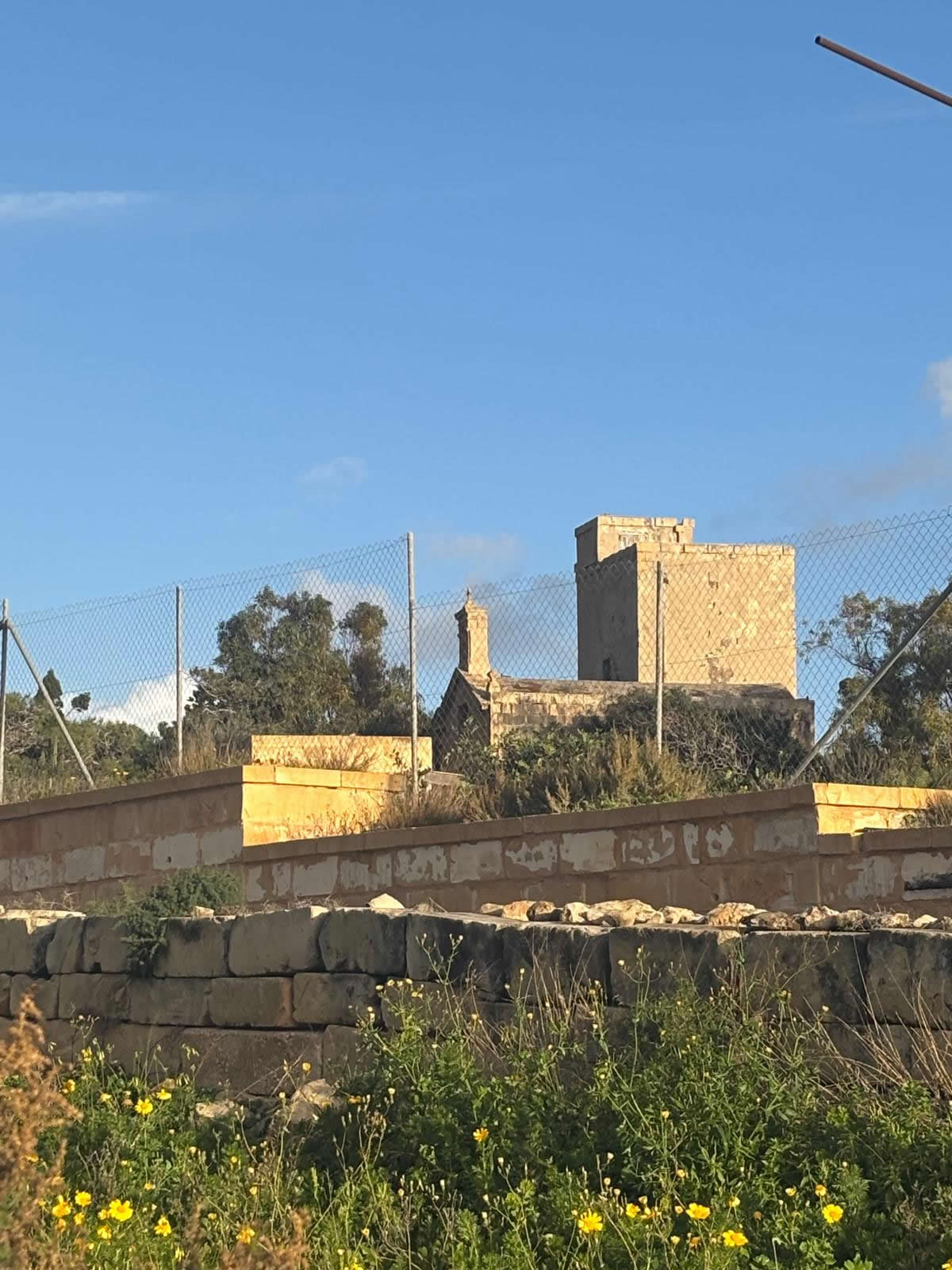
and sits by the area known for the Delimara/Bettina tower complex. It is described as a coastal chapel visible from the sea
and remembered as a reference point for fishermen.
Coordinates: 35.844418, 14.564446Area: Xrobb l-Għaġin, MarsaxlokkBuilt (understood): c. 1740Documented by: 1776Restored: 1932Restoration ongoing: since 2013
At a glance
The chapel is dedicated to San Pawl Nawfragu (St Paul Shipwrecked) and is tied to the shoreline setting of Marsaxlokk’s
southern headlands. It lies close to Xrobb l-Għaġin Nature Park and the broader heritage landscape of Delimara.
TypeRoman Catholic coastal chapel
DedicationSt Paul Shipwrecked (San Pawl Nawfragu)
Key construction datesBuilt c.1740; certainly existing by 1776
Key restoration datesRestored 1932; restoration ongoing since 2013
Full detailed history
The most specific “built” date given for this chapel is that it is understood to have been built in 1740, while the tower-and-chapel complex
is already recorded as existing in 1776.
Why St Paul “Shipwrecked” matters here
St Paul’s shipwreck (traditionally placed around AD 60) is one of the defining narratives of Maltese Christianity. In the south-east, this chapel reflects a local
strand of devotion that links the shipwreck tradition to the southern coastline: it has been described as a coastal chapel that may mirror belief that the shipwreck
occurred in the south of Malta.
A chapel for seafarers and fishermen
The chapel is visible from the sea and has been described as a reference point for fishermen—an example of how coastal chapels served both devotional and practical
purposes along Malta’s shore routes.
Relationship with the nearby tower (Delimara / “Ta’ Bettina”)
Descriptions of the site explain that the chapel is tucked beneath the nearby tower, locally known as Ta’ Bettina (while official references describe it as
the Delimara tower). The tower was rebuilt in 1831, preserving the strategic value of the headland landscape.
Construction and architectural character
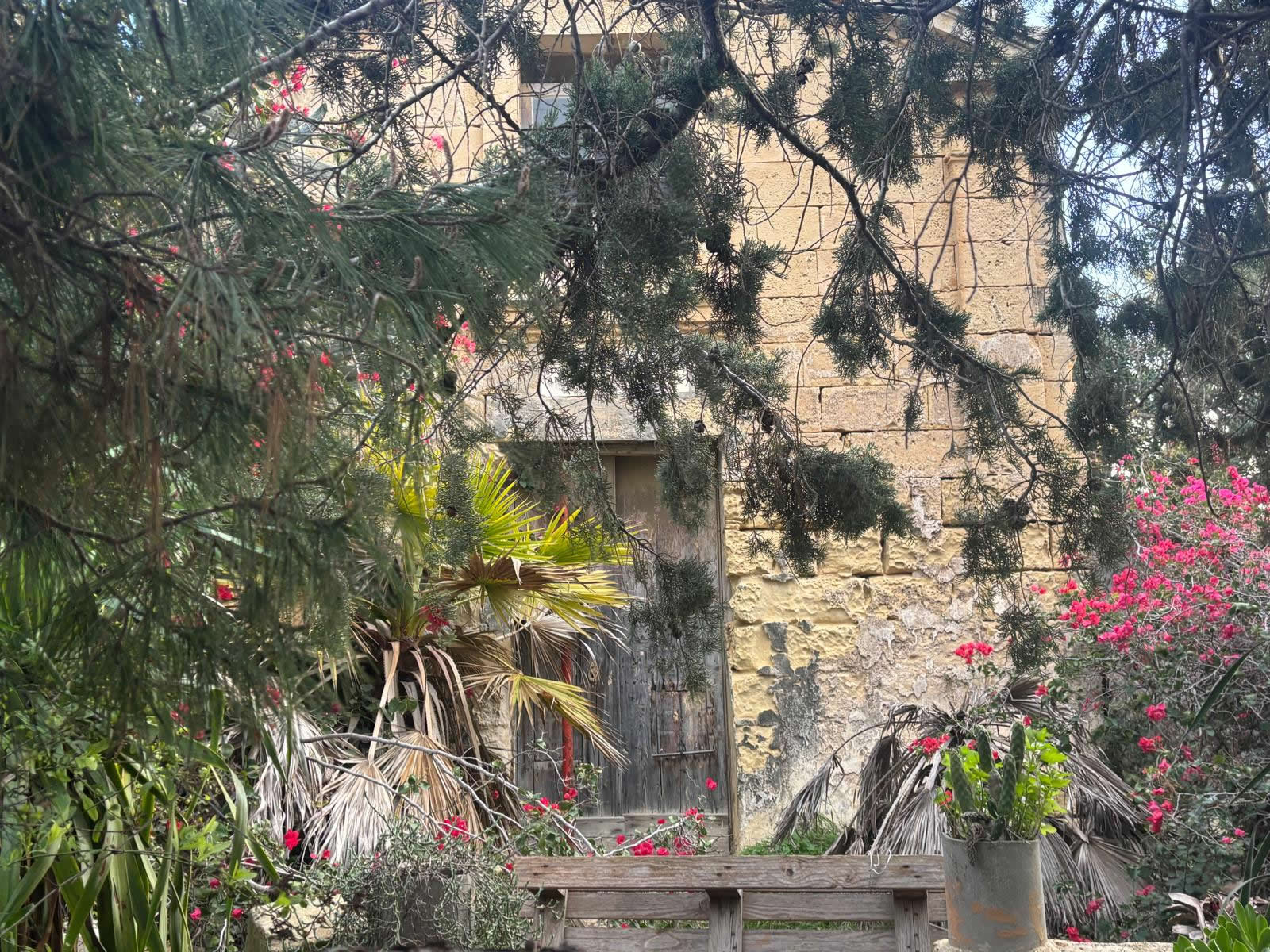
Built in Malta’s traditional limestone, the chapel is a compact structure designed for coastal devotion. Its scale reflects a niche role—serving local worshippers,
seafarers, and occasional visitors rather than a large parish congregation.
The chapel is associated with a main altar dedicated to San Pawl Nawfragu and a smaller altar of the Holy Family.
Restoration and conservation
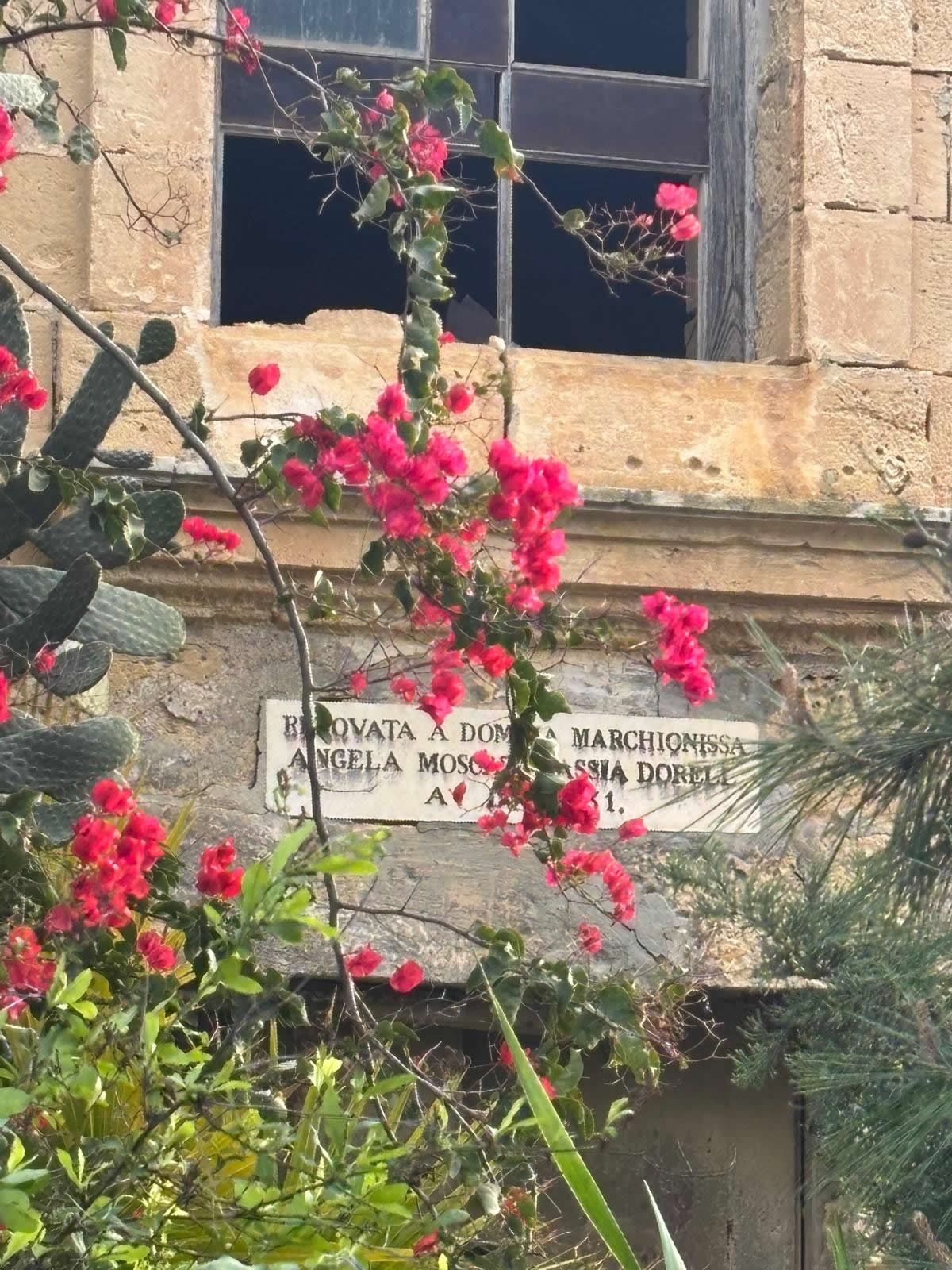
1932 restoration
The chapel was restored in 1932 by Marquis Angelo Muscat Cassia D’Aurel.
Ongoing restoration since 2013
A later restoration campaign began in 2013 and has continued for years, aiming to address deterioration and structural issues. Monitoring was
also reported in connection with cracking linked to nearby trenching works.
How the chapel is used today
The chapel is described as being in private hands today, which can affect routine public access.
Even so, it remains an important waypoint in Marsaxlokk’s coastal heritage—valued for its devotional identity, its relationship with the tower,
and its landscape setting close to nature and archaeological points of interest around Xrobb l-Għaġin.
Timeline of key dates
Date / period
Event
c. 1740 (understood)
Chapel is understood to have been built around this year.
1776
Tower-and-chapel complex already existed by this date (linked to the title Marchese di Xrobb l-Għaġin).
1831
Nearby tower rebuilt (Delimara / “Ta’ Bettina” in local usage).
1932
Chapel restored by Marquis Angelo Muscat Cassia D’Aurel.
2013–present (reported)
Restoration works reported as ongoing for years, with monitoring for cracking.