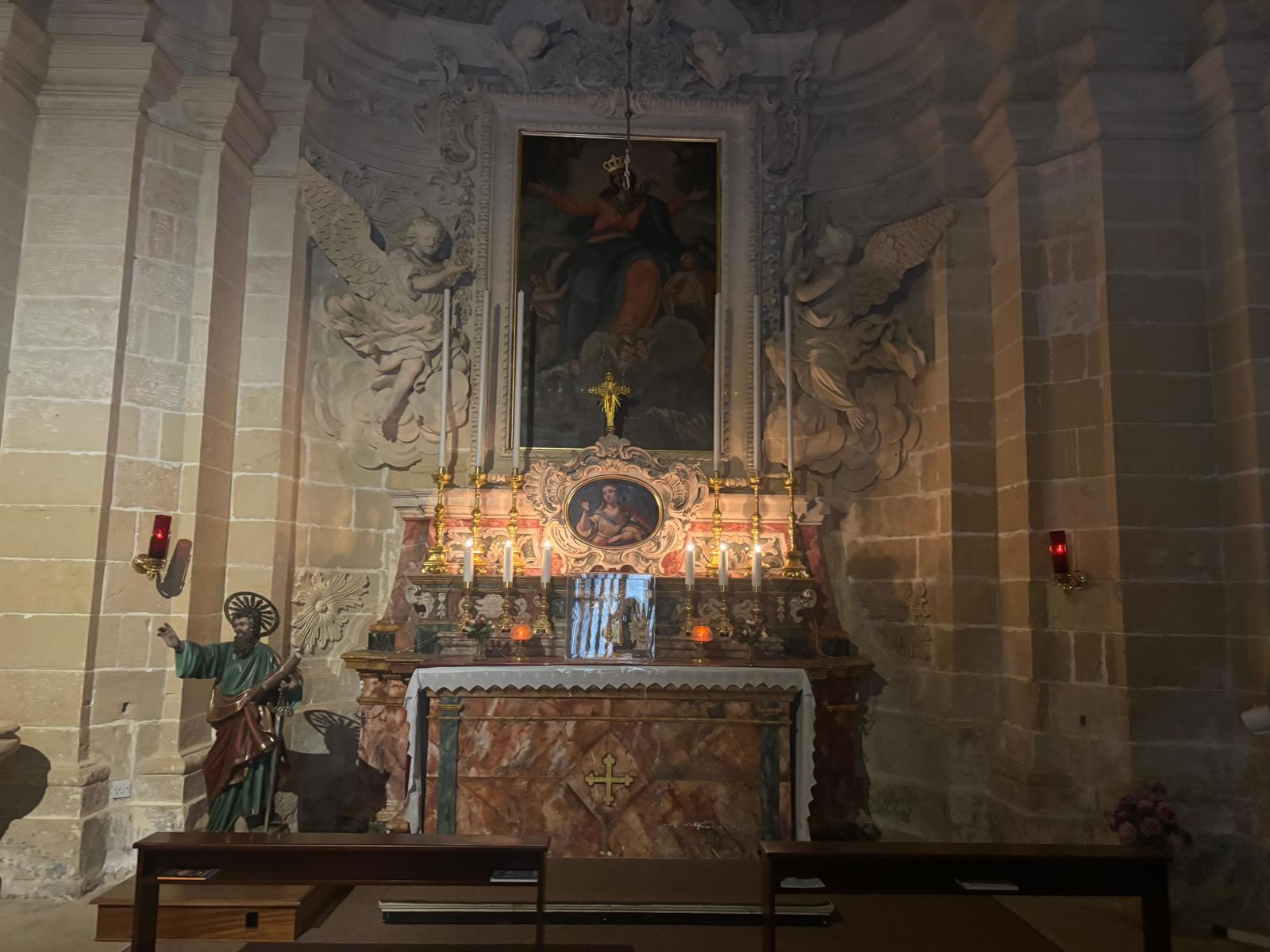
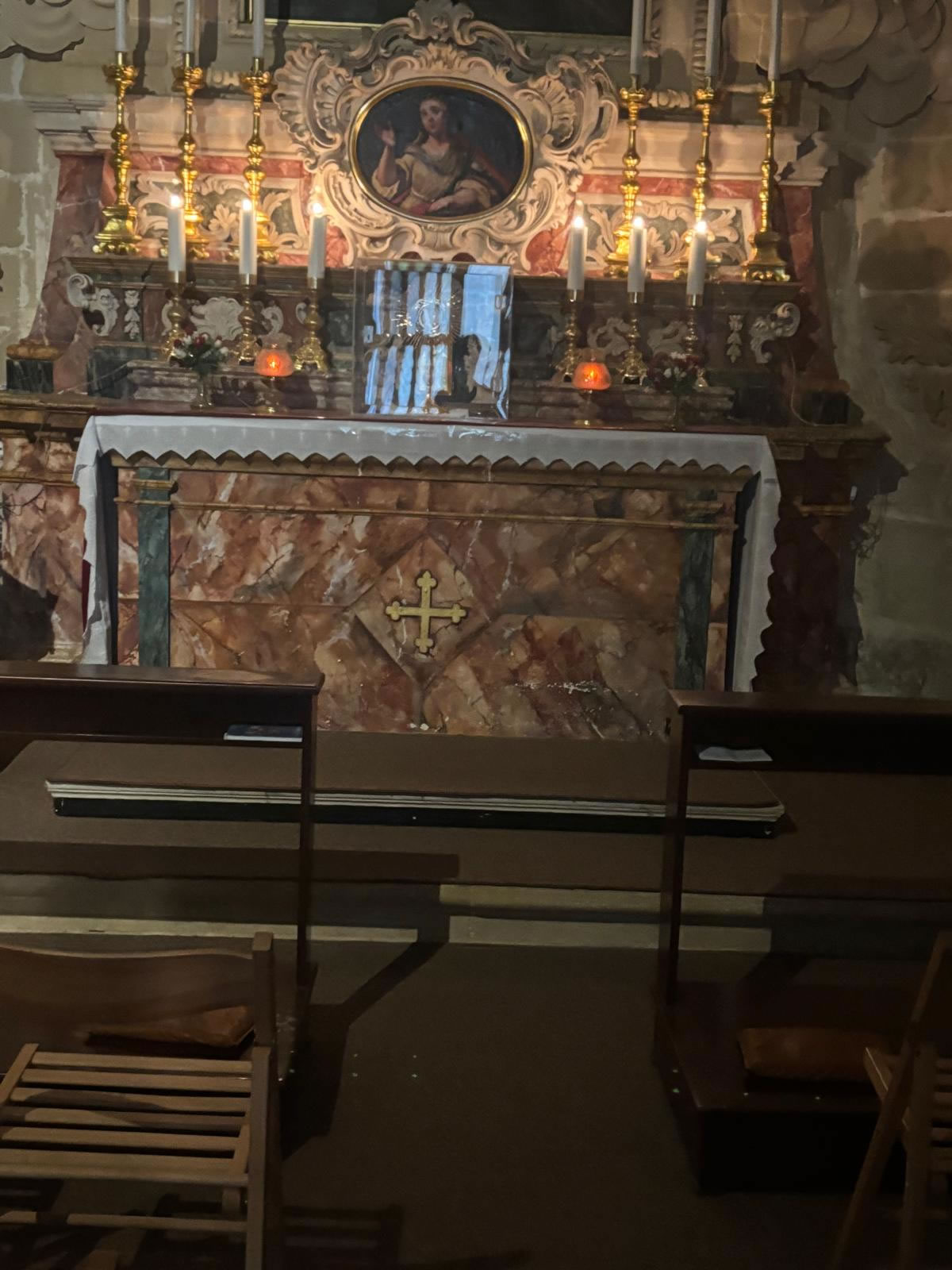
Santa Marija Chapel (Kappella ta’ Santa Marija), Safi
A few steps from Safi’s parish centre stands Santa Marija Chapel, a compact Baroque place of worship
dedicated to Our Lady and closely tied to village devotion. The present building dates to 1761,
replacing an older chapel on the same site, and was ready for worship by 1764.
In 2022, a major restoration programme restored its stonework, roof and dome.
Build-date confirmation: the present chapel is recorded as built in 1761 (Anġlu Bonnici),
replacing a 16th-century predecessor, and ready to serve the village by 1764.
Full detailed history
A site of long-standing Marian devotion
The chapel stands on a site long associated with Marian worship in Safi. Historical documentation indicates that an earlier chapel
dedicated to Saint Mary existed here in the 16th century, serving the spiritual needs of a rural community whose
identity was shaped by chapels and feast-day observances.
1761–1764: the present chapel is built
The current structure was constructed in 1761 to replace the older building. It is attributed to the Maltese architect
Anġlu Bonnici and is recorded as being ready to serve the village by 1764.
These dates place Santa Marija among the key 18th-century religious landmarks of Safi.
20th–21st century: a heritage landmark in the village core
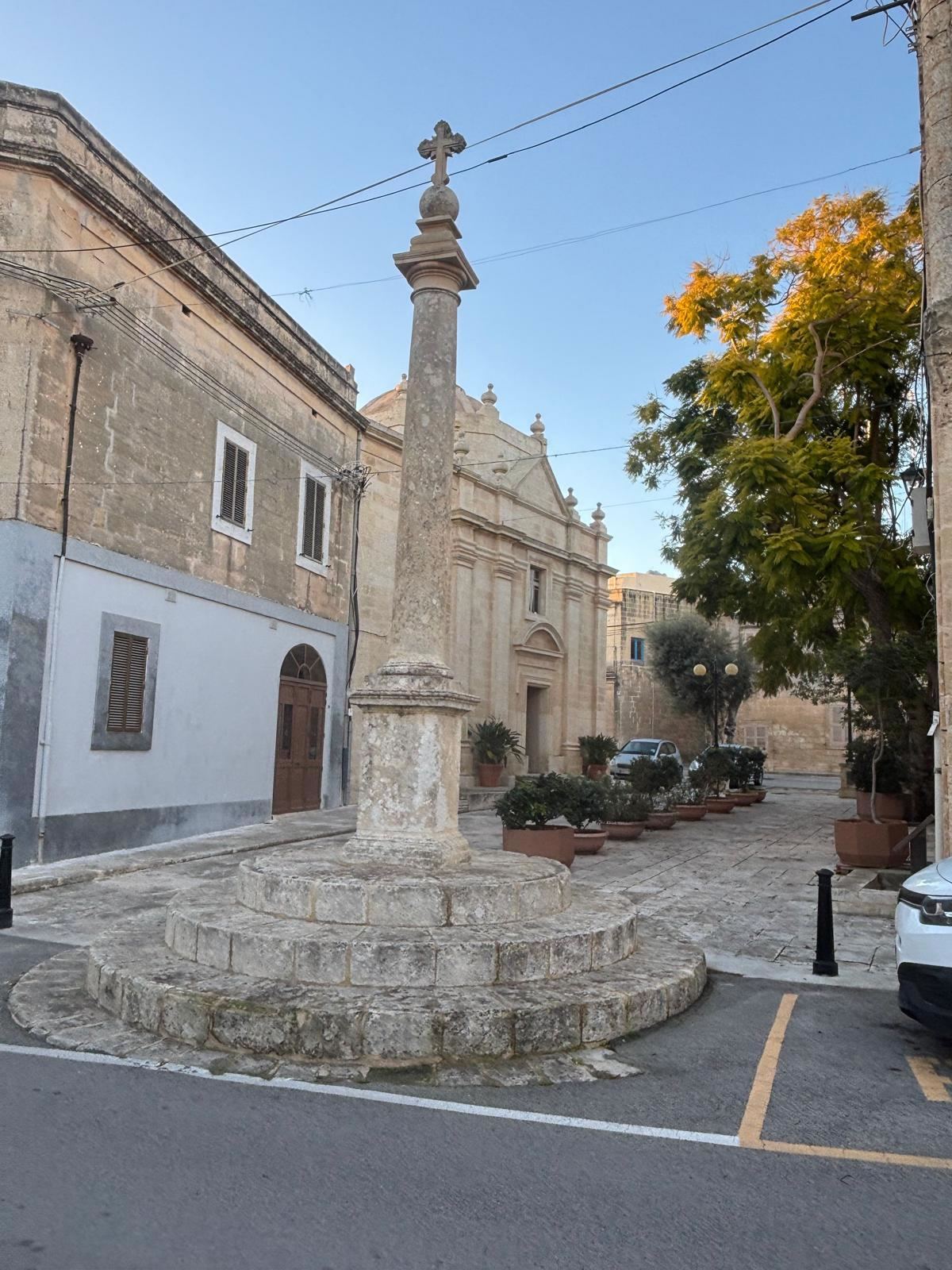
As Safi expanded and modernised, Santa Marija Chapel remained a visible link to the village’s earlier urban fabric. Its location along
Triq Santa Marija helps preserve the sense of an older, chapel-centred streetscape, where devotional buildings anchor local identity.
Construction and architectural description
Overall form
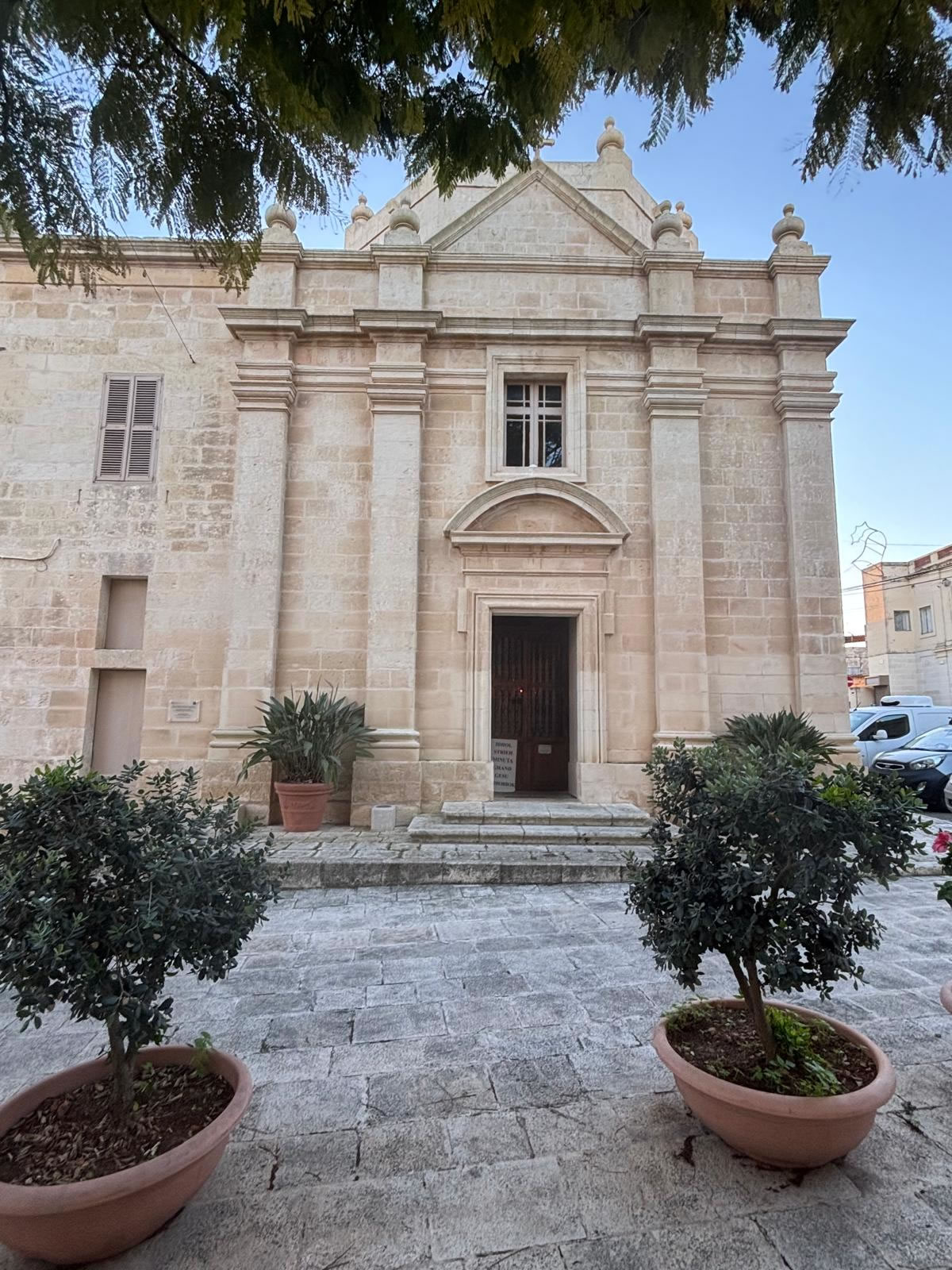
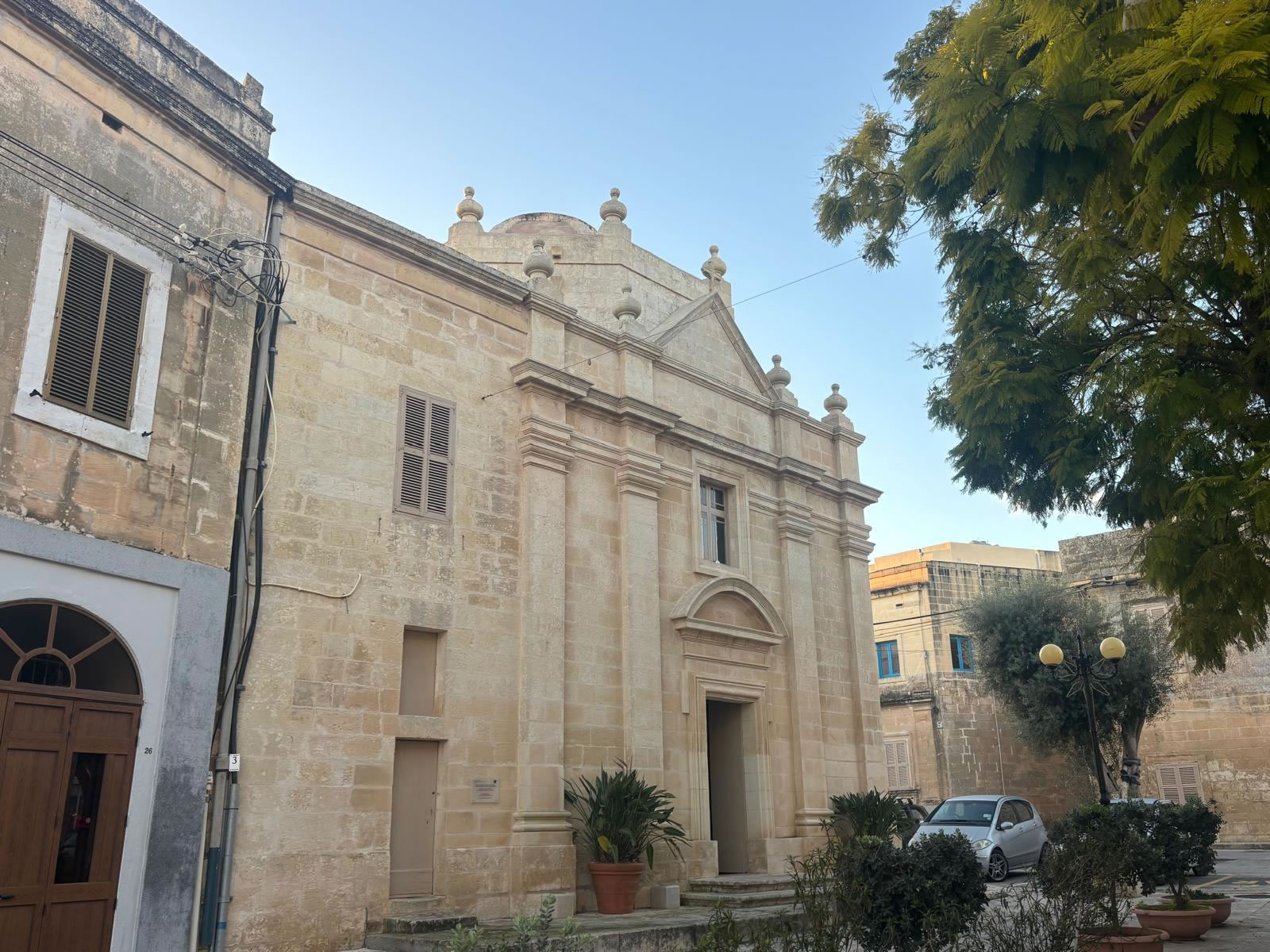
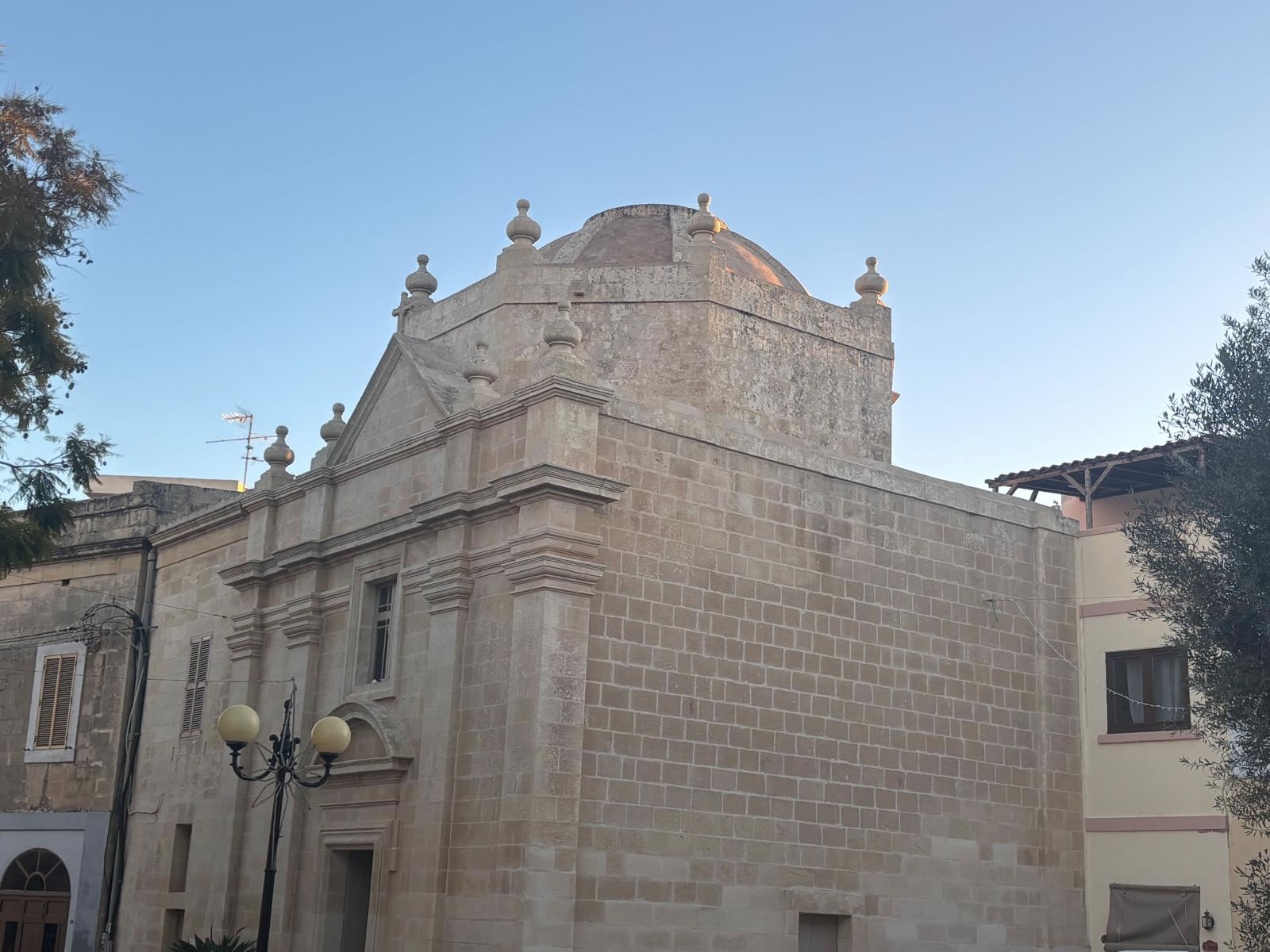
The chapel is described as a box-like Baroque structure, elevated on plinths and designed with clear, symmetrical façade
composition. A dome crowns the building, giving the chapel a distinctive profile within Safi’s streets.
Façade details (Baroque vocabulary)
Raised façade with substantial plinths.
Flat pilasters topped with Doric capitals framing the principal front.
Main doorway with moulded surround and decorative elements culminating in a rounded pediment.
A rectangular window above the portal for interior lighting.
A balustraded upper section and ornamental features culminating in a triangular pediment and finials/urns.
Dome
The chapel’s dome is described as having an octagonal drum and ornamental elements at junctions—features typical of late
Baroque religious architecture in Malta, scaled here to a village chapel.
Restoration and conservation
Why restoration was needed
Like many exposed limestone buildings, Santa Marija Chapel faced issues linked to weathering: biological growth on stone surfaces,
open joints, and water ingress—especially around the roof and dome, where cracks can allow moisture to seep into the masonry.
2022: national restoration scheme completed
Restoration works were completed in 2022 under a national programme delivered through the Restoration Directorate in
collaboration with the local council restoration scheme. The project focused on roof and dome maintenance, sealing cracks to stop
water infiltration, and improving the stone’s ability to breathe through appropriate materials and detailing.
Typical works included
Roof and dome repairs to address cracking and rainwater seepage
Cleaning of biological growth and careful stone conservation
Repointing/open-joint repairs and removal of incompatible cement where present
Breathable finishes and detailing to reduce trapped humidity in limestone
Structural attention to vulnerable façade elements (including the main doorway zone)
Conservation note: Long-term protection depends on routine inspection of the dome and roof junctions, and keeping
rainwater shedding systems working so moisture does not re-enter the masonry.
Use: past and present
Historic role
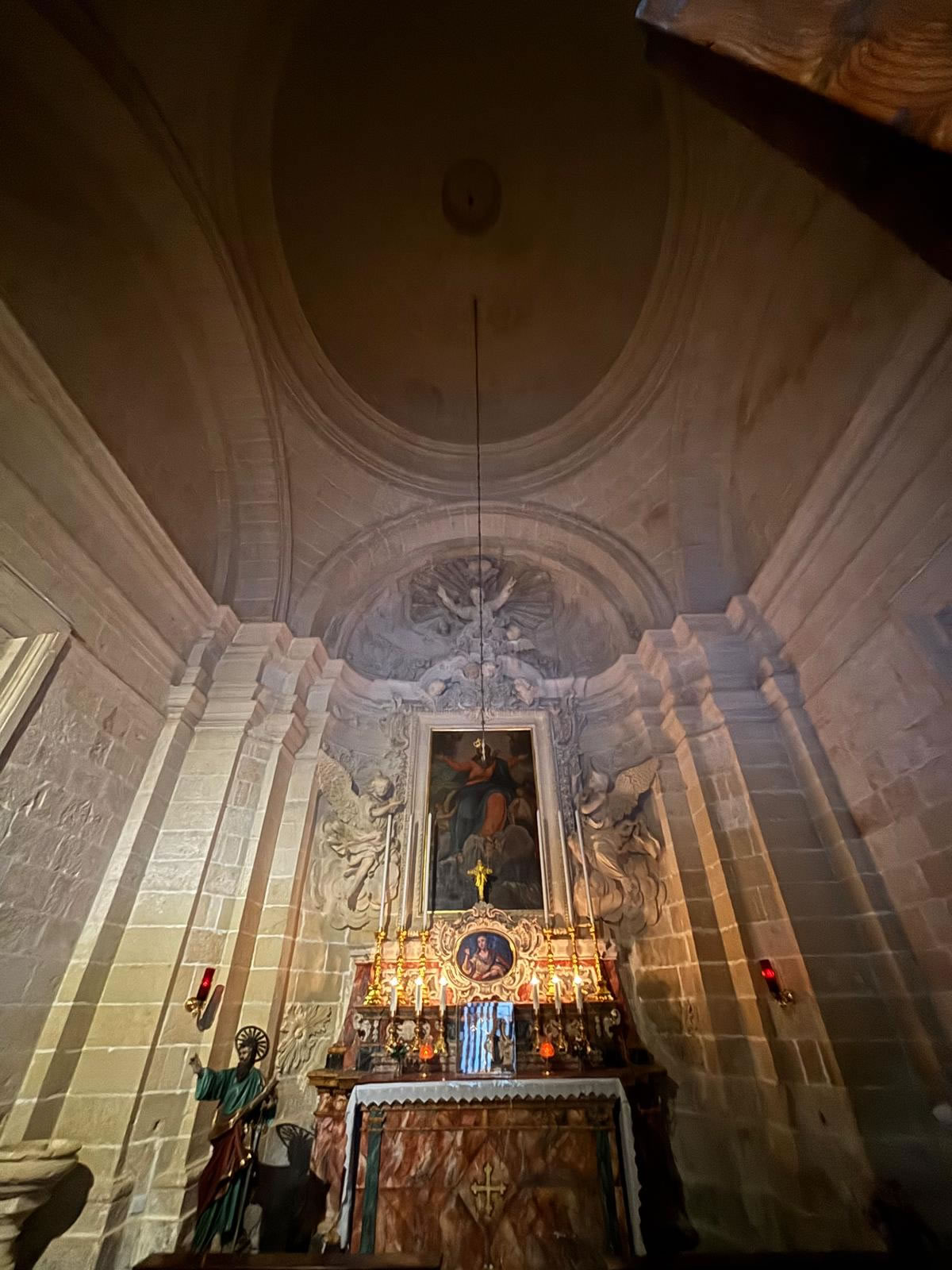
As a village chapel, Santa Marija served as a local focus for Marian devotion—supporting prayer, feast-related traditions, and
neighbourhood religious life. Its presence also reflects a wider Maltese pattern: chapels operating as community landmarks even when
the parish church stands nearby.
Present-day use
Today the chapel functions primarily as a heritage and devotional site, with use typically tied to special occasions, local celebrations,
and periodic services rather than a full parish schedule. Access may vary depending on the village calendar and opening arrangements.
Timeline
16th century
Earlier chapel on the same site is documented in historical records.
1761
Present chapel built (attributed to architect Anġlu Bonnici), replacing the older chapel.
1764
Recorded as ready to serve the religious needs of Safi’s villagers.
2022
Major restoration works completed under a national restoration scheme.
Visiting notes
The chapel is in Safi along Triq Santa Marija. If you visit, respect the surroundings and note that the building may not always be open.
As with many Maltese chapels, the best viewing is often from the exterior unless access is arranged for a service or special opening.