Chapels of Malta • Balzan • Triq it-Tlett Knejjes (Three Churches Street)
Santu Rokku Chapel (St Roque), Balzan
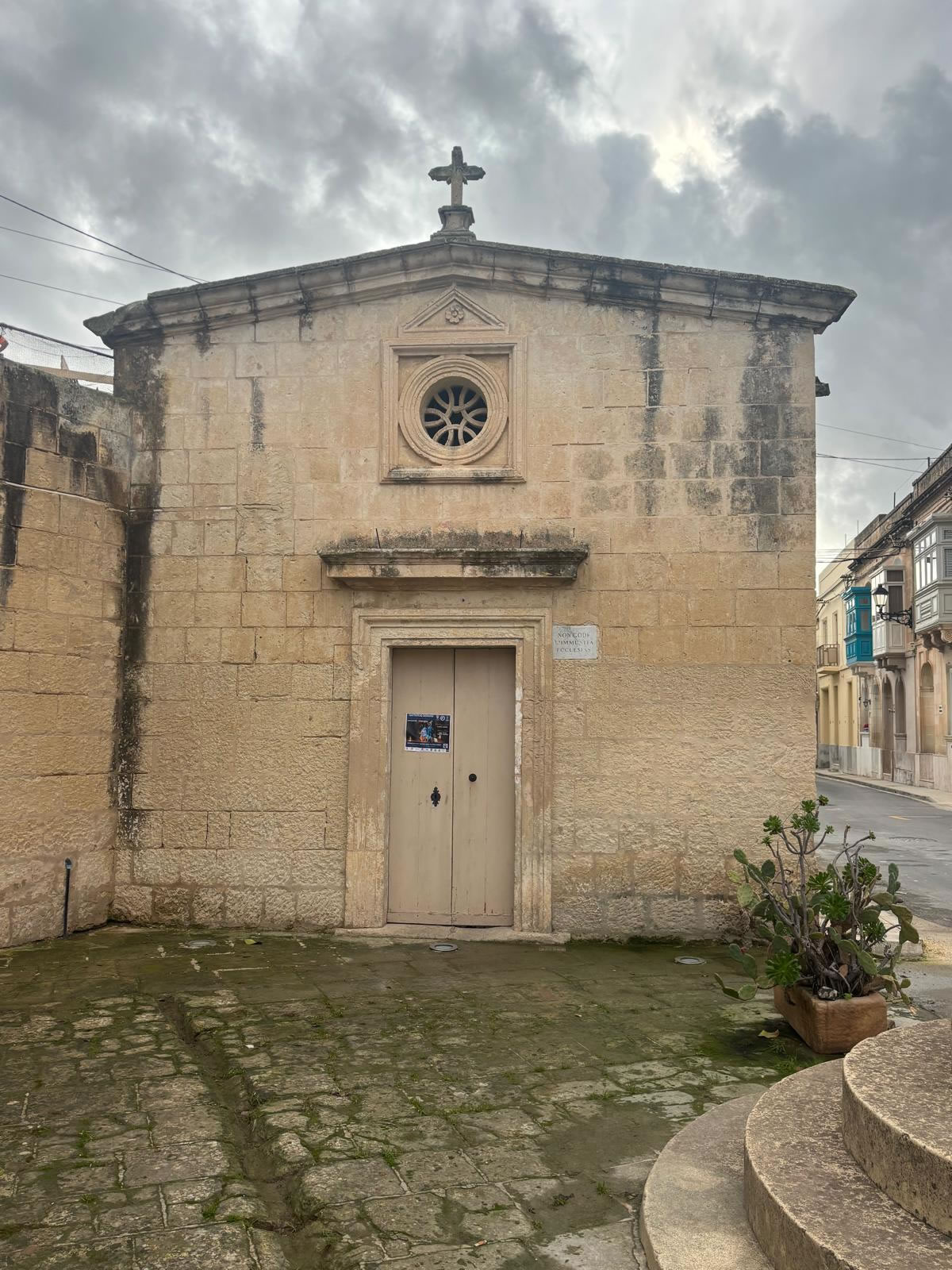
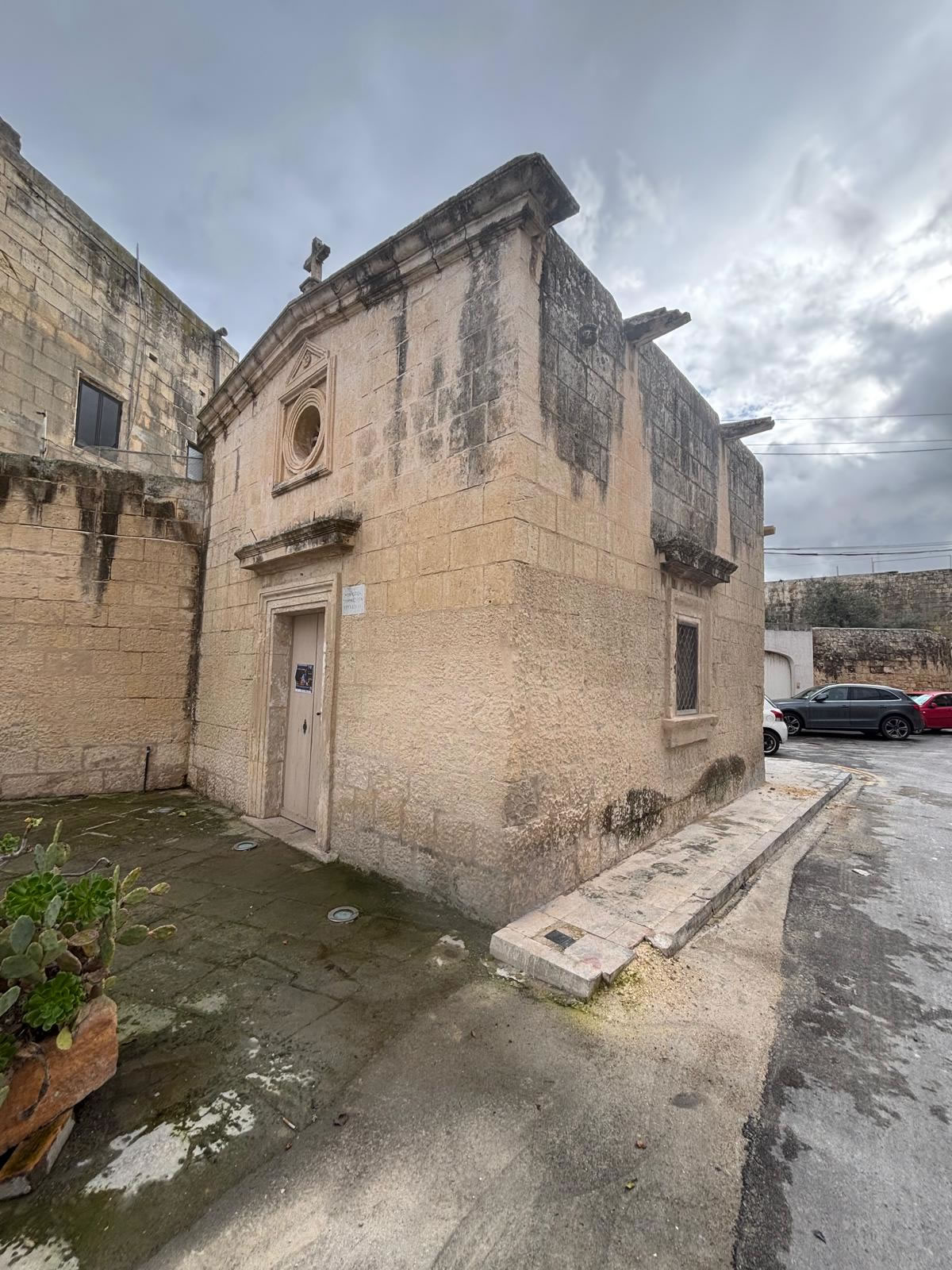
Santu Rokku Chapel is one of Balzan’s historic “Three Churches” on Triq it-Tlett Knejjes.
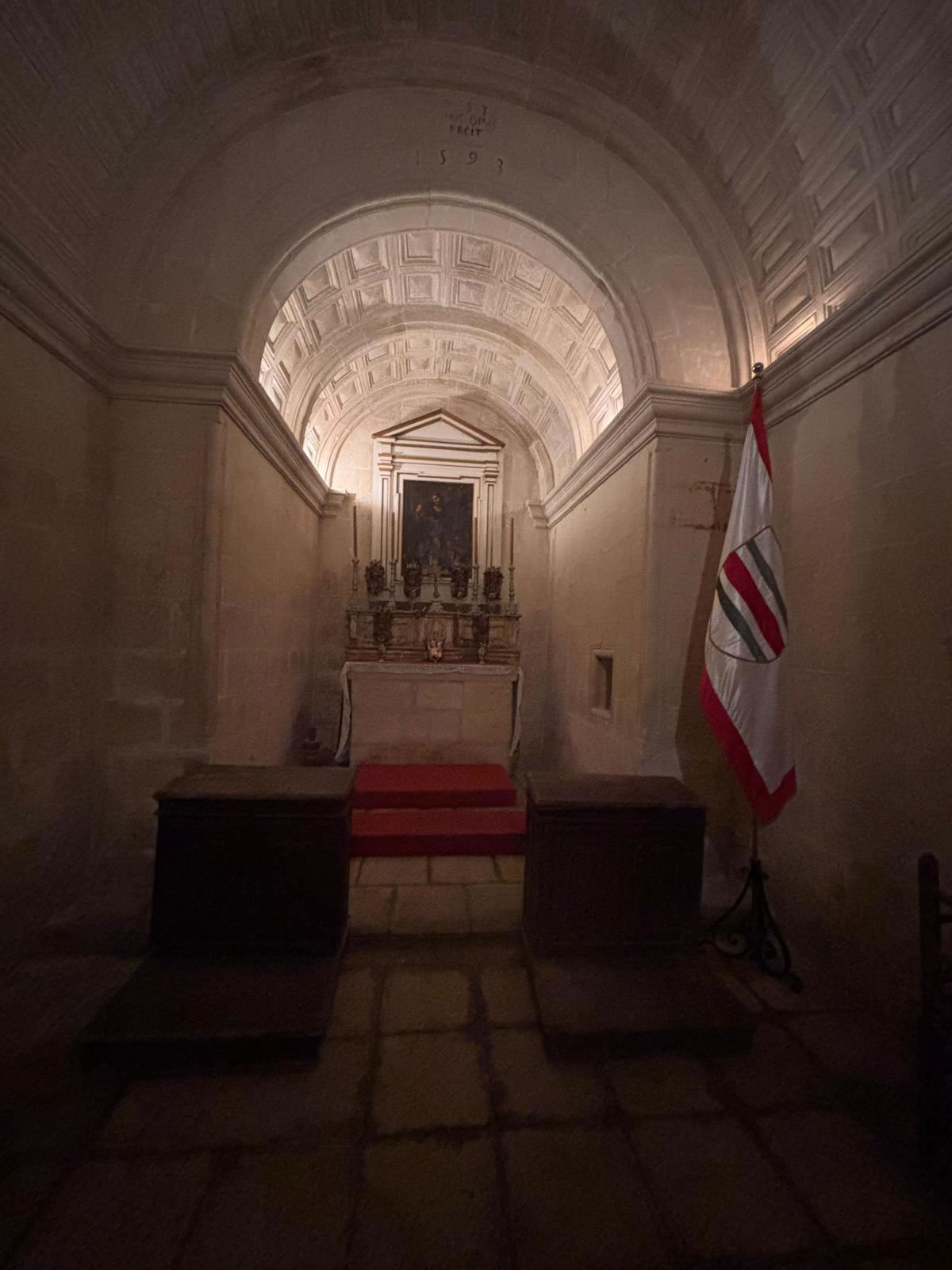
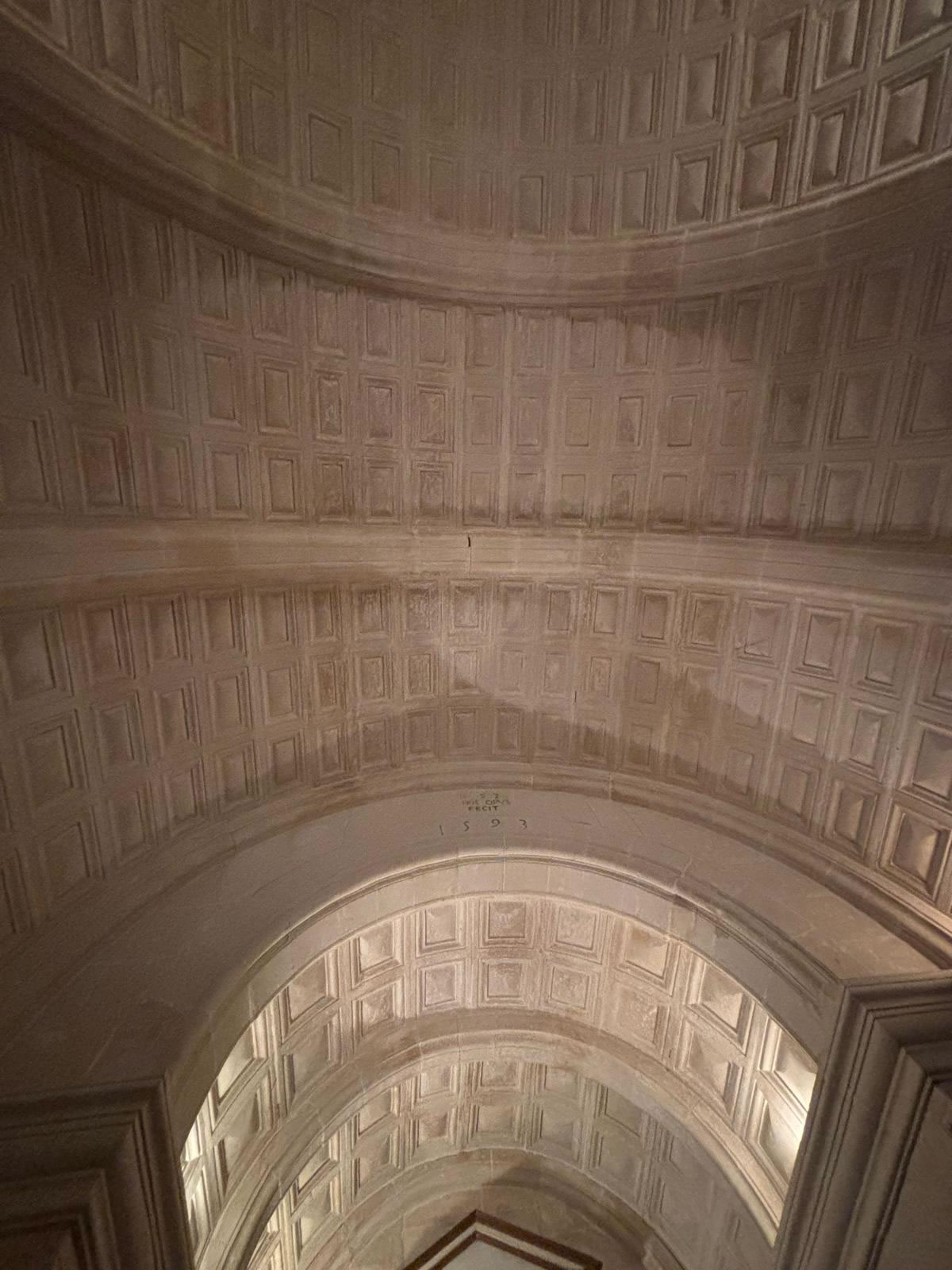
Local sources record it as built in 1593 following a plague outbreak, with victims of the epidemic buried there.
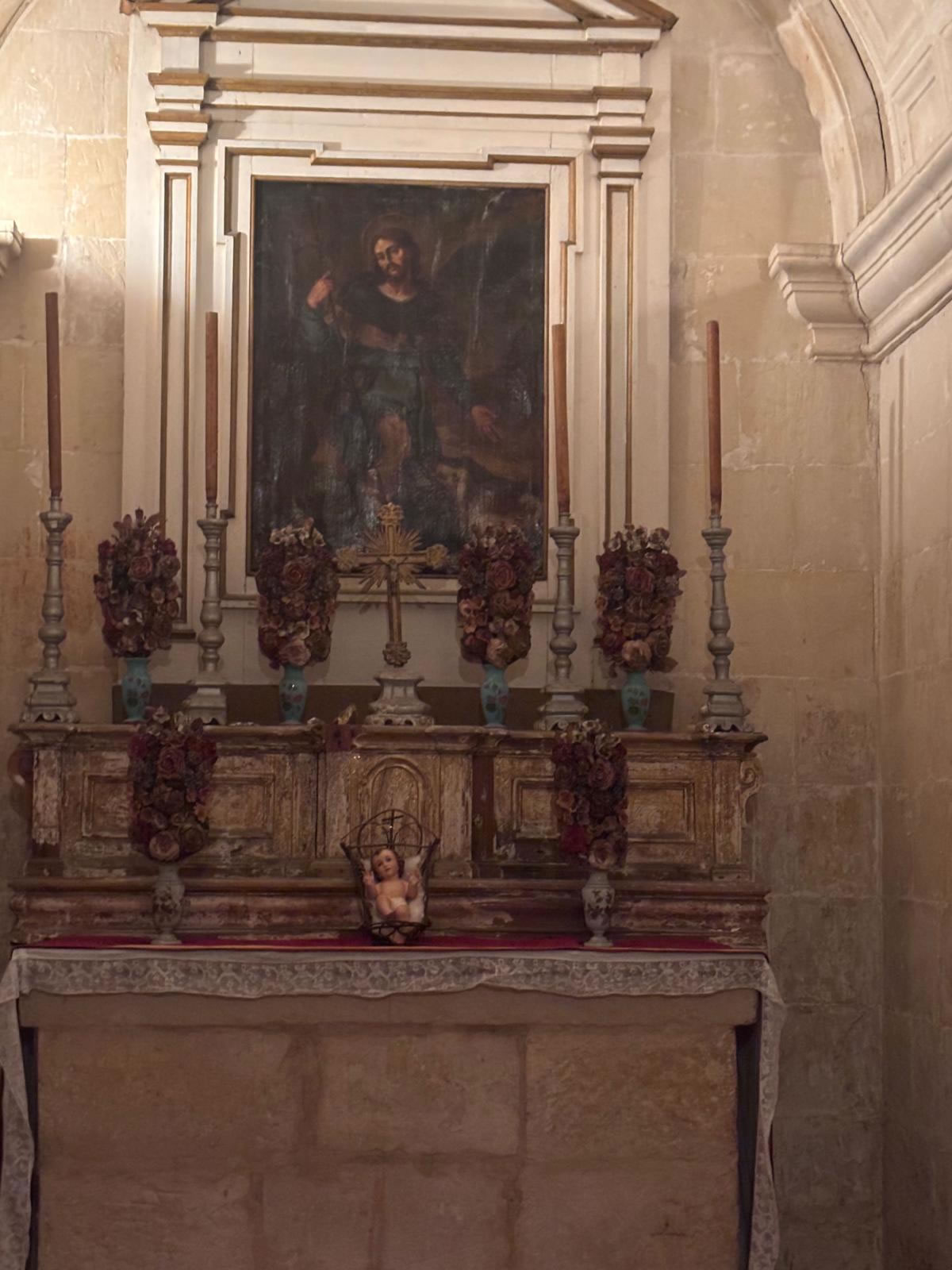
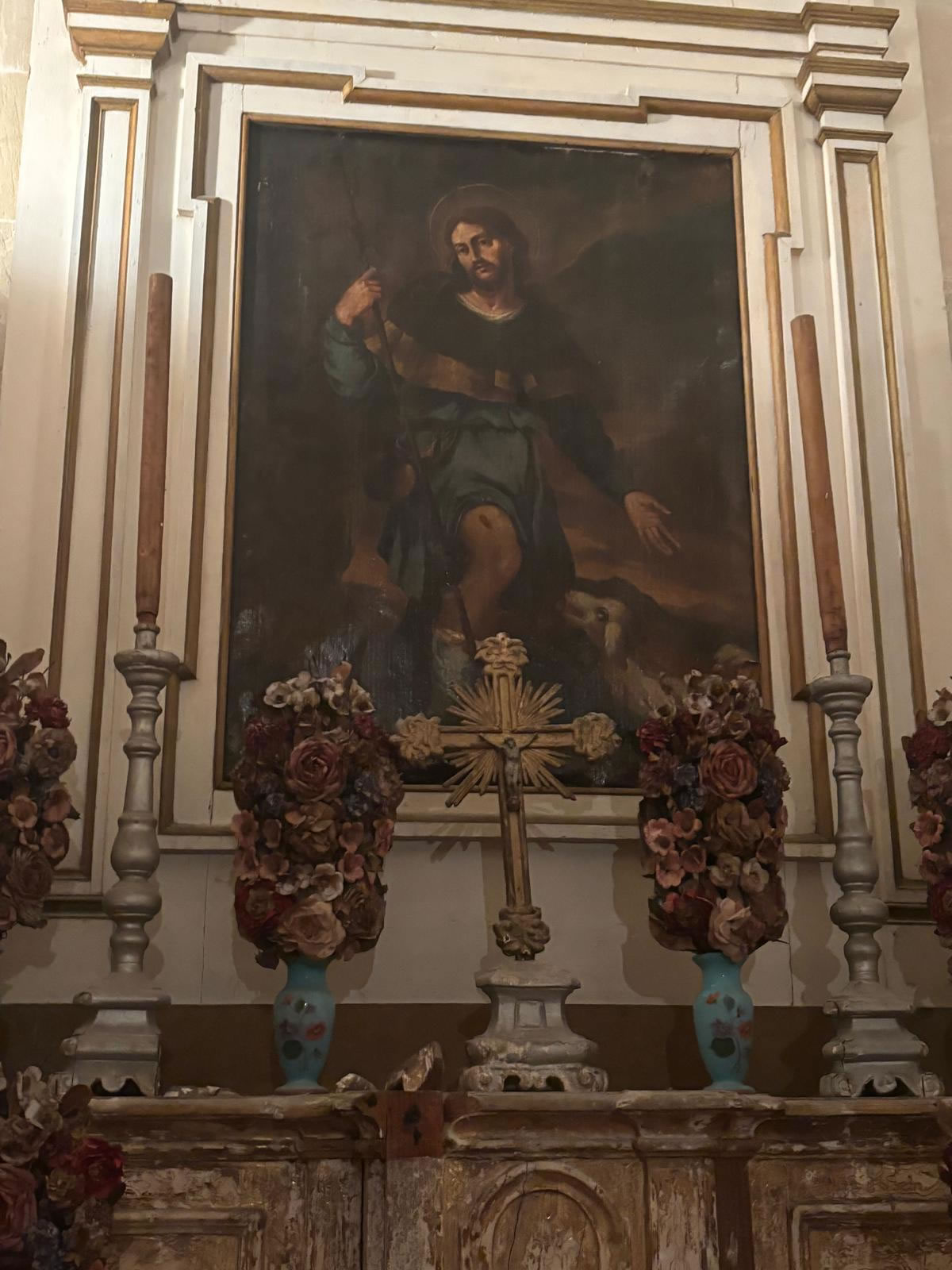
Its main painting depicts St Roque, St Paul and St Sebastian—saints traditionally invoked against plague.
Dedication: Saint Roch (San Rokku)Recorded build: 1593Context: plague-era chapel & burialsSetting: Balzan “Three Churches” streetscape
History
Plague-era origins (1593)
Balzan’s Local Council records that St Roque’s Church/Chapel was built in 1593 after a plague outbreak that year, and that victims were buried in the church.
The same record highlights the titular painting showing St Roque, St Paul and St Sebastian, described as protectors against the plague.
Part of Balzan’s “Three Churches”
The chapel is repeatedly presented as one of the three historic religious buildings on Triq it-Tlett Knejjes (“Three Churches Street”),
a streetscape that preserves a rare cluster of small ecclesiastical structures in close proximity.
Built-date confirmation: local sources record Santu Rokku Chapel as built in 1593 in response to a plague outbreak, with burials linked to that epidemic.
Construction and architectural character
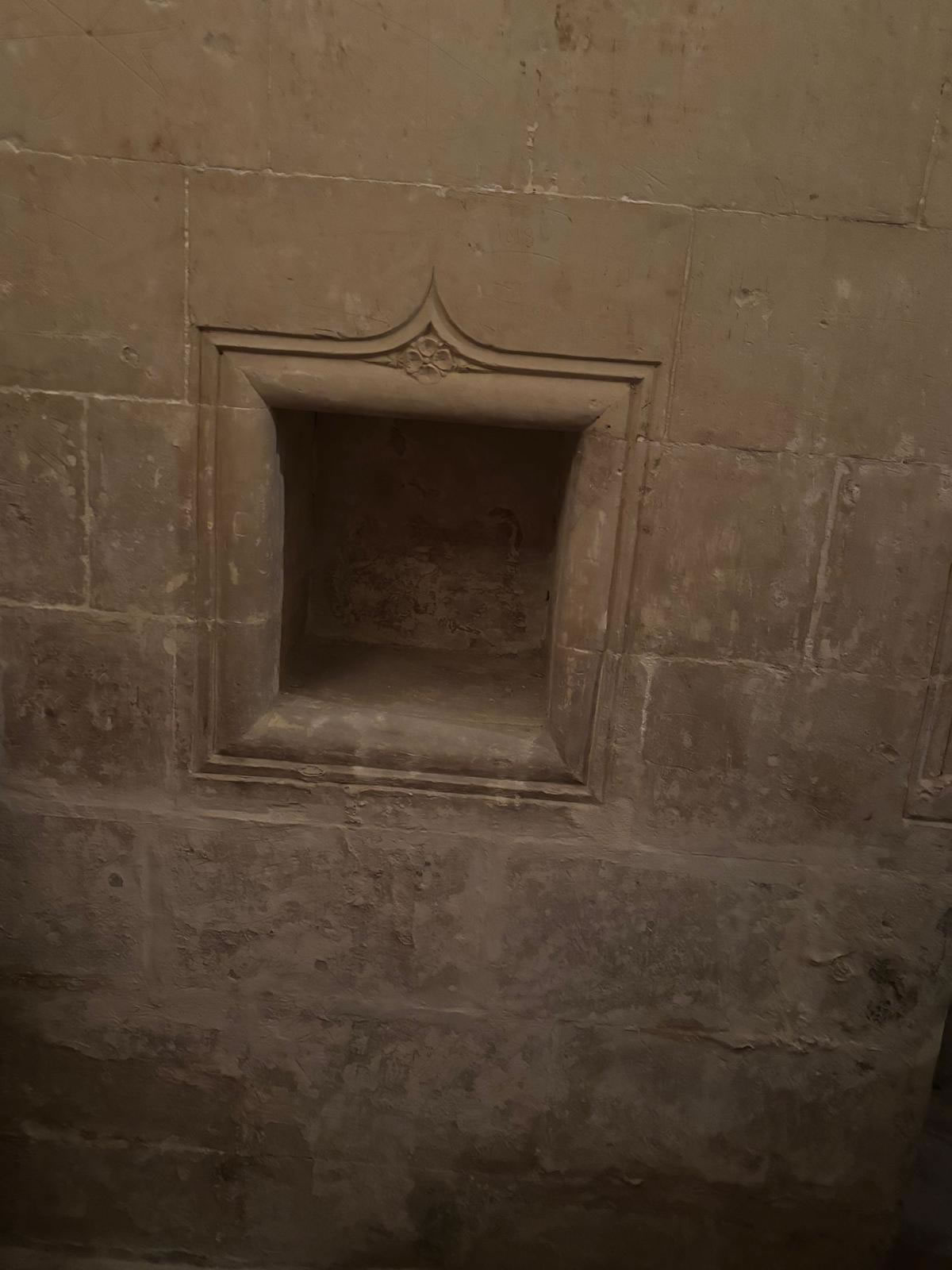
While detailed measured descriptions vary by source, the chapel is consistently presented as a small late-16th-century devotional building,
typical of plague-era chapels dedicated to saints invoked for protection during epidemics. Its location on “Three Churches Street” places it within a historic cluster
where small, community-focused chapels were built for local devotion and processional life.
Key elements recorded in sources
Dedication and iconography: St Roque (San Rokku) with associated plague-protection saints (St Paul, St Sebastian) in the main painting.
Setting: a compact chapel embedded in the historic Triq it-Tlett Knejjes streetscape.
Restoration and conservation
Recorded restoration programme (2006)
A 2006 report notes restoration work on Balzan’s three chapels (including St Roque). The works addressed damaging cement layers and deposits,
required stone cleaning and repairs, and included close inspection of ceilings to eliminate leaks that could damage internal structures.
What conservation typically targets in chapels like this
Removal of incompatible cement and careful repointing with compatible lime mortars
Stone cleaning and repair where weathering and salt action have degraded limestone
Protection of painted surfaces and devotional artworks from humidity, soot, and vandalism
Use and visiting today
Devotional role
As a chapel dedicated to San Rokku—widely associated with protection during epidemics—its historic meaning is closely tied to communal prayer in times of disease and hardship.
The continued identification of the chapel as “St Roque’s Church” within the Three Churches area reflects its ongoing cultural and devotional significance.
Services and access
Public listings frequently show no regular Mass times for this chapel, suggesting it is used intermittently (for specific devotions or occasions) rather than as a daily service site. It was listed that Mass is celebrated in it on March 25
Visitor note: Triq it-Tlett Knejjes is an active street environment. If viewing the chapel, prioritise safe stopping/parking, respect any barriers, and treat the site as a heritage place of worship.
Timeline
1593
Recorded construction after a plague outbreak; victims buried in the church; titular painting features St Roque, St Paul and St Sebastian.
2006
Restoration work on Balzan’s three chapels (including St Roque): removal of cement layers/deposits, stone cleaning/repair, ceiling checks to prevent leaks.
Today
Primarily a historic devotional landmark within the “Three Churches” area. Mass is celebrated in it on March 25