Tigné PointBritish-era chapelFounded 1910Restored from 2003
Built for the British garrison at Tigné in 1910, St Luke’s is a rare military-era chapel—war-damaged, later abandoned, then carefully restored and re-used today.
Overview
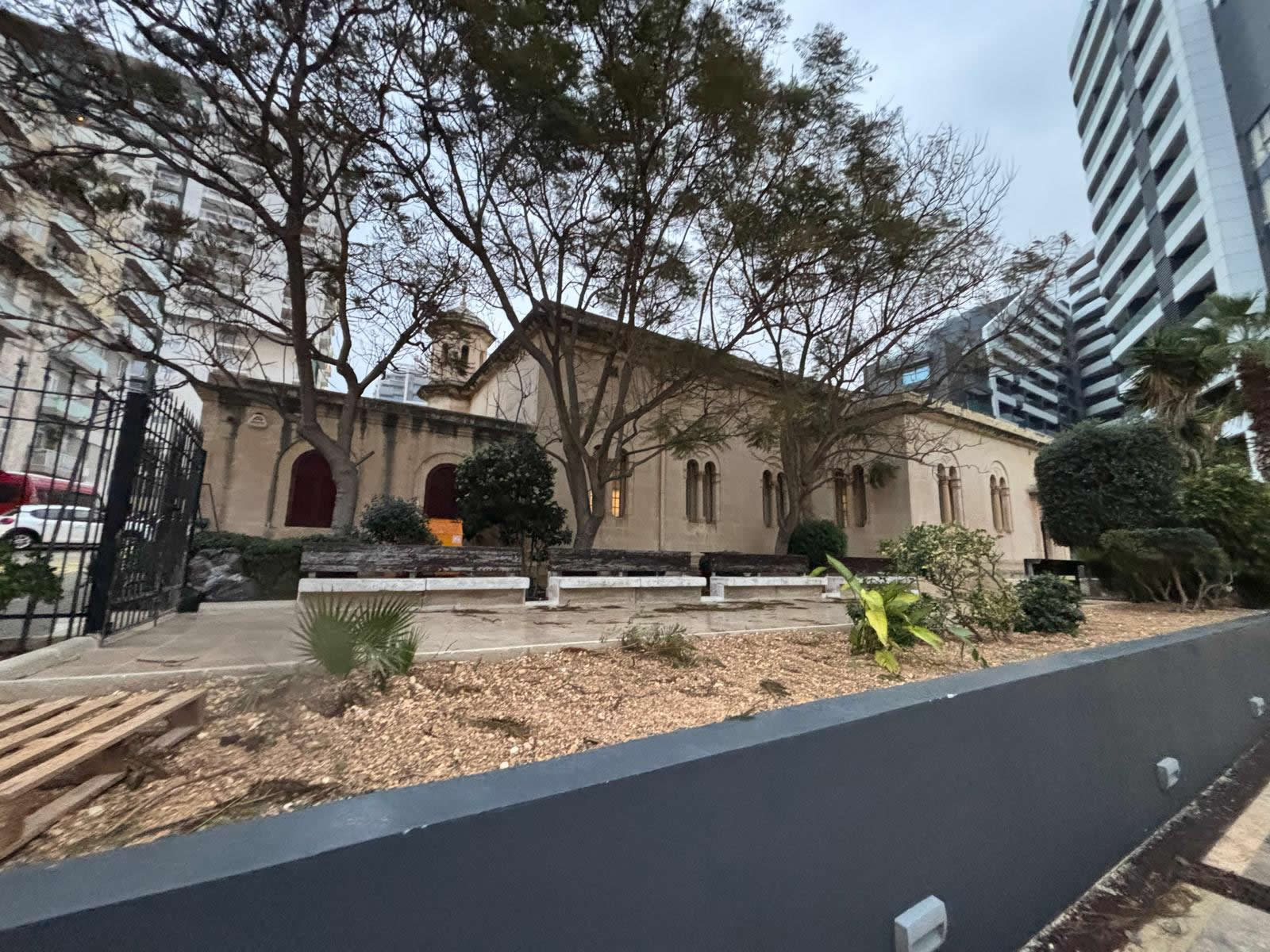
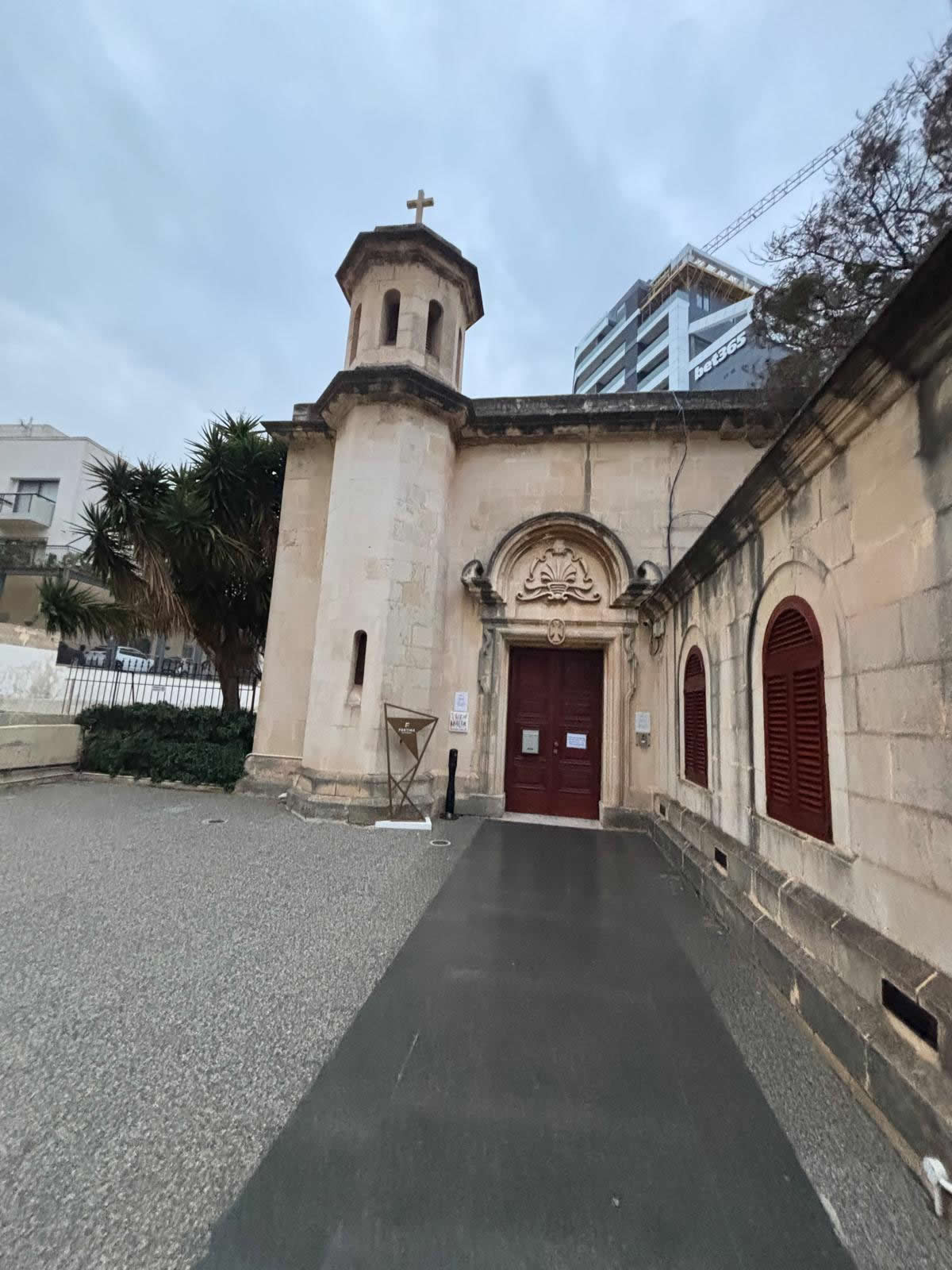
St Luke’s Garrison Chapel—often called the Tigné Chapel—was constructed within the British military complex at
Tigné Barracks to serve officers and soldiers. After decades of military worship, the building’s story shifted dramatically:
wartime damage, post-1979 abandonment, community re-use in the 1980s–1990s, and finally a professional restoration that returned the structure to sound condition.
16 January 1910: foundation stone laid (recorded on the building’s foundation stone and repeated in restoration reporting).
27 November 1910: first service held on Advent Sunday (early opening of the chapel).
World War II: chapel badly damaged and declared unsafe; congregation used nearby Holy Trinity Church for services.
1979: British forces leave Malta; garrison use ends and the site is later left abandoned.
1980s–1990s: used intermittently for cultural/community activities (drama, concerts, dances and events).
2003: restoration works commence as part of the Manoel Island & Tigné Point regeneration.
Today: chapel is secularised and used for offices / non-religious purposes.
Naming note: historically an Anglican (Church of England) garrison chapel; today it is secularised and generally not used for regular worship.
Full history
1) Why a garrison chapel was built at Tigné
Tigné’s peninsula became a strategic military zone in the 19th and early 20th centuries, connecting older fortifications with British batteries and barracks.
In that institutional setting, a dedicated chapel was built to provide structured worship for the garrison community.
2) Foundation and opening (1910)
A foundation stone records that the chapel’s origins date to 16 January 1910, when the first stone was laid.
The building was completed later that year, with its first service held on Advent Sunday (27 November 1910).
It was dedicated to St Luke and functioned as a Church of England garrison chapel.
3) Wartime damage and continued garrison use
During World War II, the chapel was badly damaged and deemed unsafe for worship, pushing the congregation to attend services at nearby
Holy Trinity Church. Even so, St Luke’s remained a recognised part of the military landscape and continued in association with the garrison
until the late 20th century.
4) 1979: the end of the British military chapter
When the British Armed Forces departed Malta in 1979, the chapel’s primary function ended and the wider military zone was left underused.
In the following decades, the chapel took on an unexpected community role—hosting cultural events and activities during the 1980s and 1990s.
5) Restoration and adaptive re-use (from 2003)
Restoration works began in 2003 as part of the Manoel Island & Tigné Point regeneration.
Conservation reporting describes careful stone cleaning, removal of damaging vegetation, selective stone replacement and consolidation, replacement of missing
elements (including the belfry cross), and renewed services installations while retaining significant original interior finishes where possible.
After restoration, the building was adapted for non-religious use, commonly described as offices.
Construction, architecture and features
Early 20th-century garrison design
St Luke’s was planned as a small but complete chapel with a nave and liturgical focus appropriate to garrison worship.
Descriptions of its layout include a chancel and aisles, with fittings such as an altar rail and a distinct sanctuary area—features consistent with
purpose-built institutional chapels of the period.
Materials and conservation realities
As with many Maltese buildings, limestone fabric is vulnerable to salt, moisture and biological growth. Restoration documentation highlights testing for
salt content, gentle cleaning, consolidation and minimal replacement—an approach intended to preserve original stone while stabilising the structure for reuse.
Use today and visiting notes
How it is used today
St Luke’s is generally described as secularised and used for offices (or other non-religious purposes) rather than as a
public worship space. Because it sits within the Tigné Point zone, access may depend on current occupancy and opening arrangements.
Visiting etiquette
Best approach: treat it as a heritage exterior-first site unless you have confirmed public access.
Respect private use: if it is functioning as offices, avoid entering without permission.
Photography: exterior photography is usually easiest; be considerate of workers and residents nearby.