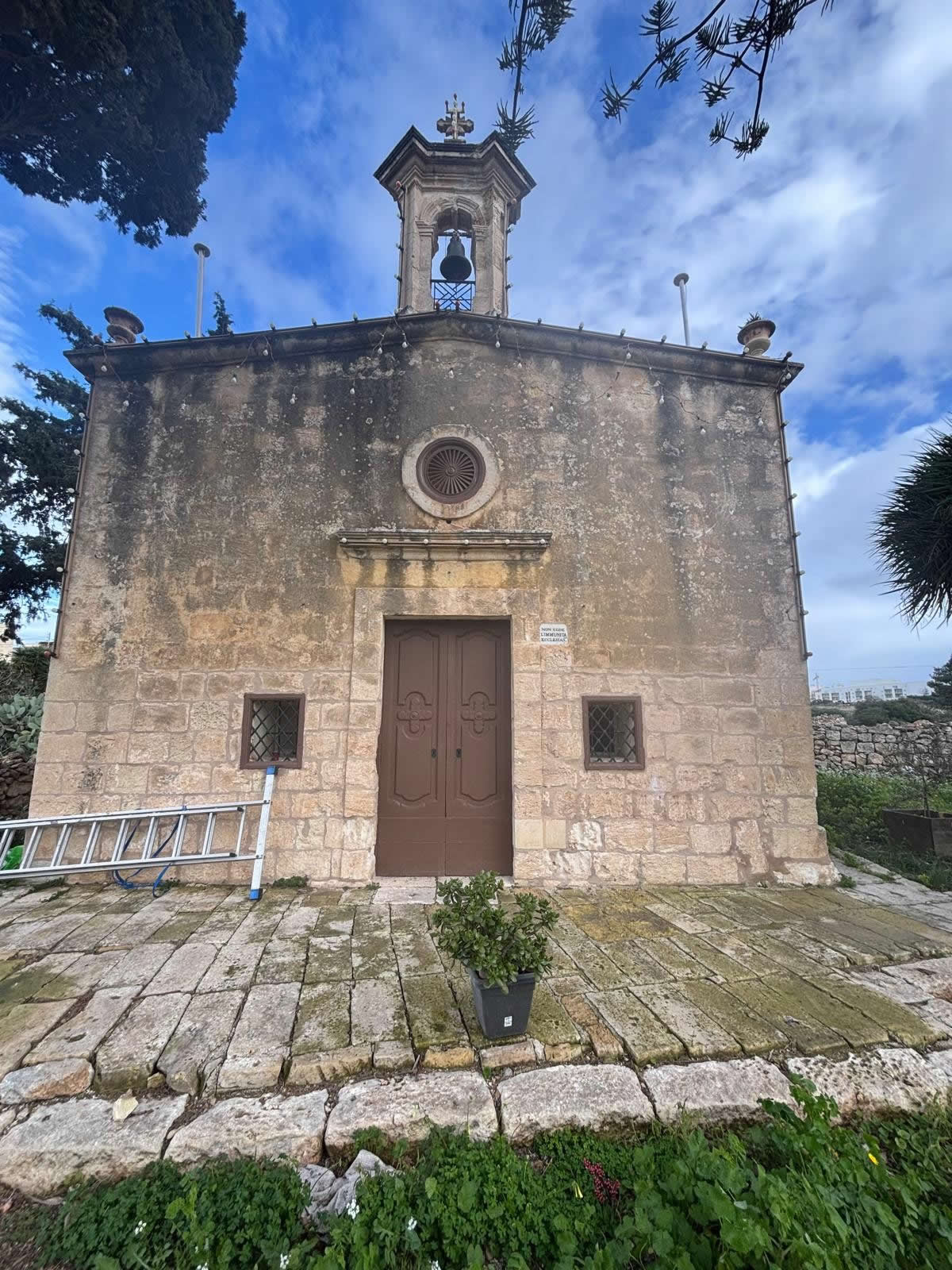
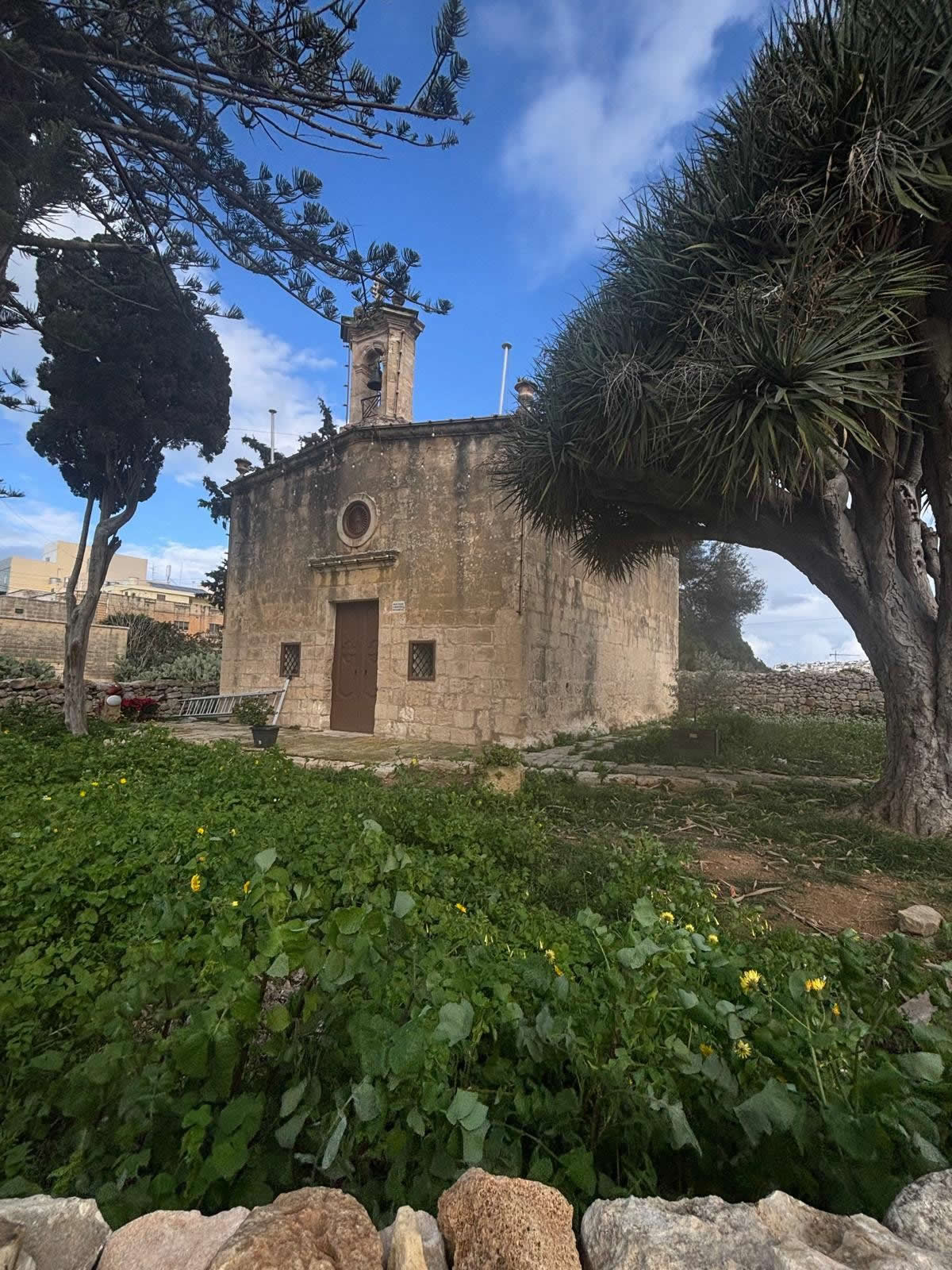
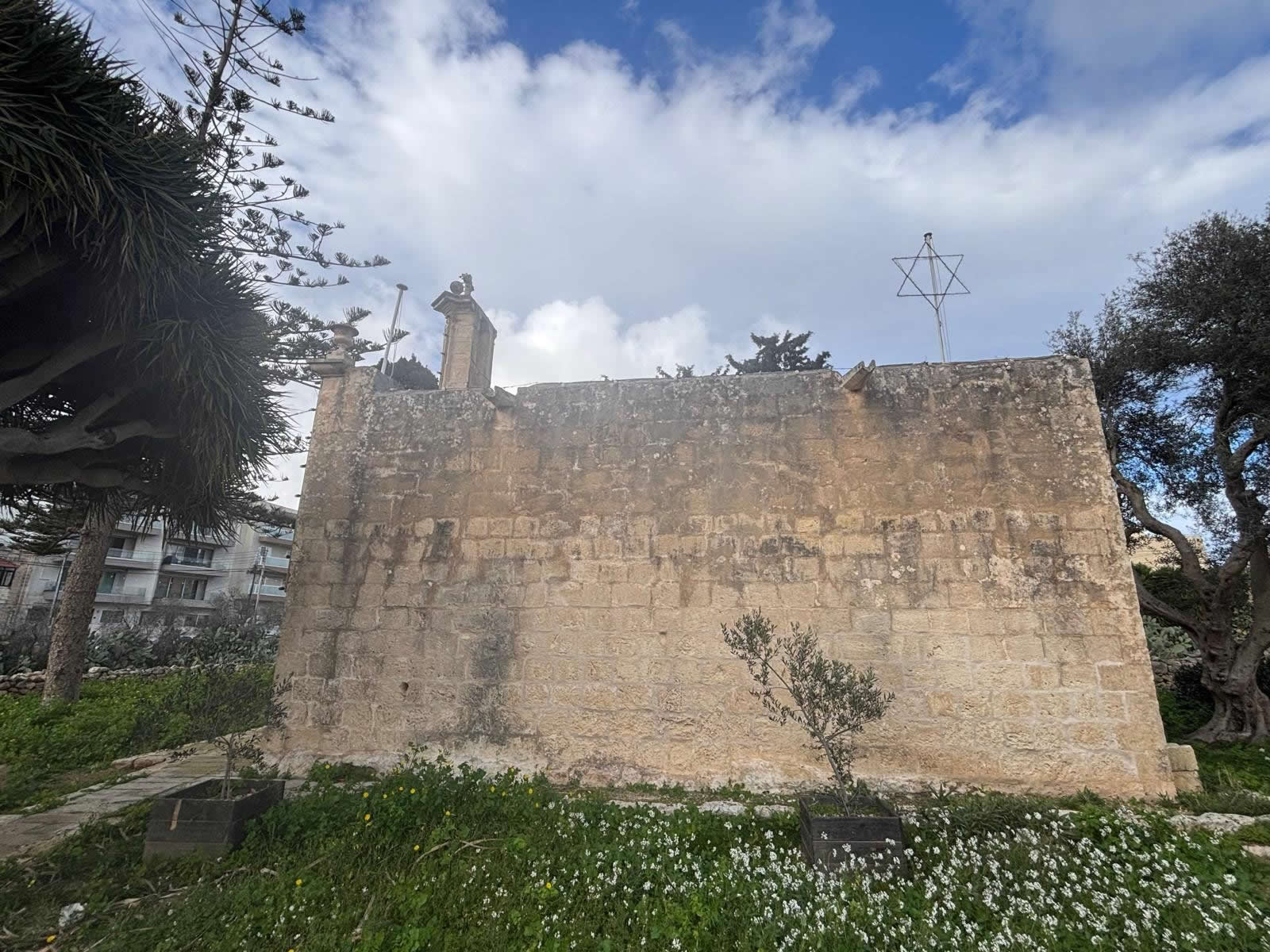
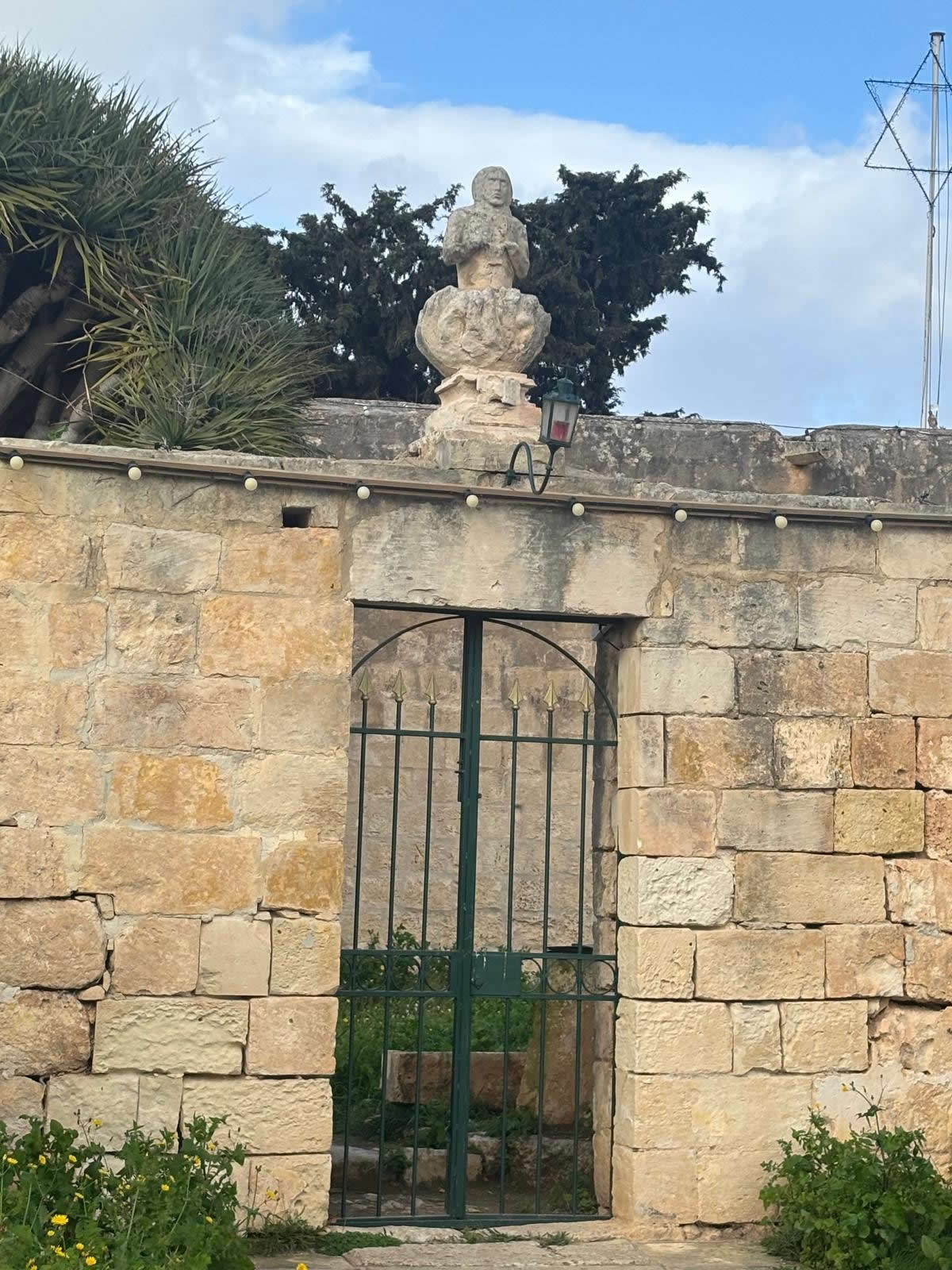
A small rural chapel-turned-neighbourhood landmark, closely linked to the nearby St Roch (San Rokku) cemetery
and Mosta’s memory of the 1592–1593 plague. Confirmed date on record for the present chapel: 1771.
Coordinates: 35.916824, 14.430396Feast day in Mosta: 20 JulyPlague cemetery context: 1592–1593Key upgrade: 1902
At a glance
St Margaret of Antioch Church (often referred to locally as Kappella ta’ Santa Margerita) stands in the
Santa Margerita area of Mosta. Although the site’s devotional story reaches back centuries, multiple sources
agree that the present chapel was built in 1771, after an earlier structure collapsed.
TypeRoman Catholic chapel
LocationMosta, Malta
Confirmed build date1771 (present chapel)
Known modificationsMajor works recorded in 1902; later restoration in the 1990s
Full history (origins → today)
Key point: the chapel you see today is identified as 1771, but written visitation records describe an older chapel on the same site.
Early references: an older chapel on the site
A detailed historical study published in 2014 notes that Apostolic Visitor (and Inquisitor) Monsignor Pietro Dusina
recorded the chapel during his 1575 visitation of Maltese churches—describing shortcomings such as the lack of a lockable door
and a resident rector at the time.
Plague years and the St Roch cemetery connection (1592–1593)
Local tradition and documentation link the chapel and its surroundings to the 1592–1593 plague. A cemetery dedicated to St Roch
formed around the chapel to bury plague victims, with commemorative stone markers associated with the year 1594 mentioned in the same study.
Confirmed construction of the present chapel: 1771
The current chapel is consistently identified as built in 1771. A Maltese TV news feature states it was built in 1771
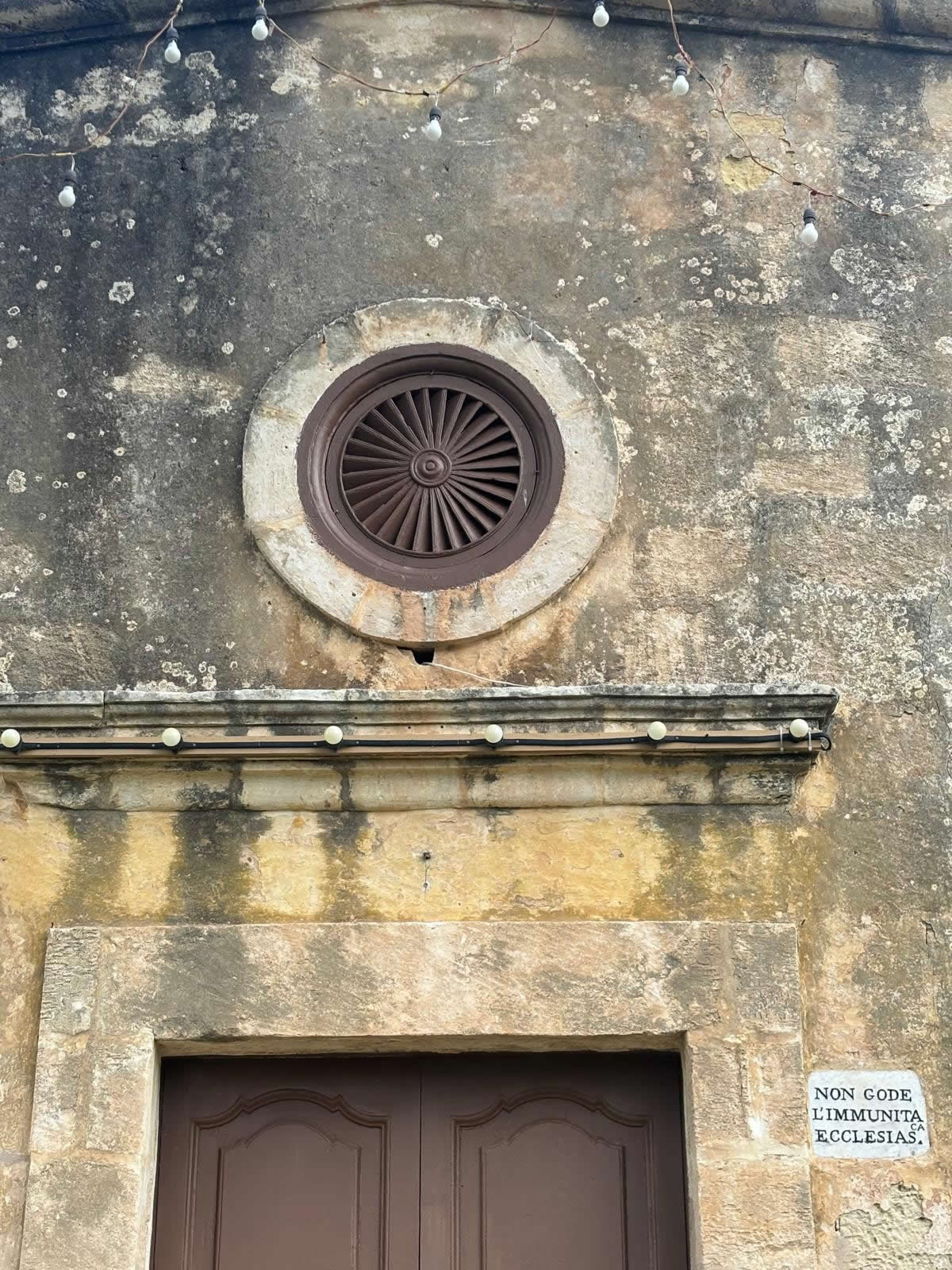
after the first chapel collapsed, while the 2014 historical study notes the date “1771” on the façade as pointing to its establishment.
Documented modifications (1902) and later restoration
The 2014 study records that in 1902 the chapel was arranged/improved (including changes such as creating a gardened setting,
adjusting the altar, and introducing a new floor finish). Another local source notes that the chapel underwent restoration in the 1990s
and is used as a sacramental chapel.
How the chapel is used today
The chapel remains active in community religious life, with its feast celebrated on 20 July. Mosta Parish lists set opening times
and ongoing local devotion tied to St Margaret’s day.
Timeline of key dates
Date
Event
1575
Older chapel on the site recorded during Dusina’s visitation (per 2014 historical study).
1592–1593
Plague period associated with the surrounding cemetery dedicated to St Roch; tradition preserves memorials linked with 1594.
1771
Present chapel built (identified as built after an earlier chapel collapsed; date also referenced on the façade).
1902
Recorded improvements/arrangement of the chapel and surroundings (including altar/floor setting changes) in the 2014 study.
1990s
Restoration noted by a local cultural/feast society source; chapel used as a sacramental chapel.
20 July (annual)
Feast of St Margaret celebrated locally in Mosta.
Architecture & notable features
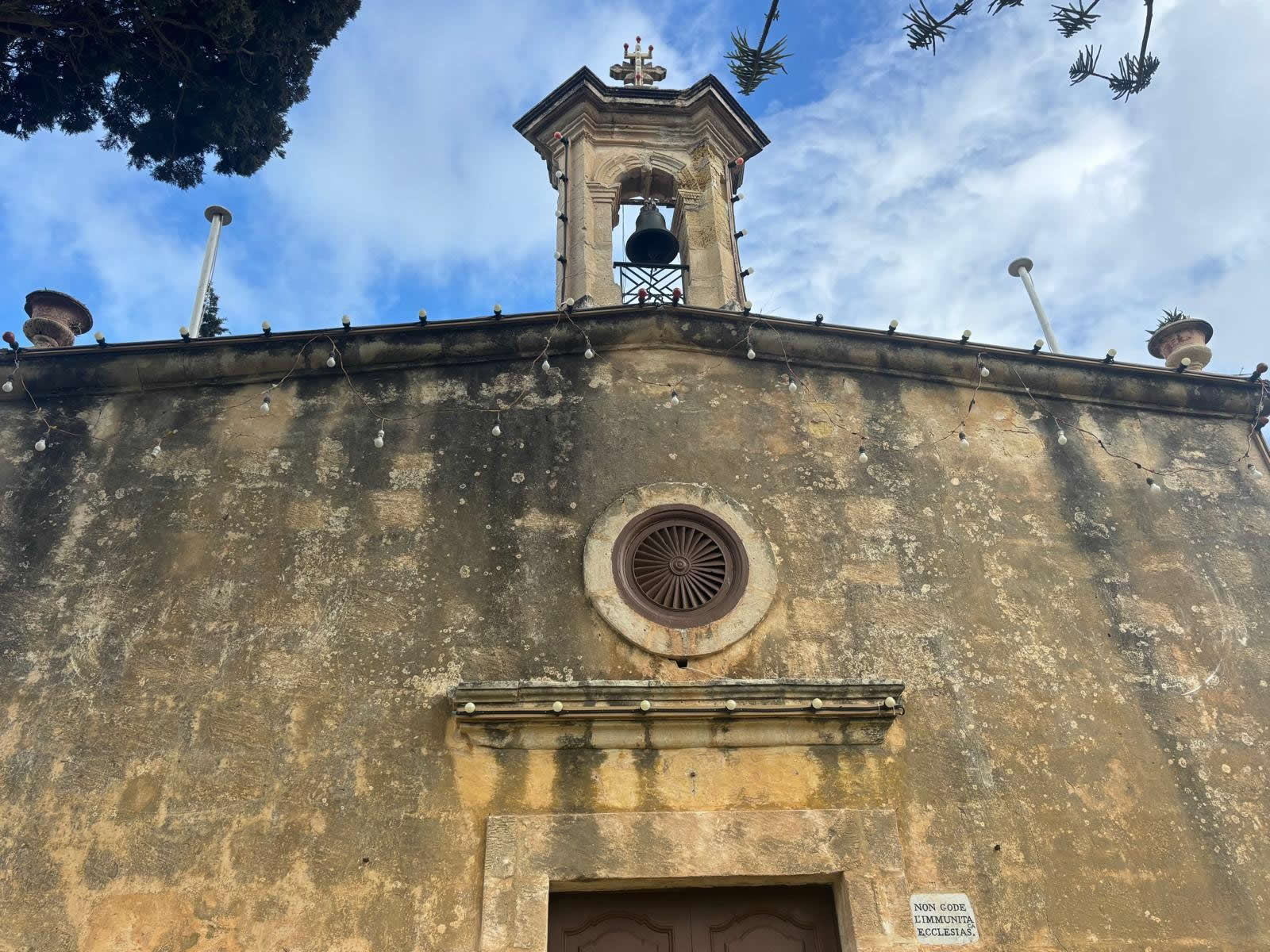
A modest rural chapel form
The chapel is characteristic of Malta’s small devotional buildings: simple massing and a compact interior, historically serving a rural setting
before later residential expansion transformed the area around it.
Art & devotion
The 2014 study describes the titular image as depicting the Madonna with Child alongside St Margaret, with saints associated with protection from plague
also represented (reflecting the chapel’s long association with epidemic memory in the area).
Getting there
Use the coordinates 35.916824, 14.430396 in your map app to locate the chapel in Mosta.
For broader exploring, pair this stop with Mosta’s better-known landmarks (such as the Rotunda) and the surrounding countryside paths.