Location Map Coordinates 35.895858, 14.346922
Baħrija, Malta Coordinates: 35.895858, 14.346922 Rural chapel St Martin of Tours
Overview
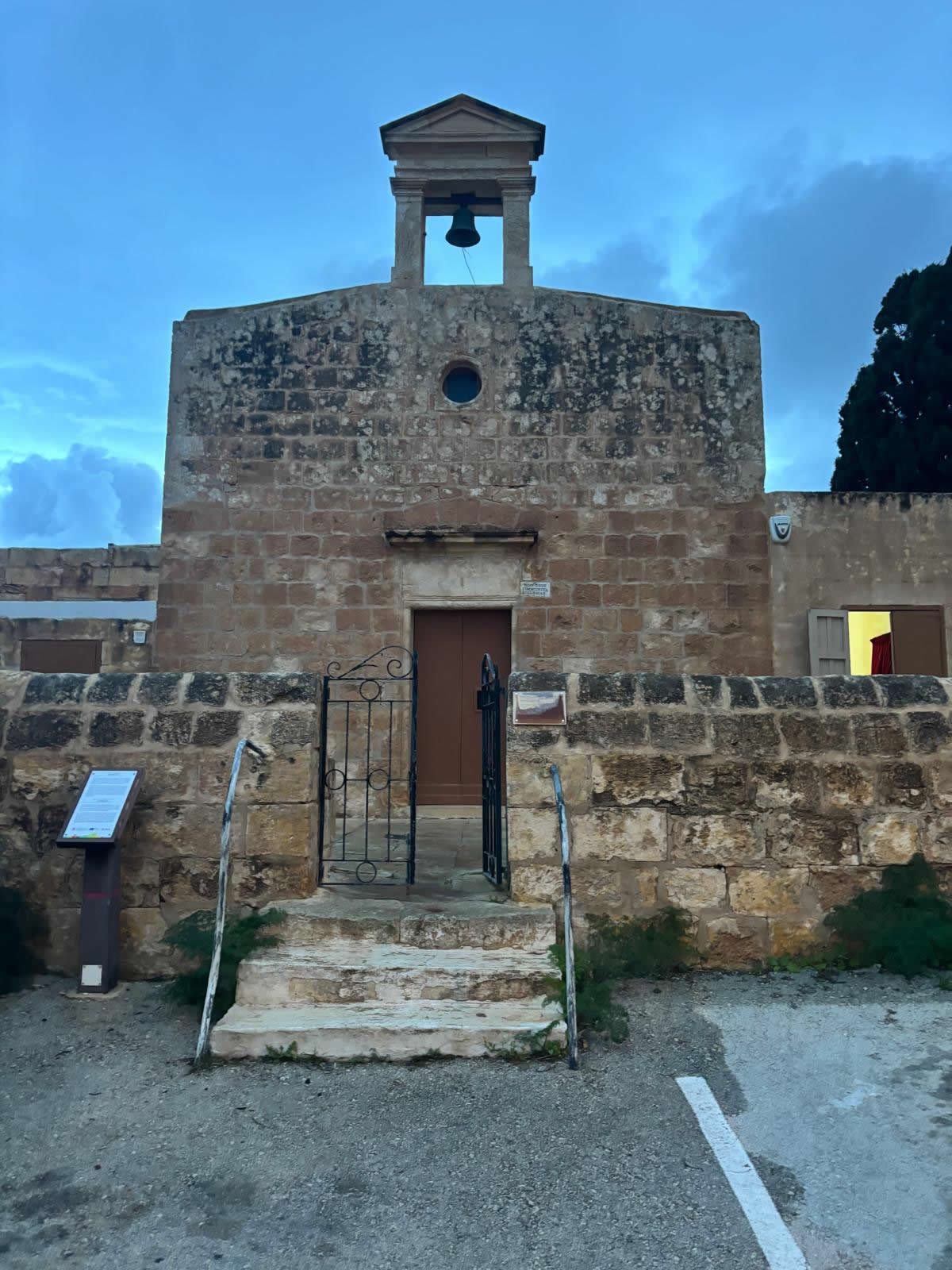
Il-Kappella ta’ San Martin is a small limestone chapel in the rural village of Baħrija, within the limits of Rabat. Its appeal lies in its age, its documented references in early church visitations, and its role in sustaining devotion in Malta’s countryside. Dedicated to St Martin of Tours, the chapel reflects a pattern common to many Maltese rural sanctuaries: an early foundation, periods of neglect and reform, rebuilding through local patronage, and renewed use in modern times.
History & key dates
The chapel is traditionally said to have been founded in the 15th century. In 1575, it was mentioned in the apostolic visitation report of inquisitor Pietro Dusina, who described the chapel as lacking the basic items needed for regular Mass and noted it was used only about once a year. Dusina ordered practical improvements and urged pastoral care so the site would not be abandoned.
When Bishop Baldassare Cagliares visited in 1615, he found earlier instructions had not been implemented. As a result, the chapel was deconsecrated — a strong indicator of how quickly rural chapels could decline without sustained community support.
By the mid-17th century, agreements were made to re-establish liturgical life at the chapel, including celebrations around the feast of St Martin. By the late 1600s, the chapel was again being used more regularly. The structure that largely survives today is associated with a rebuilding campaign in the late 17th century, linked to local initiative and patronage.
Timeline (quick reference)
- 15th century – Traditional foundation of the chapel.
- 1575 – Mentioned in Dusina’s visitation; chapel described as poorly equipped and rarely used.
- 1615 – Found neglected again; deconsecrated by Bishop Cagliares.
- 1643 – Liturgical agreements recorded (vespers and Mass around St Martin’s feast).
- Late 17th century – Rebuilding associated with local patronage; renewed use documented by later visitations.
- 1735 – Altarpiece dated to this year (see Artworks section).
- 20th century – Chapel use gradually shifted after construction of a larger nearby church, but devotion continued.
- Recent years – Restoration works and renewed devotional use are widely reported.
Construction & architecture
Exterior
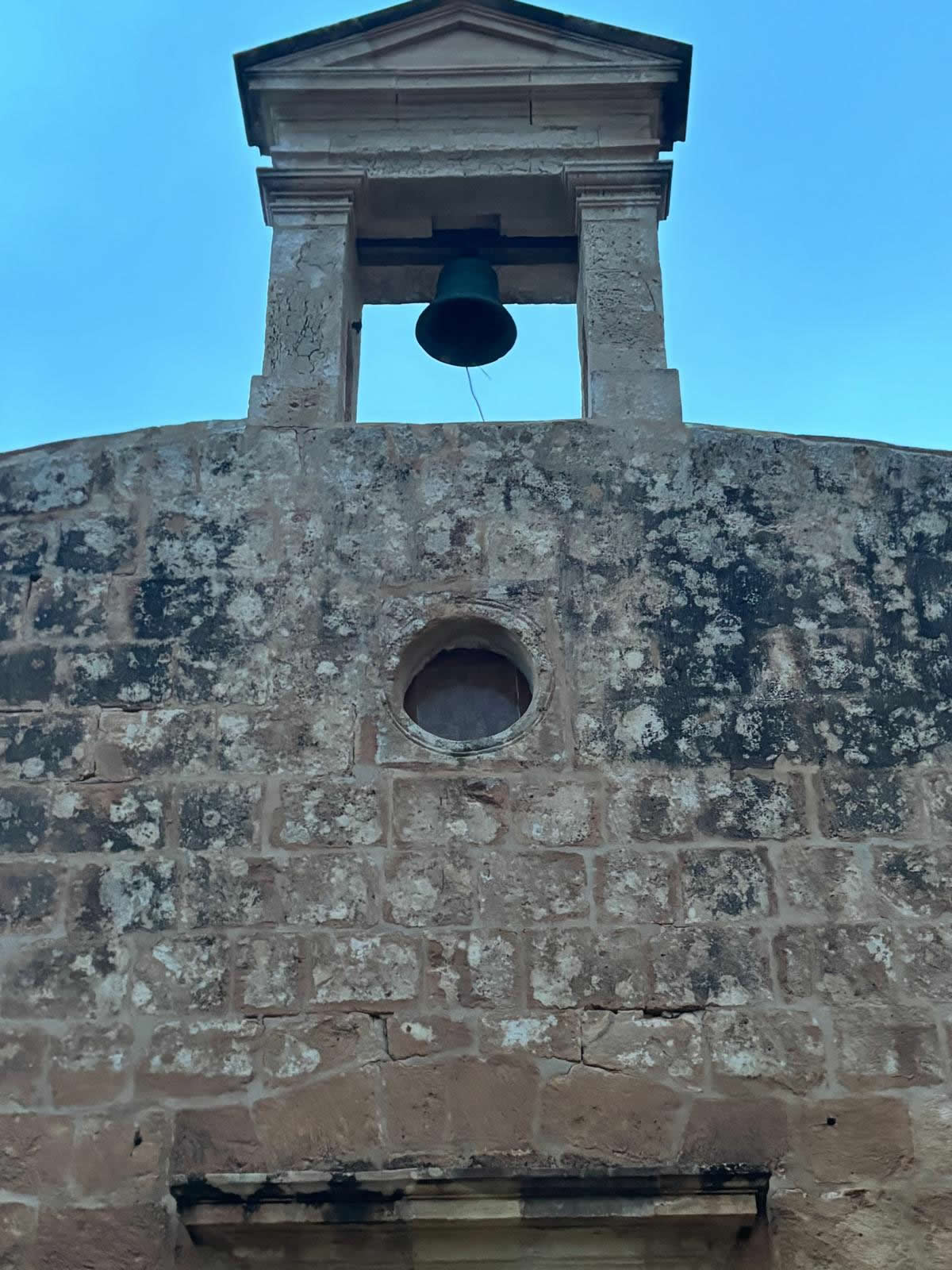
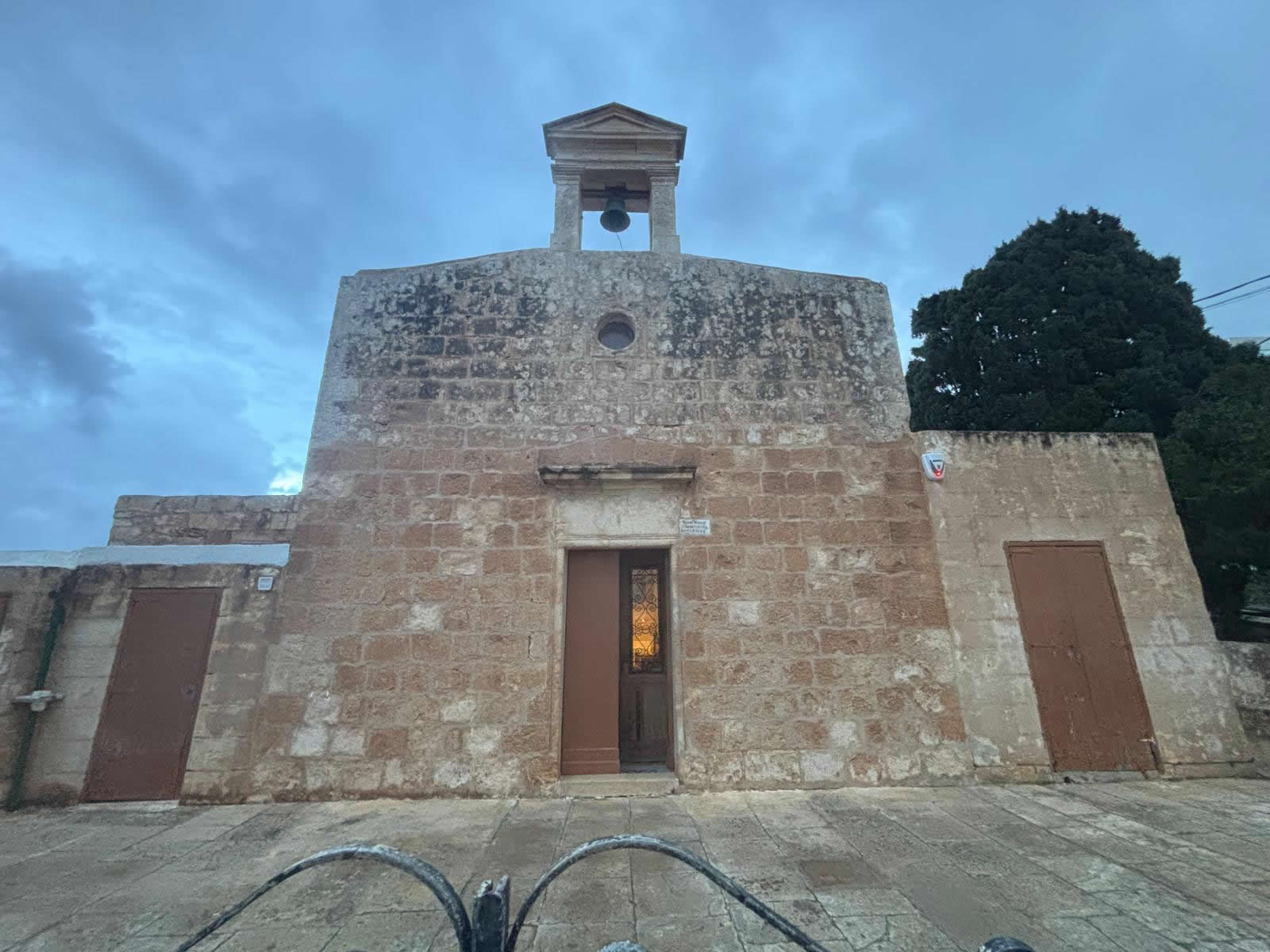
The chapel is built in traditional Maltese limestone and designed on a modest rural scale, suited to a small farming community. Its façade is intentionally simple, prioritising function and devotion over monumentality, with a compact footprint that fits the surrounding countryside streetscape.
Baħrija’s elevated landscape makes the approach part of the experience: the chapel is often visited as a quiet stop on countryside walks and scenic routes through Malta’s western region.
Plan & liturgical space
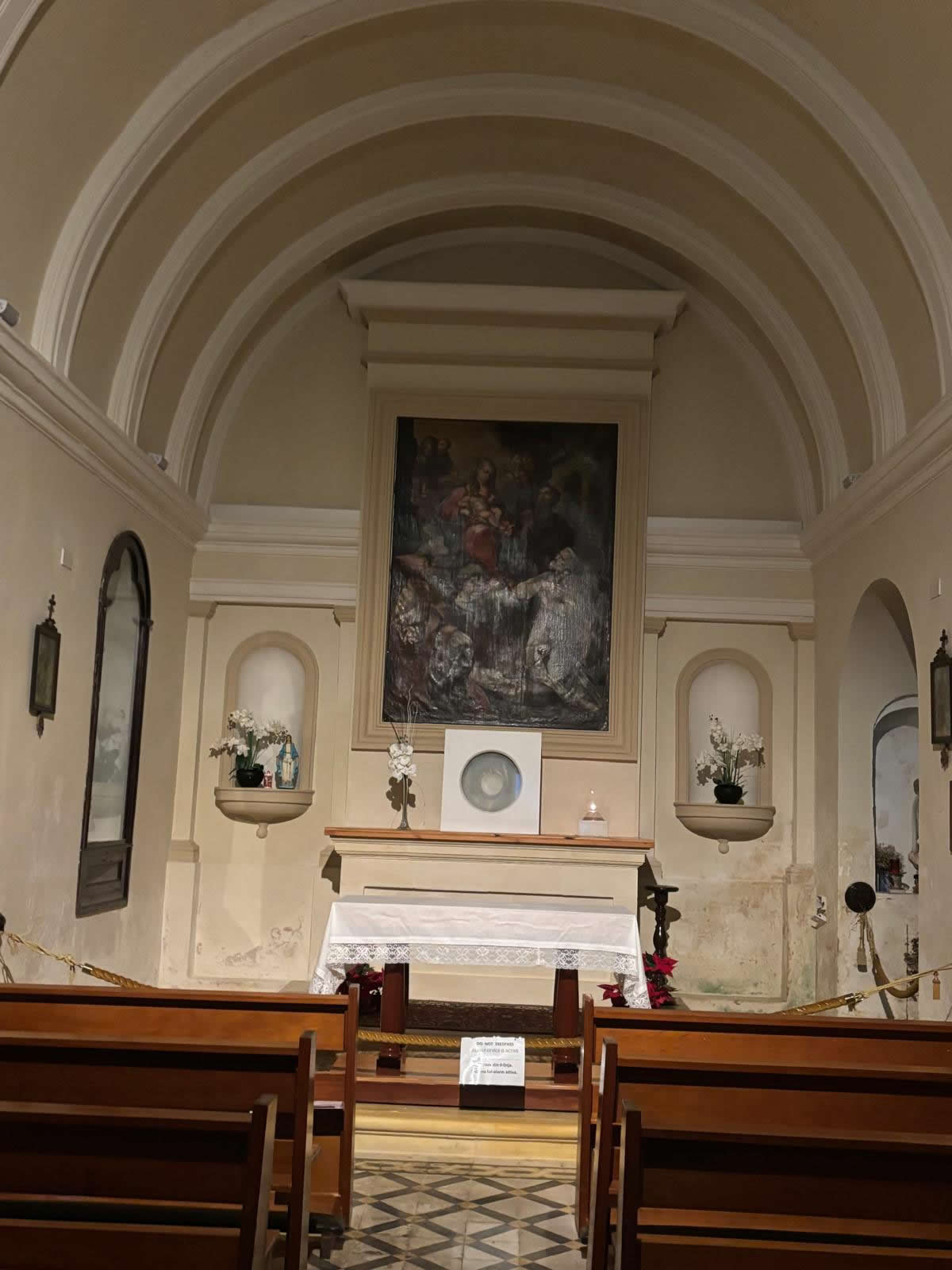
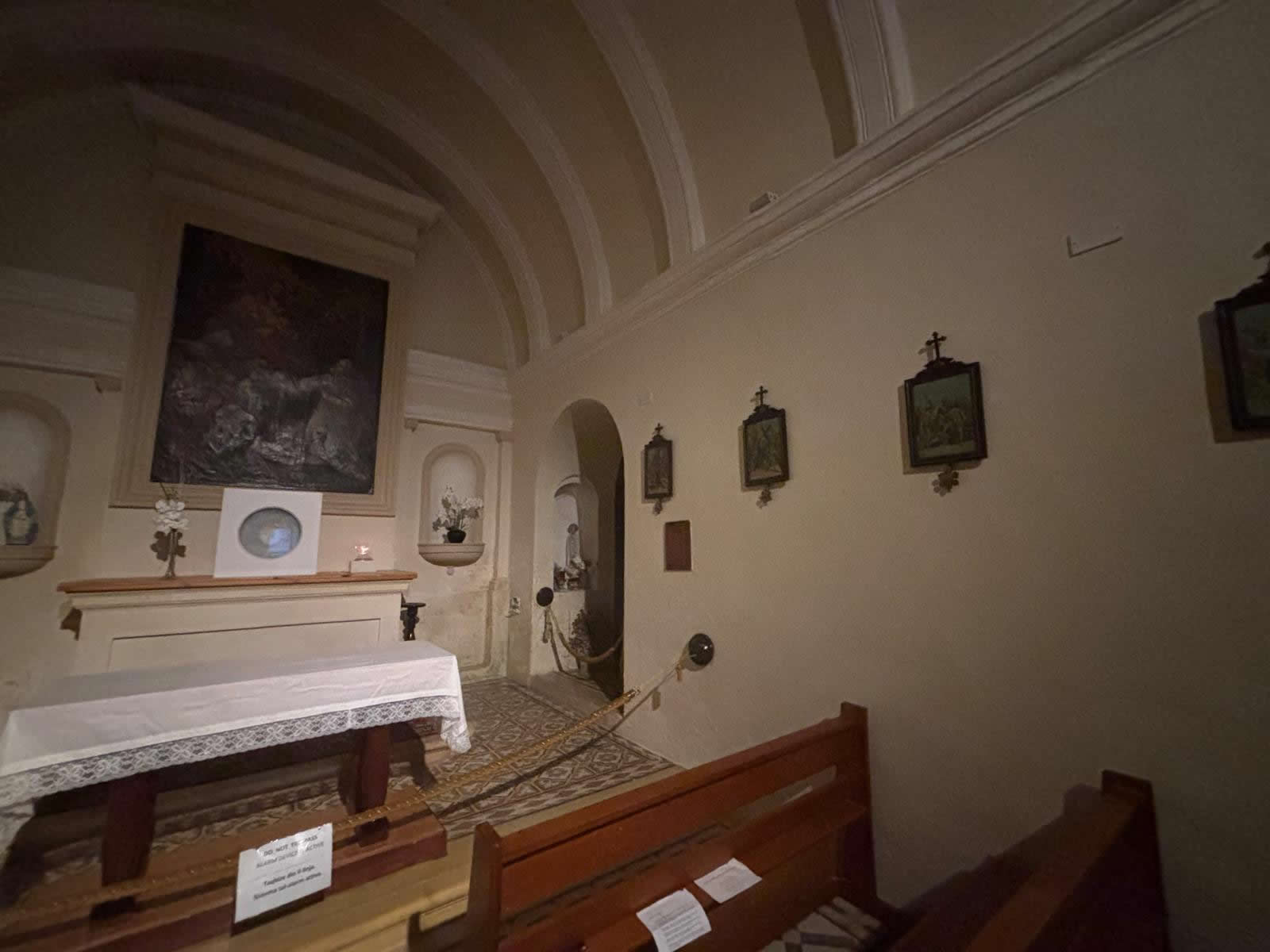
Inside, the chapel follows the classic single-altarpiece rural pattern. The sanctuary is small and focused, designed for intimate worship rather than large congregations, and the interior is arranged to draw attention to the principal image of St Martin.
If you’re standardising your chapel pages, this site works well with a “rural chapel typology” tag and internal links to other countryside chapels in Rabat/Dingli/Mġarr surroundings.
Artworks & interior
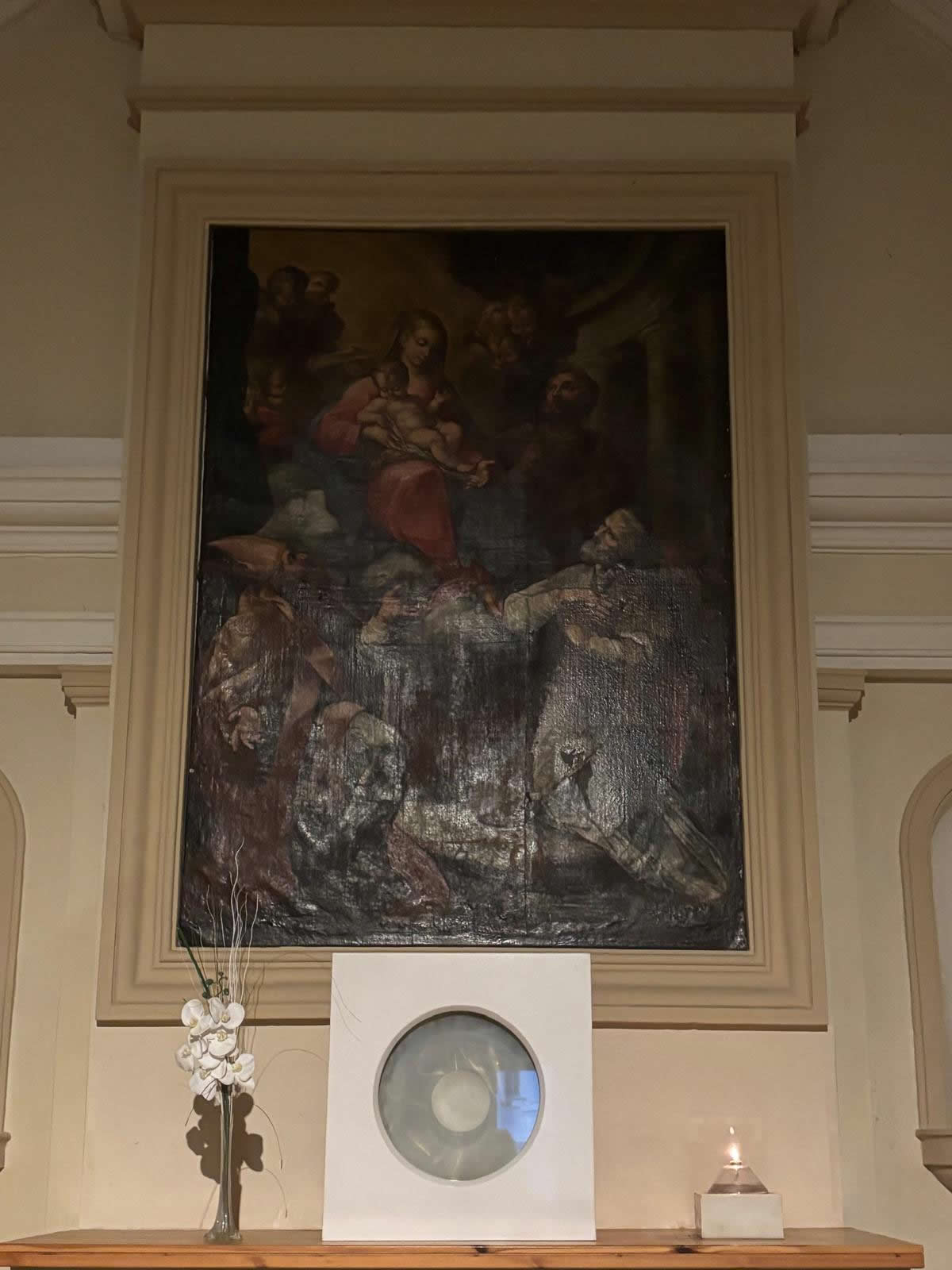
The chapel contains a single main altar and a notable painting depicting St Martin of Tours together with other saints. The work is dated 1735 and is traditionally attributed to the Maltese artistic milieu of the early 18th century. This altarpiece anchors the chapel’s identity and feast-day devotion.
What to look for
- Altarpiece focus: St Martin represented in episcopal imagery (Martin of Tours).
- Rural devotional character: restrained decoration that emphasises prayerful quiet.
- Setting: the chapel’s relationship to Baħrija’s landscape — a key part of its heritage value.
Restoration & conservation
Rural chapels face constant exposure to wind, humidity, and driving rain, so restoration is often as important as original construction. In recent years, St Martin’s Chapel has been reported as extensively restored, reflecting a wider Maltese commitment to safeguarding small heritage sites in the countryside.
Restoration notes (template-friendly)
- Limestone conservation: repointing, repair of weathered stone, and protective treatment where appropriate.
- Damp management: drainage improvements and internal humidity control.
- Artwork care: monitoring the altarpiece condition (varnish, canvas tension, frame stability).
- Preventive maintenance: seasonal inspections, especially after winter storms.
Use & devotion today
While Baħrija has a newer, larger church nearby for regular parish gatherings, the older chapel remains spiritually meaningful and is often associated with quieter forms of devotion, including prayer visits and (when scheduled) liturgical services around the feast of St Martin (traditionally celebrated on 11 November in the wider Catholic calendar).
If you’re building internal links across your “chapels” directory, this page pairs naturally with content about Baħrija’s countryside traditions and St Martin-related local customs.
Visiting info & map
Location
Il-Kappella ta’ San Martin (St Martin’s Chapel)
Baħrija, Malta
Coordinates: 35.895858, 14.346922
Visitor tips
- Access and opening may vary; if closed, enjoy the exterior and setting respectfully.
- Best visited in daylight for safe countryside walking and photography.
- Keep noise low—this is a quiet devotional site near residences and farmland.
FAQ
How old is St Martin’s Chapel in Baħrija?
The chapel is traditionally dated to the 15th century, with the present structure associated with a 17th-century rebuild after periods of neglect recorded in early visitations.
Is this the same as Baħrija’s newer church?
No. This page covers the older rural chapel. Baħrija also has a newer, larger church built nearby for modern parish needs.
What is the main artwork inside?
The chapel’s principal piece is the altarpiece depicting St Martin of Tours with other saints, dated 1735.
Explore more chapels on emalta.com
Browse the full directory here: emalta.com/chapels/