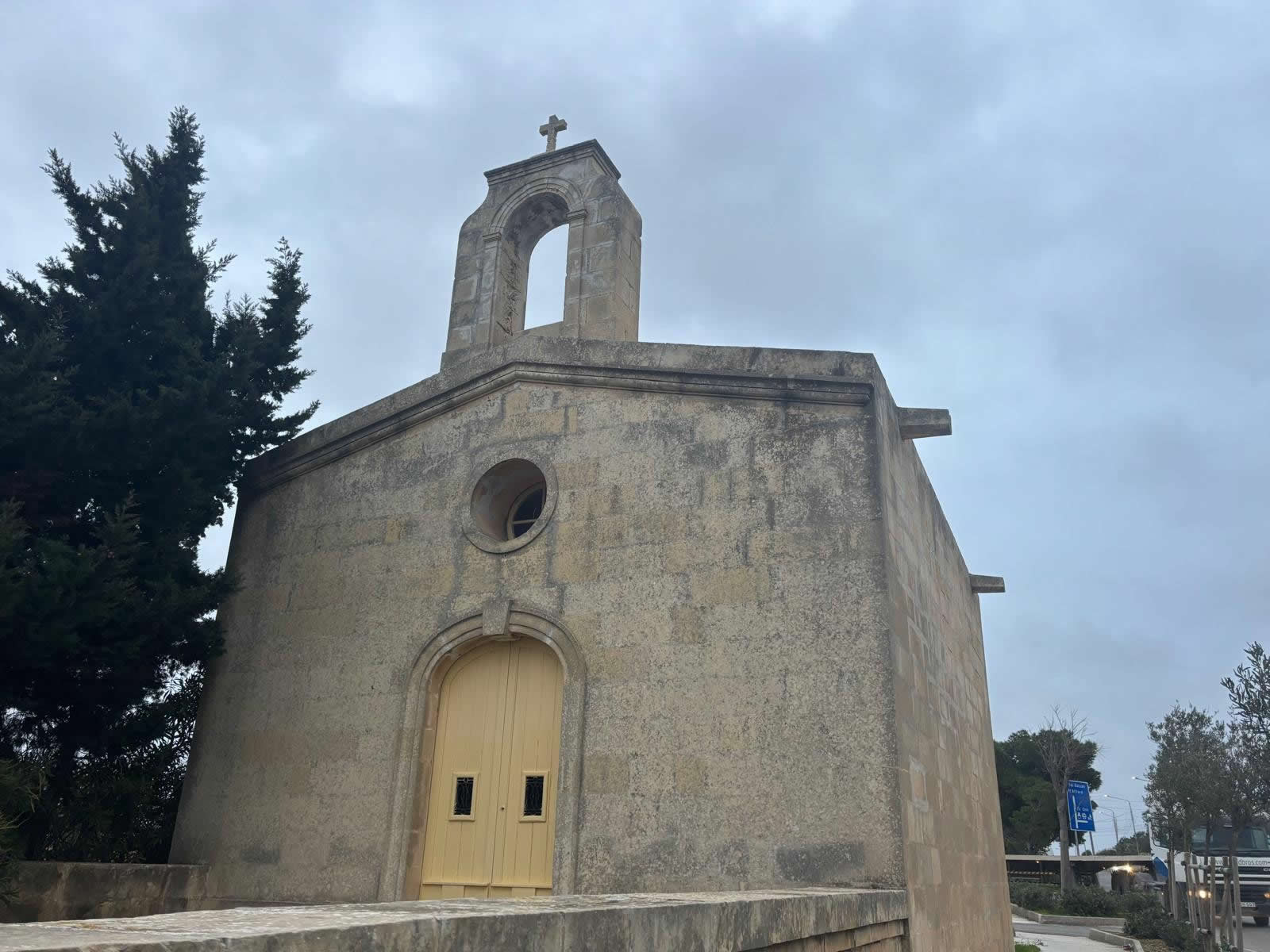
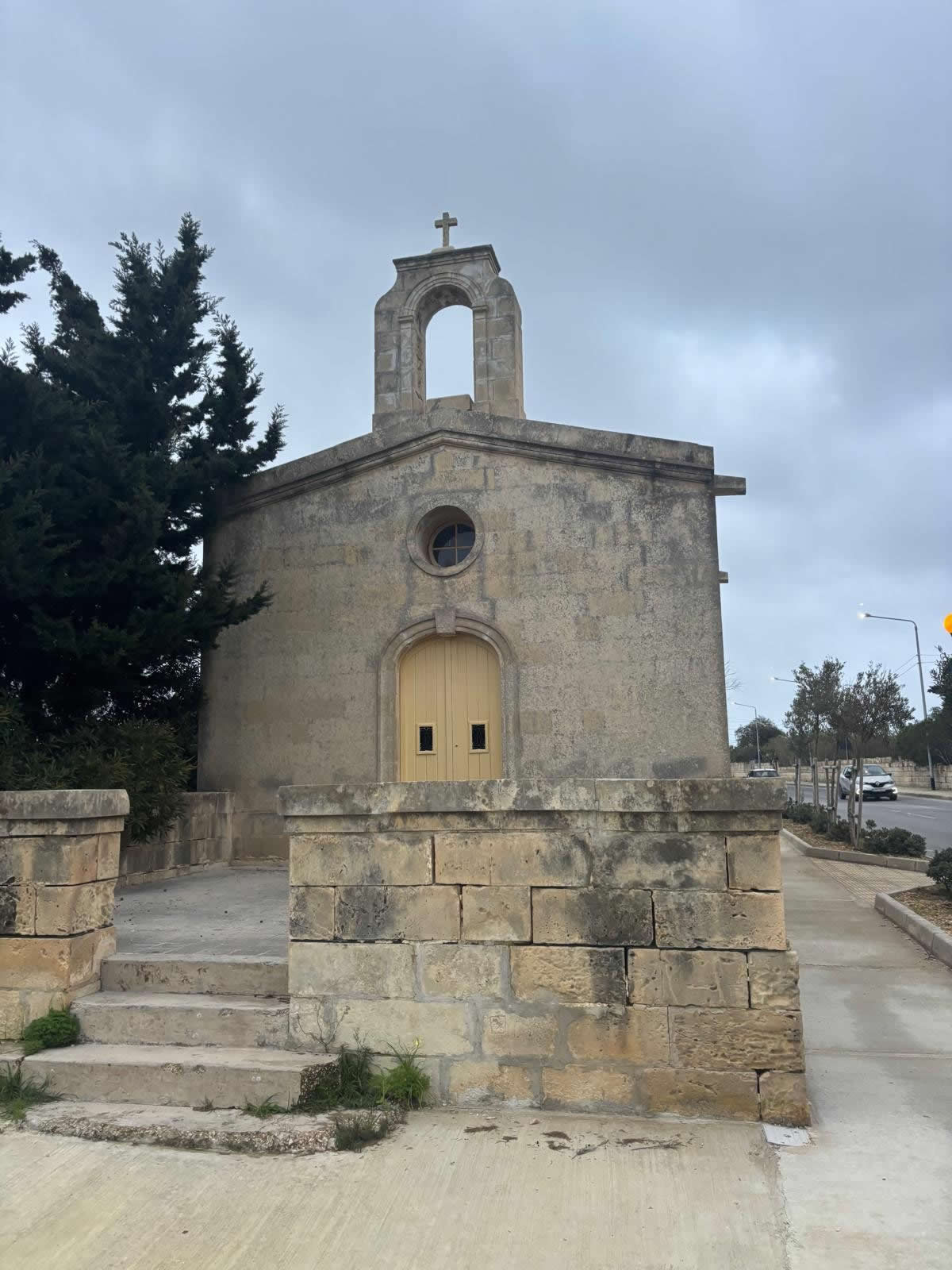
A small rural chapel in Mosta’s countryside, Ta’ Durumblat is remembered for its 17th-century origins, enduring devotion, and sensitive setting.
Overview
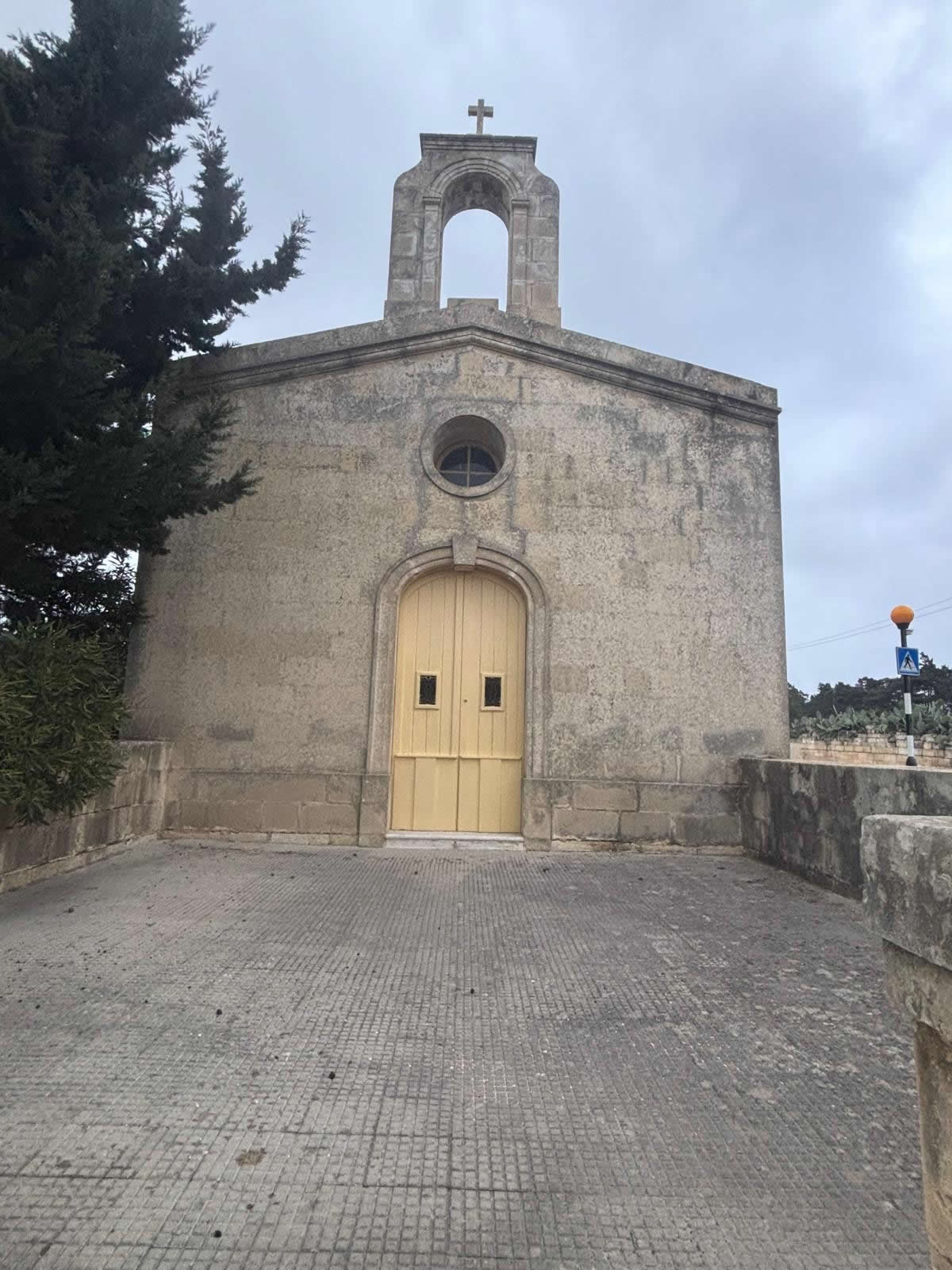
Ta’ Durumblat Chapel is a countryside chapel in Mosta dedicated to the Immaculate Conception.
It is frequently cited as dating to the mid-17th century, with heritage reporting referencing 1657, while some secondary summaries
give 1658. The site remains valued as a quiet place of prayer and a surviving landmark in a rapidly changing area.
1657 (often cited): chapel associated with a mid-17th-century foundation in Mosta’s countryside.
1658 (also stated in some guides): alternate year given for the original construction.
2019: heritage authorities publicly monitor nearby works due to concerns about potential impact on the chapel’s stability.
Today: occasional services and devotion; the chapel also functions as a cultural-landscape marker for the area.
Editorial note for accuracy: where published sources disagree on an exact build year (1657 vs 1658), this page presents both and prioritises the
most specifically documented reference where possible.
History
1) A countryside chapel dedicated to the Immaculate Conception
The chapel’s dedication to the Immaculate Conception places it within a long Maltese tradition of Marian devotion expressed through
small countryside sanctuaries—buildings founded to serve farmers, travellers, and residents living beyond the parish core.
2) Foundation and early life (mid-1600s)
Ta’ Durumblat is widely described as a 17th-century chapel founded around 1657–1658.
In this period, Mosta’s rural landscape supported scattered communities and agricultural estates, and wayside chapels acted as anchors for prayer,
feast-day worship, and local identity.
3) 20th–21st century: continuity in a changing landscape
While many rural chapels became isolated by new roads and development, Ta’ Durumblat retained its recognisable form and continued devotional meaning.
In the modern era, its significance expanded beyond worship: it is also a heritage marker, contributing to the character of Mosta’s broader cultural landscape.
4) Development pressure and monitoring (2019)
In 2019, Maltese media reported concerns that nearby demolition and construction could affect the chapel’s stability, with the
Superintendence of Cultural Heritage monitoring works in its immediate surroundings. This episode highlights the chapel’s vulnerability and the
importance of buffer zones and careful structural oversight around historic limestone buildings.
Construction, architecture and features
Built in local limestone
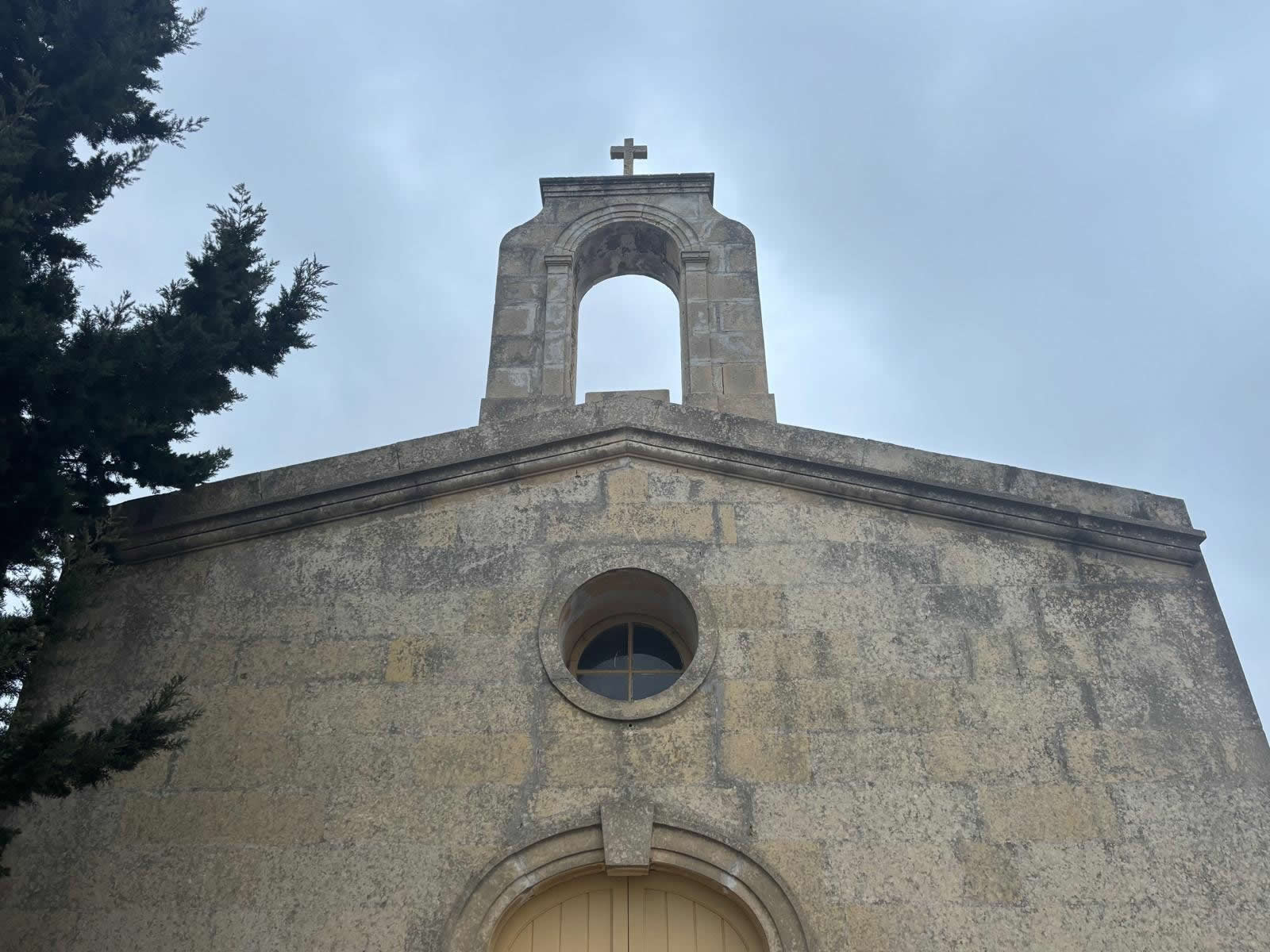
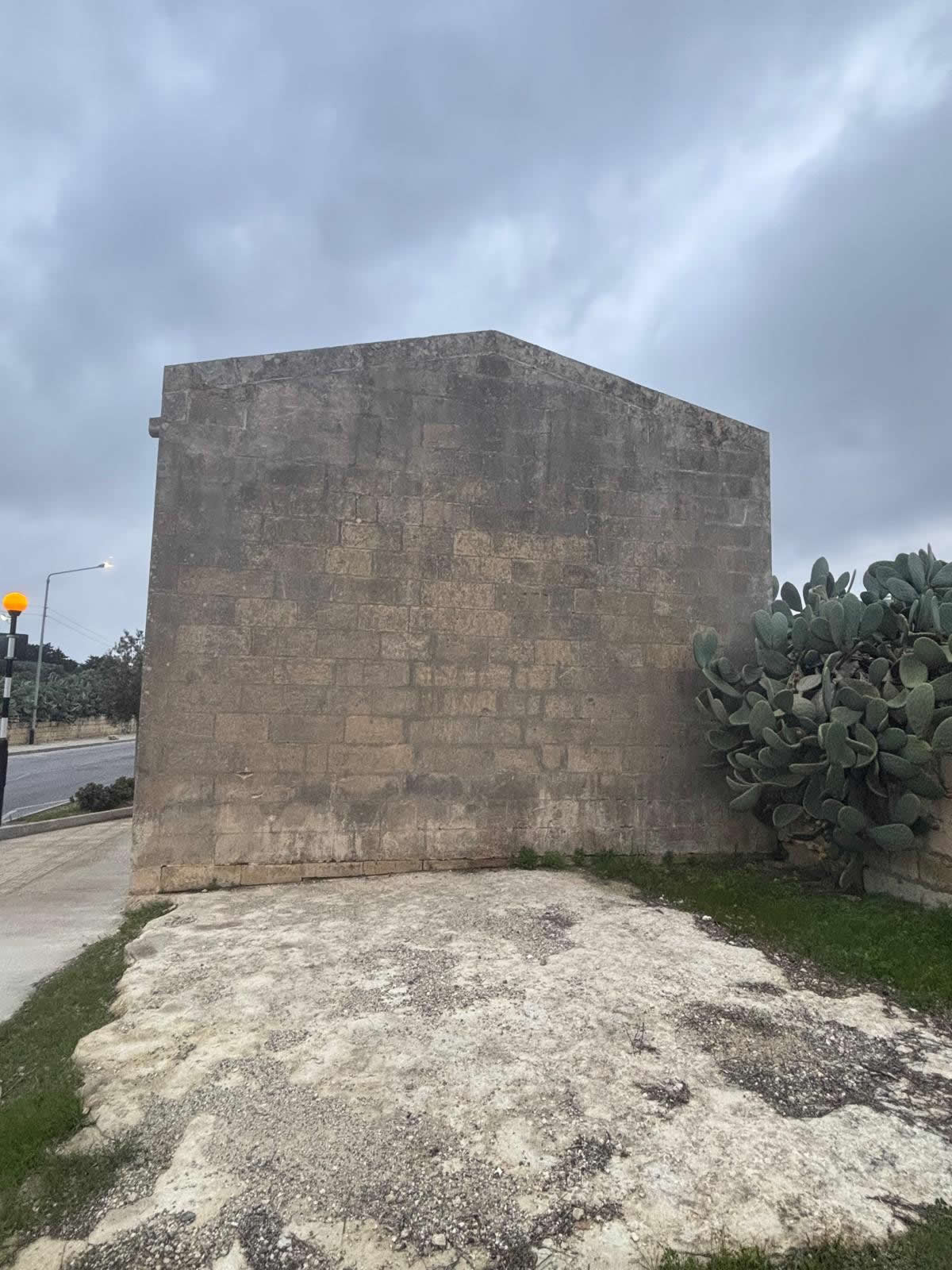
Like most Maltese wayside chapels, Ta’ Durumblat is constructed in globigerina limestone, the traditional building stone of Malta.
The design prioritises solidity and simplicity: a compact volume, a modest façade, and a small interior planned for intimate worship.
Interior use
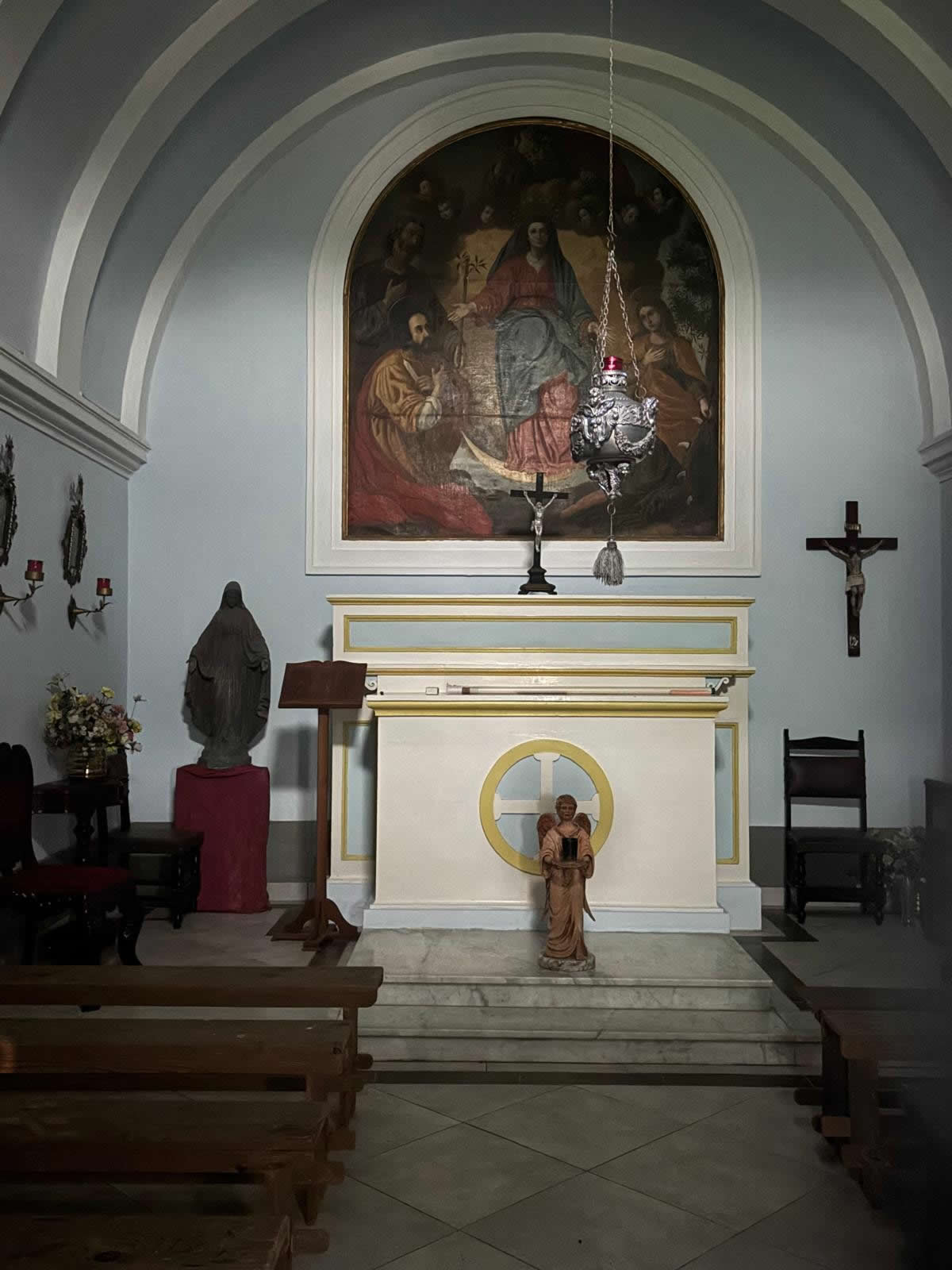
Rural chapels typically centre on a single altar with a devotional image tied to the dedication. When services are held, the chapel becomes a small
parish “outpost” for prayer and Marian celebration; when closed, it remains a visible spiritual landmark in the countryside.
Tip for emalta.com structure: cross-link this page with other Mosta countryside chapels (e.g., Wied il-Għasel chapel cluster and Speranza Valley)
to strengthen topical authority for “Mosta wayside chapels”.
Use today and visiting notes
How it is used today
Ta’ Durumblat is generally associated with occasional religious services and private devotion rather than daily opening hours.
Its strongest role today is as a living heritage site—valued both by worshippers and by those exploring Mosta’s countryside history.
Visiting etiquette
Navigation: use the pin 35.901841, 14.417303.
Respect: modest dress and quiet behaviour are recommended.
Do not climb on masonry or boundary walls; limestone weathers easily.
Be mindful that rural paths may cross private holdings—avoid trespass and leave no trace.