St Paul’s Bay • Wardija/Bidnija limits • Rural valley chapel
Wied Qanotta Chapel (Immaculate Conception)
Overlooking Wied Qanotta, this small chapel is recorded as commissioned in the early 16th century by the noble Garzia Monpalao.
It was originally dedicated to the Nativity of Our Lady, then—after being rebuilt following neglect—was ordered re-dedicated to the
Immaculate Conception by a decree dated 30 June 1717, with the feast kept on 8 December.
Coordinates: 35.935376, 14.399461Commissioned: early 16th century Major change: decree 30 June 1717 Dedication today: Immaculate Conception Current state: abandoned/derelict
Build confirmation: sources do not give a single exact year, but do confirm the chapel was commissioned in the early 16th century,
and that a rebuild and re-dedication had occurred by the 30 June 1717 decree.
Full history
Early 16th century foundations
The chapel’s origin is linked to the noble Garzia Monpalao, who is recorded as commissioning the building in the early 16th century.
At this earliest stage it was dedicated to the Nativity of Our Lady.
Rebuild and re-dedication (1717)
Sources state that the chapel was later rebuilt after being left unattended, and that a formal decree dated 30 June 1717 ordered a change in dedication:
Bishop Cannaves directed that it be dedicated to the Immaculate Conception, with the feast kept on 8 December.
Modern-era decline
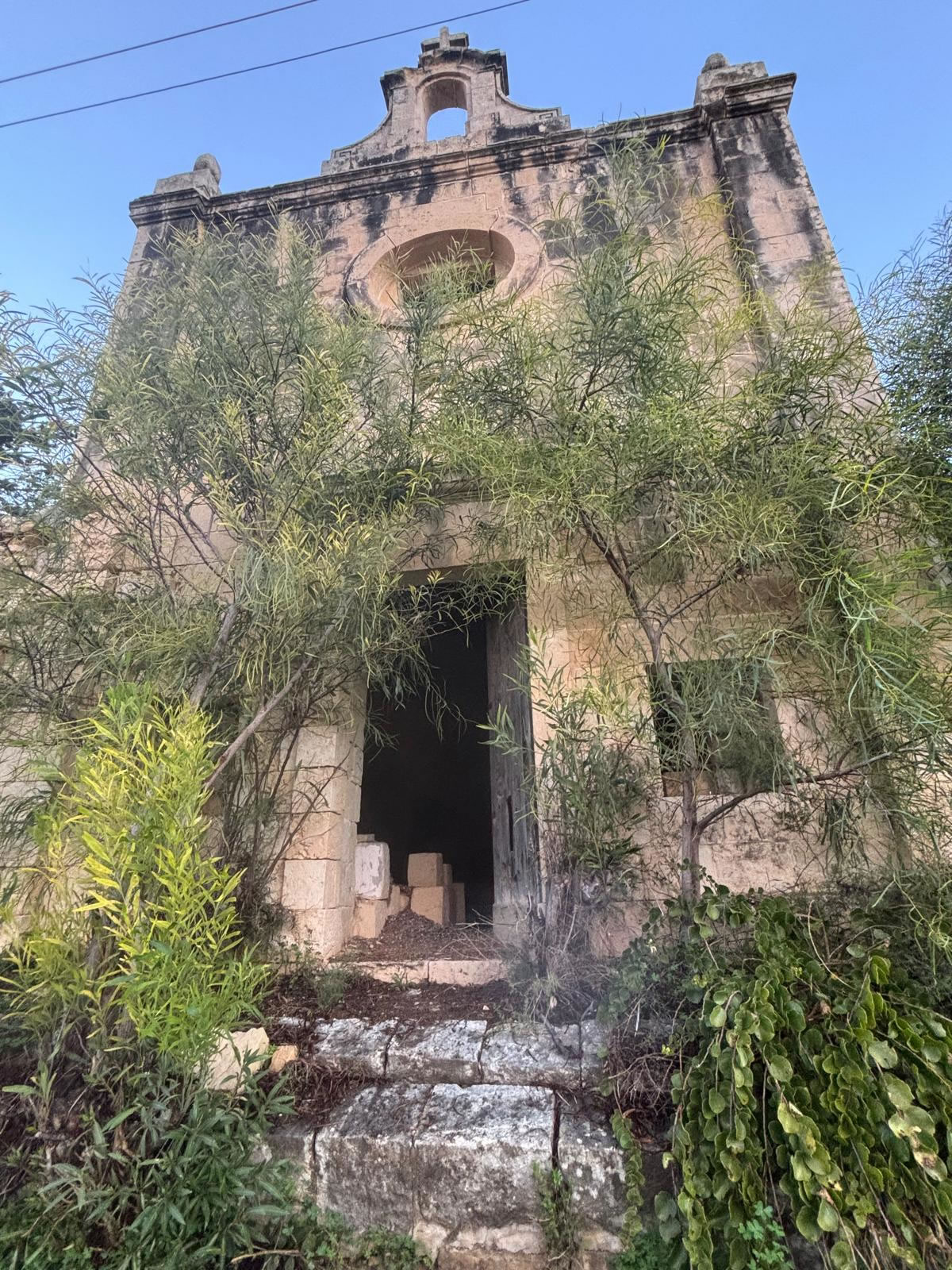
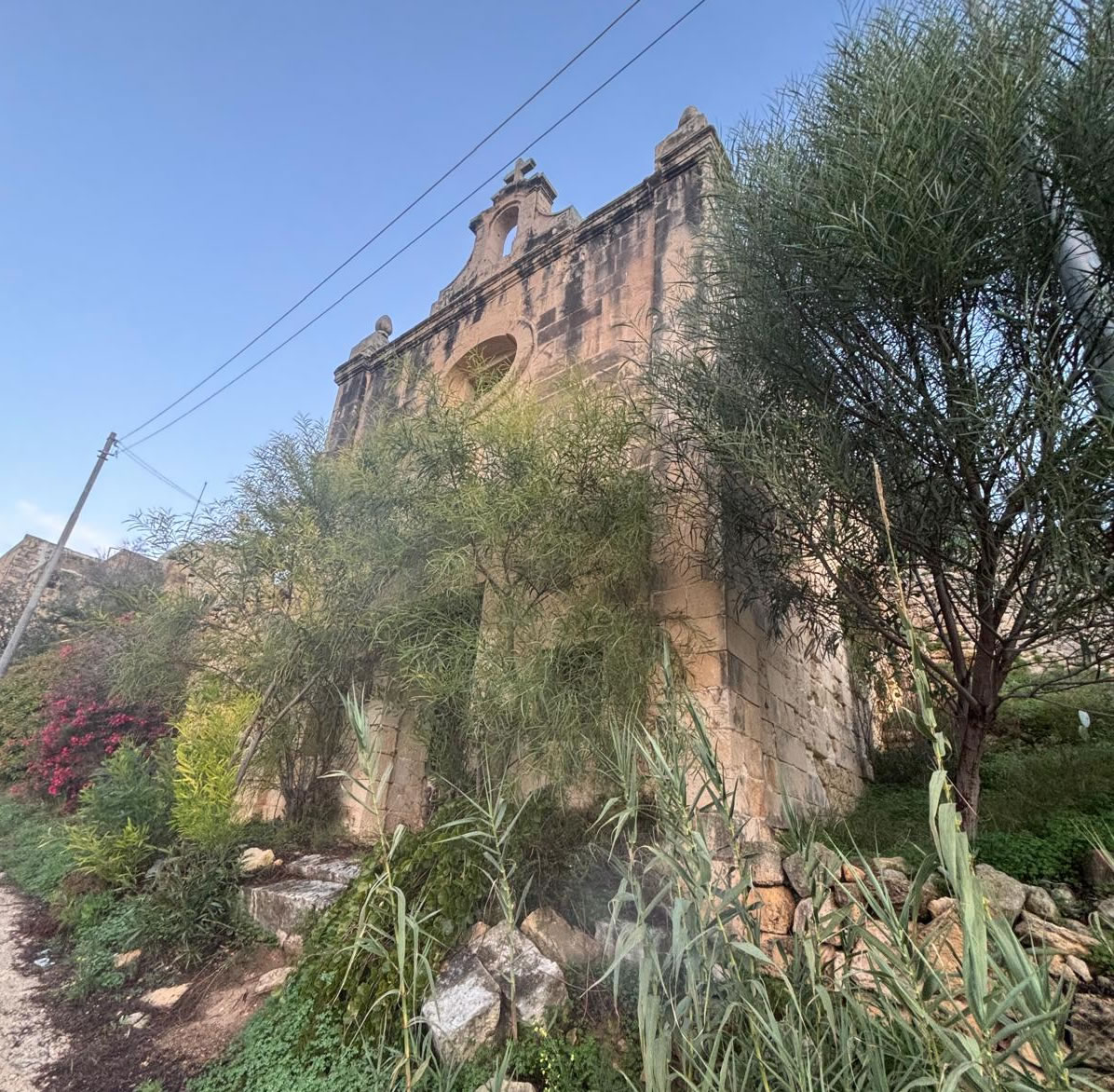
In recent reporting, the chapel is described as abandoned and stripped of its movable devotional items, with hikers and local writers highlighting its deteriorating state.
Construction and architectural layout
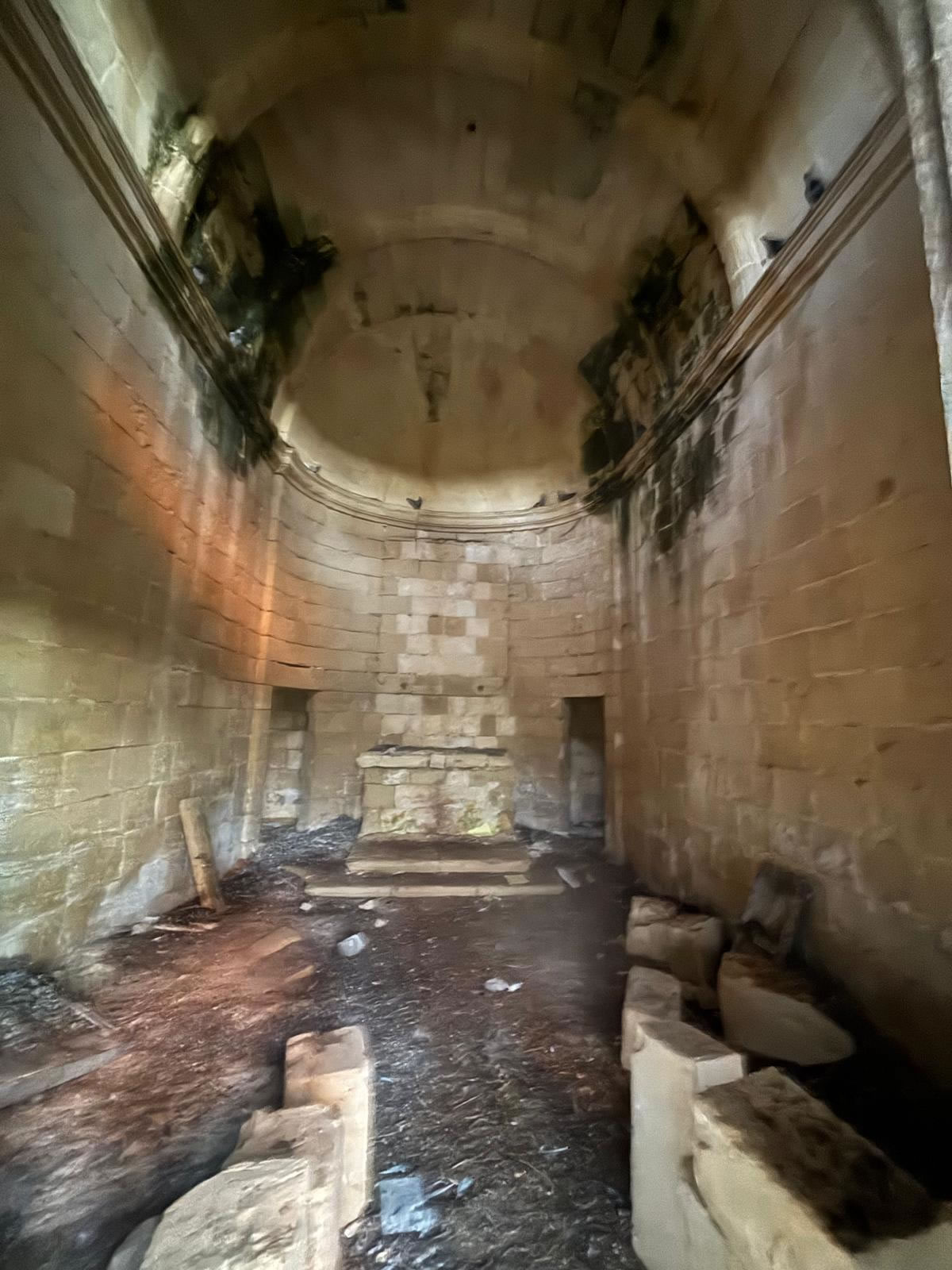
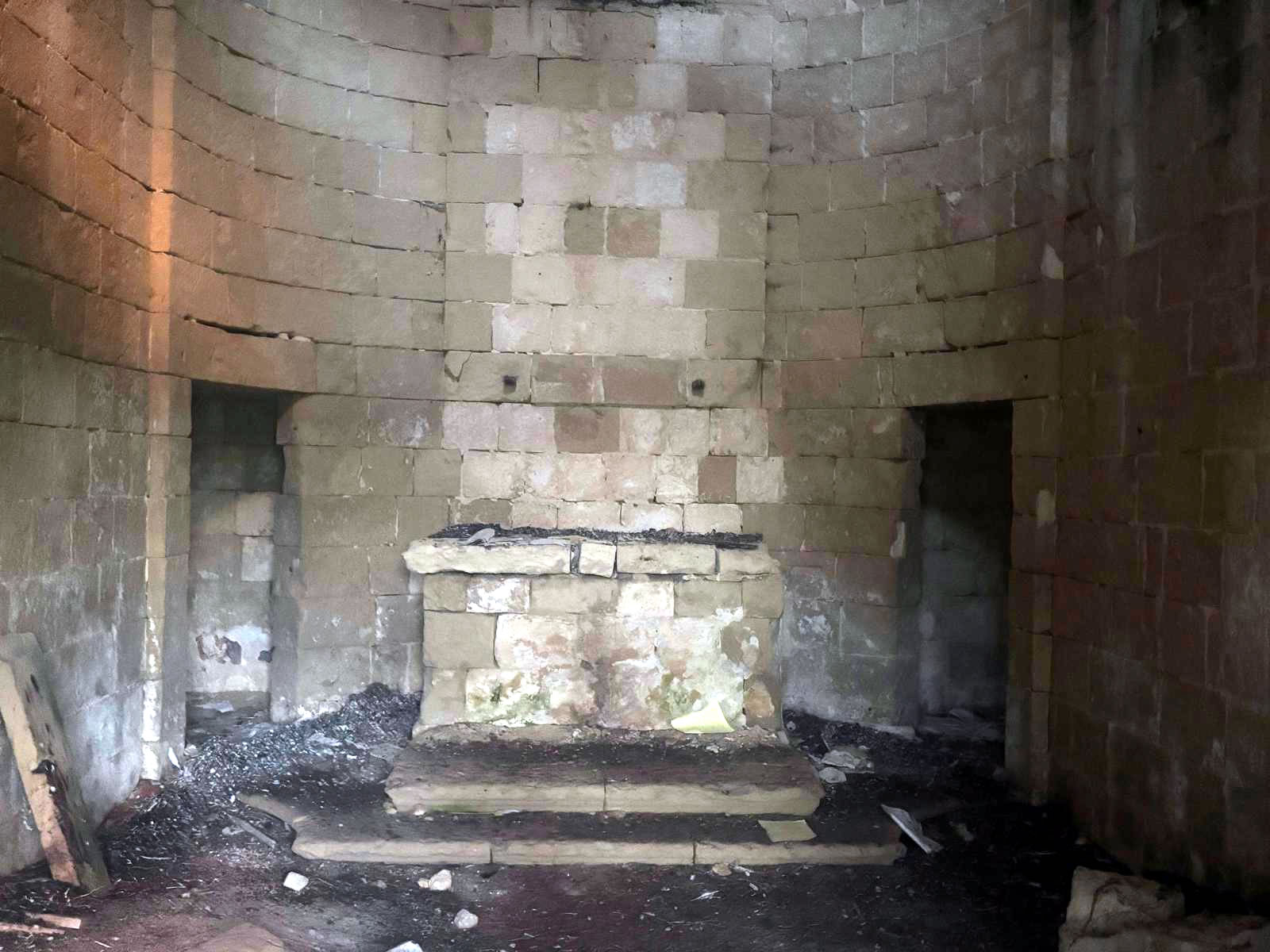
Descriptions of the chapel emphasise a practical rural design: a rectangular plan with a stone altar set in an apse
that once held a painting of the Immaculate Conception. On either side of the altar are doors that formerly led to the sacristy.
Façade features recorded in descriptions
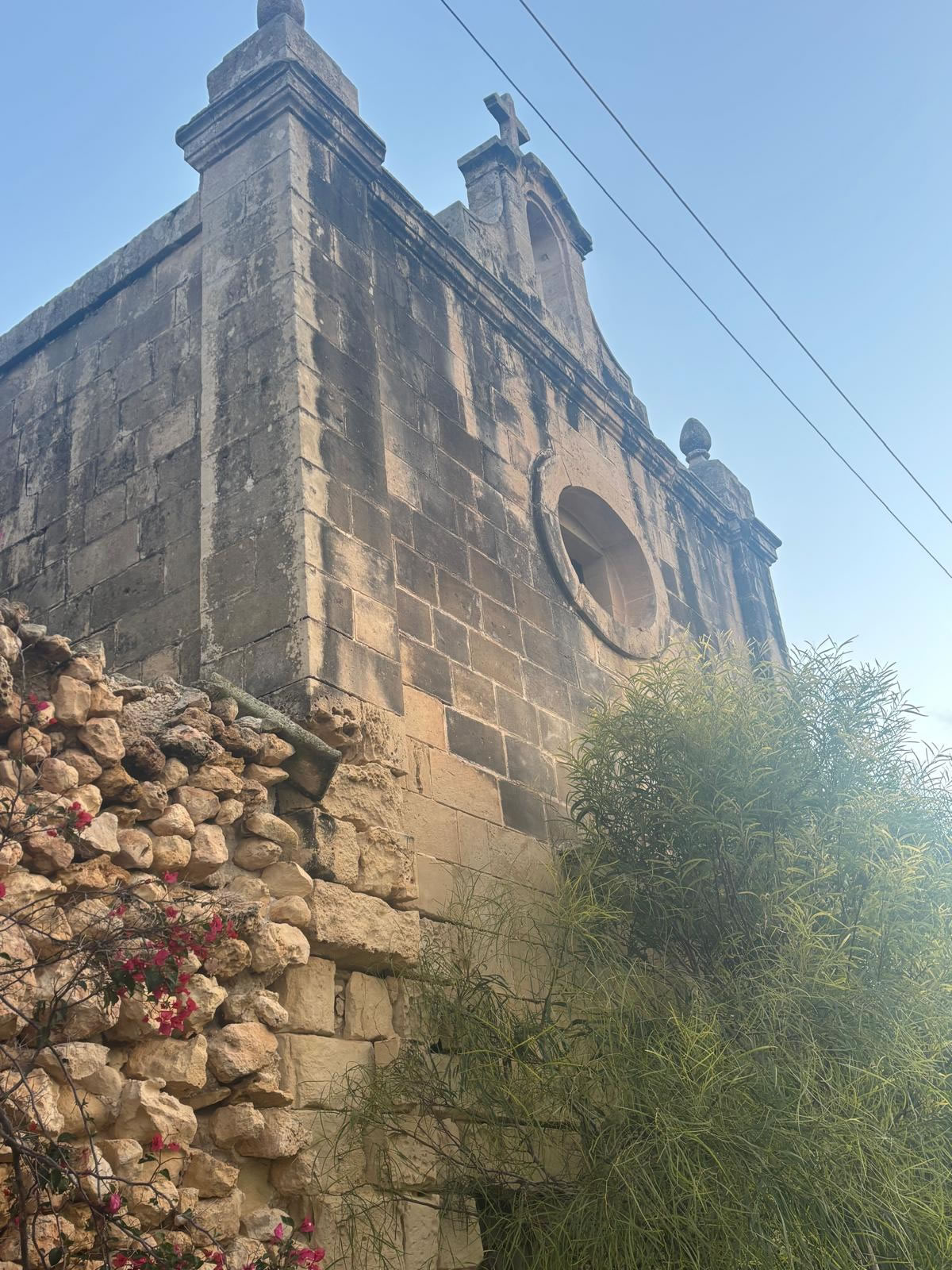
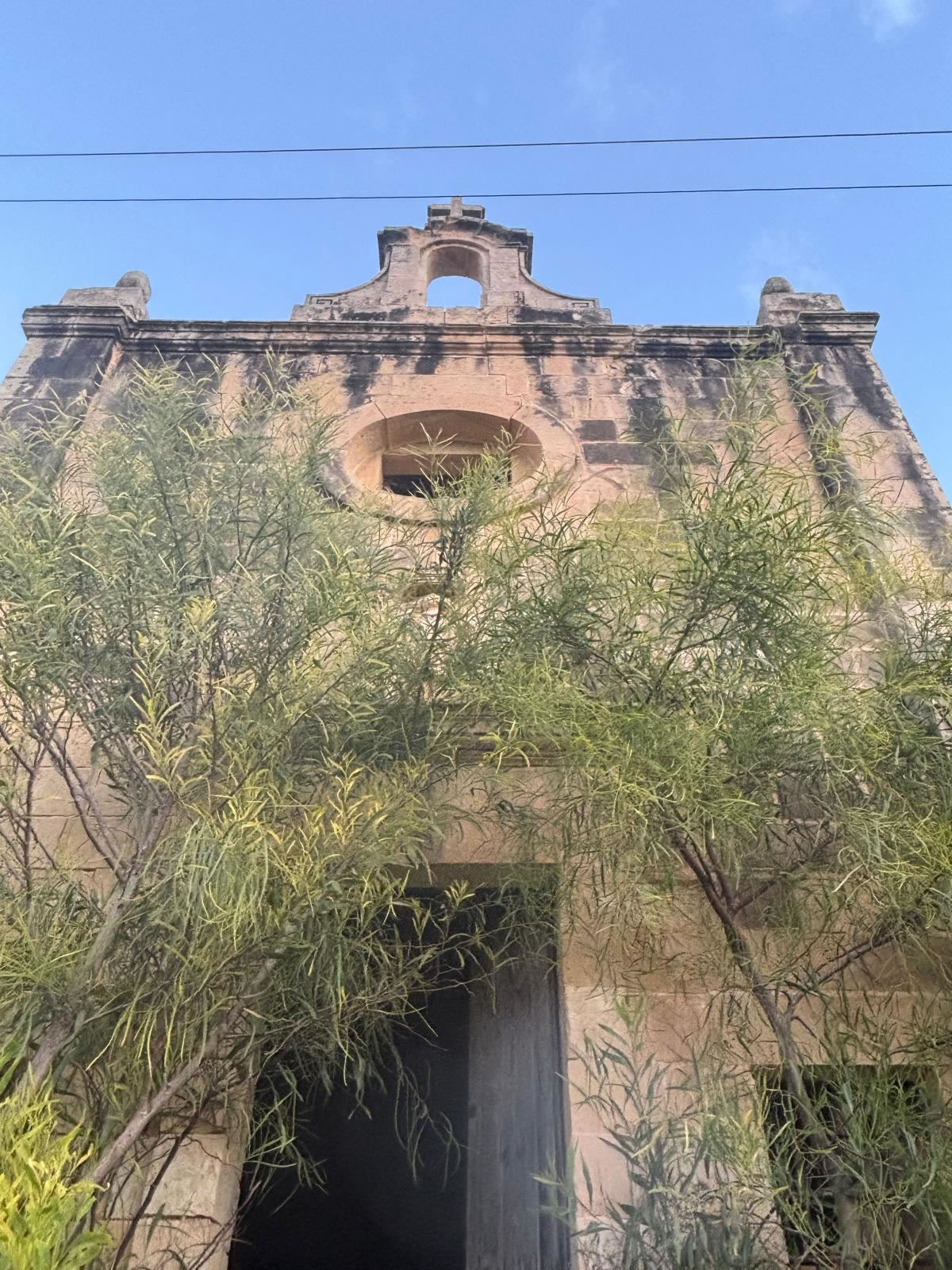
Simple façade with pilaster-like vertical elements.
Main doorway set between two small windows used by passers-by to pray when the chapel is closed.
A coat of arms with a crown above the door (inscription unclear).
A small opening higher up to admit natural light.
A bell arch in the frontispiece topped by a stone cross.
Construction dating note: the architectural description supports a small wayside/rural chapel typology. The reliable dated “anchor points”
are the early-16th-century commissioning and the 1717 decree following a rebuild.
Restoration and conservation
Current condition
Multiple sources describe the chapel as abandoned and devoid of objects. Recent local coverage also reports visible neglect such as
damage to openings/doors and signs of moisture and bird intrusion.
Documented restoration context
In 2022, a report stated that a planning application was filed for the restoration of an abandoned palazzo in Wied Qanotta
(Palazzo Gerxija) and the adjacent chapel. The same report repeats the chapel’s early-16th-century commissioning and its 1717 dedication shift,
and notes the wider rehabilitation proposal for the site.
What a chapel restoration typically involves
Stabilising masonry and addressing water ingress (roof/parapet and wall-head protection)
Salt and biological growth treatment on limestone
Restoring/repairing apertures (doors/windows) to prevent vandalism and animal entry
Conserving any remaining plaster/paint layers and protecting the altar/apse area
Site management (safe access, discreet signage, and routine maintenance schedule)
Use: past and present
Historic role
The chapel’s design features—especially the “prayer windows” for passers-by—suggest a devotional stop for rural workers and travellers in the valley landscape,
consistent with Maltese countryside chapel practice.
Present-day use
Present reporting indicates no active liturgical use; the interior is described as stripped and the chapel is treated as an abandoned heritage structure.
Visitor accounts focus on the site as a remote waypoint rather than a functioning chapel.
Timeline
Early 16th century
Commissioned by the noble Garzia Monpalao; originally dedicated to the Nativity of Our Lady.
By 30 Jun 1717
Rebuilt after neglect; decree orders re-dedication to the Immaculate Conception and feast on 8 December.
Recent decades
Reported as abandoned and devoid of objects; deterioration and neglect noted in local reporting.
2022
Planning application reported for restoration/rehabilitation of the adjacent palazzo and chapel site in Wied Qanotta (Wardija).
Visiting notes
The chapel sits within the Wied Qanotta countryside landscape (Wardija/Bidnija limits). If you visit, treat it as a fragile heritage site:
avoid entering if unsafe, do not remove stones or materials, and respect the surrounding agricultural land.
Safety: because the chapel is reported to be in poor condition and affected by neglect, keep to safe ground and do not climb on masonry.