📍 Location
Location Map Coordinates 35.900294, 14.517586
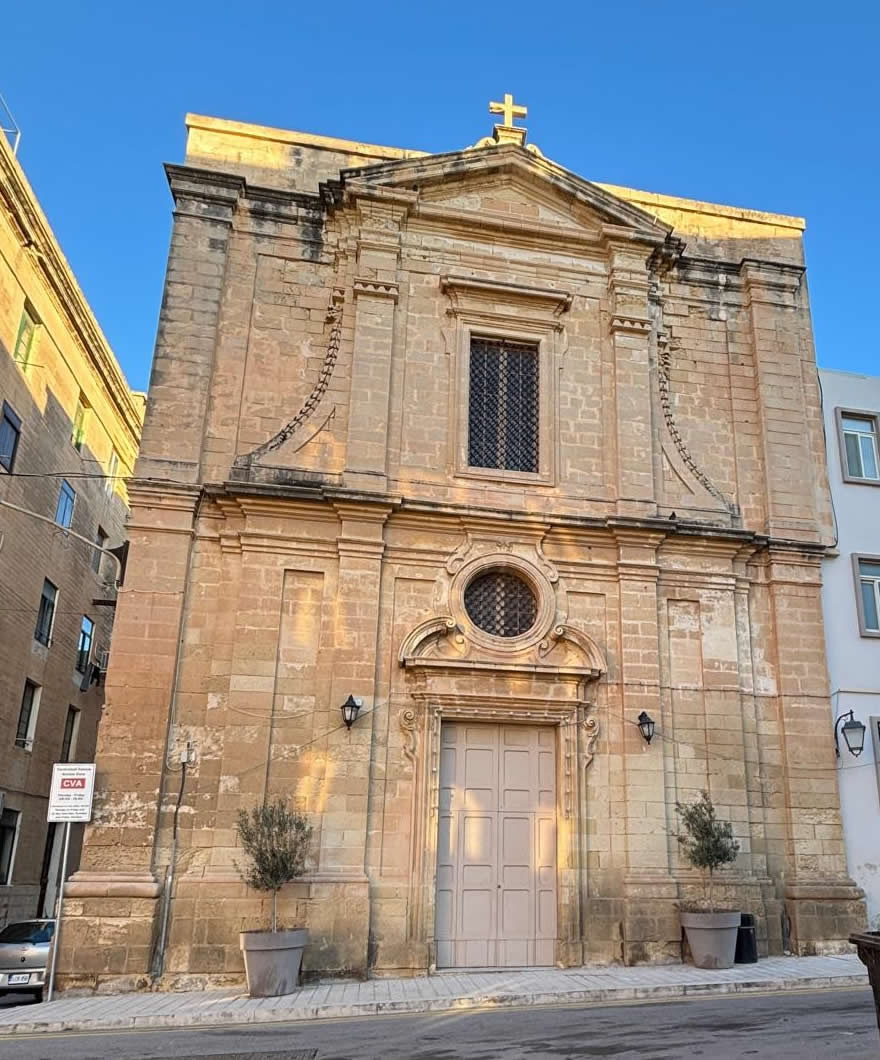
Knisja Santa Magdalena, known in English as the Church of St Mary Magdalene, stands as a testament to Valletta’s deep religious heritage, Baroque artistic legacy, and centuries of devotion to one of Christianity’s most beloved saints. This historic Roman Catholic church has played a significant role in the spiritual life of Malta’s capital city since its foundation in the early 17th century.
Origins & Early Construction (1614)
The site of Knisja Santa Magdalena was originally granted to a charitable confraternity dedicated to the care of women who had suffered hardship or exclusion from society. In 1614, the confraternity established a small chapel on this site in Valletta, devoted to St Mary Magdalene — a figure revered for her conversion, witness to the Resurrection, and compassionate example in the Gospels. Historical records show that this early chapel quickly became a focal point for local devotion in the burgeoning capital city of the Order of St John.

Rebuilding & Baroque Expansion (1689–1690)
As Valletta developed and the community around Santa Magdalena grew, the original chapel was expanded and rebuilt. Between 1689 and 1690, under the patronage of wealthy benefactors and the confraternity, the present church structure was constructed. Its design exhibits key elements of Baroque architecture — a style dominant in Malta in the late 17th century, characterised by dramatic space, ornamental detail, and dynamic forms that evoke spiritual grandeur.
The reconstruction created a more spacious nave and sanctuary, allowing additional altars and enhanced liturgical function, while retaining the church’s intimate devotional atmosphere. The result is a building that balances architectural sophistication with pastoral accessibility — a hallmark of Maltese Baroque church design.

Architectural Features & Layout
The façade of Santa Magdalena is a classic example of Maltese Baroque. Built from honey-coloured local limestone, it is articulated with pilasters, decorative cornices, and sculptural elements that draw the eye upward toward a modest yet elegant pediment. While the façade may appear restrained compared with grander ecclesiastical structures, its harmonious proportions and detailing reflect a refined Baroque sensibility.
Inside, the church features a traditional longitudinal layout with a central nave flanked by side altars. The nave leads to an elevated sanctuary with a prominent main altarpiece dedicated to St Mary Magdalene. The ceilings and walls are adorned with Baroque plasterwork and painted decoration that enhance the sense of sacred space, light, and spiritual focus. )

Artworks & Sacred Imagery
Knisja Santa Magdalena houses significant artworks of high devotional and artistic value. The most notable is the main altarpiece depicting St Mary Magdalene in Glory. This powerful painting illustrates Mary Magdalene’s transformation from a life of suffering to sainthood, capturing both her human vulnerability and her exalted witness to the risen Christ. The work reflects the devotional aesthetics of the Baroque period, emphasising movement, emotion, and luminous colour.
In addition to the main altarpiece, the church contains other devotional paintings depicting key scenes from the life of Christ and other saints. These works were commissioned by the confraternity and later parishioners, creating a visual theology that draws worshippers deeper into prayer and reflection.

Confraternity of St Mary Magdalene & Social Mission
From its earliest days, the church was associated with the Confraternity of St Mary Magdalene, a lay association dedicated to compassionate outreach and spiritual care. Historically, the confraternity supported women in need, offering shelter, guidance, and integration into the community. This charitable mission aligned with St Mary Magdalene’s role as a model of conversion, mercy, and faithful discipleship.
Over the centuries, the confraternity’s activities expanded beyond direct charity to include liturgical participation, maintenance of the church’s artistic patrimony, and support for pastoral activities. Even as Malta’s social structures evolved, Santa Magdalena remained a focal point for community support and spiritual renewal.

Restorations & Heritage Conservation
Throughout its history, Knisja Santa Magdalena has undergone several conservation efforts to preserve both structural integrity and artistic heritage. In the 19th century, minor repairs were made to address wear and environmental effects on the limestone exterior and interior plasterwork. These early interventions helped maintain the church’s decorative surfaces and liturgical spaces.
In the late 20th and early 21st centuries, more comprehensive restorations were undertaken with support from cultural heritage organisations and the Catholic Archdiocese of Malta. These projects focused on:
- Masonry Conservation: Cleaning and stabilisation of the exterior limestone, repairing weathered stone and mortar joints.
- Plaster & Fresco Restoration: Conservation of internal decorative plasterwork and painted surfaces to revitalise their original colour and detail.
- Structural Reinforcements: Ensuring roof stability and preserving the integrity of the nave vaults.
- Liturgical Furnishings: Careful restoration of altars, pews, and sacred objects to preserve both function and historical authenticity.
These efforts align with Malta’s broader commitment to preserving its rich cultural and religious heritage, and Knisja Santa Magdalena is recognised as a scheduled heritage site under national protection. )
Liturgical Life & Parish Use
Today, Knisja Santa Magdalena functions as an active Roman Catholic church within the Archdiocese of Malta. Regular Masses are celebrated each week, including Sunday and weekday liturgies that serve both local residents and visitors drawn by the church’s historical significance. Special devotions honour St Mary Magdalene — particularly around her feast day on 22 July — with prayers, processions, and community gatherings that reflect both liturgical tradition and Maltese cultural expression.
Beyond Mass, the church hosts catechetical programmes, sacramental preparation, and occasional concerts featuring sacred music, further enhancing its role as a spiritual and cultural hub in Valletta. Its location near the historic core of the city makes Santa Magdalena a welcoming encounter point for pilgrims, tourists, and scholars seeking insight into Malta’s Baroque ecclesiastical heritage.
Feast of St Mary Magdalene & Cultural Traditions
The feast of St Mary Magdalene is celebrated annually on 22 July, drawing the faithful with solemn Masses, vespers, and devotional reflections. While not a public holiday, the feast holds deep significance for parishioners and many Maltese Catholics who venerate Mary Magdalene as a model of transformation and fidelity to Christ.
Procession of the statue, traditional hymns, and liturgical music enrich the feast celebration, fostering continuity with centuries of devotion that link Malta’s religious identity to the broader universal Church.
Quick Facts & Historical Timeline
- Founded: 1614 by Confraternity dedicated to St Mary Magdalene
- Rebuilt & Expanded: 1689–1690
- Architectural Style: Baroque
- Feast Day: 22 July (St Mary Magdalene)
- Heritage Status: Scheduled cultural heritage site
- Active Parish Use: Weekly Masses and special devotions
- Location: Merchants Street, Valletta, Malta