📍 Location
Location Map Coordinates 35.901697, 14.446615
Parish Church of the Transfiguration of Our Saviour – Lija, Malta
Introduction
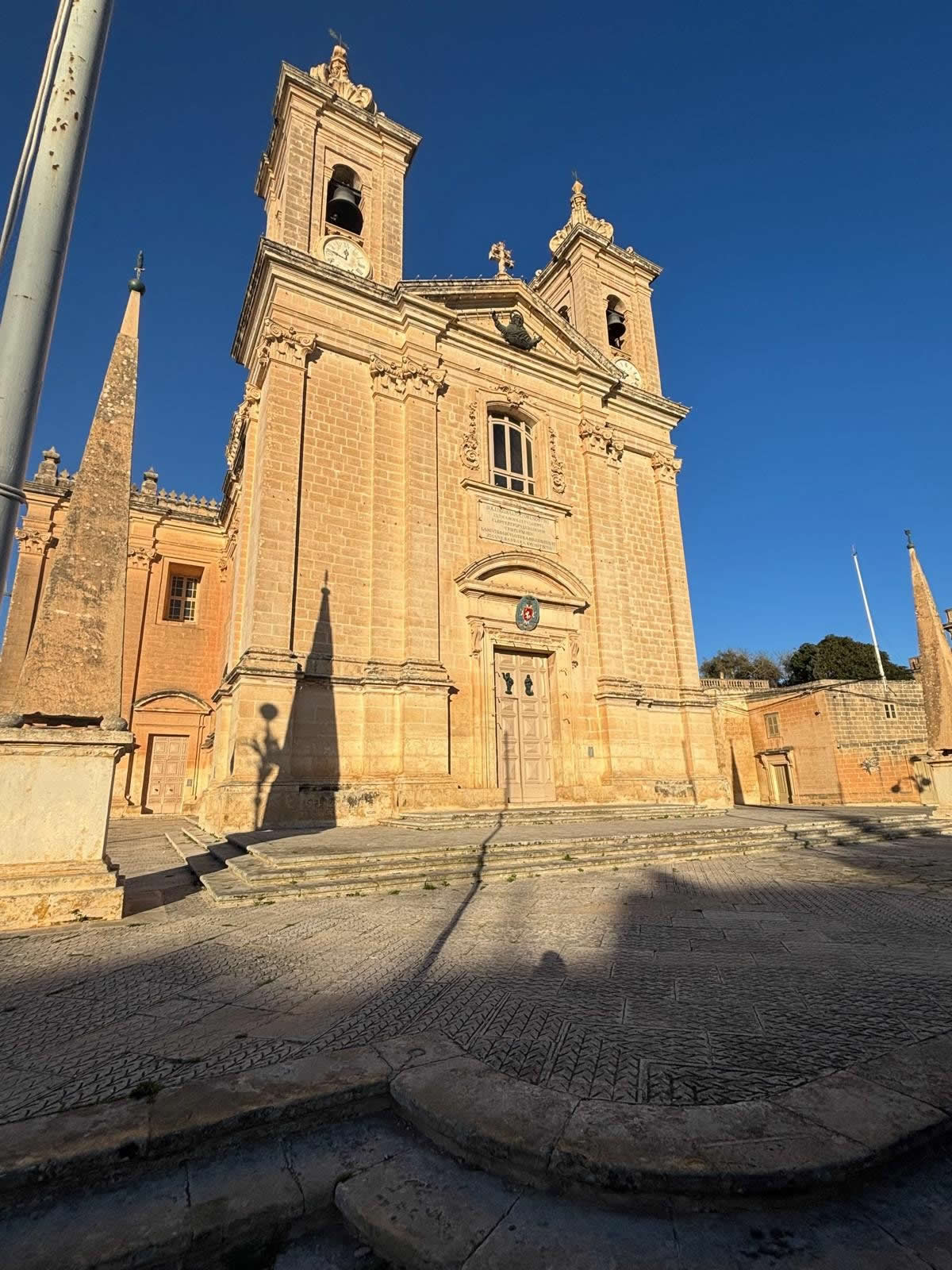
The Lija Parish Church, formally known as the Parish Church of the Transfiguration of Jesus or Il-Knisja Parrokkjali tas-Salvatur, is the principal Roman Catholic church of the village of Lija in central Malta. This Baroque church dominates the village skyline and stands as one of the most important religious and architectural landmarks within the community.
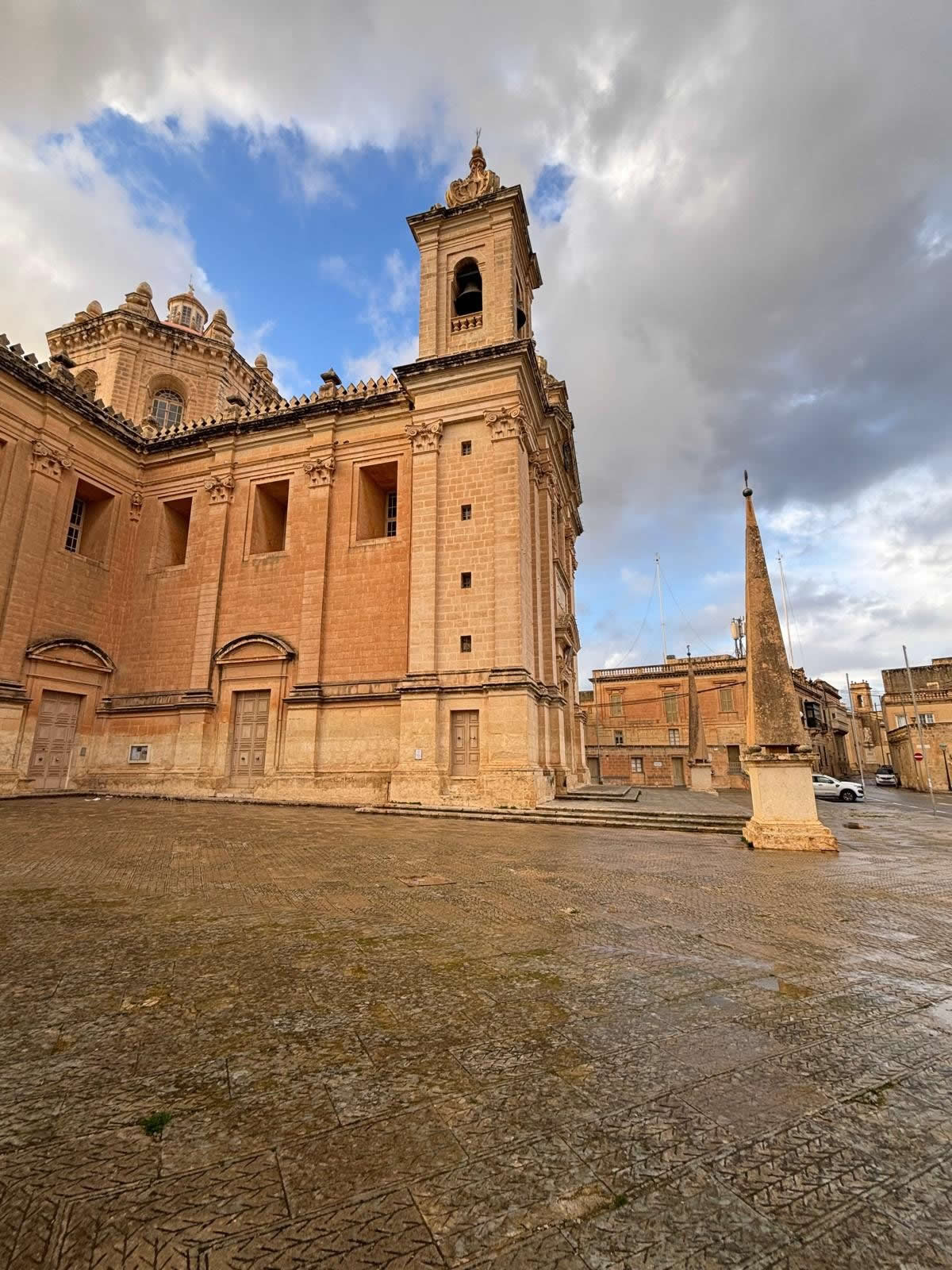
Dedicated to the Transfiguration of Jesus, the church reflects centuries of religious devotion in Lija and forms the focal point of the village’s spiritual and cultural life.
Creation of the Parish of Lija
Before the sixteenth century Lija formed part of the large parish of Birkirkara. As the population of the surrounding villages increased, the need arose to create separate parish jurisdictions.
The village of Lija was officially established as an independent parish on 6 February 1594, marking an important milestone in the development of the locality.
The first parish church was a smaller building dedicated to the Transfiguration which served the community for several decades. However, as the population continued to grow, this earlier church soon proved inadequate for the needs of the expanding parish.
Construction of the Present Parish Church
Plans were eventually made to construct a larger parish church that would reflect the importance of the new parish and accommodate the increasing number of parishioners.
The foundation stone for the present church was laid on 20 May 1694 by Bishop Davide Cocco Palmieri.
The church was designed by Giovanni Barbara, a respected Maltese master mason who also supervised the construction works. His architectural design reflects the Baroque style that dominated ecclesiastical architecture in Malta during the late seventeenth century.
Construction progressed rapidly and the main structure was completed by 1702.
However, additional works and embellishments continued for several decades until the church reached its final form. The completed building was eventually consecrated on 25 July 1782 by Bishop Vincenzo Labini.
Architectural Design
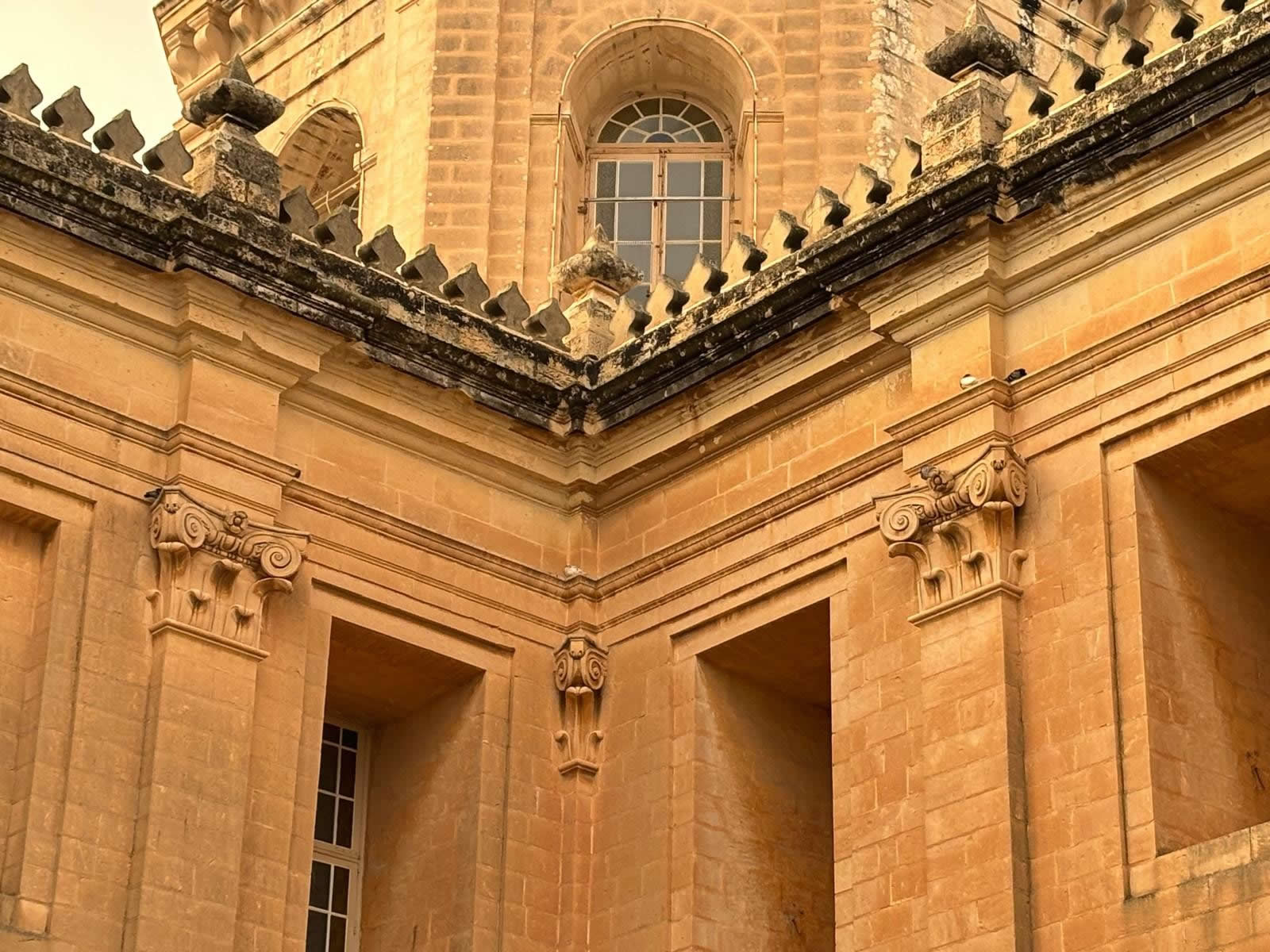
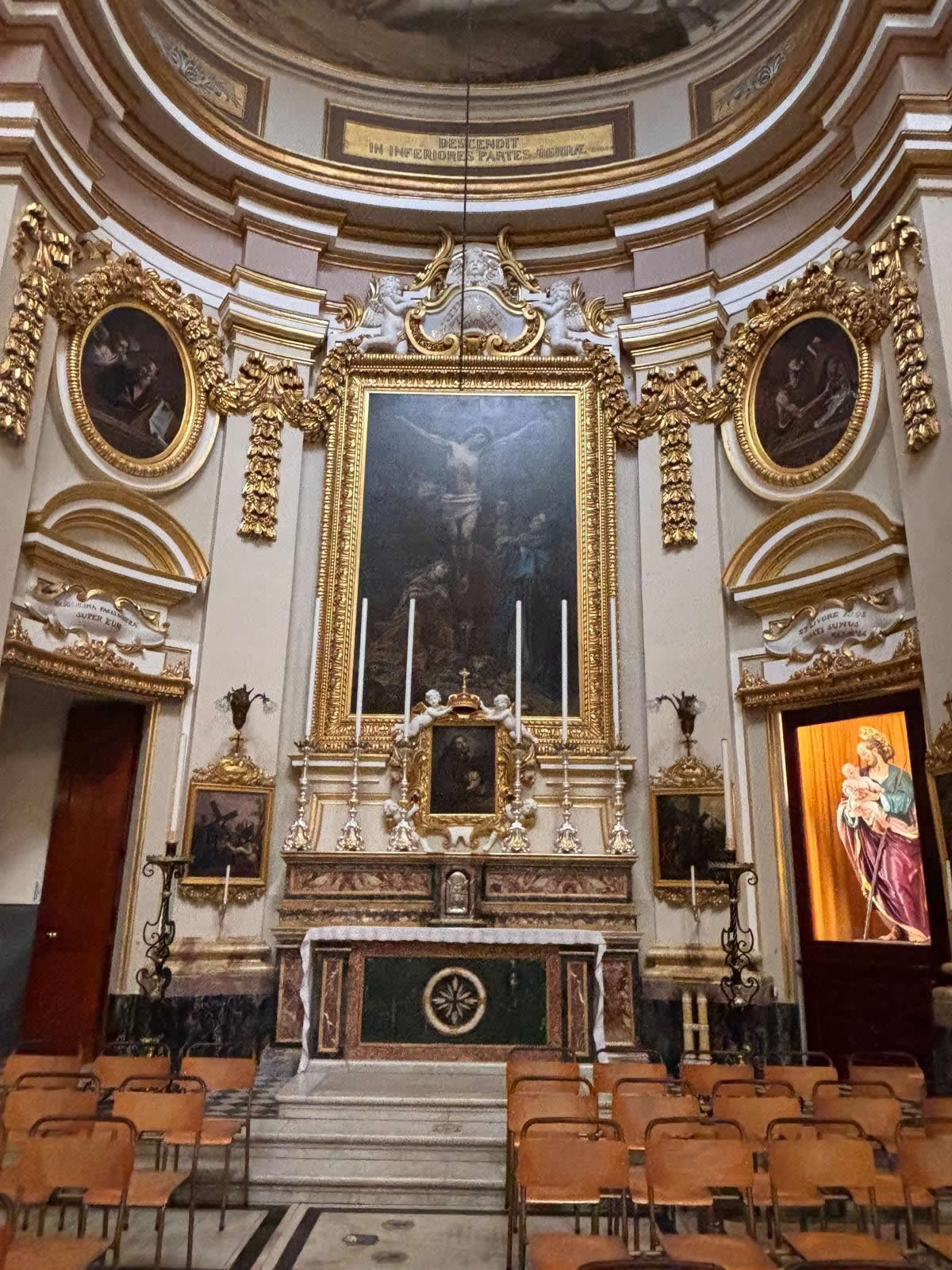
The Lija Parish Church is a classic example of Maltese Baroque architecture. Constructed from local limestone, the building features a harmonious façade characterised by monumental pilasters and balanced proportions.
The church façade is divided into three vertical sections with the central section emphasising the main entrance. A large rectangular window above the doorway illuminates the interior nave.
Two symmetrical bell towers rise on either side of the façade, giving the church a distinctive profile visible from various parts of the village.
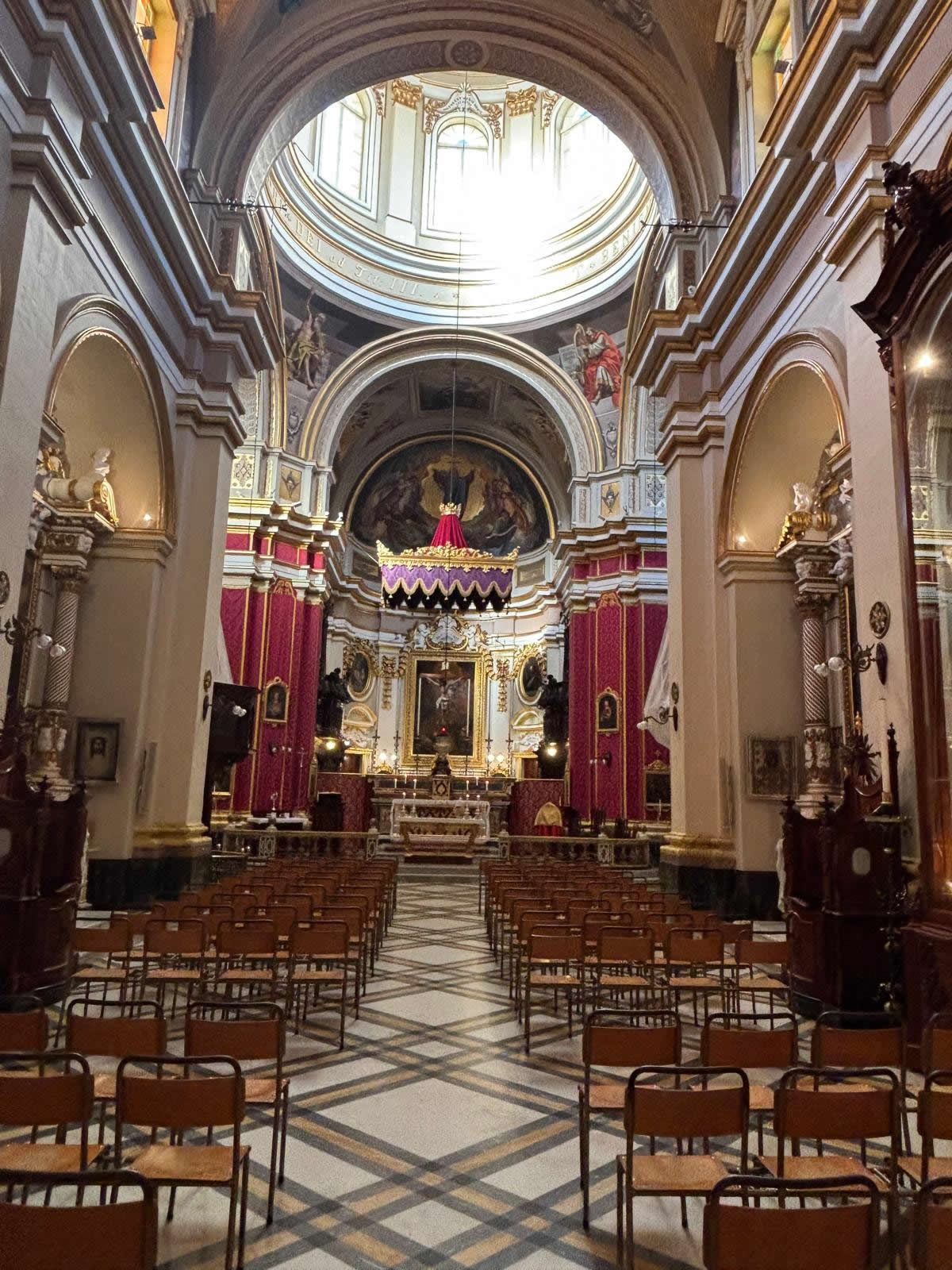
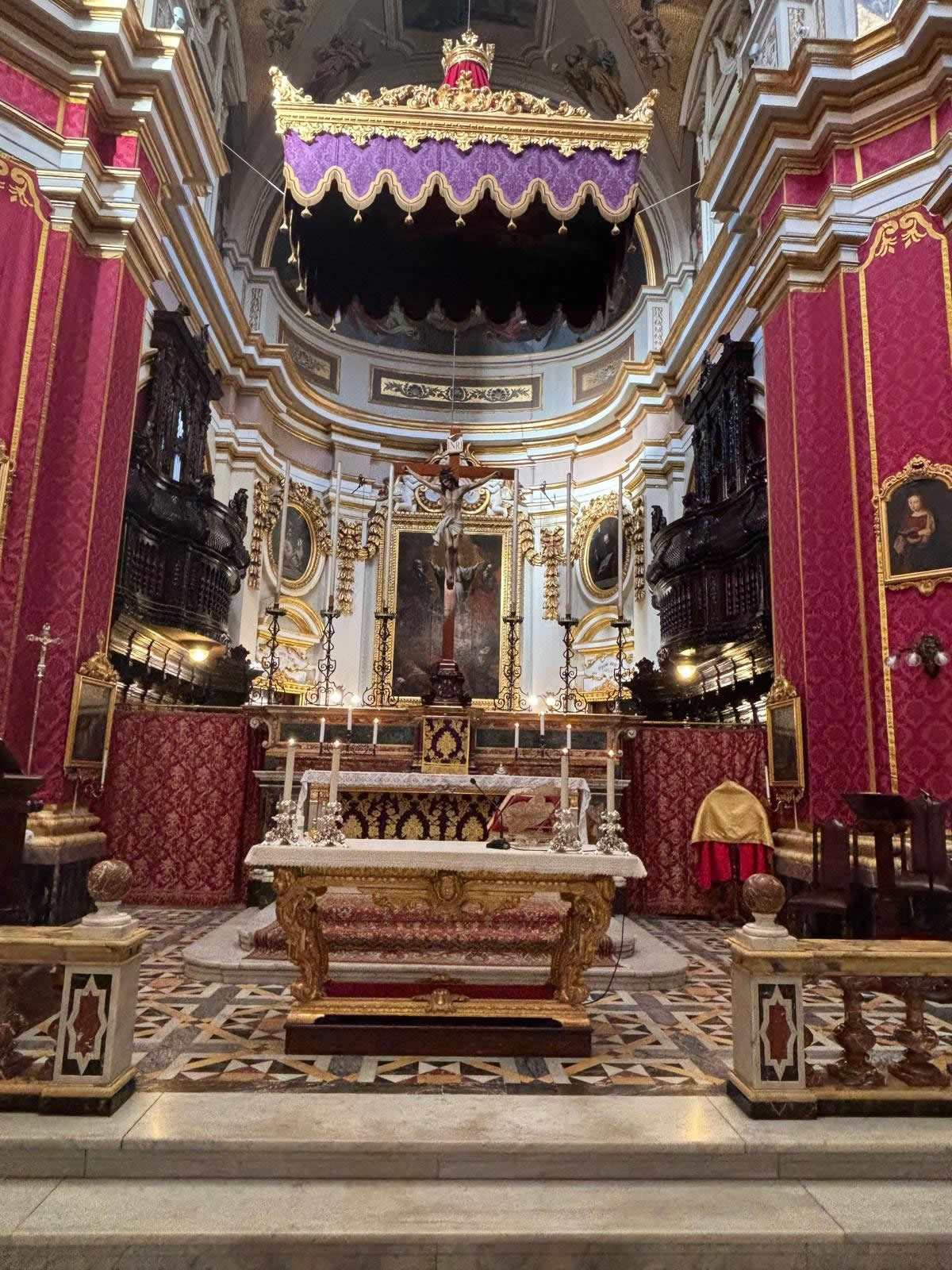
The overall layout follows the traditional Latin cross plan, consisting of a long nave intersected by a transept that leads to the sanctuary and high altar.
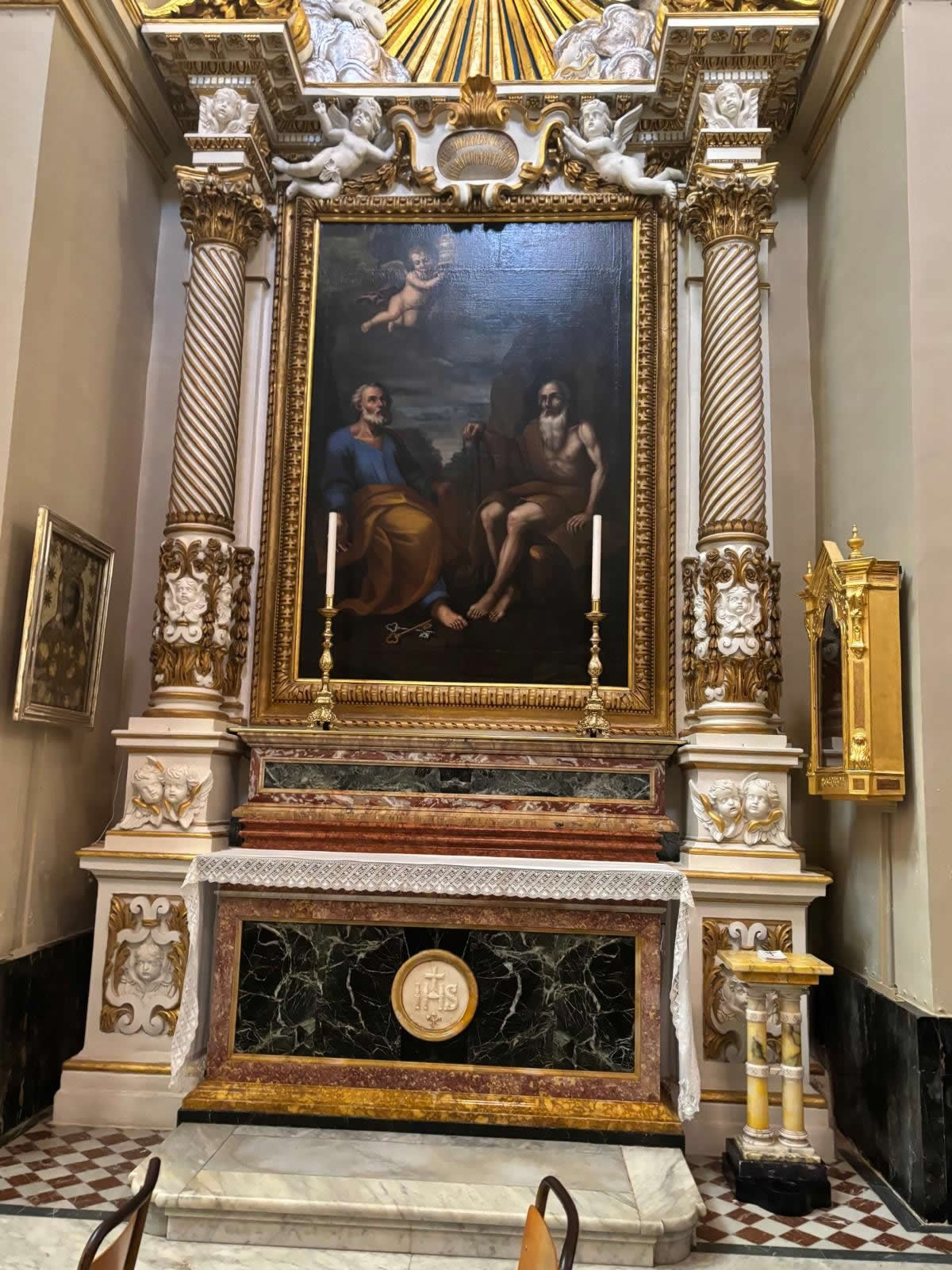
Inside the church, the architectural design incorporates elements of the Tuscan order with traces of the Doric style, reflecting the classical influences that shaped Baroque ecclesiastical architecture in Malta.
The Dome and Interior Decoration
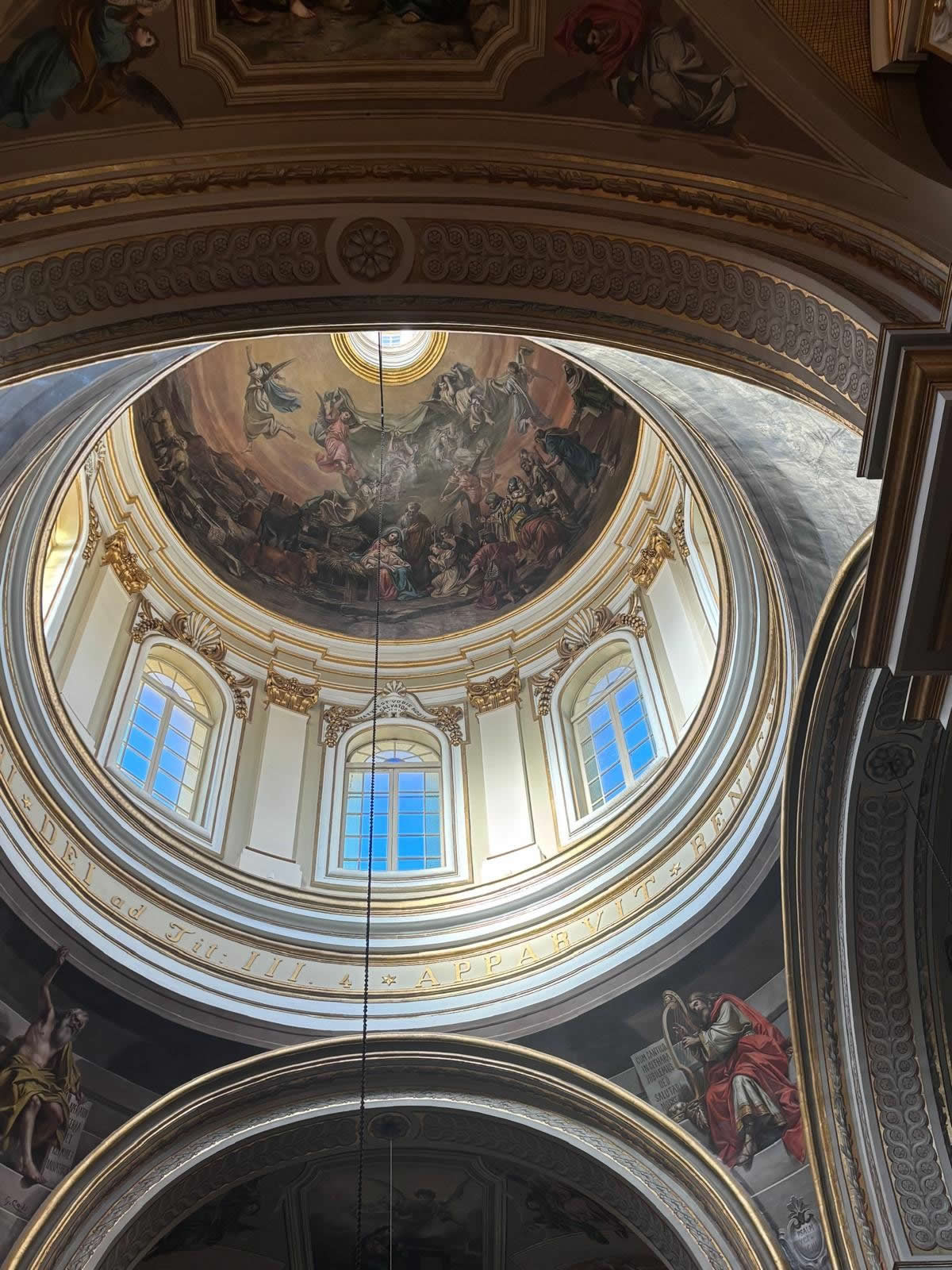
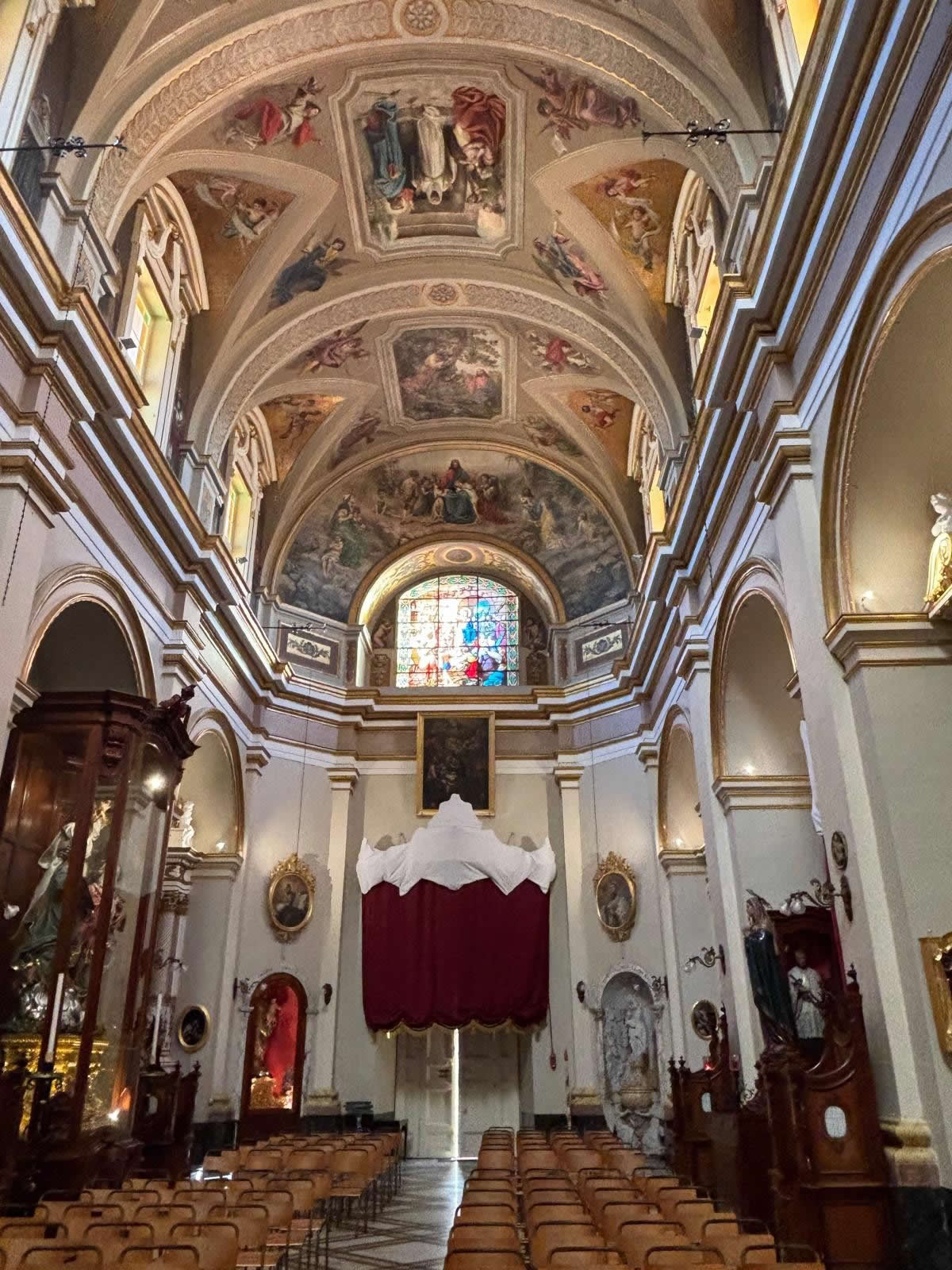
Like many prominent Maltese parish churches, the Lija Parish Church includes a central dome which illuminates the crossing of the nave and transept.
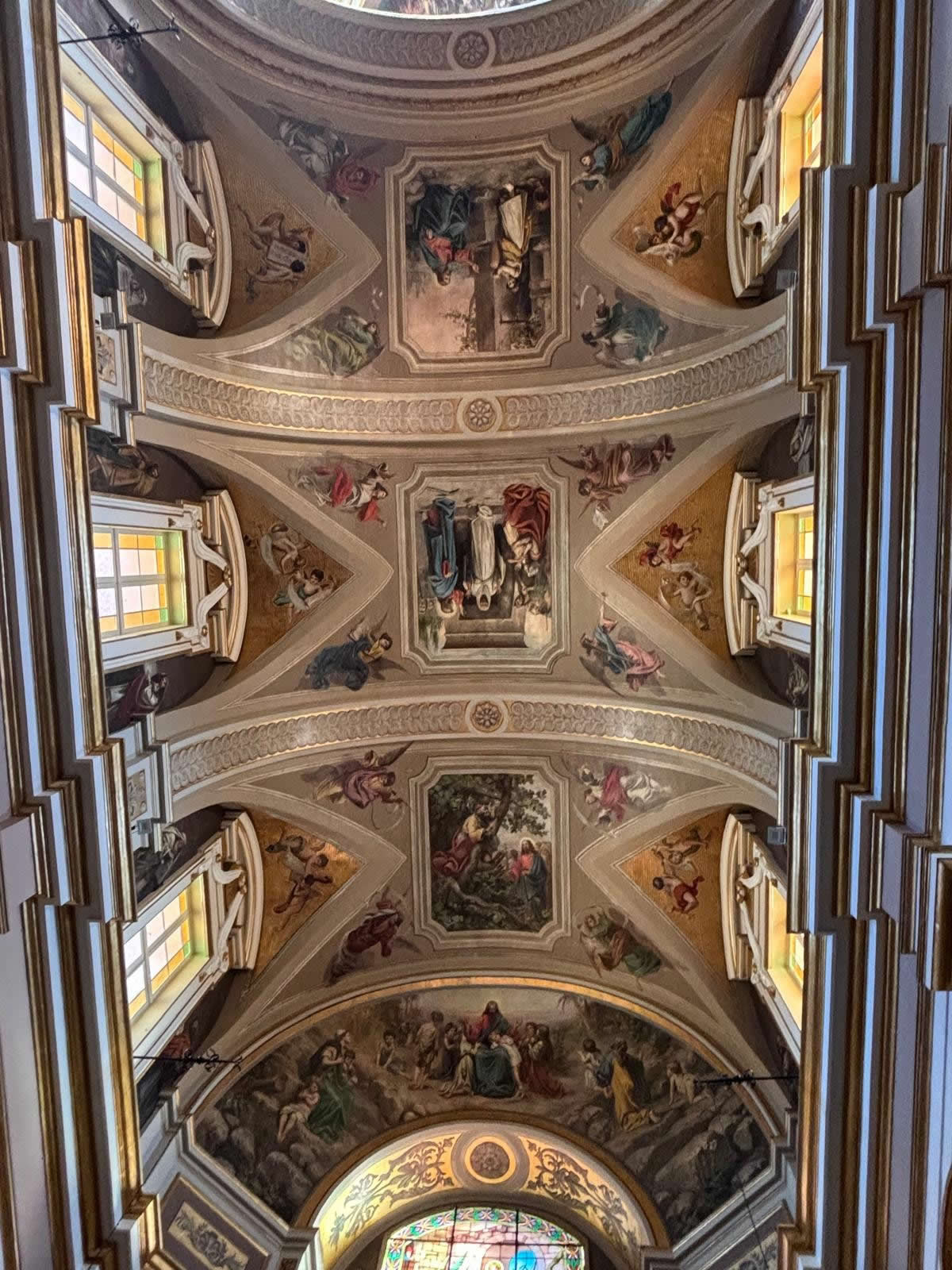
The interior decoration of the dome and ceiling was executed by the celebrated Maltese painter Giuseppe Calì, whose work contributed significantly to the artistic heritage of Maltese churches.
The dome paintings and ceiling decorations add colour and visual depth to the interior while highlighting scenes from Christian theology and the life of Christ.
The Titular Painting
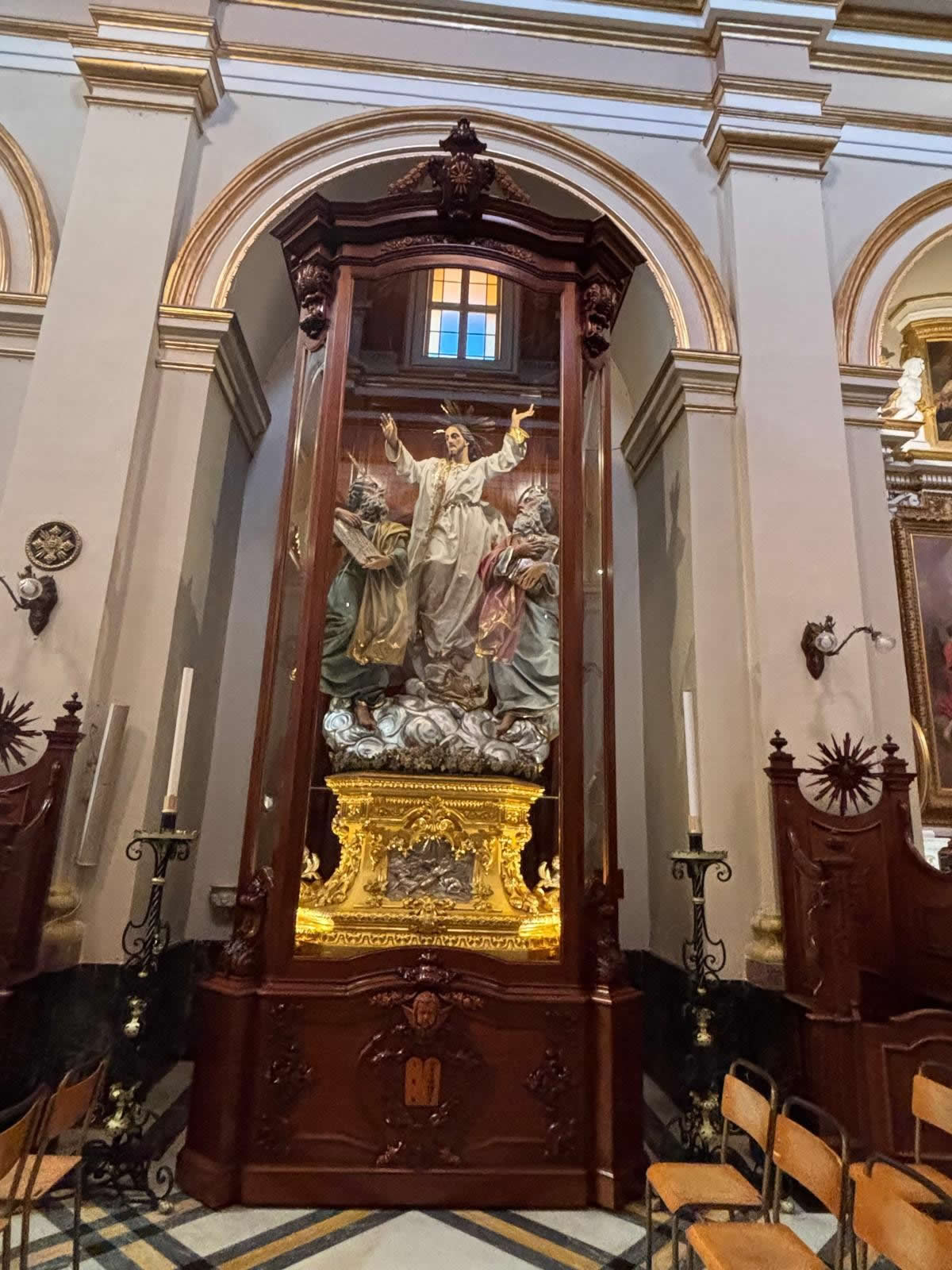
One of the most important artworks within the church is the titular painting representing the Transfiguration of Jesus.
This masterpiece was painted in 1698 by the renowned Italian Baroque artist Mattia Preti, who spent many years working in Malta.
The painting depicts the moment described in the Gospel when Christ is revealed in divine glory before the apostles Peter, James and John. The dramatic lighting and dynamic composition typical of Preti’s style give the artwork a powerful spiritual presence.
Other Important Artworks
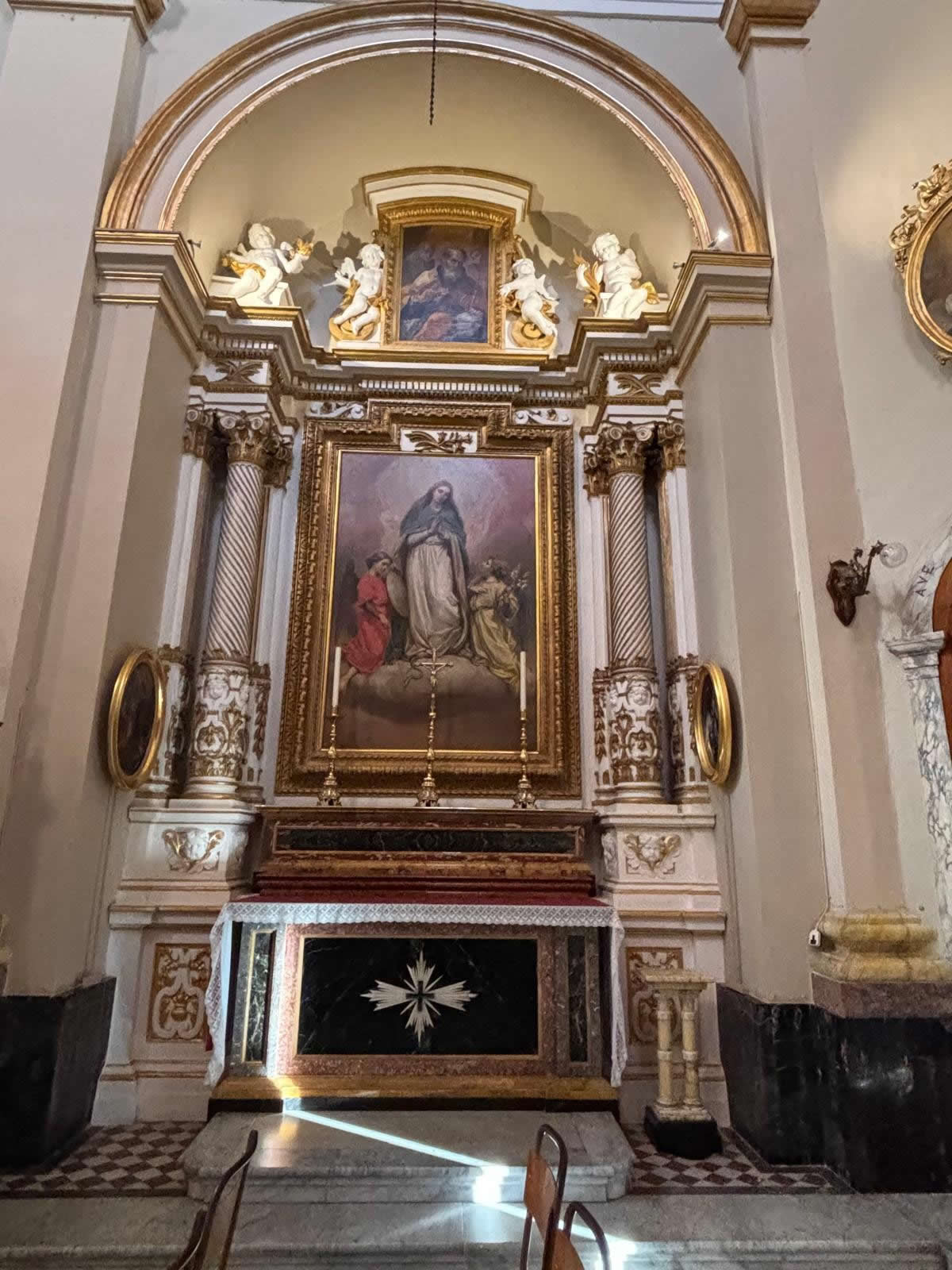
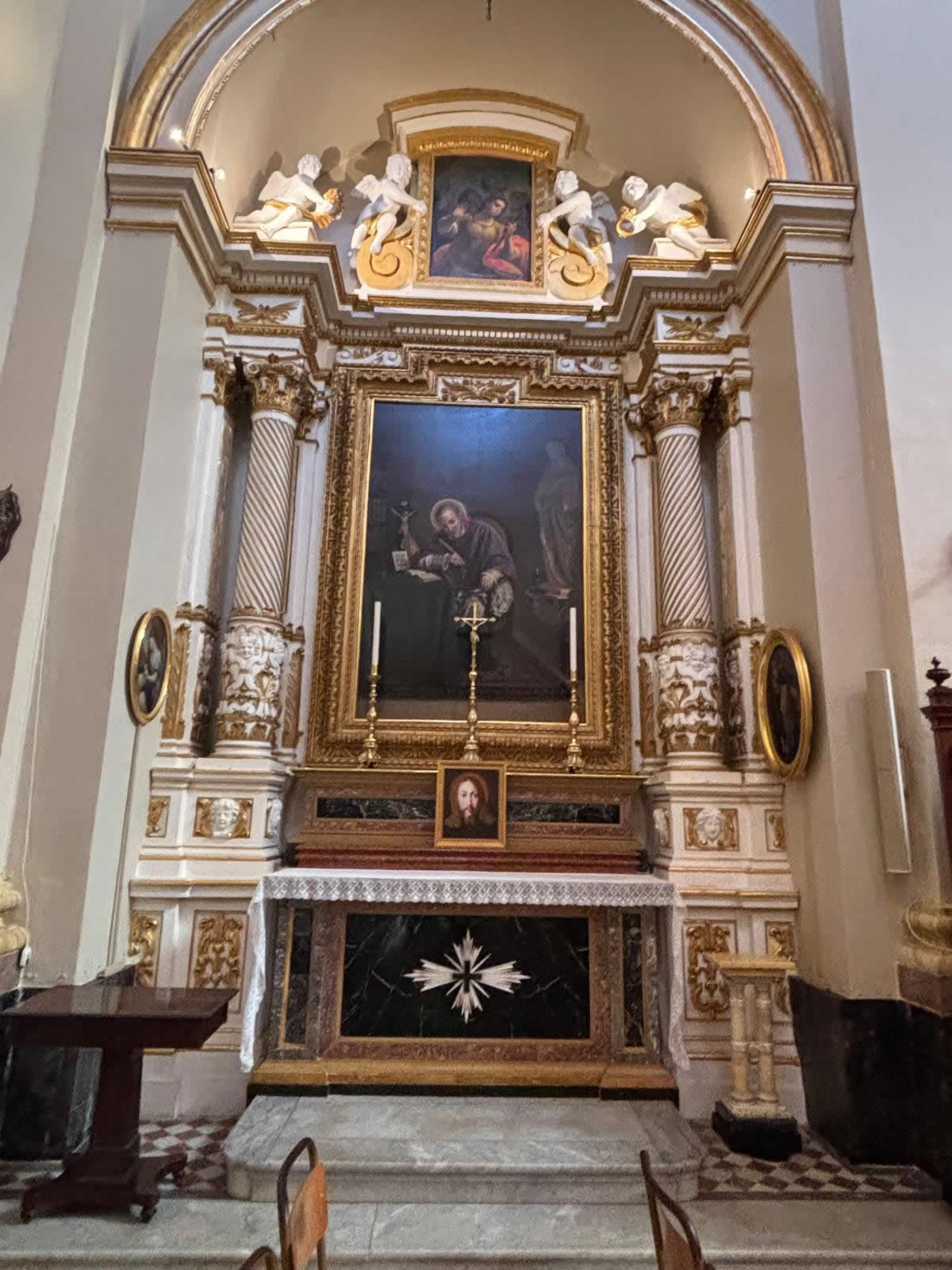
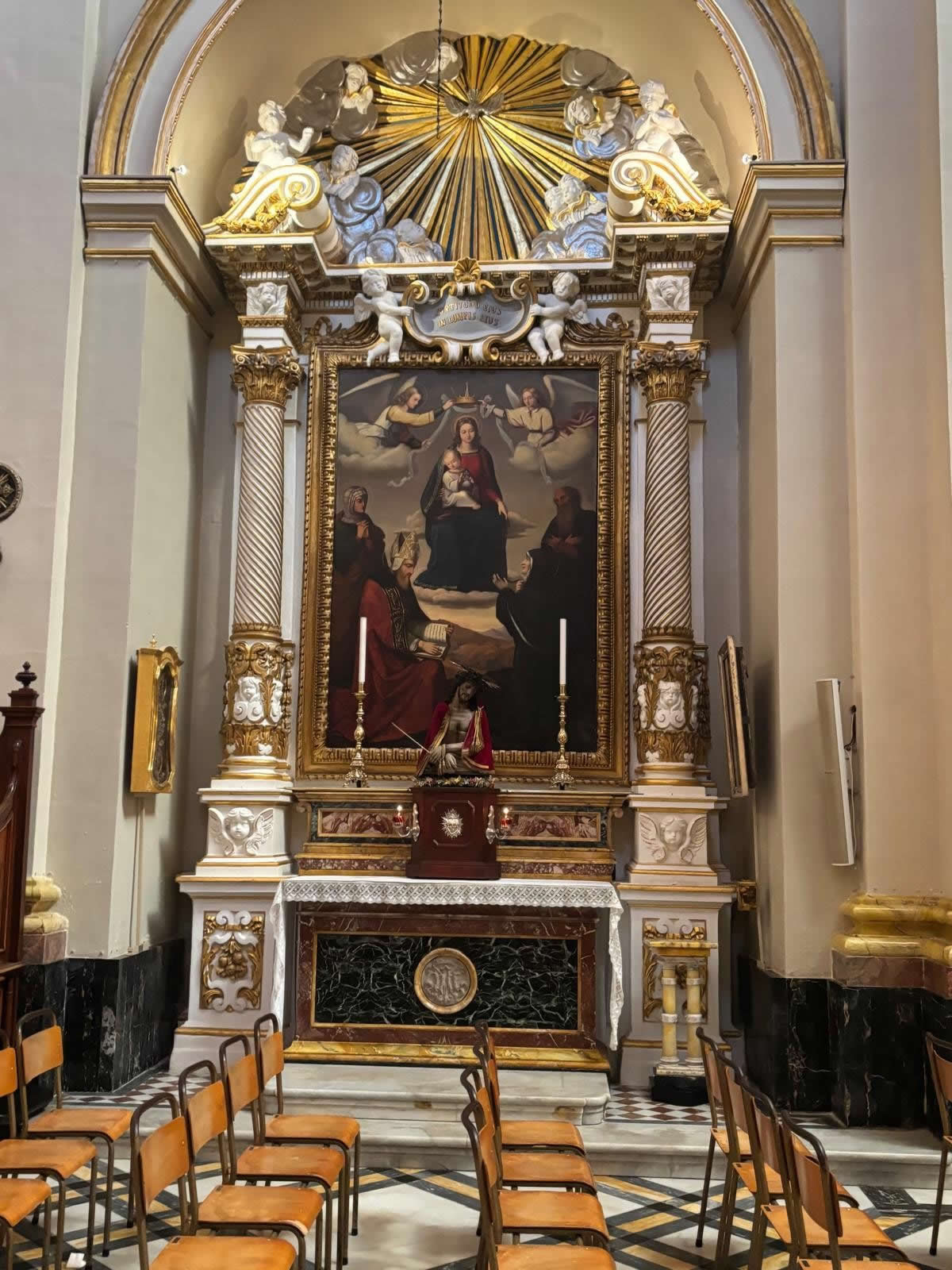
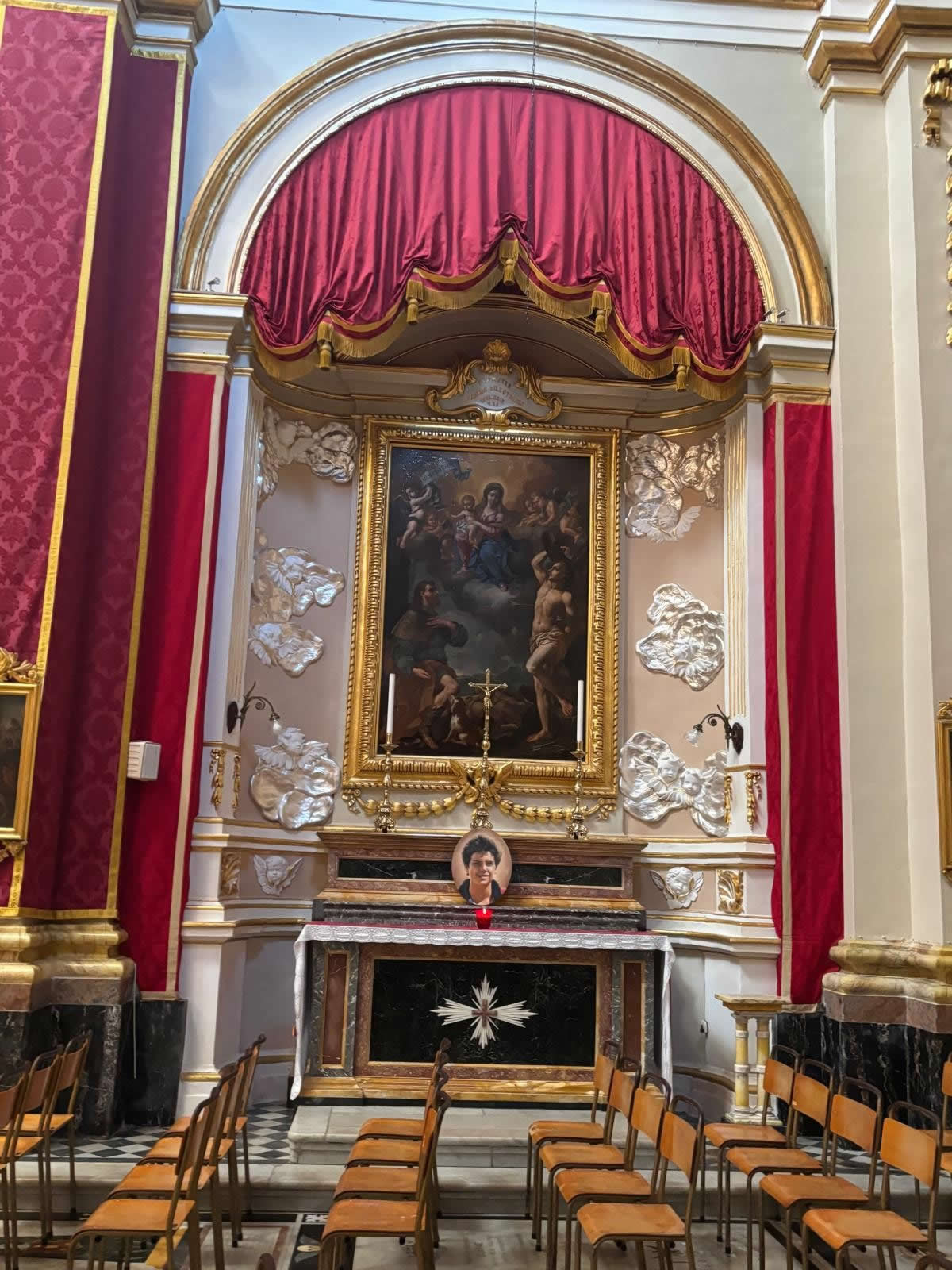
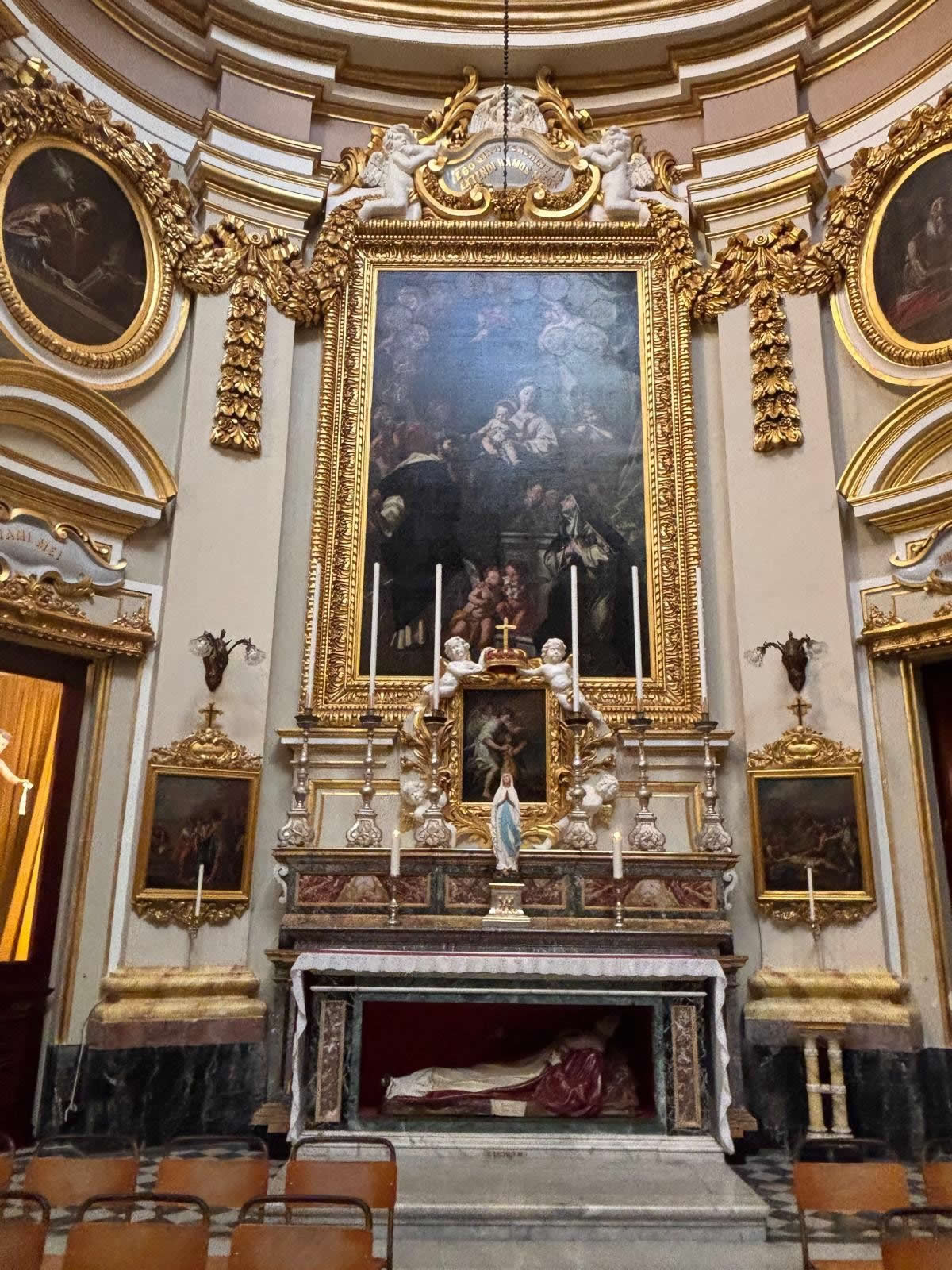
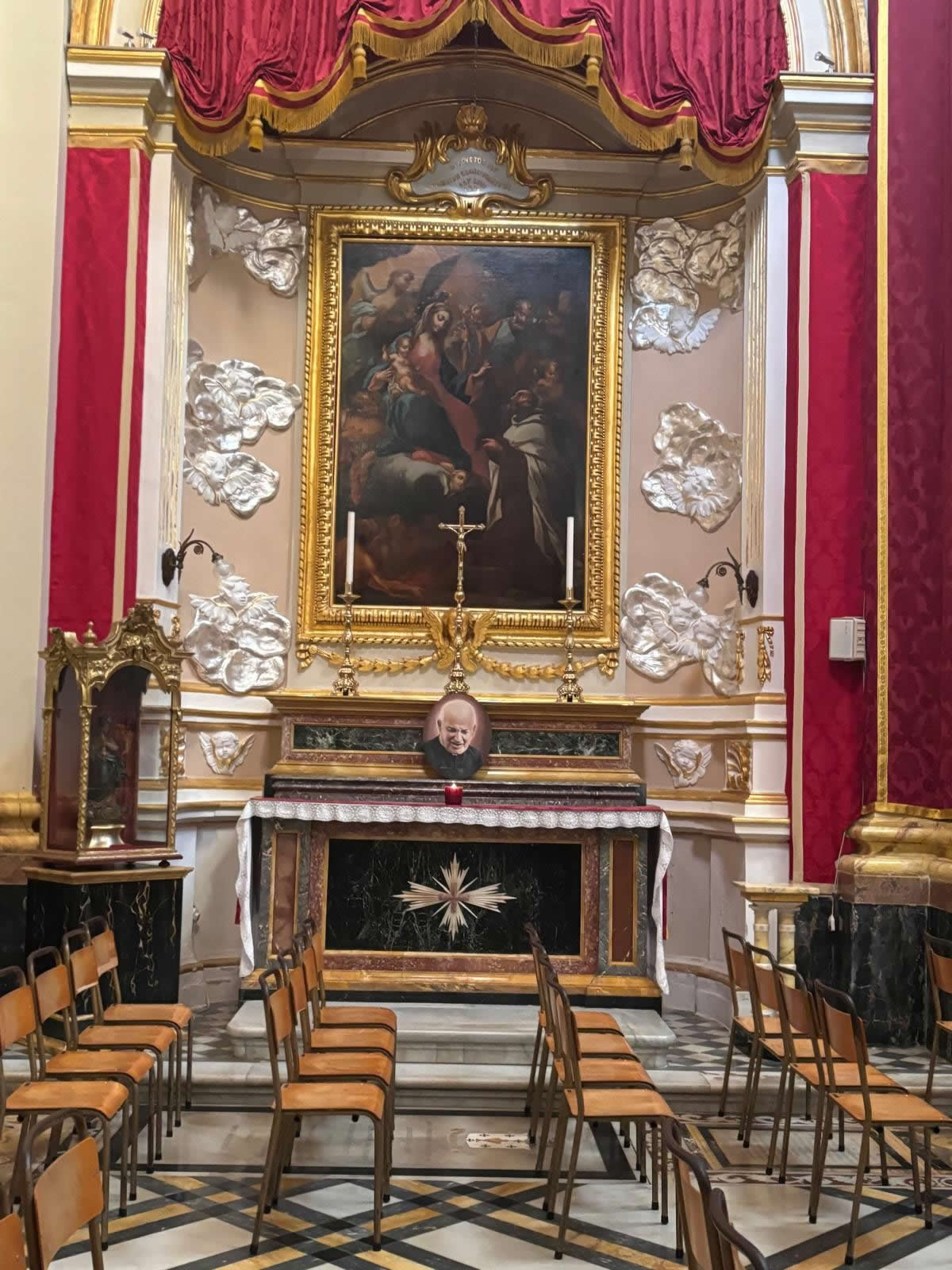
In addition to the titular painting, the church contains numerous other artistic treasures created by both Maltese and foreign artists across several centuries.
Among the notable works is Our Lady of the Rosary painted by Alessio Erardi in 1702, as well as paintings of the Guardian Angels by Francesco Zahra dating from 1757.
Later additions to the artistic collection include paintings by Giuseppe Hyzler and a depiction of the Holy Cross by Giuseppe Calì created in 1891.
The apse paintings were executed by Ignazio Cortis in 1873, further enriching the decorative programme of the church interior.
Role in Village Life
The parish church has long served as the centre of religious life in Lija. It hosts daily Mass, parish celebrations, and the annual village feast dedicated to the Transfiguration of Christ.
The feast of the Transfiguration, celebrated in early August, is one of the most important events in the village calendar. During the feast the church is decorated with elaborate lighting, banners and floral arrangements.
Religious processions and fireworks accompany the celebrations, attracting both residents and visitors.
Heritage Status
Due to its historical and architectural significance, the Lija Parish Church has been recognised as an important cultural monument within Malta. The church has been scheduled as a protected Grade 1 monument by the Maltese planning authorities.
This designation ensures that the building is preserved for future generations and that restoration works respect its historical integrity.
Location
| Church | Lija Parish Church |
|---|---|
| Official Name | Parish Church of the Transfiguration of Jesus |
| Maltese Name | Il-Knisja Parrokkjali tas-Salvatur |
| Location | Lija, Malta |
| Coordinates | 35.901697, 14.446615 |
| Architect | Giovanni Barbara |
| Foundation Stone | 20 May 1694 |
| Completion | 1702 |
| Consecration | 25 July 1782 |
| Architectural Style | Baroque |
Conclusion
The Lija Parish Church stands as one of the most prominent Baroque churches in central Malta and remains a powerful symbol of the religious devotion and artistic heritage of the Maltese people. From its foundation in the late seventeenth century to its richly decorated interior and historic artworks, the church continues to embody centuries of faith, craftsmanship and community identity.
Today the church remains at the heart of village life in Lija, welcoming worshippers, visitors and historians who wish to experience one of Malta’s finest parish churches.