Origins and Early Parish History
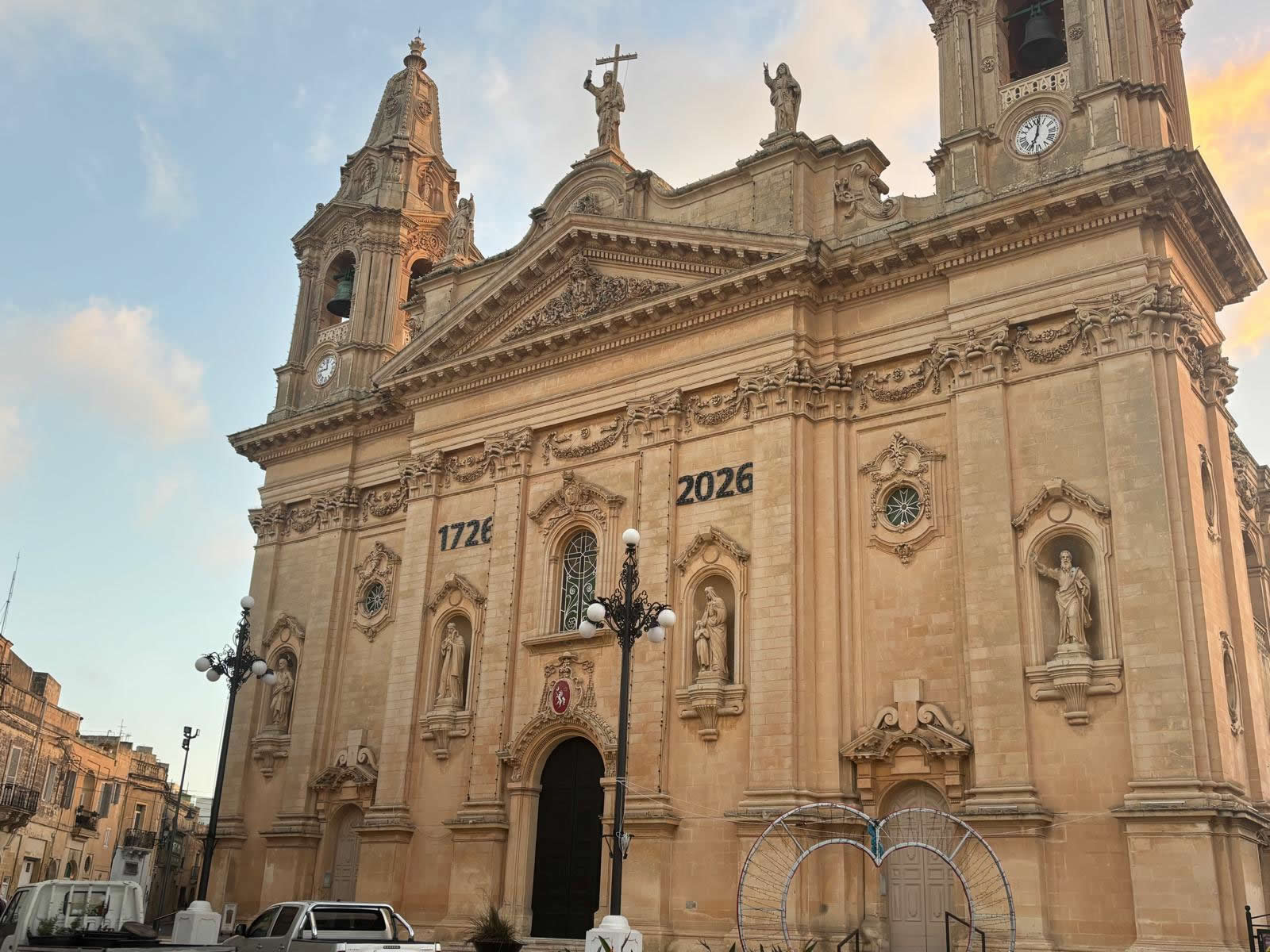
The parish of Naxxar is among the oldest documented Christian communities in Malta. Historical references trace its roots to the late 15th century, when the area became an important inland settlement linking the island’s central plateau with the northern coast. Early parish records suggest that a small medieval chapel dedicated to the Virgin Mary once occupied the site before the larger parish church was conceived.
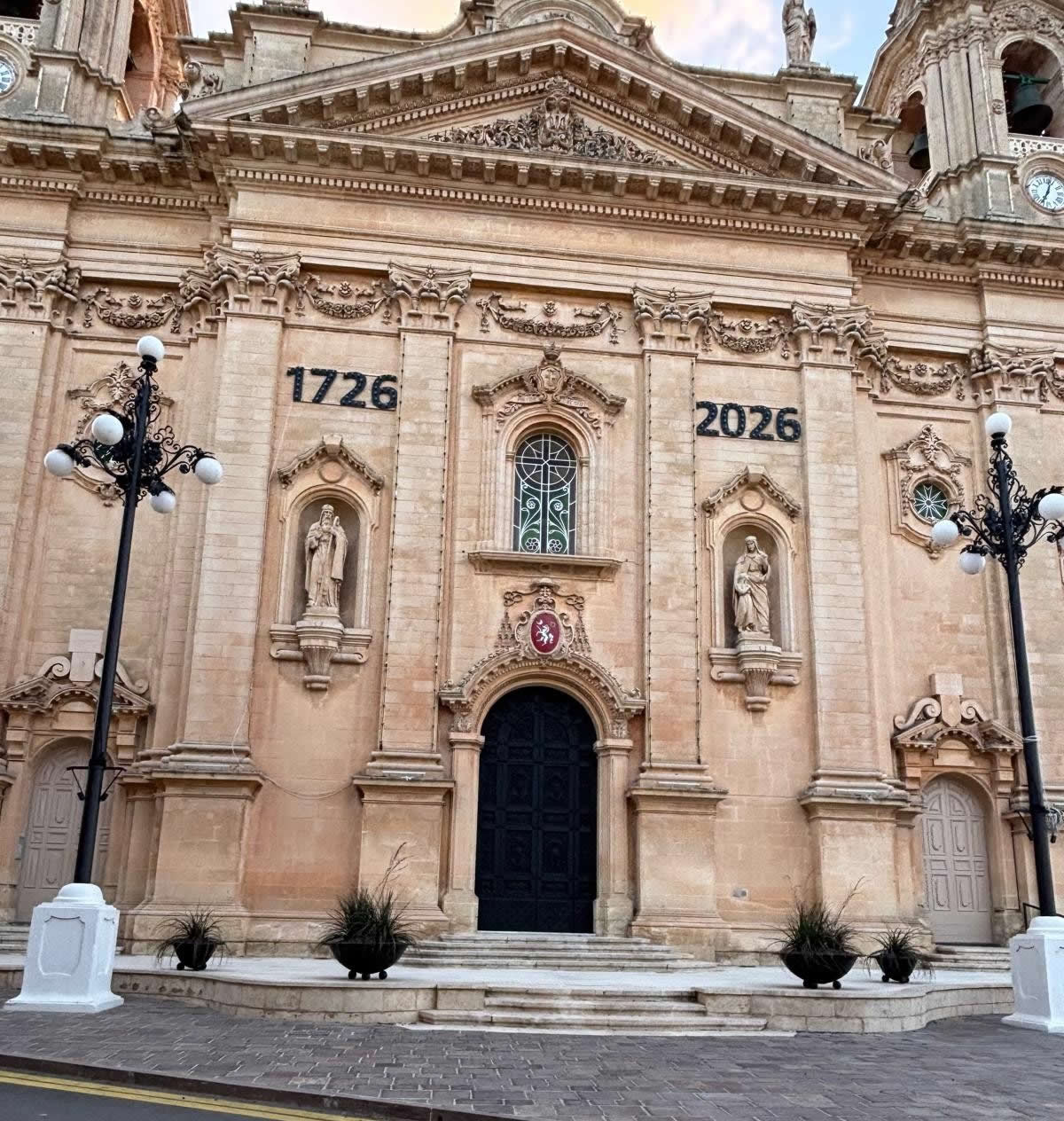
Construction of the present church started in 1616 during the rule of the Knights of St. John, under the direction of the Maltese architect Tommaso Dingli. It replaced an earlier, smaller place of worship that could no longer accommodate the growing community. The current structure was completed and consecrated in 1732, marking more than a century of gradual expansion and embellishment.
Architectural Description
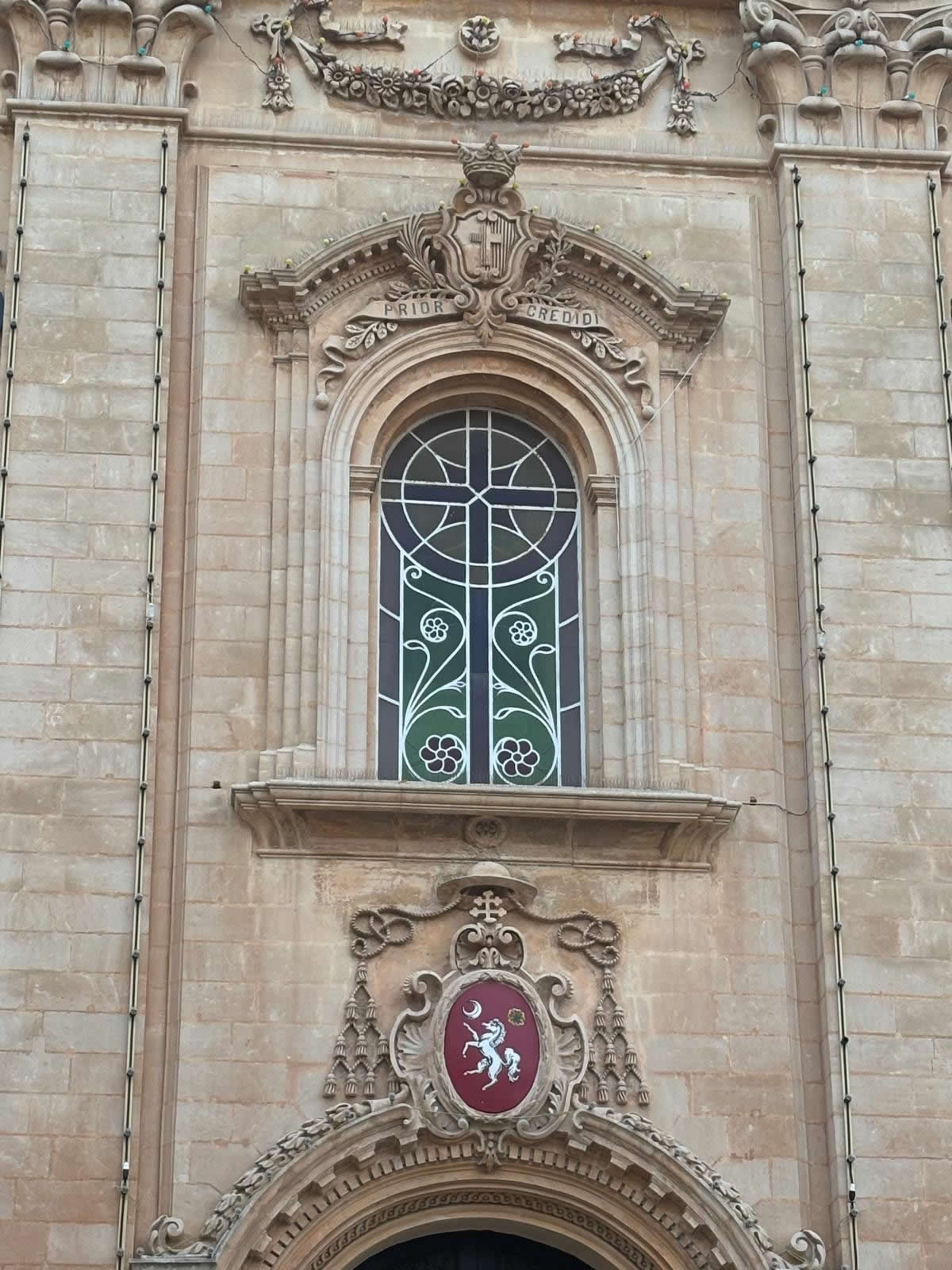
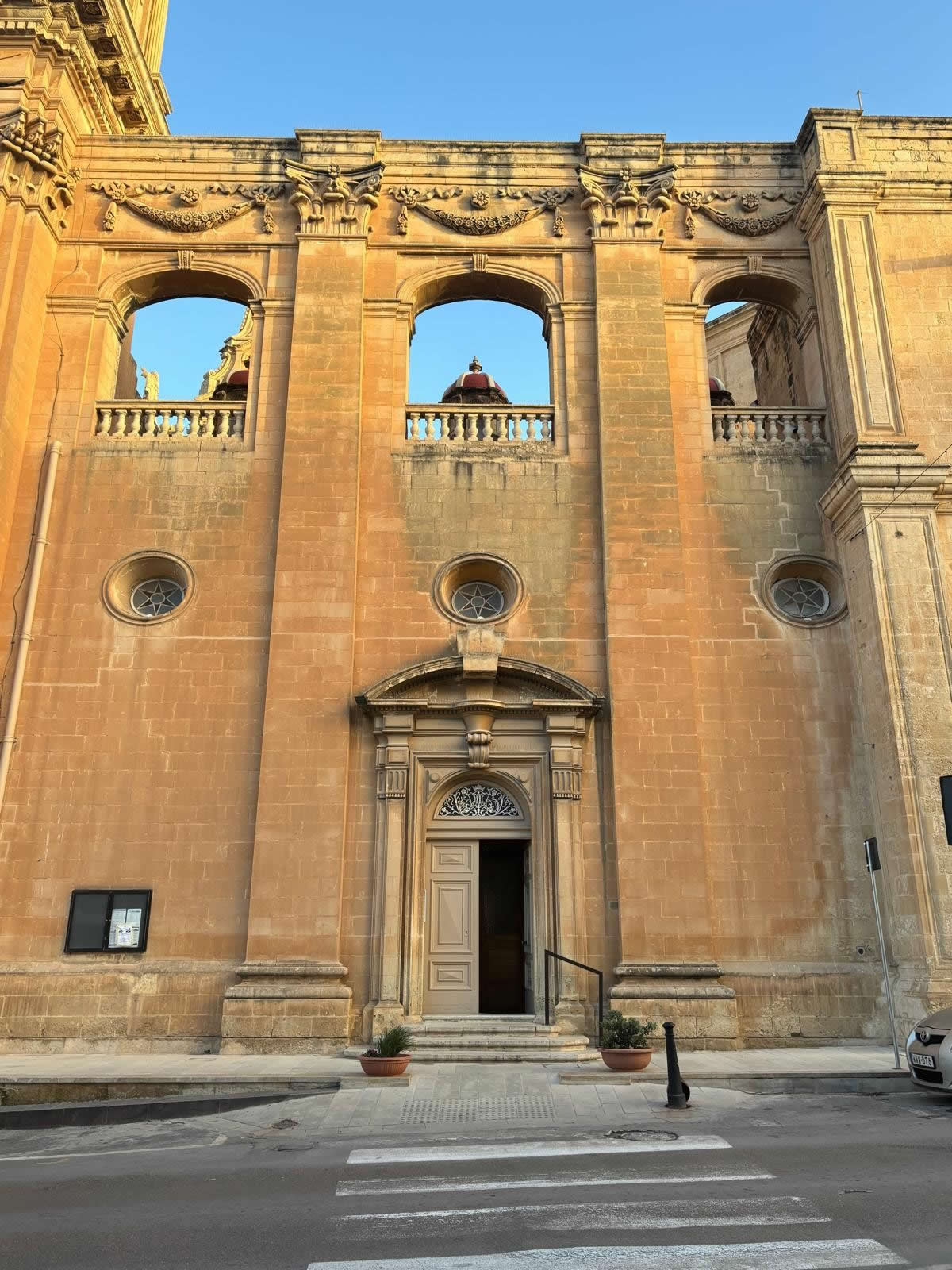
The Church of the Nativity of Mary is an outstanding example of early Maltese Baroque, conceived at a time when the island was adopting continental artistic influences. The facade displays strong symmetry with twin bell towers, a central pediment, and balustrades typical of Dingli’s style. The stonework, crafted from Malta’s characteristic globigerina limestone, displays fine details and subtle play of light at different hours of the day.
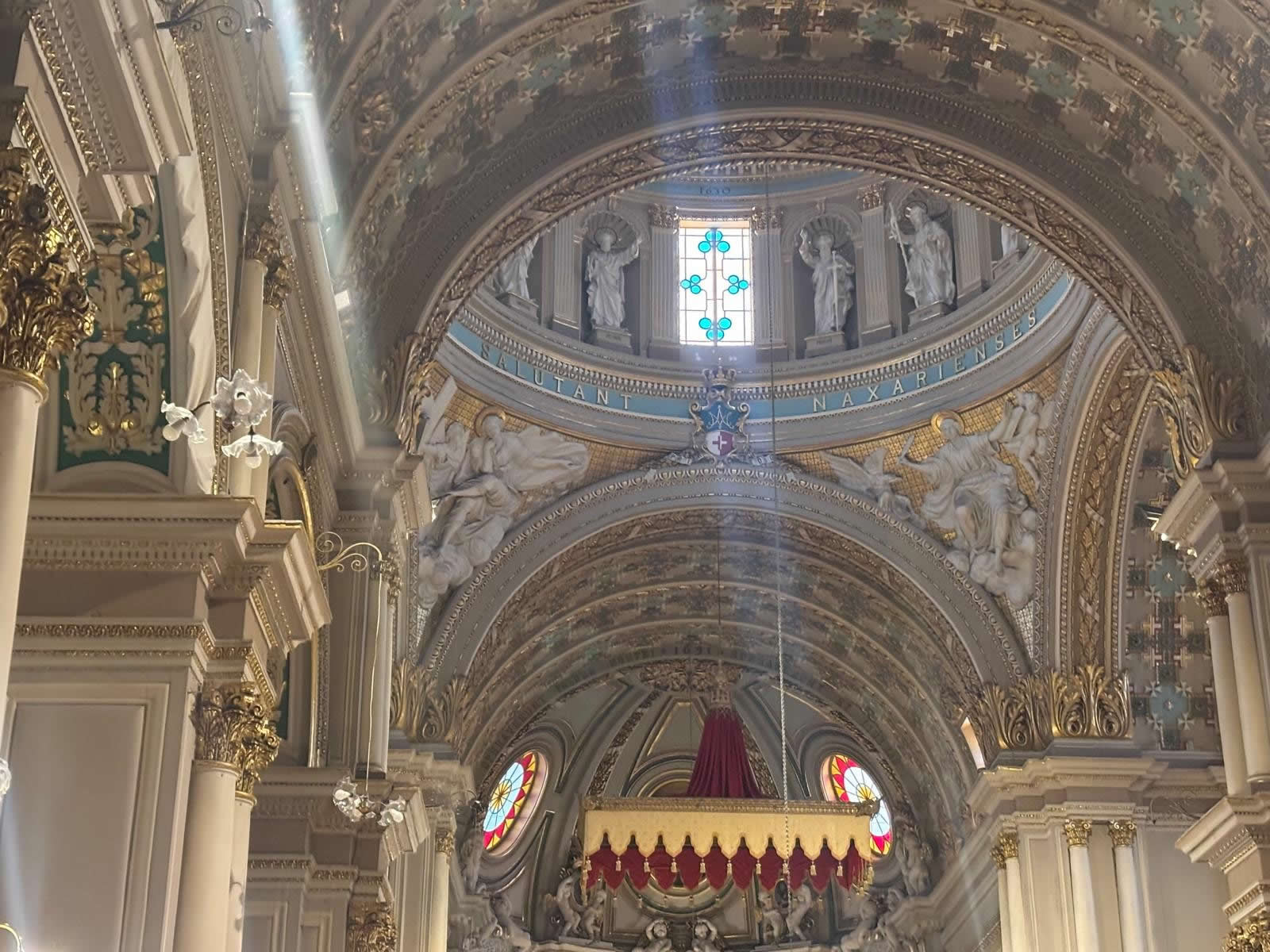
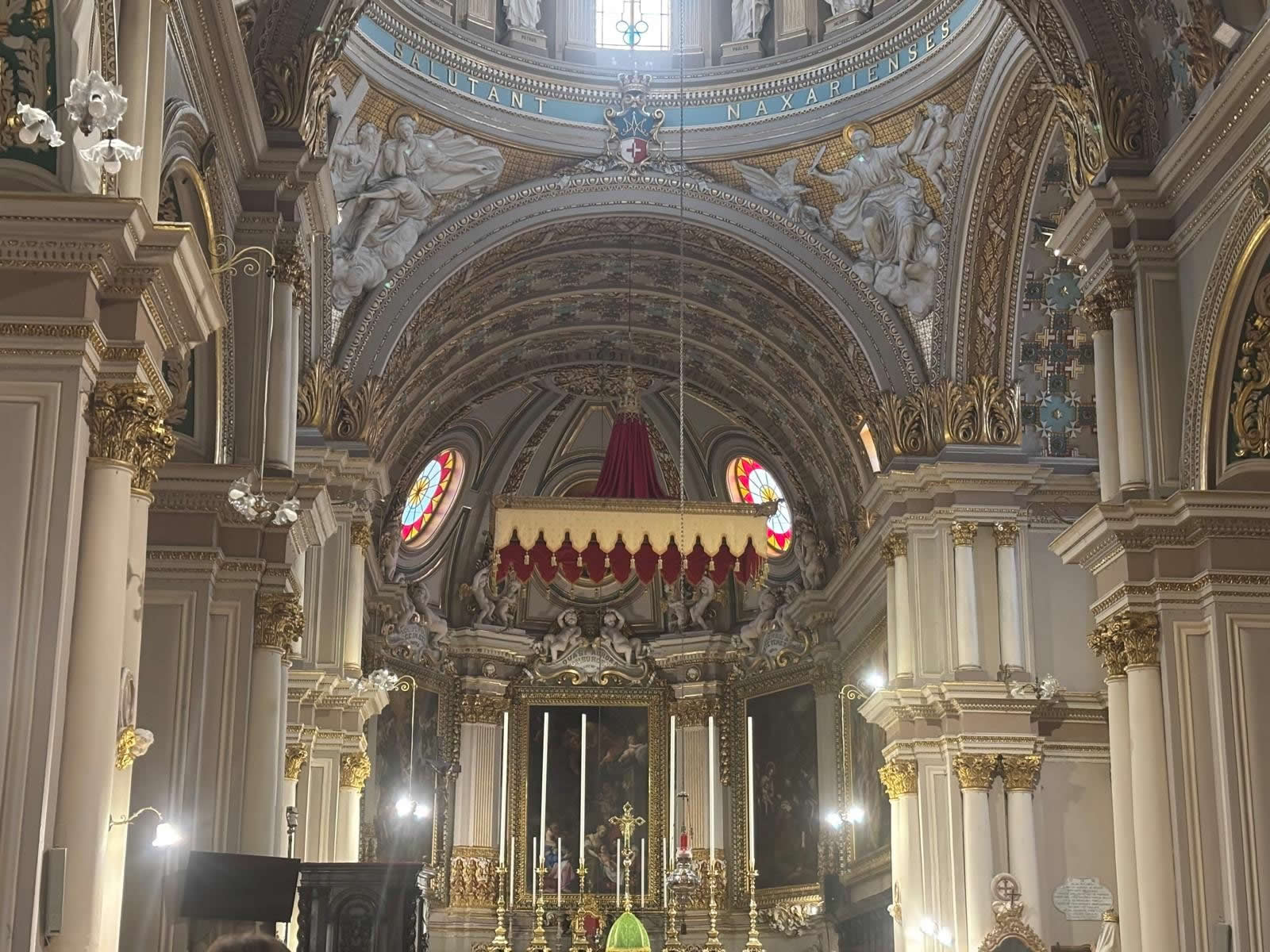
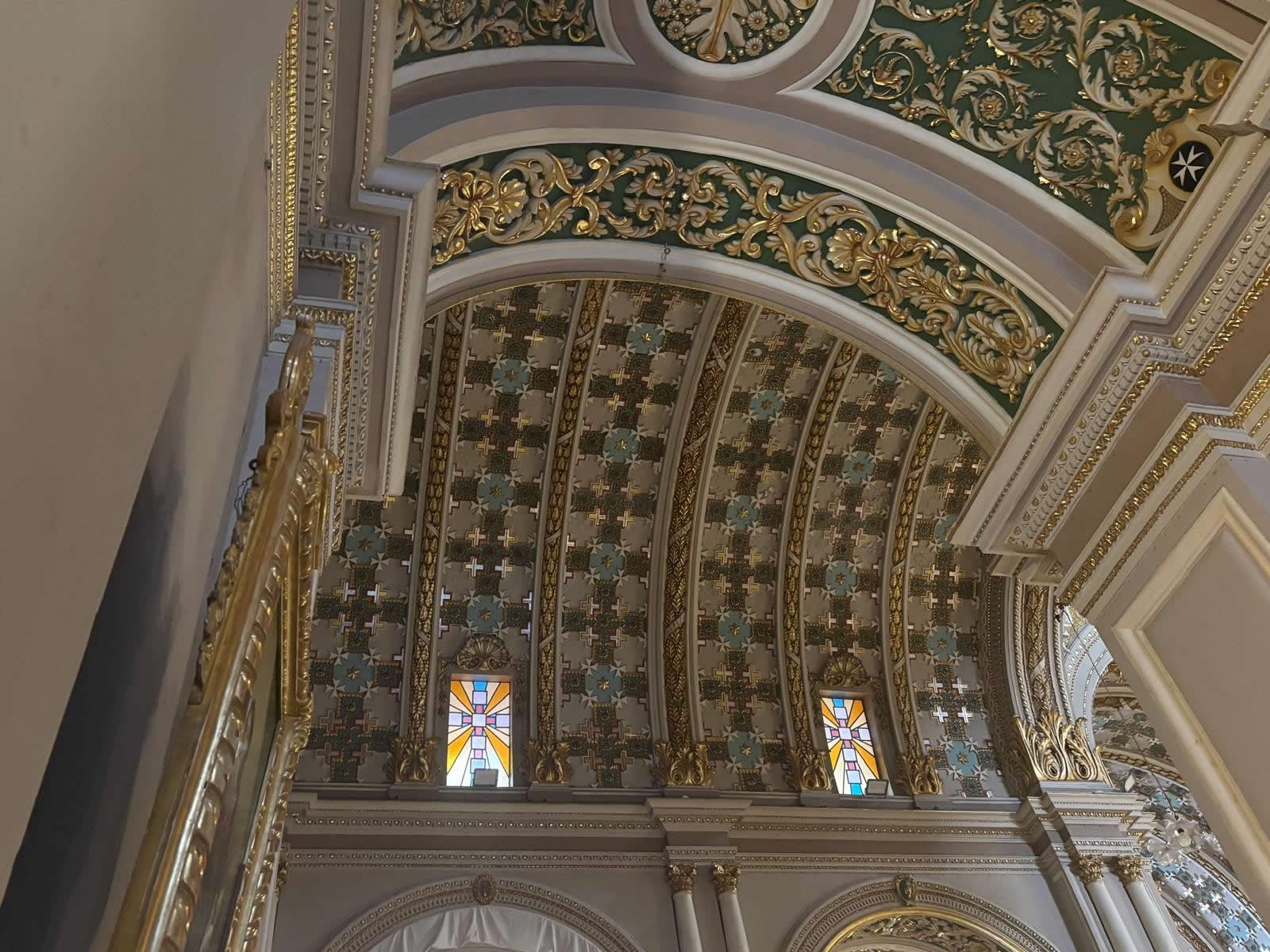
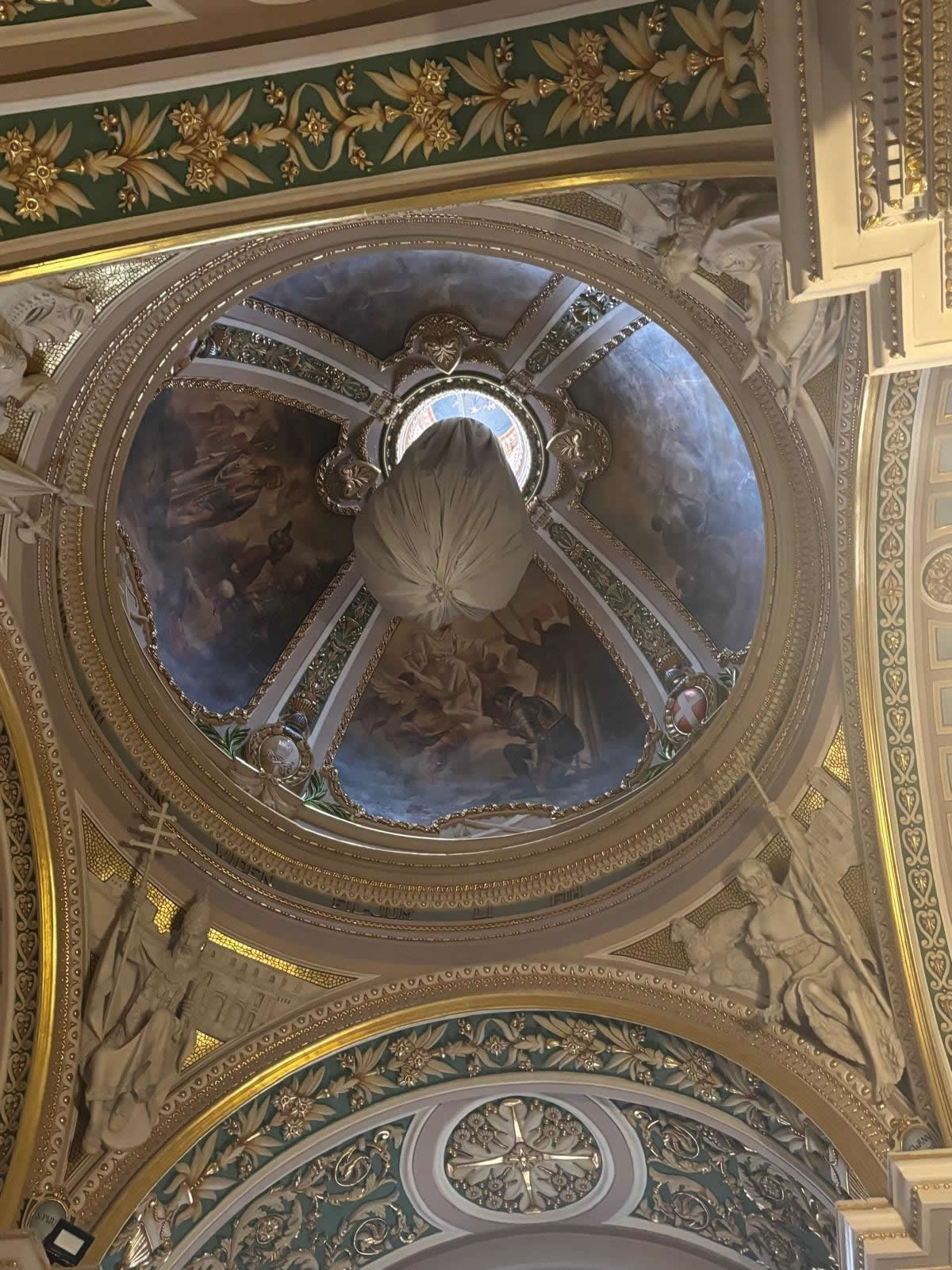
The interior layout follows the traditional Latin cross plan, with a prominent dome above the crossing. Pilasters and arches guide the visitor’s gaze toward the richly decorated high altar. The church’s dome and apse were later enhanced by eighteenth‑century craftsmen, who introduced ornate stucco work and gilded motifs reflecting the island’s Baroque aesthetic.
Artistic Heritage
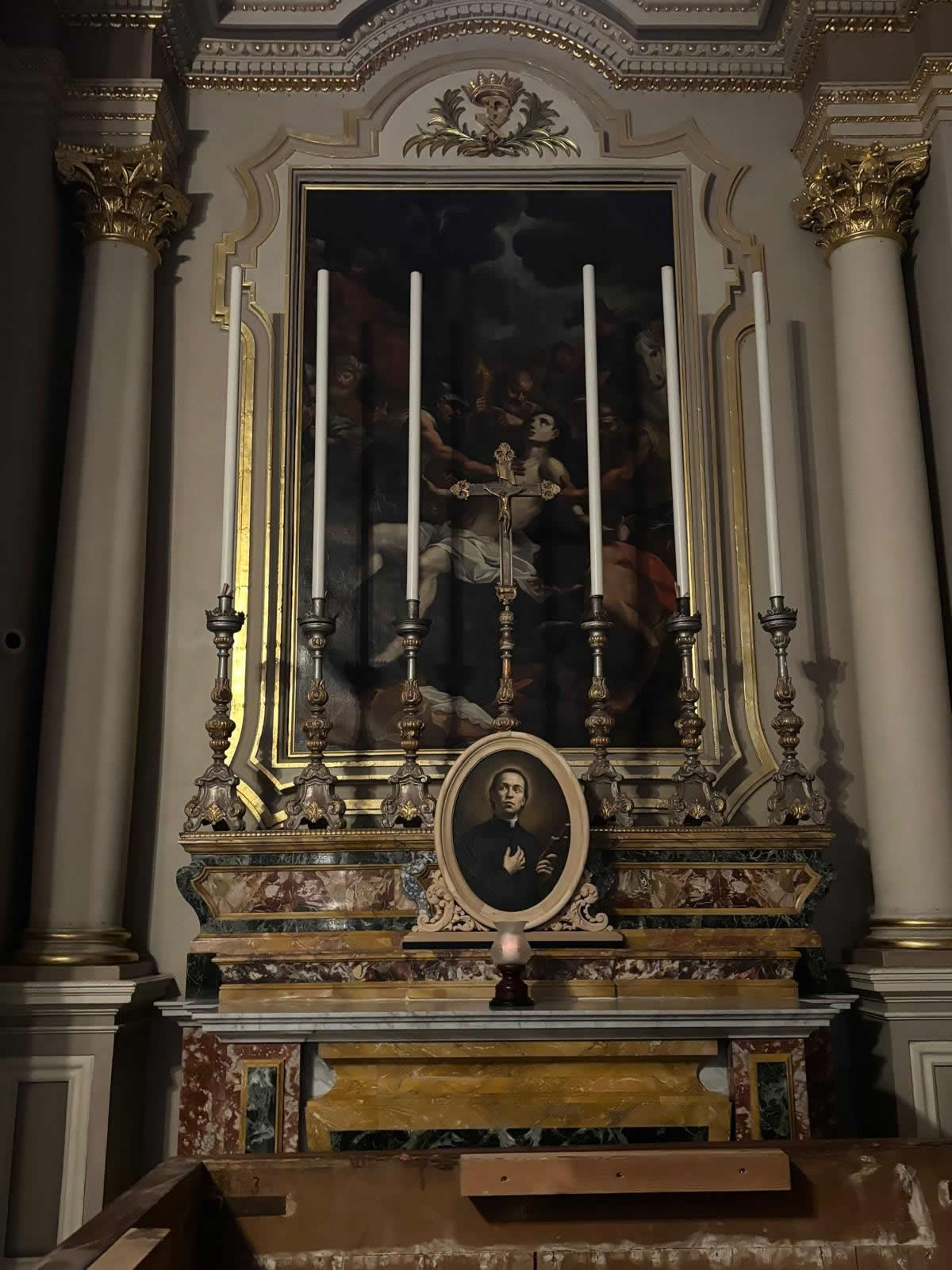
The church houses an impressive collection of sacred art, including paintings attributed to Stefano Erardi, one of Malta’s leading Baroque painters. The titular painting depicting the Nativity of the Virgin Mary adorns the main altar, surrounded by ornate golden framework. Additional side chapels honour St.Paul, St.Joseph, Our Lady of the Rosary, and the Immaculate Conception, each containing valuable paintings, sculptures, and silver ornaments.
Marble pavements, carved confessionals, and carved wooden choir stalls complete the visual richness of the interior. Several 18th‑ and 19th‑century silver processional statues, still used during the annual Marian feast, are preserved in the sacristy and neighbouring parish museum.
Restoration and Preservation Work
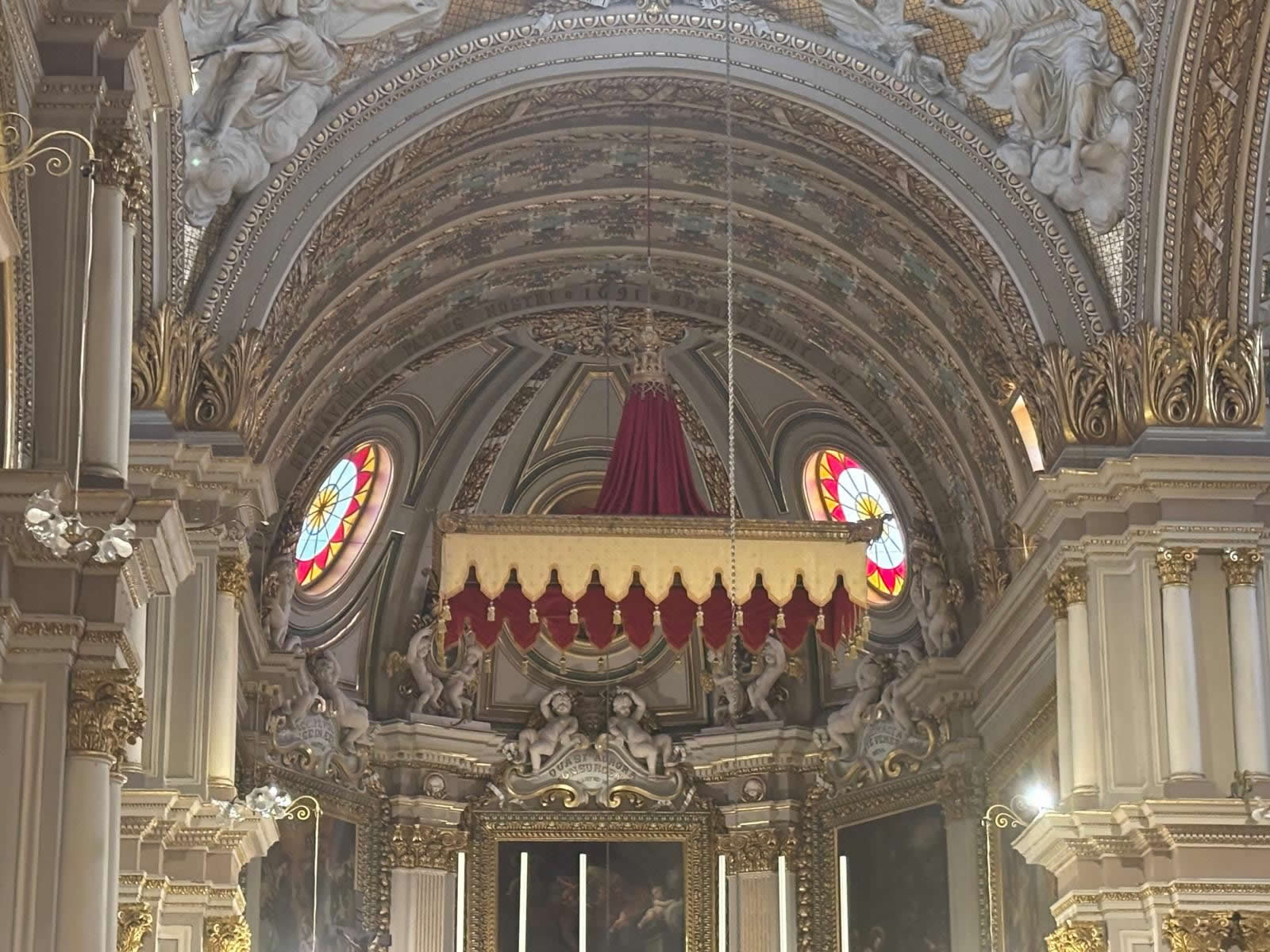
Over the centuries, exposure to humidity and environmental wear necessitated multiple restoration campaigns. Major works were carried out in the late 1800s, followed by a comprehensive conservation programme launched in the early 21st century. This effort included structural consolidation of the bell towers, cleaning of limestone facades, refurbishment of timber doors, and conservation of paintings and gilded surfaces.
These projects were supported by parish volunteers, local heritage organisations, and the Restoration Directorate of Malta, ensuring both authenticity and respect for original design. The ongoing maintenance plan focuses on preventive conservation, particularly of artworks most prone to salt crystallisation damage.
Religious and Cultural Life
The church continues to serve as the active parish centre of Naxxar. Its religious calendar reaches its peak each September during the Feast of the Nativity of Mary (Il‑Festa tan‑Naxxar), when the town brightens with lighted streets, band marches, fireworks, and the statue of Our Lady carried in procession. The event attracts pilgrims and visitors from across Malta, maintaining centuries‑old local traditions.
Apart from liturgical functions, the church hosts concerts, community events, and art exhibitions, reinforcing its role as both a house of worship and a cultural landmark for the Naxxar community.
Architect Tommaso Dingli
The church’s designer, Tommaso Dingli (1591–1666), was one of the earliest native Maltese architects to gain prominence under the Knights of St.John. In addition to Naxxar’s parish church, he was responsible for several architectural works, including churches in Attard and Birkirkara. His style balanced classical proportions with evolving Baroque ornamentation, contributing to the distinctive identity of 17th‑century Maltese ecclesiastical architecture.
The Naxxar Parish Museum
Adjoining the parish complex is the small but noteworthy Naxxar Parish Museum, which houses liturgical vestments, antique missals, votive offerings, and unique silver artefacts dating back more than three centuries. The museum provides valuable insight into local piety, craftsmanship, and community history.
Visitor Information
- Address: Parish Square, Naxxar NXR 1050, Malta
- Phone: +356 2143 1372
- Email: [email protected]
- Opening Hours: Mon–Sat 07:30 – 19:00 · Sun 07:00 – 20:00
- Coordinates: 35.914830N, 14.444461E
Visitors can reach the church easily from Valletta or Mosta by public transport. Modest dress and respectful behaviour are appreciated within the church premises. Photography is permitted without flash except during religious services.
Nearby Points of Interest
Within walking distance are the Palazzo Parisio, the Naxxar parish square’s traditional townhouses, and heritage sites such as the Naxxar Peace Memorial and Victoria Lines. Exploring these nearby landmarks complements a visit to the parish church and offers a view into Malta’s architectural evolution from the 17th to the 19th centuries.
Churchlist.html