📍 Location
Location Map Coordinates 35.898109, 14.516085
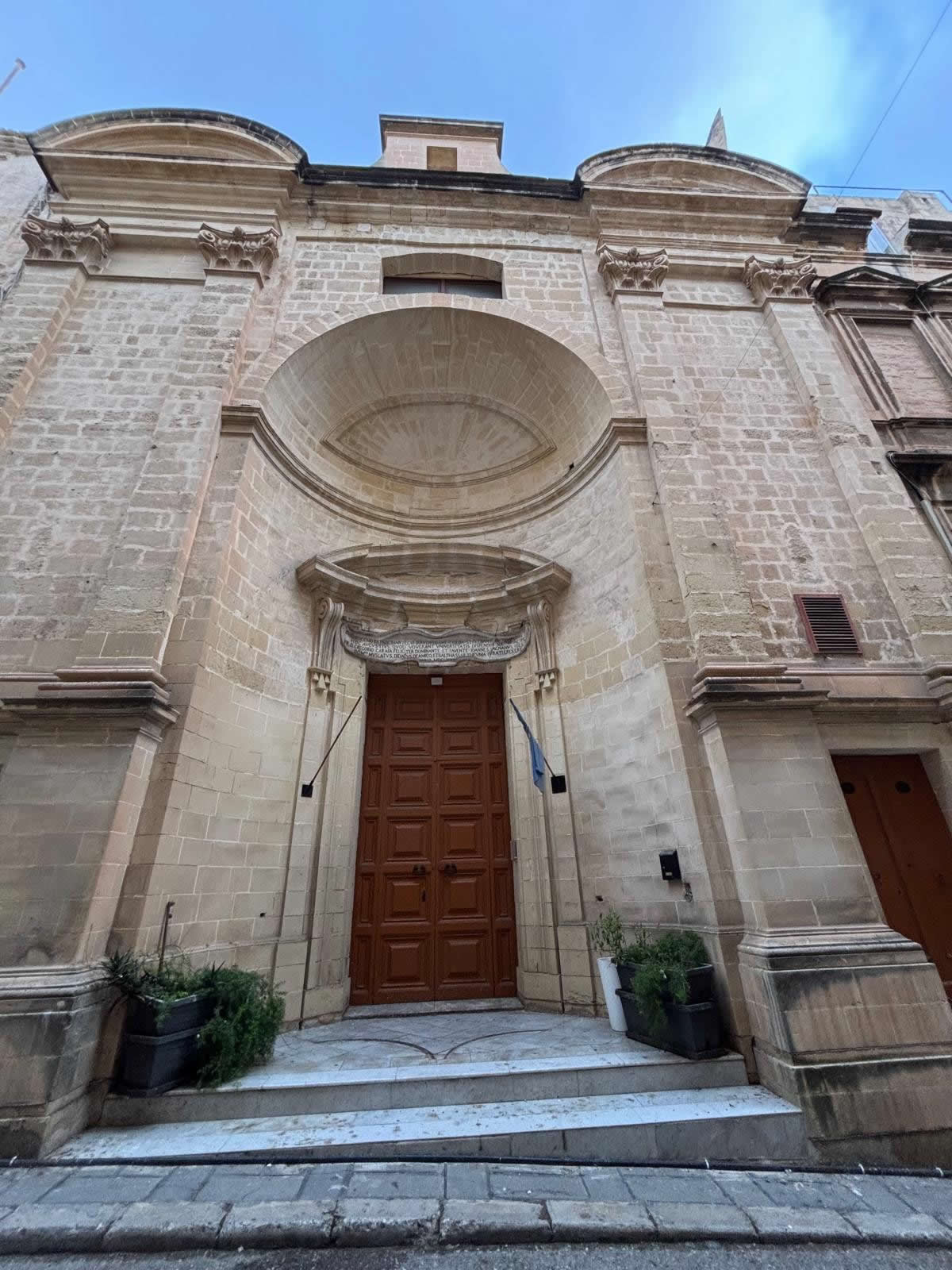
Former Church of St Roch (Santu Rokku), Valletta, Malta
Introduction
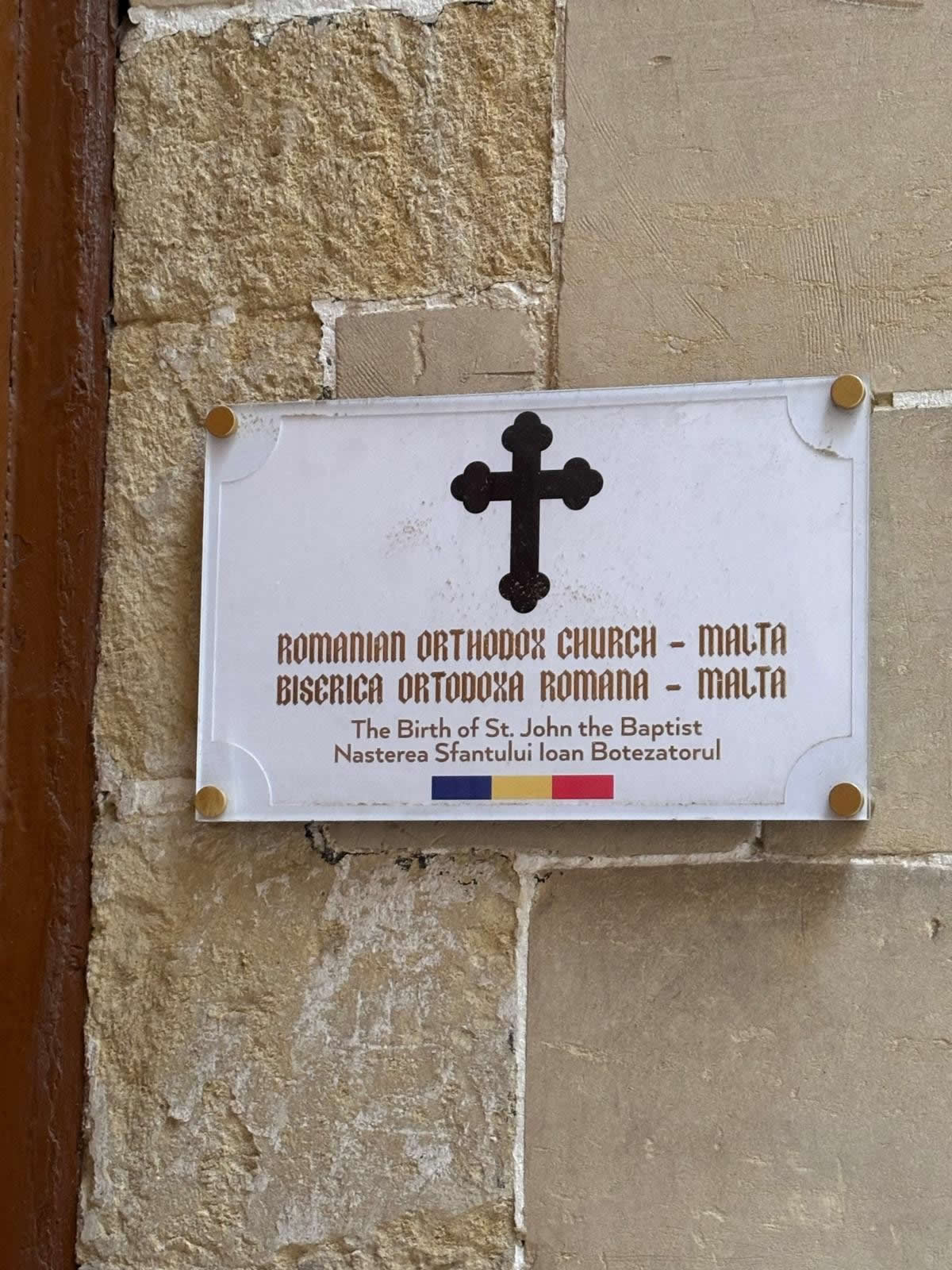
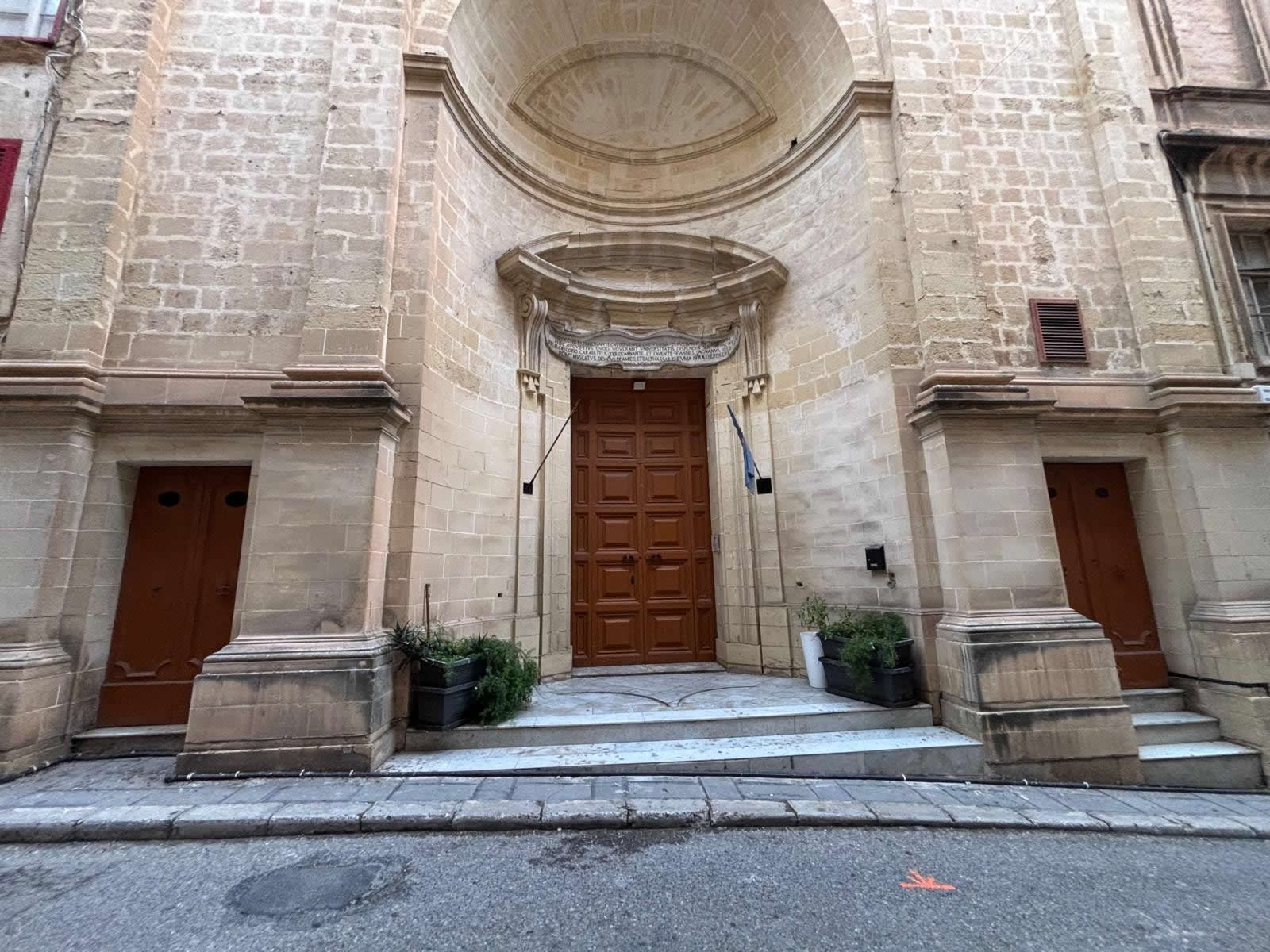
The Romanian Orthodox Church of the Birth of St John the Baptist in Valletta is located within the historic Church of St Roch (Santu Rokku) in St Ursula Street. The church represents an interesting example of how Malta’s historic religious buildings continue to serve evolving communities and traditions. Originally constructed as a Roman Catholic church in the early seventeenth century, the building today serves as the main place of worship for the Romanian Orthodox community in Malta.
The church stands within the historic core of Valletta and is an example of Maltese Baroque religious architecture. While its dedication historically honoured Saint Roch, the church now functions as the official parish of the Romanian Orthodox Church in Malta, whose community gathers here for Orthodox liturgical celebrations.
Origins of the Church of St Roch
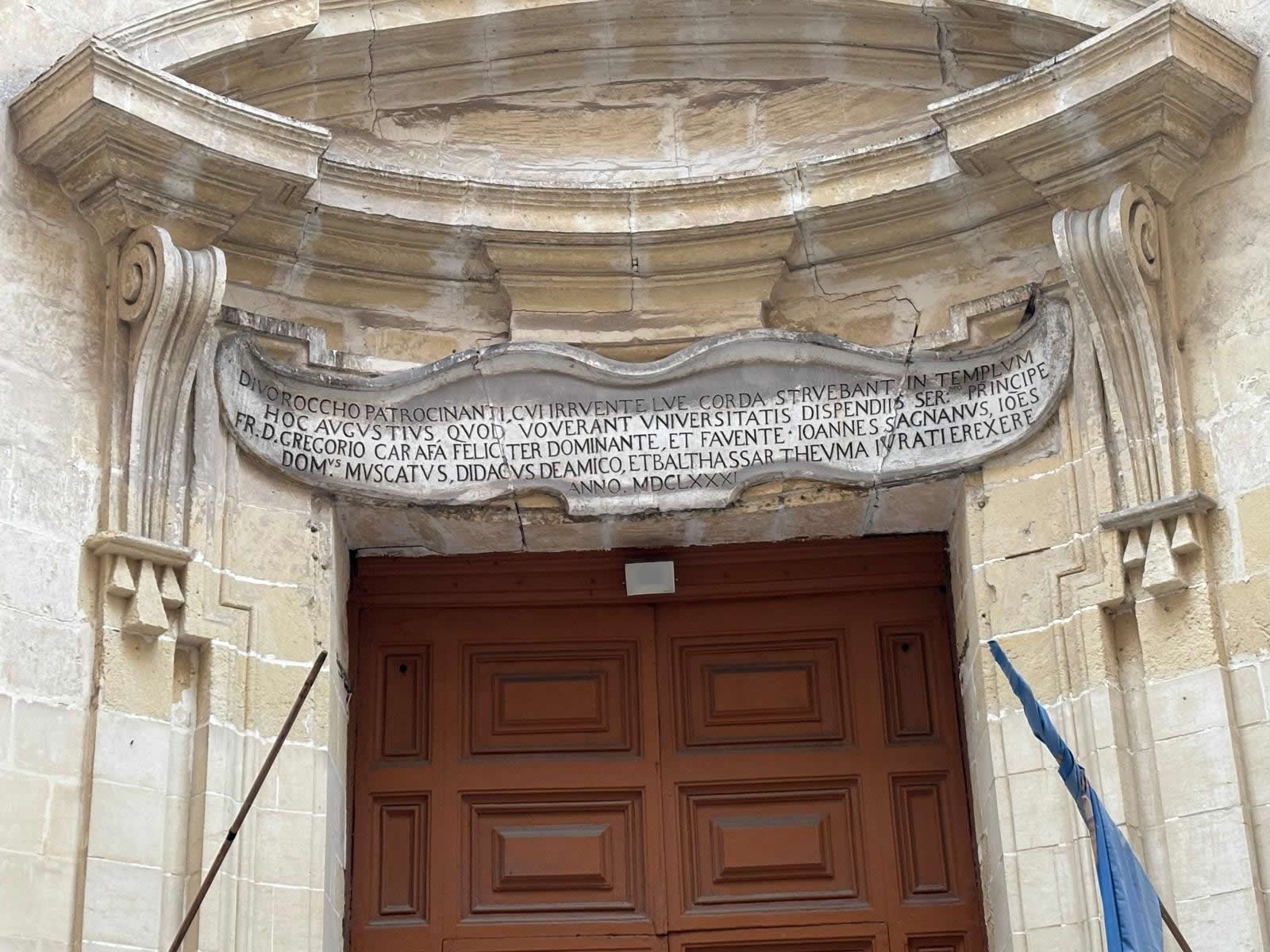
The origins of the church date back to the late sixteenth century during the period of rule of the Knights Hospitaller of St John. The church was built as the fulfilment of a vow made during a devastating outbreak of plague in 1593.
Saint Roch, known in Maltese as San Rokku, was widely venerated as a protector against epidemics and contagious diseases. Throughout Europe, churches and chapels dedicated to the saint were often erected in gratitude for deliverance from plague. The construction of this Valletta church followed that same tradition.
By the early seventeenth century the church had become a place of devotion for the residents of Valletta and seafarers entering the Grand Harbour. Its modest size and simple design distinguished it from the grand conventual churches of the Knights while still providing an important spiritual centre within the city.
Architecture
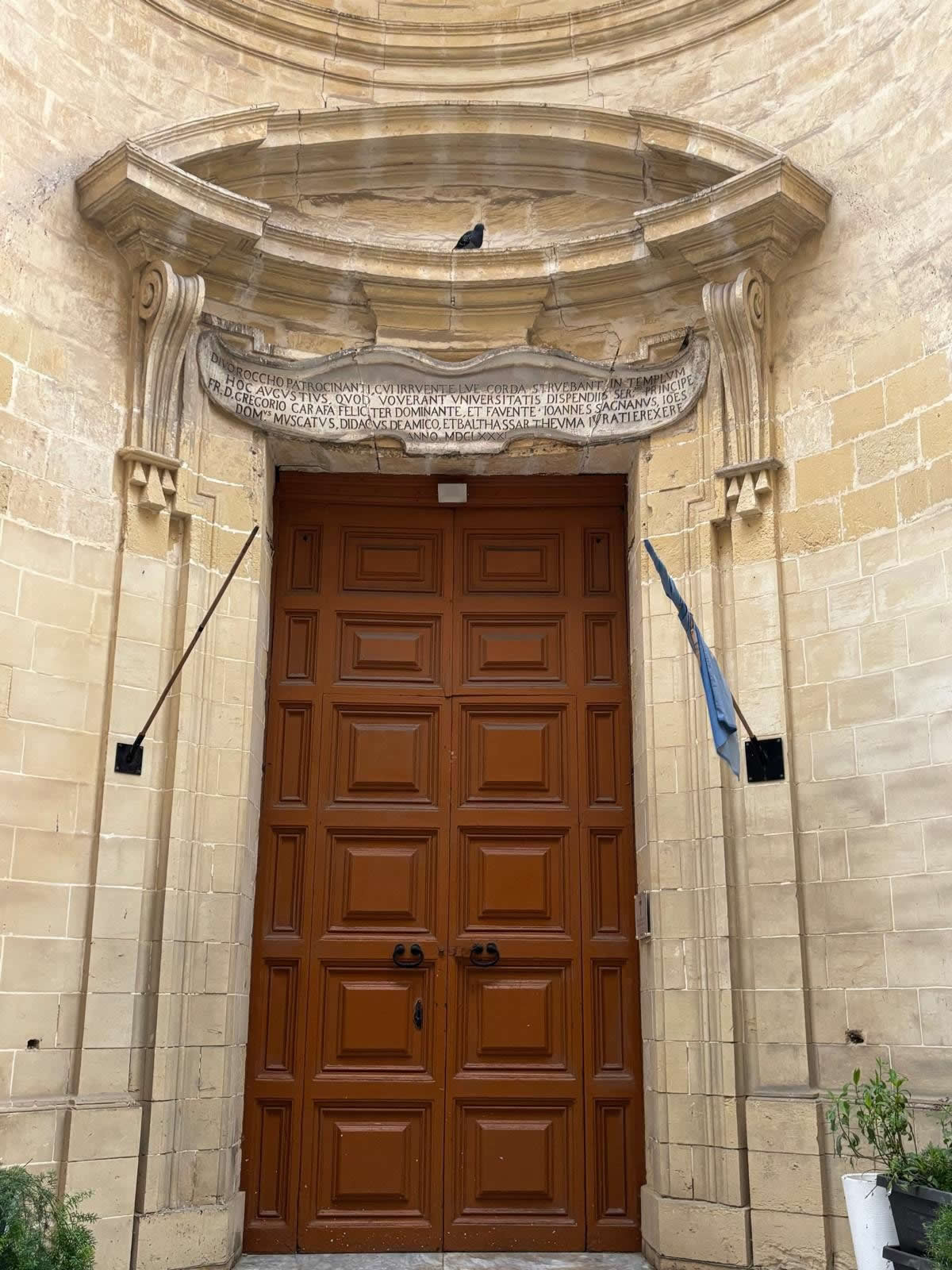
Architecturally the church reflects the Baroque style typical of many ecclesiastical buildings constructed in Valletta during the seventeenth century.
The façade is relatively simple yet elegant, featuring traditional Maltese limestone construction with decorative architectural elements framing the main doorway and windows. The church interior follows a single-nave layout which focuses attention on the main altar.
Like many small devotional churches built during the era of the Knights of St John, the building was designed primarily for local worship rather than large congregations. The modest scale contributes to the intimate atmosphere experienced by visitors and worshippers today.
Transition to Orthodox Use
In the early twenty-first century Malta experienced a significant increase in immigration from Eastern Europe, including Romania and Moldova. As the Orthodox Christian population in Malta grew, the need arose for a permanent place of worship for the Romanian Orthodox community.
The Romanian Orthodox parish dedicated to The Birth of St John the Baptist was officially established on 7 April 2014 with the approval of Bishop Siluan of the Romanian Orthodox Diocese of Italy and Malta.
The community was granted use of the historic Church of St Roch in Valletta, which remains the property of the Roman Catholic Archdiocese of Malta.
Since then the church has served as the primary place of Orthodox worship in Malta, hosting regular liturgies and religious celebrations.
The Romanian Orthodox Community in Malta
The Romanian Orthodox community in Malta has grown steadily over the past two decades as more Romanians and Moldavians have settled on the island for employment and study. The parish centred on the Church of St Roch has become an important cultural and spiritual hub for these communities.
Services are conducted according to the Byzantine rite of the Romanian Orthodox Church. Orthodox liturgy typically includes the chanting of hymns, the use of icons, and the celebration of the Divine Liturgy of St John Chrysostom.
The parish is led by a resident priest and supported by a parish council and community volunteers. The church remains open not only to Romanians but also to other Orthodox Christians living in Malta.
Interior and Iconography
Orthodox worship places particular emphasis on sacred images known as icons. Within the church interior, icons depicting Christ, the Virgin Mary, and various saints are placed prominently to guide prayer and devotion.
One of the most distinctive elements of Orthodox church interiors is the iconostasis, a decorated screen separating the sanctuary from the nave. This symbolic barrier emphasises the sacred nature of the altar while still allowing the faithful to participate in the liturgy.
The presence of iconography and Eastern liturgical furnishings has transformed the interior atmosphere of the church while still respecting the historic Baroque structure of the building.
Religious Celebrations
The parish celebrates the major feasts of the Orthodox Christian calendar, including Christmas, Easter (Pascha), and the feast of The Birth of St John the Baptist on 24 June.
Weekly services include the Sunday Divine Liturgy as well as weekday prayers and devotions. These gatherings provide an opportunity for Orthodox Christians in Malta to maintain their religious traditions and cultural identity.
Location
| Church Name | Romanian Orthodox Church – The Birth of St John the Baptist |
|---|---|
| Historic Dedication | St Roch (San Rokku) |
| Location | St Ursula Street, Valletta, Malta |
| Coordinates | 35.898109, 14.516085 |
| Original Construction | Early 17th century |
| Orthodox Parish Established | 7 April 2014 |
| Denomination | Romanian Orthodox Church |
Historical Importance
The Church of St Roch in Valletta illustrates the dynamic religious history of Malta. Originally built during the era of the Knights Hospitaller as a Roman Catholic church dedicated to a saint associated with protection from plague, the building has found new life in the modern era as the spiritual home of Malta’s Romanian Orthodox community.
Its continued use reflects both Malta’s historic tradition of Christian devotion and the increasingly multicultural character of the island’s population.