📍 Location
Location Map Coordinates 35.891555, 14.525463
Introduction
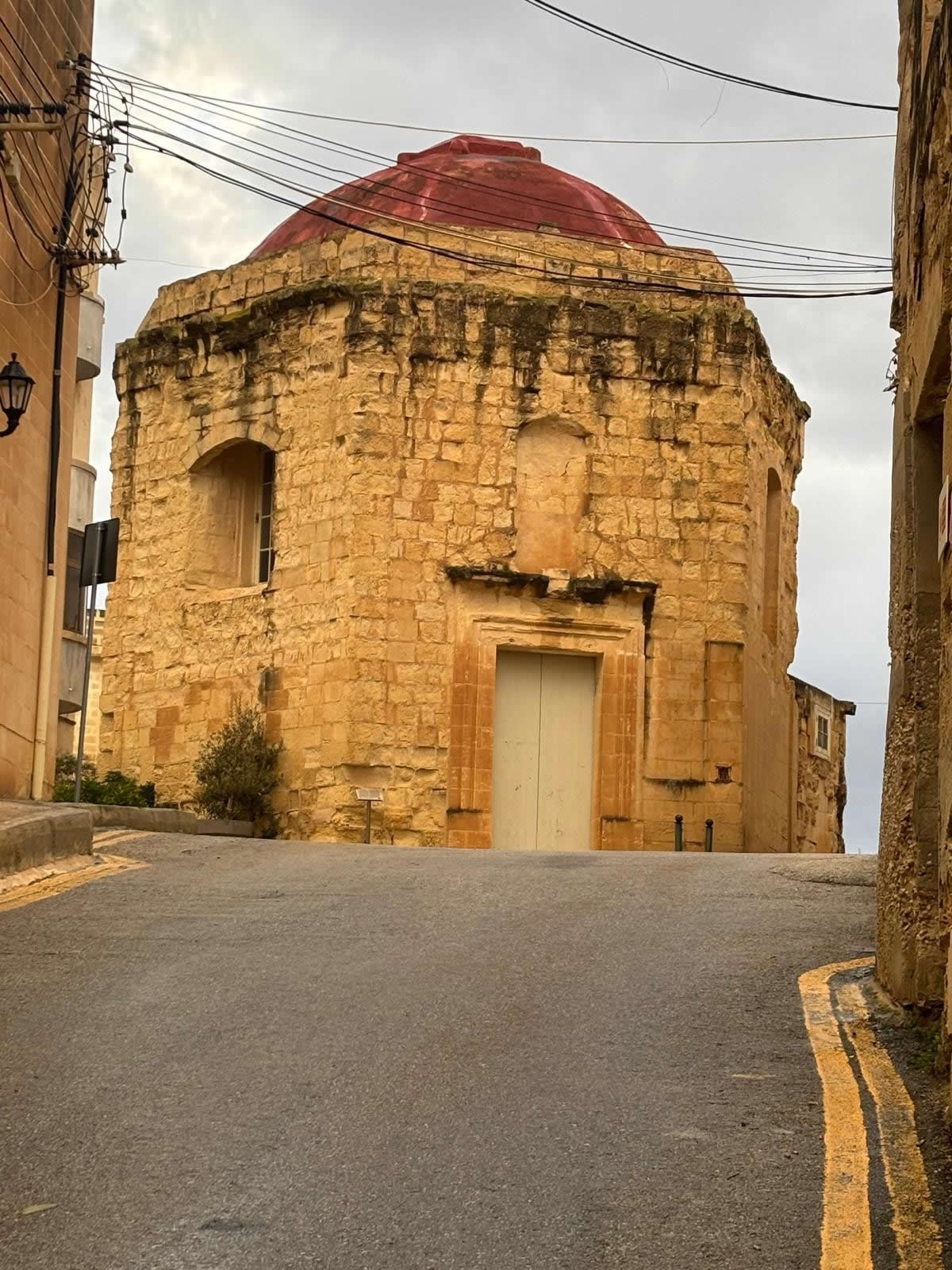
The Salvatur Church, also known in Maltese as Kappella tas-Salvatur, is a historic Roman Catholic chapel located in the town of Kalkara on the eastern coast of Malta. Positioned on a hill between Kalkara Creek and Rinella Bay, the chapel has long served as an important religious landmark within the harbour region.
Although modest in size, Salvatur Church possesses a long and complex history stretching back to the medieval period. Over the centuries the chapel has been rebuilt several times, reflecting the turbulent historical events that shaped the Maltese Islands.
Medieval Origins
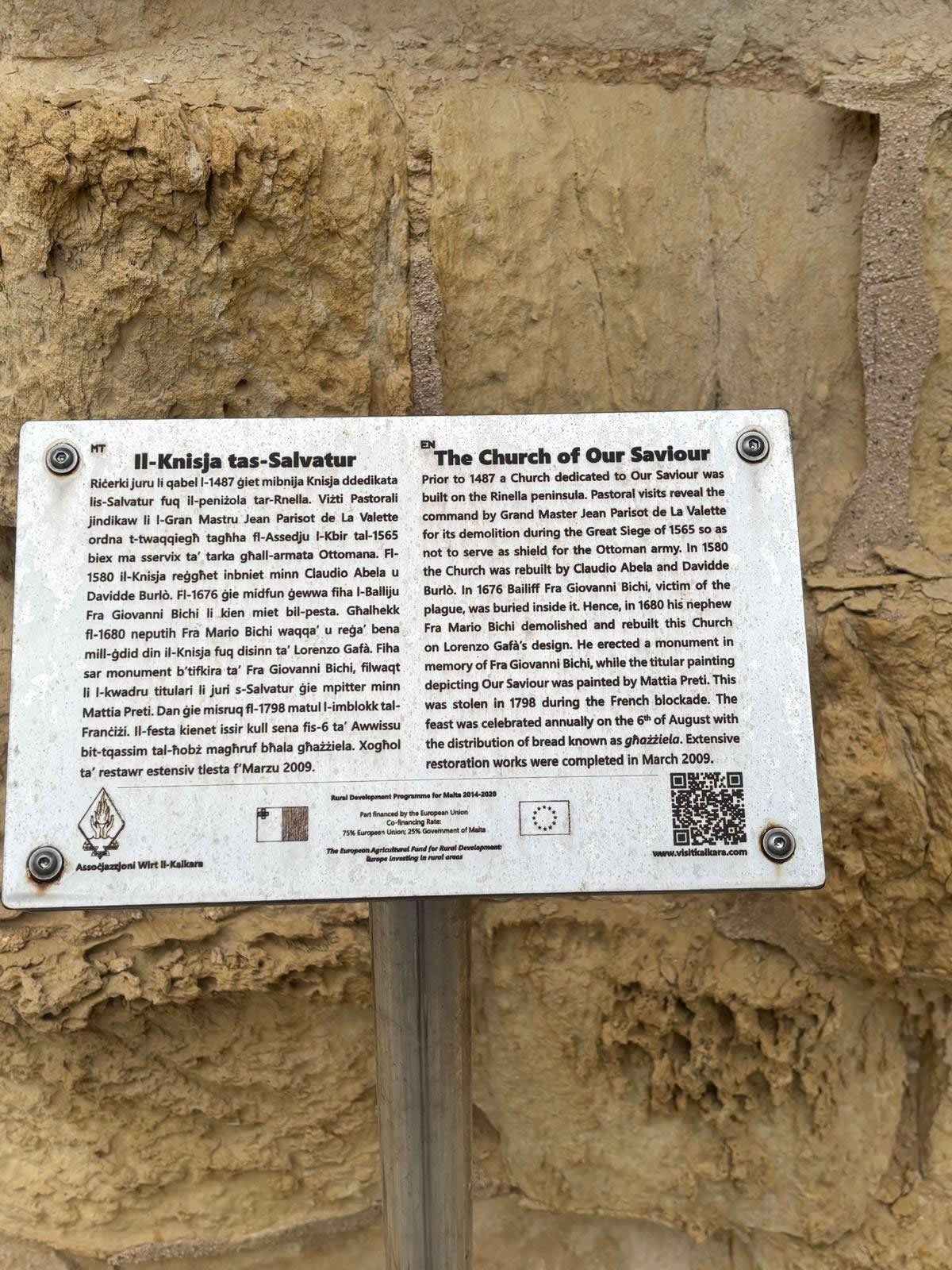
The exact foundation date of Salvatur Church remains uncertain, but historical documentation indicates that a chapel dedicated to Our Saviour existed on the site before 1436.
Some early historians suggest that the original chapel may have been founded around 1487, making it one of the oldest ecclesiastical buildings in the Kalkara area.
During the medieval period the area surrounding Kalkara was sparsely populated, consisting mainly of farmland and small coastal settlements. Small rural chapels were commonly built across Malta to provide places of prayer for farmers and travellers who lived far from larger parish churches.
The Great Siege of Malta
The original chapel suffered a dramatic fate during the Great Siege of Malta in 1565. During the Ottoman invasion the Knights of St John ordered the demolition of several buildings around the Grand Harbour in order to prevent them from providing shelter or defensive positions for the attacking forces.
The medieval chapel dedicated to Our Saviour was among the structures that were destroyed as part of these defensive measures.
Reconstruction in the Late Sixteenth Century
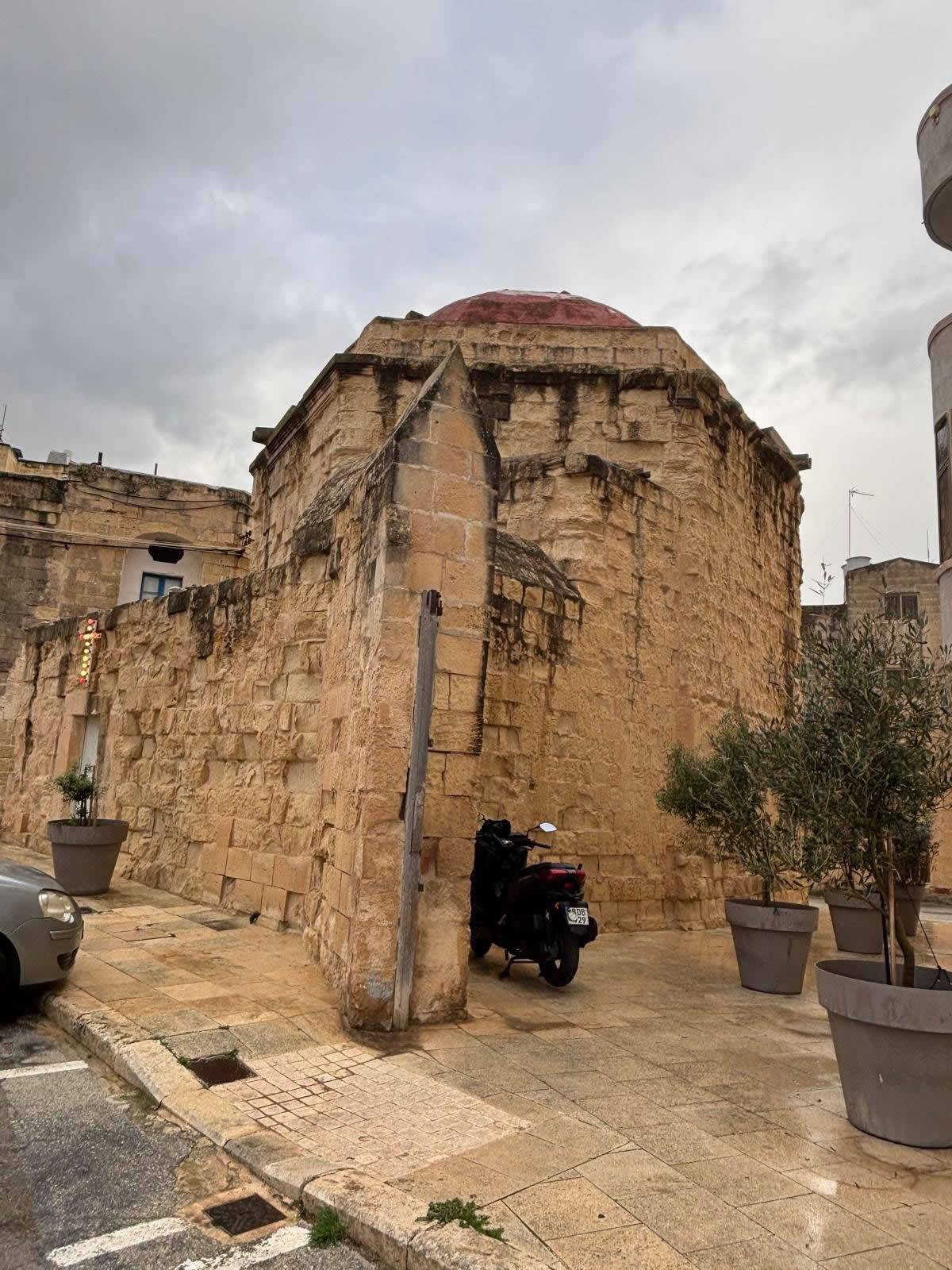
After the siege ended and peace was restored, efforts were made to rebuild the chapel. In 1580, permission was granted for the construction of a new church on the same site where the earlier chapel had stood.
This rebuilding marked the beginning of a new phase in the history of Salvatur Church, allowing the site to continue serving as a place of religious devotion within the harbour region.
The Bichi Family and the Baroque Reconstruction
A significant chapter in the history of the chapel occurred during the seventeenth century when the influential Bichi family became associated with the site.
Bailiff Fra Giovanni Bichi, nephew of Pope Alexander VII, owned property in the area and constructed a country residence nearby which later became known as Villa Bighi.
Fra Giovanni Bichi died during a plague epidemic in 1676 and was buried inside the chapel.
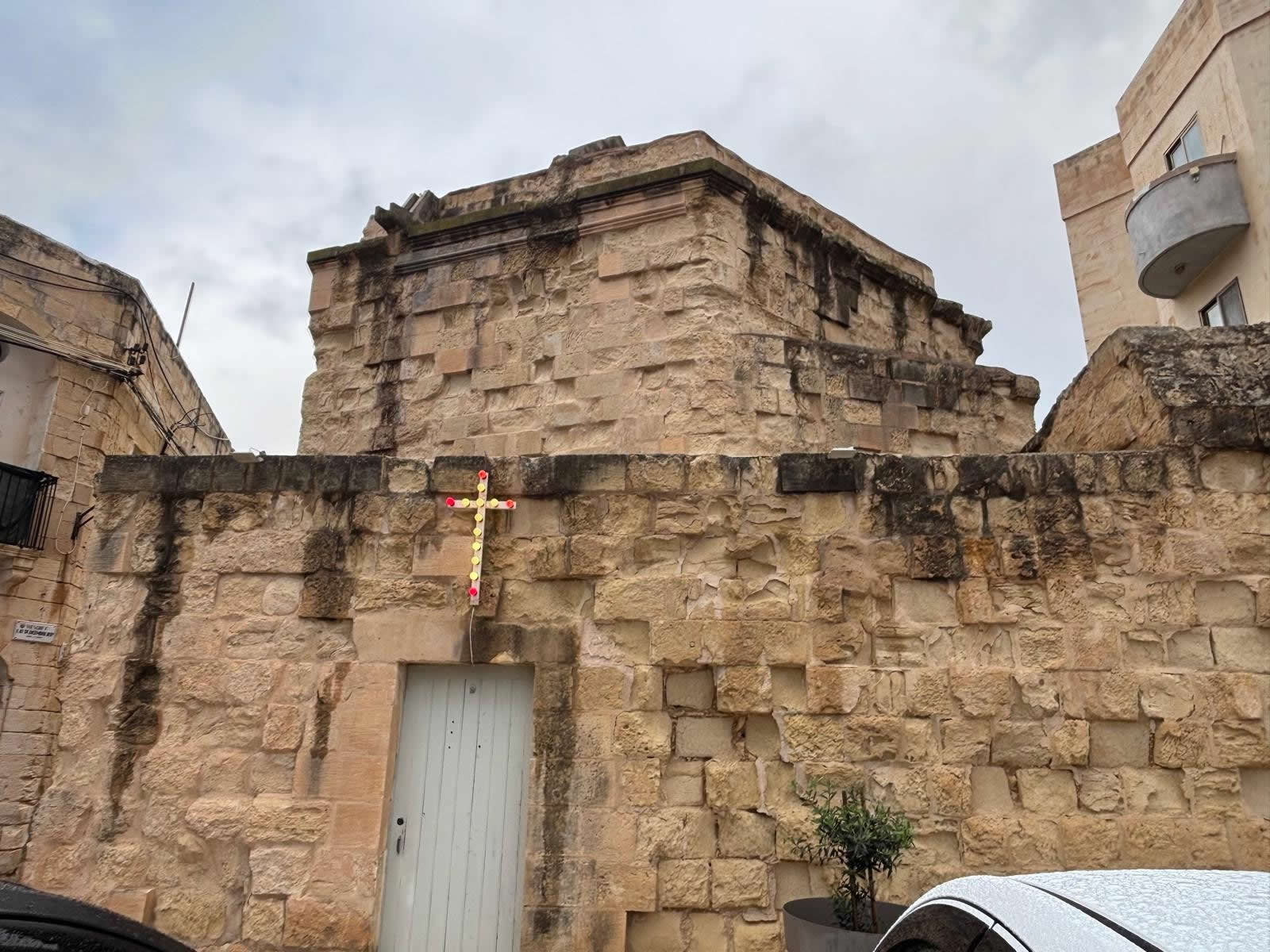
Shortly afterwards the chapel was once again rebuilt, this time around 1680–1681. The reconstruction was financed by Fra Mario Bichi and is believed to have been designed by the renowned Maltese Baroque architect Lorenzo Gafà.
Architecture
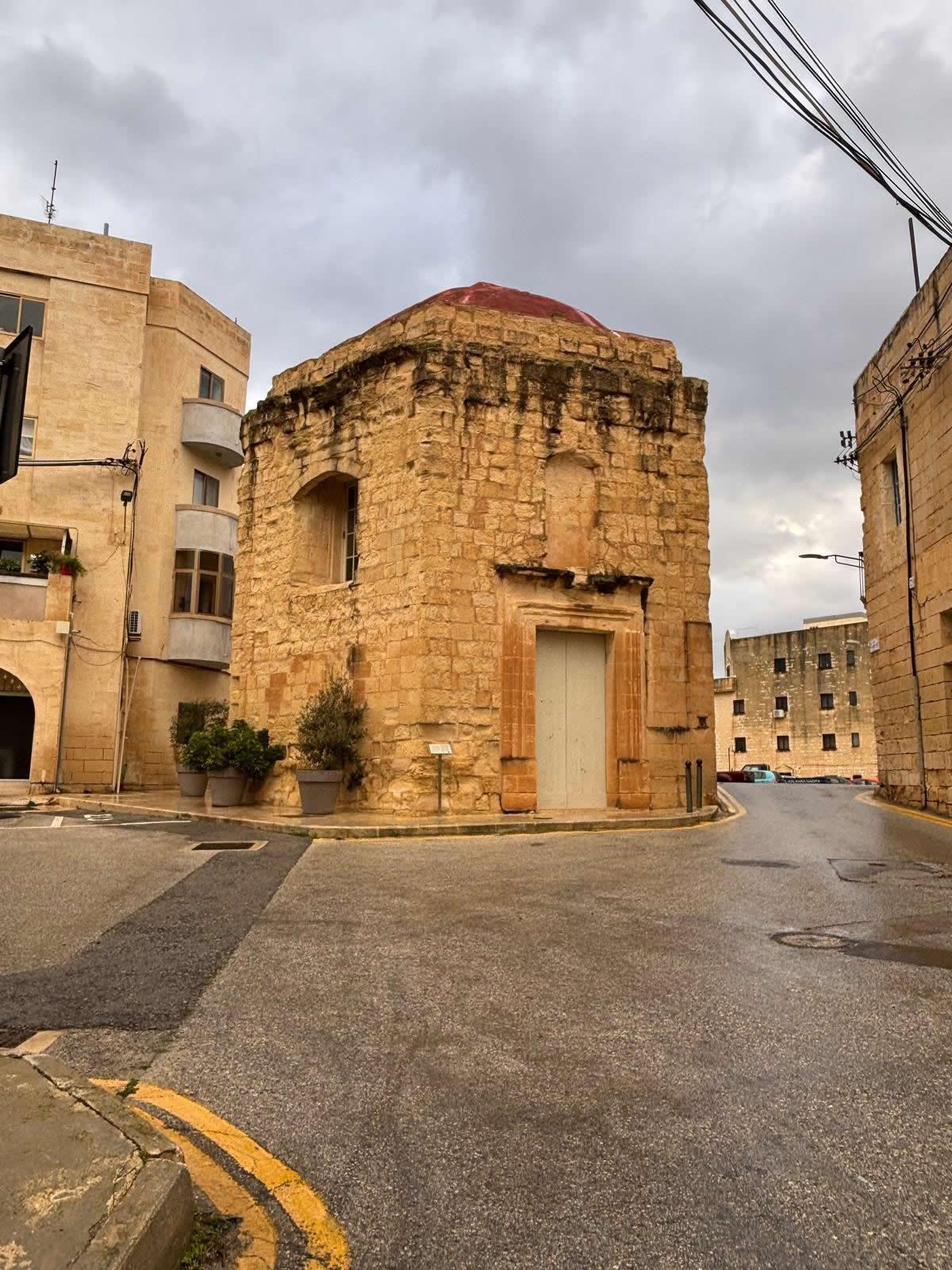
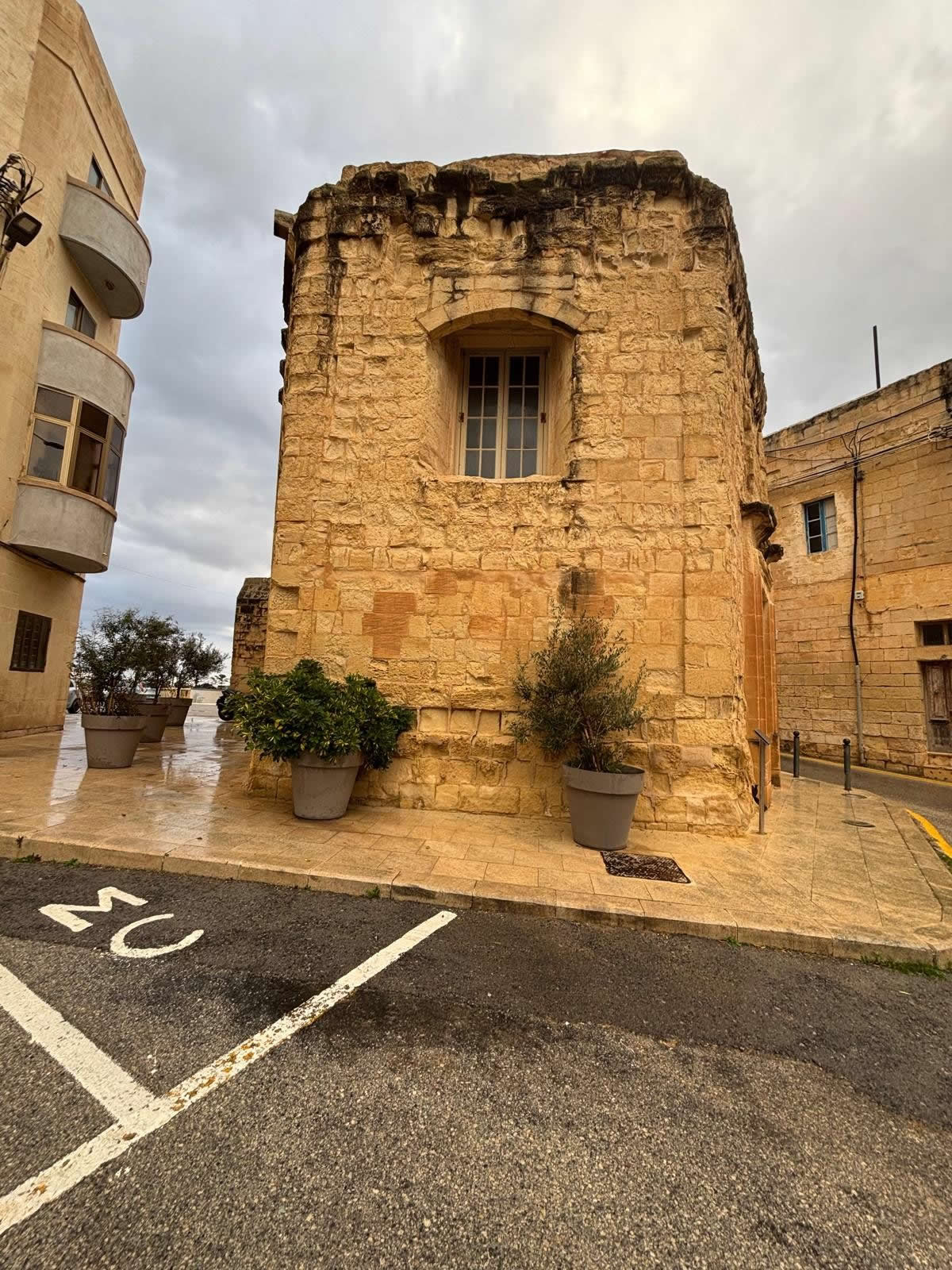
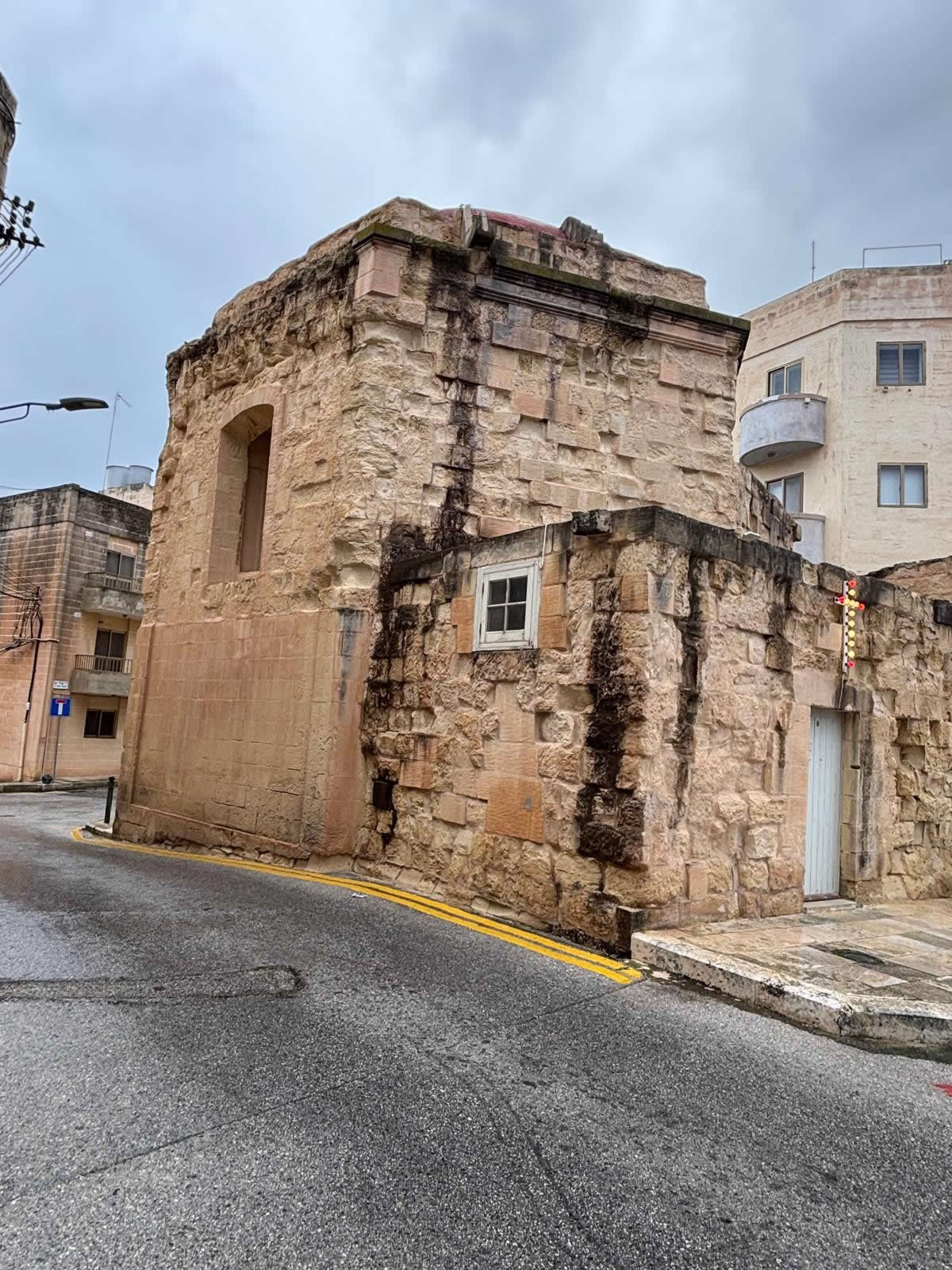
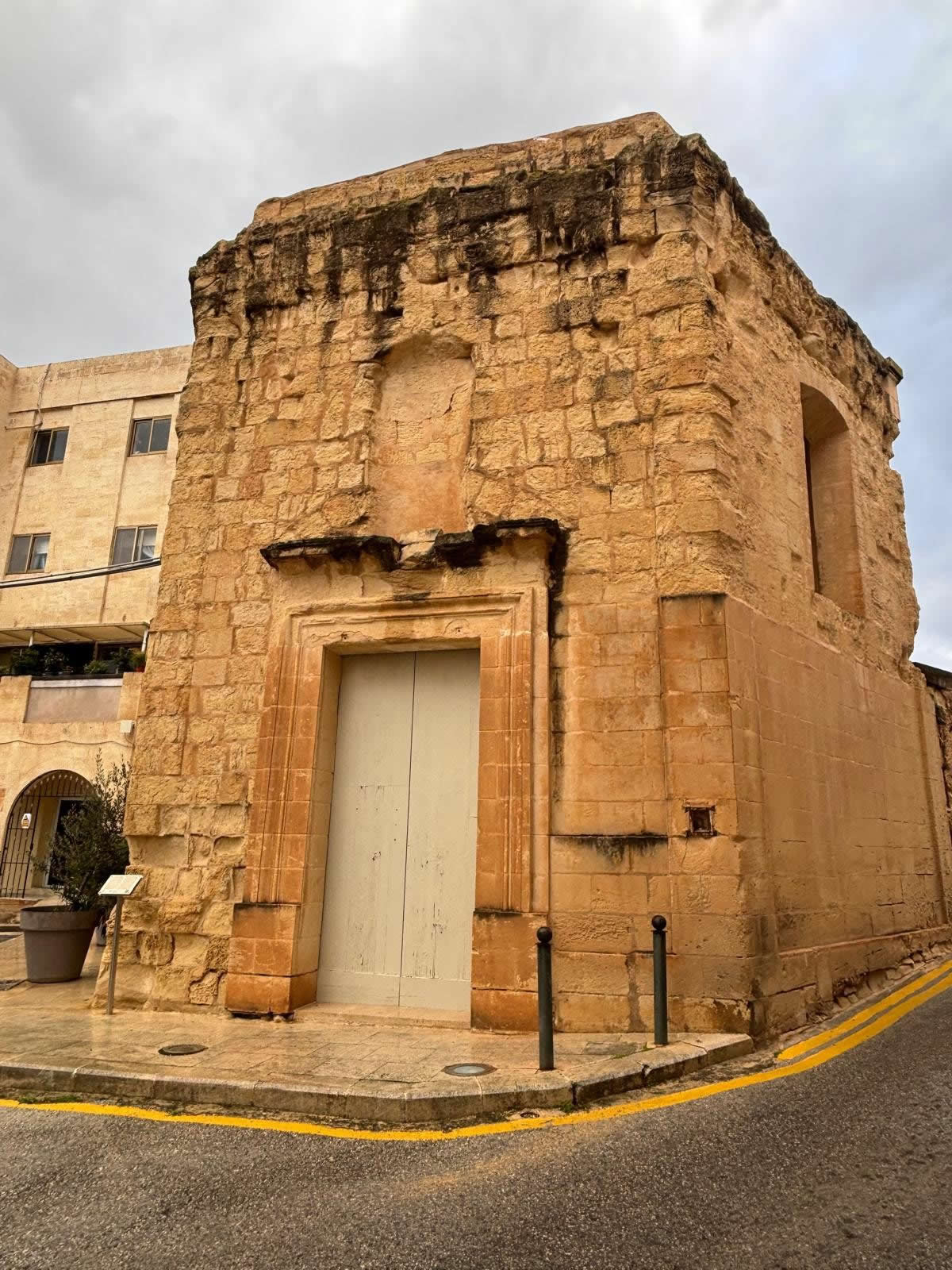
The present church is notable for its distinctive architectural plan. Unlike most Maltese chapels which follow a rectangular layout, Salvatur Church was built in the form of a hexagon with six walls of approximately equal length.
This unusual design gives the chapel a unique architectural character and distinguishes it from many other ecclesiastical buildings on the island.
Constructed from Malta’s characteristic golden limestone, the chapel reflects the Baroque architectural traditions introduced during the period of the Knights of St John.
Role in Kalkara’s Religious Life
For many centuries Salvatur Church played an important role in the religious life of the local community. Before Kalkara developed into a densely populated town, the chapel served the surrounding rural area and provided a place of worship for residents of the harbour region.
The chapel later assumed an even more significant role during the twentieth century. When the parish church of St Joseph in Kalkara was destroyed by bombing during the Second World War, Salvatur Church temporarily served as the parish church of the locality.
Later Decline
After the war and the construction of a new parish church, Salvatur Church gradually fell into disuse. For a period the chapel was used as a storage area for decorations associated with the local village feast.
At one stage a trench was dug across the interior and the entrance was partially blocked, rendering the building inaccessible and leaving it in a state of neglect.
Conservation and Restoration
In recent decades renewed efforts have been made to preserve the historic chapel. Restoration work was undertaken as part of conservation projects aimed at protecting Malta’s architectural heritage.
These restoration initiatives included structural repairs, the conservation of stonework, and the study of the building’s historical and architectural features.
Further restoration work carried out around 2009 helped stabilise the building and restore its altar and other interior features.
Location
| Church | Salvatur Church |
|---|---|
| Maltese Name | Kappella tas-Salvatur |
| Location | Kalkara, Malta |
| Coordinates | 35.891555, 14.525463 |
| Original Chapel | Before 1436 |
| Major Reconstruction | 1680–1681 |
| Architect | Attributed to Lorenzo Gafà |
| Architectural Form | Hexagonal Plan |
| Dedication | Our Saviour (Transfiguration of Jesus) |
Conclusion
Salvatur Church in Kalkara represents one of the oldest religious sites in the Grand Harbour region of Malta. Despite its relatively small size, the chapel has witnessed several centuries of Maltese history, including the Great Siege of 1565, the period of the Knights of St John, and the devastation of the Second World War.
Through restoration and conservation efforts, the chapel continues to stand today as an important reminder of Kalkara’s religious and cultural heritage.