📍 Location
Location Map Coordinates 35.871508, 14.442342
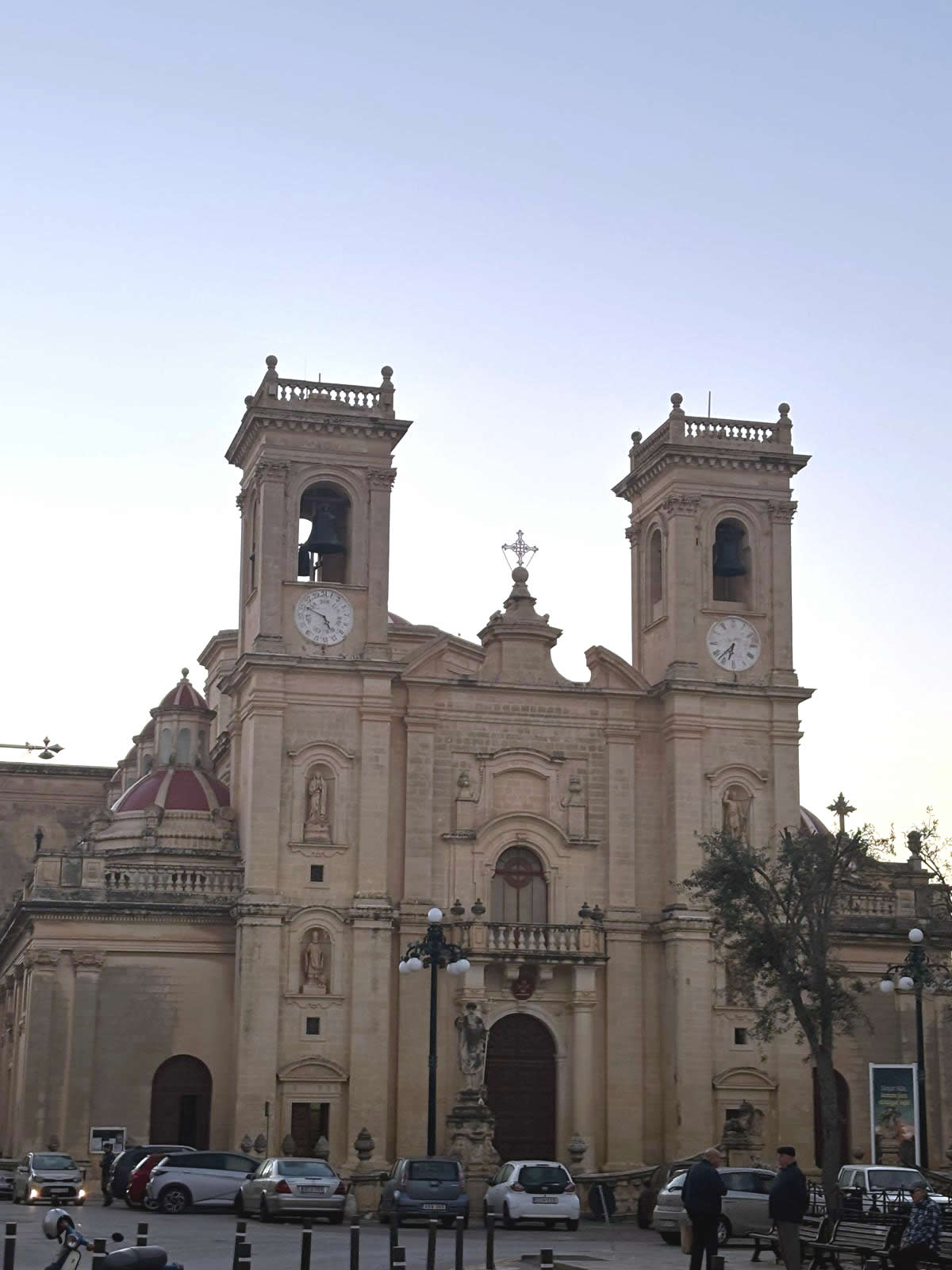
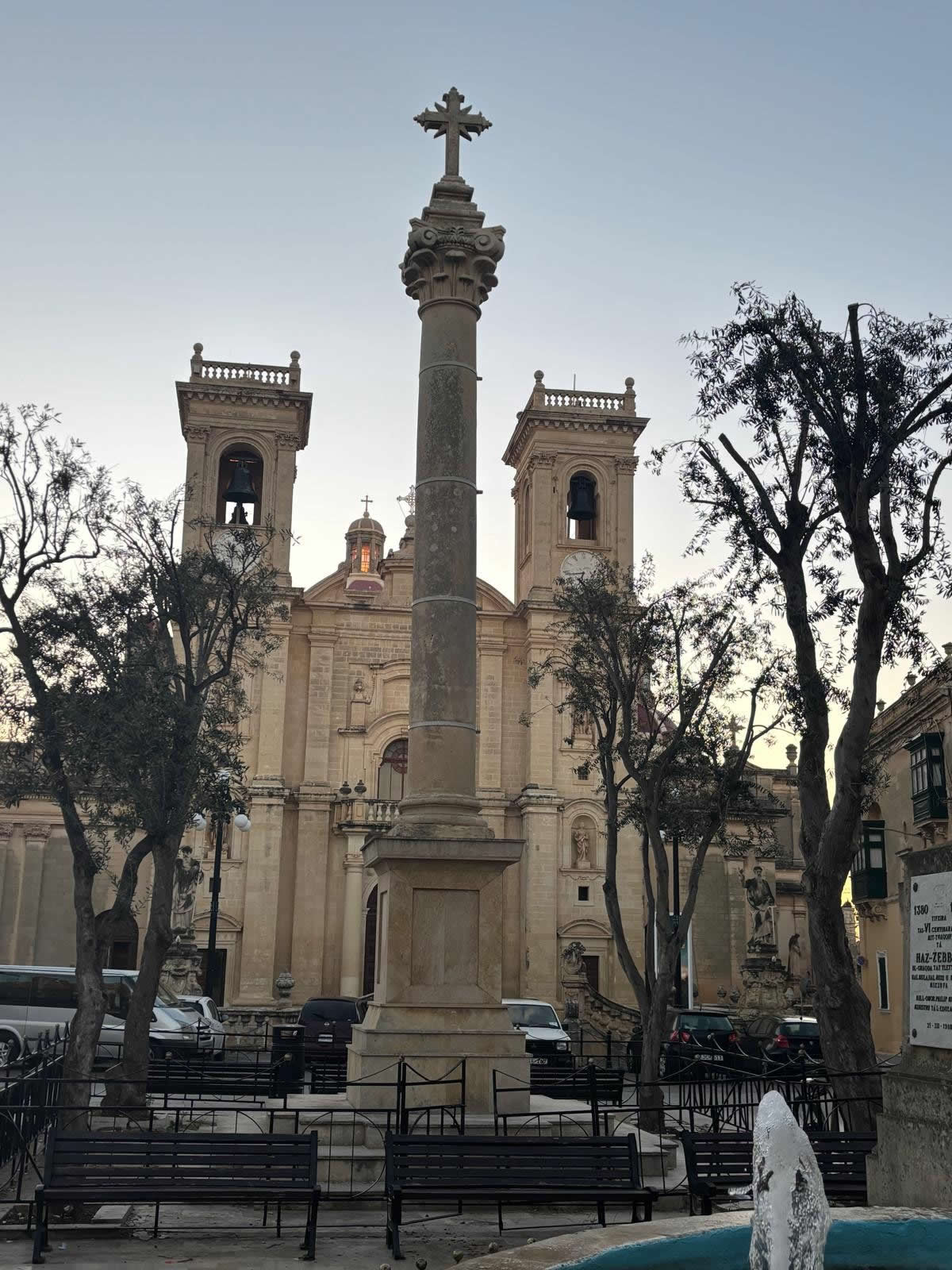
The historic Il-Knisja ta’ San Filep , known in English as St. Philip Church , stands as a cherished Roman Catholic parish church in the heart of Żebbuġ, Malta . With origins dating back to the early 17th century, this church has stood witness to centuries of devotion, architectural evolution, artistic enrichment, and vibrant community life. Its Baroque features and sacred art continue to draw parishioners and visitors alike, enriching Malta’s spiritual and cultural tapestry.
Origins & Early Foundation (1610)
The earliest historical references to St. Philip Church in Żebbuġ date to 1610, a period when Malta’s village parishes were being consolidated and expanded to meet the spiritual needs of a growing population. Dedicated to Saint Philip the Apostle, the church’s foundation reflected both local devotion and the wider Catholic rejuvenation following the Counter-Reformation. (Church historical archives)

Saint Philip — one of the Twelve Apostles — is revered for his faithful witness to Christ’s ministry and his missionary zeal. The decision to dedicate a church to him in Żebbuġ reflected both local spiritual aspirations and the influence of European devotional currents in the early 17th century. (Ecclesiastical records)

Construction & Architectural Evolution
Over the centuries, the original church underwent structural modifications and expansions to accommodate evolving liturgical practices and a growing congregation. The architecture of St. Philip Church embodies Baroque inspiration, which became dominant in Maltese ecclesiastical design from the late 16th century onward. (Architectural studies)
The main façade displays classical Baroque features, including symmetrical arrangements, Corinthian pilasters, and a central pediment that reflects both solemnity and artistry. Beneath the pediment, carved stonework frames the entrance, while the balanced use of light and geometry directs the eye upward — a characteristic Baroque gesture symbolising heavenward aspiration. (Architectural analysis)

Internally, the church’s nave and sanctuary were shaped over time to reflect changing liturgical needs. Large arched windows fill the interior with soft natural light, illuminating plasterwork, altars, and sacred fixtures. The use of limestone — quintessential to Maltese ecclesiastical structures — resonates with Malta’s broader architectural identity. (Interior architectural surveys)

Main Altar & Artistic Heritage
The main altar of St. Philip Church is a focal point of both artistic and devotional life. It features a prominent titular painting of Saint Philip the Apostle , depicted in a pose of reverent supplication and missionary resolve. The artwork — heavily influenced by Mediterranean Baroque sensibilities — is framed by carved stone and complemented by statuary that honours key figures in the Catholic tradition. (Parish art collection)

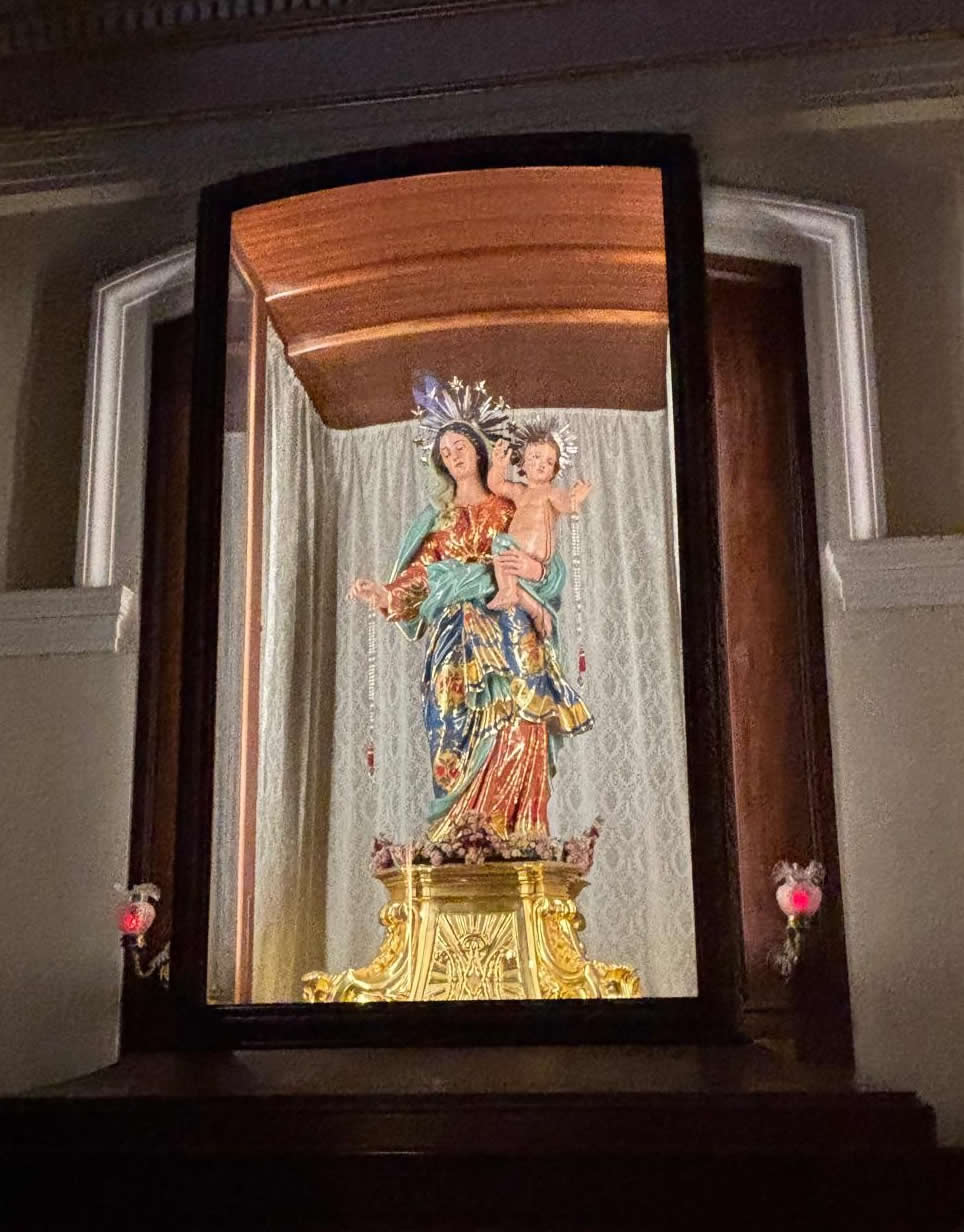
Along the lateral walls, side altars dedicated to saints such as the Sacred Heart of Jesus, St. Joseph, and the Madonna delle Grazie enrich the devotional experience. Each altar is embellished with liturgical statues and paintings that serve as visual anchors for prayer and reflection. (Parish art archives)
Cultural Life & Liturgical Music
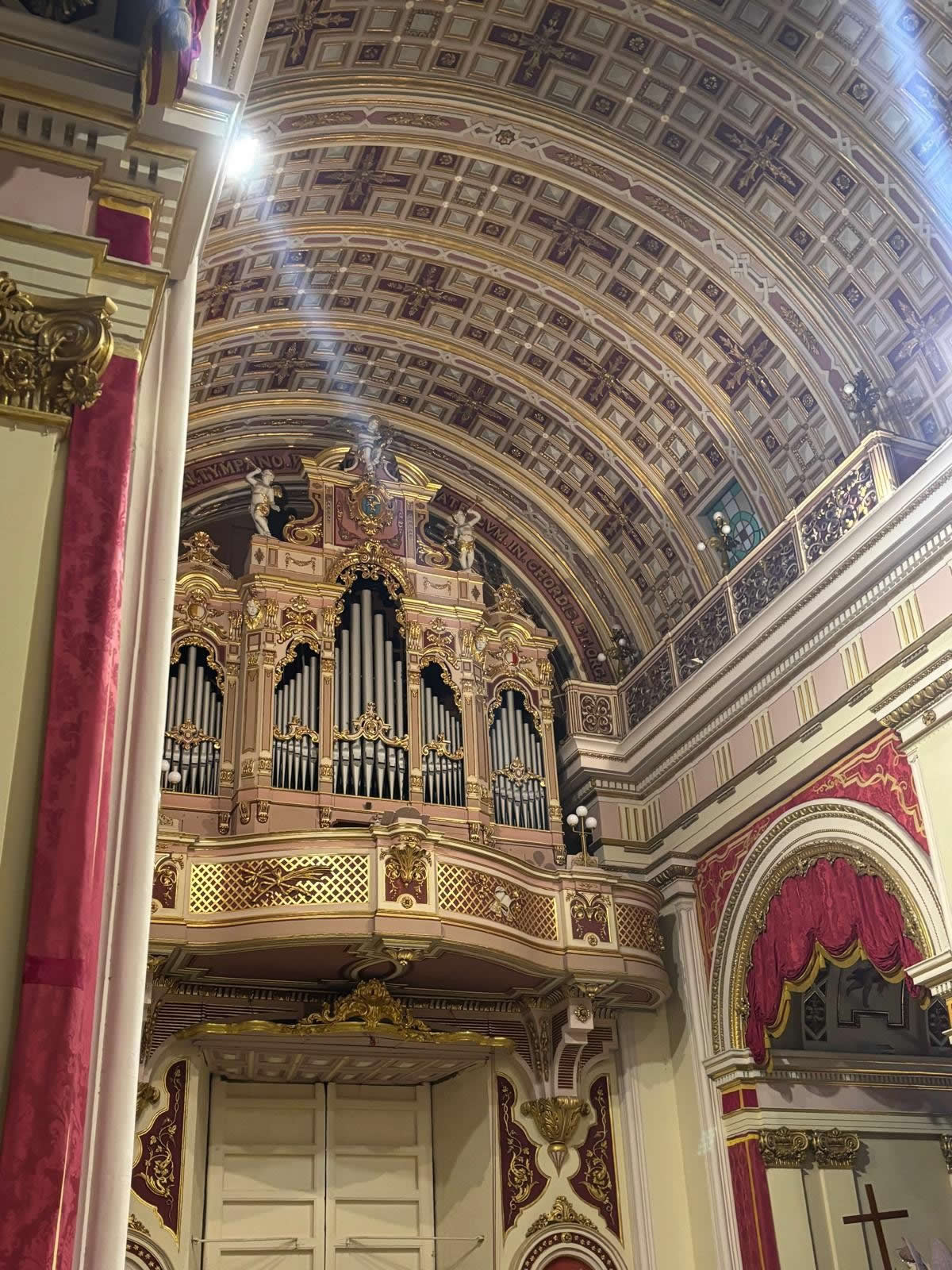
Music has long played an essential role at St. Philip Church. A traditional organ — restored and maintained across generations — accompanies liturgical worship, feast day ceremonies, and special concerts. Choirs formed from local parishioners contribute to the vibrancy of Sunday Masses and sacred celebrations, reinforcing the church’s role as a centre of cultural as well as spiritual life. (Parish music ministry records)

Feast of Saint Philip (May 1)
St. Philip’s feast day — celebrated annually on May 1 — is one of the most important liturgical and communal events for the parish. Festivities begin with a novena of prayer and reflection, culminating in the solemn feast day Mass, processions, band marches, and fireworks. The entire village participates in a blend of solemn devotion and joyful celebration, emphasising both religious observance and community identity. (Parish feast announcements)

Restoration & Conservation History
Like many historic churches in Malta, St. Philip Church has undergone periodic restoration to preserve its structural integrity and artistic heritage. Key efforts include:
- Exterior limestone restoration: Cleaning and stabilisation of the façade to counter weathering and maintain visual heritage.
- Interior plaster and paint conservation: Retaining decorative finishes and artwork vibrancy.
- Roof structure reinforcement: Ensuring long-term durability and protection against Malta’s coastal climate.
- Organ and choral area refurbishment: Preserving musical heritage for liturgical use.
These restoration efforts were conducted in collaboration with heritage architects and church authorities to ensure both liturgical function and historical integrity were preserved. (Heritage Malta cooperation reports)

Community Role & Pastoral Life
St. Philip Church is not only a site of worship but also a centre for pastoral outreach and community connection. Throughout the year, the parish offers:
- Sacramental preparation: Baptism, Confirmation, Eucharist, Marriage
- Catechesis & faith formation for children, teens, and adults
- Charitable initiatives supporting local families and residents in need
- Community prayer groups and devotional gatherings
These services highlight the church’s role as a living spiritual centre — one deeply integrated with the daily life of Żebbuġ residents. (Parish pastoral records)

Architectural Details: Nave, Sanctuary & Chapels
St. Philip Church’s interior spatial organisation follows classical Baroque planning: a longitudinal nave leading toward the sanctuary, flanked by side chapels and devotional niches. Decorative plasterwork adds subtle ornamentation, while altars, statues, and paintings evoke layers of Catholic tradition and artistic reverence. (Interior architecture surveys)
The sanctuary — raised slightly above the nave floor level — houses the main altar and titular painting of Saint Philip, while the side chapels contain additional imagery and statuary that enrich the devotional landscape. These chapels provide parishioners and visitors with spaces for focused prayer and reflection. (Parish interior details)

Visitor Experience & Accessibility
Open year-round, St. Philip Church welcomes visitors for daily Mass, personal prayer, and liturgical celebrations. Quiet time outside of Mass allows pilgrims and tourists to explore artwork, experience the sacred ambience, and appreciate the building’s architectural harmony. (Visitor guidance notices)
Guided tours, respectful of the church’s liturgical schedule, may be arranged for groups seeking deeper historical and artistic understanding. (Parish visitor services)
Quick Facts & Historical Timeline
- Founded: 1610
- Dedication: Saint Philip the Apostle
- Architectural Style: Baroque influences with traditional ecclesiastical stonework
- Main Feast: May 1 (Feast of Saint Philip)
- Liturgical Functions: Parish Mass, devotional prayer, sacraments
- Location: Żebbuġ, Malta