📍 Location
Location Map Coordinates 35.897367, 14.510827
Introduction
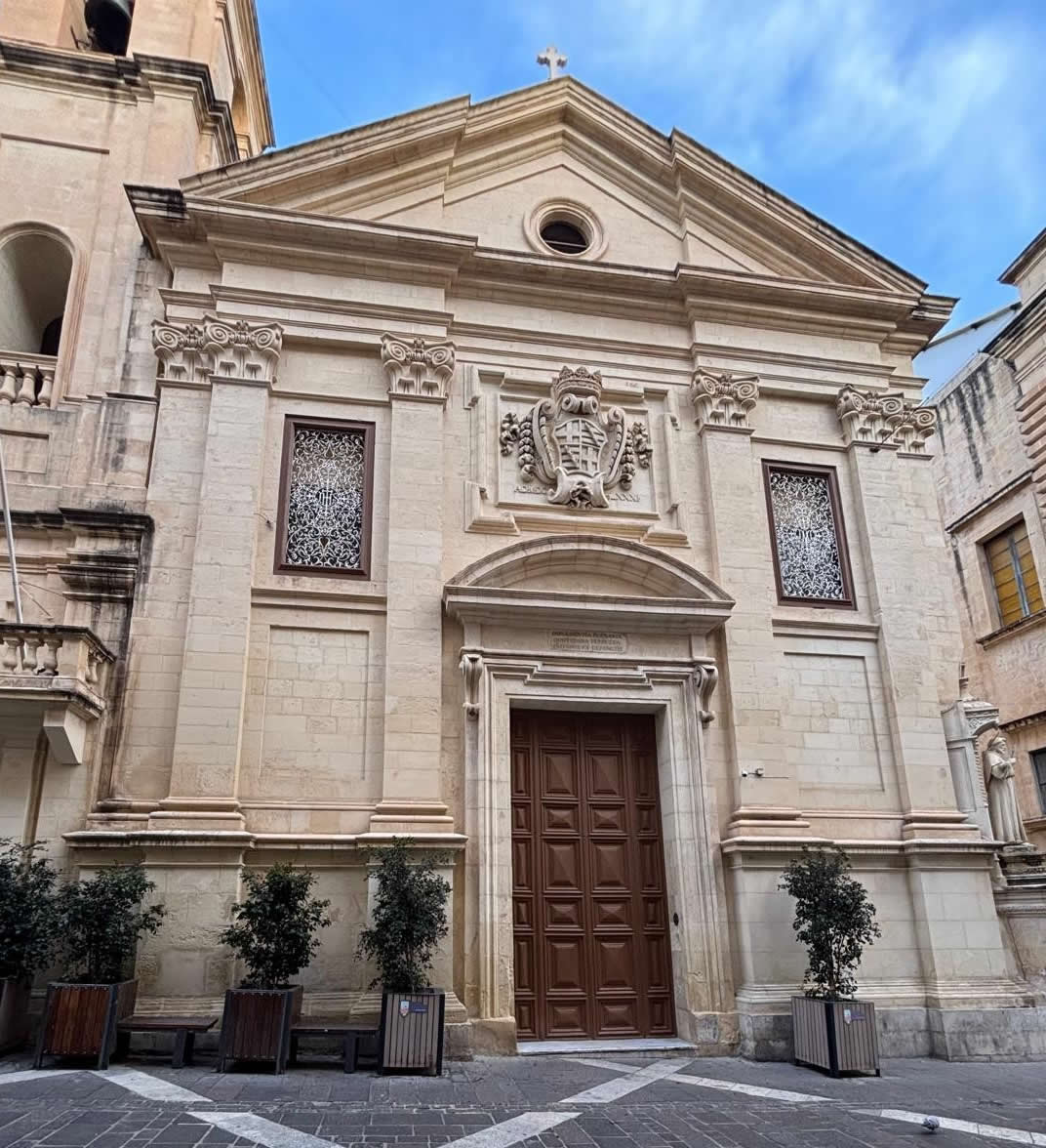
The Church of St Francis of Assisi, known in Maltese as Knisja ta’ San Franġisk ta’ Assisi, is one of the historic Franciscan churches located in Valletta, the capital city of Malta. Situated along the bustling Republic Street, the church forms part of the rich religious and architectural heritage that characterises Valletta, a UNESCO World Heritage city renowned for its impressive concentration of churches and historic monuments.
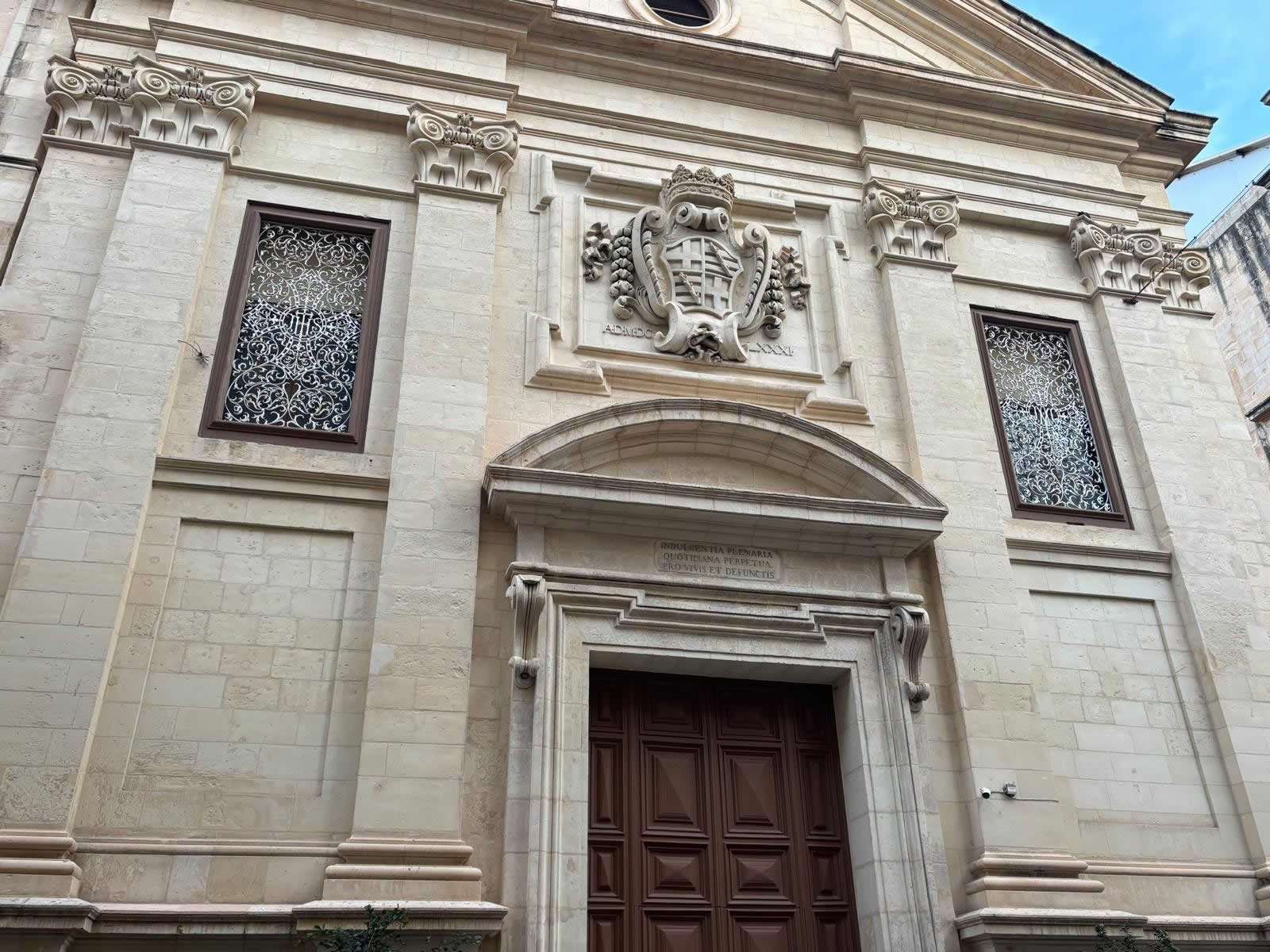
Dedicated to Saint Francis of Assisi, founder of the Franciscan Order, the church has served as an important spiritual centre for the Franciscan Conventual community since the late sixteenth century. The building reflects several phases of Maltese ecclesiastical architecture, combining elements of early construction from the period of the Knights of St John with later Baroque modifications and twentieth-century expansions.
Foundation and Early History
The origins of the church date back to the early years of Valletta’s development following the Great Siege of Malta in 1565. After the Knights of St John began constructing their new capital city in 1566, religious orders quickly established churches and convents to serve the growing population.
The Franciscan Conventual Order built the Church of St Francis of Assisi in 1598, and the building was completed by 1607. The church formed part of a Franciscan complex that included the adjoining convent and oratory. From the beginning the church served as the principal place of worship for the Franciscan community living in Valletta.
Rebuilding in the Seventeenth Century
Only a few decades after its completion, structural defects began to appear in the original building. As a result, the church required major reconstruction.
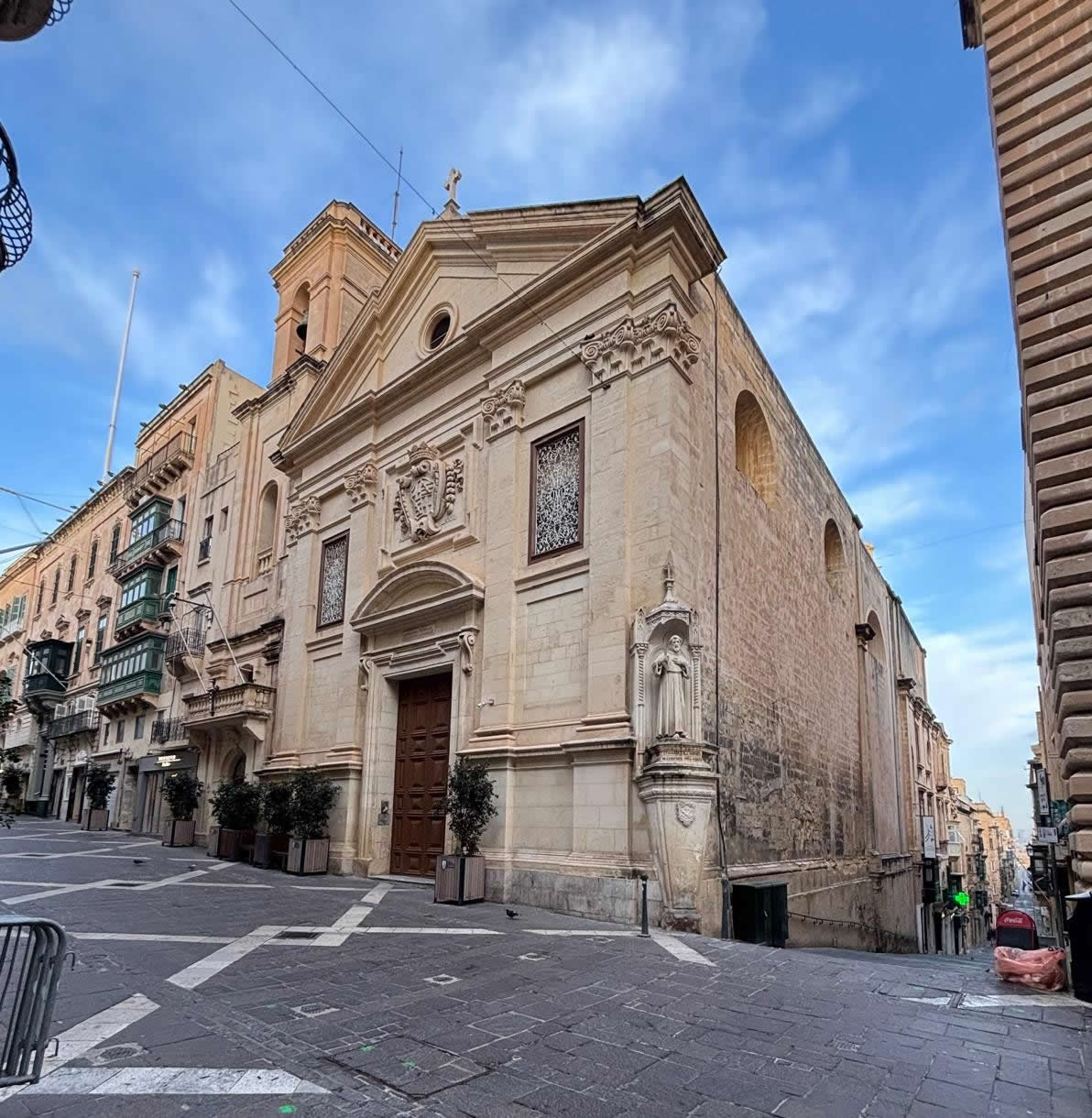
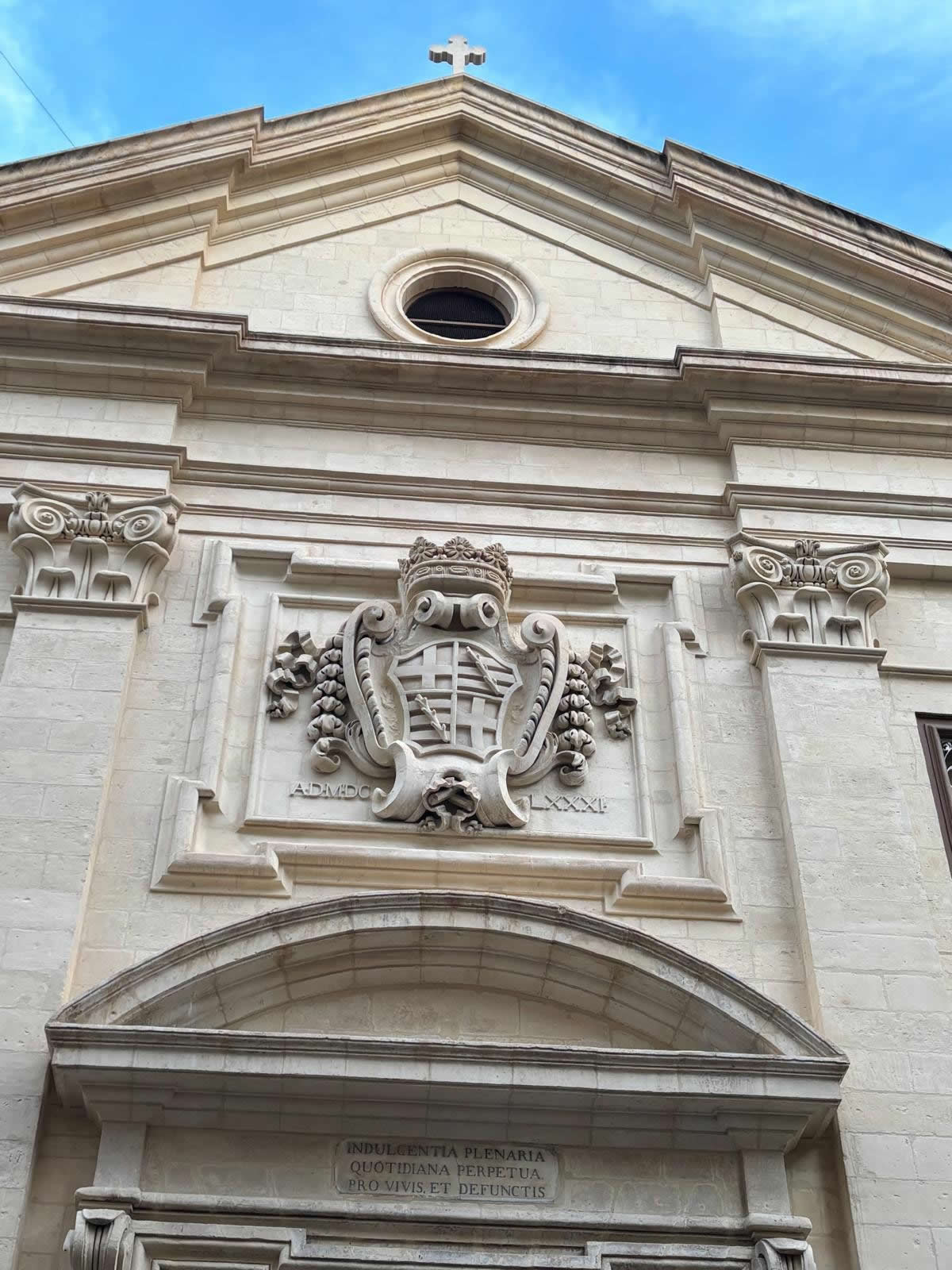
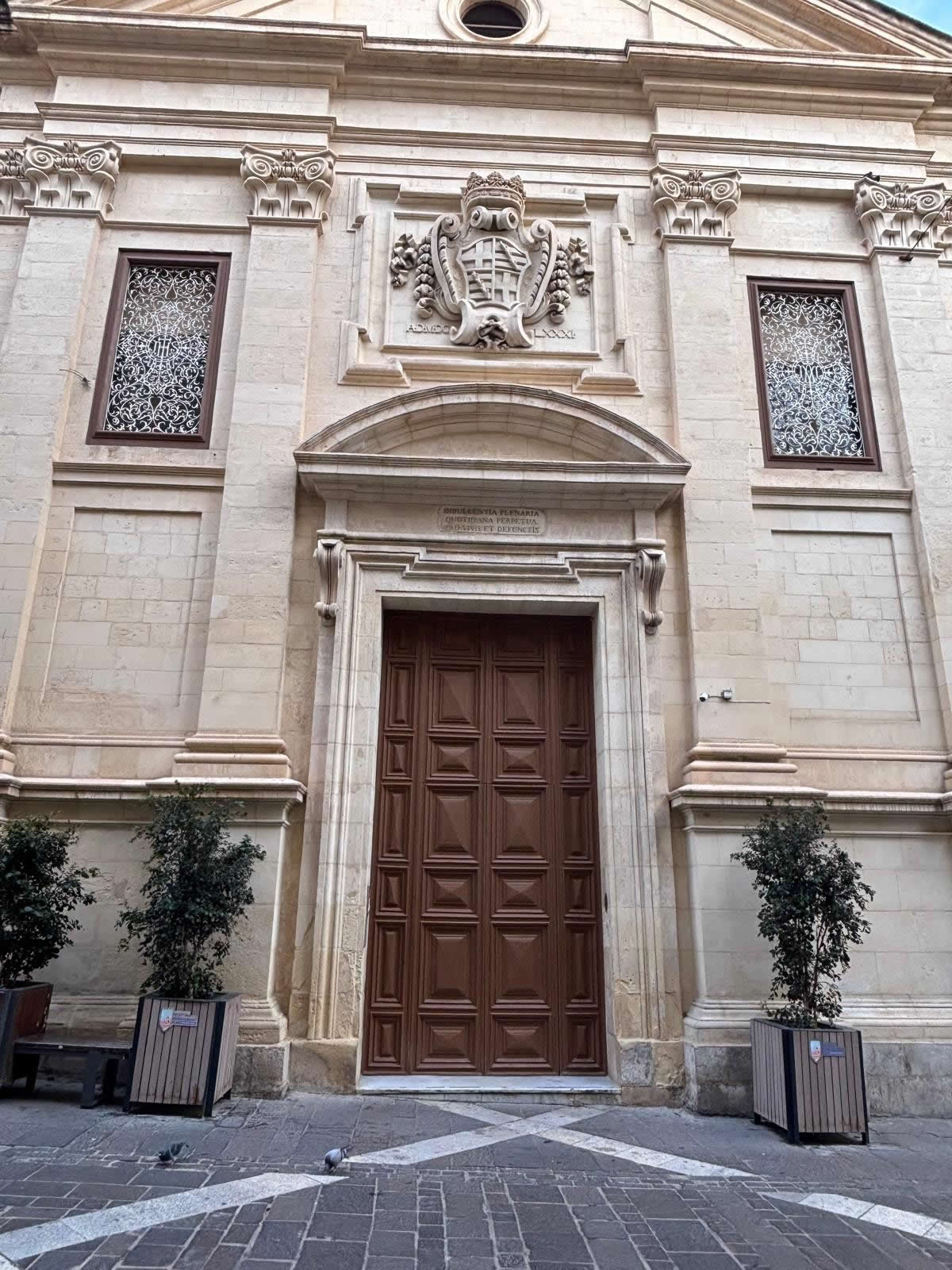
In 1681 the church was rebuilt through the generous patronage of Grand Master Gregorio Carafa, one of the most influential leaders of the Order of St John during the late seventeenth century. His coat of arms remains prominently displayed on the façade of the church, commemorating his contribution to the rebuilding project.
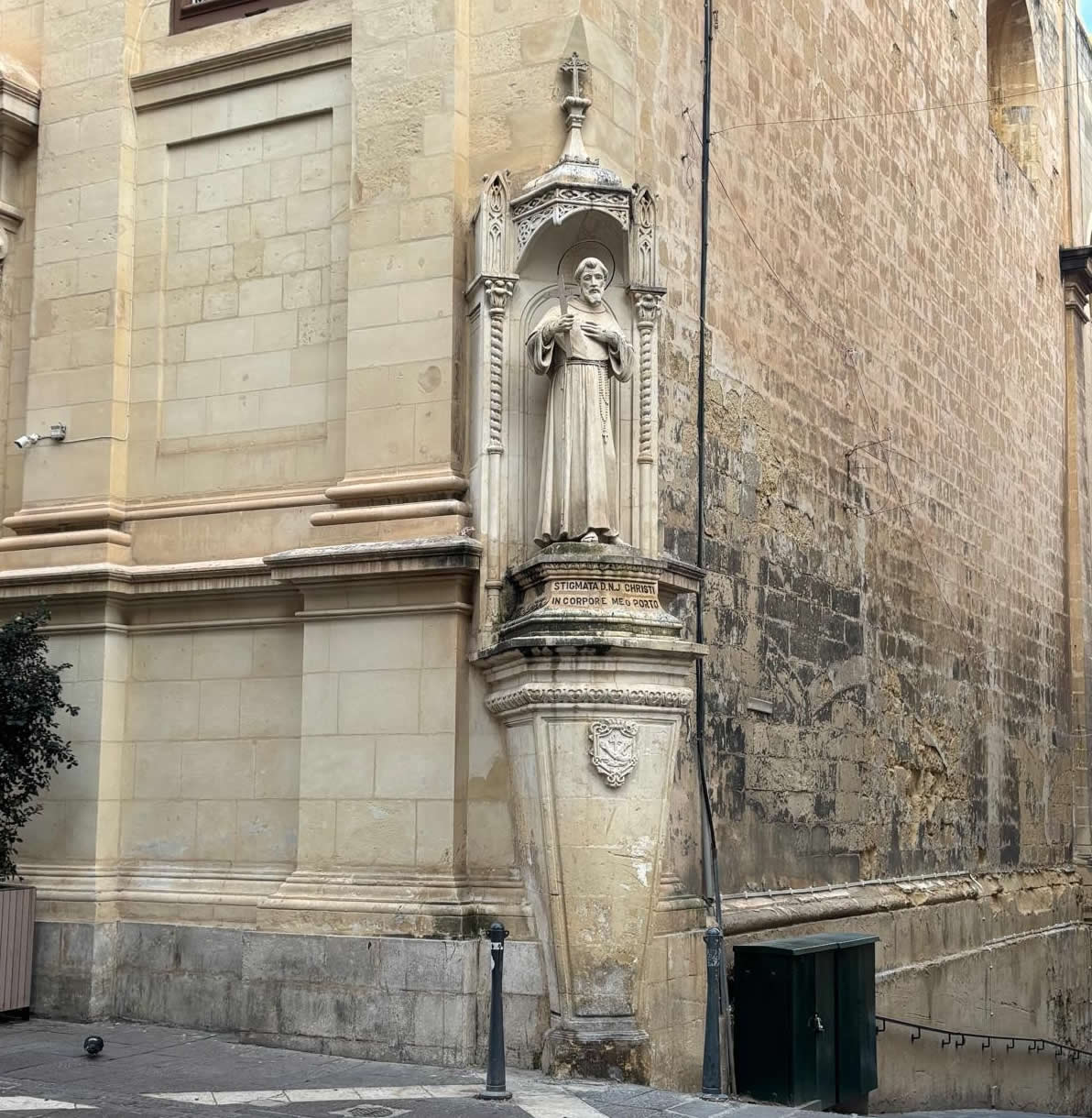
The reconstruction gave the church its distinctive Baroque appearance, reflecting the architectural style that dominated Maltese religious buildings during this period.
Architectural Characteristics
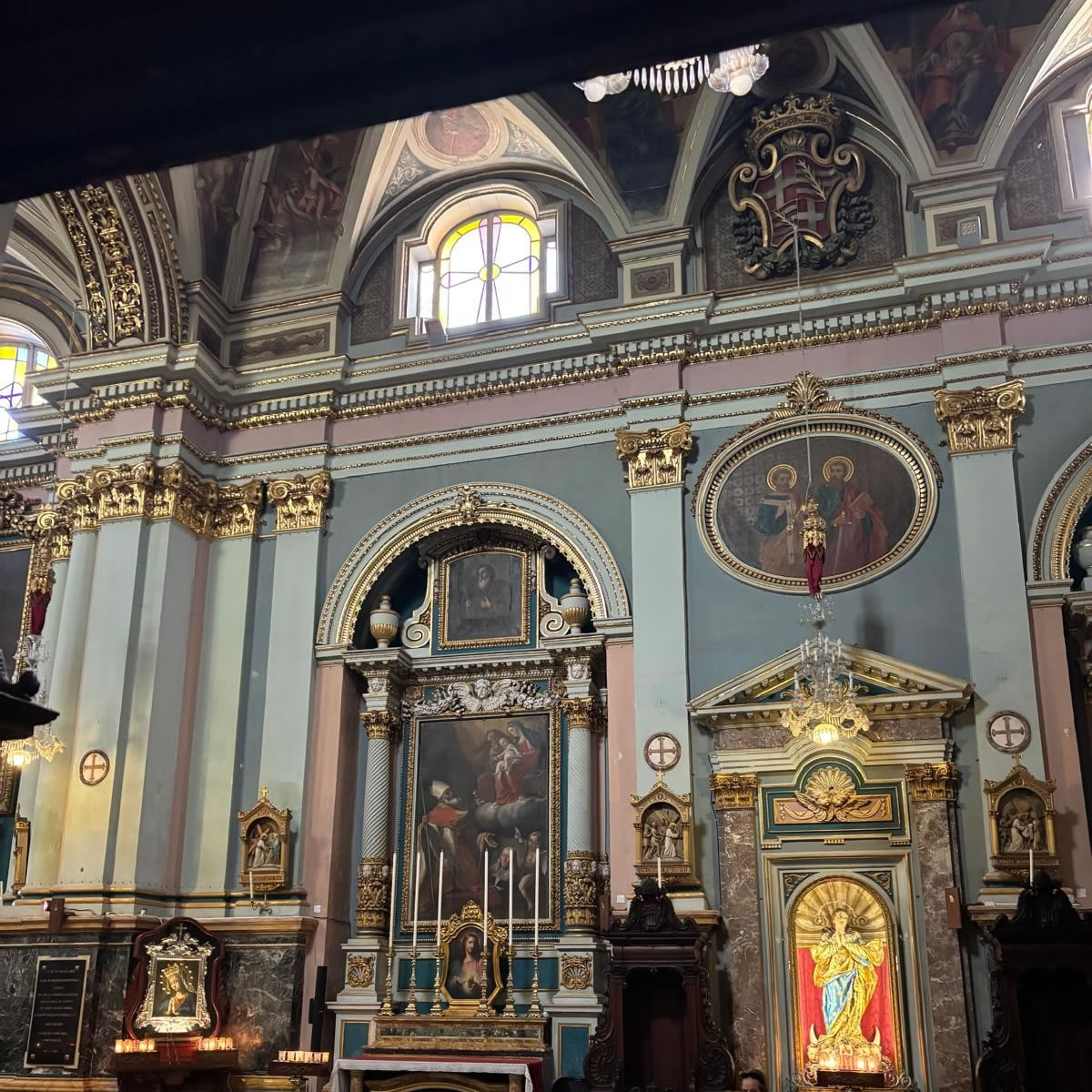
The Church of St Francis of Assisi is built in the Baroque style that became widespread across Malta during the seventeenth century. The façade is characterised by elegant stonework, balanced proportions and decorative elements typical of Baroque ecclesiastical design.
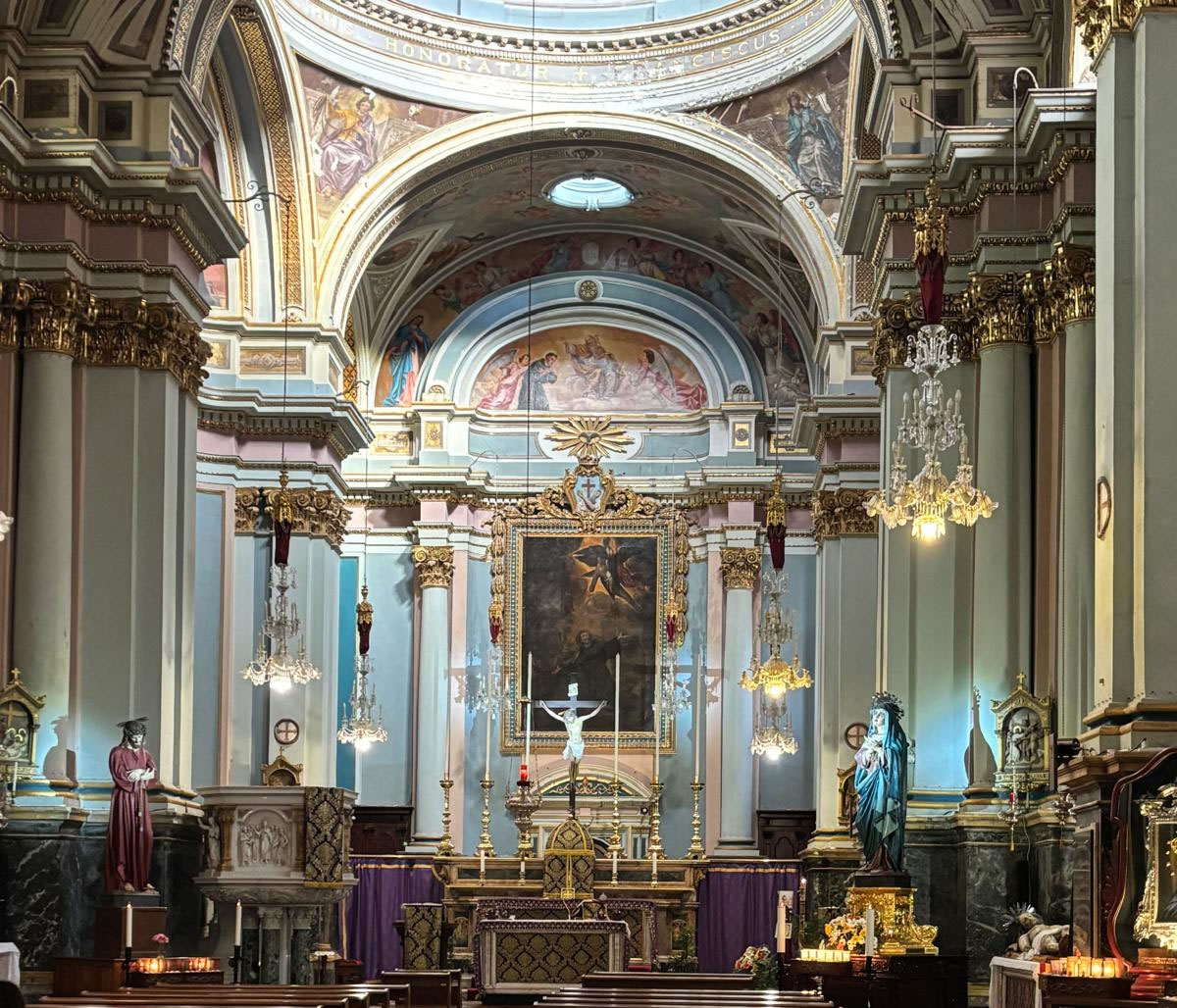
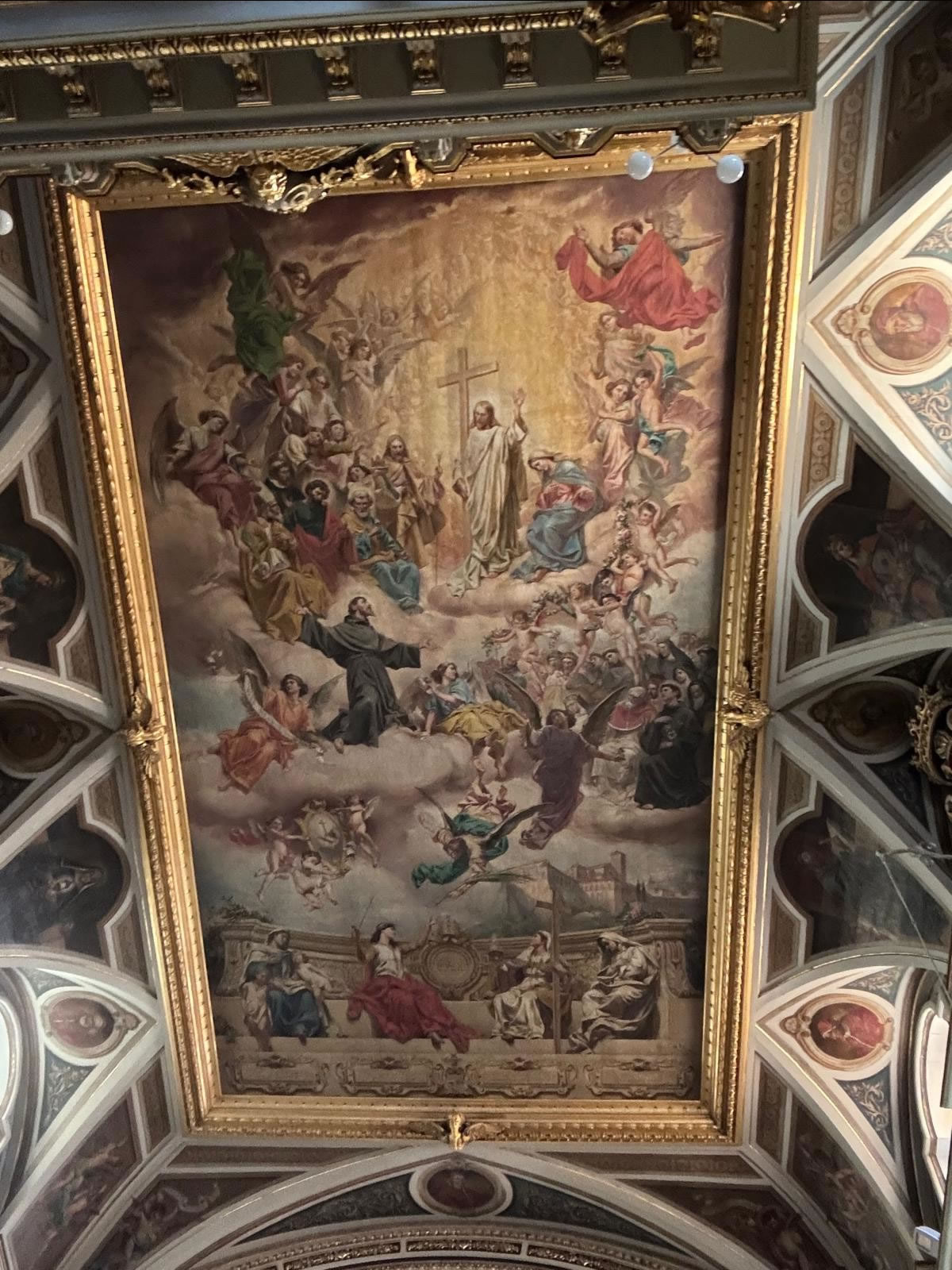
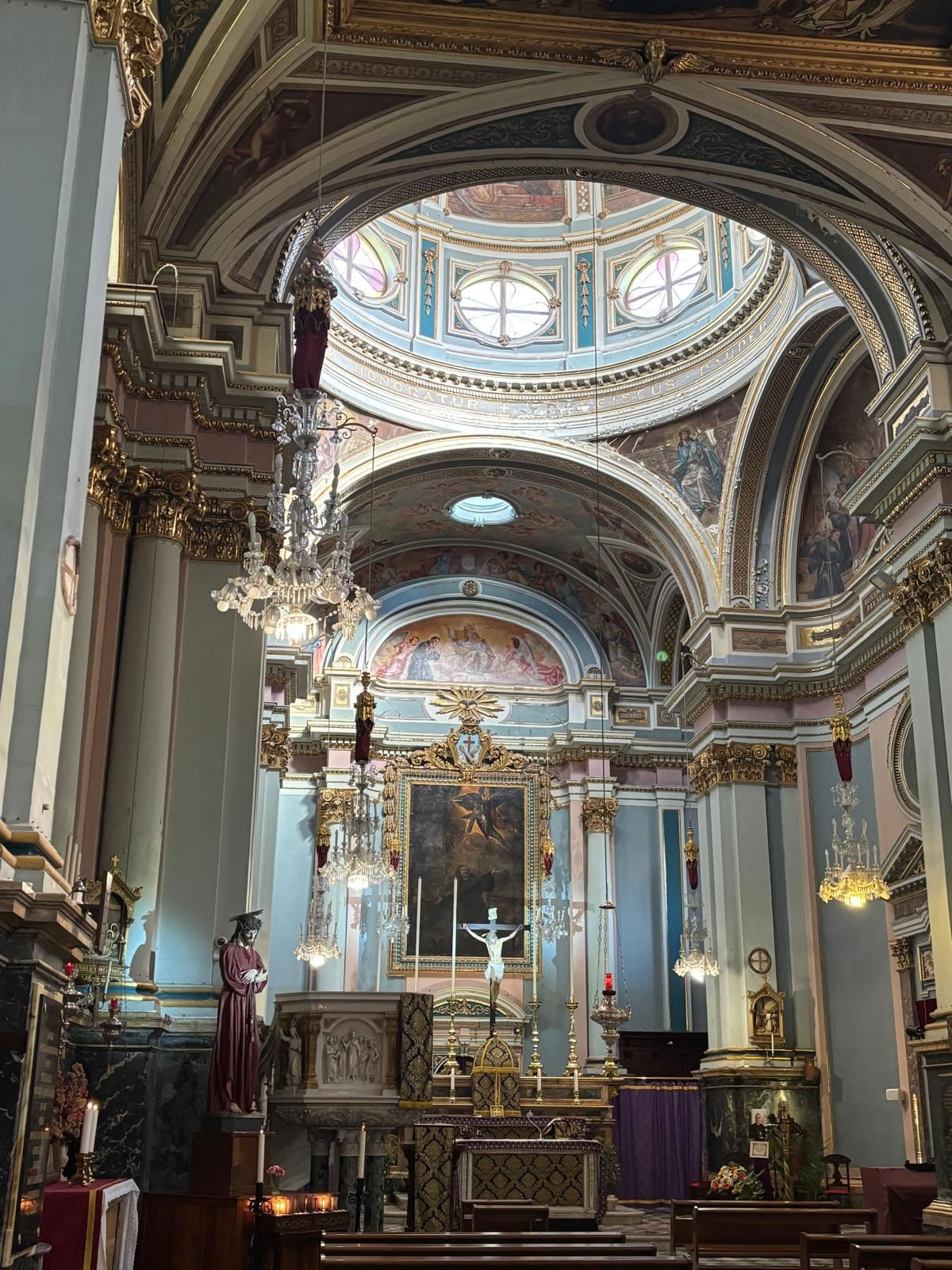
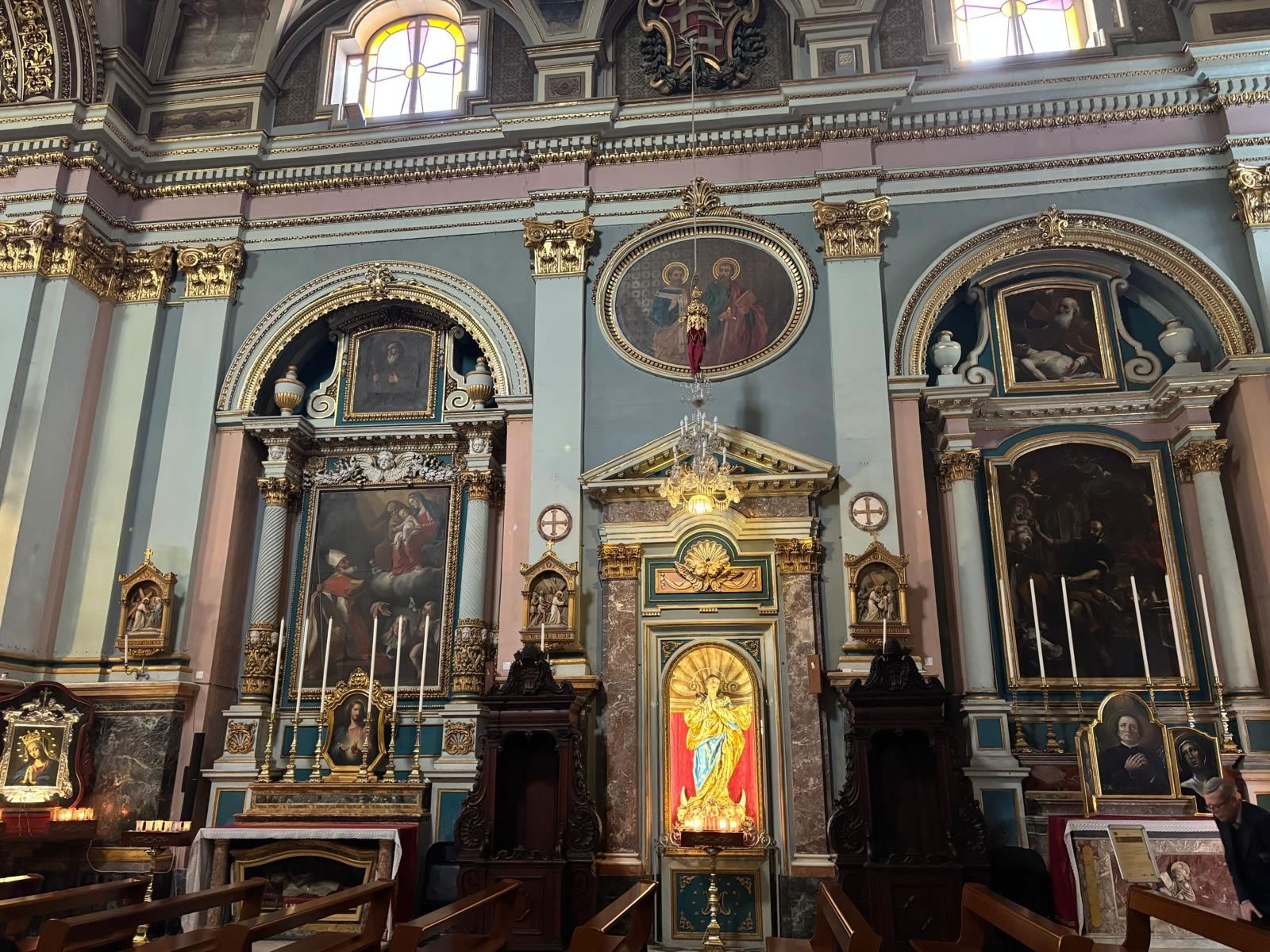
Inside, the church features a richly decorated interior with altars, paintings and sculptures that illustrate important moments from the life of St Francis and other figures of Christian devotion.
During the 1920s the church underwent significant enlargement according to designs by the Maltese architect Emanuel Borg. This expansion included the addition of a dome and modifications to the eastern end of the church.
Artworks and Interior Decoration
One of the most remarkable aspects of the Church of St Francis of Assisi is its rich collection of artworks created by some of the most important painters associated with Maltese Baroque art.
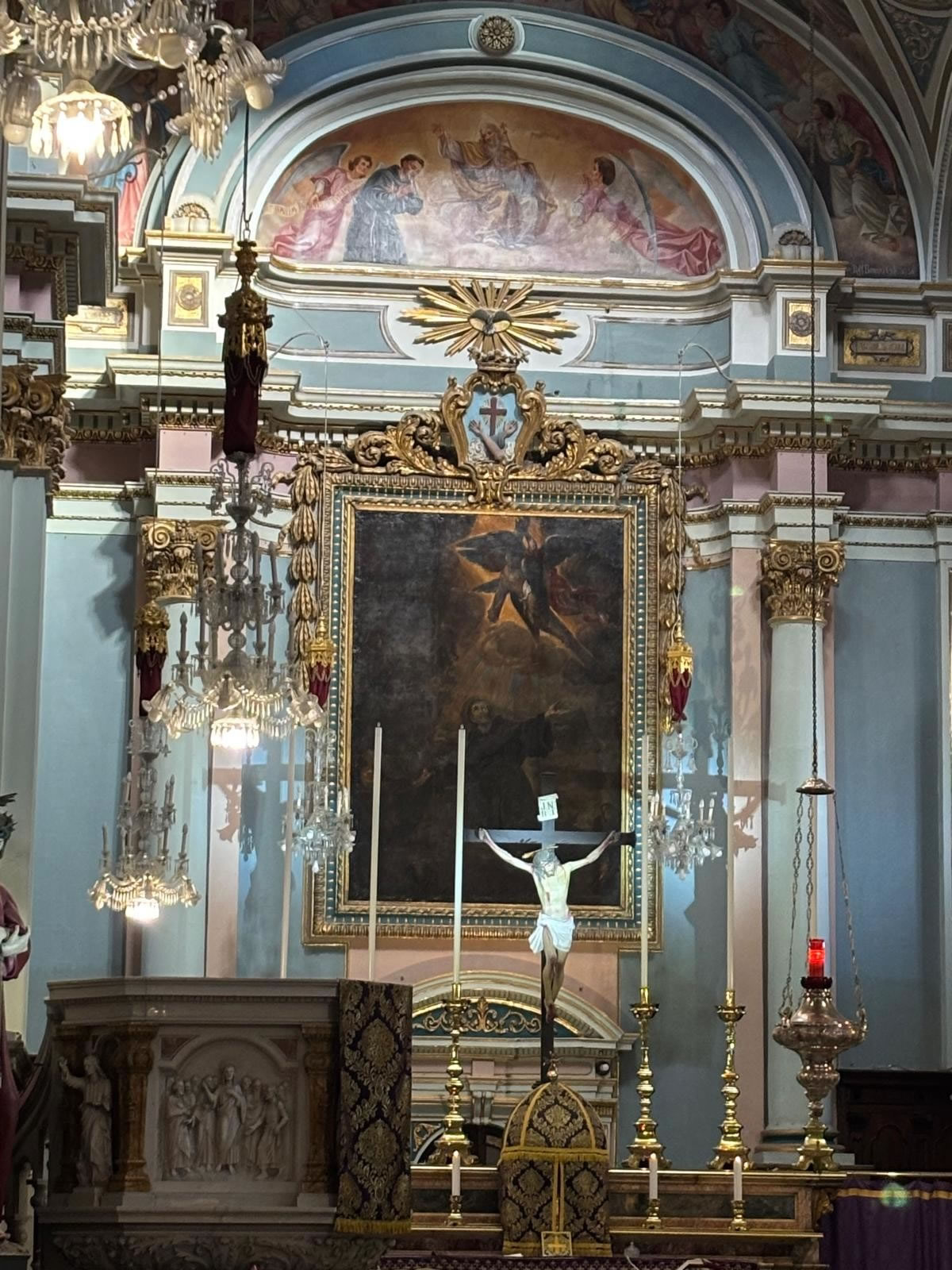
Among the most notable works are paintings by the Italian Baroque master Mattia Preti, who lived and worked in Malta during the seventeenth century. Preti was one of the most influential artists in Maltese history and produced numerous masterpieces for churches across the island.
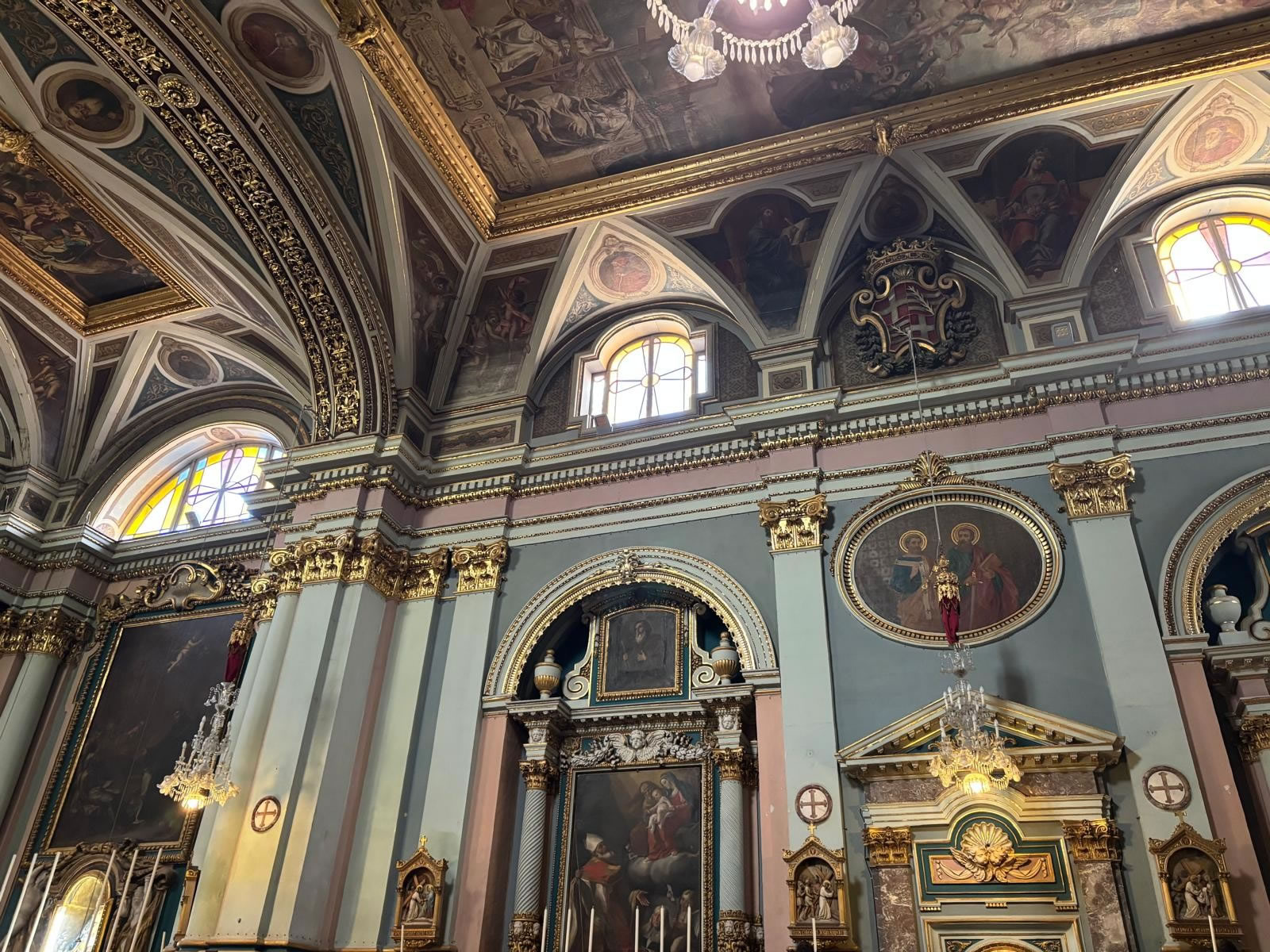
The church also contains paintings by other distinguished artists including Pietro Gagliardi and Filippo Paladini, whose works contribute to the artistic significance of the building.
These paintings depict various religious themes and scenes from the life of Saint Francis, reflecting the Franciscan spirituality centred on humility, devotion and compassion for the poor.
The Mascioni Pipe Organ
Another notable feature of the church is its pipe organ built in 1932 by the Italian firm Mascioni. This instrument is one of the important historic organs found in Maltese churches and is used during liturgical celebrations as well as occasional concerts.
The organ was restored in 2014 to preserve its sound and mechanical structure, ensuring that it continues to contribute to the musical heritage of the church.
Role in Valletta’s Religious Life
For centuries the Church of St Francis of Assisi has played an important role in the spiritual life of Valletta. The Franciscan community continues to maintain the church and celebrate regular liturgical services, making it an active centre of Catholic worship.
The church also attracts visitors interested in the art and history of Valletta. Its location along Republic Street places it within the main historic route through the capital city, connecting many of Valletta’s major cultural landmarks.
Heritage Status
Today the Church of St Francis of Assisi is recognised as an important historic monument and is listed on the National Inventory of the Cultural Property of the Maltese Islands.
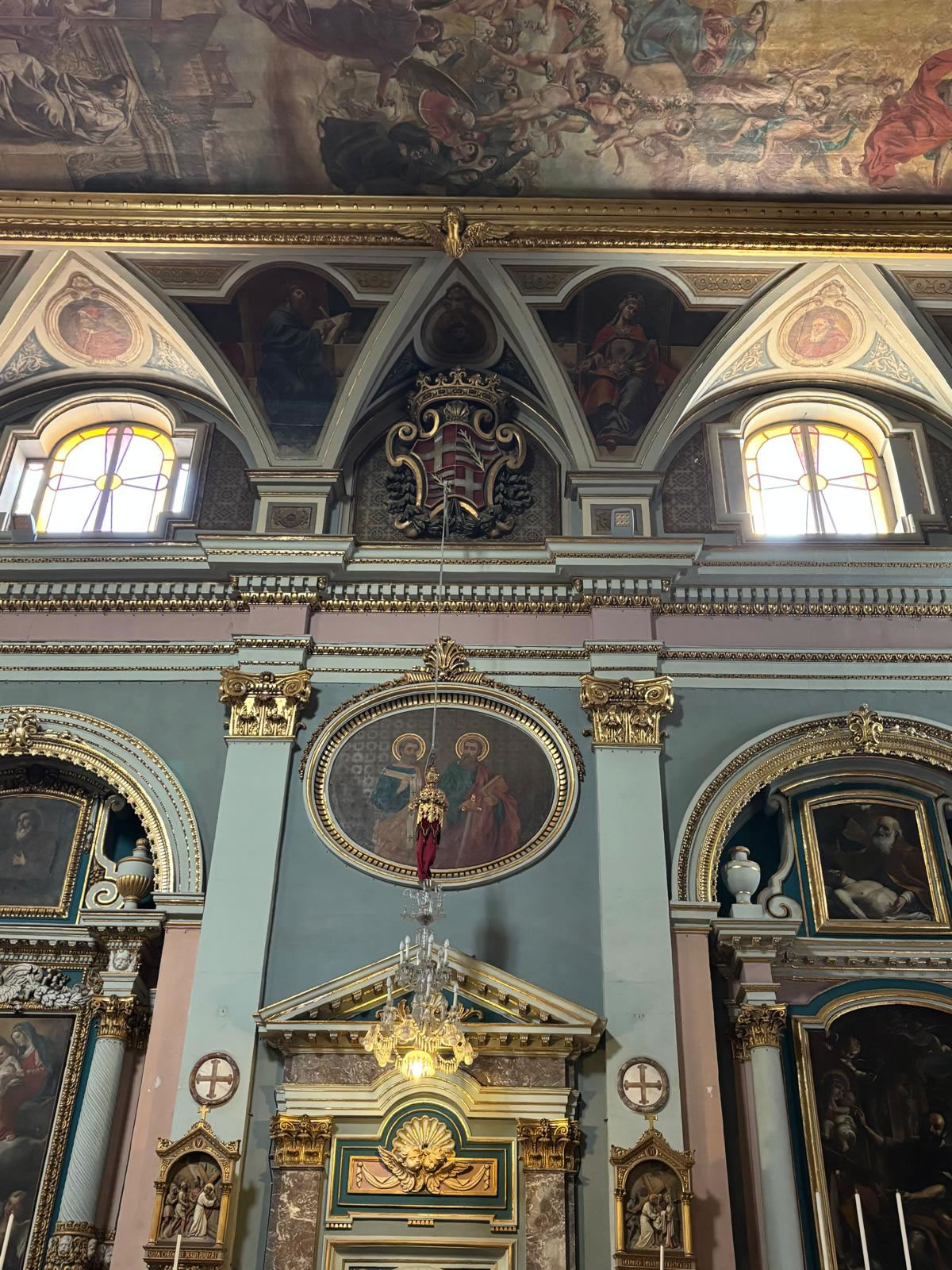
This recognition reflects the architectural, historical and artistic value of the building within Malta’s cultural heritage.
Location
Address: Republic Street, Valletta, Malta
Coordinates: 35.897367, 14.510827