📍 Location
Location Map Coordinates 35.902600, 14.447107
Introduction
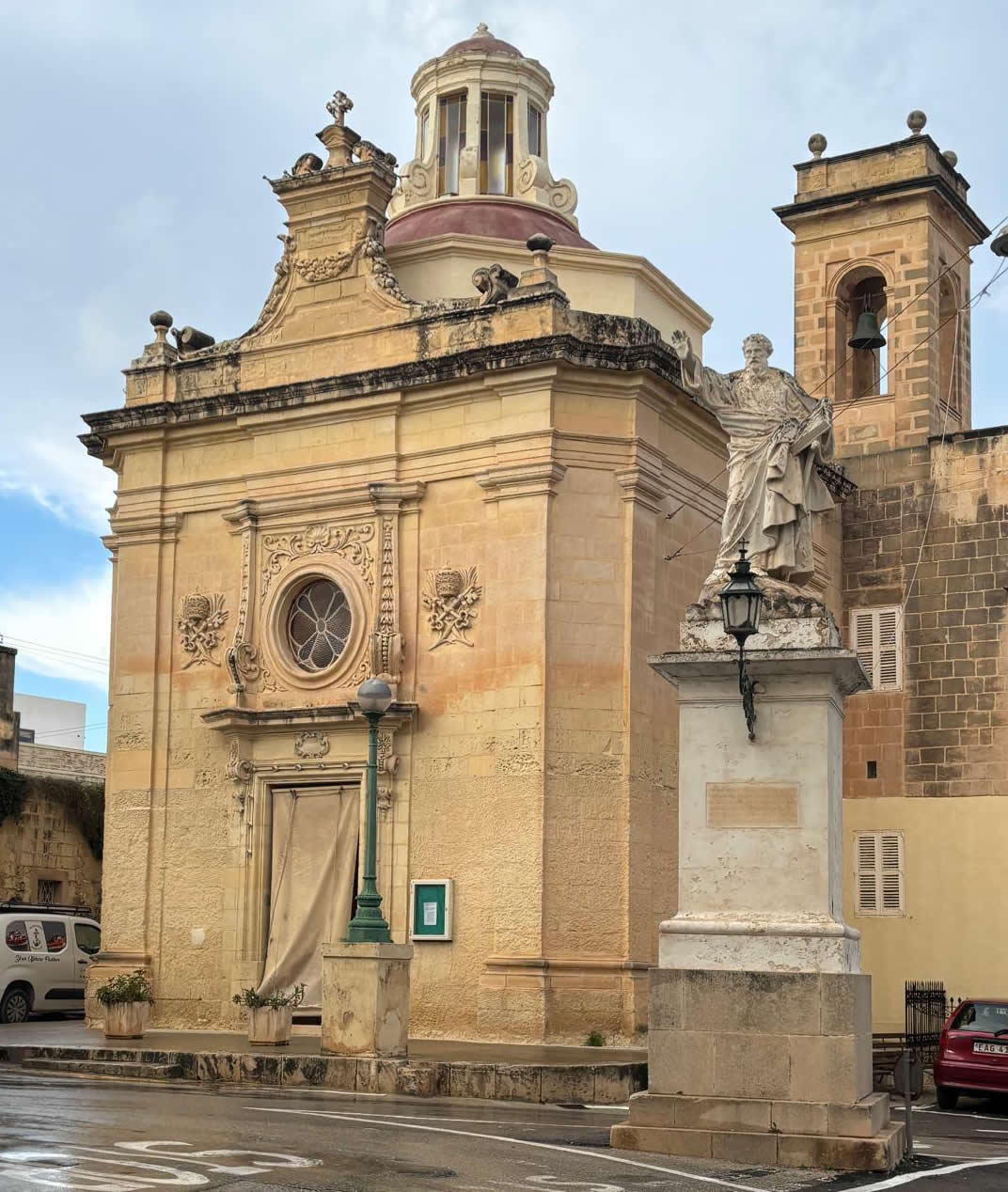
The San Pietru Chapel, dedicated to Saint Peter the Apostle, is a small historic church located in the village of Lija in central Malta. Although modest in size, the chapel represents an important part of the religious and cultural heritage of the locality and reflects the long tradition of wayside chapels that characterise the Maltese islands.
Like many chapels built across rural Malta during the late medieval and early modern periods, San Pietru served the spiritual needs of residents living in agricultural areas surrounding the village. The chapel stands close to a Dominican monastery and a residence for the elderly, reinforcing its long association with religious communities and charitable activity in the locality.
Origins of the Chapel
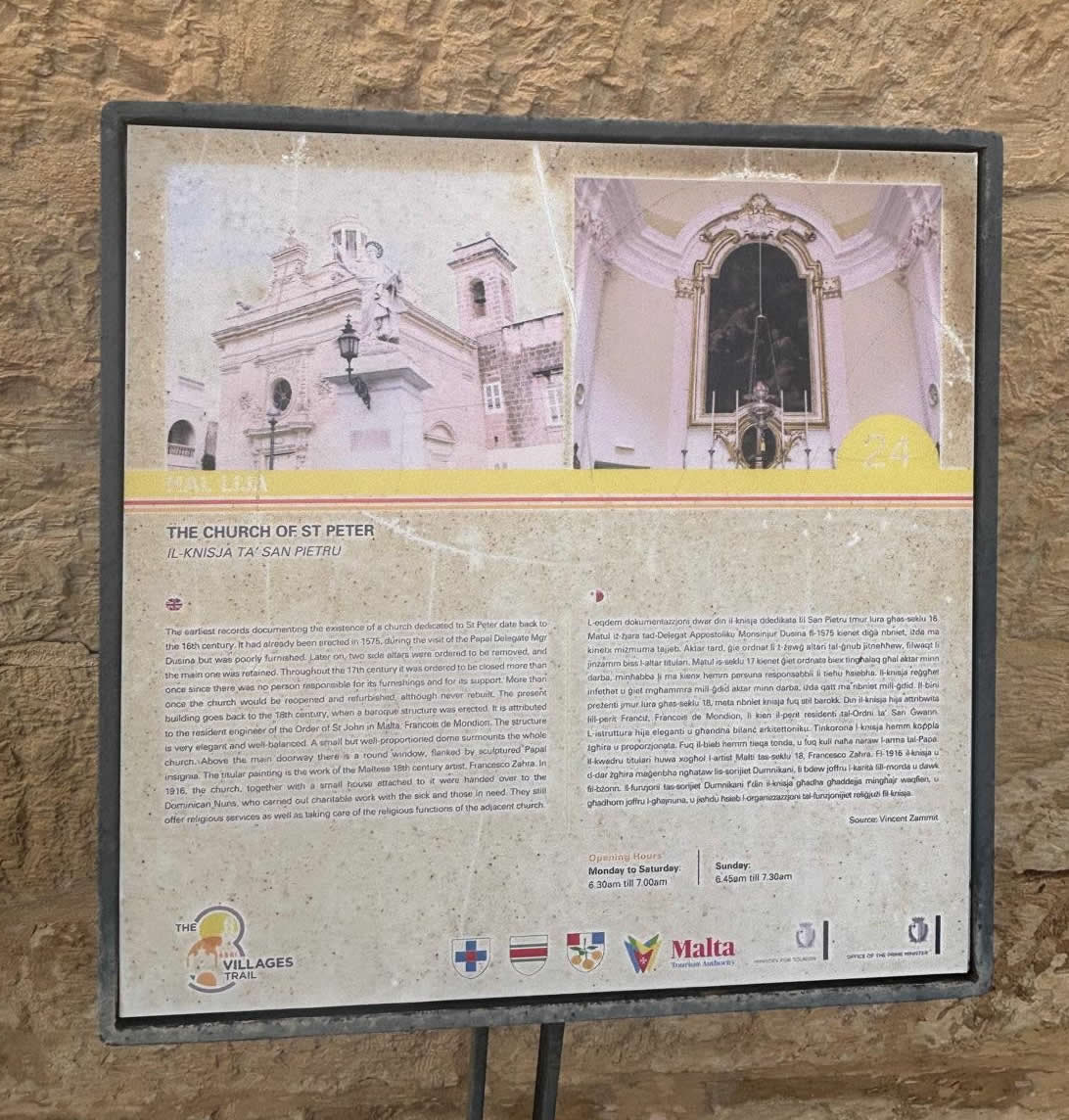
Historical records indicate that the first chapel on this site dates back to the sixteenth century. This early structure formed part of a network of small rural churches built to serve dispersed agricultural communities across Malta.
During this period Lija was still developing as a rural settlement composed largely of farmhouses and estates belonging to local noble families. Chapels such as San Pietru provided a convenient place for farmers and villagers to attend Mass or offer prayers without travelling to larger parish churches located in neighbouring villages.
The dedication to Saint Peter reflects the popularity of the apostle in Maltese religious devotion. As the first Pope and one of the principal disciples of Christ, Saint Peter has long been regarded as a protector of the Church and a symbol of faith and leadership.
Deconsecration in the Seventeenth Century
By the mid-seventeenth century the original chapel had deteriorated significantly. In 1658 ecclesiastical authorities decided to deconsecrate the building due to its poor condition.
Deconsecration was not uncommon for chapels during this period. Churches that had fallen into disrepair or were considered unsuitable for the celebration of Mass were often temporarily closed until they could be repaired or replaced.
The closure of the original chapel likely reflected broader changes taking place within the religious administration of Malta, particularly following the reforms introduced after the Council of Trent in the sixteenth century.
Reconstruction of the Chapel
In 1724 the chapel was rebuilt, replacing the earlier structure that had been deconsecrated several decades earlier.
The reconstruction occurred during the period of the Knights of St John, when many churches and chapels across Malta were rebuilt or expanded in accordance with the architectural tastes of the Baroque era.
The new structure retained the dedication to Saint Peter and continued to serve the spiritual needs of the surrounding community.
Architectural Characteristics
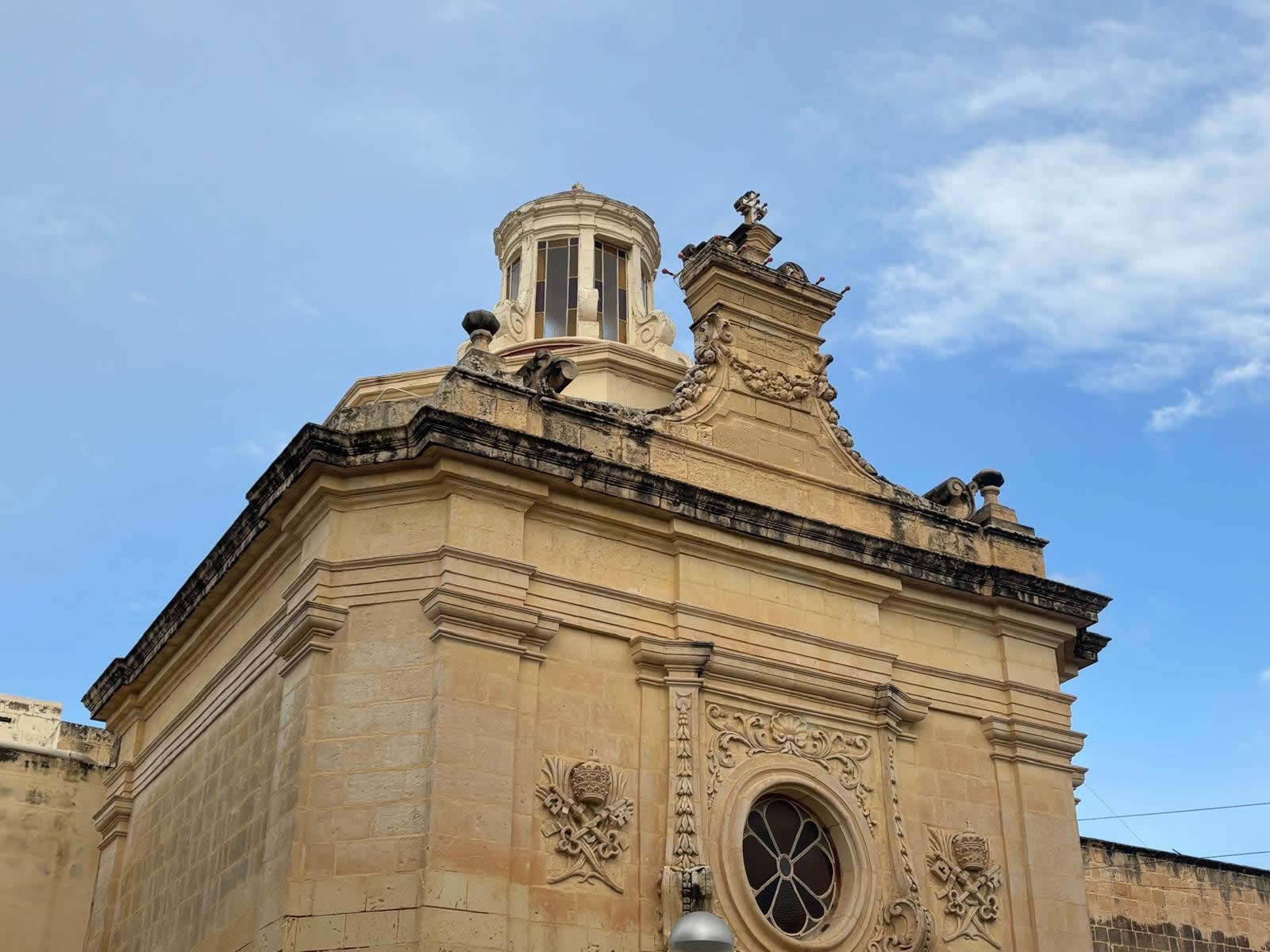
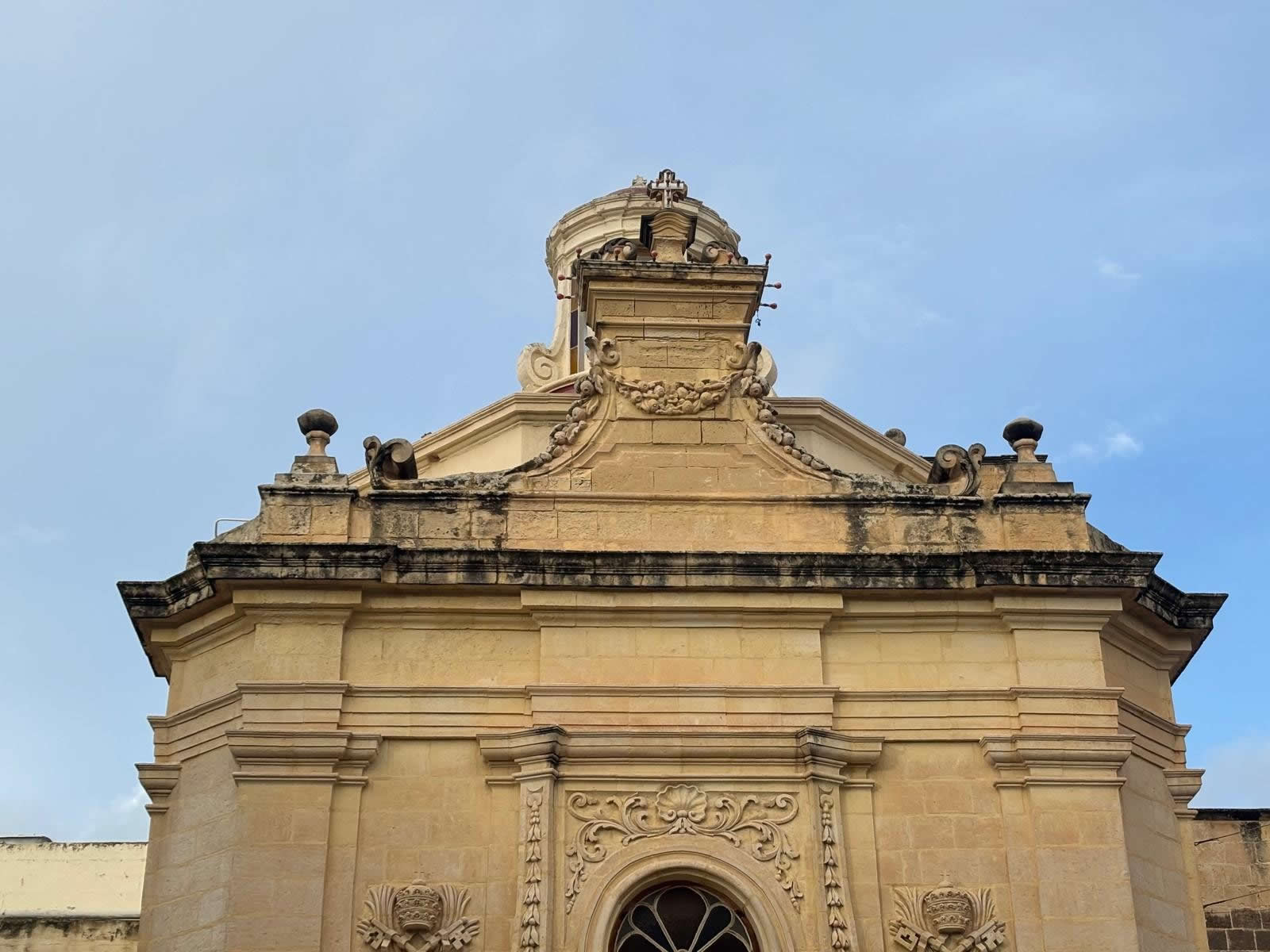
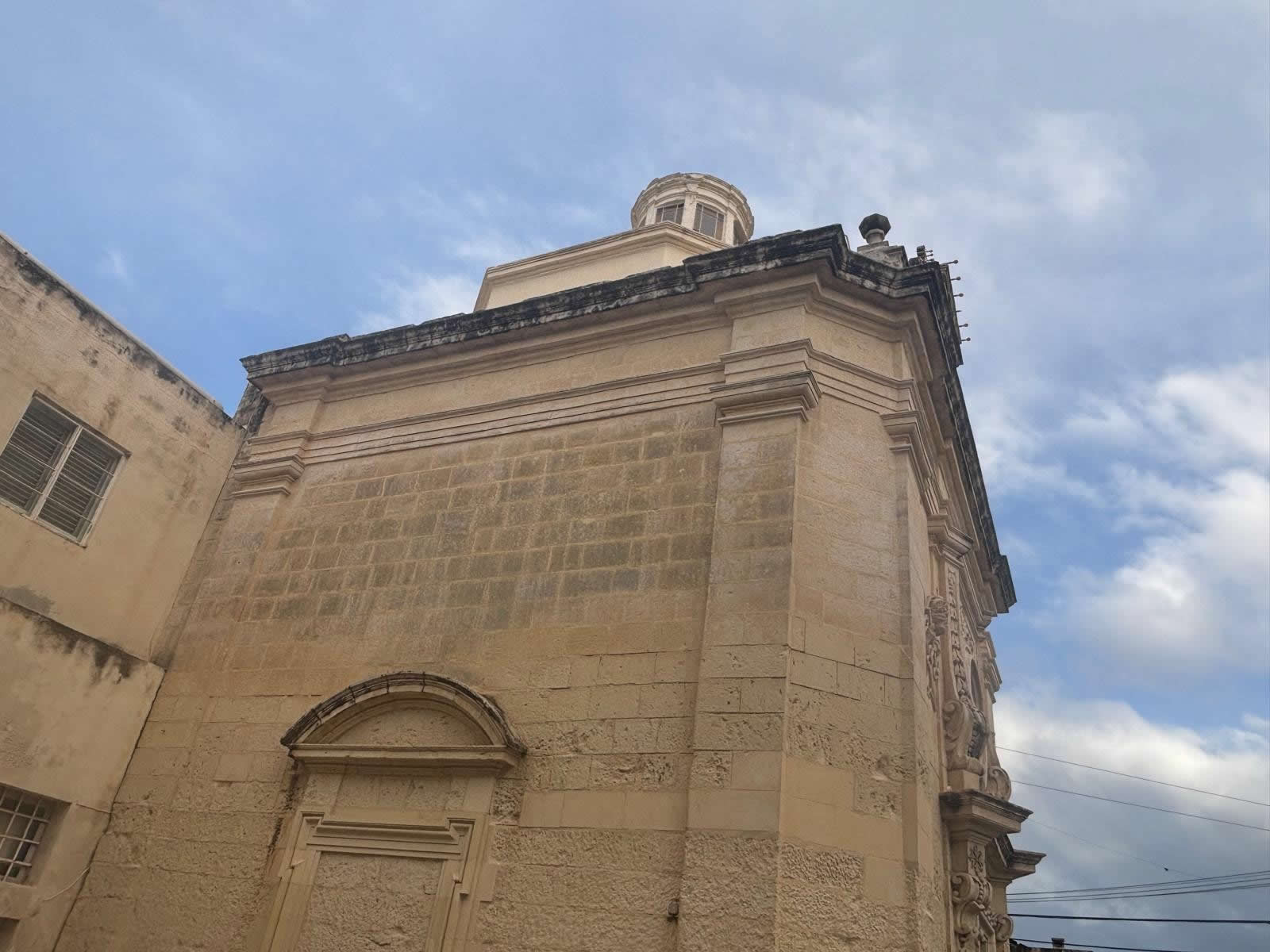
The architecture of San Pietru Chapel reflects the traditional design of Maltese rural churches built during the eighteenth century. The building is constructed using locally quarried limestone, the characteristic golden stone that defines the architectural landscape of Malta.
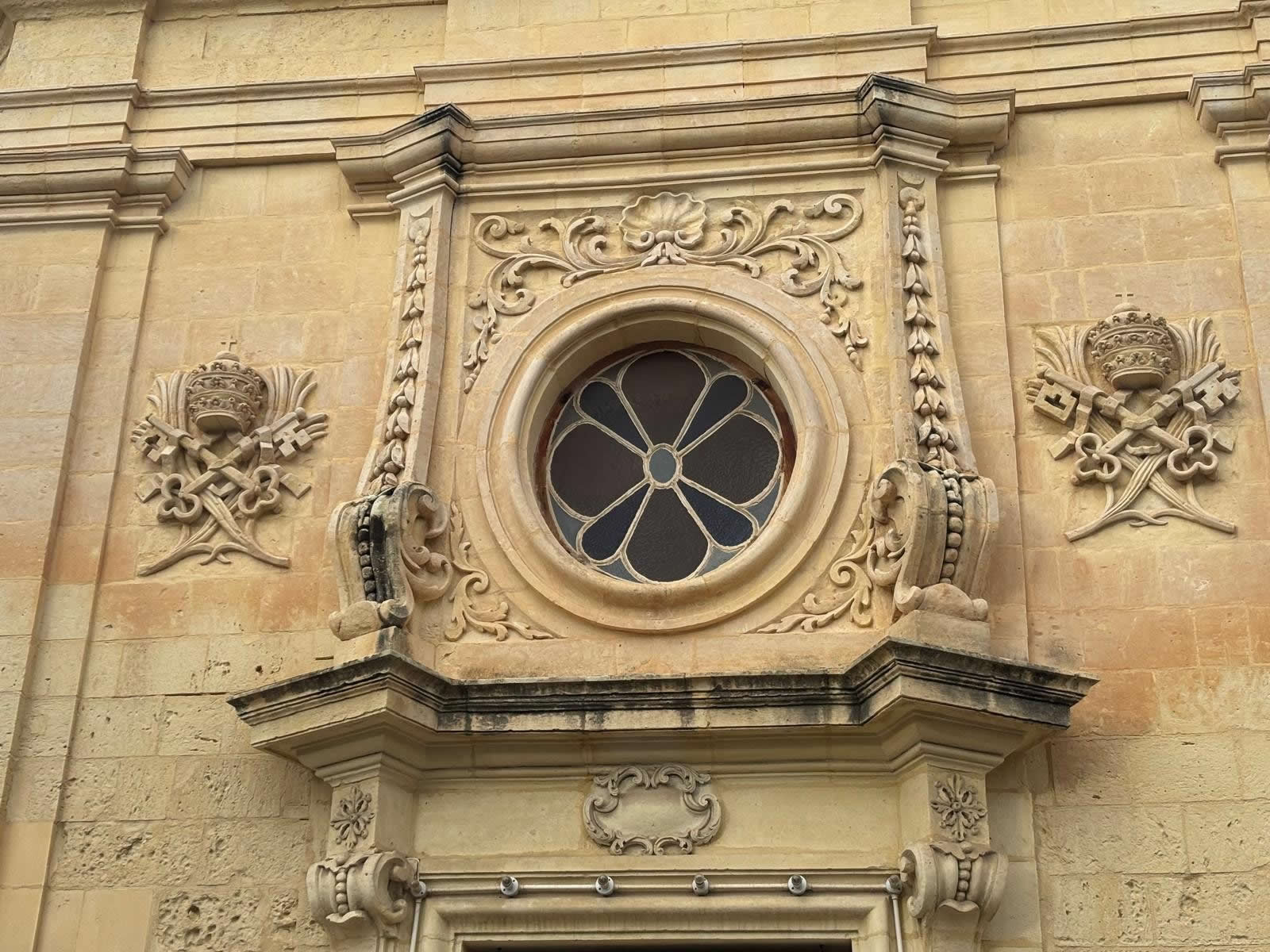
The façade is simple yet elegant, consisting of a rectangular entrance framed by stone mouldings and topped by a modest pediment. Above the doorway there is typically a small niche or window providing light to the interior.
The interior of the chapel consists of a single nave leading to a small sanctuary containing the main altar dedicated to Saint Peter.
Like many Maltese chapels, the building is modest in scale but designed to create a solemn atmosphere appropriate for prayer and religious reflection.
The Belfry
A notable feature of the chapel is the belfry which was added in 1950.
Bell-cots or small bell towers are common features in Maltese chapels. These structures house the bell used to announce religious services and devotional gatherings.
The addition of the belfry in the mid-twentieth century represents one of the most visible modifications made to the building in modern times.
Interior and Religious Art
The interior of the chapel centres on the main altar dedicated to Saint Peter. Traditionally, chapels of this type contain a titular painting representing the saint to whom the church is dedicated.
In Maltese religious art Saint Peter is often depicted holding the keys of heaven, symbolising his role as the guardian of the gates of heaven and the authority granted to him by Christ.
Although the chapel is relatively small compared to parish churches, its artistic elements contribute to the devotional character of the building and reflect the broader artistic traditions of Maltese ecclesiastical art.
Role of the Dominican Sisters
Since 1916 the chapel has been under the care of the Dominican Sisters.
The Dominican order has played an important role in Maltese religious life for centuries. The sisters living in the nearby convent have maintained the chapel and ensured that it continues to serve as a place of prayer and devotion.
Their stewardship has contributed significantly to the preservation of the chapel and its continued presence within the spiritual landscape of Lija.
Religious and Community Use
Although smaller than the parish church of Lija, San Pietru Chapel continues to hold religious and historical importance within the village.
Chapels such as this often serve as locations for private prayer, devotional gatherings and occasional liturgical celebrations.
They also form part of the rich network of religious landmarks that characterise Maltese towns and villages, where churches and chapels are often found within short walking distance of each other.
Location
| Church | San Pietru Chapel |
|---|---|
| Dedication | Saint Peter the Apostle |
| Location | Lija, Malta |
| Coordinates | 35.902600, 14.447107 |
| Original Chapel | 16th century |
| Deconsecrated | 1658 |
| Rebuilt | 1724 |
| Belfry Added | 1950 |
| Care of Chapel | Dominican Sisters (since 1916) |
Conclusion
The San Pietru Chapel in Lija stands as a testament to Malta’s rich religious heritage and the enduring tradition of small community chapels that have served generations of worshippers across the islands.
From its origins in the sixteenth century to its reconstruction in the eighteenth century and later stewardship by the Dominican Sisters, the chapel continues to embody the spiritual history of Lija.
Today San Pietru remains a quiet yet significant landmark within the village, offering insight into the architectural traditions, religious devotion and cultural identity that define Malta’s historic churches and chapels.