📍 Location
Location Map Coordinates 35.898609, 14.510901
The Knisja ta’ Santu Wistin, or Church of St Augustine, is one of the historic Roman Catholic churches located in the capital city of Valletta, Malta. Positioned at coordinates 35.898609, 14.510901, the church forms part of the early religious infrastructure established during the construction of Valletta in the late sixteenth century.
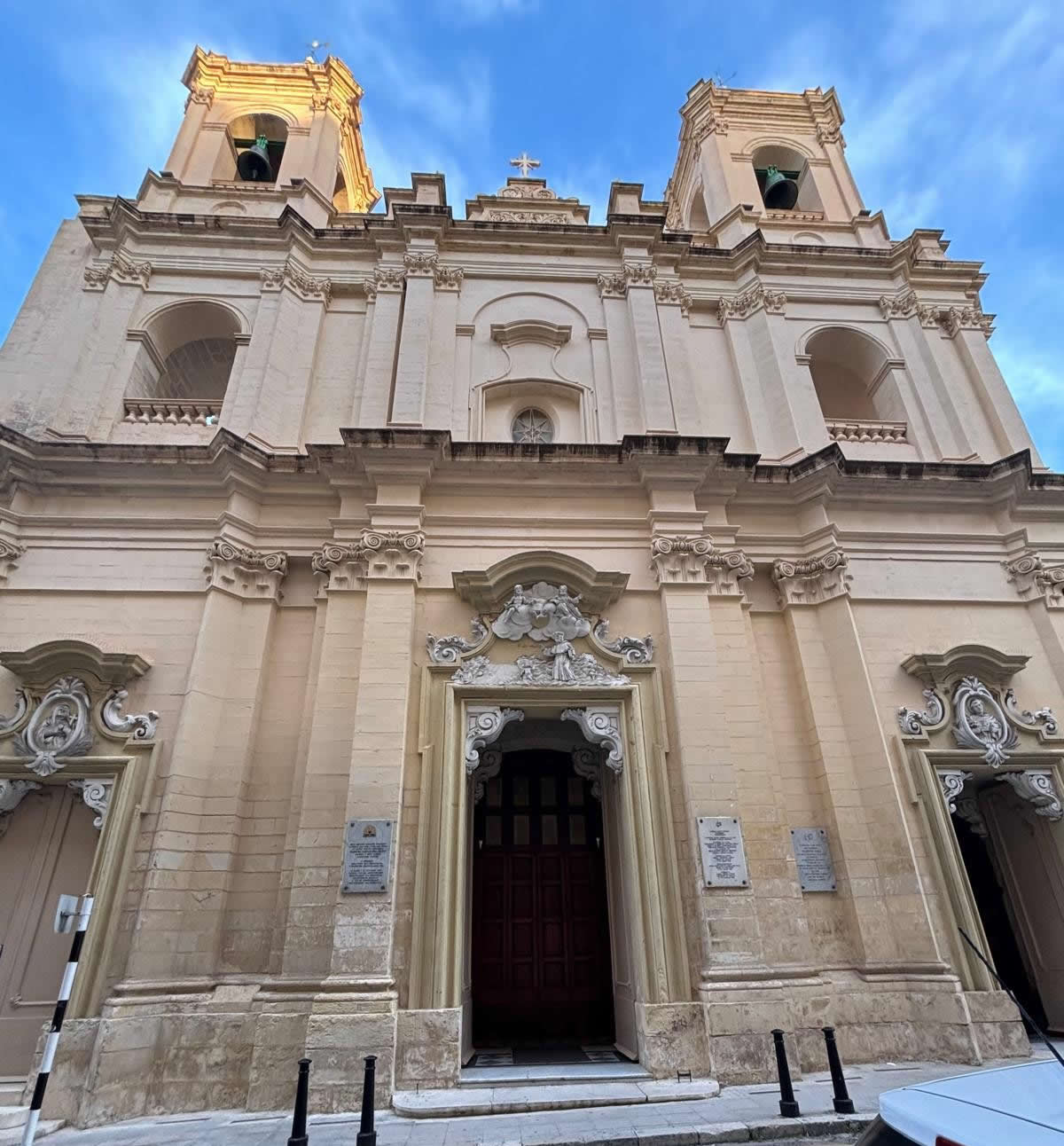
Dedicated to St Augustine of Hippo, one of the most influential theologians and philosophers of early Christianity, the church reflects the long presence of the Augustinian Order in Malta. The building stands as a significant example of Maltese Baroque religious architecture and remains an active parish church serving the local community.
The origins of the church date back to 1571, when its foundation stone was laid during the earliest stages of Valletta’s development following the Great Siege of 1565. The initial church was designed by the renowned Maltese architect Girolamo Cassar, who was responsible for many of the city’s earliest buildings.
Historical Origins
When Valletta was founded by the Knights of St John in 1566, the city was carefully planned to include churches belonging to various religious orders. The Augustinian friars were granted land within the new city where they constructed both a convent and a church dedicated to their spiritual founder, St Augustine.
The original church built in 1571 formed part of a larger Augustinian complex that included a convent, sacristy, oratory, and other religious buildings occupying an entire city block bounded by Old Bakery Street, St John Street, Old Mint Street, and St Mark Street.
This early structure served the religious needs of the Augustinian community and became an important centre of spiritual activity within the new capital.
Reconstruction and Baroque Transformation
During the eighteenth century the original church required significant rebuilding due to structural deterioration and evolving architectural tastes. In 1765, the church was extensively reconstructed according to designs by architect Giuseppe Bonici, one of the leading Maltese architects of the period.
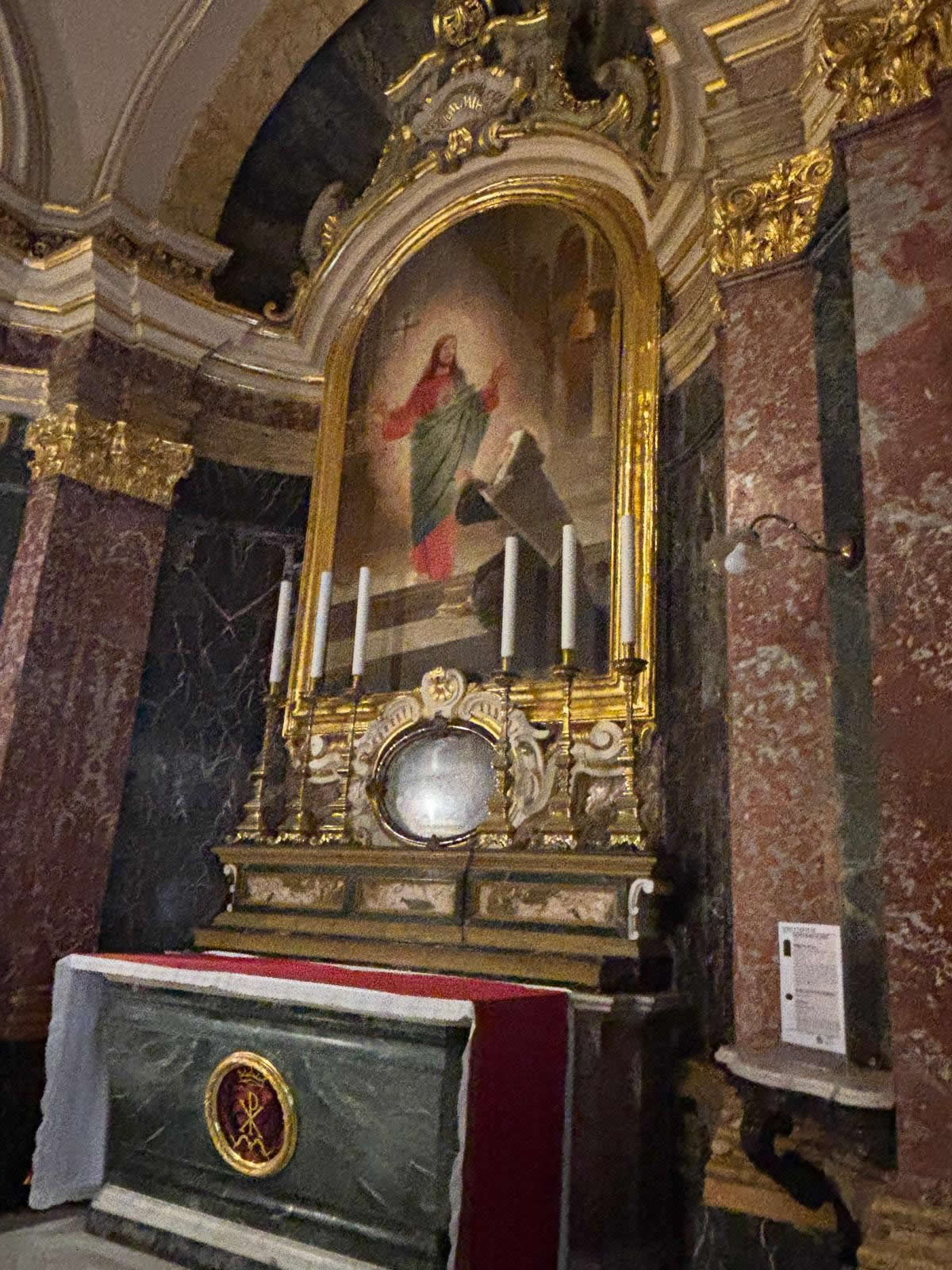
The reconstruction introduced the richly decorated Baroque architectural style which characterises many of Malta’s historic churches. The redesign incorporated elaborate limestone carvings, sculptural ornamentation, and a more monumental interior layout while preserving certain elements from the earlier structure.
The present church building was completed in 1794 and has remained largely unchanged since that period, preserving its distinctive Baroque identity.
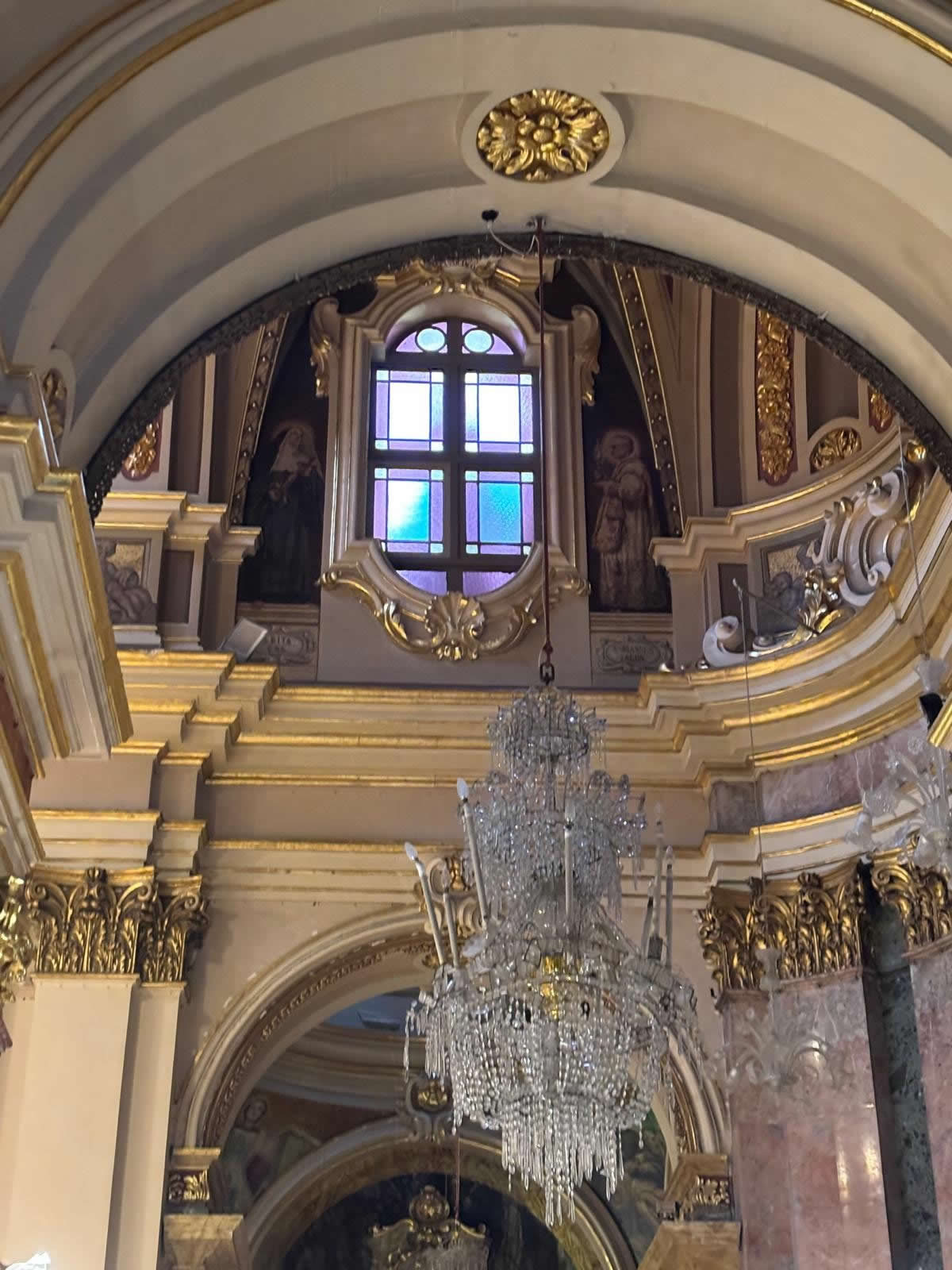
Architectural Features
Exterior Architecture
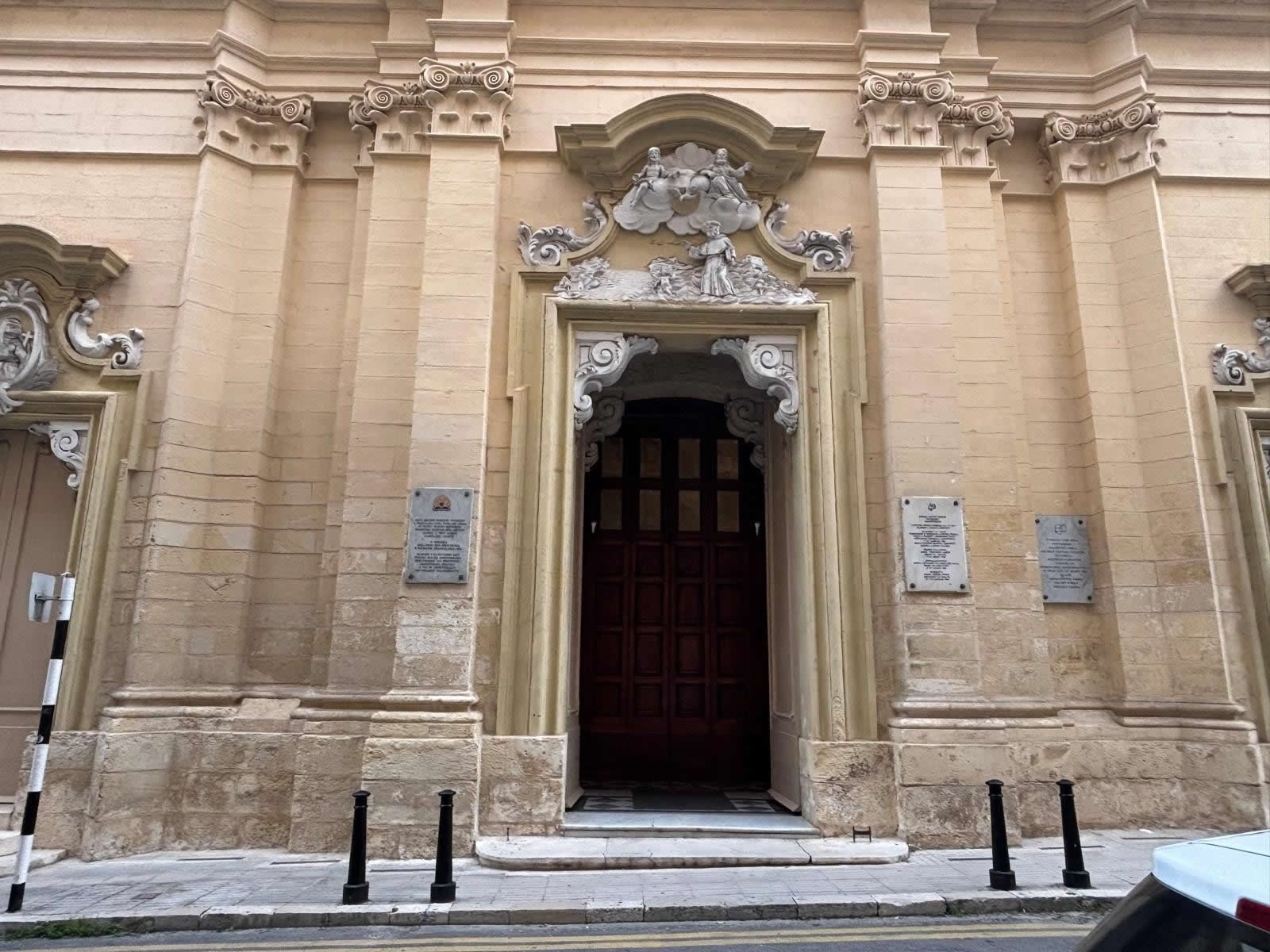
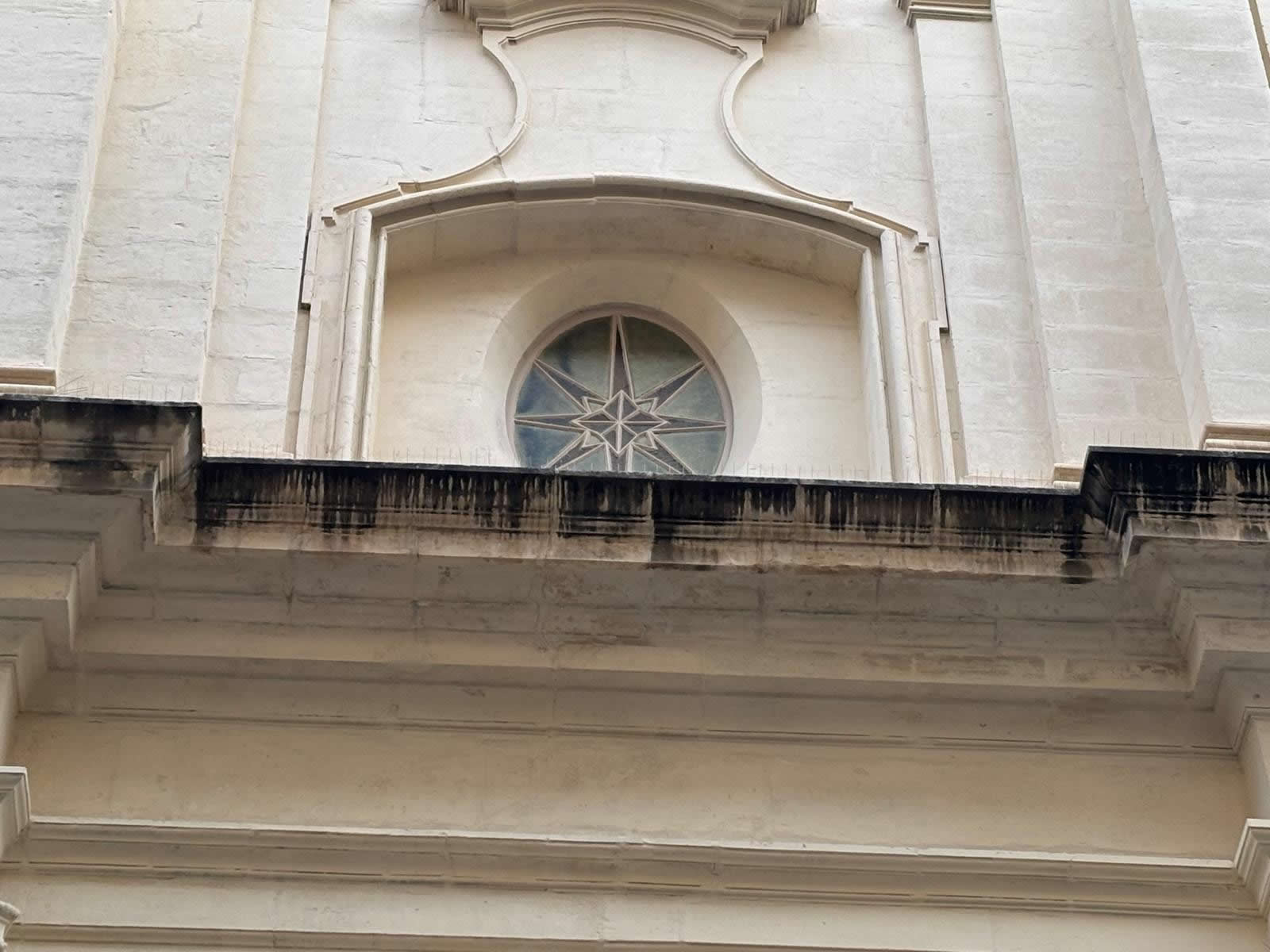
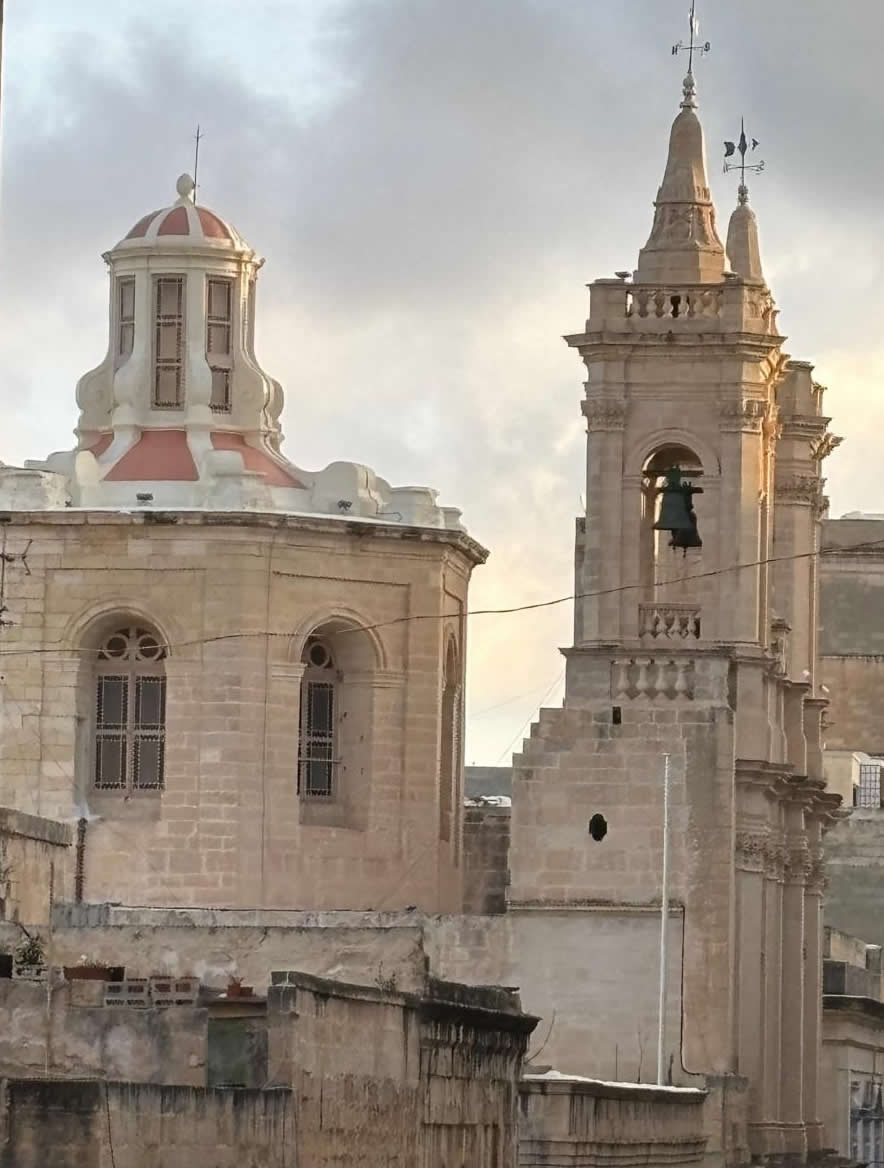
The façade of St Augustine Church reflects the elegance of Maltese Baroque design. Constructed from locally quarried limestone, the exterior displays balanced proportions and carefully carved architectural details.
- A symmetrical Baroque façade
- Decorative stone carvings and mouldings
- Arched entrance portal
- Bell tower and sculptural elements
A life-size statue of St Augustine is located on the corner of Old Bakery Street and St John Street. The current statue replaced an earlier one destroyed during wartime bombing in 1943.
Interior Design
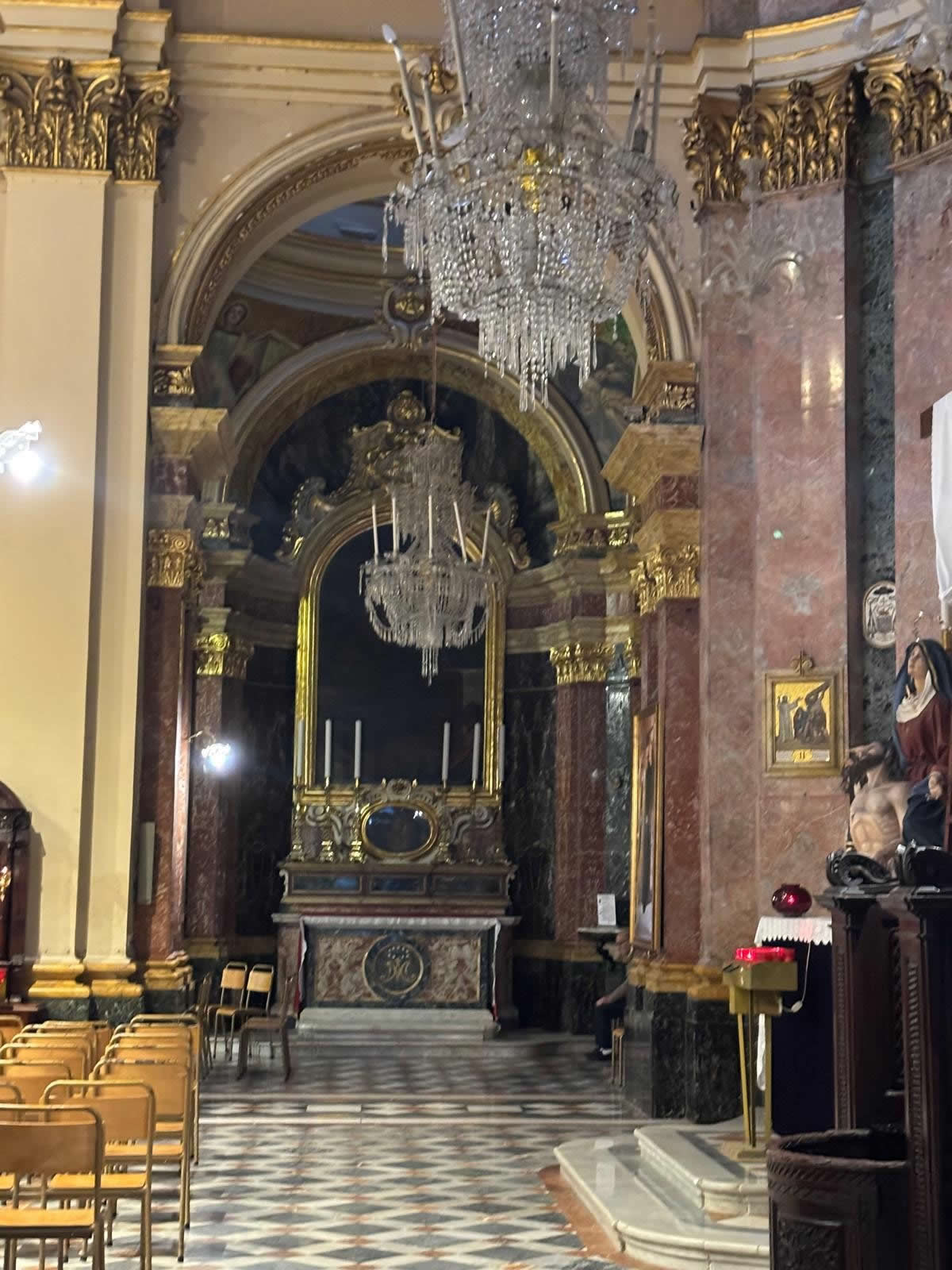
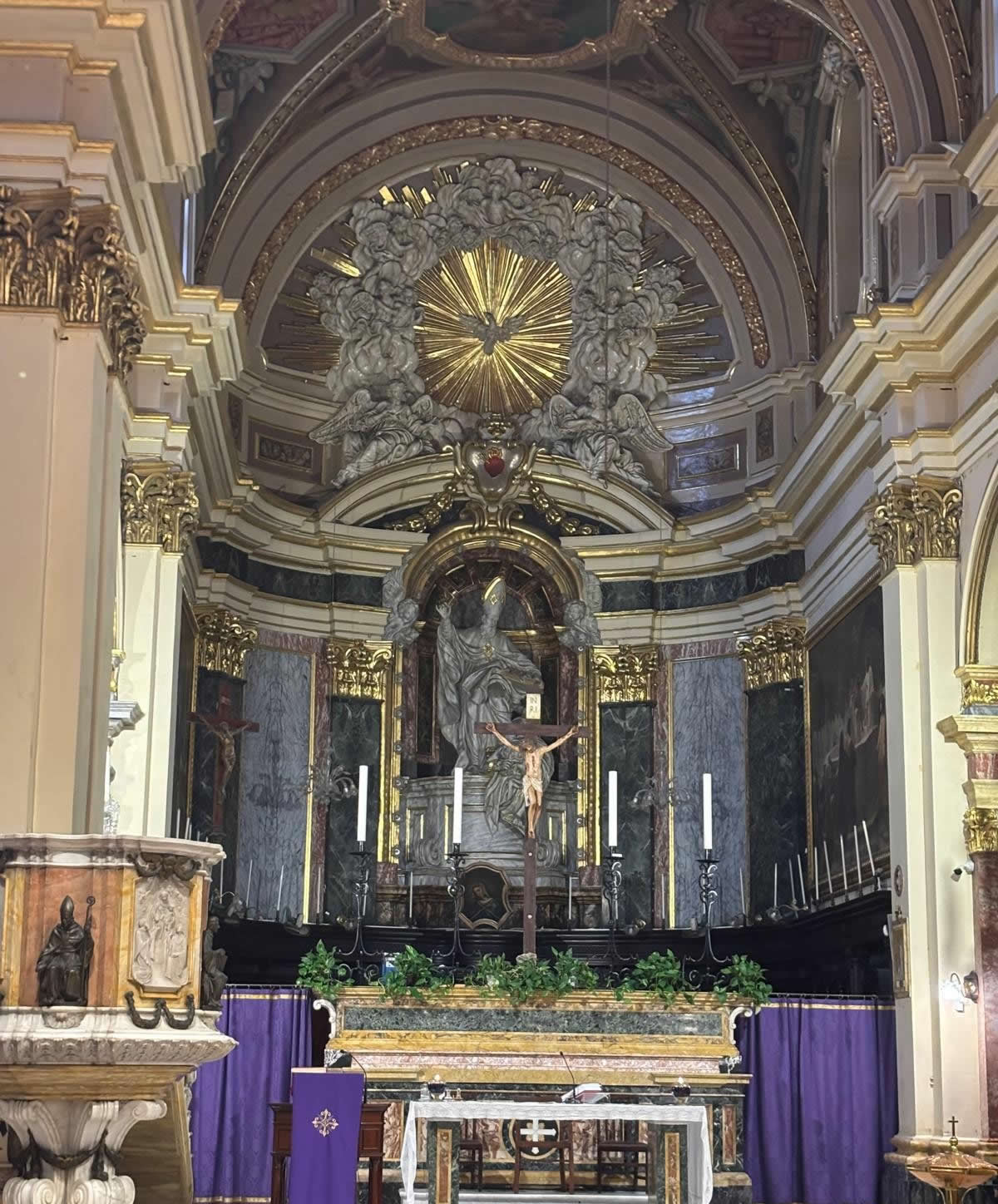
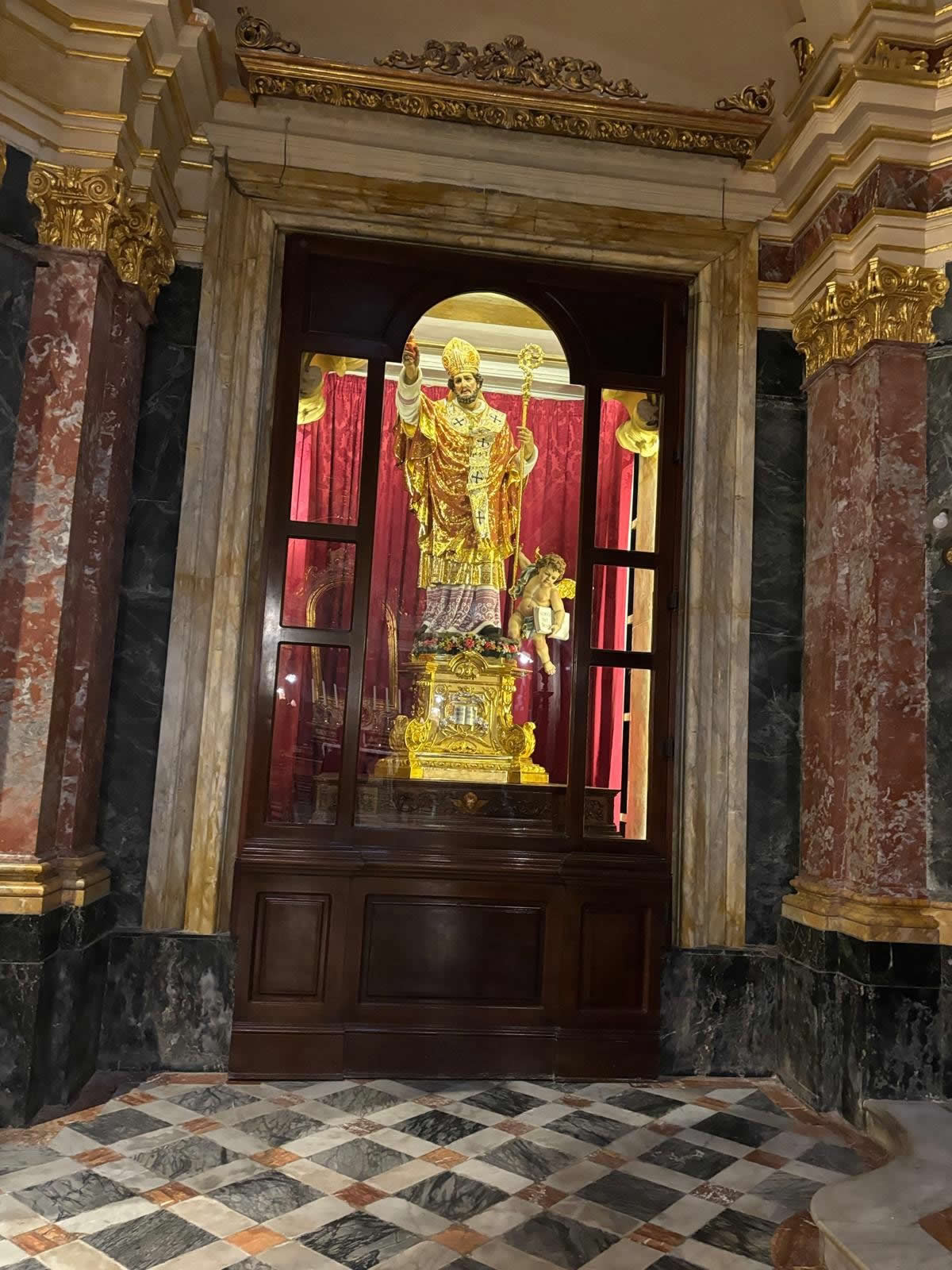
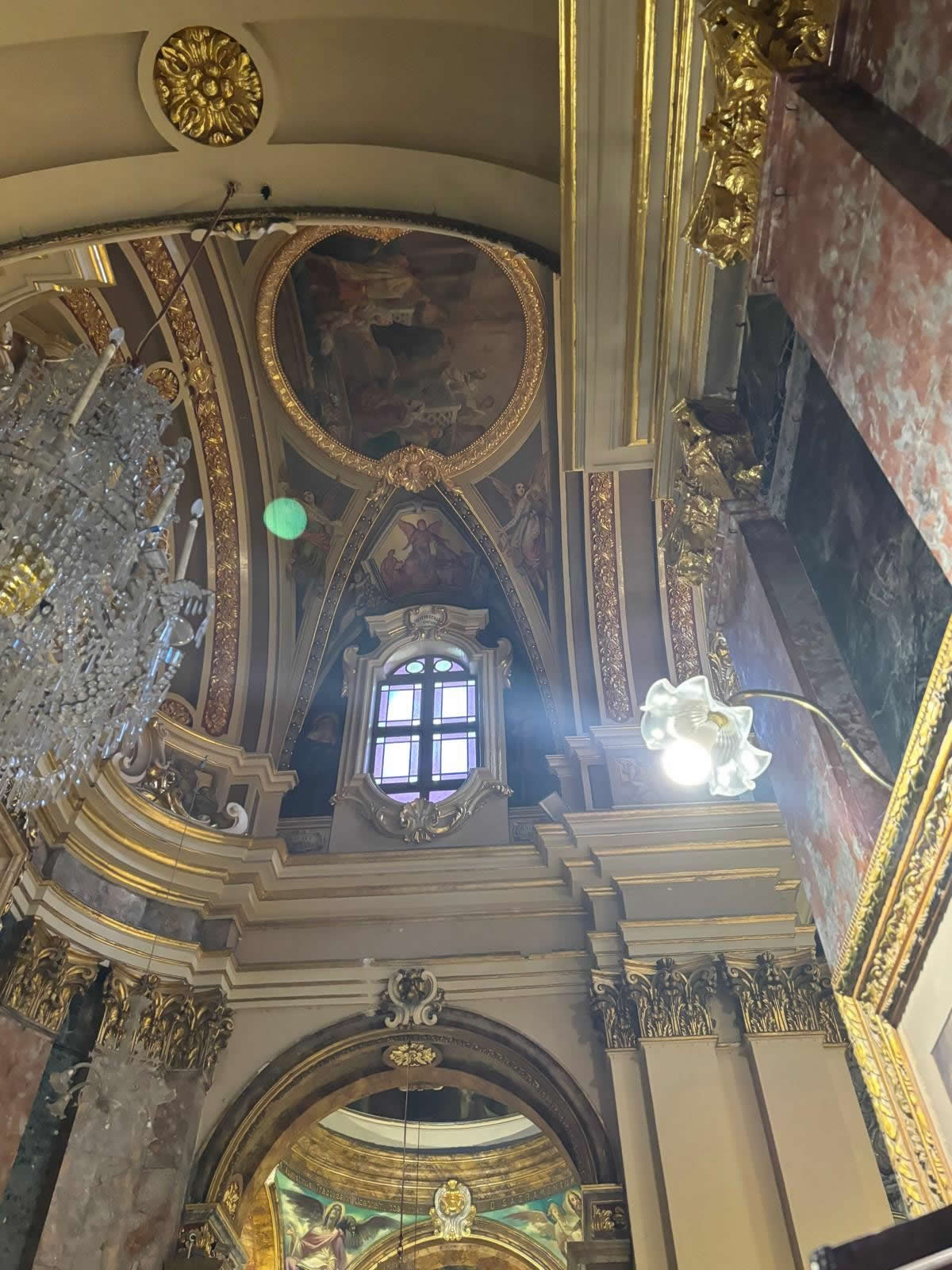
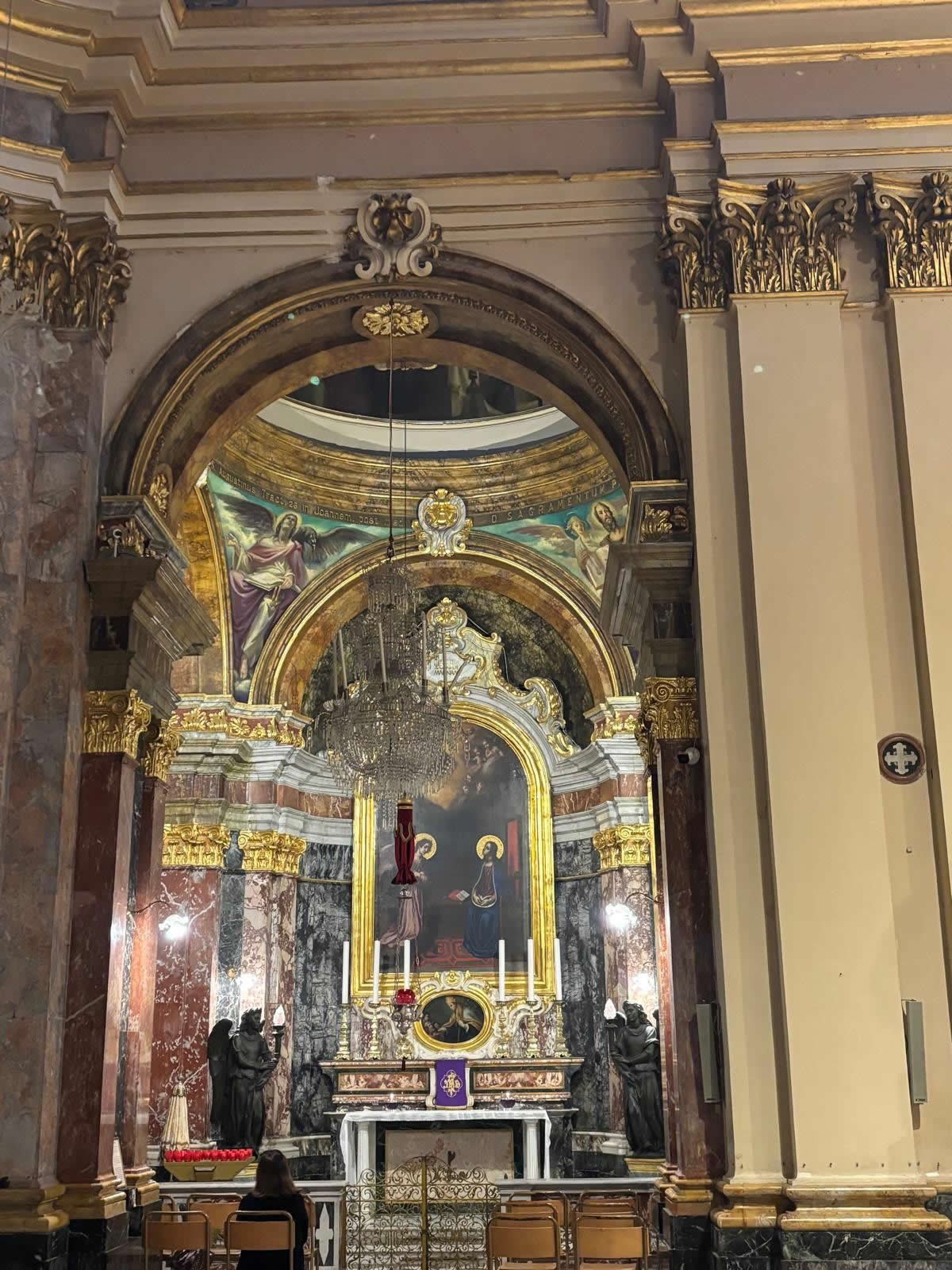
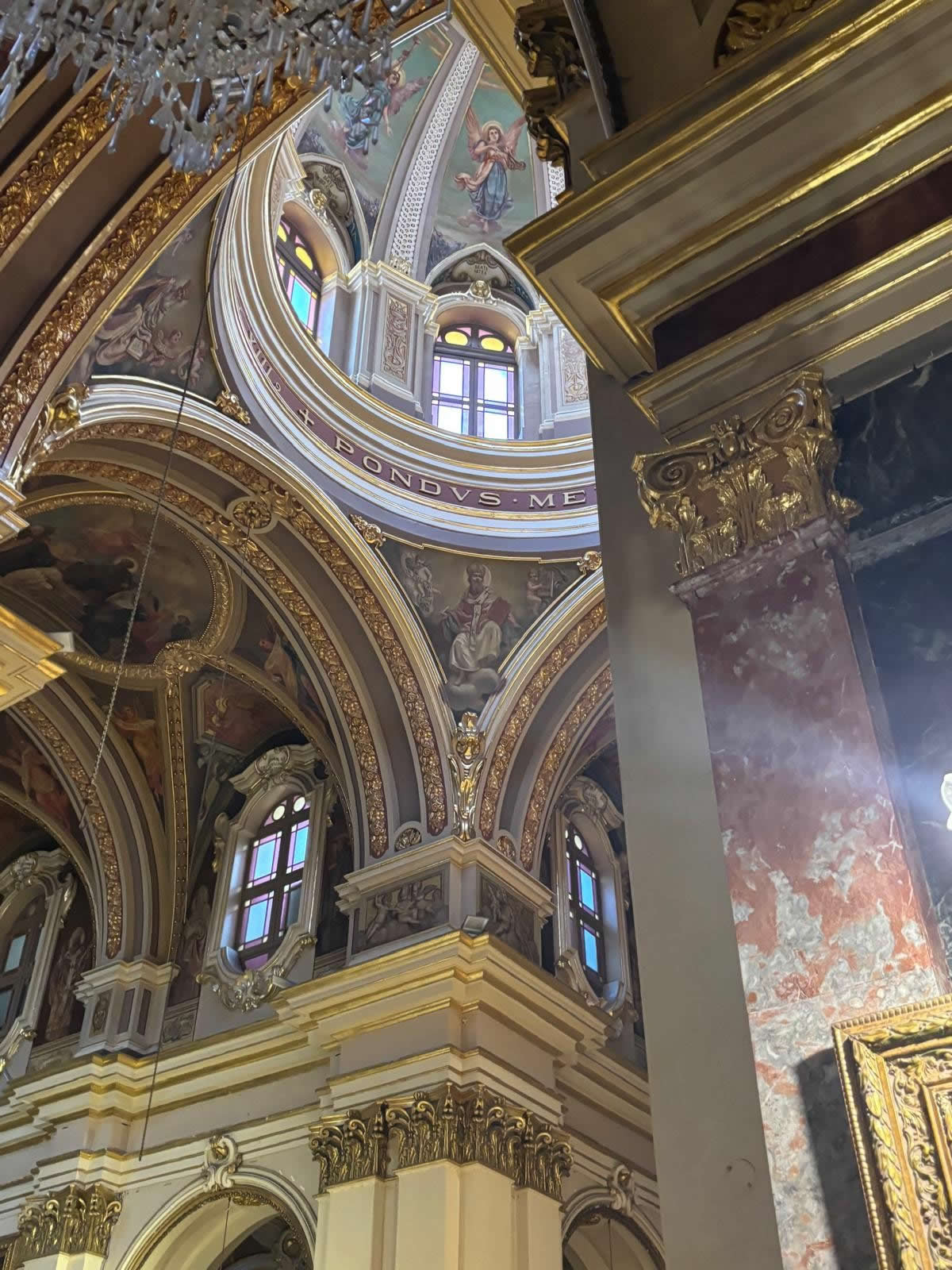
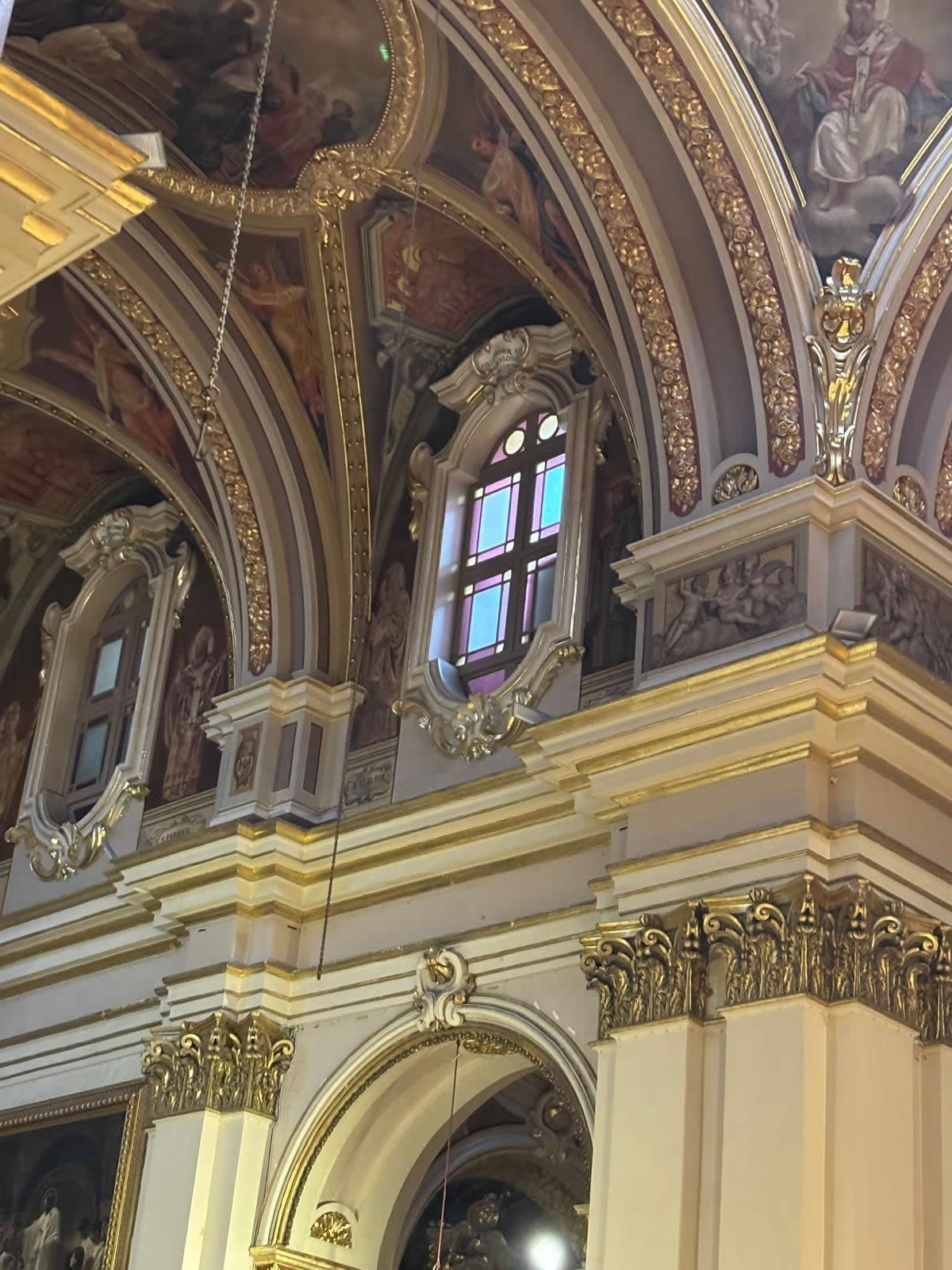
Inside the church visitors encounter a spacious Baroque interior characterised by a cruciform layout and a central dome above the crossing. The design differs slightly from many traditional parish churches and creates a dramatic focal point beneath the dome.
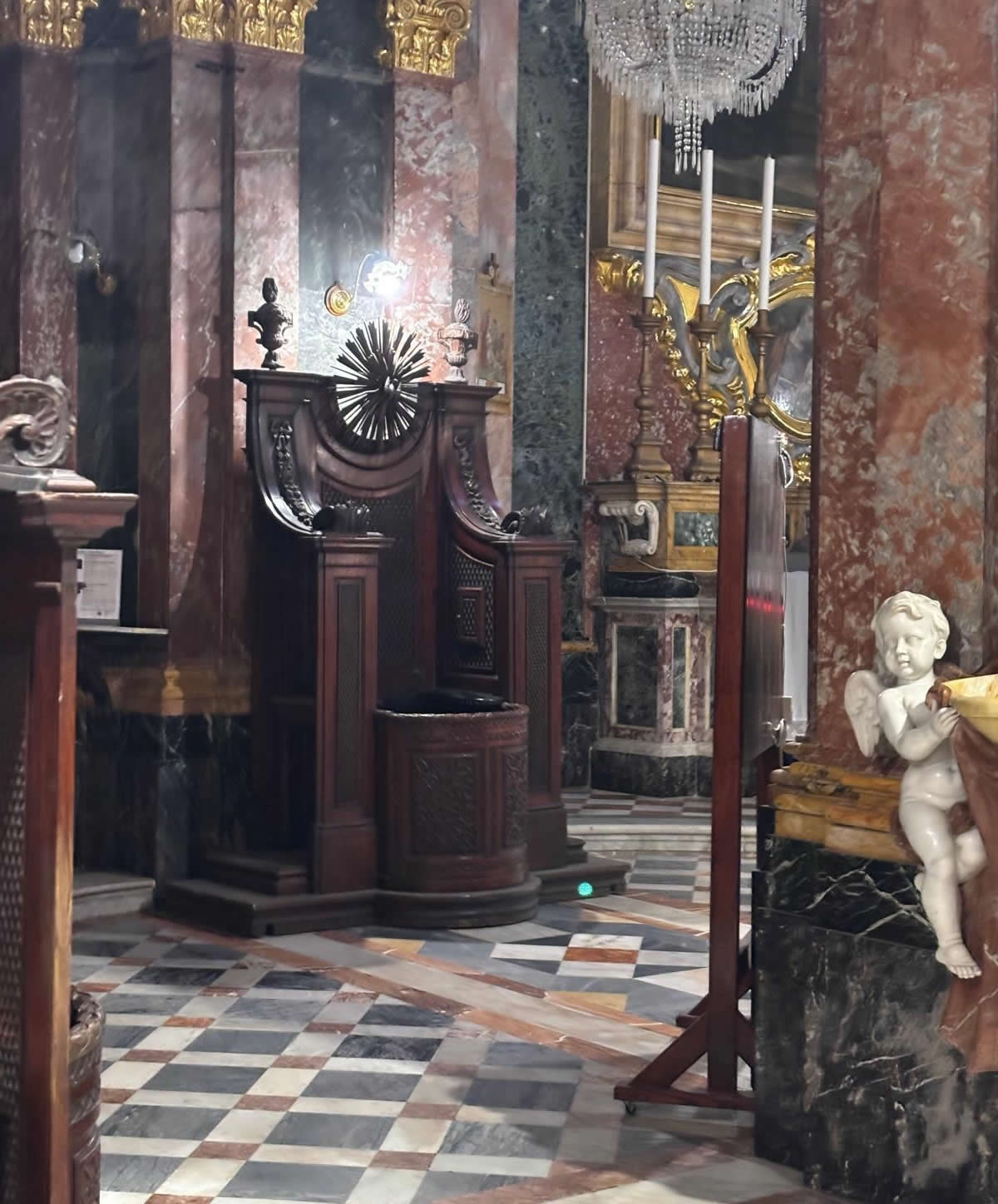
The interior decoration includes marble altars, carved sculptures, decorative stucco work, and a variety of paintings illustrating the life and spirituality of St Augustine and other saints associated with the Augustinian Order.
Artworks and Religious Treasures
The Church of St Augustine contains numerous works of religious art reflecting the long history of the Augustinian community in Valletta.
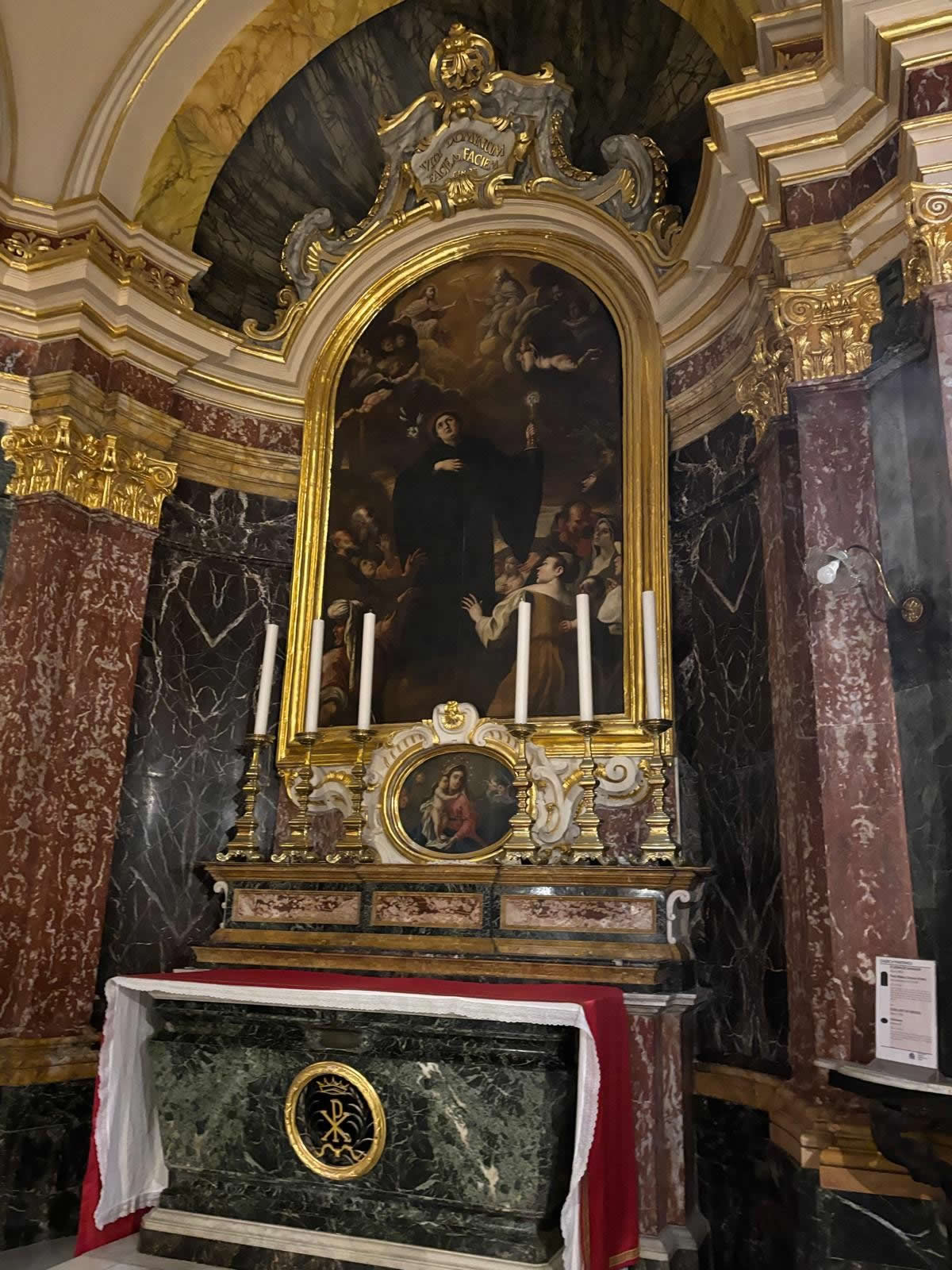
Among the most significant pieces is a sixteenth-century painting of St Nicholas of Tolentino, an Augustinian saint, attributed to the famous Baroque artist Mattia Preti. This painting is preserved within one of the church’s side chapels.
Another notable artwork depicts St John of Sahagún, a Spanish Augustinian saint born in the fifteenth century. The painting is believed to originate from the artistic circle or school of Mattia Preti and demonstrates the influence of Baroque painting in Malta during the seventeenth century.
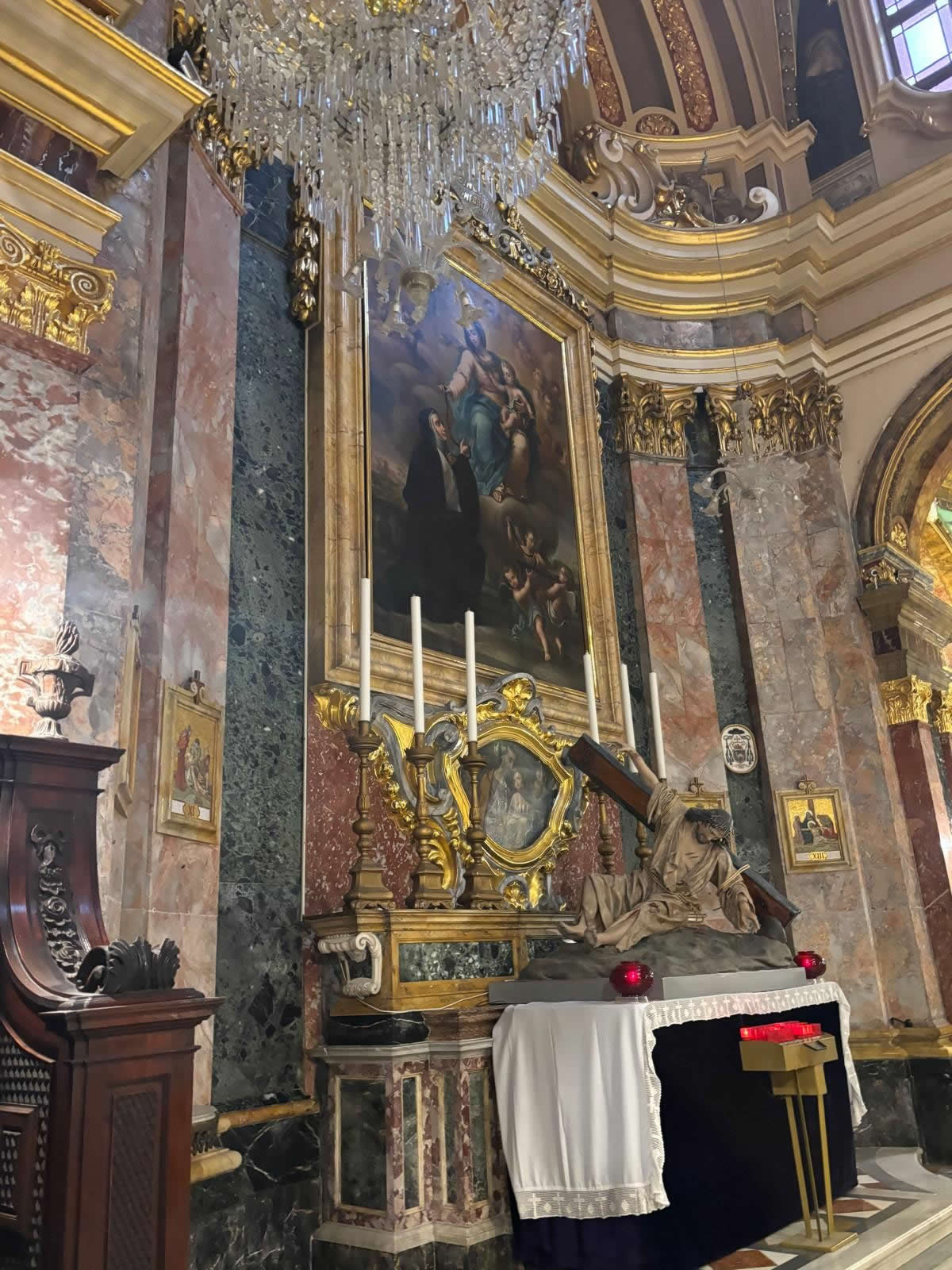
The church also houses an important statue of St Rita of Cascia, one of the most beloved saints of the Augustinian tradition. Devotion to St Rita remains strong among Maltese Catholics, and her feast in May is traditionally marked by religious celebrations and processions.
Becoming a Parish Church
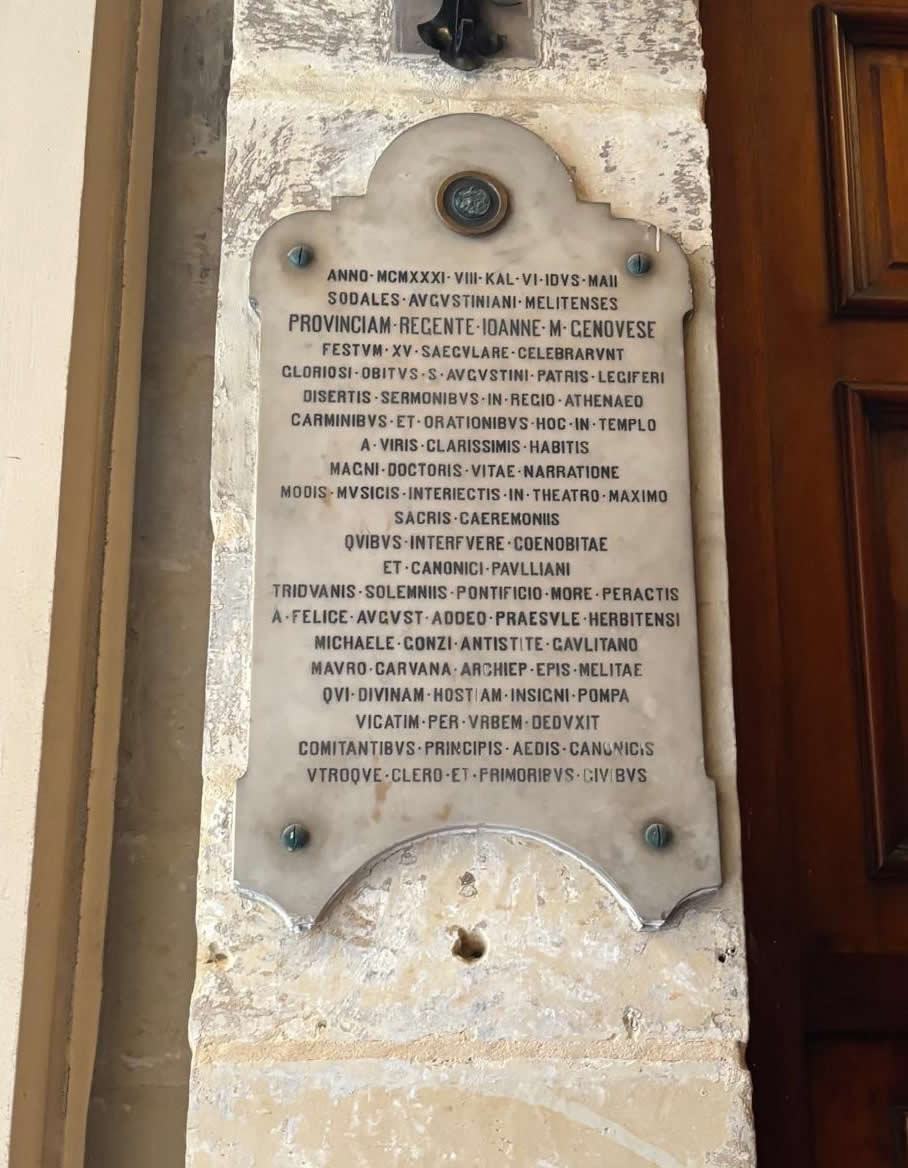
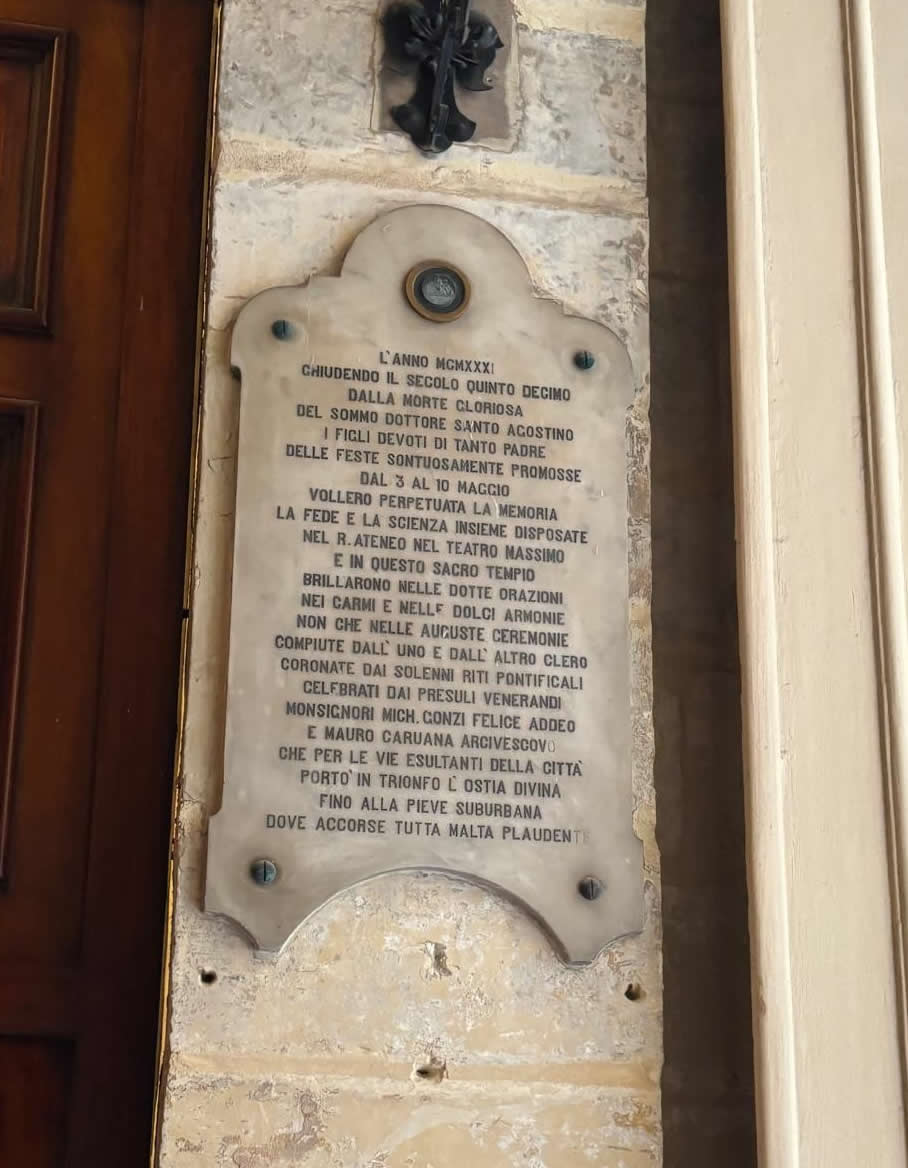
Although the church served the Augustinian community for centuries, it was only in the twentieth century that it officially became a parish church. On 21 January 1968, Archbishop Michael Gonzi announced the creation of a new parish centred on the Church of St Augustine.
The parish was formally established on 1 February 1968, serving a significant portion of Valletta’s population previously belonging to neighbouring parishes.
Since then the church has played an important pastoral role in the spiritual life of the city, hosting regular liturgical services, feast celebrations, and community events.
Damage During World War II
Like many historic buildings in Valletta, the Church of St Augustine suffered damage during the heavy aerial bombardment of Malta in the Second World War. Parts of the complex, including decorative sculptures and architectural elements, were destroyed or damaged.
Following the war, restoration works were carried out to repair the church and its adjoining convent. A new stone statue of St Augustine sculpted by Marku Montebello replaced the earlier statue destroyed during wartime bombing and was inaugurated in 1948.
Restoration and Conservation
In recent decades the church has undergone various conservation projects aimed at preserving its architectural and artistic heritage. These projects have included structural repairs, restoration of limestone façades, and the conservation of interior artworks and sculptures.
Heritage authorities in Malta recognise the church as an important cultural monument and have scheduled it as a protected historic building to ensure its preservation for future generations.
Religious and Cultural Role Today
Today the Church of St Augustine continues to function as an active parish church serving both Valletta residents and visitors to the city. The church hosts daily Mass, special liturgical celebrations, and devotional activities throughout the year.
Particularly significant is the celebration of the feast of St Augustine and the devotion to St Rita, which attracts many devotees seeking the saint’s intercession.
Beyond its religious functions, the church also forms part of Valletta’s cultural heritage landscape and is frequently visited by tourists interested in Maltese history, architecture, and religious traditions.
Visiting the Church
The Church of St Augustine is located in the historic centre of Valletta, within walking distance of many of the city’s most famous landmarks including:
- St John’s Co-Cathedral
- Republic Street
- Upper Barrakka Gardens
- The Grand Master’s Palace
Visitors exploring Valletta’s historic churches will find St Augustine Church an important stop that illustrates the influence of religious orders and the artistic heritage of Maltese Baroque architecture.
Conclusion
The Knisja ta’ Santu Wistin stands as one of Valletta’s most historically significant churches. Founded during the earliest years of the capital city in 1571 and later rebuilt in the eighteenth century, the church reflects more than four centuries of Maltese religious history.
With its impressive Baroque architecture, valuable artworks, and continued role as a parish church, St Augustine Church remains an enduring symbol of the Augustinian spiritual tradition in Malta and an important part of Valletta’s rich cultural heritage.