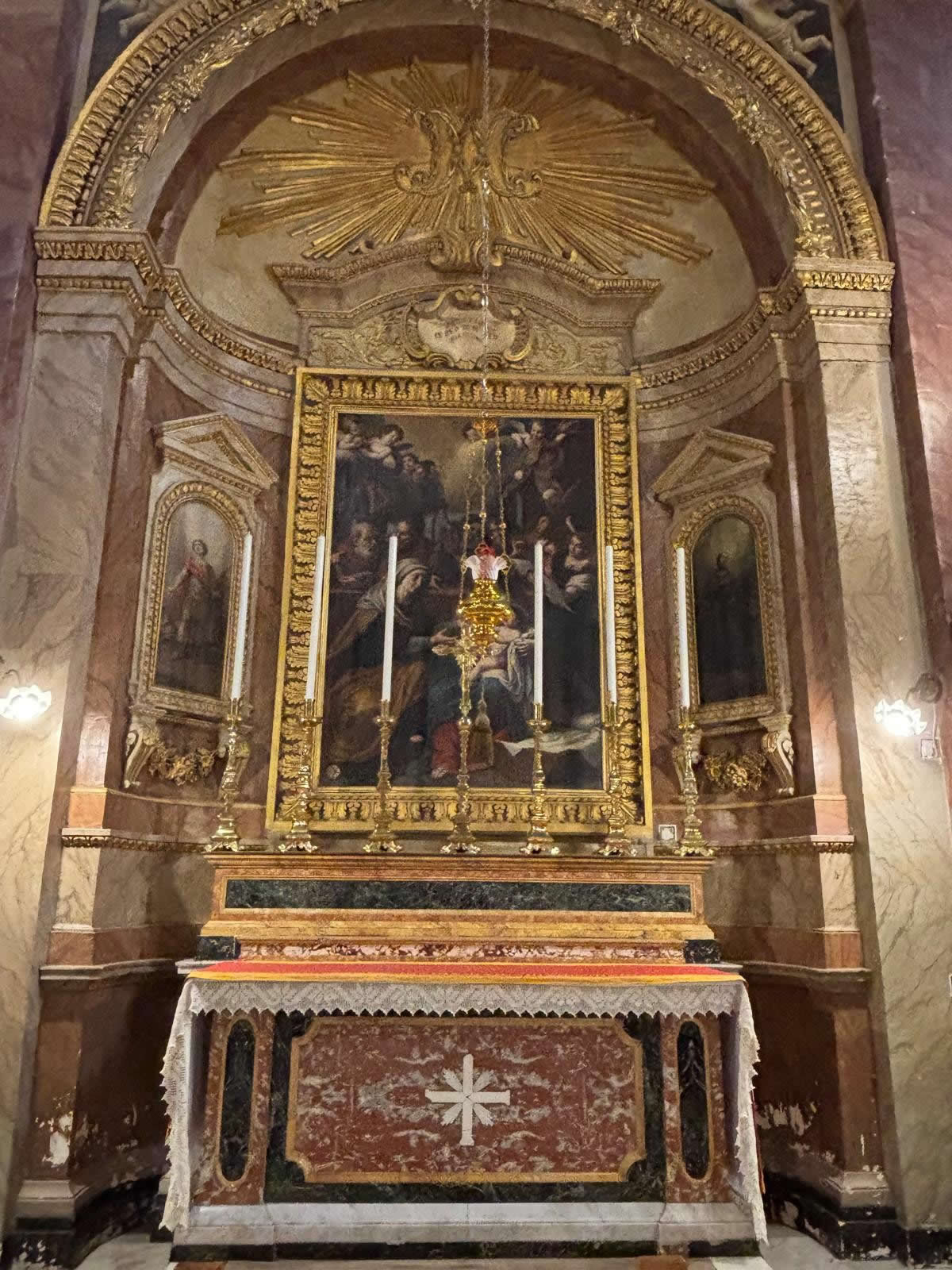
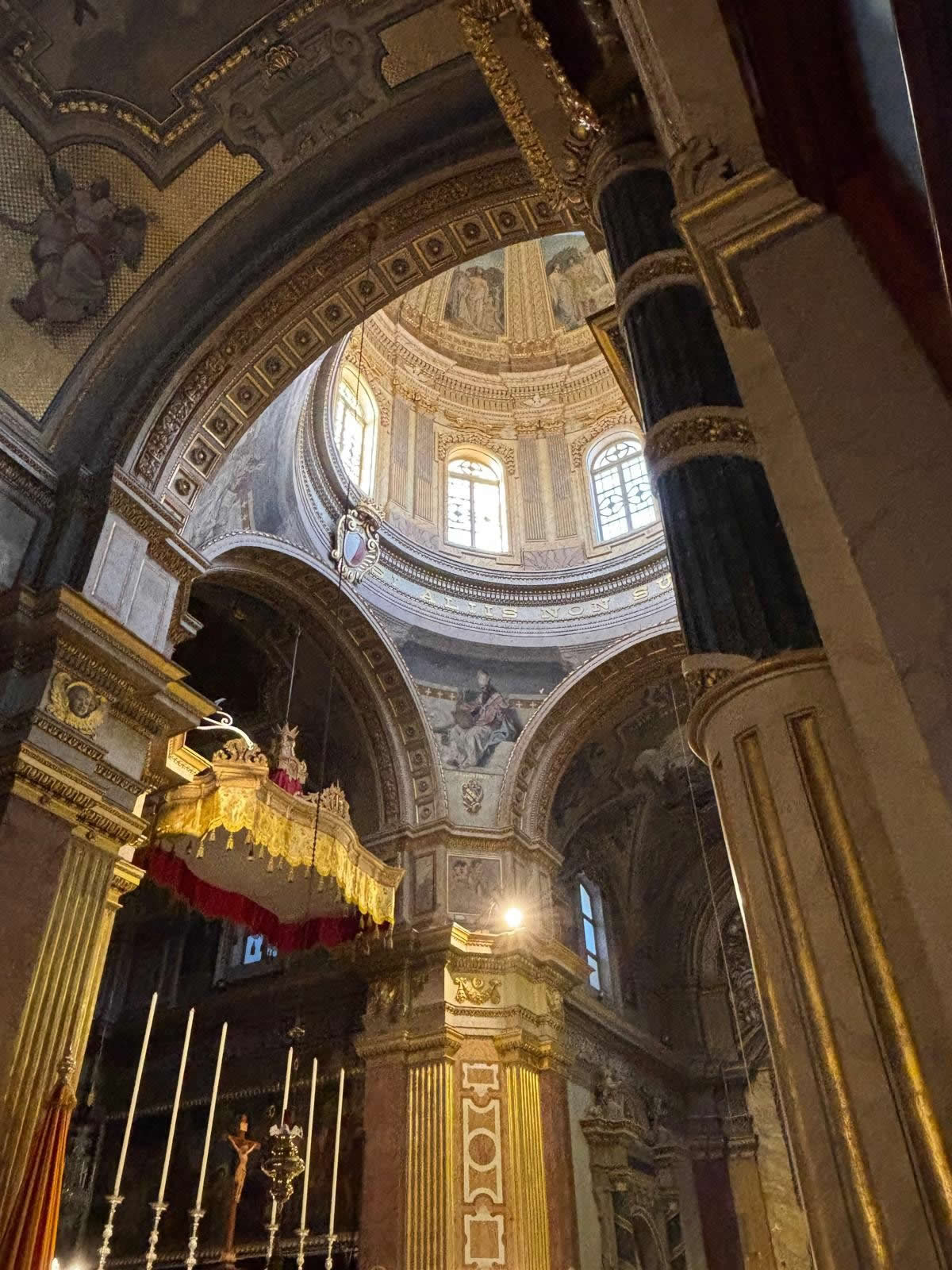
The ancient sanctuary honouring St Paul the Apostle, built over his legendary grotto in Rabat.
📍 Location
Location Map Coordinates 35.881811, 14.399142
Overview
| Local Name: | Bażilika ta’ San Pawl |
| English Name: | Basilica of St Paul |
| Location: | St Paul’s Square (Pjazza San Pawl), Rabat, Malta |
| Coordinates: | 35.881658° N, 14.399051° E → View on Google Maps |
| Denomination: | Roman Catholic – Archdiocese of Malta |
| Original Construction: | 1575–1683 (on site of 6th‑century sanctuary) |
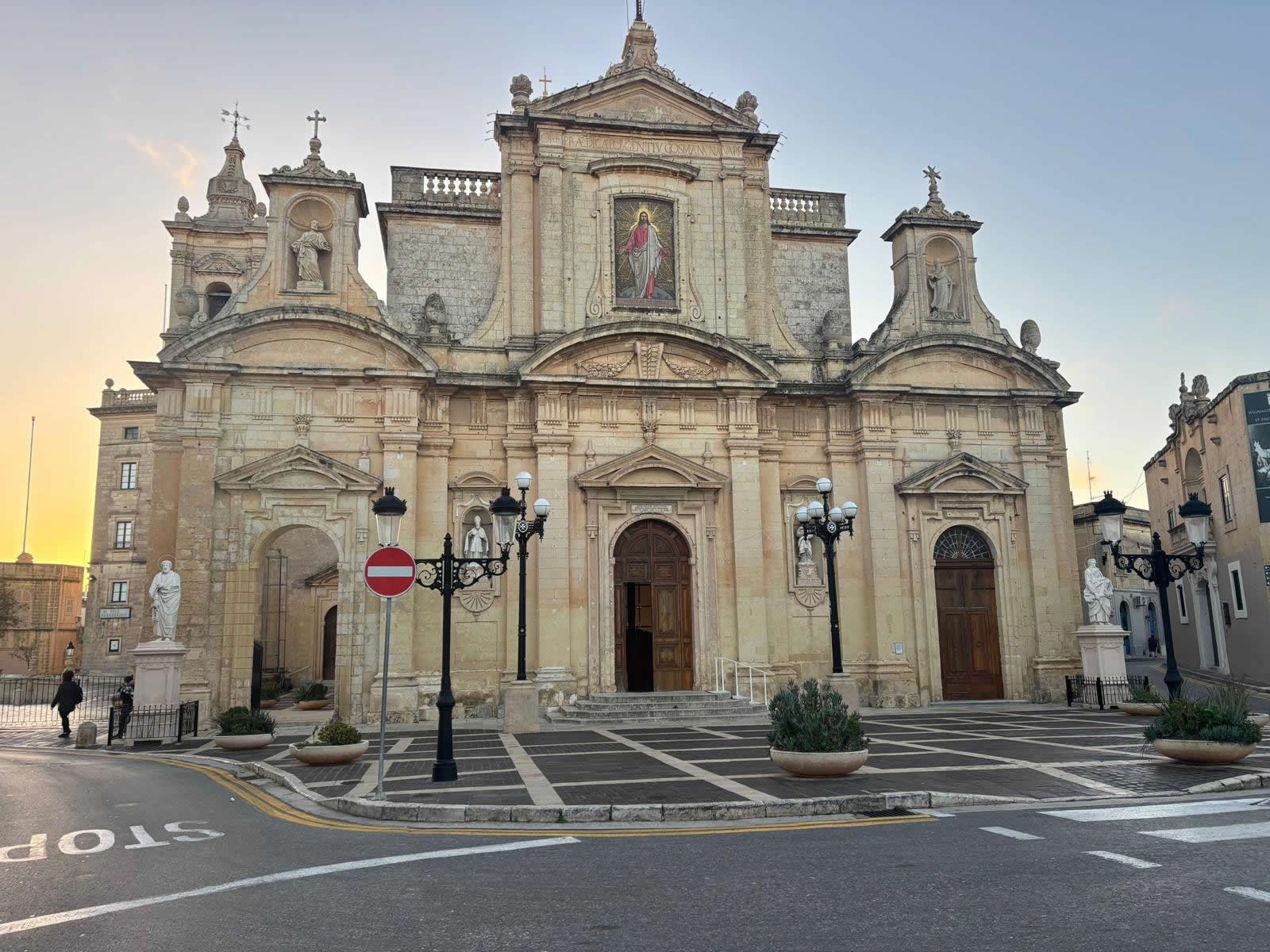
| Architectural Style: | Baroque with early Renaissance influences |
| Basilica Status: | Conferred by Pope Leo XIII in 1893 |
Historical Background
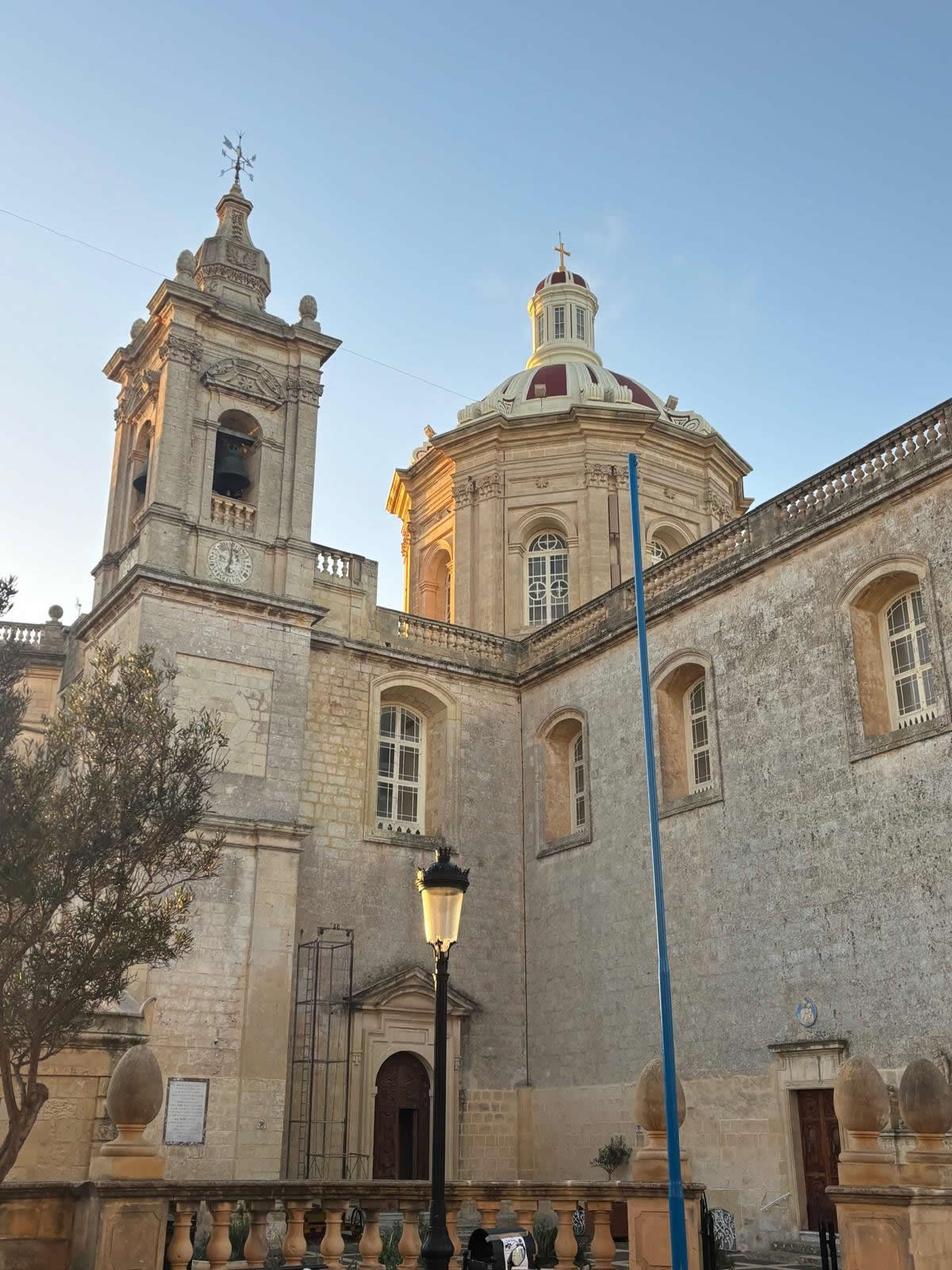
The Basilica of St Paul stands immediately above the sacred Grotto where, according to tradition, the Apostle Paul resided after his shipwreck on Malta around AD 60 (Acts of the Apostles 28:1–11). A small church existed here since at least the 6th century, replaced by a larger building documented in three papal visitation records (1575–1600). The present structure was designed under the direction of Lorenzo Gafà (architect of Mdina Cathedral) and completed in 1683, incorporating earlier foundations.
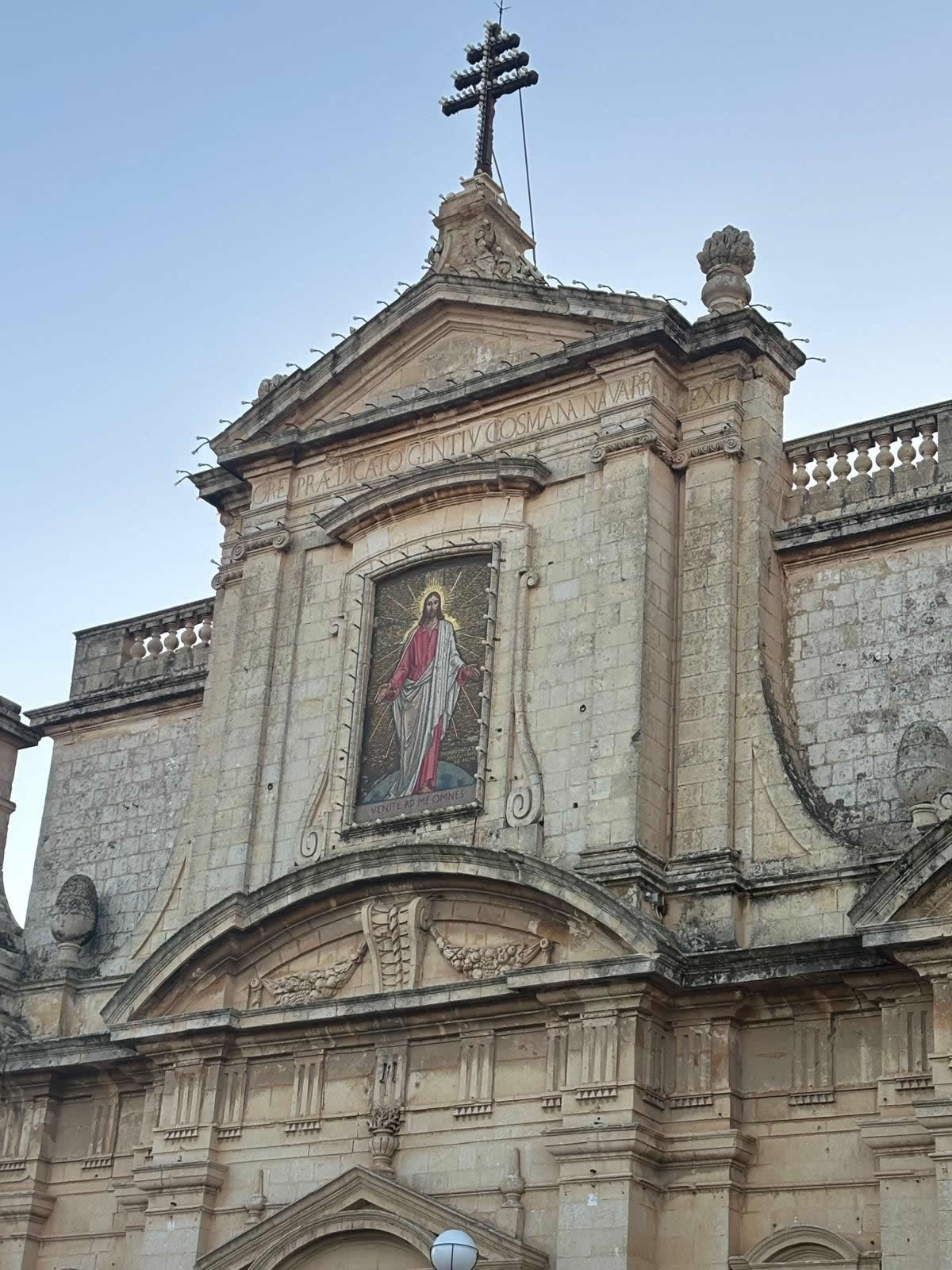
The church was entrusted to the Collegiate Chapter of St Paul in 1678 to manage the sanctuary and the famous Grotto of St Paul, recognized as a major pilgrimage site through centuries. Grand Masters L’Isle Adam, Alof de Wignacourt and others endowed gifts to the basilica, which became central to Maltese devotion to the nation’s patron saint.
Architecture & Design
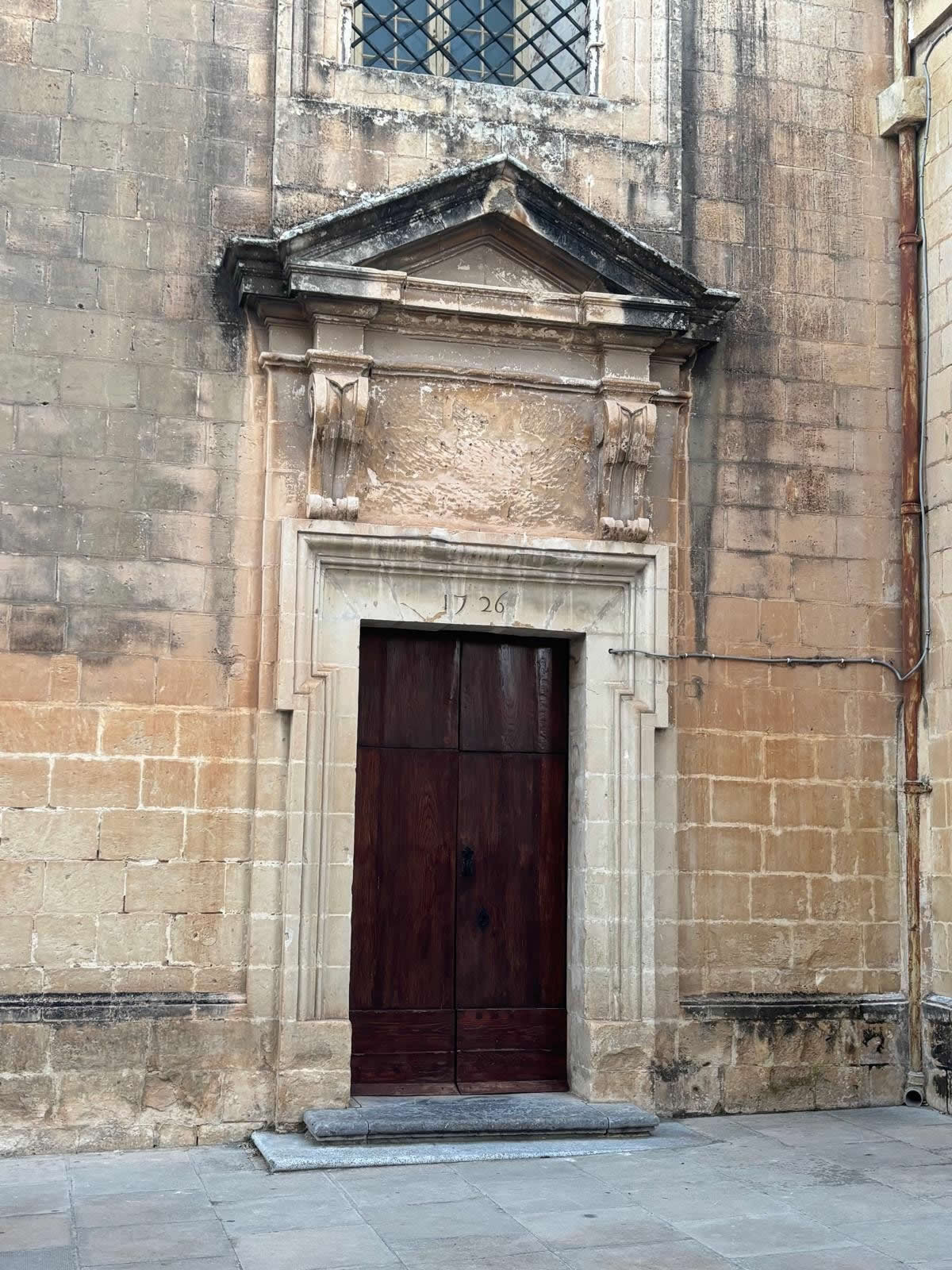
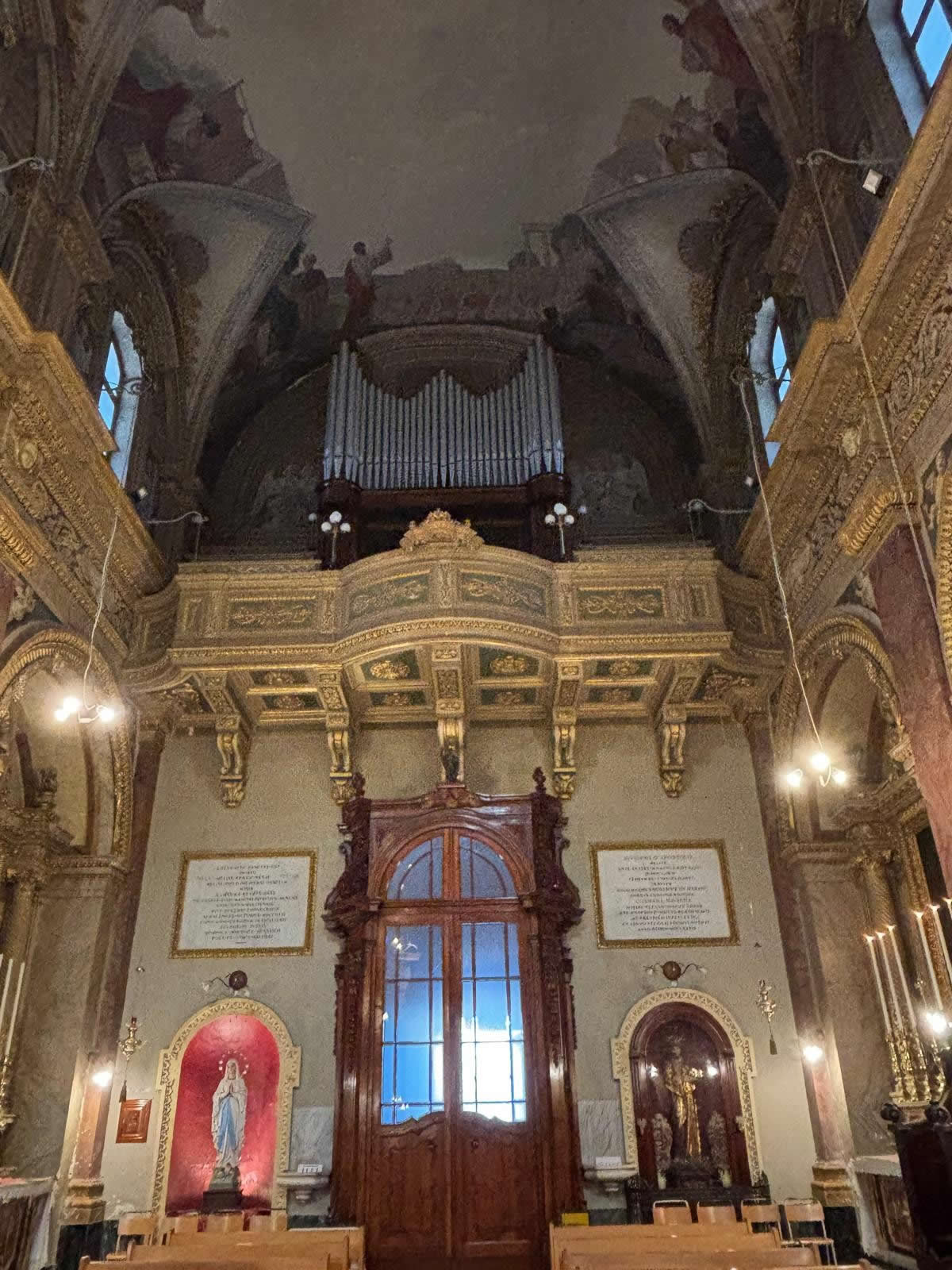
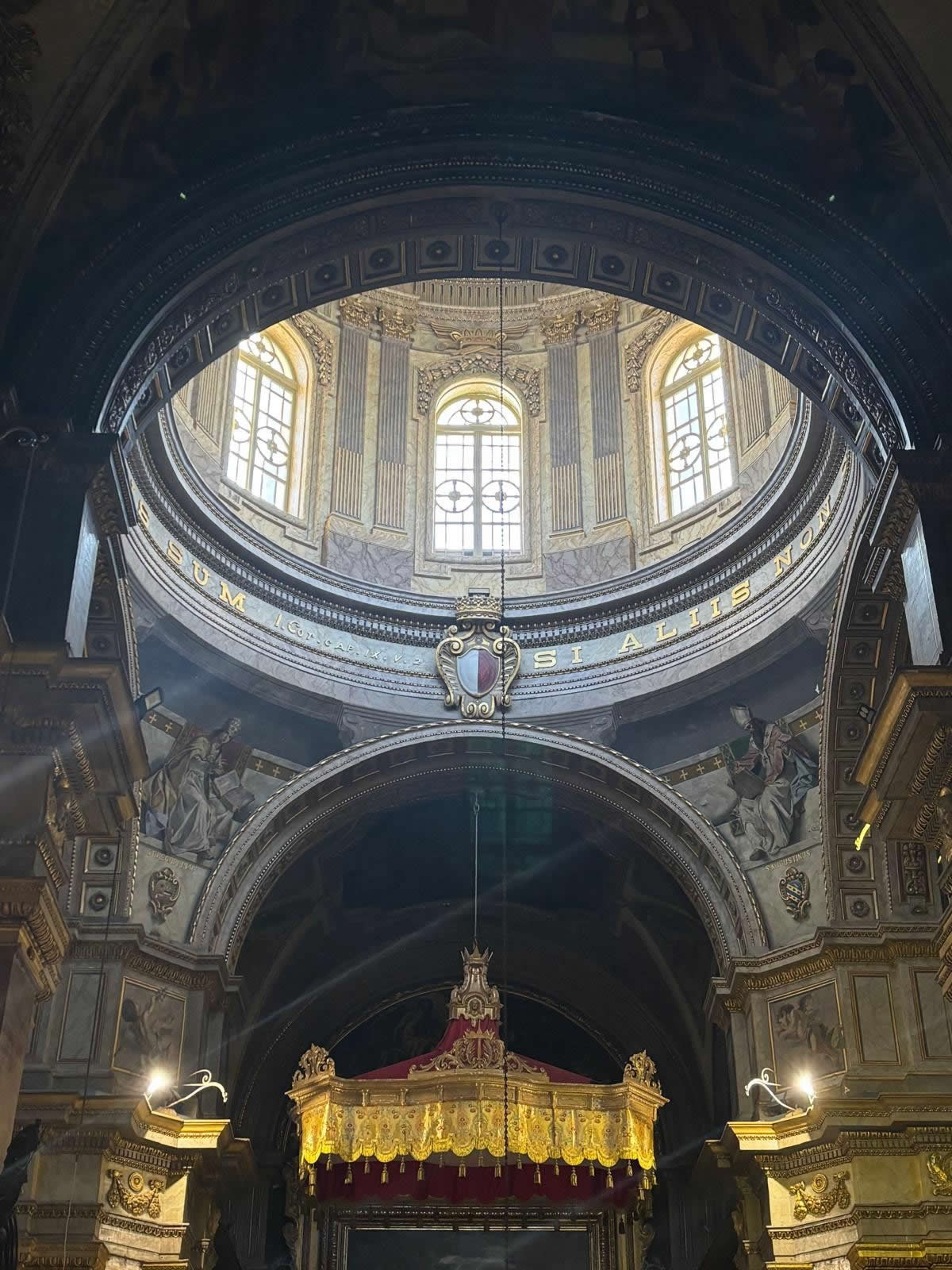
The church is an elegant example of Maltese Baroque architecture. Its façade, with a triple entrance and pair of belfries, was completed around 1677 and later enhanced by a central statue of St Paul. The interior comprises a Latin‑cross plan with a lofty dome rising above the crossing. Marble pavements, Corinthian pilasters, and coffered vaulting display Italian influences while retaining local limestone craftsmanship.
Beneath the main church lies St Paul’s Grotto – a network of underground caves transformed into a sanctuary by Wignacourt in 1610. The Grotto remains a site of pilgrimage and houses ancient inscriptions and lamps associated with early Christian worship.
Artworks & Decoration
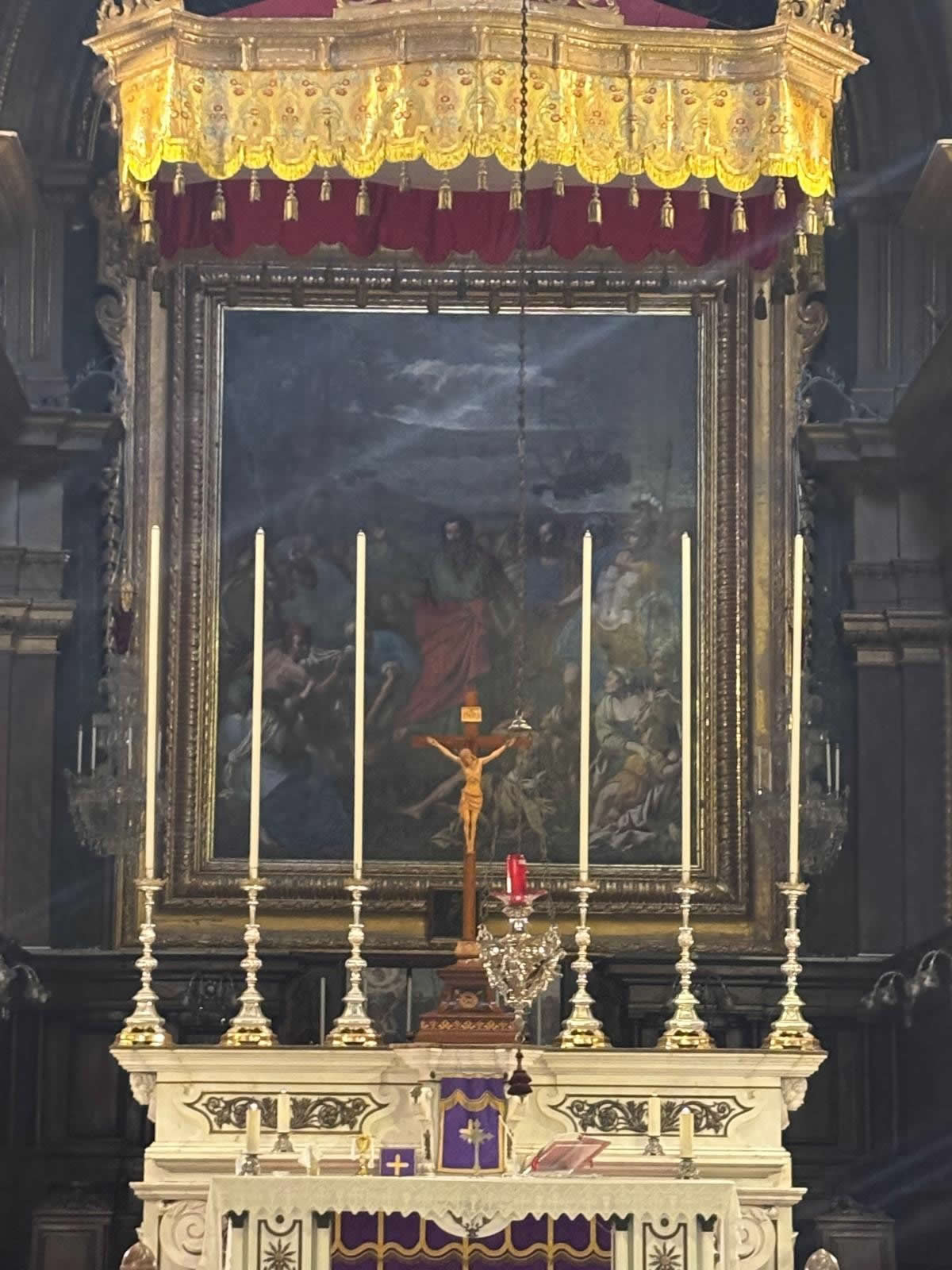
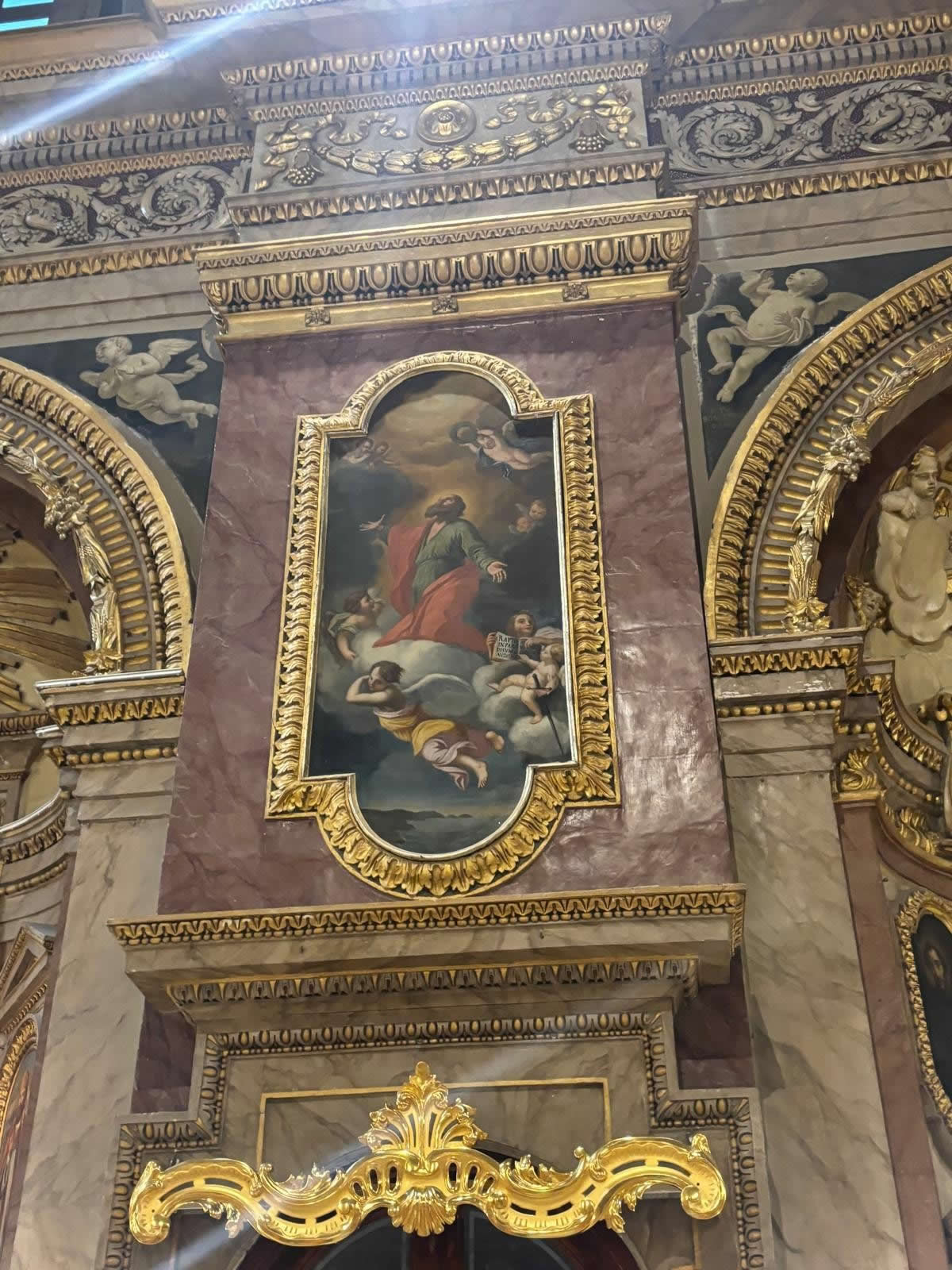
- Main Altarpiece – “The Conversion of St Paul” (1838): by Attilio Palombi, showing Paul falling from his horse as divine light streams from heaven.
- Ceiling Frescoes: painted by Giuseppe Cali (1890s) depict the Apostle’s missionary journeys and martyrdom stories surrounded by trompe‑l’œil ornament.
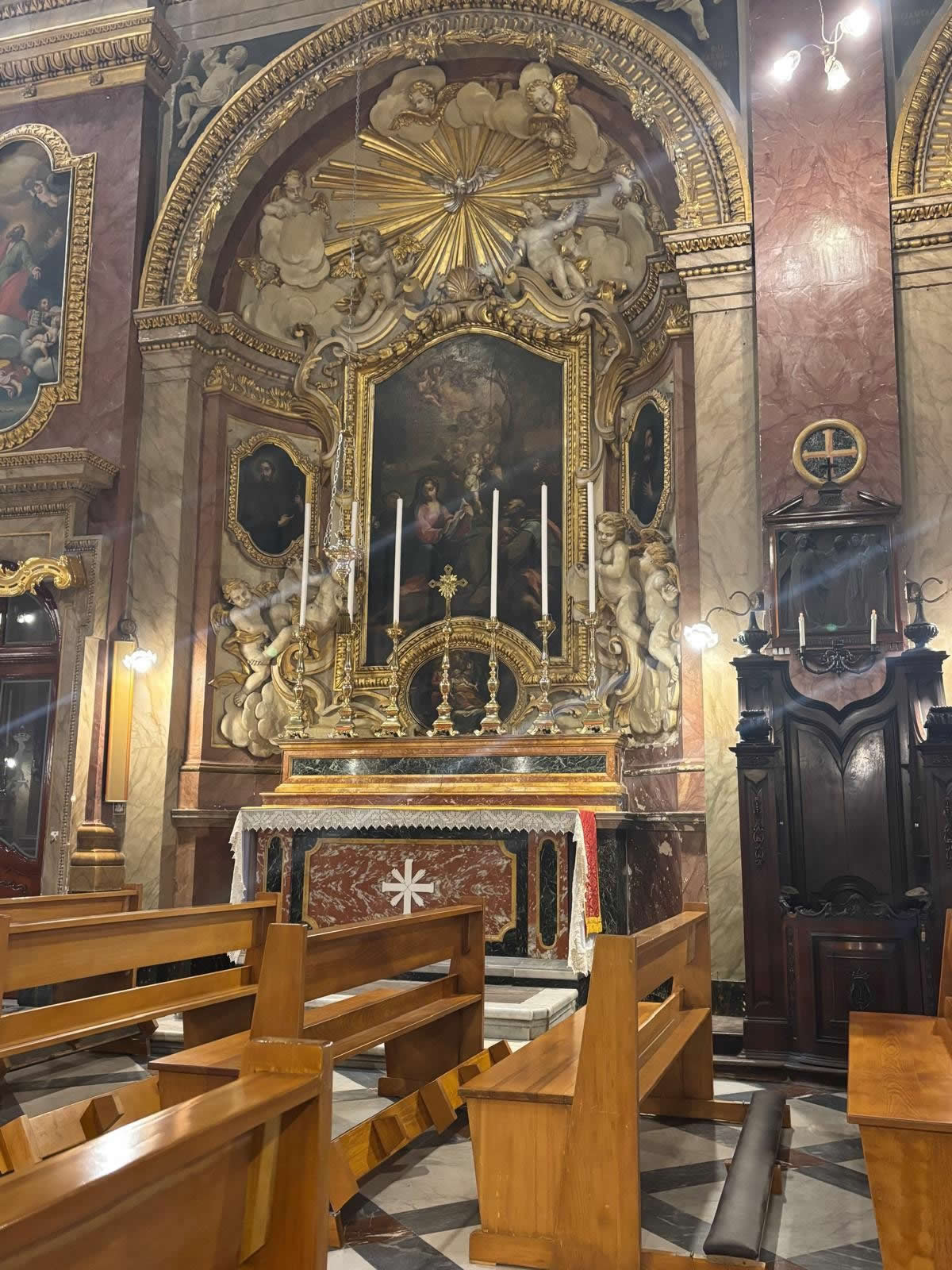
- Side Altars: dedicated to St Luke and St Joseph; decorated with works by Gianni Vella (1940s).
- Silver Statue of St Paul: crafted in 1657 by Gio. Antonio Vassallo; carried annually on the feast of St Paul’s eighteenth-century procession.
- Crypts & Relics: the church treasures a relic of St Paul’s wrist bone and ancient artifacts donated by Popes Pius IX and Leo XIII.
Restoration & Conservation
Throughout the centuries, the basilica has undergone numerous restoration programs to protect its stonework, artworks, and Grotto. Significant repairs followed earthquake damage in 1693 and after World War II air raids (1942). The Wignacourt Foundation launched a major restoration in 2015–2020 restoring frescoes, marble floor, and illuminated façade. The church was re‑consecrated in 2022 to mark Malta’s national jubilee of St Paul’s arrival.
Current Use & Feast Day
Today the Basilica serves as the main parish church for Rabat and the custodian of St Paul’s Grotto. It is a major pilgrimage destination, especially in February when Malta celebrates the Feast of St Paul’s Shipwreck on February 10 – one of the nation’s principal religious festivals. The basilica hosts daily Masses, guided tours, and annual orchestral concerts honouring Malta’s patron saint.
Map & Location
The Basilica rises at the heart of Rabat’s historic core, opposite Wignacourt Museum and adjacent to the entrance of Mdina.
Coordinates: 35.881658° N, 14.399051° E → View on Google Maps