Il-Knisja Ta’ Loretu, Gudja (Church of Our Lady of Loreto)
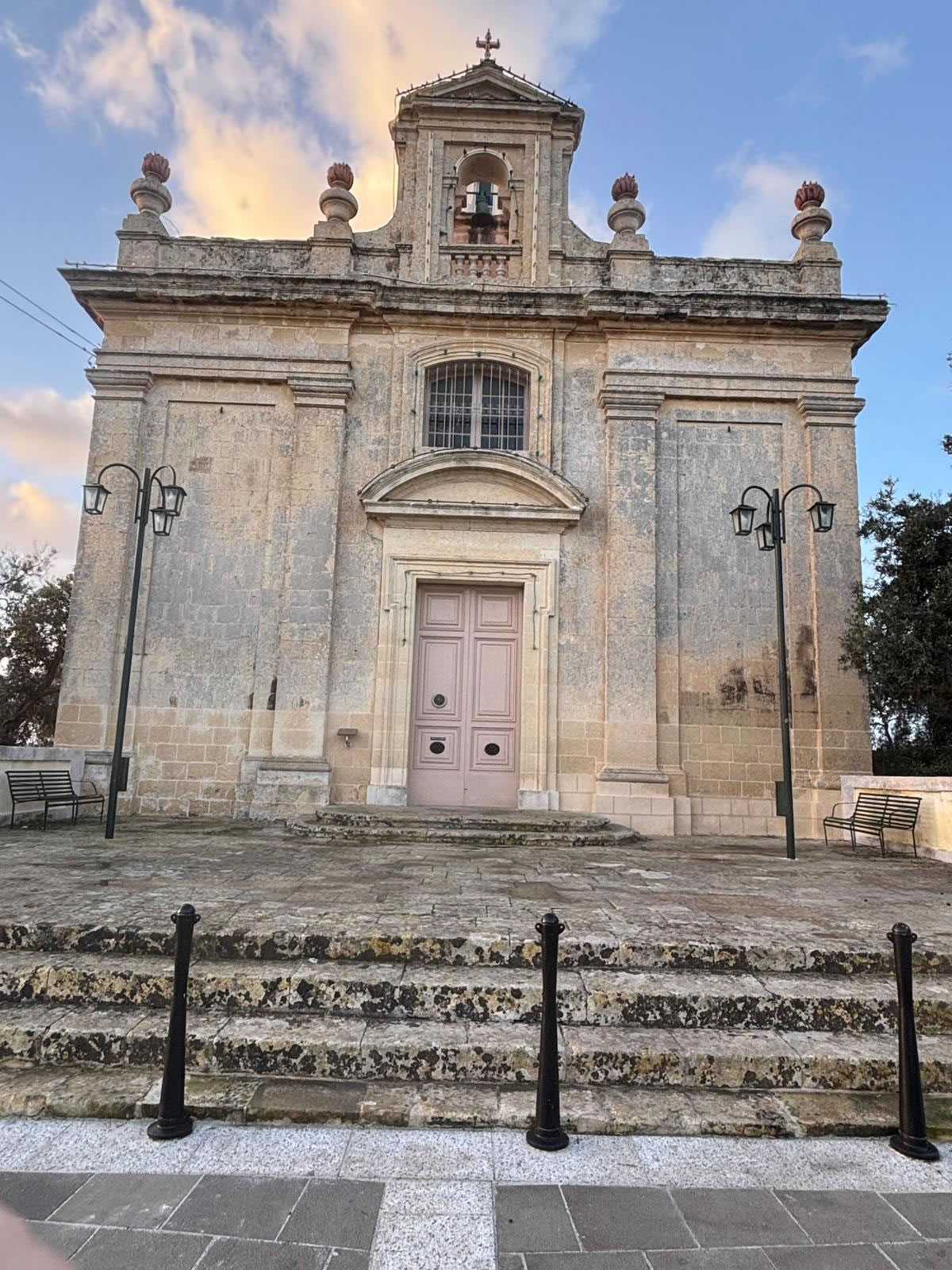
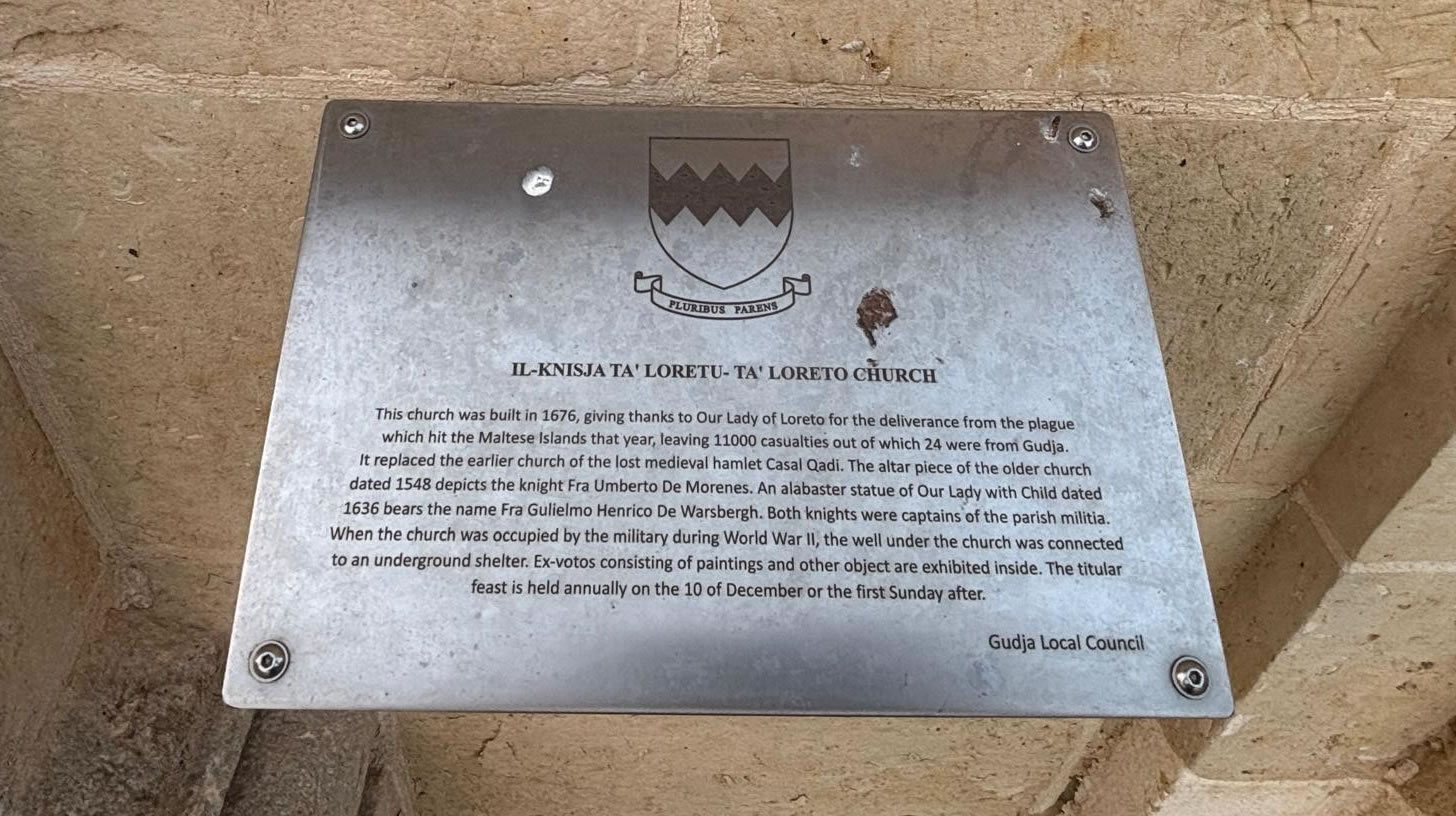
Close to Malta International Airport’s perimeter and the old rural approaches to Gudja, Il-Knisja Ta’ Loretu is one of the best-known devotional churches in the south of Malta. Its story combines a 16th-century votive foundation, a major post-plague enlargement, documented 19th-century restoration, wartime disruption, and modern heritage recognition.
📍 Location
Location Map Coordinates 35.8418092, 14.5007007
Quick facts
- Name: Il-Knisja Ta’ Loretu (Knisja tal-Madonna ta’ Loretu)
- Location: Gudja, Malta (Triq Ħal Far / Triq Ta’ Loretu area)
- Coordinates: 35.8418092, 14.5007007
- Origins (confirmed tradition + dated inscription): 1548 foundation by Fra Imberto de Morines
- Major enlargement: vow after the 1676 plague; described as built after 1679
- Recorded restoration: 1820 (Dun Ġwann Bonnici)
- Wartime status: used by military; re-blessed on 8 Dec 1943
- Heritage status: NICPMI listing, Inv. No. 1831
Full history (with confirmed build & modification dates)
1) 1548: the votive foundation linked to Fra Imberto de Morines
Local historical tradition ties the first church on this site to a vow made by Fra Imberto de Morines, a Knight of the Order of St John and Prior of Auvergne. After a confrontation with Ottoman raiders in the area (then often connected with Bir Miftuħ / early Gudja), Morines is said to have founded a votive church dedicated to Our Lady of Loreto.
Crucially, this foundation is not only a later memory: a wooden panel commissioned for the church bears an inscription naming the founder and the date 1548. The early 1548 building is also described as surviving today as part of the church complex, functioning as a sacristy for the later structure.
2) Pilgrimage growth and 1550 facilities
Devotion appears to have spread quickly. Accounts describe regular visits and pilgrimages, including by members of the Order. To support travellers, a church procurator, Luqa Vella, built two loggias/shelters nearby; one is said to survive, and a commemorative stone records his name with the date 2 July 1550.
3) 1676 plague vow and enlargement (built after 1679)
During the 1676 plague, the people of Gudja vowed that if the village did not suffer severely, the Loreto church would be enlarged in thanksgiving. The enlargement was carried out after the epidemic and is associated with parish priest Dun Vincenz Grixti. The later building phase is described as constructed after 1679, and major patrons are named (including Grand Masters Nicolas Cottoner and Gregorio Caraffa, and Katerina Calleja, widow of Valerio Calleja).
4) 1820 restoration
A specific restoration is recorded in 1820, undertaken by Dun Ġwann Bonnici. This restoration is linked with the church’s ongoing devotional role, including indulgences granted later in the 19th century and continued celebration of the titular feast around 10 December.
5) 1923 proposal regarding the bell-tower
A plan dated 1 December 1923 shows an intention (proposal) to dismantle and rebuild the well-known William Baker bell-tower (associated with Gudja’s parish church) on the façade of the Loreto church. The note is important as evidence of 20th-century interventions contemplated for the site, even when not necessarily executed.
6) World War II: military use, damage, and 1943 re-blessing
Due to its proximity to the airport area, the church entered a difficult period during WWII: it was taken over for military use and was considered a target. Accounts note it was struck at the rear, though damage was limited. During this period the church was profaned (lost its sacred status temporarily), and later—after about three years—it was solemnly re-blessed on 8 December 1943 by the Gudja parish priest, acting with episcopal delegation.
7) Modern heritage status
The church is listed on Malta’s National Inventory of the Cultural Property of the Maltese Islands as NICPMI Inv. No. 1831 (publication date noted as 27 September 2013 in compiled inventory references).
Construction and architectural features
Overall form and materials
The Loreto church is built in local Maltese limestone and presents a compact rural profile: a restrained façade, a central doorway, and an upper opening (window) that works with side openings to increase interior daylight.
Façade and bell-cot
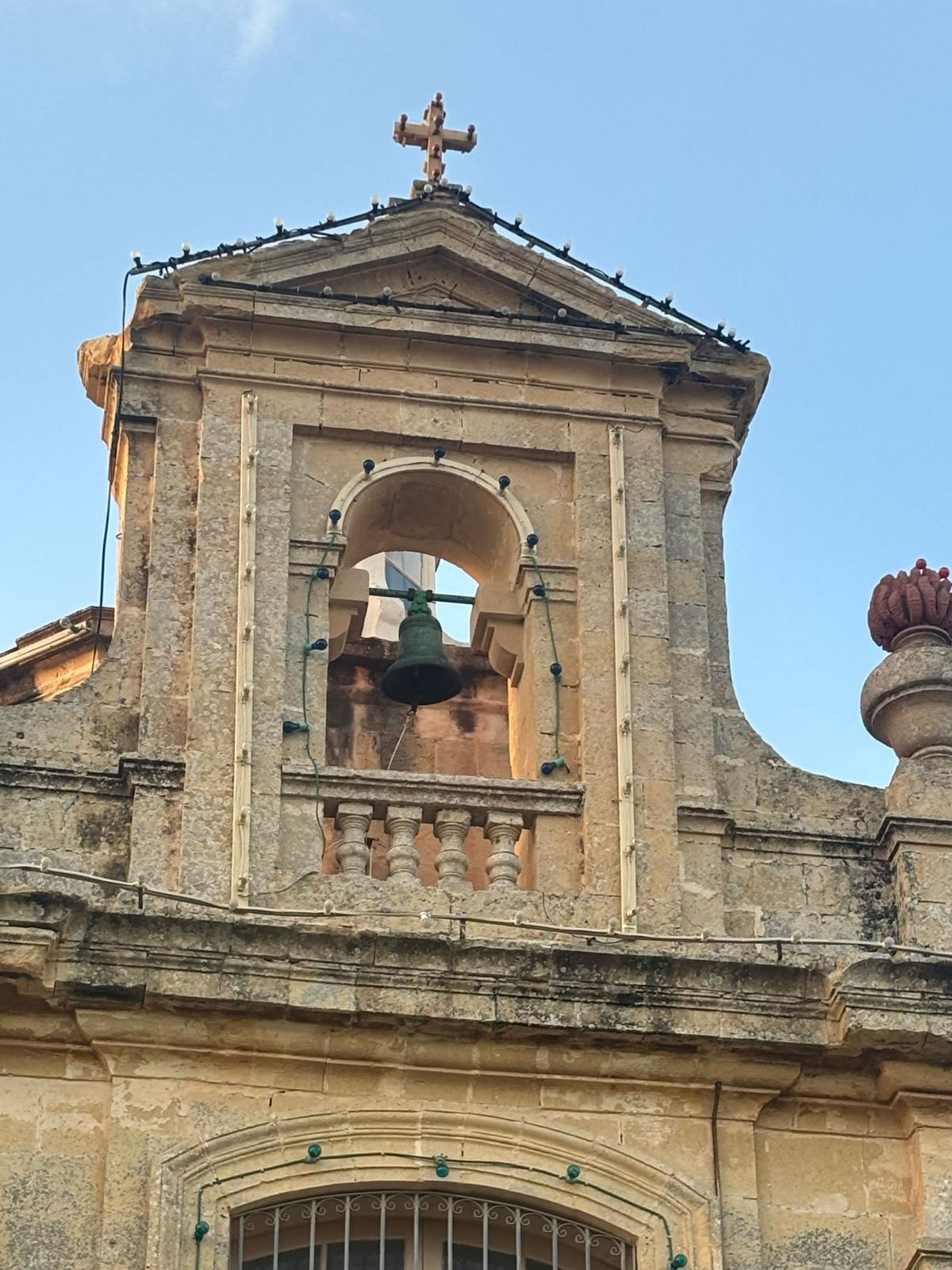
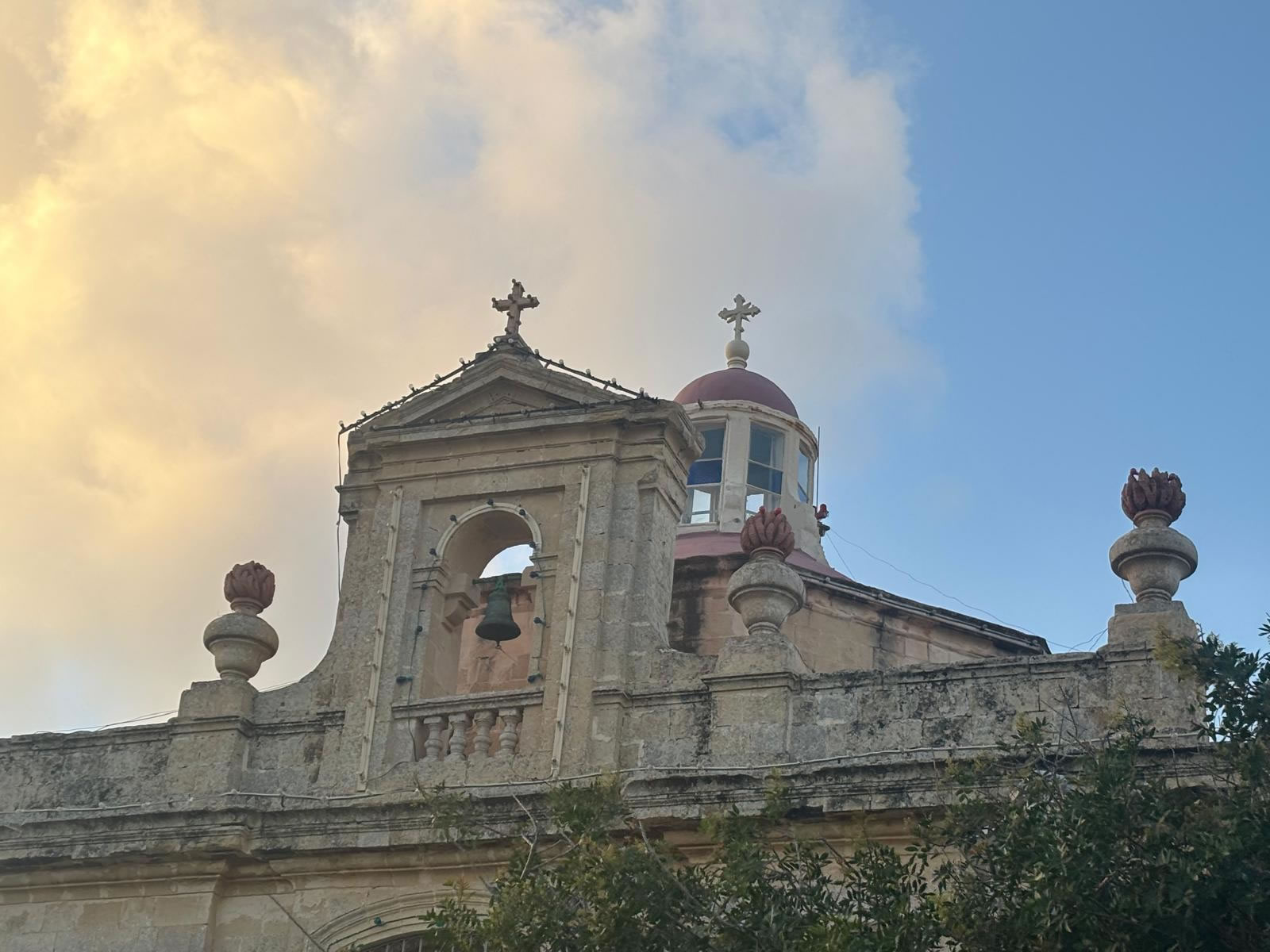
Above the main façade window sits a small bell-cot topped by a cross, holding a modest bell; decorative stone “flames” are noted on either side. This combination is typical of smaller Maltese devotional churches: legible from afar, economical in structure, and easy to maintain.
Altars and internal devotional layout
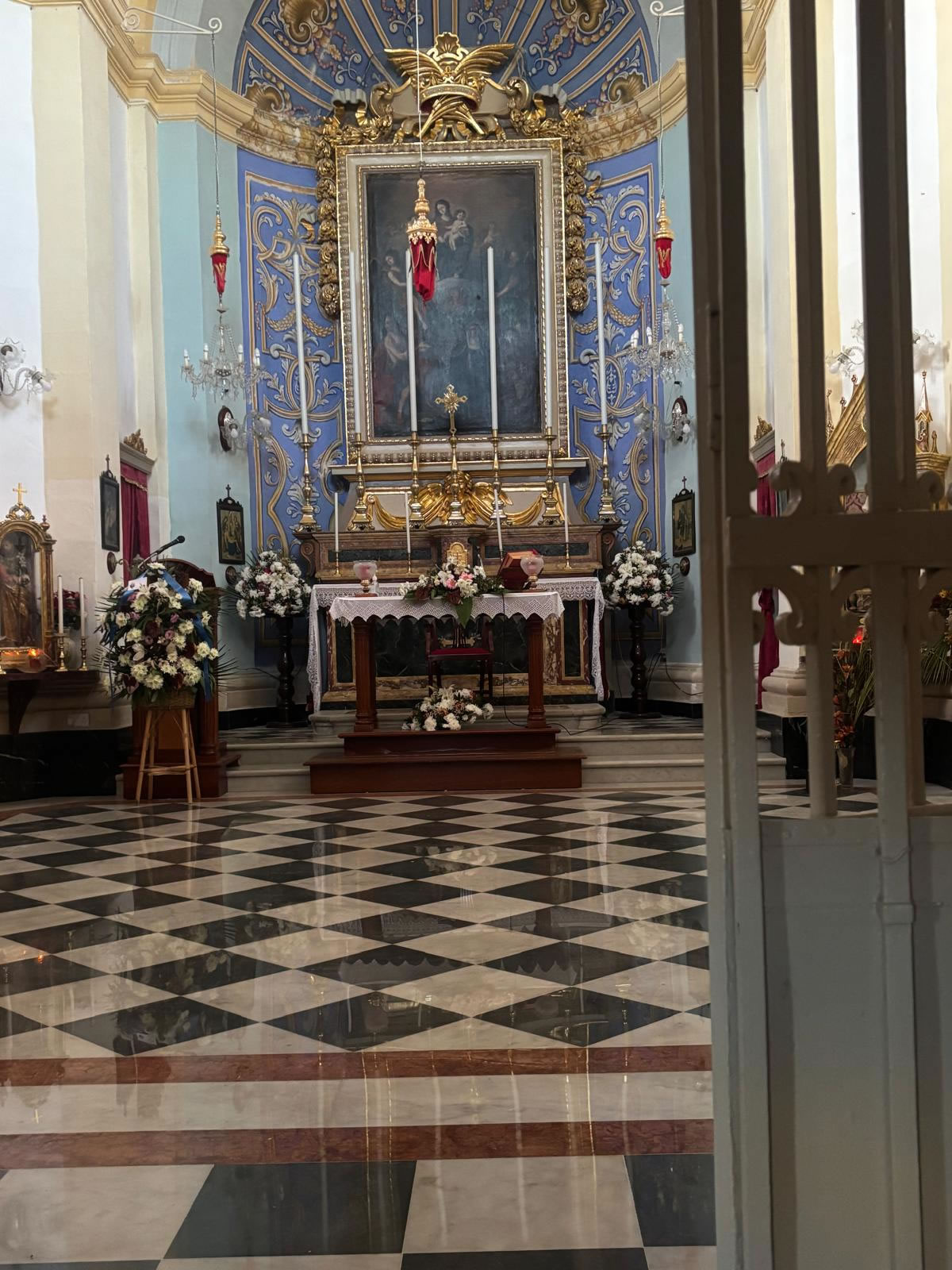
The church is recorded as having two altars: a marble high altar dedicated to Our Lady of Loreto, and a second altar dedicated to the Visitation. The titular painting is described in detail in local documentation, including the presence of saints and angelic imagery around the Virgin.
Key artworks and devotional objects
Notable items associated with the church include: the founder-linked wooden panel (inscribed with Morines and the date 1548), and an alabaster Madonna and Child figure associated with the 16th century (popularly known as the Madonna of Trapani), which tradition says was rediscovered in a well near the church in the early 20th century.
Restoration and conservation (what is confirmed)
1820 restoration (documented)
The clearest recorded restoration is dated 1820, credited to Dun Ġwann Bonnici. In small rural churches, “restoration” at this time often meant repairing roof and masonry, improving rainwater management, renewing plaster/finishes, and maintaining altars and fittings.
Airport-era risk and survival
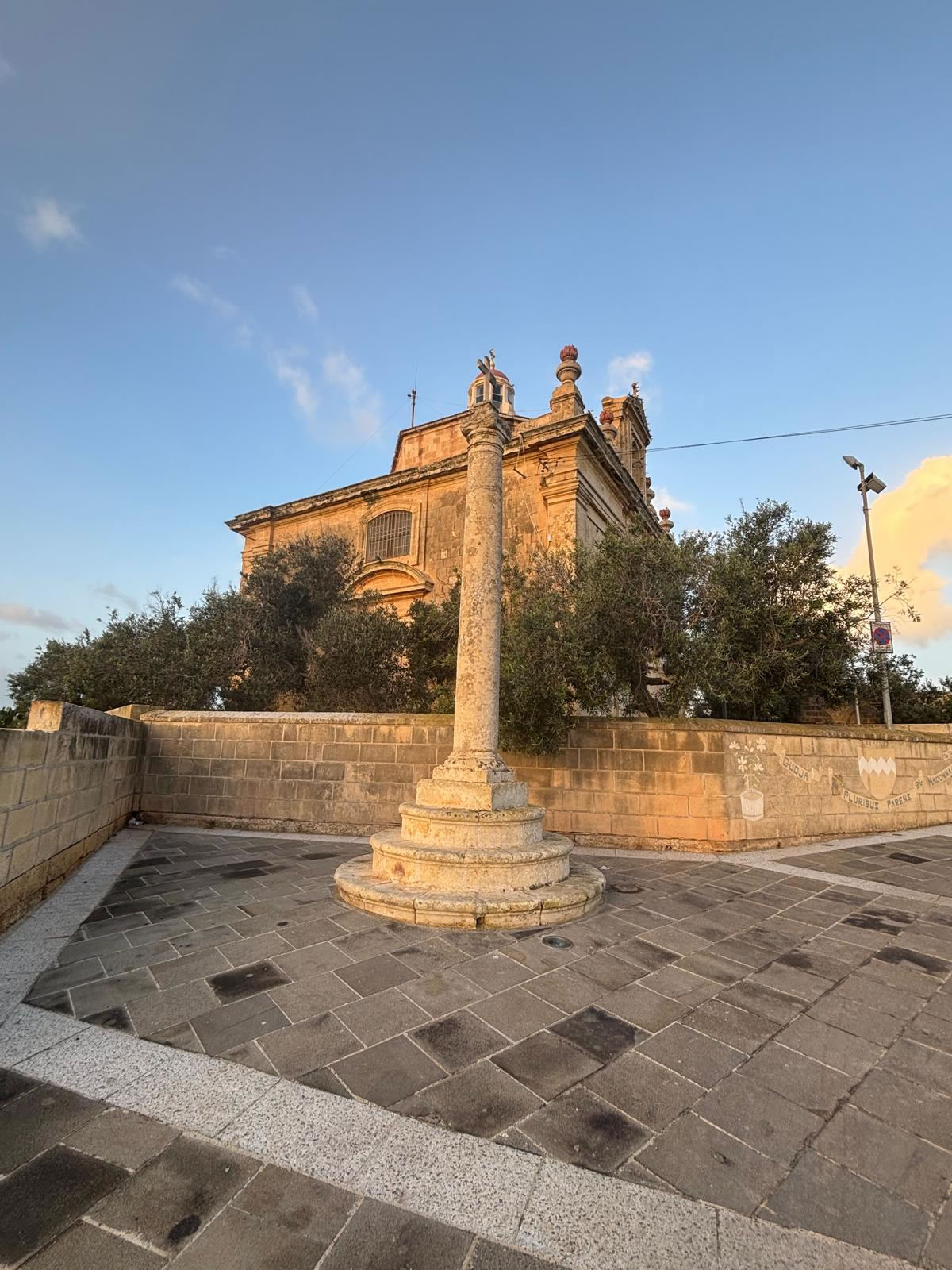
Documentation notes that the church was at risk of collapse or loss during the construction of the nearby “new airport,” highlighting the pressure placed on historic structures by infrastructure change—and the fact that Ta’ Loretu survived as a landmark on the edge of Gudja.
WWII damage and re-sacralisation (1943)
Wartime use and the reported strike at the rear led to a period in which the church needed repair and, importantly, a return to sacred use. The re-blessing on 8 December 1943 marks a formal “reset” after military occupation.
Use and living tradition
Ta’ Loretu’s identity is primarily devotional: historically it hosted pilgrim visits and organised prayers (including Saturday afternoon pilgrimages in earlier periods), and its titular celebration remains linked with the liturgical date of 10 December (often observed on a nearby Sunday).
In modern practice, churches of this kind are often used for quiet prayer, special intentions, and occasional ceremonies when access is arranged locally, while remaining significant as cultural heritage and a waypoint in Gudja’s rural landscape.
Visiting information
- Coordinates: 35.8418092, 14.5007007
- Locality: Gudja, Malta
- Setting: Rural edge / airport-side lanes (Triq Ħal Far / Triq Ta’ Loretu area)
- Respect: If closed, view quietly from outside and avoid blocking access ways.
FAQ
When was Il-Knisja Ta’ Loretu in Gudja built?
The site’s first church is dated to 1548 (linked to Fra Imberto de Morines and a dated inscription on the founder-commissioned panel). The church was later enlarged after the 1676 plague, with the later building phase described as built after 1679. A documented restoration took place in 1820.
What are the main recorded modifications and restorations?
Key phases include enlargement after the 1676 plague (built after 1679), restoration in 1820, a 1923 proposal concerning the bell-tower, and WWII occupation followed by re-blessing on 8 December 1943.
Is the church recognised as cultural heritage?
Yes. It is listed on the National Inventory of the Cultural Property of the Maltese Islands as NICPMI Inv. No. 1831.