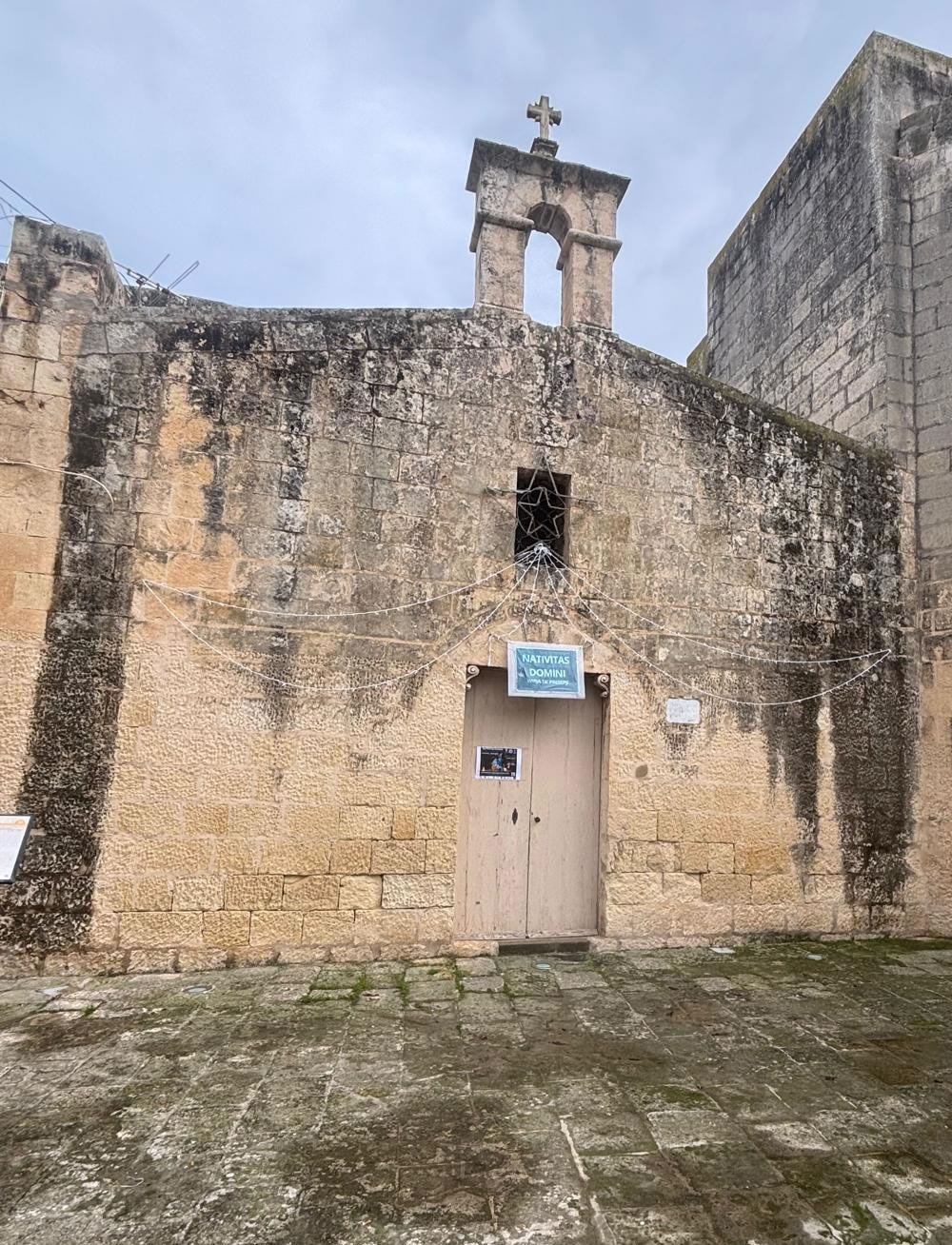
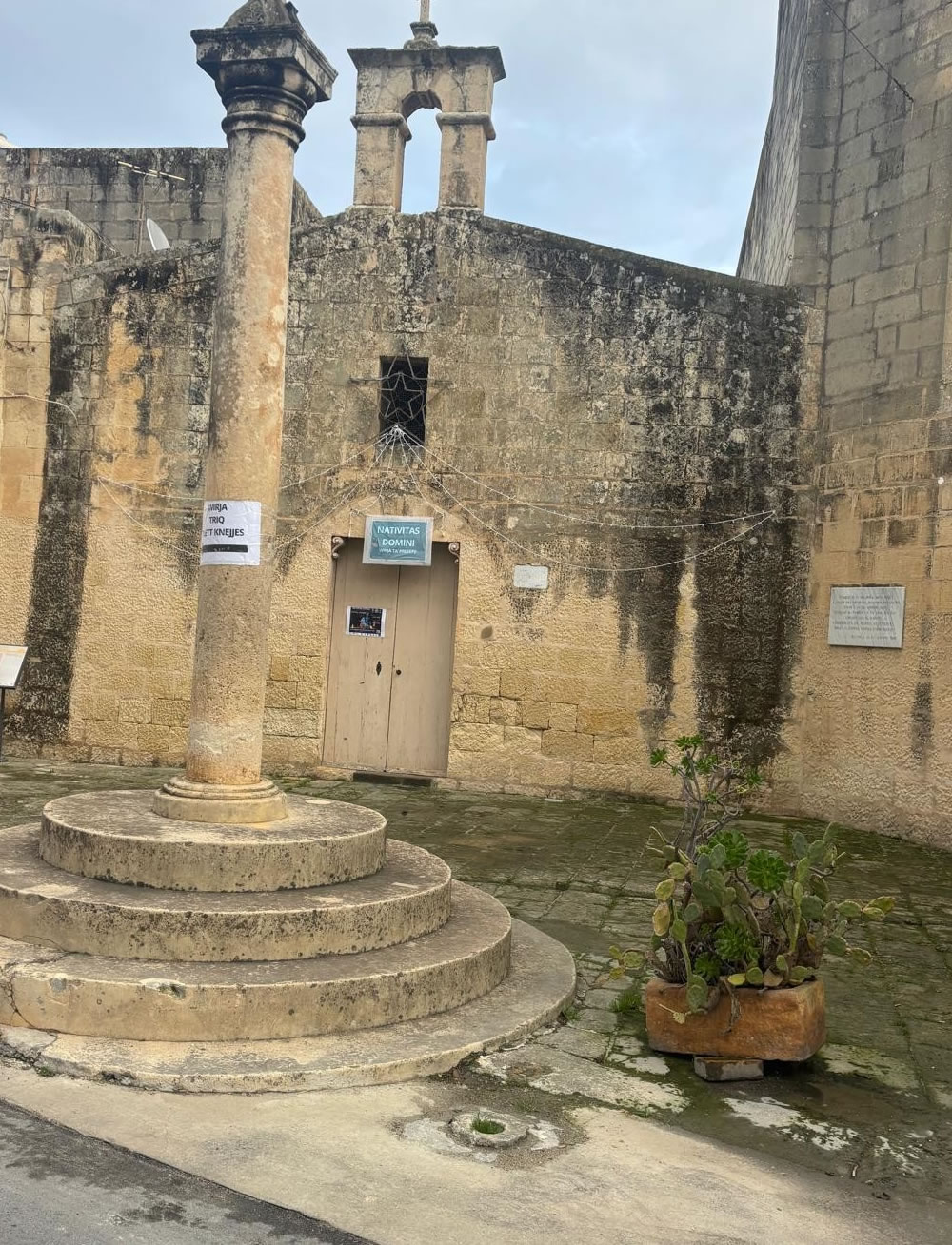
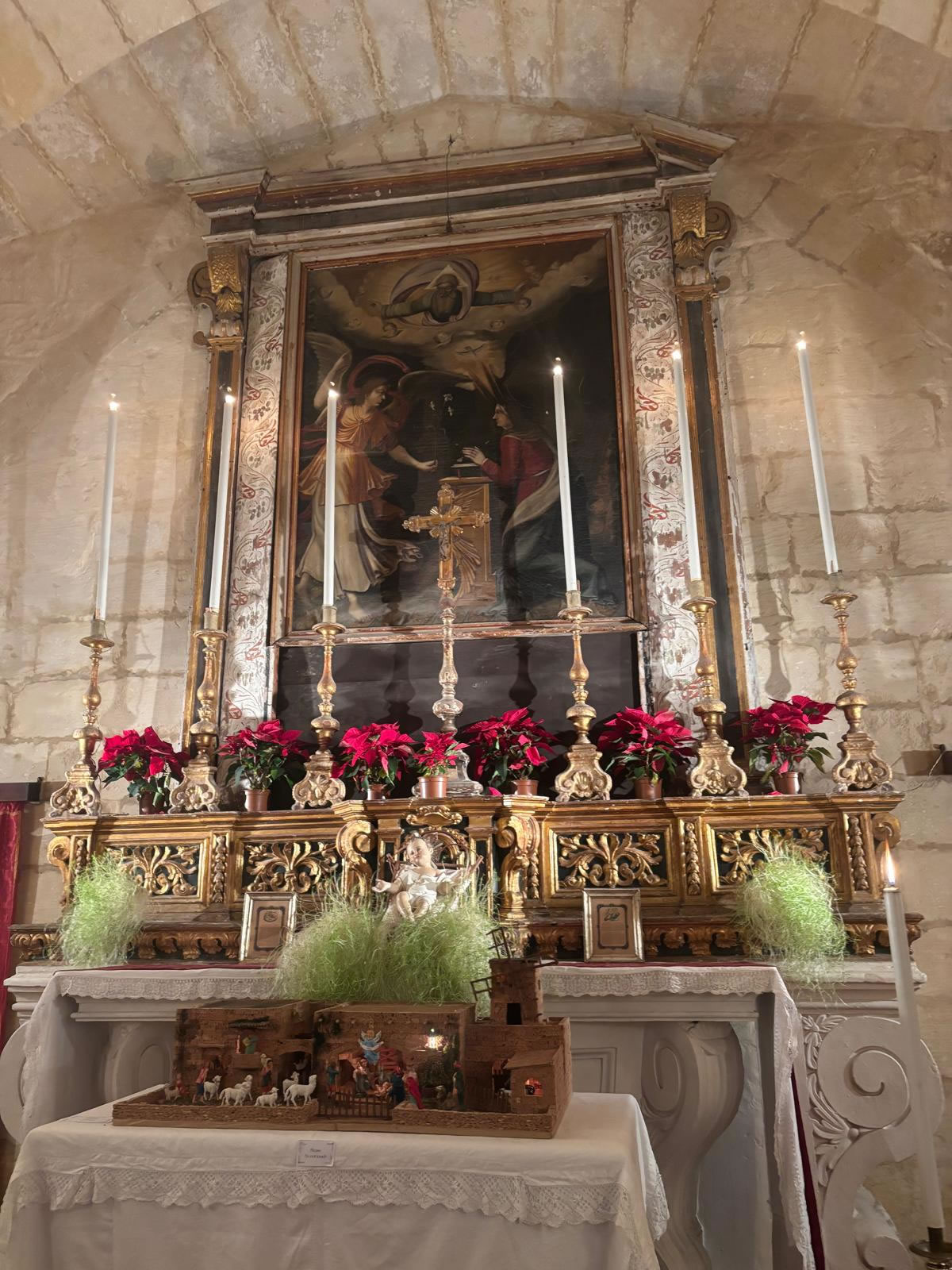
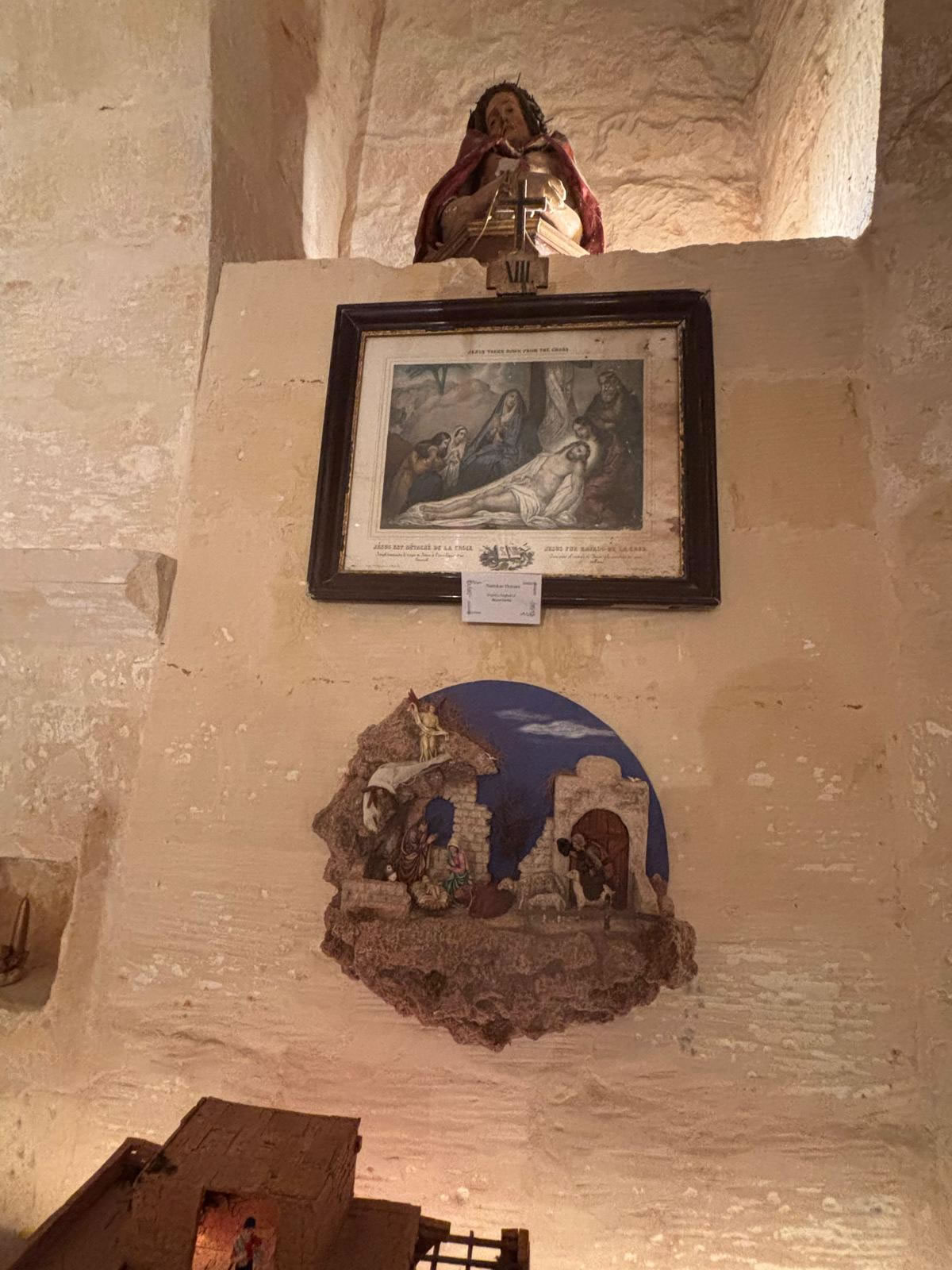
Il-Knisja tal-Lunzjata (Parish Church of the Annunciation), Balzan
Balzan’s parish church (known locally as Il-Lunzjata) is dedicated to the Annunciation of Our Lady.
The current building belongs to a major rebuilding programme that began with architectural plans in 1665 and the
foundation stone in 1669, followed by the church being blessed in 1695 and later
consecrated in 1781.
Coordinates: 35.898958, 14.452936Plans begun: 1665 Foundation stone: 1669 Blessed: 23 Jan 1695 Consecrated: 7 Oct 1781 Belfry added: 1708
Build-date confirmation: the “present-day” parish church is tied to the 1665–1695 construction phase,
anchored by the foundation stone (1669) and the blessing (1695). A belfry was added in 1708,
and the church was consecrated in 1781.
Full detailed history
Medieval predecessor and parish formation
Sources state that an earlier church dedicated to the Annunciation existed in Balzan and is commonly described as dating back to the
14th century. When Balzan became a separate parish in 1655, that earlier church was selected as the parish church,
but it soon proved too small for the growing community.
Planning and construction of today’s church (1665–1695)
The Balzan Local Council records that architectural plans began in 1665, and the
first building stone / foundation stone was laid in 1669. The parish itself records the milestone date
23 December 1669 for the foundation stone, and notes the enthusiasm of the local population at the start of the project.
The church was blessed on 23 January 1695 (Bishop Davide Cocco Palmieri), and works are described as completed by that same year.
1708: the belfry
A defining external addition was the construction of a single belfry in 1708, highlighted in both tourism and historical summaries.
1781: consecration
Although the church was in use after its 1695 blessing, formal consecration came later: the church was
consecrated on 7 October 1781 by Bishop Vincenzo Labini.
Later modifications and modern features
Later changes noted in published summaries include upgrades to the bell system and the addition of an electric clock (reported as added in 1970).
The church also continued to accumulate important artworks and feast-related objects, including a titular statue completed in 1898.
Construction and architectural layout
Overall plan
The church is described as being built on a Latin cross plan, a common form for Maltese parish churches of the late-17th century.
Materials and style
The building is limestone and is often discussed within the Maltese baroque context, with the exterior and interior described in sources as having
classical vocabulary and a prominent dome.
Artworks and devotional objects
The Balzan Local Council highlights the presence of artistic works by recognised Maltese artists and states that the
titular statue (for the Annunciation) was completed in 1898 by Salvu Dimech.
Restoration and conservation
Ongoing maintenance of a living parish church
As an active parish church, conservation tends to be continuous and multi-layered: stonework maintenance, roof and rainwater management,
periodic interior redecoration, and the care of artworks and liturgical furnishings.
Public summaries also note modern interventions such as the installation of an electric clock (reported as 1970).
Bells and belfry heritage
VisitMalta highlights the 1708 belfry and notes it is furnished with six bells produced by Paccard in Annecy, France.
(Different sources describe changes to the bells over time; for emalta.com, treat the belfry date as secure and describe bell changes as “later upgrades”.)
Restoration note: published sources for this church are rich on dates and milestones, but typically summarise restoration as ongoing care rather than listing
one single, named restoration campaign. For a deeper conservation section, emalta.com can later add Malta heritage inventory references or parish restoration reports if published.
Use: past and present
Historic role
The church’s expansion is directly linked to Balzan’s establishment as a separate parish (1655) and the need for a larger parish church as the population grew.
The 1665–1695 rebuilding represents a major community investment in parish life and public worship.
Present-day use
The church is an active parish church serving Balzan’s religious calendar, including the Annunciation-related village festa.
For practical visitor planning, mass-time directories list it as a parish church in Balzan.
Timeline
14th century (trad.)
Earlier Annunciation church in Balzan commonly described as dating back to the 14th century.
1655
Balzan becomes a separate parish; permission associated with building a new parish church is recorded in local history summaries.
1665
Architectural plans begin (Latin cross plan).
1669
Foundation stone / first building stone laid.
23 Jan 1695
Church blessed by Bishop Davide Cocco Palmieri; works described as completed by 1695.
1708
Belfry added to the church.
7 Oct 1781
Church consecrated by Bishop Vincenzo Labini.
1898
Titular statue completed (Salvu Dimech), as noted by Balzan Local Council.
Visiting notes
The church stands in Balzan’s village core. As with most Maltese parish churches, visiting is easiest outside service times.
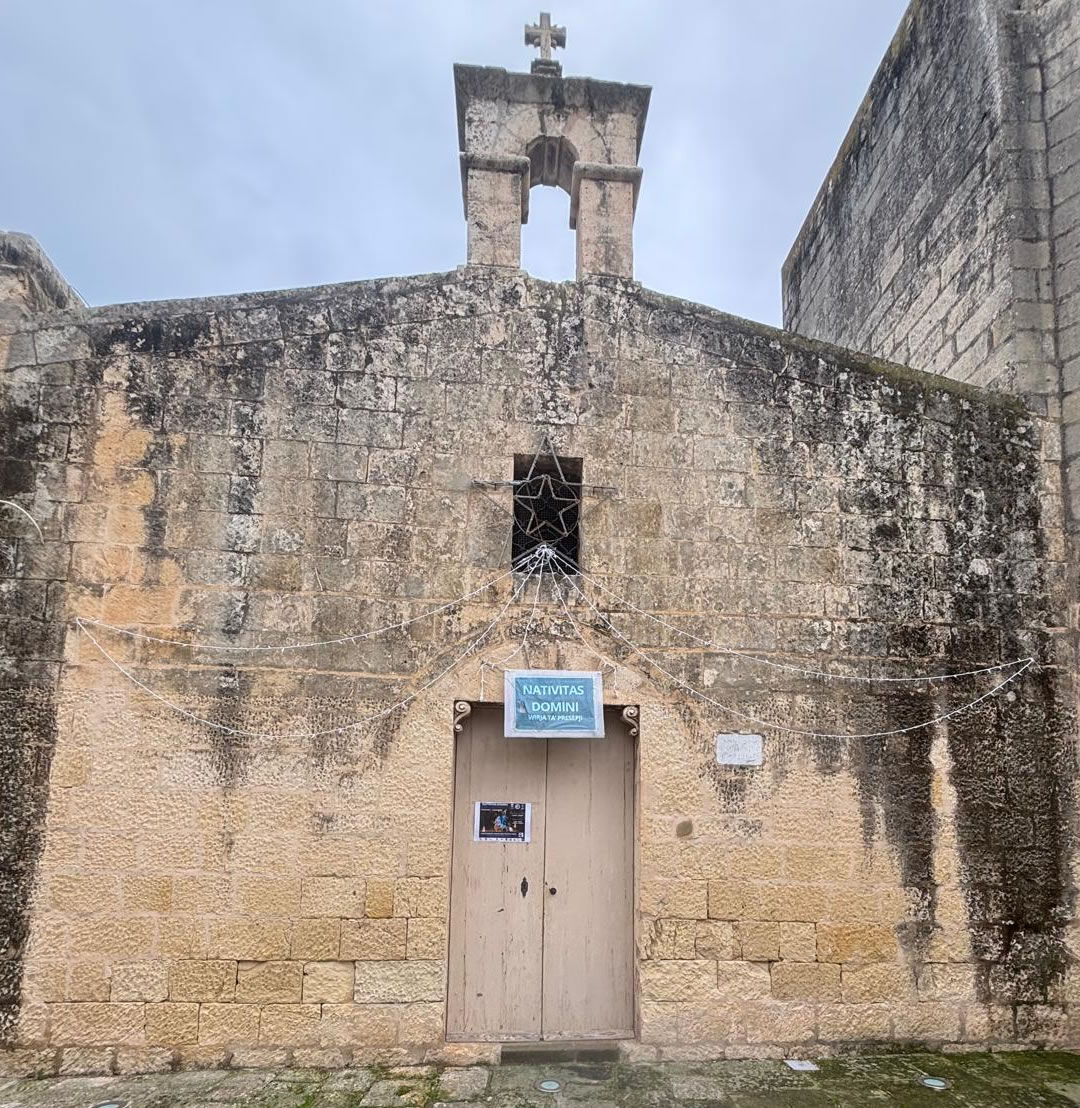
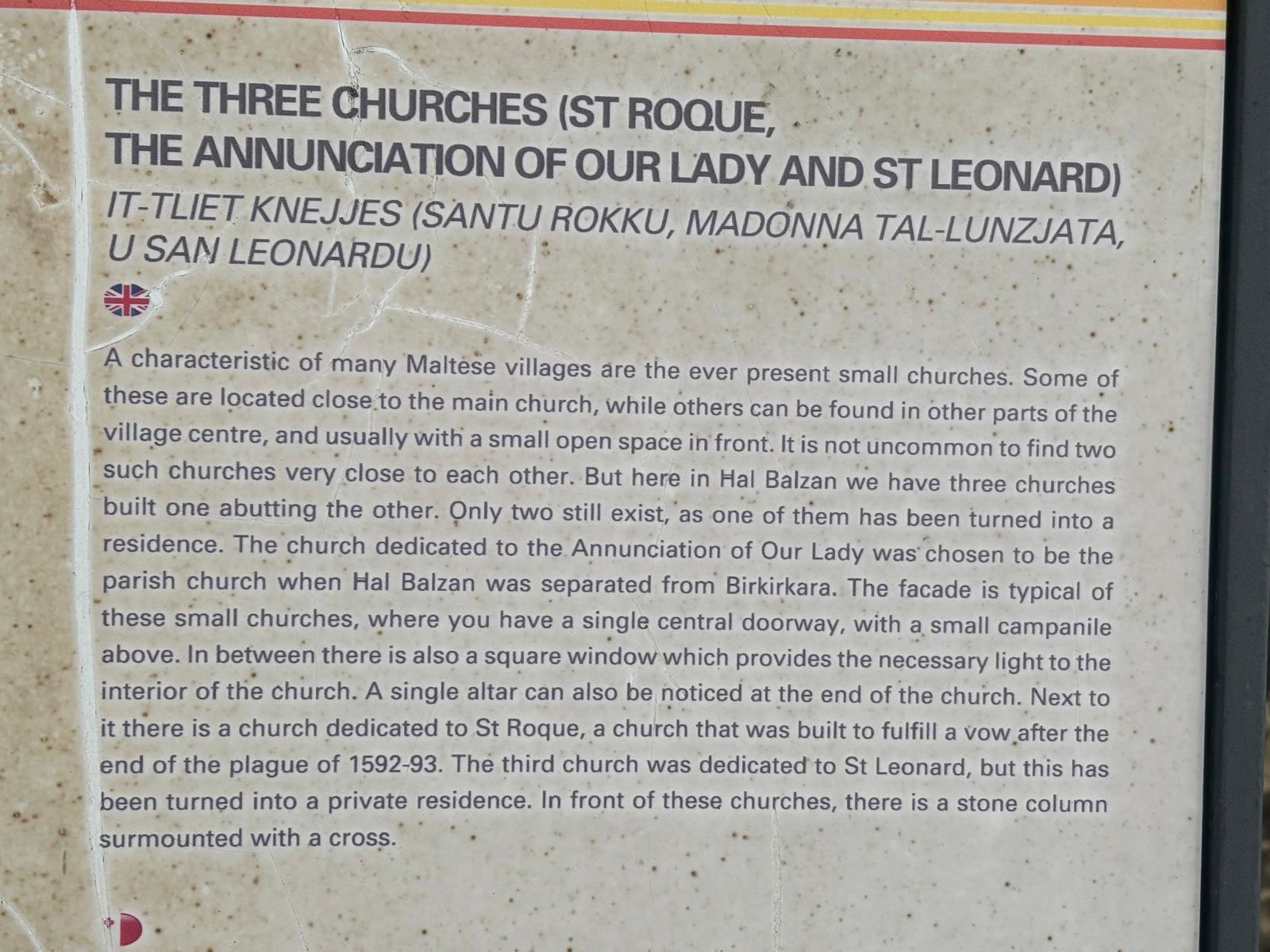
Dress respectfully, and note that access to certain areas may depend on parish schedules and events. please note the main Balzan Parish church is nearly and replaced this church in as the Balzan Parish Church