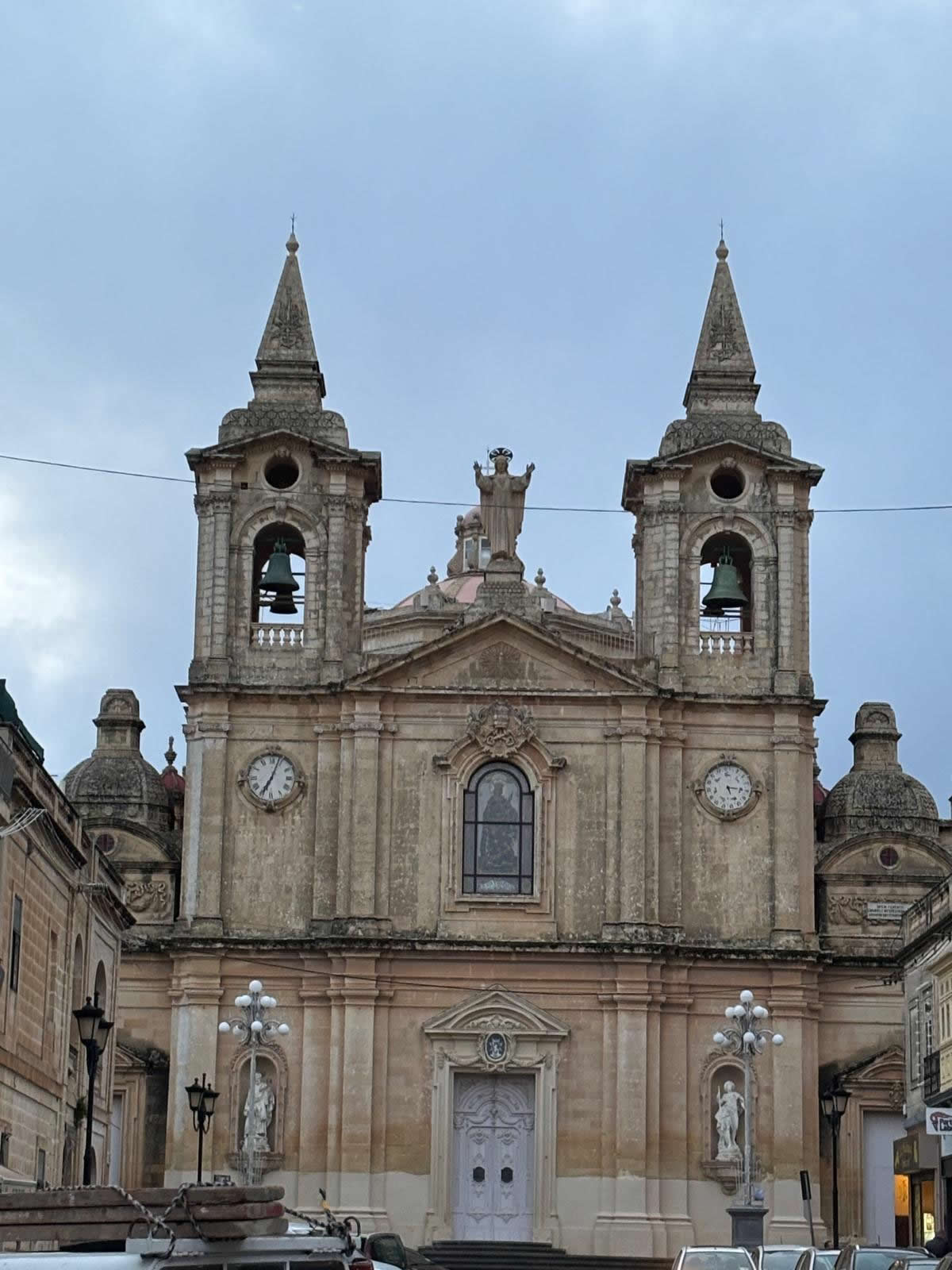
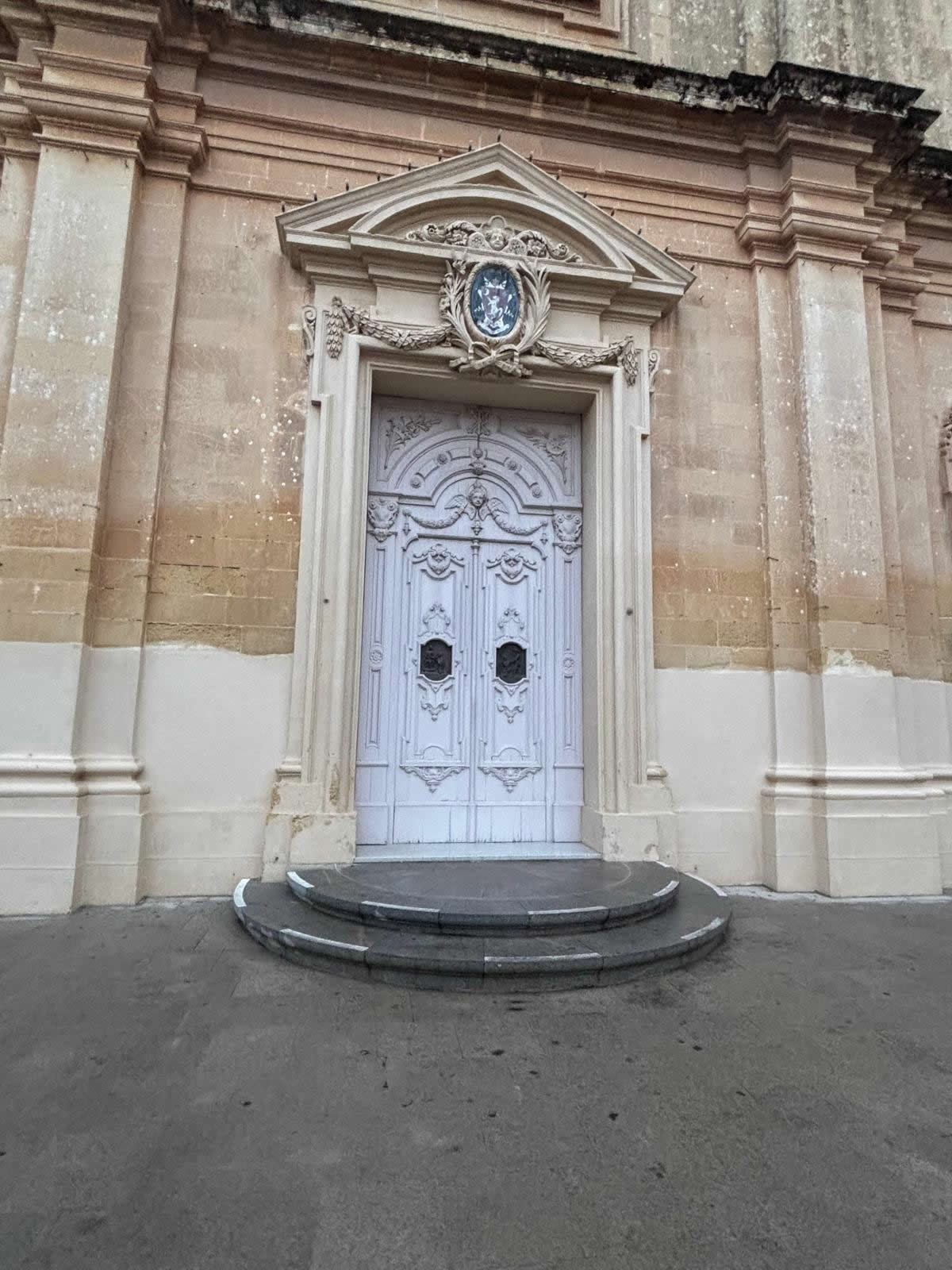
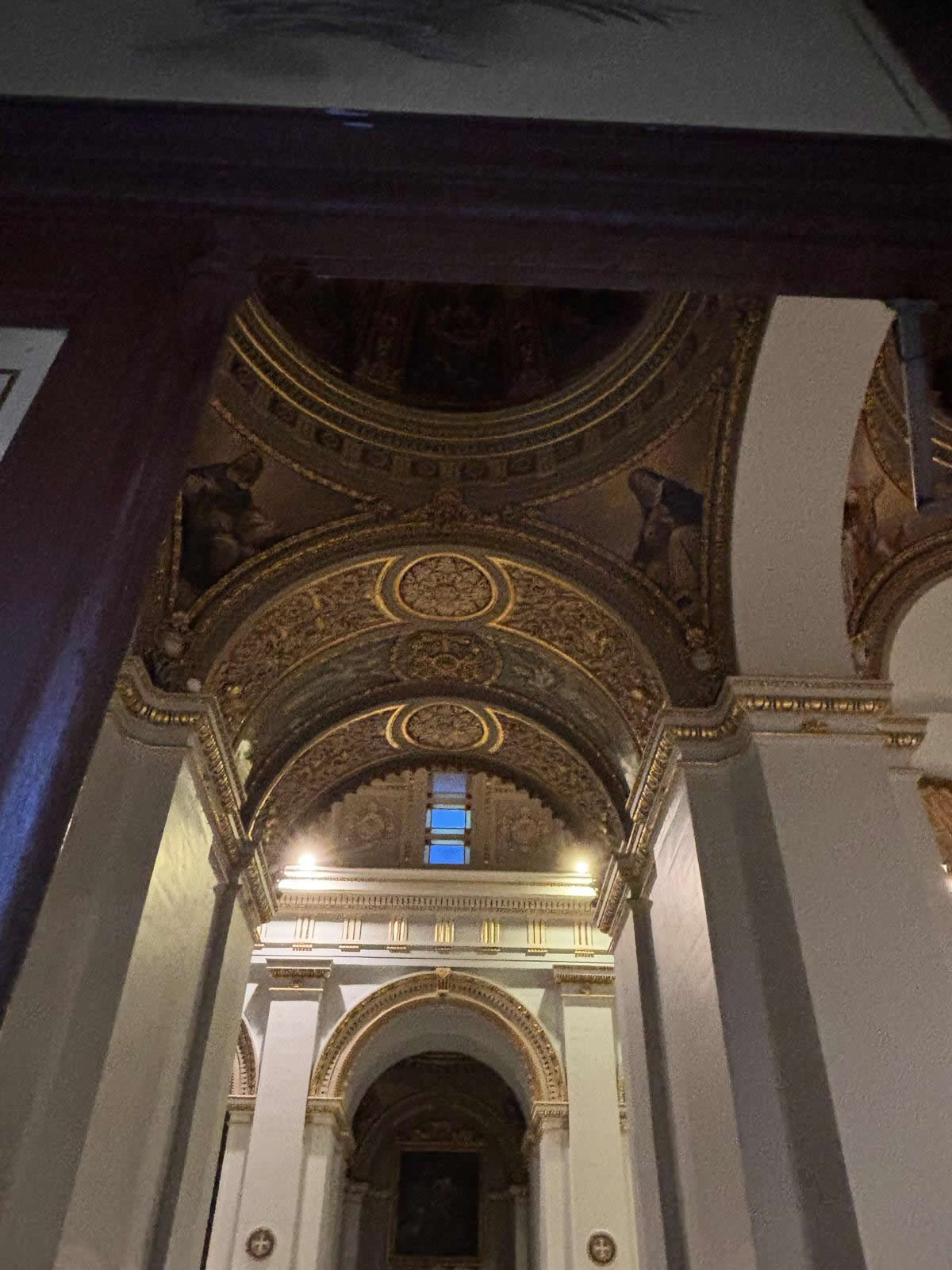
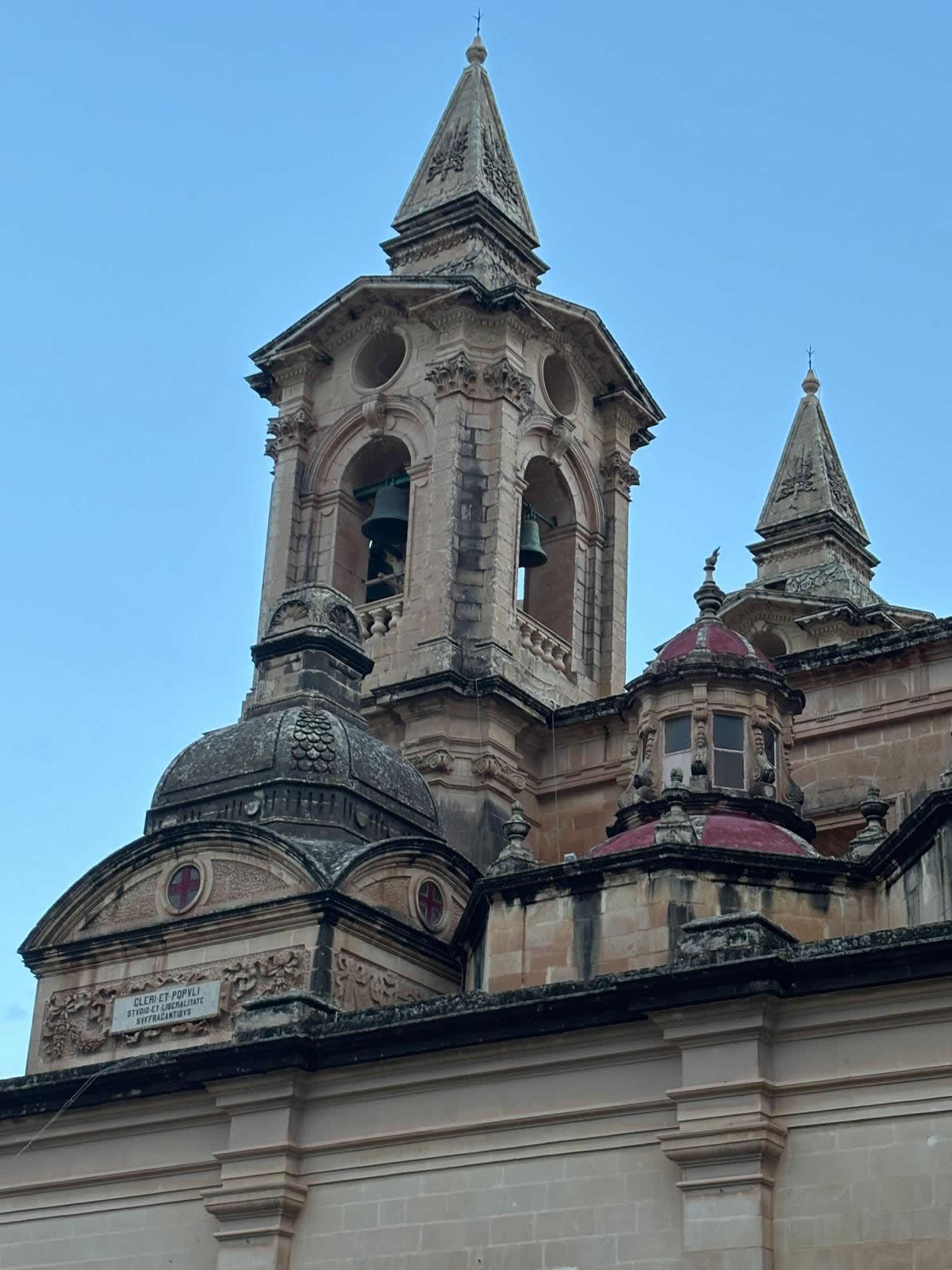
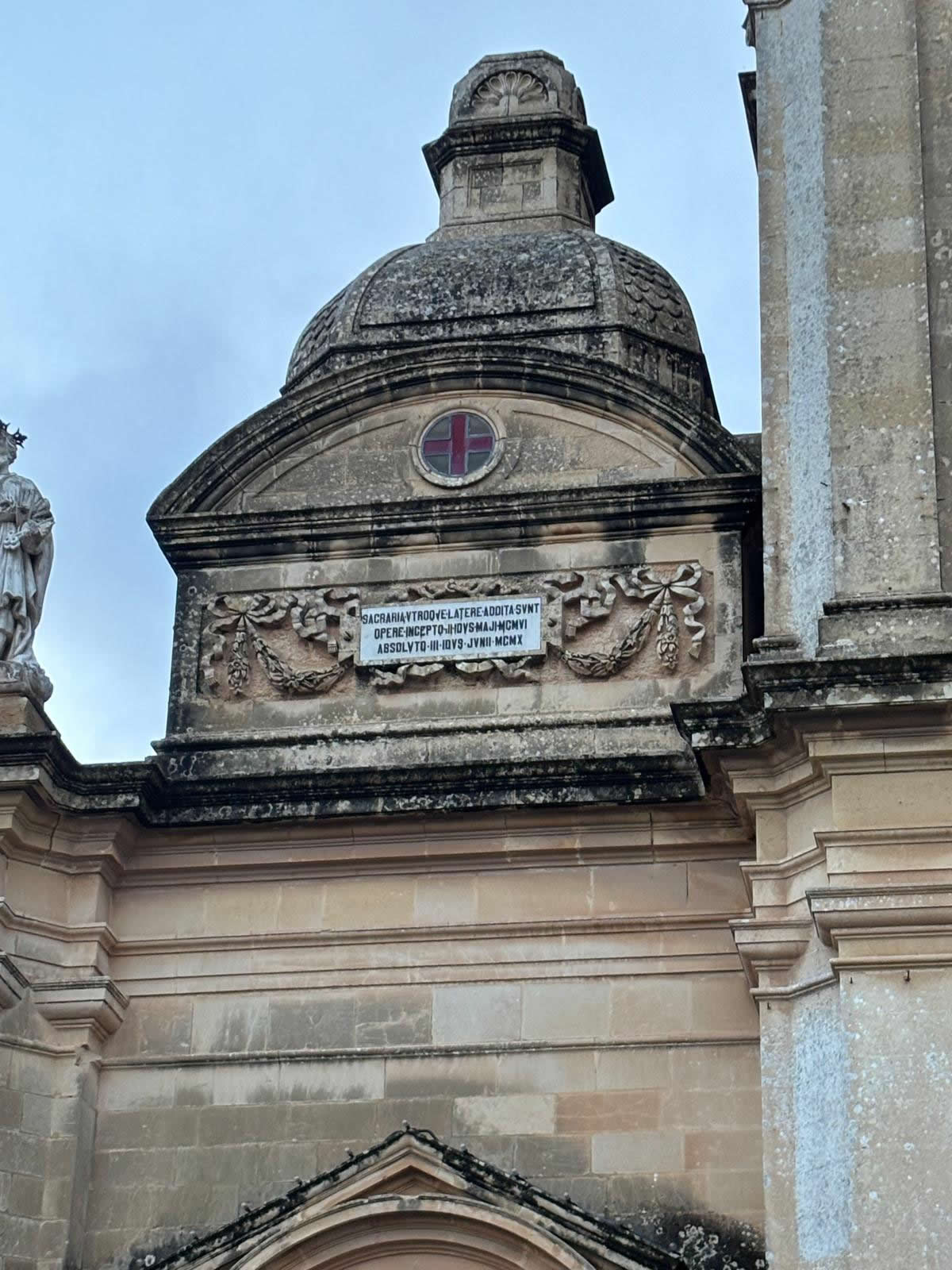
Żurrieq’s principal parish church is one of southern Malta’s most richly decorated sacred buildings, rebuilt in the 17th century and celebrated for
its baroque architecture and major artworks.
Overview
The Matrix Parish Church of St Catherine of Alexandria (often shortened to the Church of St Catherine, Żurrieq) is the spiritual and
architectural centre of Żurrieq. The present church rose from a long parish tradition documented from the 15th century and expanded dramatically as the
community grew in the 1600s.
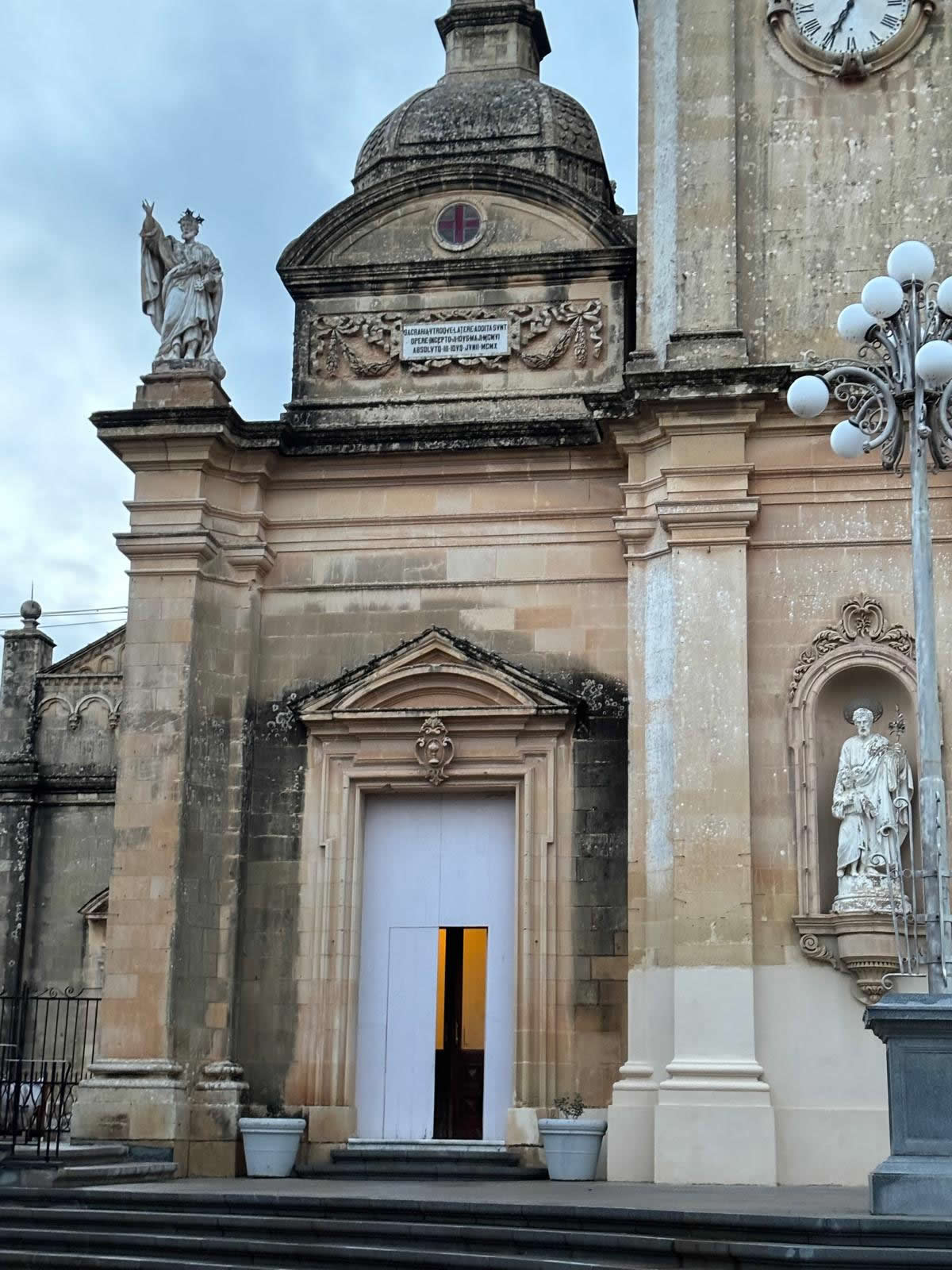
1909: later alterations (including bell towers/side aisles in some accounts) completed.
2025: the carved wooden pulpit (dated 1669) restored and presented publicly.
History, construction and development
Medieval parish roots
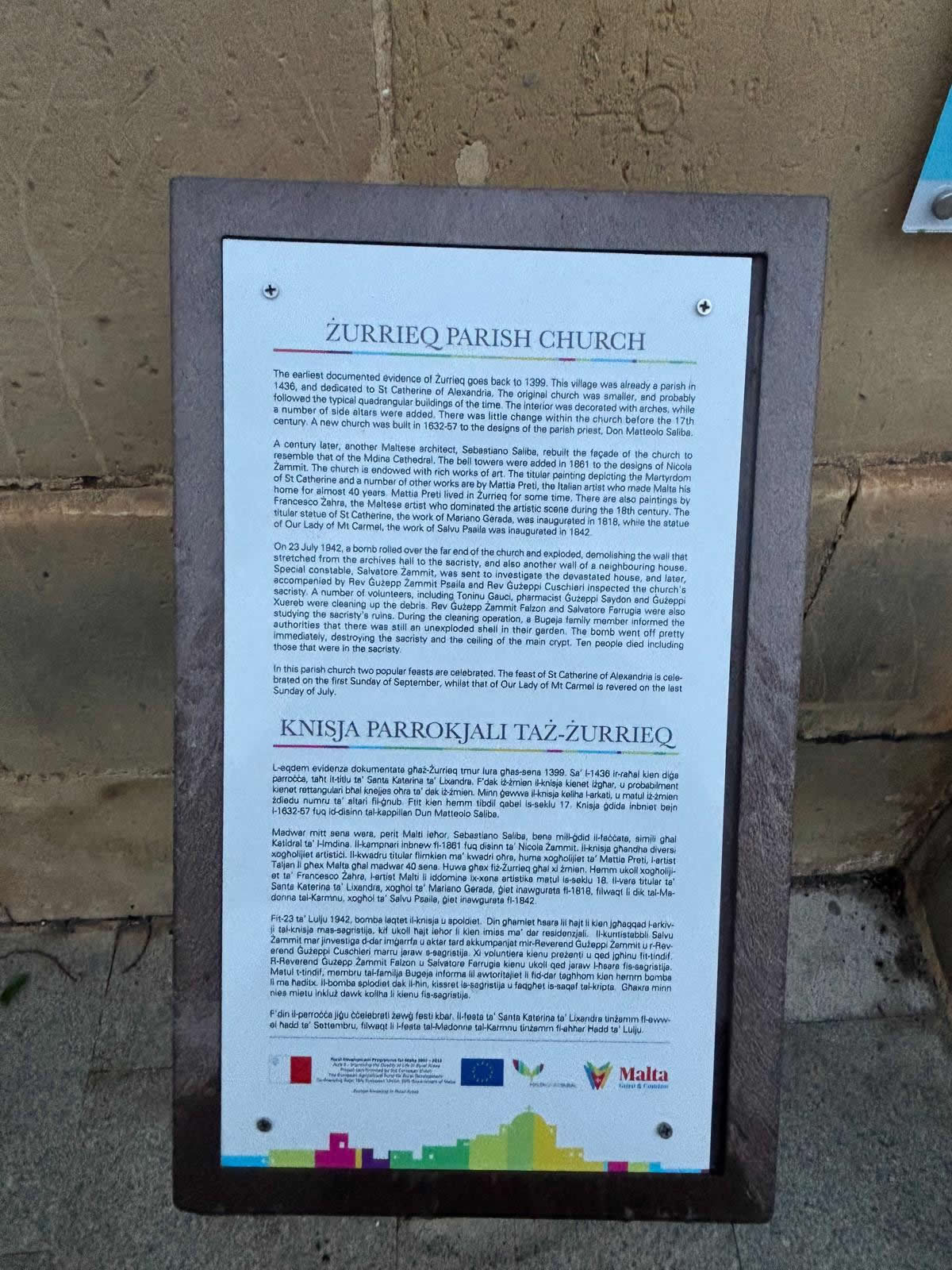
Żurrieq’s parish status is documented from 1436, making it one of the older parish traditions in Malta. The church is also referenced in
the 1575 visitation by inquisitor Pietro Dusina, reflecting a continuity of worship and community identity well before the current building
was begun.
The 17th-century church: 1632 to 1658
As Żurrieq grew, a larger church was planned. Construction of the present structure began around 1632–1633 under the direction of
the parish priest and architect Rev. Matteolo Saliba, and the main building phase is commonly stated as completing in 1658
after roughly 25 years.
18th-century works and later embellishment
The church continued to evolve. A major 18th-century intervention noted in specialist summaries is the reconstruction of the façade between
1753 and 1758, shaping much of the exterior character visitors recognise today.
19th–20th century additions
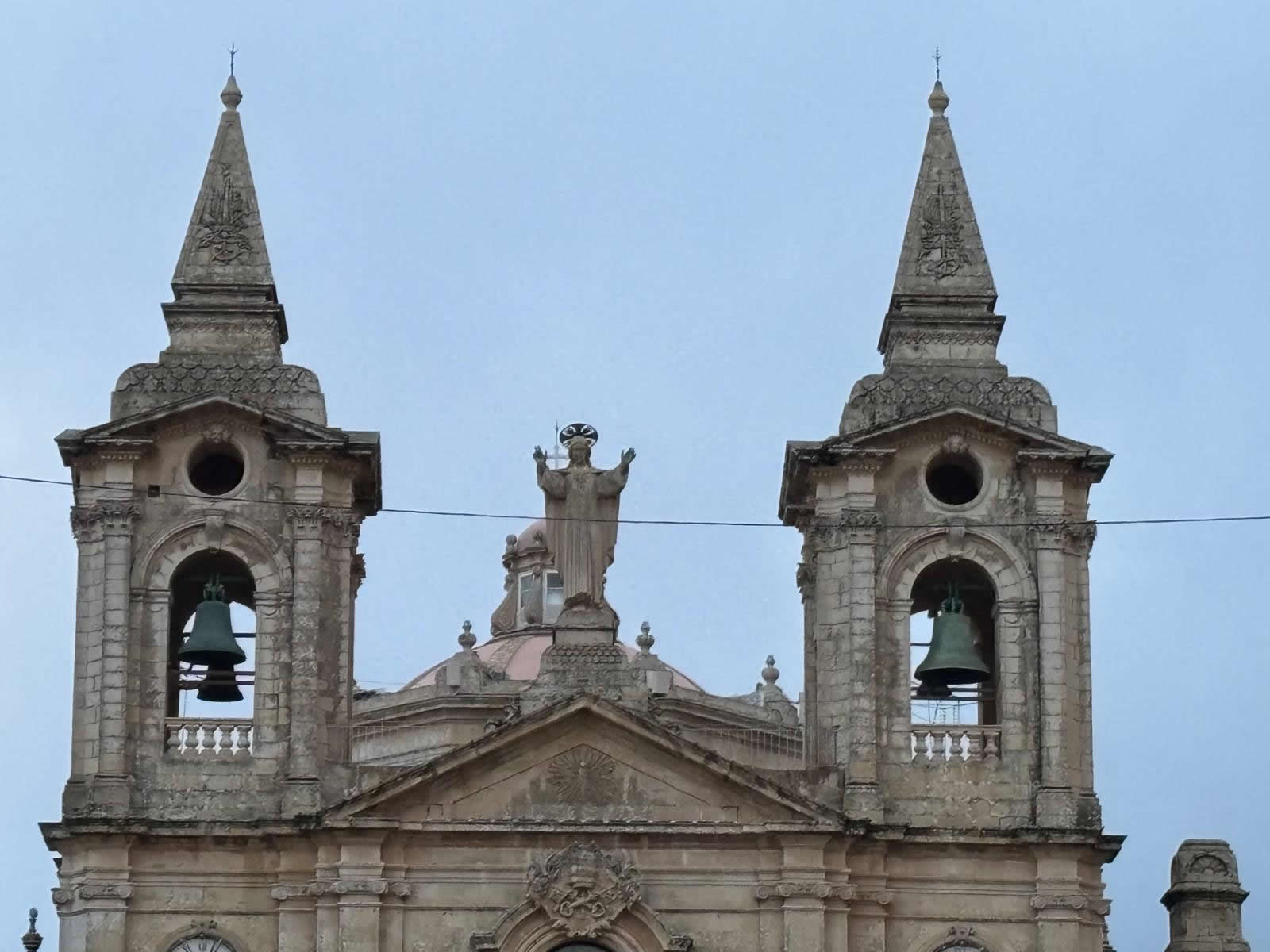
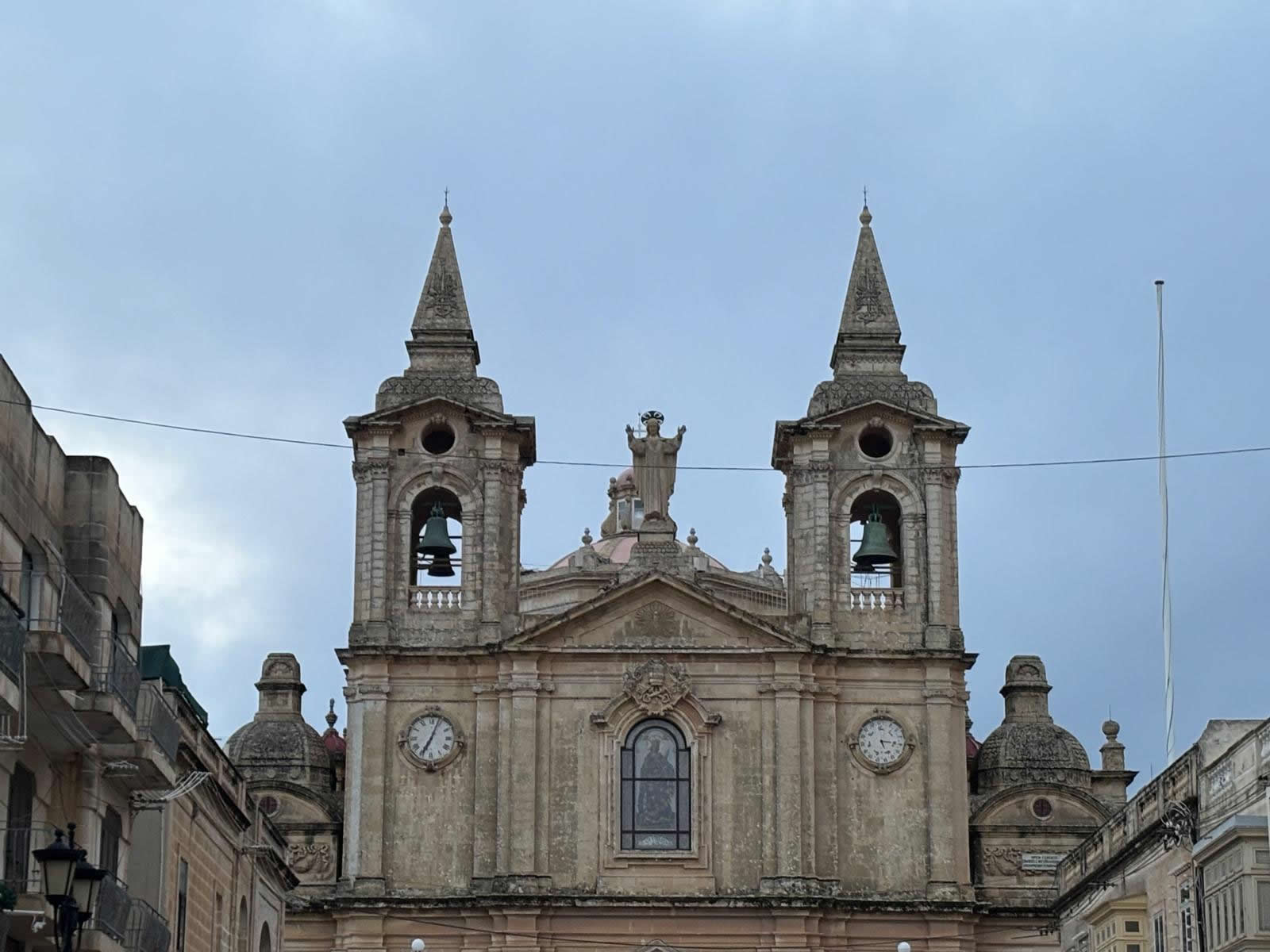
Later works included changes to towers and side aisles; one account attributes designs for alterations to Dr Nicola Zammit, with completion by 1909.
The Żurrieq Local Council also notes extensions and additions over time, including bell towers and sacristy-related works.
Dedication
The church is dedicated to St Catherine of Alexandria, with a recorded dedication date of 30 December 1731 in commonly cited
reference summaries.
Architecture and artworks
Baroque character
In the context of southern Malta, this is often highlighted as one of the more richly decorated parish churches, with baroque architectural language and a
long programme of later enrichment.
Mattia Preti paintings
The interior is particularly celebrated for a substantial set of works by Mattia Preti, widely noted in reference summaries as including
multiple martyrdom scenes and devotional subjects.
Notable sculpture and furnishings
Reference notes include a titular statue of St Catherine dated 1818 (by Marjanu Gerada) and other 19th-century devotional statuary.
One especially important furnishing is the carved wooden pulpit dated 1669, described as among the oldest in Malta and restored with
conservation support in 2025.
Restoration and conservation
Conservation at the church is ongoing, typical of large historic parishes. A prominent recent example is the restoration of the
1669 wooden pulpit, reported as returned to its original splendour through professional conservation and sponsorship.
The church is also cited as listed on Malta’s National Inventory of the Cultural Property of the Maltese Islands.
Use, worship and visiting notes
How it is used today
The church is an active parish serving Żurrieq and functions as a major venue for liturgy, feast celebrations, and community events.
Planning a visit
Best navigation: use the coordinates above.
Respect: modest dress and quiet behaviour are recommended inside churches.
Photography: be mindful during services and around artworks.
Internal linking tip: link this Matrix Church page from your Żurrieq chapel pages (and vice-versa) to strengthen topical authority for “churches & chapels in Żurrieq”.