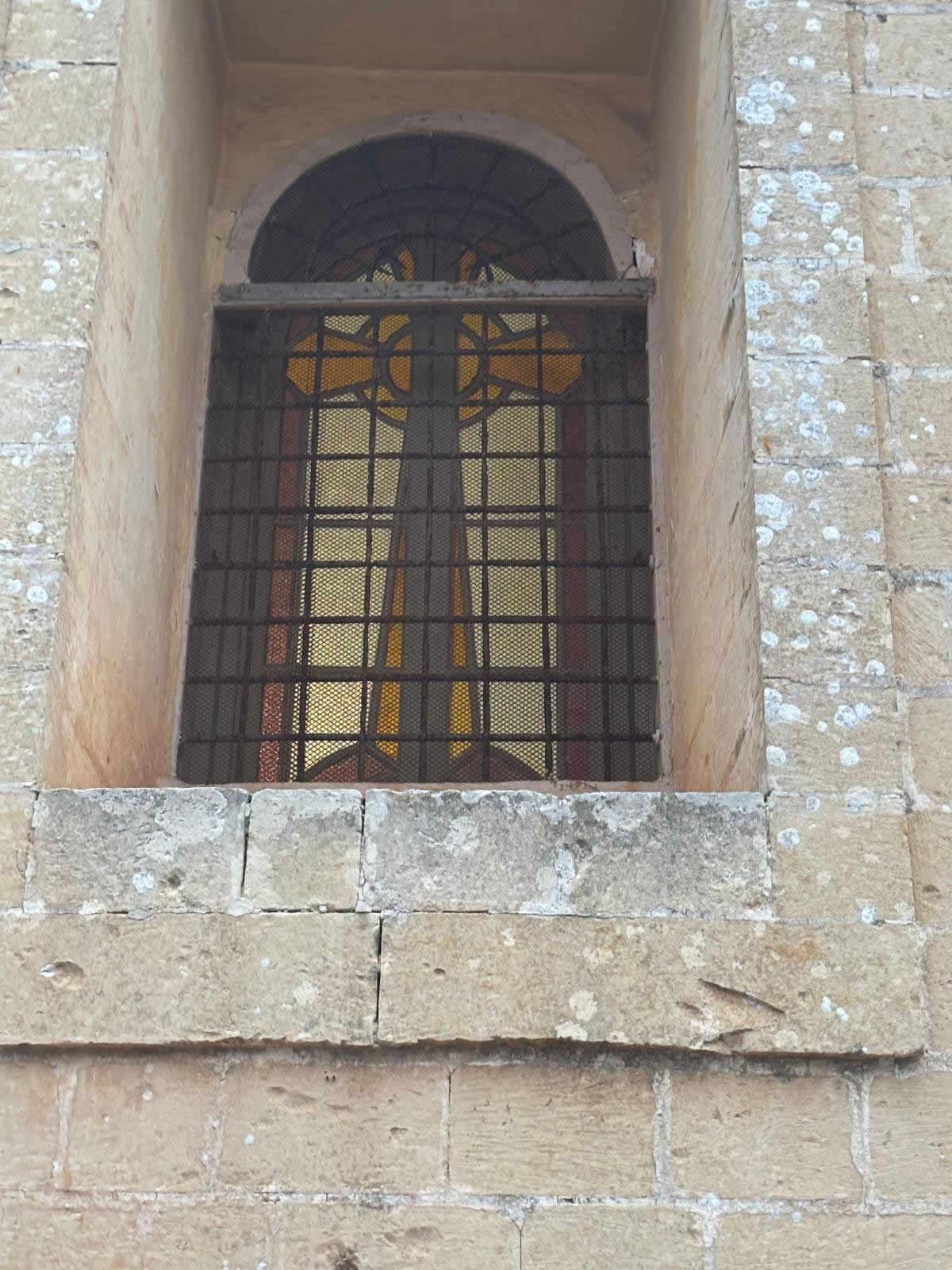
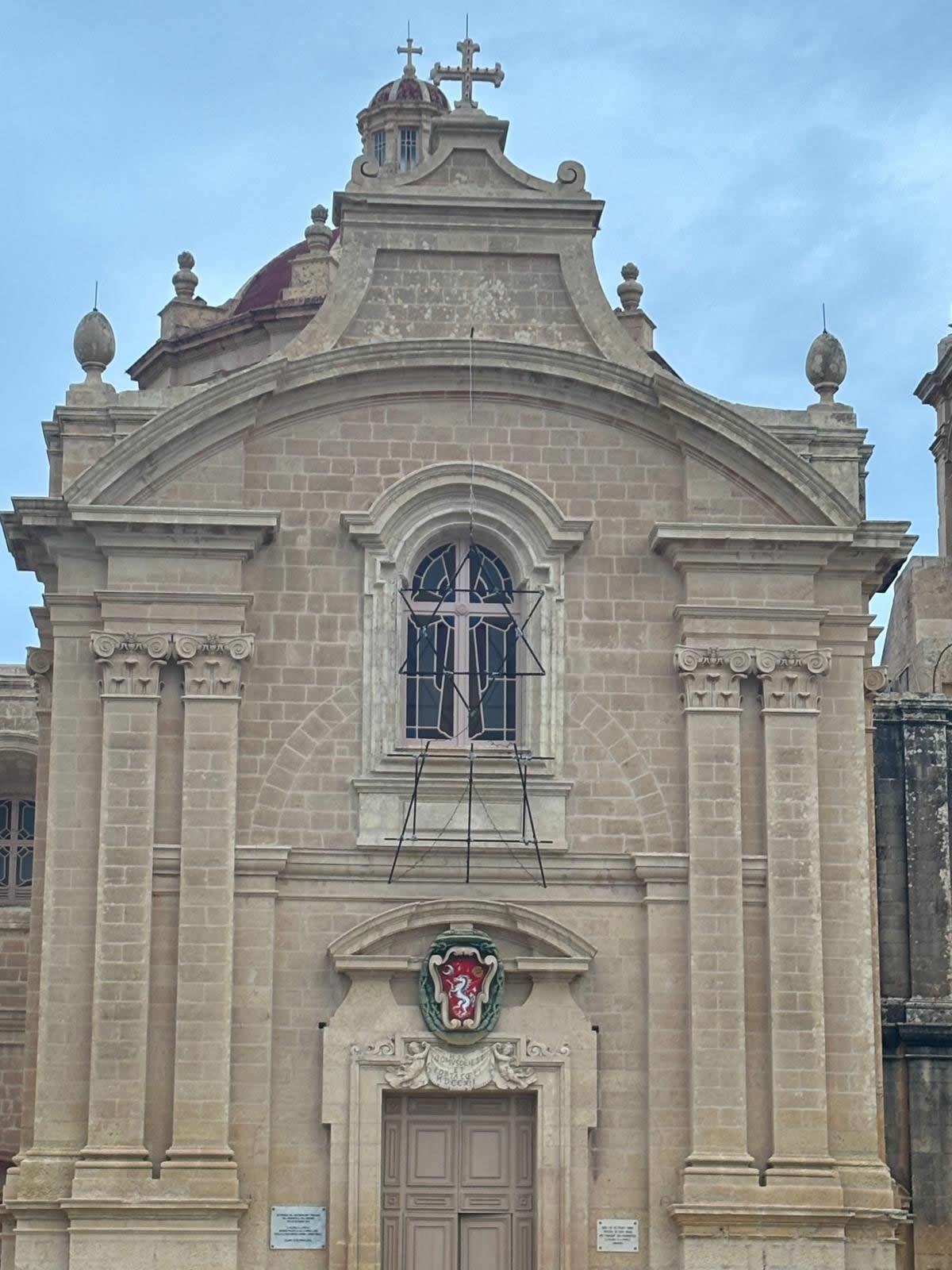
Parish ChurchBaroque MaltaAssumption of Our LadyQrendi
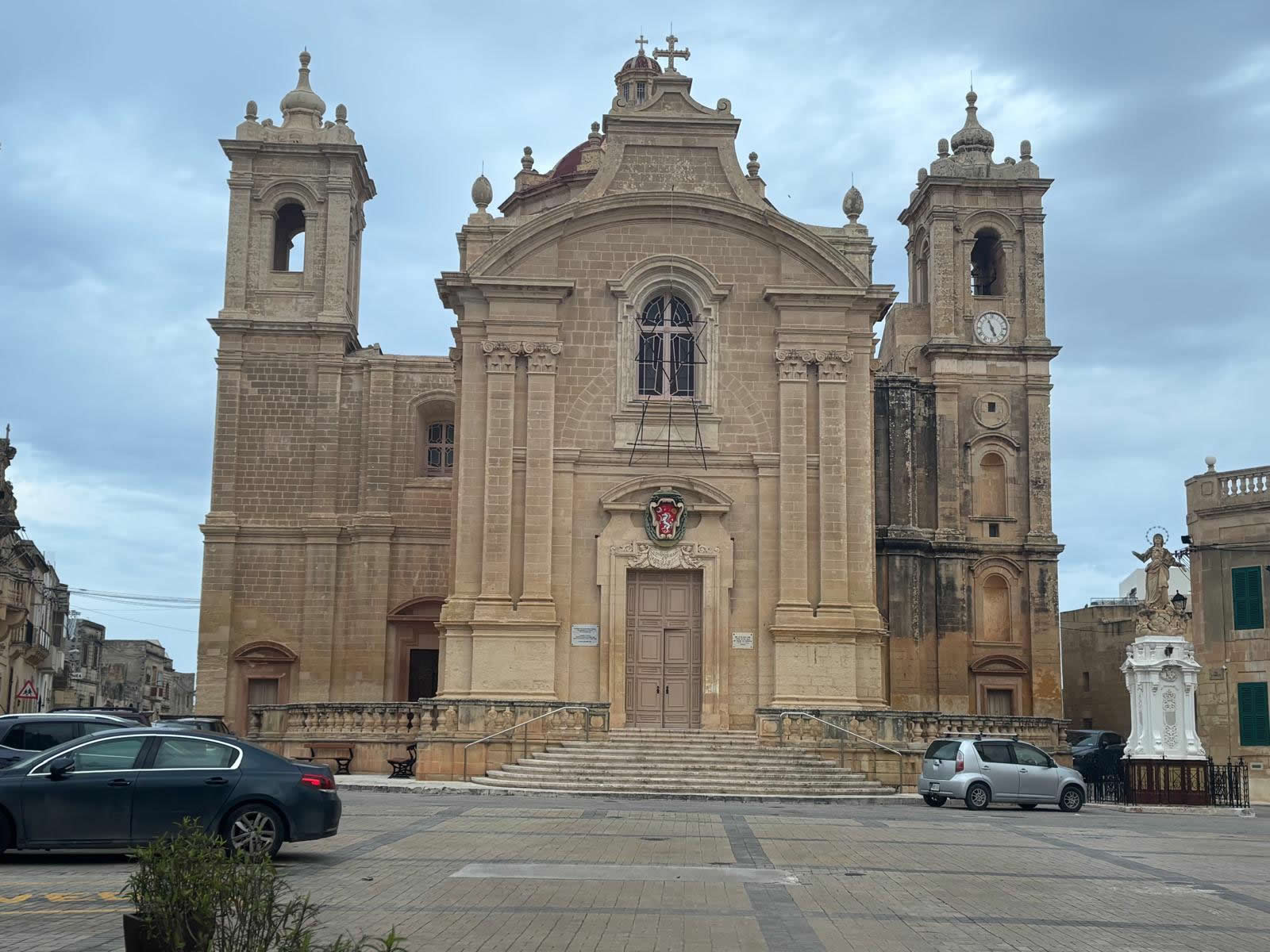
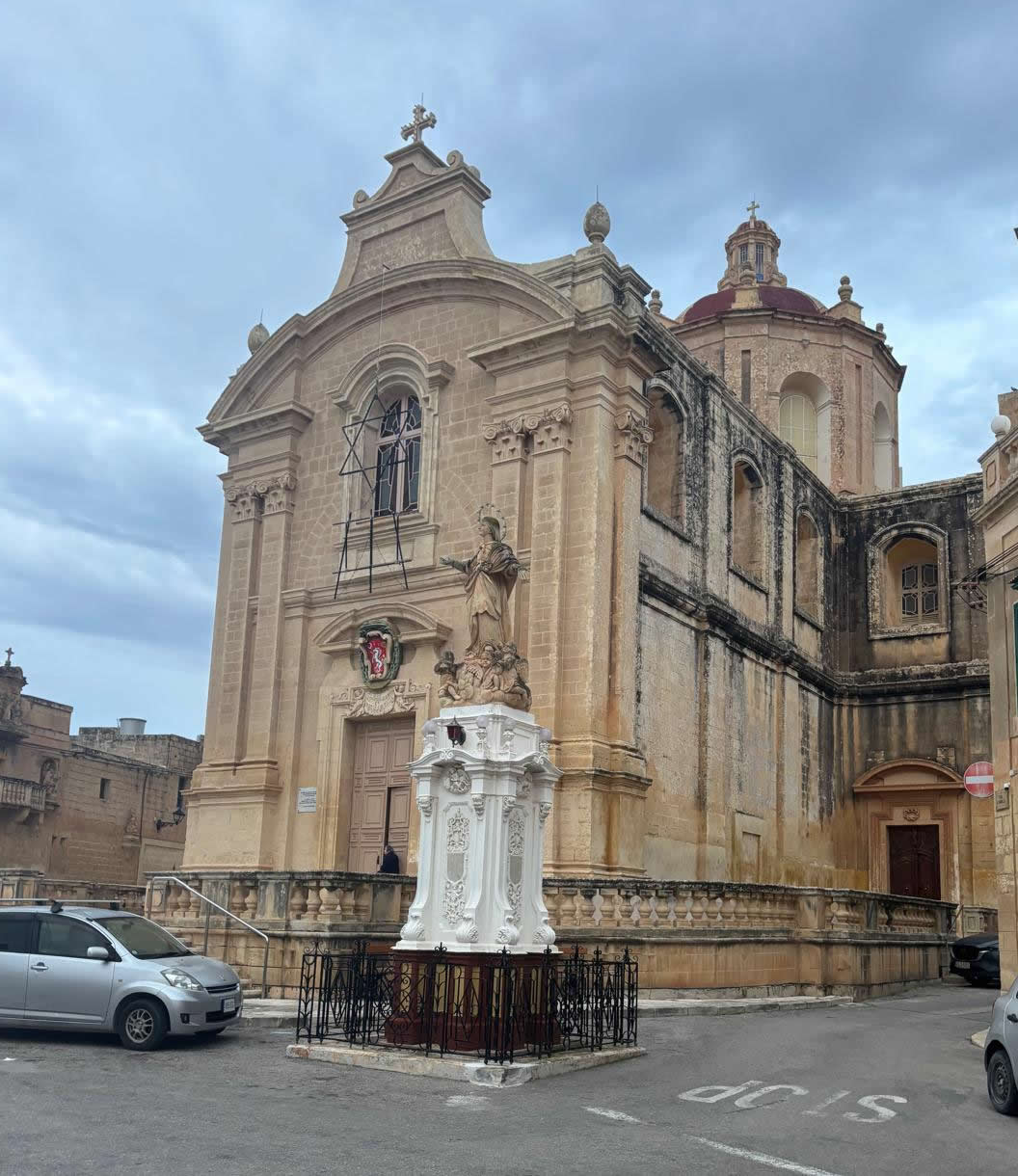
Qrendi’s parish church is a landmark of faith and craftsmanship, rebuilt and enlarged over centuries—from a 16th-century village church to a major Baroque parish centre.
Overview
Often referred to locally as Santa Marija, the Parish Church of the Assumption is the heart of Qrendi’s religious and community life.
Its story reflects the growth of the village: early documentation in the 1500s, the formal erection of Qrendi as a parish in 1618, and a sequence of ambitious rebuilding phases that produced the church seen today.
1575: Qrendi’s main church is recorded as dedicated to the Nativity of Mary.
1594: rebuilt and rededicated to the Assumption of Mary.
15 Feb 1618: Qrendi is established as a separate parish (formerly within Żurrieq), incorporating Ħal Lew and Ħal Manin.
1620: two adjacent chapels (Assumption and St Anthony) dismantled to make way for a larger church.
1685–1712: that church dismantled again; a larger church completed in 1712 on plans attributed to Lorenzo Gafà.
1842: relics of St Celeste donated to the church (as recorded in the National Inventory description).
20th century: decoration programmes and later redecoration of dome/ceiling; additional artworks added after war-related damage.
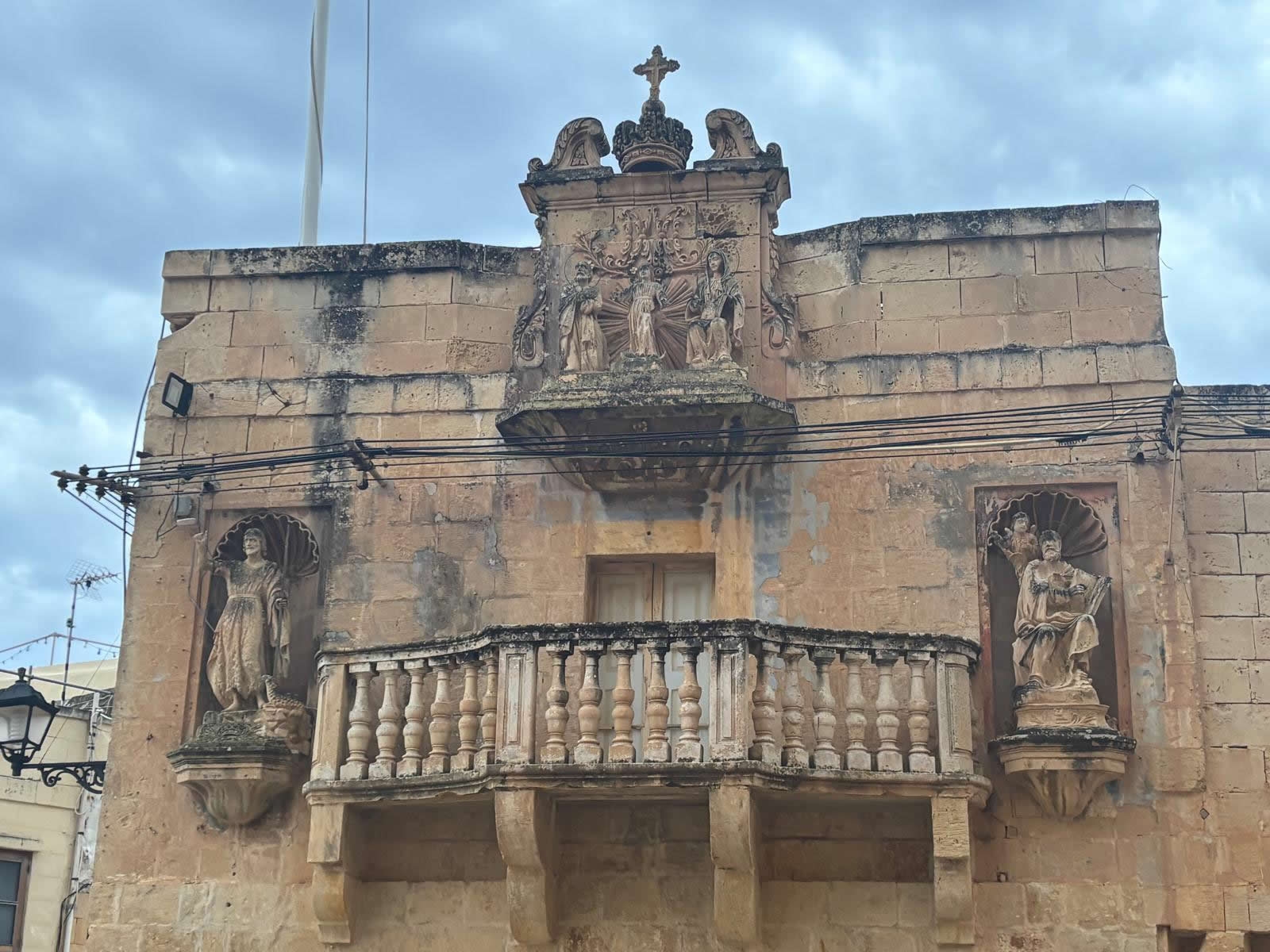
On a property to the left hand side of the church
Full detailed history
From a village church to an Assumption dedication (1575–1594)
In the 16th century, Qrendi formed part of the parish territory of Żurrieq. Records from 1575 describe Qrendi’s principal church as dedicated to the Nativity of Mary.
As the village community asserted its identity, the church was rebuilt in 1594 and rededicated to the Assumption of Our Lady—the dedication that remains central today.
Qrendi becomes a parish (1618)
A decisive milestone came on 15 February 1618, when Qrendi was established as a separate parish (no longer administratively dependent on Żurrieq),
with the small communities of Ħal Lew and Ħal Manin attached to the new parish territory. This change immediately increased pressure on the existing church to serve an expanding and newly independent parish.
Building bigger: 1620 and the first major replacement church
As population and devotional life grew, Qrendi’s church quickly became inadequate. Heritage records note that in 1620, two adjacent chapels
(dedicated to the Assumption and to St Anthony) were dismantled to create space for a larger parish church.
This is a familiar Maltese pattern: earlier chapels are incorporated, replaced, or sacrificed so the parish can build at a scale that matches community needs.
The Lorenzo Gafà church (1685–1712)
The next leap in scale came late in the 17th century. According to the National Inventory description, in 1685 the then-existing church was dismantled again to build an even larger parish church.
The work was completed in 1712, and the same record attributes the plans to Lorenzo Gafà, Malta’s most influential Baroque architect.
This phase is the backbone of the building’s present form and its Baroque character.
Relics, devotion, and 19th-century parish identity (1842)
In 1842, the church received the remains of St Celeste, donated by Fr Celeste Camilleri (as recorded in the Inventory).
Such gifts strengthened parish identity and devotional life, and they often shaped liturgical calendars and local pilgrimage habits.
20th-century decoration, war damage, and renewed artistic programmes
The church is also known for extensive artistic decoration. Reference summaries describe dome and ceiling decoration campaigns (including later redecoration in the 20th century),
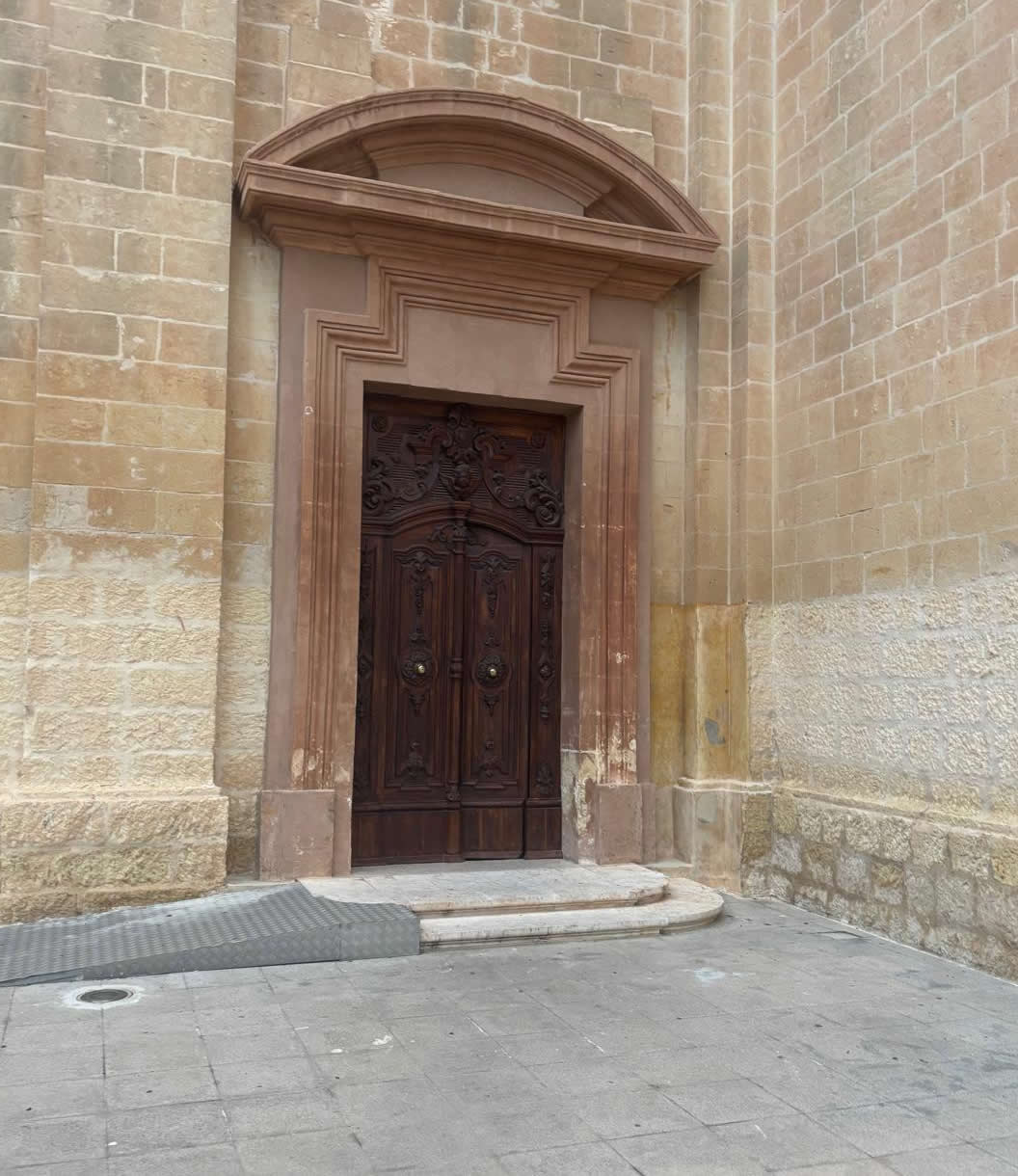
and note that after war-related damage an artist was commissioned to paint a prominent composition above the main doorway.
The church’s titular Assumption painting tradition is also highlighted: an earlier titular by Rokku Buhagiar was later replaced by a newer work by Giuseppe Calì.
Architecture and artworks
Architecture
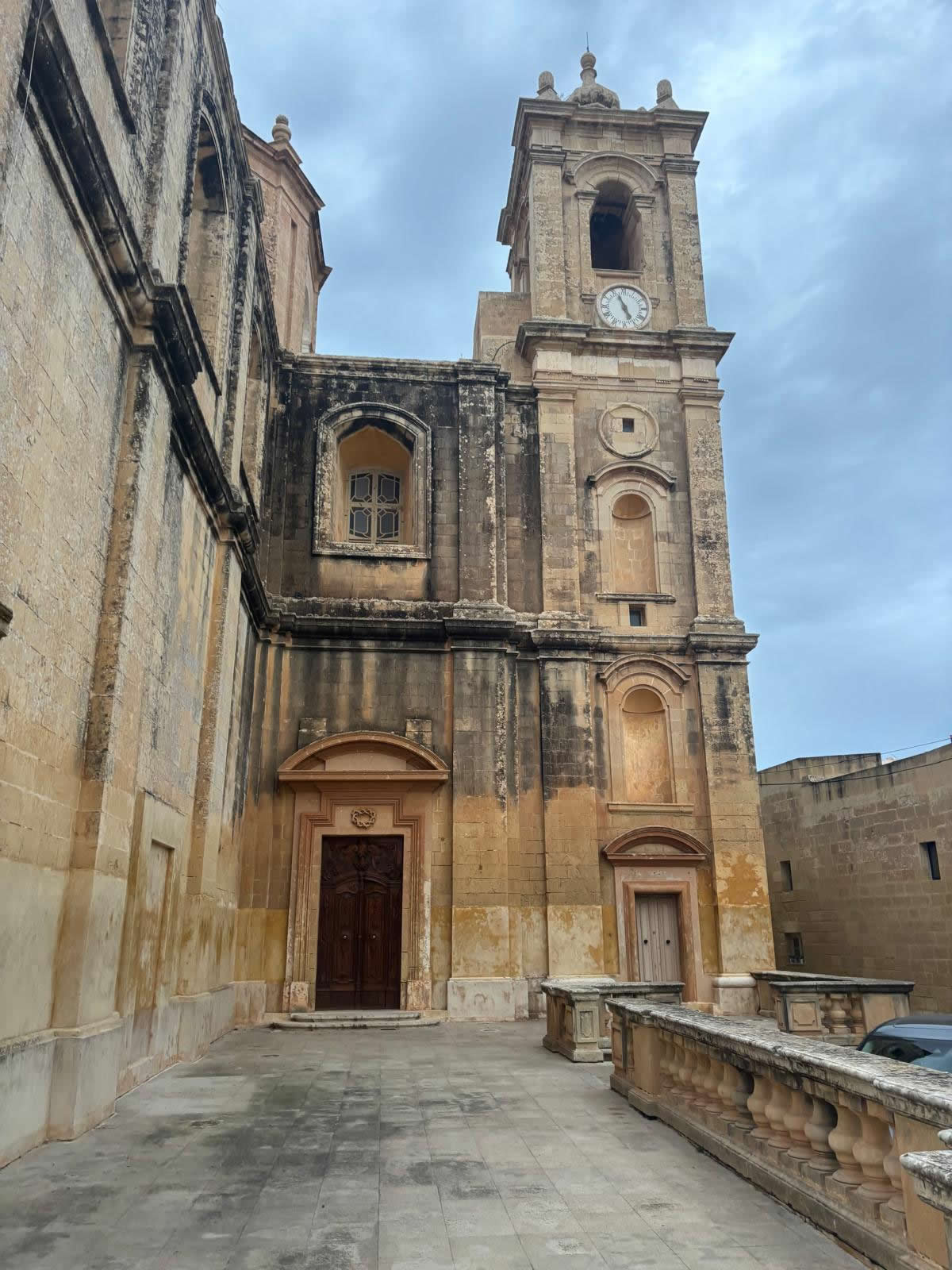
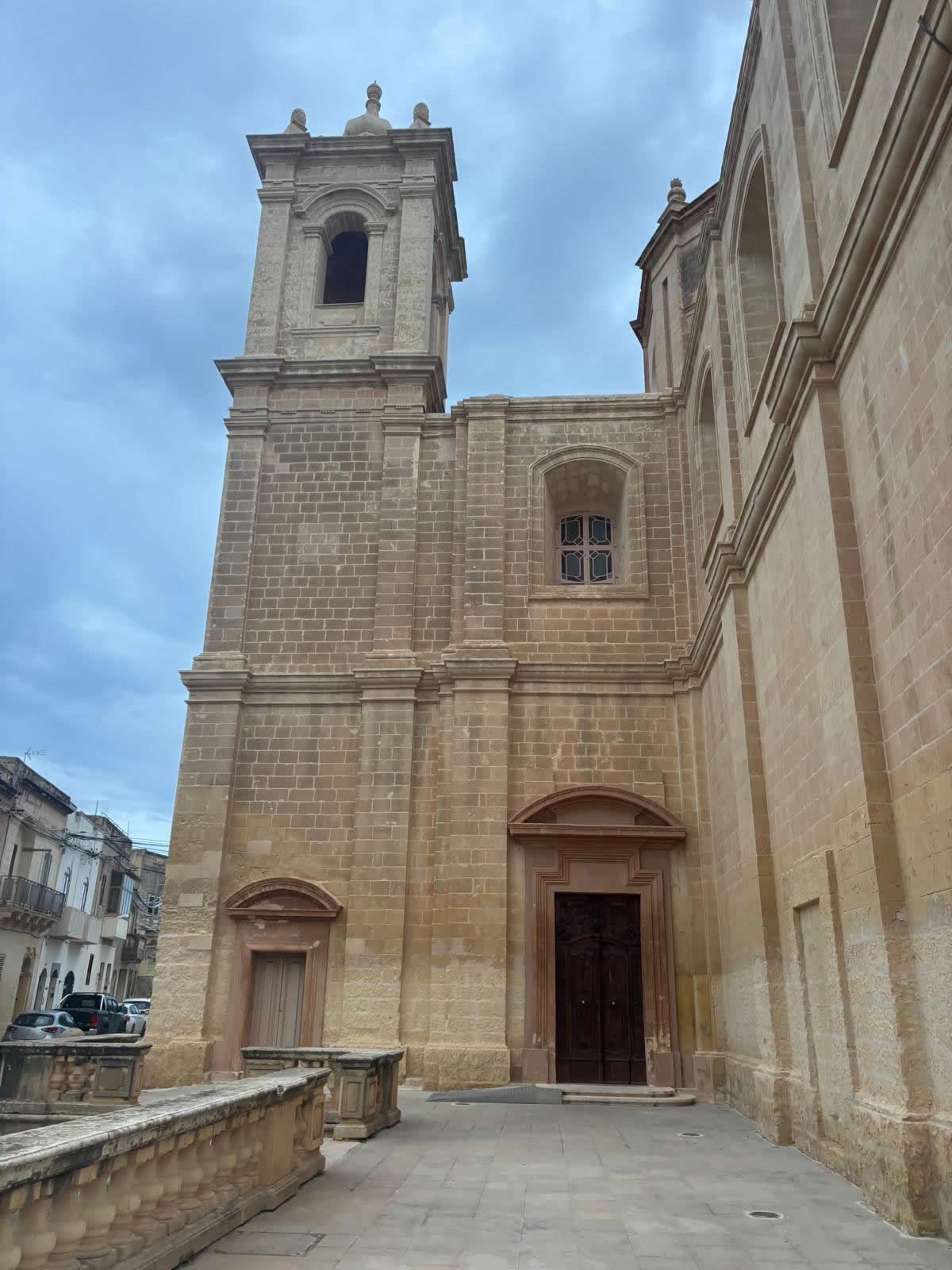
Qrendi’s parish church is valued for its architectural, artistic, and historical significance—recognised in the National Inventory.
The major building phase completed in 1712 (linked with Lorenzo Gafà) places the church firmly within Malta’s mature Baroque tradition, adapted to a thriving village context.
Artworks and devotional objects
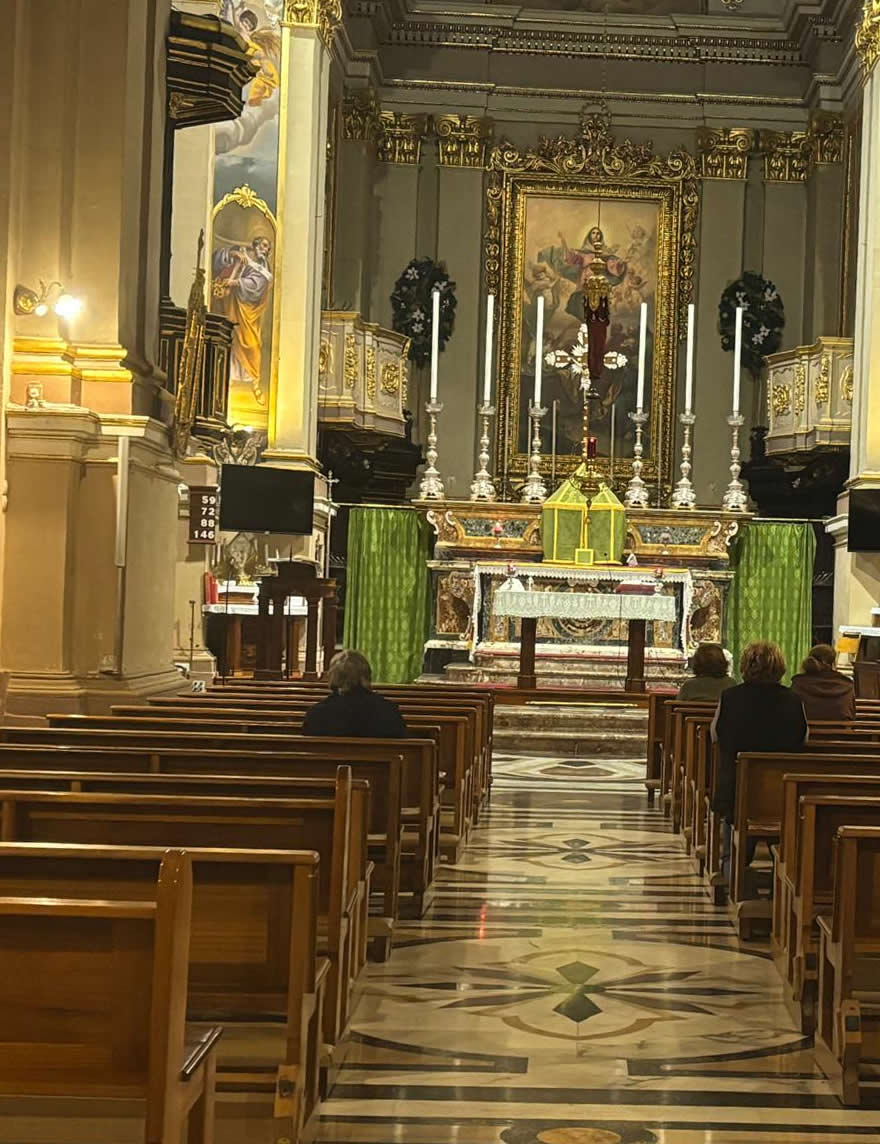
Heritage descriptions and parish summaries highlight a strong Marian programme (paintings, ceiling narratives, and statuary), alongside notable artists connected with Maltese church art.
Visitors will typically notice the interplay of architecture and iconography: Assumption imagery in multiple forms, complemented by other saints and devotional themes cherished by the parish.
Restoration and conservation
As with many large historic parish churches, restoration is ongoing and often occurs in phases—stonework, internal plaster, gilding, paintings, and structural maintenance.
Documented 20th-century interventions include redecoration programmes and post-war artistic commissions, reflecting a long tradition of renewing the building while preserving its heritage character.
Use, worship and visiting notes
How it is used today
Qrendi Parish Church is an active parish church—the primary venue for Sunday liturgy, feast celebrations, weddings, funerals, and the parish’s annual Marian devotional calendar.
It also functions as a “mother node” for your chapel network: many Qrendi chapels historically relate to parish life through feast-days, processions, and benefaction.
Planning a visit
Navigation: use coordinates 35.834753, 14.457671.
Etiquette: modest dress and respectful silence are recommended.
Photography: be mindful during services and near artworks.
Internal linking tip: link this parish church page from every Qrendi chapel page (and link back from here to your Qrendi chapel cluster) to strengthen topical authority for “Qrendi churches & chapels”.