📍 Location
Location Map Coordinates 35.845749, 14.467033
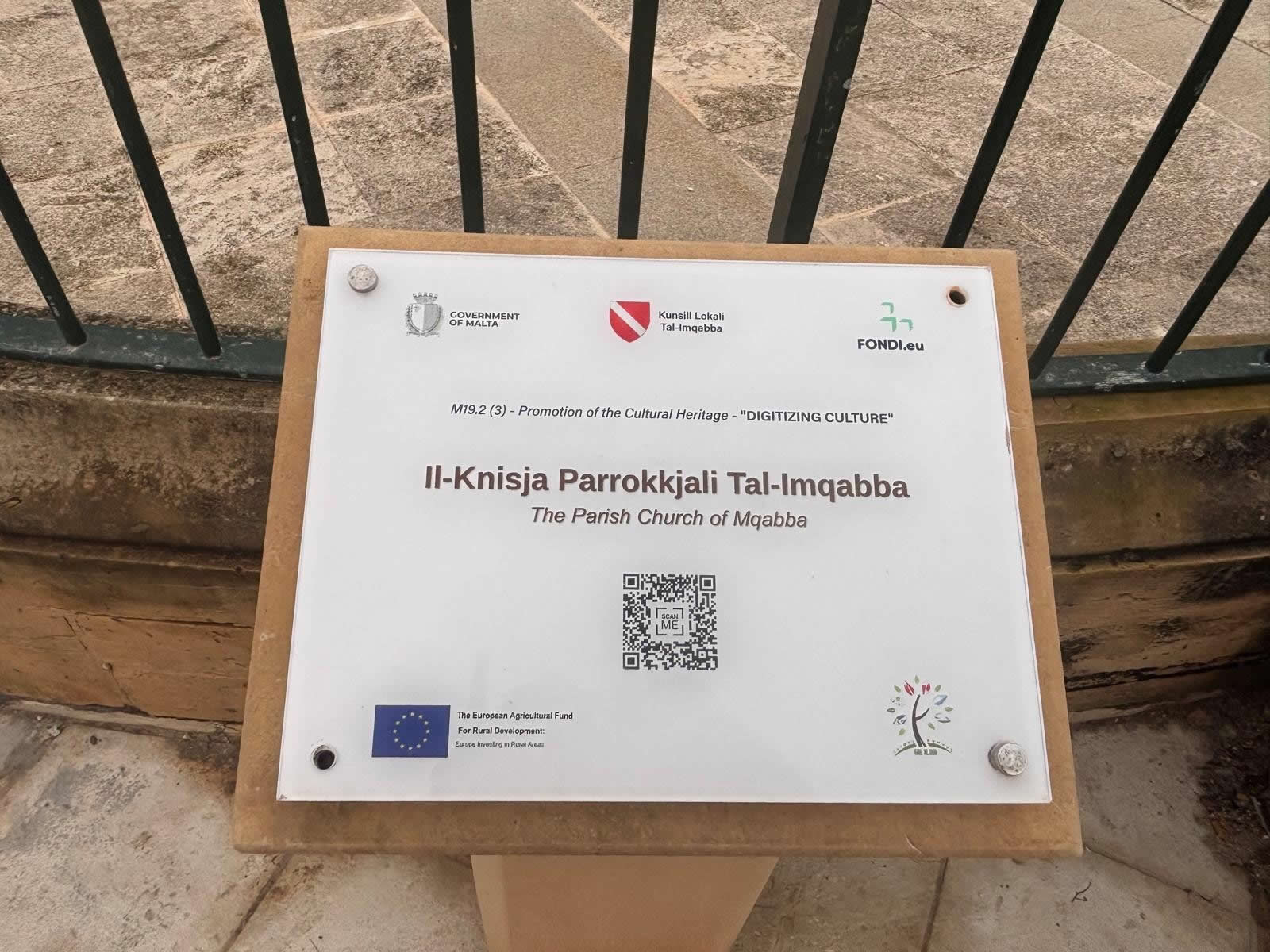
The Parish Church of the Assumption of Mary is a central landmark in Mqabba, Malta—closely connected to the village’s identity, feast traditions, and day-to-day parish life. Coordinates: 35.845749, 14.467033.
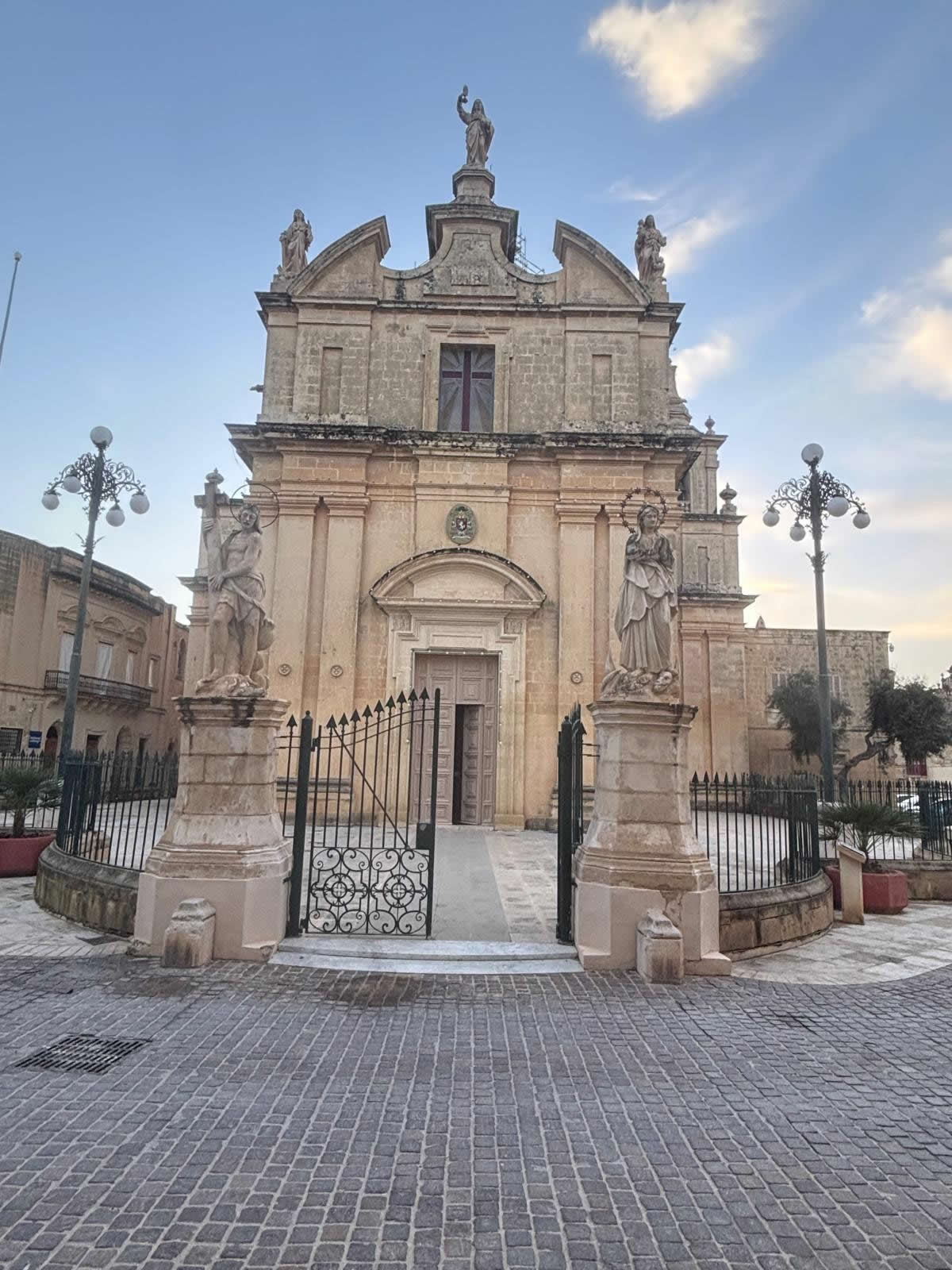
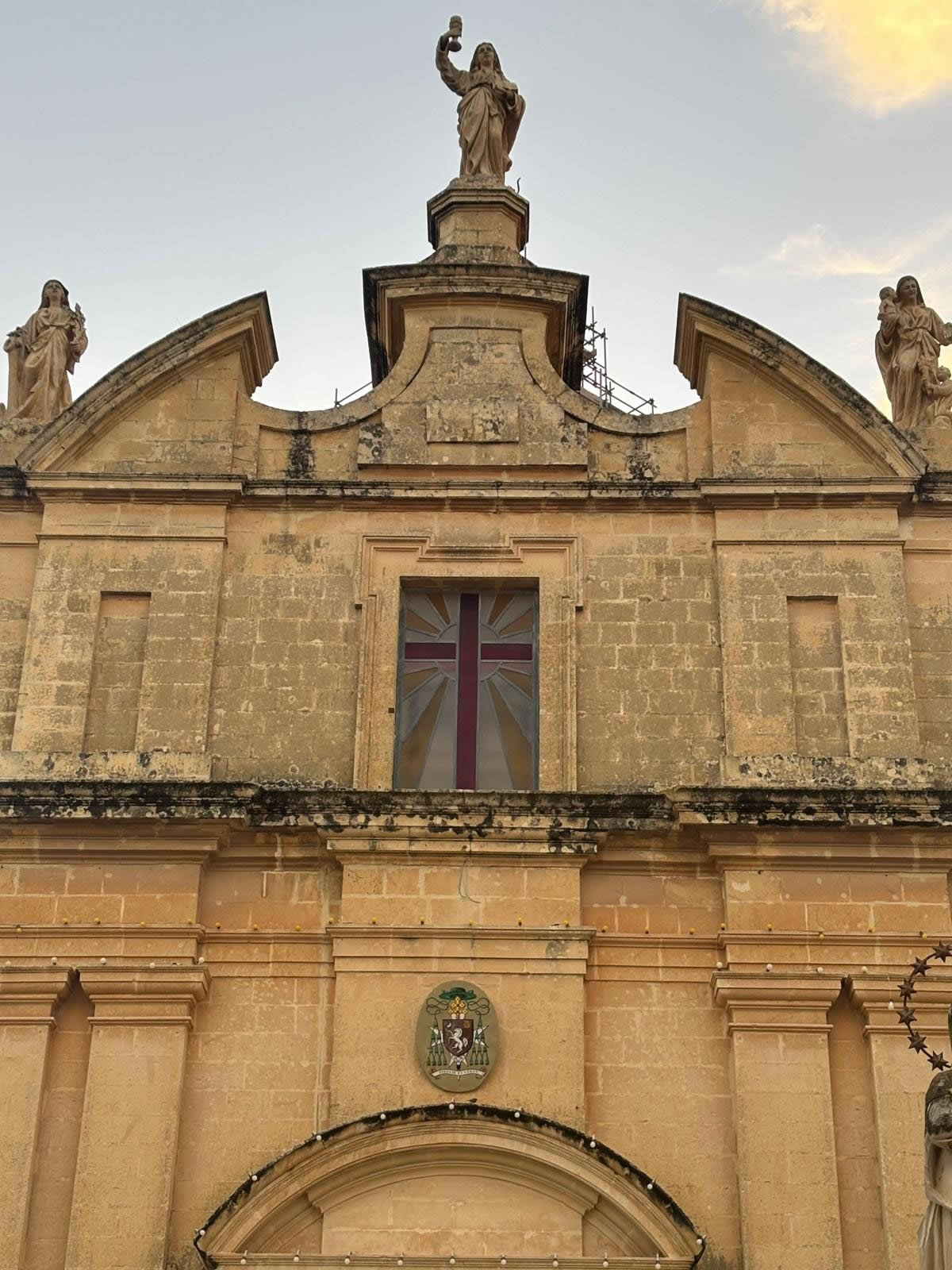
Overview
St Mary’s Church in Mqabba—often referred to locally as Santa Marija Assunta—is the village’s main Roman Catholic parish church. Like many Maltese parish churches, it sits at the heart of community life: a place of worship, a focal point during village celebrations, and a prominent example of limestone church-building traditions.
Type: Roman Catholic parish church
Dedication: Assumption of Mary
Village: Mqabba (L-Imqabba)
Coordinates: 35.845749, 14.467033
For visitor-friendly accuracy, present the likely construction of the current church as c. 1663 to 28 June 1699, while noting that later 18th-century milestones can relate to additional works, embellishment, or formal ceremonial dates.
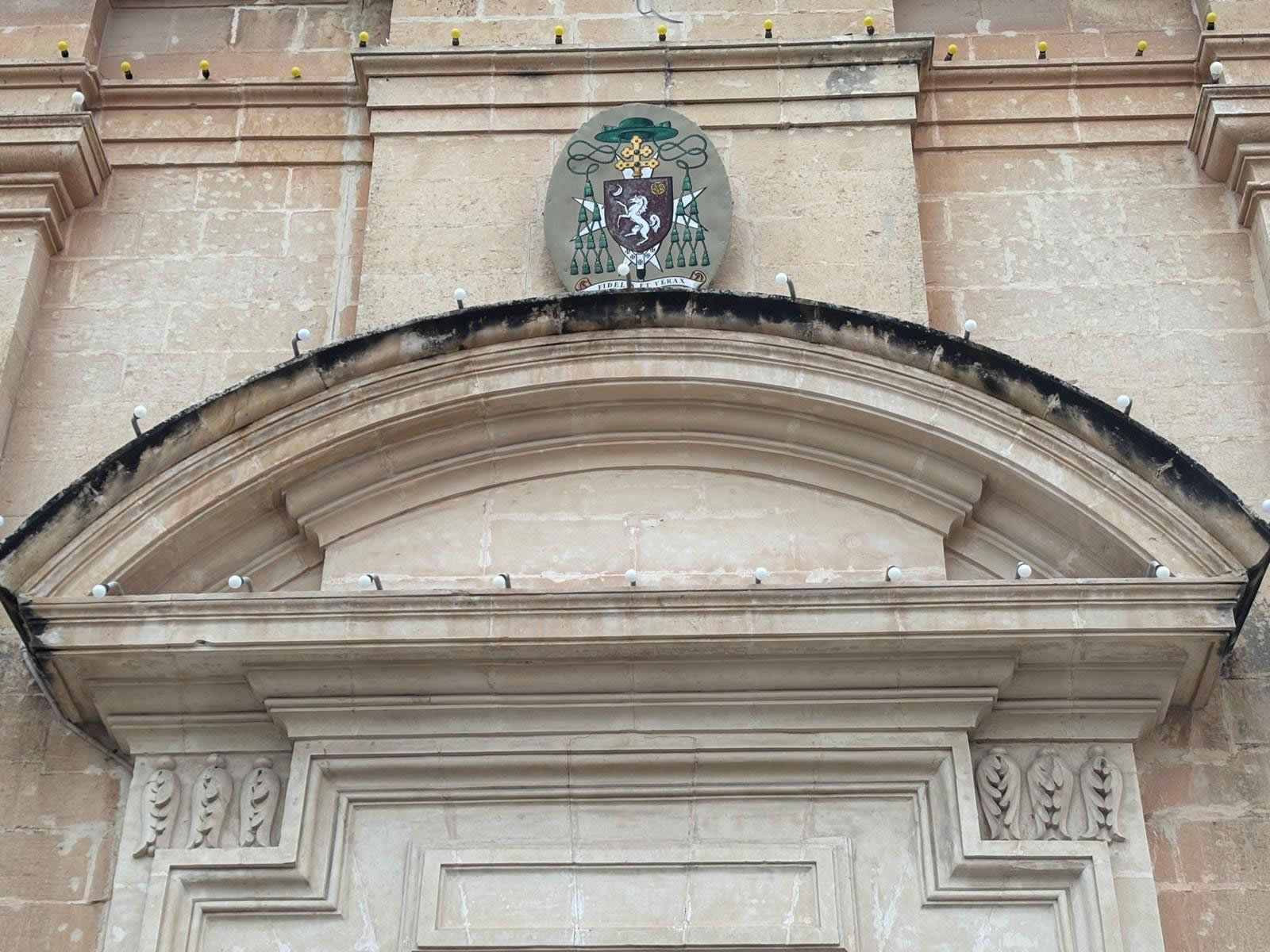
Detailed history
Earlier worship on the site
Long before the present structure reached its current scale, the area around the church was associated with earlier worship and Marian devotion. In many Maltese villages, parish churches evolved from earlier chapels as populations grew and communities consolidated around a main parish centre.
Construction of the present parish church (probable build date)
When it was probably built: The present parish church is generally cited as beginning construction around 1663 and being completed by 28 June 1699. When publishing, this is the cleanest, most defensible “probable build period” to use on emalta.com.
This timeline fits the wider development of Baroque parish architecture in Malta during the late 17th century. Over time, parish churches were frequently enriched with additional artistic elements—altars, sculpture, painted decoration, stonework details, and liturgical furnishings—often stretching into the following centuries.
Why some sources show later dates
You may see later dates (including 18th-century references) tied to the church. These often relate to later phases: major refurbishments, additions, finishing campaigns, significant interior works, or formal dedication milestones. It’s common for large churches to have a long “life-cycle” of improvements long after the main structure is complete.
Twentieth-century damage and restoration
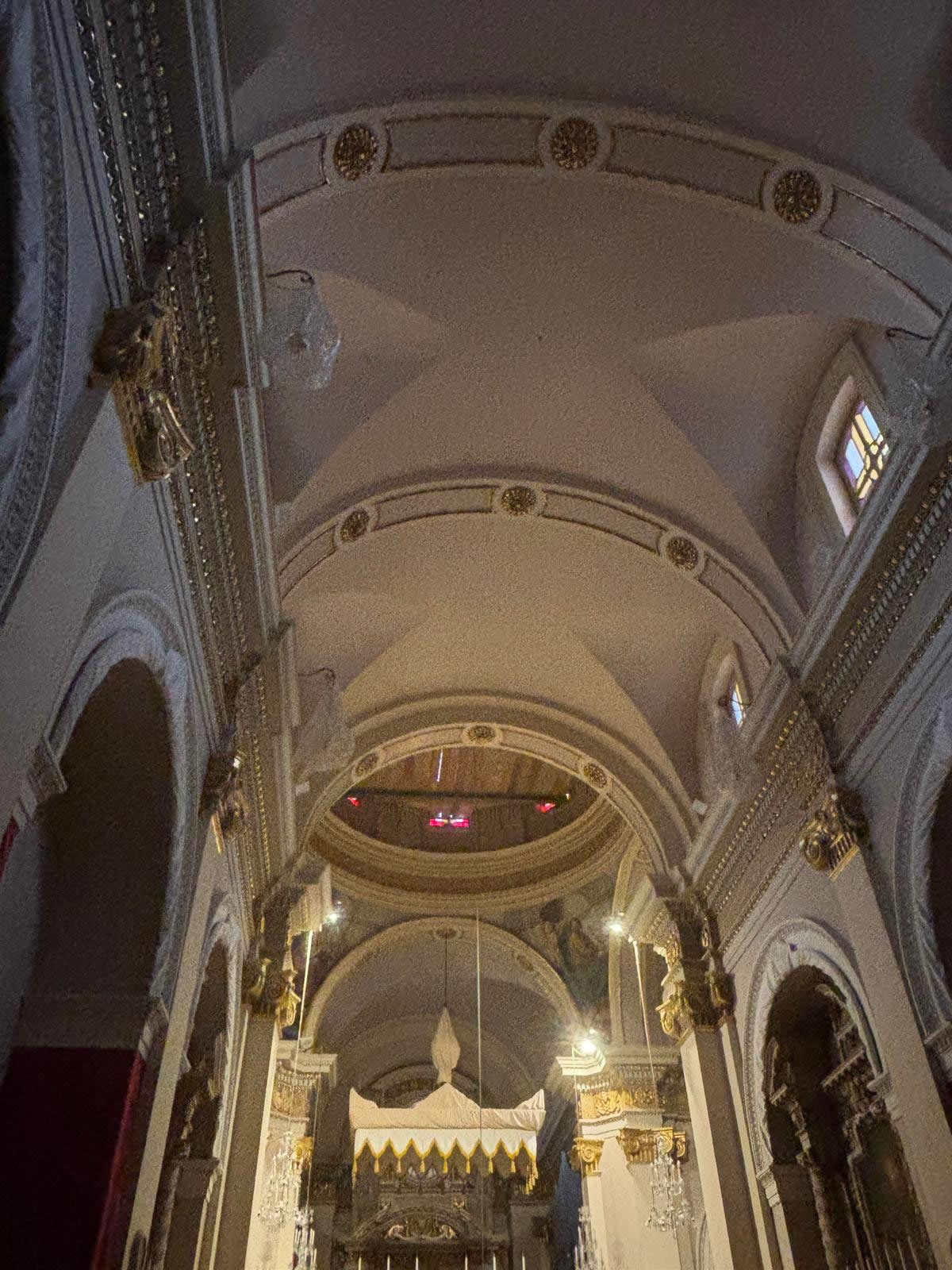
During the Second World War, several important churches in Malta sustained damage from air raids. St Mary’s Church in Mqabba is widely described as having been affected as well, followed by restoration work in the post-war period. These restorations ensured that the church continued to function as an active parish and retained its prominence in the village.
Architecture and features
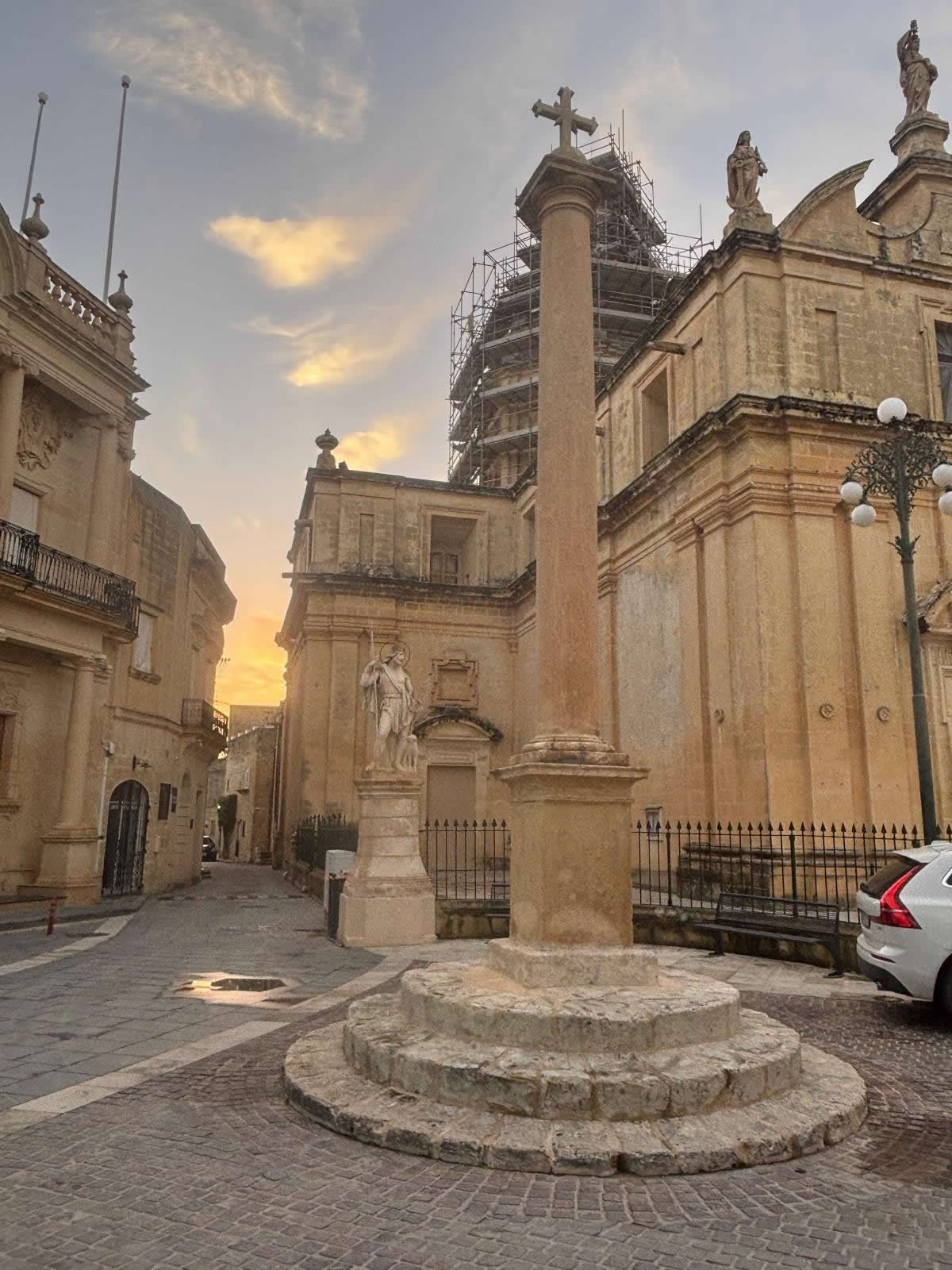
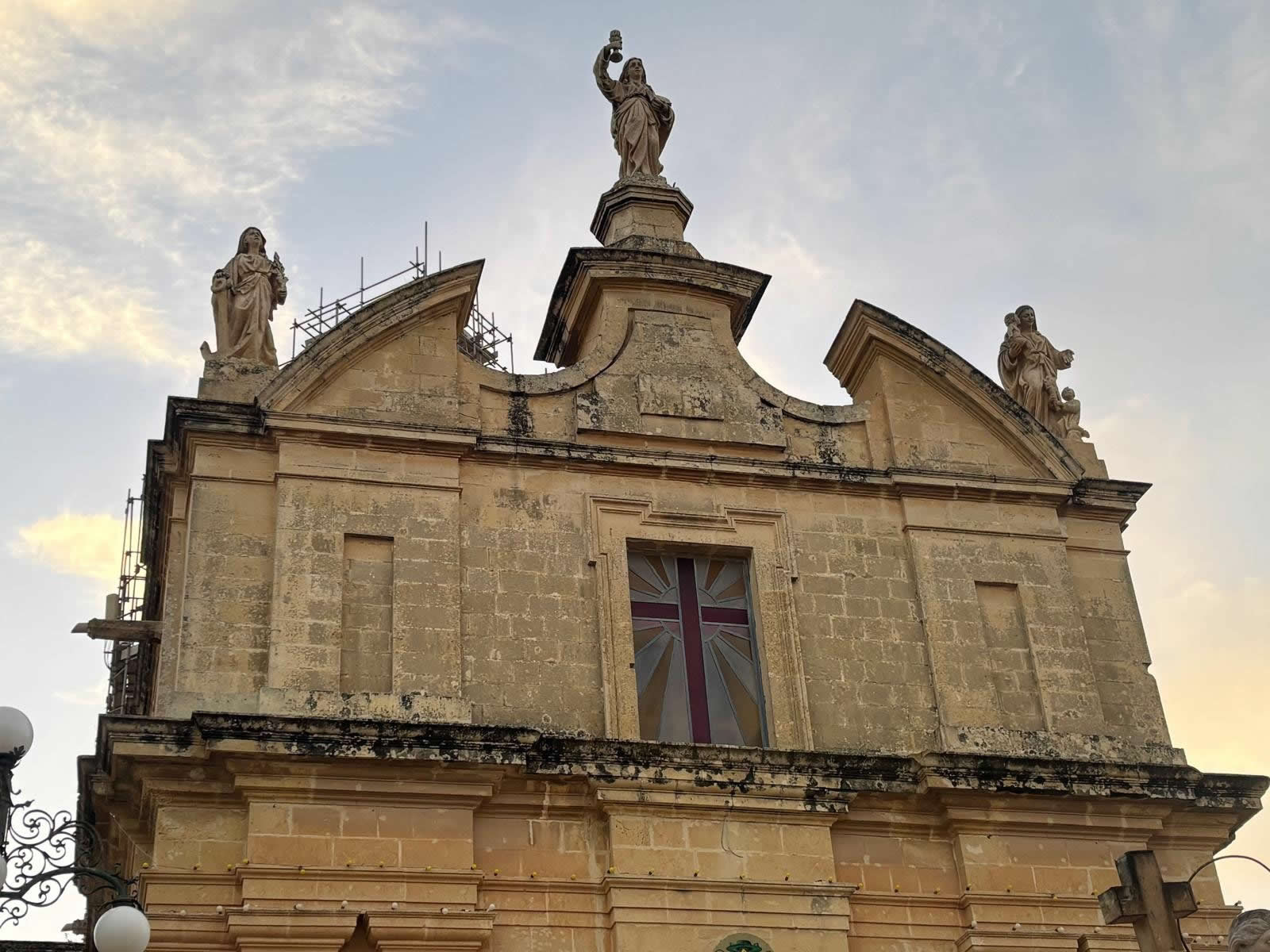
While details vary depending on which architectural survey you consult, Maltese parish churches from this period typically share a monumental limestone façade, a spacious nave suited to large feast congregations, and prominent Baroque design language. Many are planned in a cruciform arrangement and emphasise a dramatic interior experience through proportion, light, and ornament.
What to look for
- Façade composition: classical lines, symmetry, and carved limestone detail.
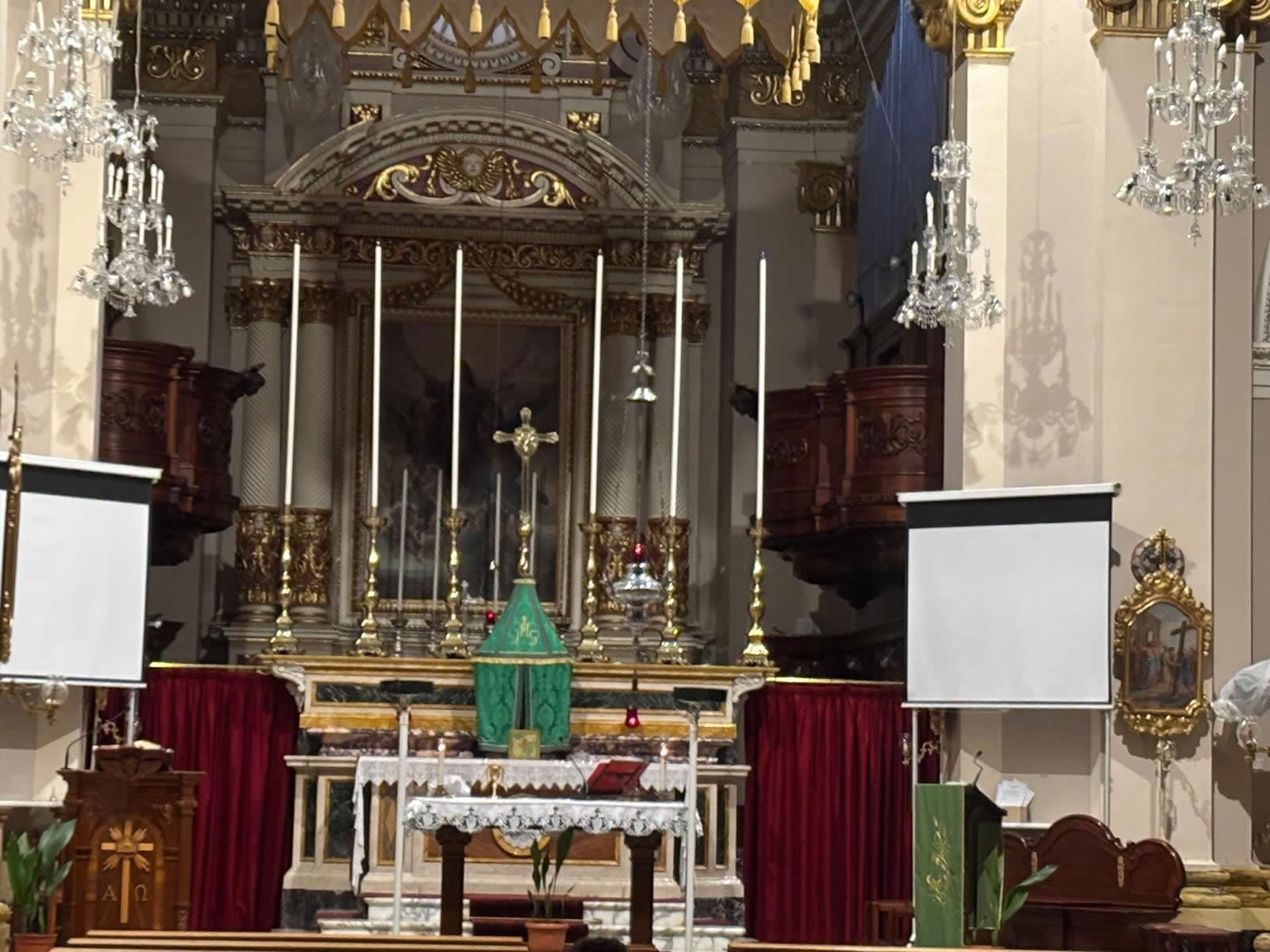
- Interior focus: the main altar and side altars dedicated to saints and devotions.
- Dome and roofline: a key skyline element for the village (often restored or reinforced in the 20th century).
- Feast decorations: during festa periods, churches often feature extensive interior and exterior adornment.
Use today
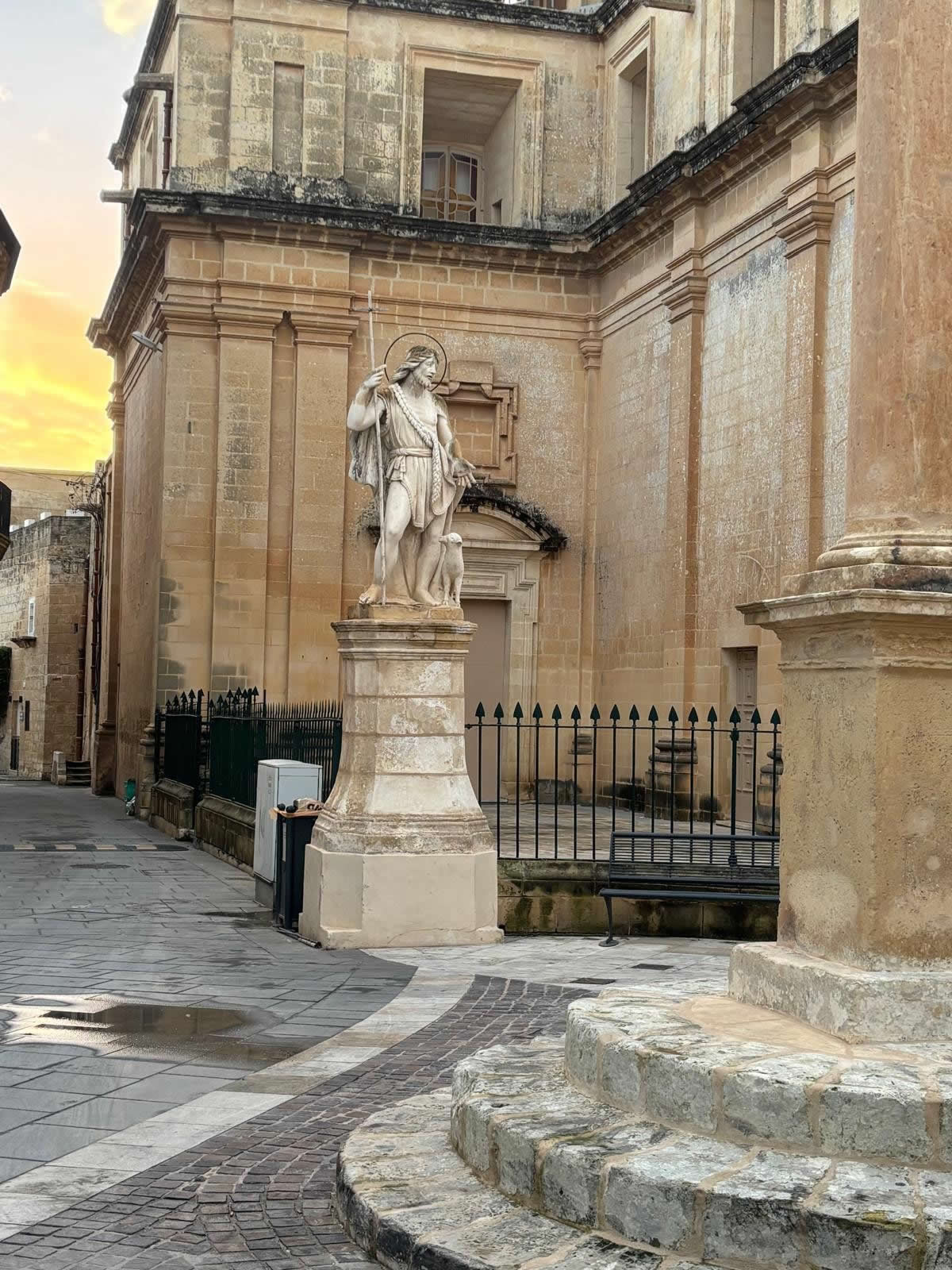
St Mary’s Church remains the active parish church for Mqabba. Its primary use is liturgical—regular Masses and the sacramental life of the parish (baptisms, weddings, funerals). It is also central to major annual celebrations associated with the Assumption of Mary, drawing together residents, families, and visitors.
Community role
- Weekly and seasonal worship (including major feast days)
- Religious processions and parish events
- Community gatherings tied to the village’s cultural calendar
Visiting St Mary’s Church (Mqabba)
As an active parish church, visiting is usually best planned around service times and respectful access to interior spaces. If you arrive while the church is closed, you may still enjoy the exterior architecture and the village setting.
Map and coordinates
Coordinates: 35.845749, 14.467033
Tip: for directions, open the coordinates in your maps app: 35.845749, 14.467033.
FAQ
When was St Mary’s Church in Mqabba probably built?
For emalta.com, the most useful and defensible “probable build period” to publish is: c. 1663 to 28 June 1699 for the construction of the present parish church, with the note that later 18th-century milestones may relate to additional works or formal ceremonies.
What is the church used for today?
It serves as Mqabba’s active parish church: regular worship, sacraments (weddings, baptisms), and major annual feast celebrations centred on the Assumption of Mary.
© emalta.com • Explore more churches in Malta