- Home
- Churches in Gozo
- St Paul’s Church, Marsalforn
📍 Location
Location Map Coordinates 36.071470, 14.261057
Introduction
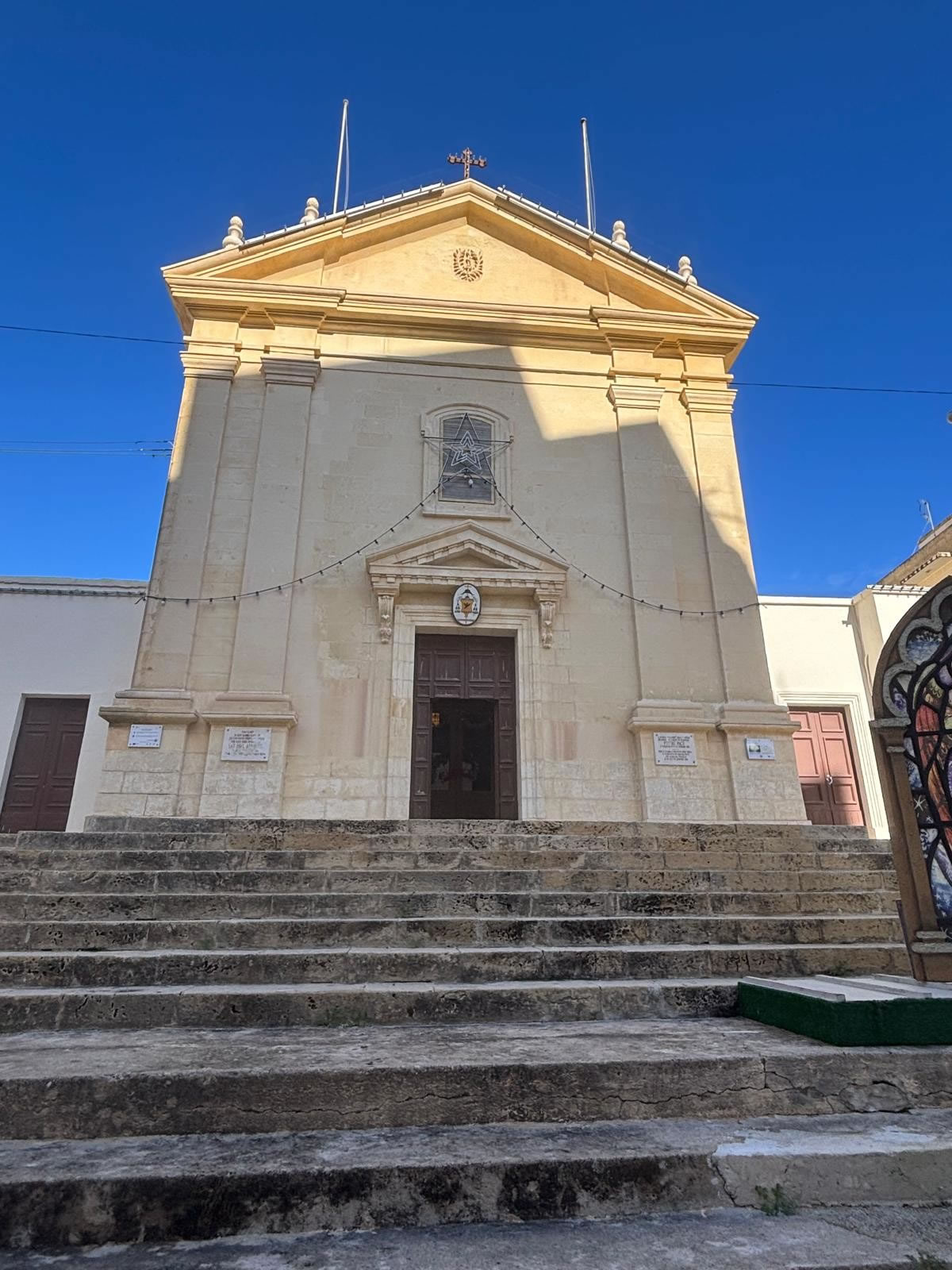
St Paul’s Church is one of the most historically evocative churches in Gozo, standing prominently above Marsalforn Bay. Dedicated to St Paul the Apostle, the church embodies centuries of devotion, maritime tradition, and local identity.
Its position overlooking the sea reinforces the long-standing tradition that Marsalforn was the port from which St Paul is believed to have departed Malta following his shipwreck in AD 60, continuing his journey toward Sicily and Rome.
Early Origins and Medieval Chapel
The origins of St Paul’s Church date back to the 14th century, when a small chapel was established in Marsalforn. At the time, Marsalforn was a seasonal fishing settlement rather than a permanent village, yet its harbour played a strategic role in Gozo’s coastal life.
This early chapel served fishermen, sailors, and travellers seeking protection and divine intercession before undertaking dangerous sea crossings. The dedication to St Paul reflected the strong association between maritime travel and the Apostle’s shipwreck narrative.
Construction of the Present Church (18th Century)
By the early 18th century, the medieval structure had become inadequate. In response to growing devotion and increased use of Marsalforn as a port, the present church was commissioned.
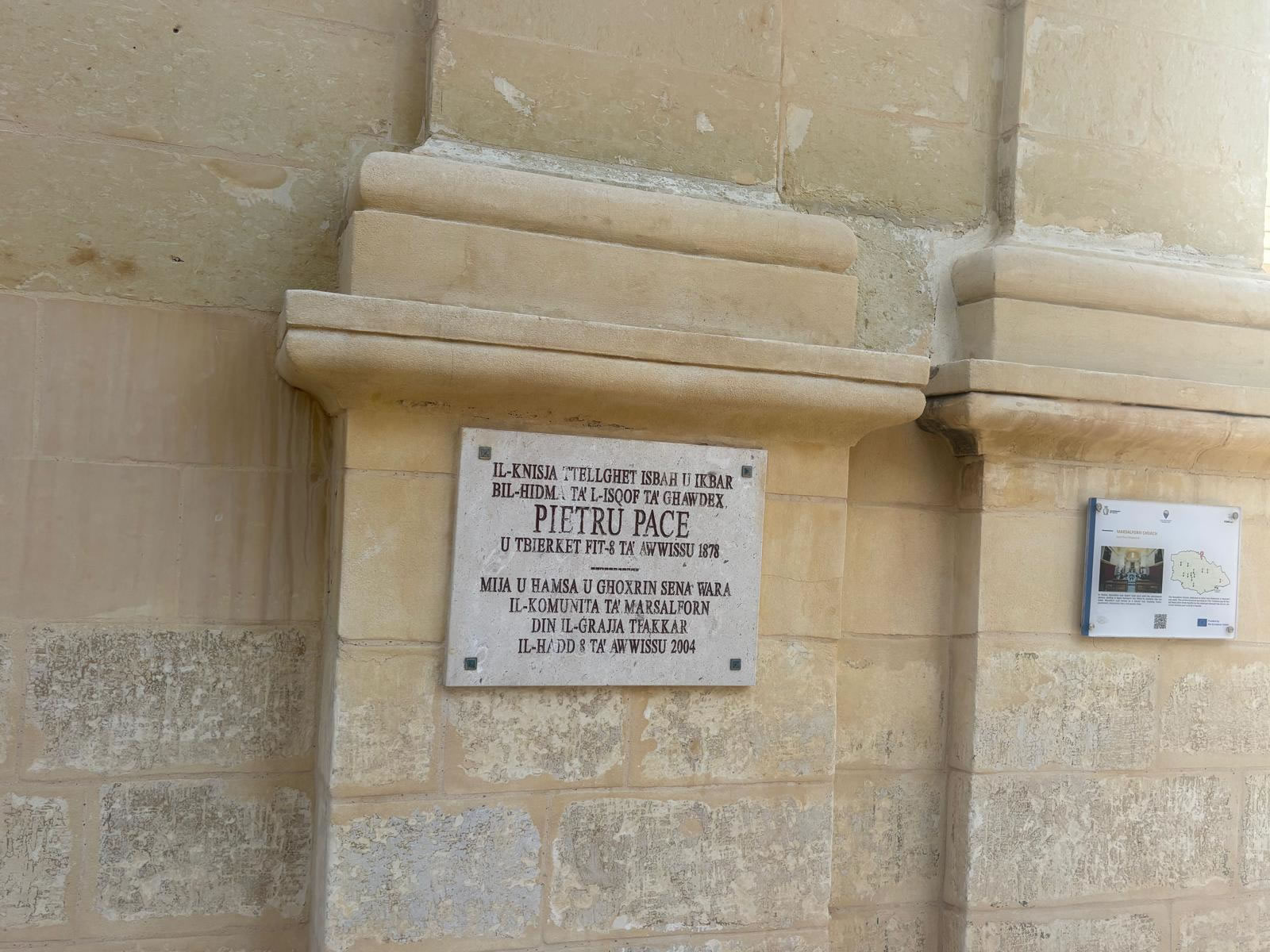
The foundation stone was laid in 1730, marking the construction of a more substantial limestone church in the traditional Maltese baroque idiom. The project was supported by local benefactors and the ecclesiastical authorities of the Diocese of Gozo.
Over subsequent decades, the church was gradually expanded and embellished, reflecting evolving liturgical needs and artistic tastes.
Architectural Features
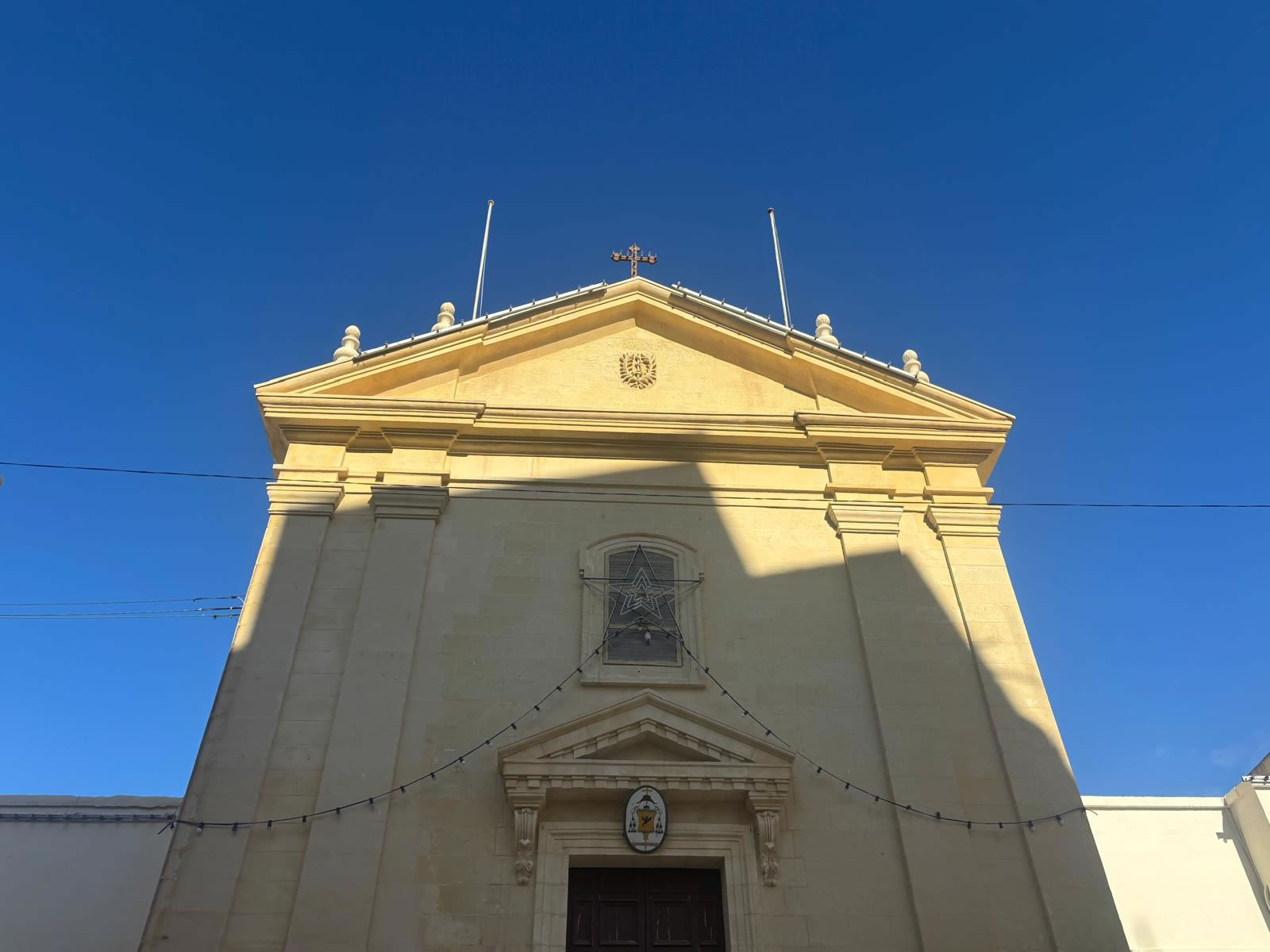
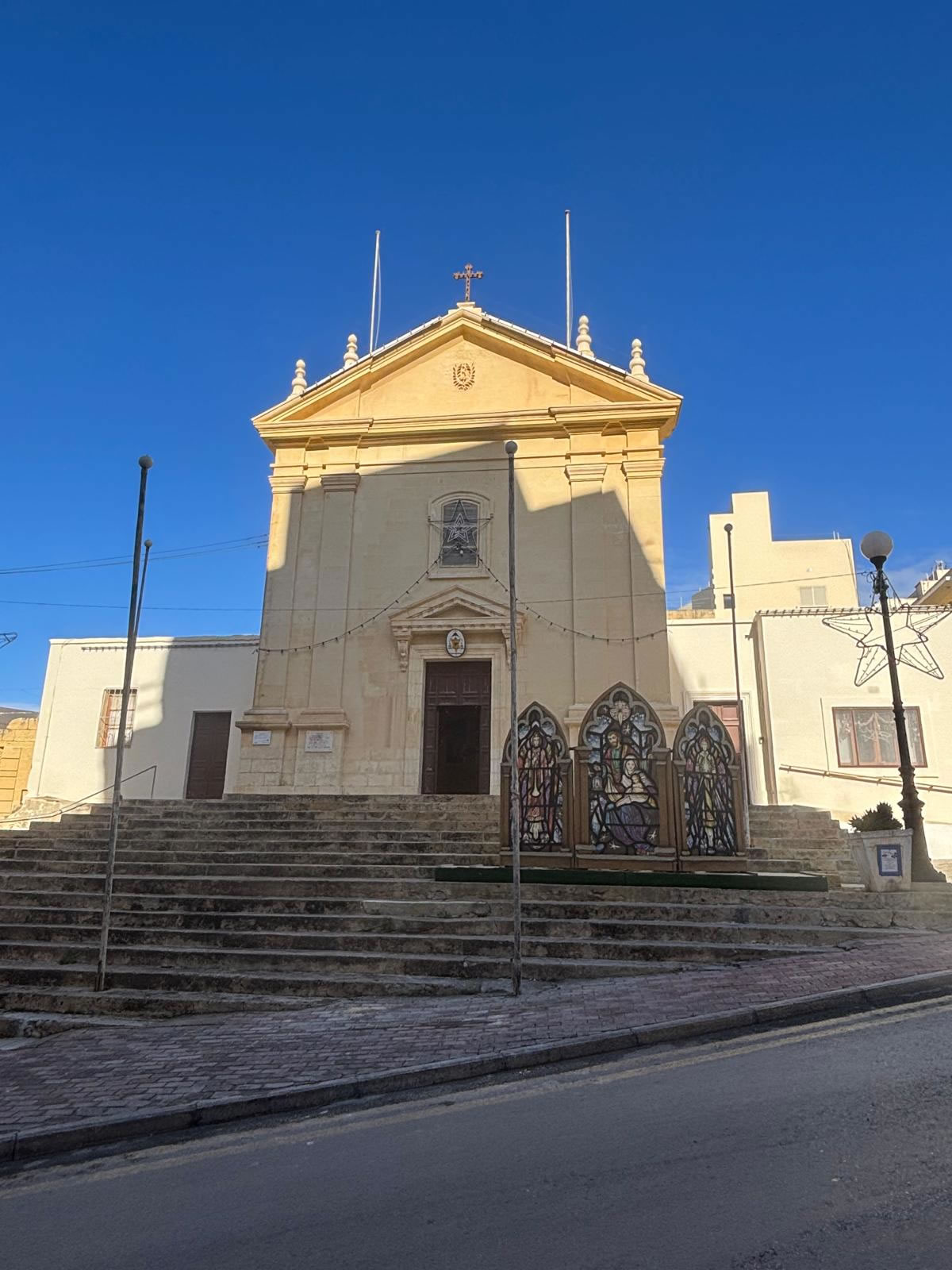
Architecturally, St Paul’s Church is characterised by a restrained yet dignified limestone façade. Its simplicity aligns with rural Gozitan church design, prioritising function and devotion over elaborate ornamentation.
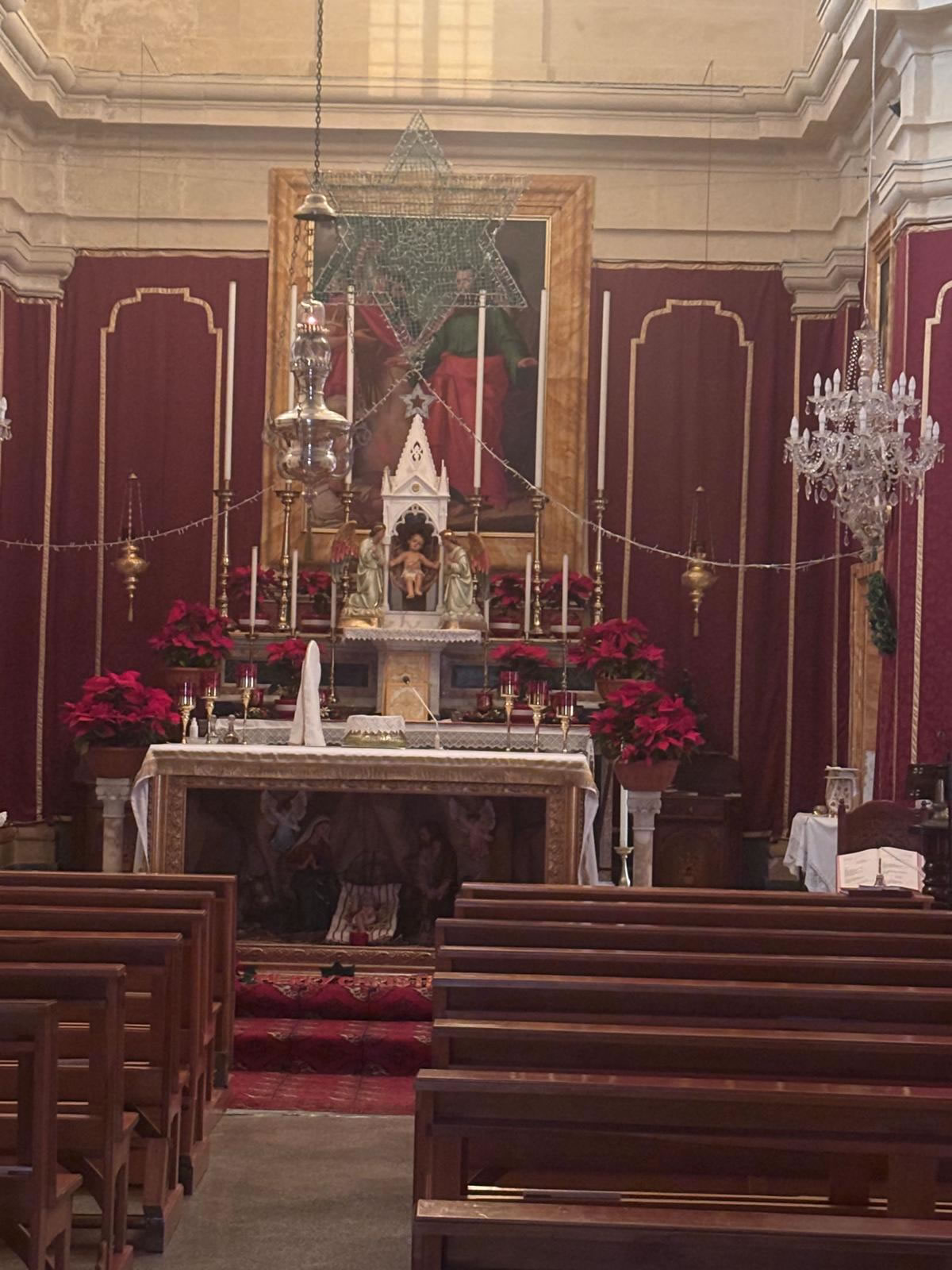
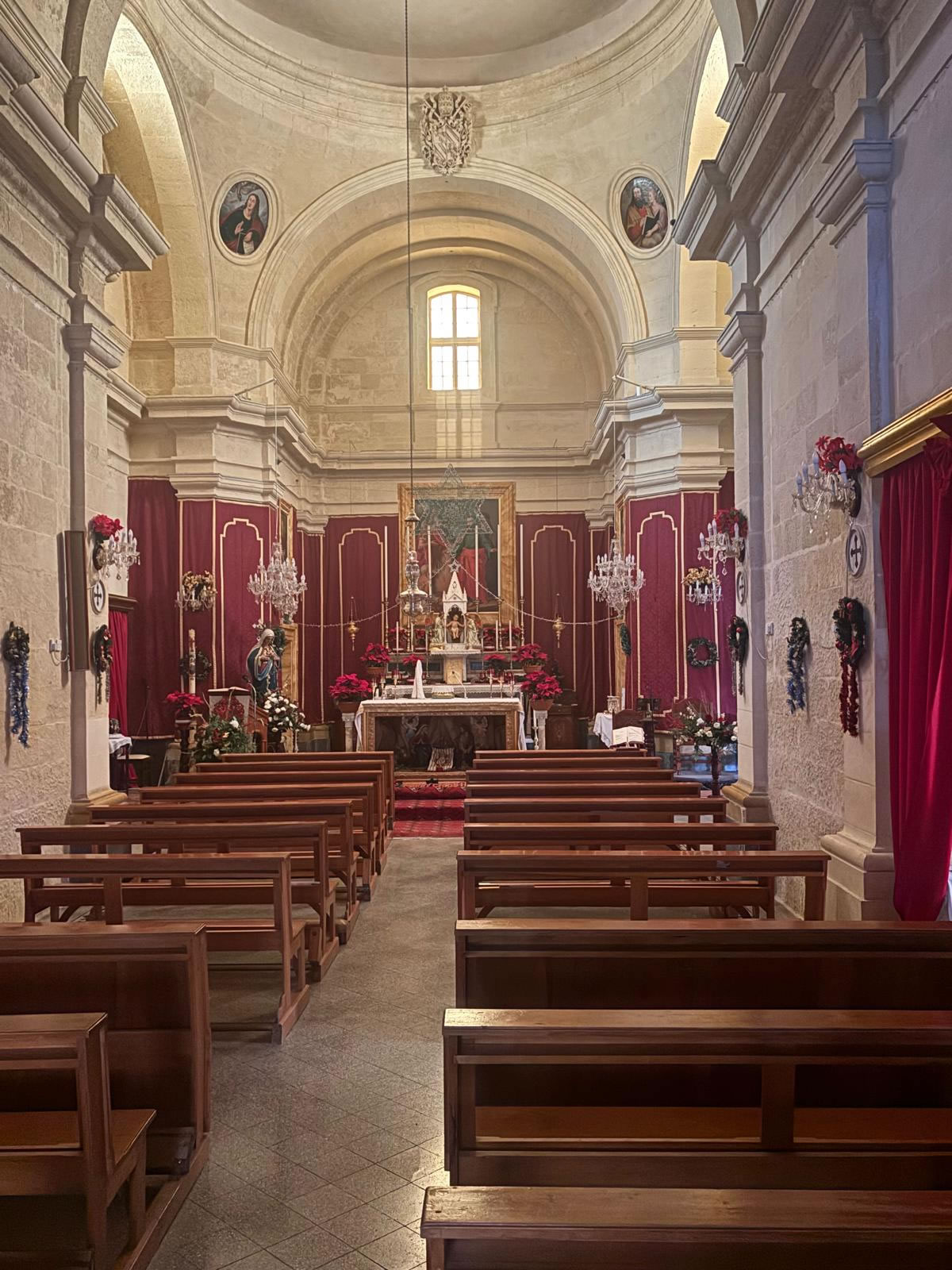
The interior follows a traditional single-nave plan, culminating in a sanctuary that houses the main altar dedicated to St Paul Shipwrecked. Natural light enhances the warm tones of the local stone, creating a contemplative atmosphere.
Interior and Artistic Heritage
The church interior contains devotional artworks depicting episodes from the life of St Paul, reinforcing the narrative of faith, perseverance, and missionary zeal. These works reflect popular religious art traditions rather than grand academic painting, emphasizing accessibility and devotion.
Over the years, votive offerings left by fishermen and families attest to the church’s role as a spiritual refuge during times of danger at sea.
Modern Restorations and Conservation
Like many historic coastal buildings, St Paul’s Church suffered deterioration from salt exposure, humidity, and age. Major restoration works were undertaken in the late 20th and early 21st centuries.
Significant conservation interventions completed around 2019–2020 focused on façade cleaning, stone consolidation, and interior repairs. These works were partially funded through European Union cultural heritage programmes, ensuring compliance with modern conservation standards.
The restorations aimed to preserve authenticity while safeguarding the structure for continued religious use.
Religious Use and Feast of St Paul
St Paul’s Church remains an active place of worship within the Roman Catholic Diocese of Gozo. Regular Masses and devotional services are held throughout the year, particularly during the summer months when Marsalforn’s population increases.
The annual feast of St Paul Shipwrecked, traditionally celebrated on 10 February, is marked by liturgical celebrations and local participation, reinforcing the church’s continuing spiritual importance.
Cultural and Community Importance
Beyond its religious role, St Paul’s Church stands as a cultural landmark symbolising Marsalforn’s maritime identity. It has witnessed the transformation of the area from a fishing hamlet into one of Gozo’s most popular seaside destinations.
Today, the church serves both residents and visitors, offering a tangible link between faith, history, and the sea that has shaped Gozo’s destiny for centuries.