Location Map Coordinates 35.892053, 14.517963
Location: Birgu (Vittoriosa), Malta
Coordinates: 35.892053, 14.517963
Originally Known As: Castrum Maris (“Castle by the Sea”)
Main Builders: Order of Saint John (Knights Hospitaller)
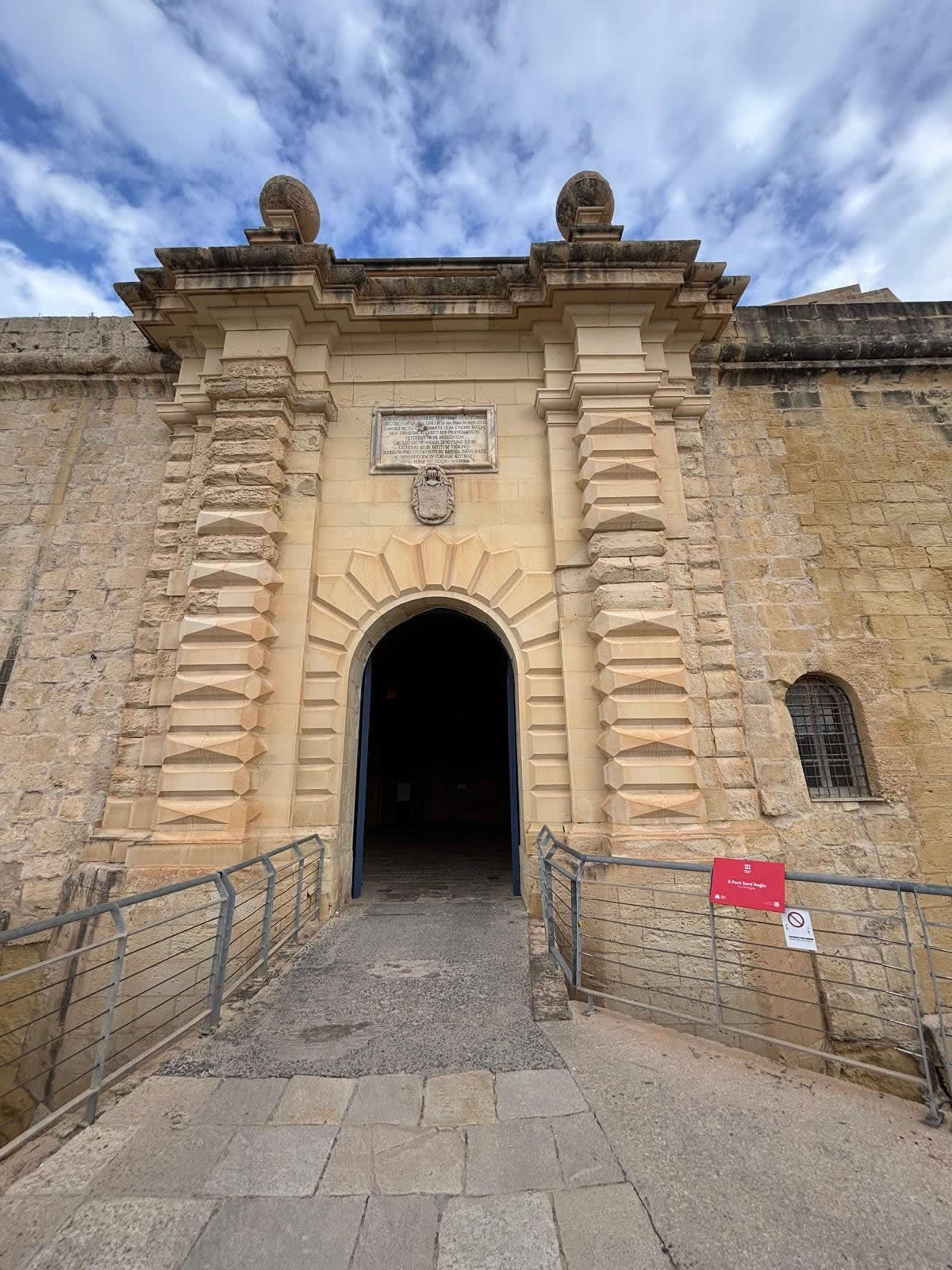
Introduction to Fort St Angelo
Fort St Angelo is one of the most important military monuments in Malta and one of the most historically significant fortifications in the entire Mediterranean. Rising above the peninsula of Birgu, it commands the entrance to the Grand Harbour — Malta’s greatest natural port and the key reason the island became one of Europe’s most fought-over strongholds.
For centuries, whoever controlled Fort St Angelo controlled Malta’s naval gateway. From medieval rulers, to the Knights of Saint John, to the British Royal Navy, this fortress remained central to Malta’s defence.
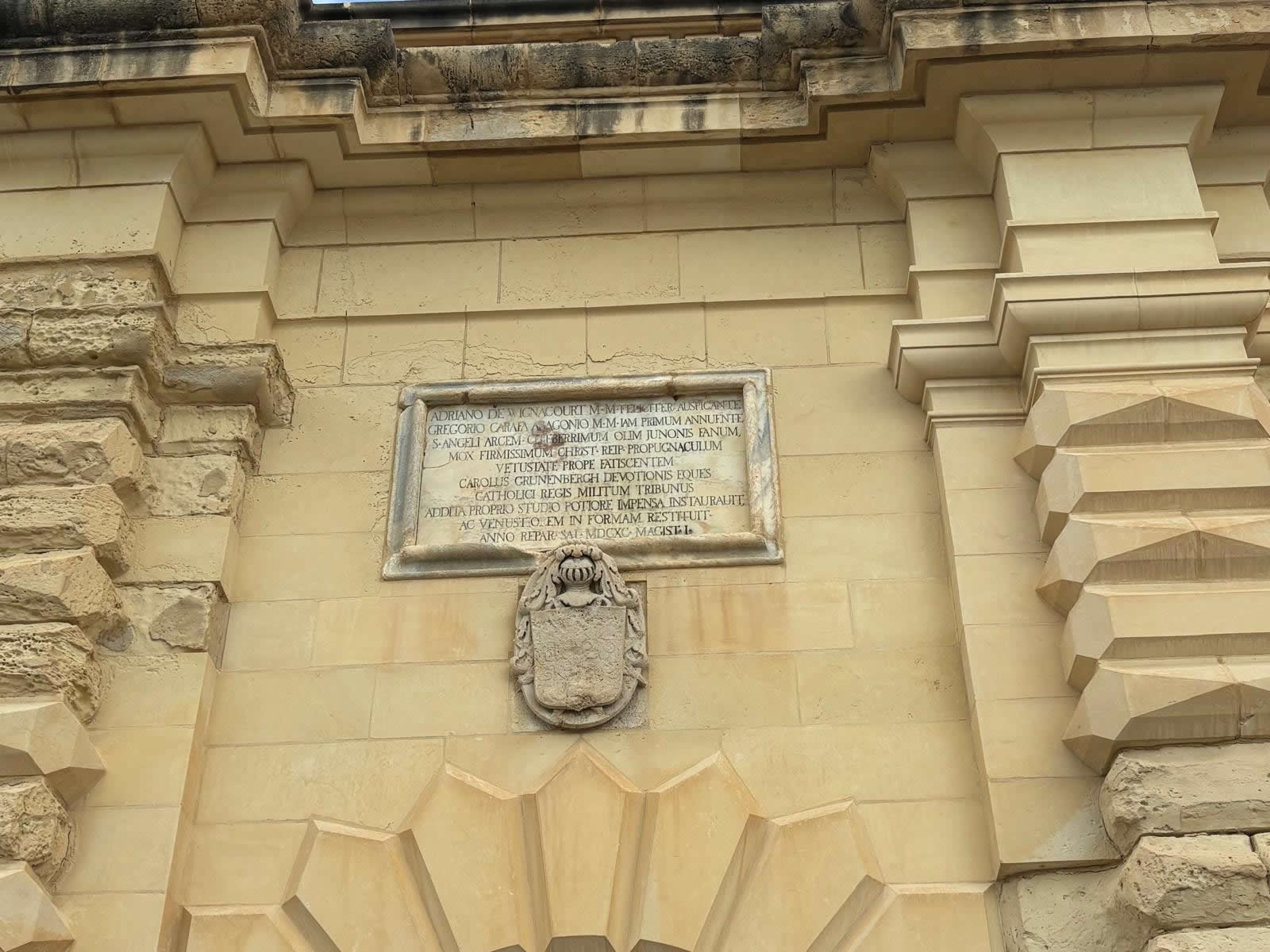
Medieval Origins – The Castrum Maris
The earliest fortifications on the site date back to the medieval period. Historical sources refer to the structure as the Castrum Maris, meaning “Castle by the Sea.” This early stronghold served as the primary defensive post protecting the harbour communities of Birgu.
Although much of the medieval castle was later absorbed into the Knights’ fortifications, parts of the original core still survive within the fortress walls today.
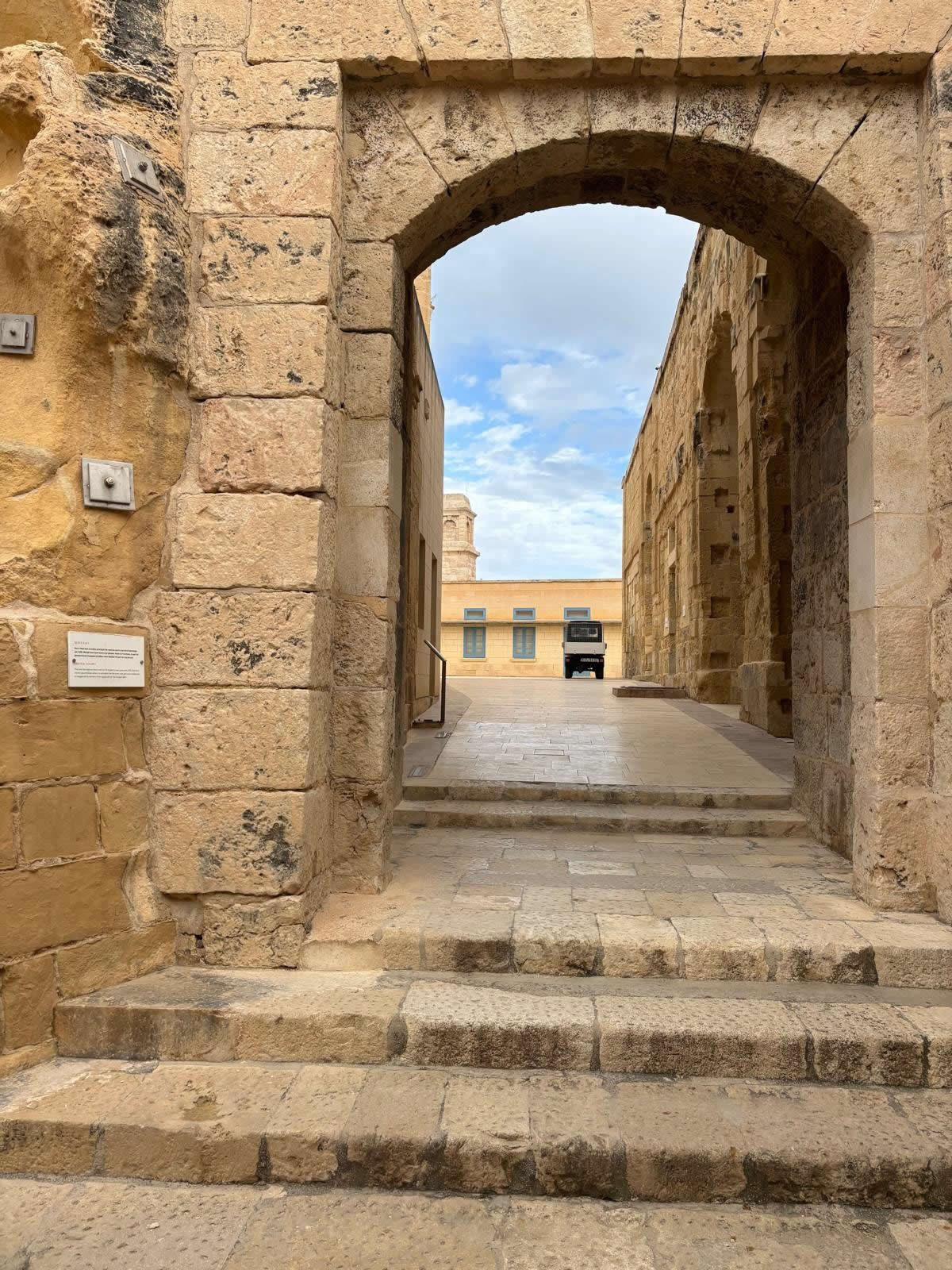
Transformation by the Order of Saint John (1530–1565)
In 1530, the Knights Hospitaller — also known as the Order of Saint John — arrived in Malta after being expelled from Rhodes. They immediately established their headquarters at Birgu, making Fort St Angelo the heart of their new defensive system.
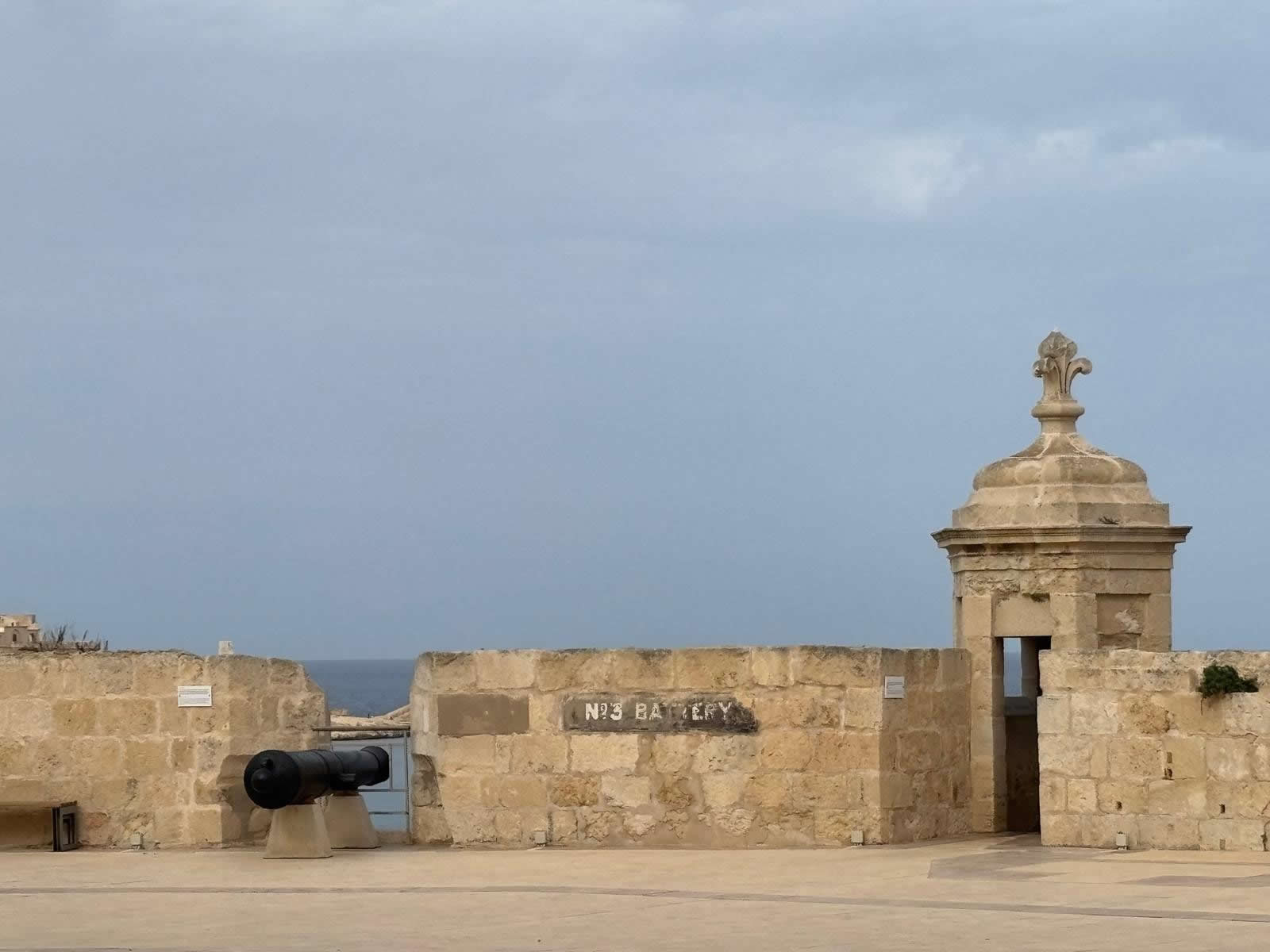
The Chapels of Fort St Angelo
Beyond its massive bastions and military ramparts, Fort St Angelo also contains important religious and ceremonial spaces that reflect its long history as both a fortress and the spiritual headquarters of the Knights of the Order of Saint John.
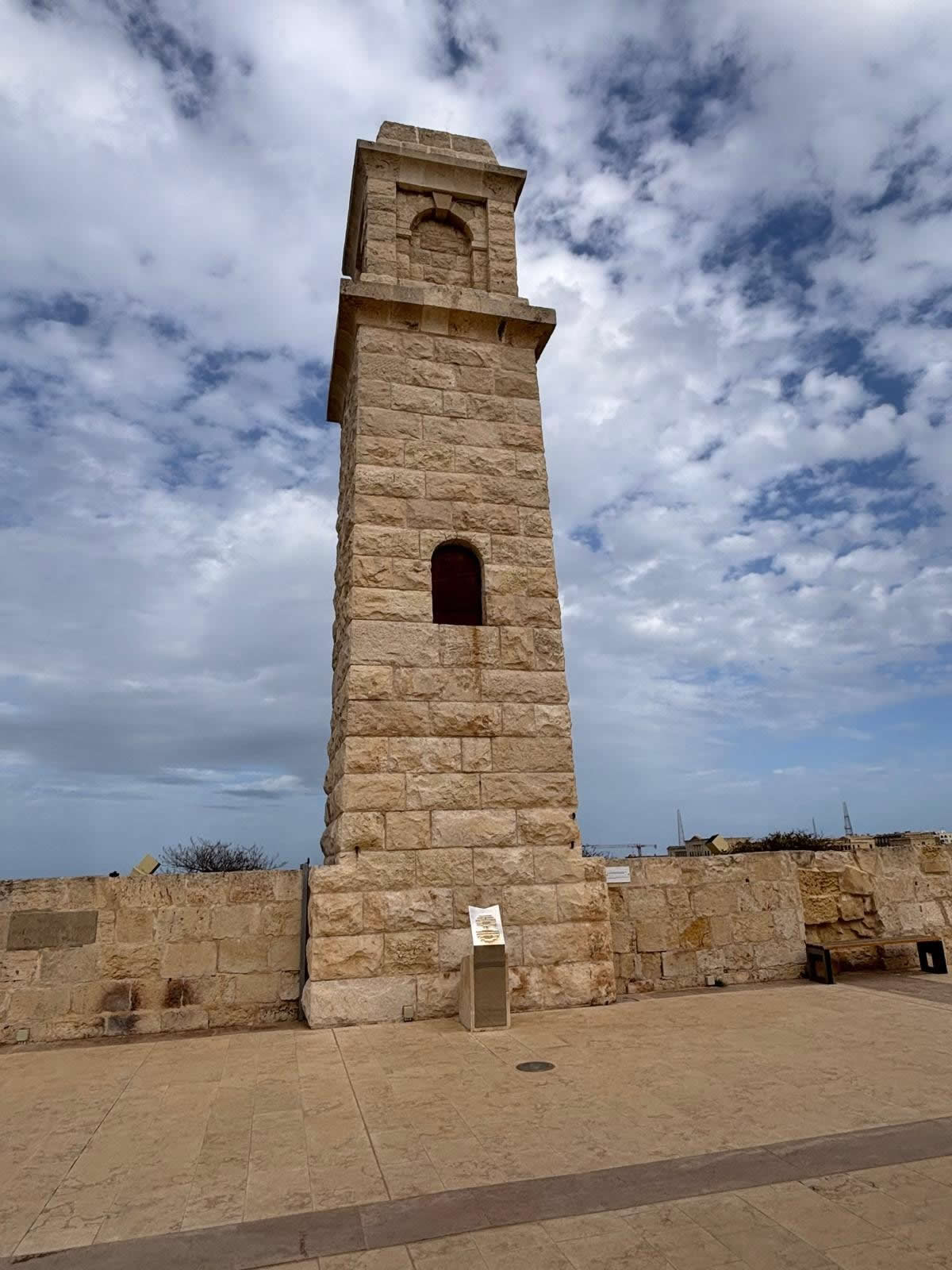
St Anne’s Chapel
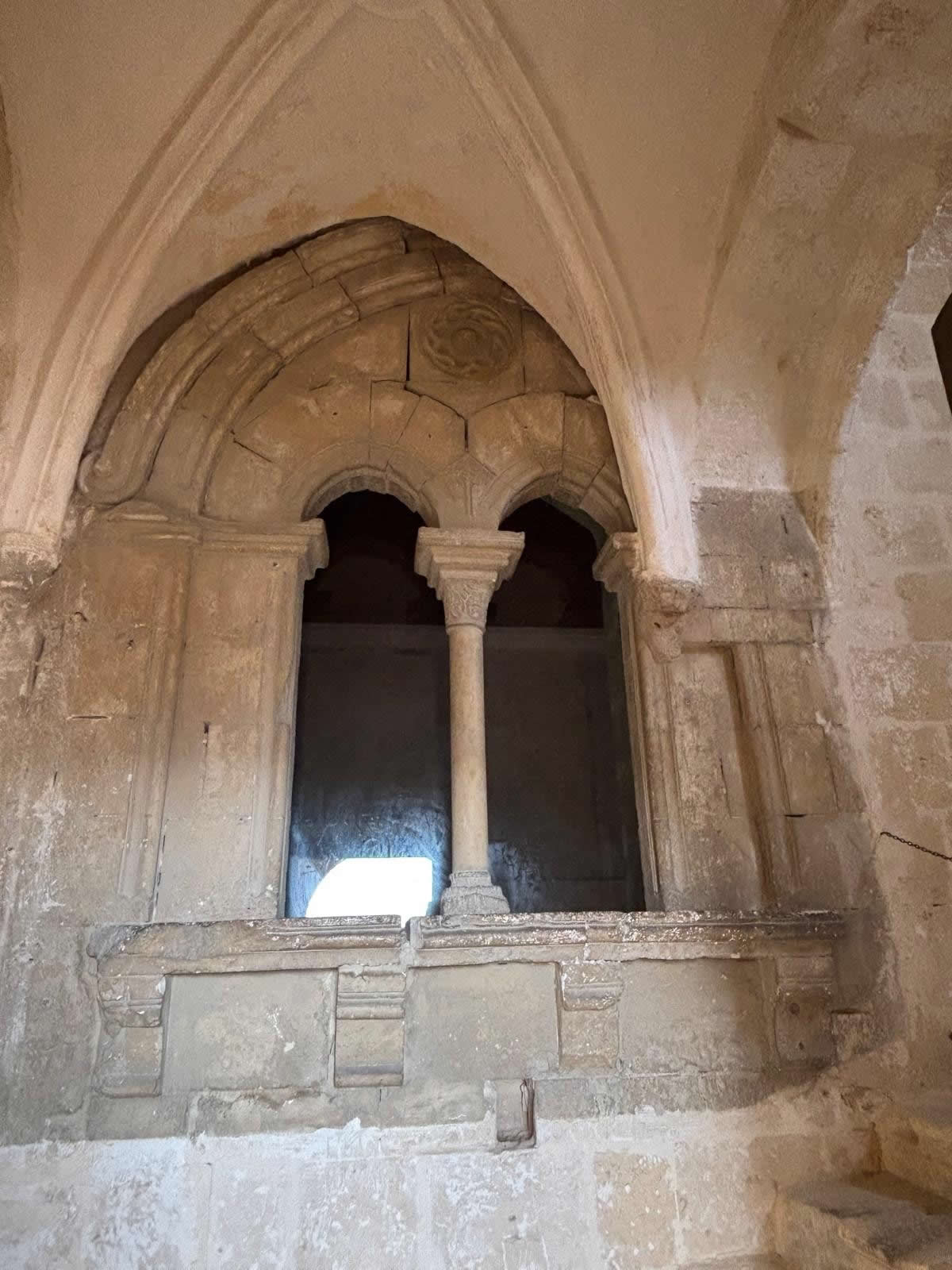
One of the most significant interior landmarks of the fort is the Chapel of St Anne, located within the upper precincts of the fortress. This chapel served as a place of worship for the Knights Hospitaller during their early years in Birgu, before the construction of Valletta.
St Anne’s Chapel is closely linked with the Knights’ period of rule, and it remains one of the fort’s most atmospheric surviving sacred spaces. Its location within the fortified complex highlights how religious devotion and military duty were inseparable elements of the Order’s identity.
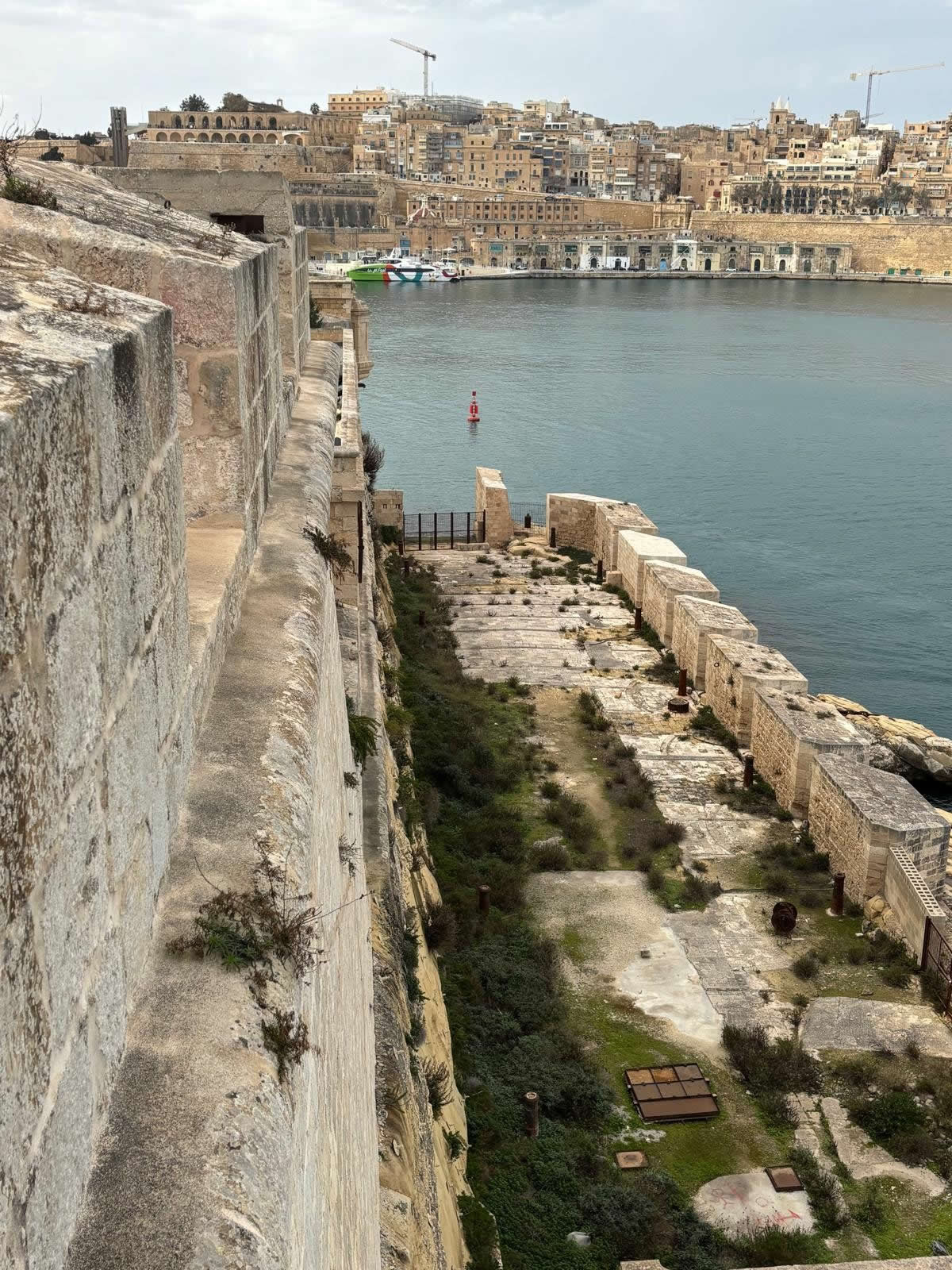
The Historic Chapel of St Angelo
Fort St Angelo takes its modern name from its dedication to St Angelo, a title associated with an earlier chapel and religious tradition on the site. The presence of chapels within the fortress demonstrates that the headland of Birgu was not only a strategic defensive position but also a long-established Christian stronghold.
These chapels formed an essential part of daily life inside the fort, serving the spiritual needs of soldiers, sailors, and the Knights who once governed Malta from within these walls.
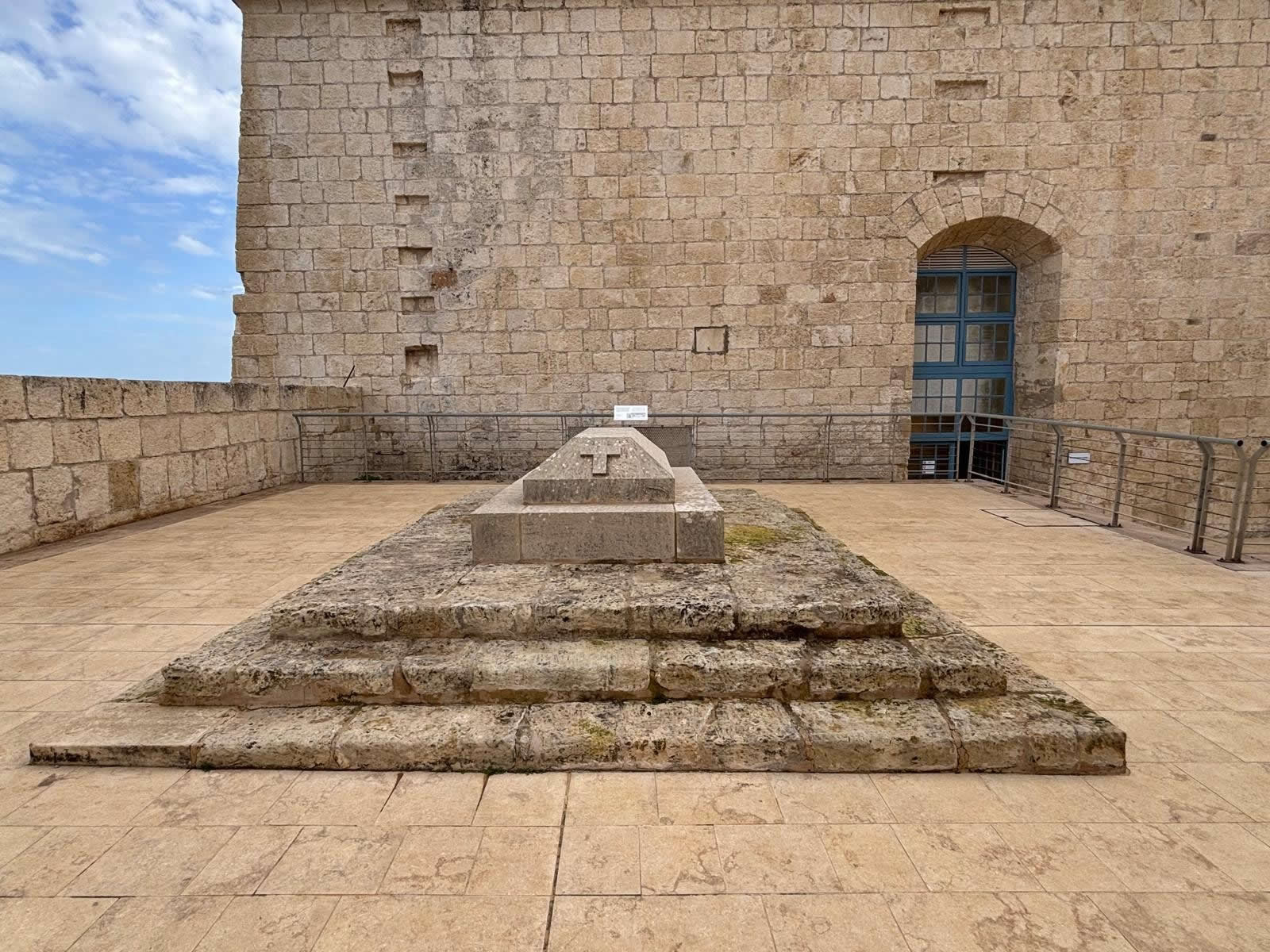
The Magisterial Palace and the Knights’ Headquarters
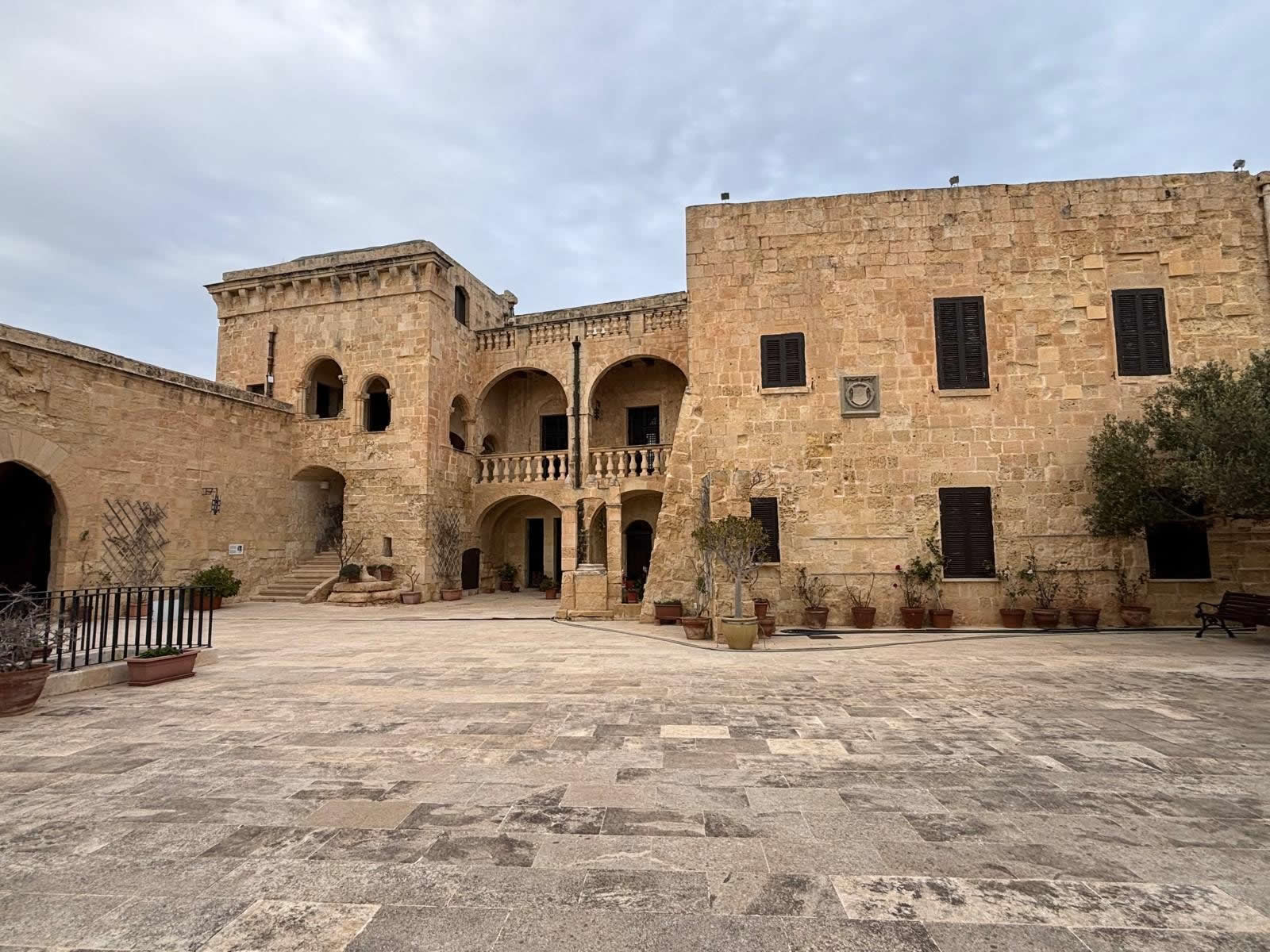
During the 16th century, Fort St Angelo was far more than a defensive structure — it functioned as the main headquarters and residence of the Grand Master of the Order of Saint John during their early period in Malta.
The fortress contains the historic Magisterial Palace, a complex of state rooms and administrative quarters from which the Knights directed Malta’s defences, governed the island, and coordinated naval operations throughout the Mediterranean.
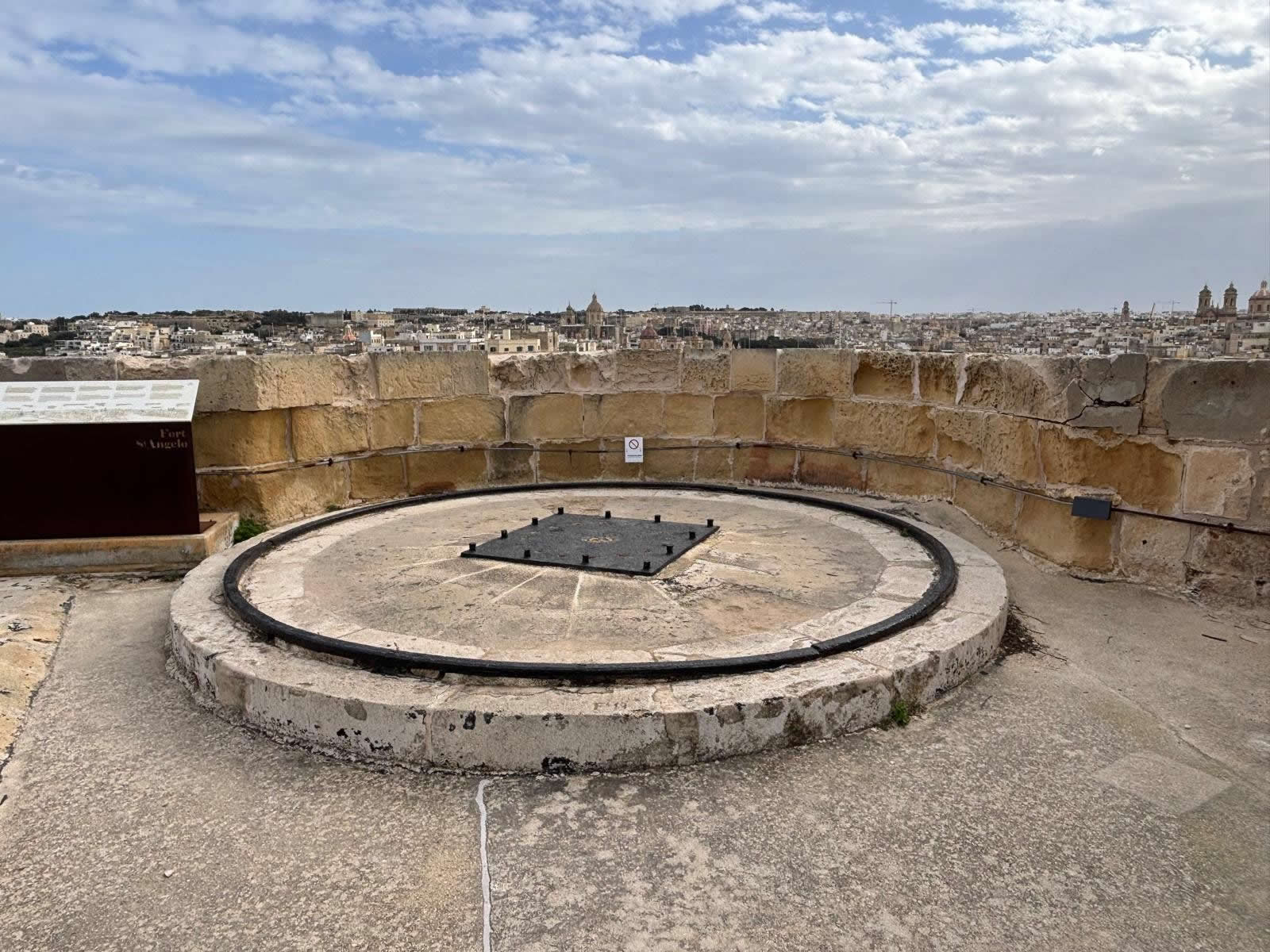
It was from within Fort St Angelo that Grand Master Jean de Valette organised the resistance during the Great Siege of Malta in 1565, making the Magisterial Palace one of the most symbolically important locations in Maltese and European history.
Modern Status and the Sovereign Military Order of Malta
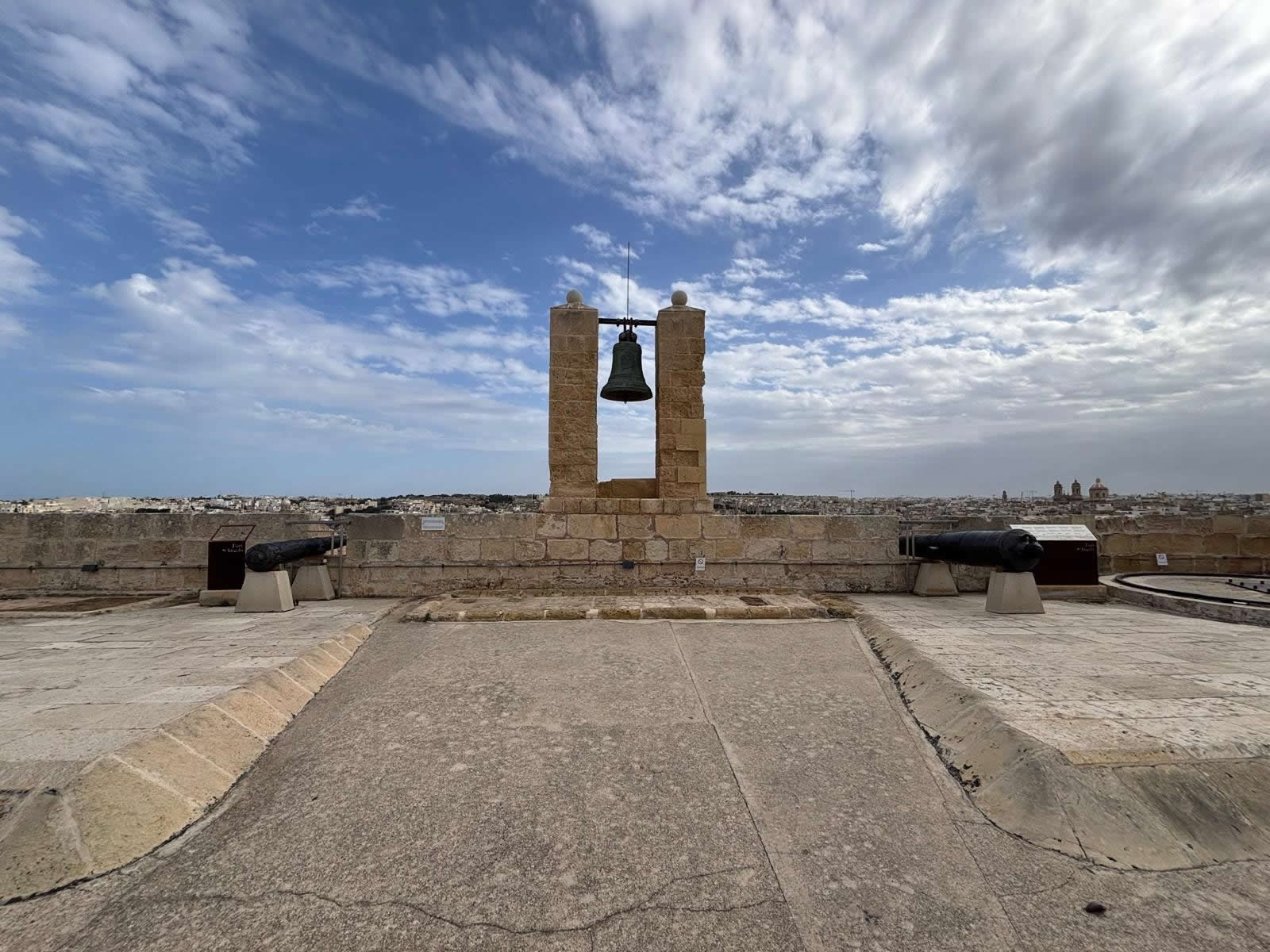
In modern times, the upper part of Fort St Angelo — including the Magisterial Palace and St Anne’s Chapel — has a unique status. In 1998, an agreement granted the Sovereign Military Order of Malta use of this section of the fort for a long-term period, while the rest of the fortress remains under Maltese national heritage management.
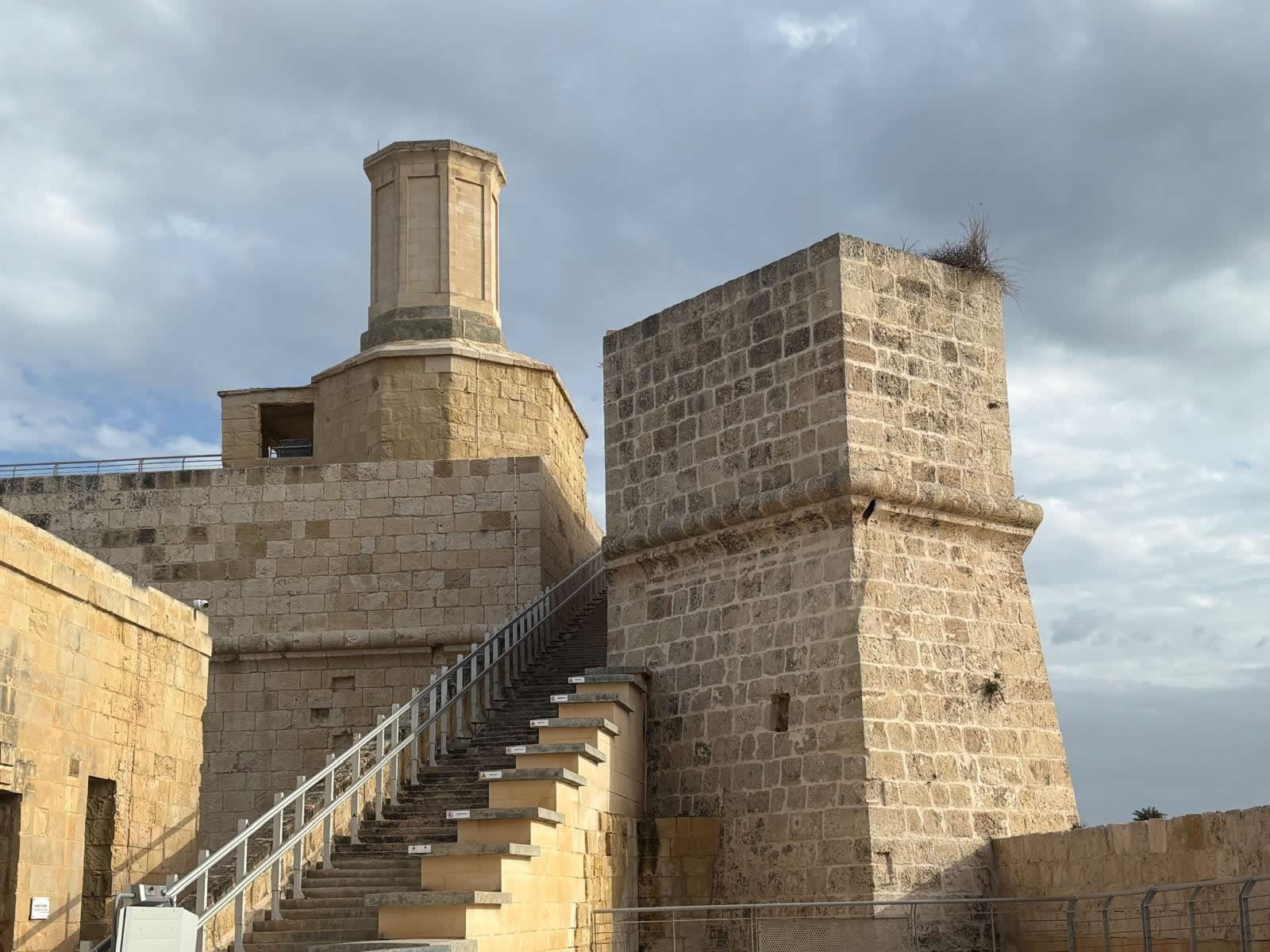
This arrangement reflects Fort St Angelo’s continuing connection to the historic Order, and reinforces its role not only as a monument of stone and warfare, but also as a living symbol of Malta’s extraordinary past.
Major Construction Works
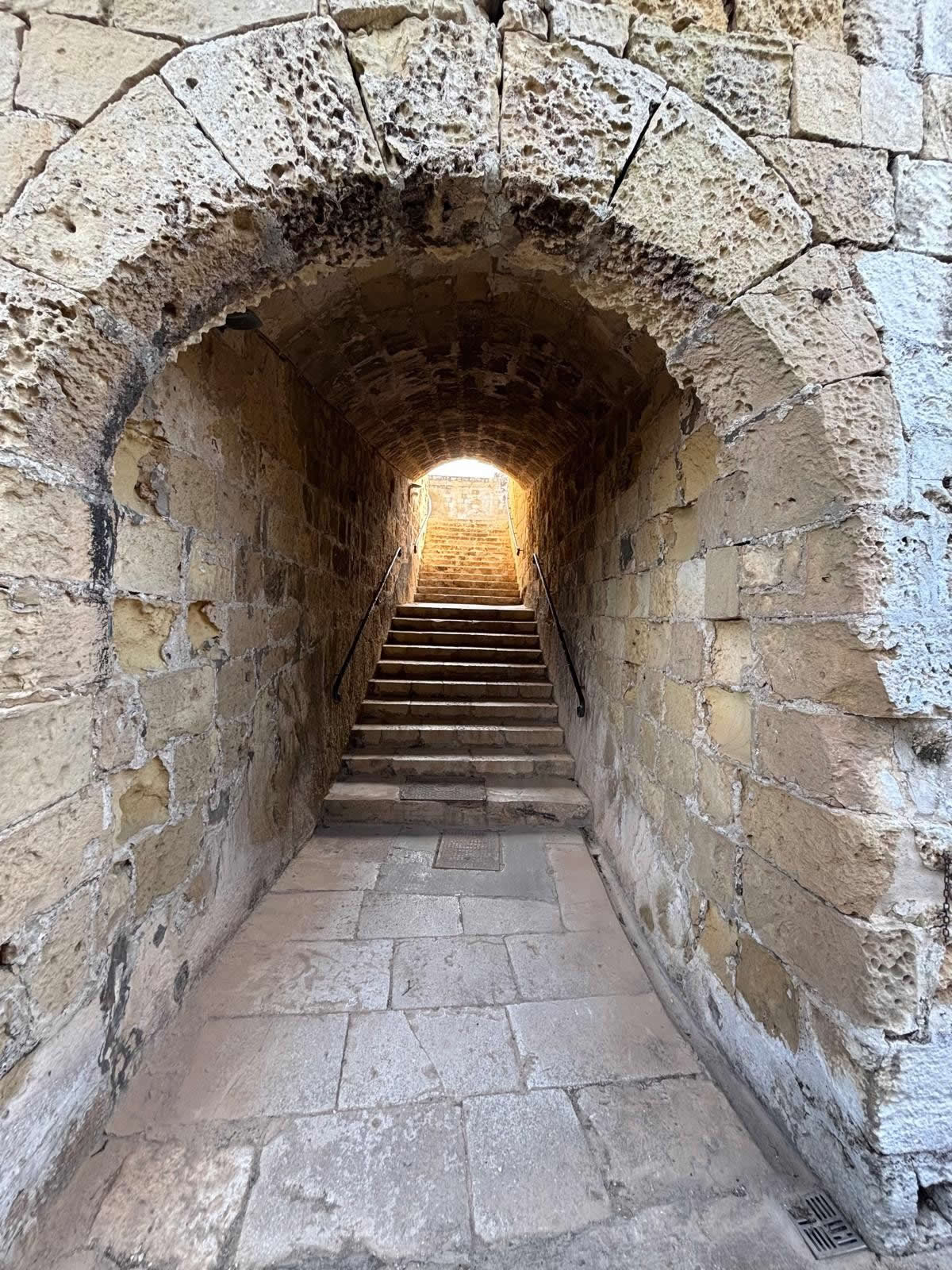
The Knights rapidly modernised the medieval castle into a powerful artillery fortress. Between the 1530s and 1550s, the fort gained:
- New bastions designed for cannon warfare
- Thickened ramparts and gun platforms
- Harbour-facing sea batteries
- Improved internal barracks and command quarters
Italian military engineer Antonio Ferramolino played an essential role in adapting the fort to Renaissance siege technology.
Fort St Angelo in the Great Siege of Malta (1565)
Fort St Angelo achieved legendary status during the Great Siege of Malta in 1565, when Ottoman forces launched a massive invasion to destroy the Knights and capture Malta.
As the Knights’ main headquarters, Fort St Angelo served as the command centre for Grand Master Jean de Valette and coordinated the island’s desperate defence.
Despite relentless bombardment, the fortress held firm. Its survival was a decisive factor in Malta’s victory, which became one of the most celebrated defensive triumphs in European history.
Later Expansion and Bastioned Strengthening (17th Century)
After the Great Siege, Malta entered a new era of fortification. Although Valletta became the Knights’ new capital, Fort St Angelo remained vital.
During the 1600s, engineers expanded the fortress further with outer works, advanced batteries, and stronger harbour defences, ensuring that enemy fleets could never enter the Grand Harbour unchallenged.
British Naval Base – HMS St Angelo
After the Knights were expelled by Napoleon in 1798, Malta eventually came under British rule. Fort St Angelo became one of Britain’s most important naval installations in the Mediterranean.
The fort was commissioned as a “stone frigate” under the name HMS Egmont, later renamed HMS St Angelo.
It served as a command centre for the Royal Navy’s Mediterranean Fleet for over a century.
Fort St Angelo During World War II
Malta endured some of the heaviest bombing of World War II due to its strategic position. Fort St Angelo was targeted repeatedly but remained operational as part of Britain’s harbour defence network.
Its survival through WWII further cemented its reputation as one of Malta’s most enduring strongholds.
Modern Restoration and Cultural Rebirth (2012–2015)
In the 21st century, major restoration works were undertaken by Heritage Malta with support from European funding. These projects aimed to conserve the fort’s fabric, open new visitor areas, and protect centuries of architectural heritage.
Restoration was completed in September 2015, transforming Fort St Angelo into one of Malta’s most important historical attractions.
Visiting Fort St Angelo Today
Today, Fort St Angelo is open to visitors as a museum and cultural site. Highlights include:
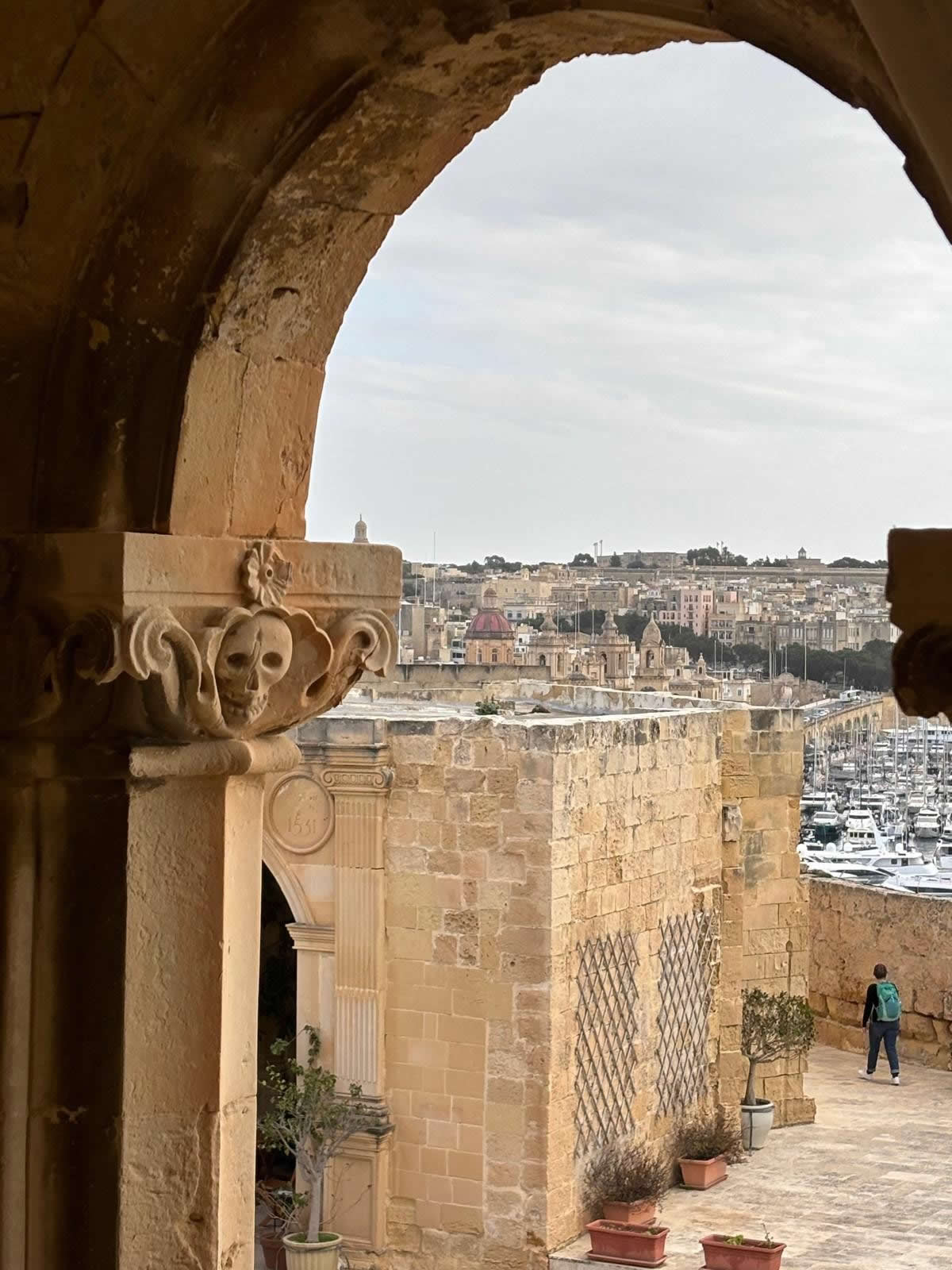
- Panoramic views across Valletta and the Grand Harbour
- Knights-era halls and restored bastions
- Exhibitions on Malta’s military past
- Historical reenactments and cultural events