📍 Location
Location Map Coordinates 35.889555, 14.498785
An Extensive Historical, Epigraphical, and Architectural Monograph of the 19th-Century Jewish Enclave
WGS84 Coordinates: 35.889555 Latitude, 14.498785 Longitude.
1. Historical Context of the Jewish Diaspora in British Malta
The Ta’ Braxia Jewish Cemetery in Pietà stands as a quiet testament to the resurrection and integration of the Jewish community in Malta during the early decades of British colonial rule. Following the complete expulsion and systematic enslavement of Jewish populations under the rule of the Order of Saint John (Knights of Malta), the arrival of the British Civil Commissioners and Governors in 1800 fundamentally transformed the civil rights landscape of the Maltese islands.
Under British administration, freedom of conscience and religious practice was guaranteed to non-Catholic residents. This prompted a slow but steady migration of Jewish merchants, traders, and professionals from across the Mediterranean basin—primarily from Gibraltar, North Africa, Sicily, Istanbul, and various Italian ports like Livorno. As this new community laid down roots, established families, and integrated into Valletta's bustling mercantile economy, the urgent structural need for a dedicated, consecrated final resting place became paramount, in strict accordance with traditional Jewish law (Halakha) which demands permanent, undisturbed earth burial.
To trace how this specific site connects with earlier and later Jewish burial sites discovered across the Maltese archipelago, examine our definitive research index tracking the comprehensive History of Jewish Cemeteries in Malta.
2. The 1830 Enclave Foundation and Colonial Land Allocation
Before the grand, non-denominational Ta' Braxia Cemetery complex was formally designed by architect Emanuele Luigi Galizia in the 1850s, the rural ridge known as *Ta' Braxia*, overlooking the Marsamxett Harbour and the Pietà creek, had already been selected by colonial authorities for isolated burial enclaves. The Jewish community had outgrown their tiny, earliest British-era burial site—the Kalkara Jewish Cemetery (established in the early 1810s)—and required a larger, more secure plot.
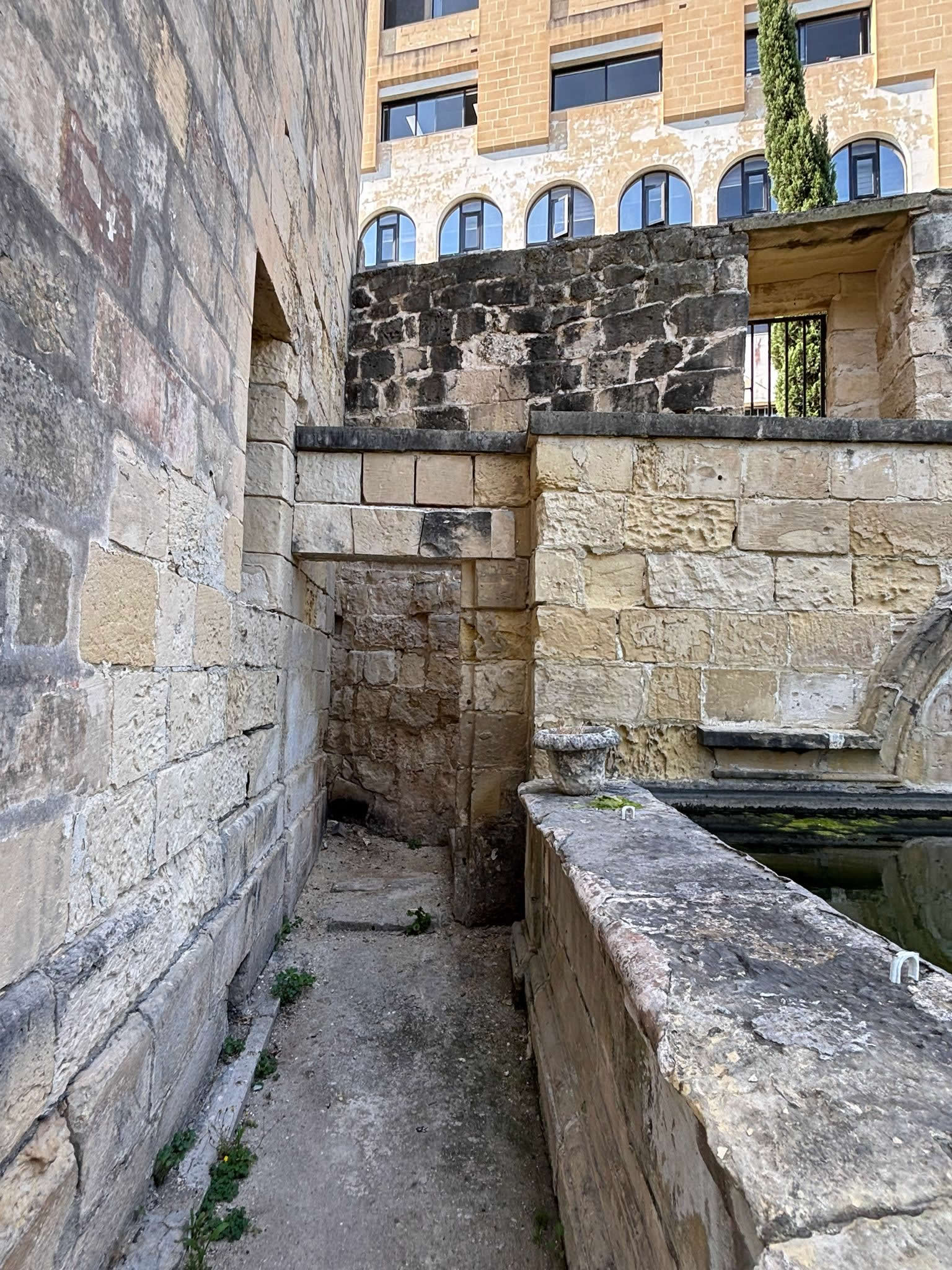
Around 1830, the colonial government allocated a distinct rectangular strip of land on the high ground of Pietà specifically for Jewish interments. Historical documents confirm that regular, continuous burial operations began at the site in 1834. Unlike traditional Christian cemeteries of the era, which were closely tied to parish footprints, this site was established as an extramural space, surrounded by high globigerina limestone walls to ensure both physical security and the complete ritual isolation required by Jewish tradition.
3. Sepulchral Typologies and Epigraphical Analysis
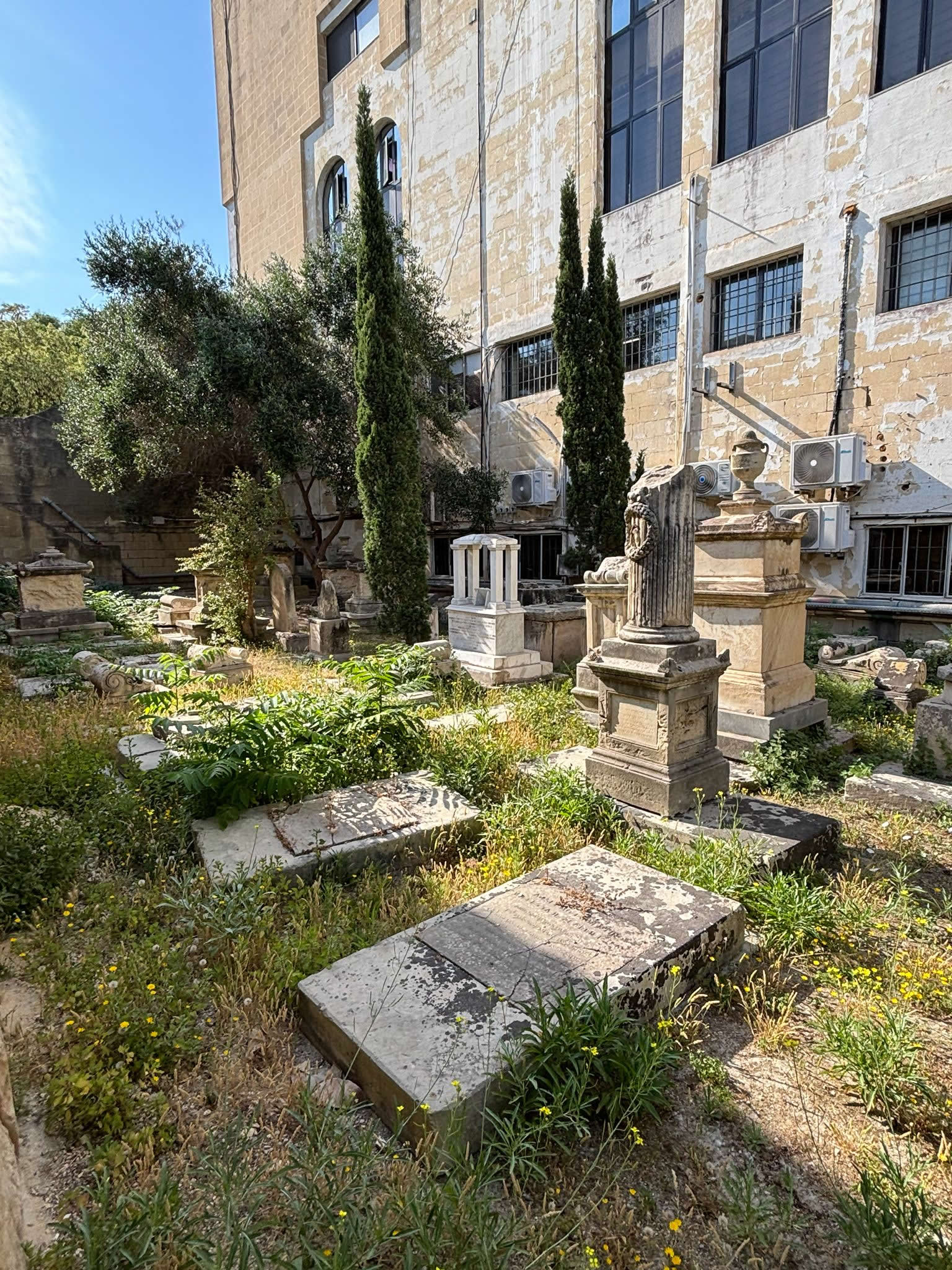
Architecturally and culturally, the tombs within the Ta’ Braxia Jewish section display a unique blend of Sephardic and Ashkenazic funerary art, mirroring the diverse origins of the 19th-century Maltese Jewish community.
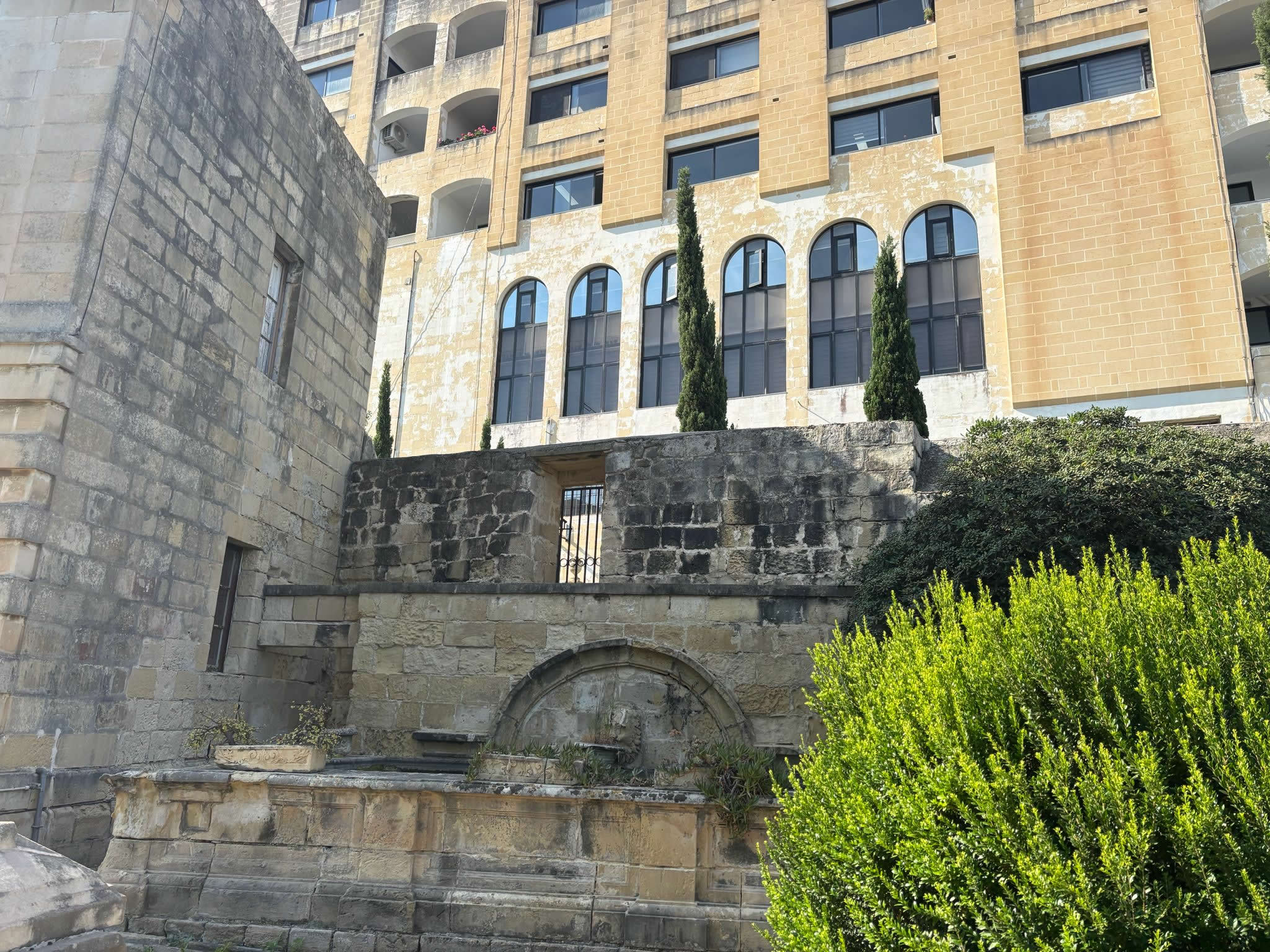
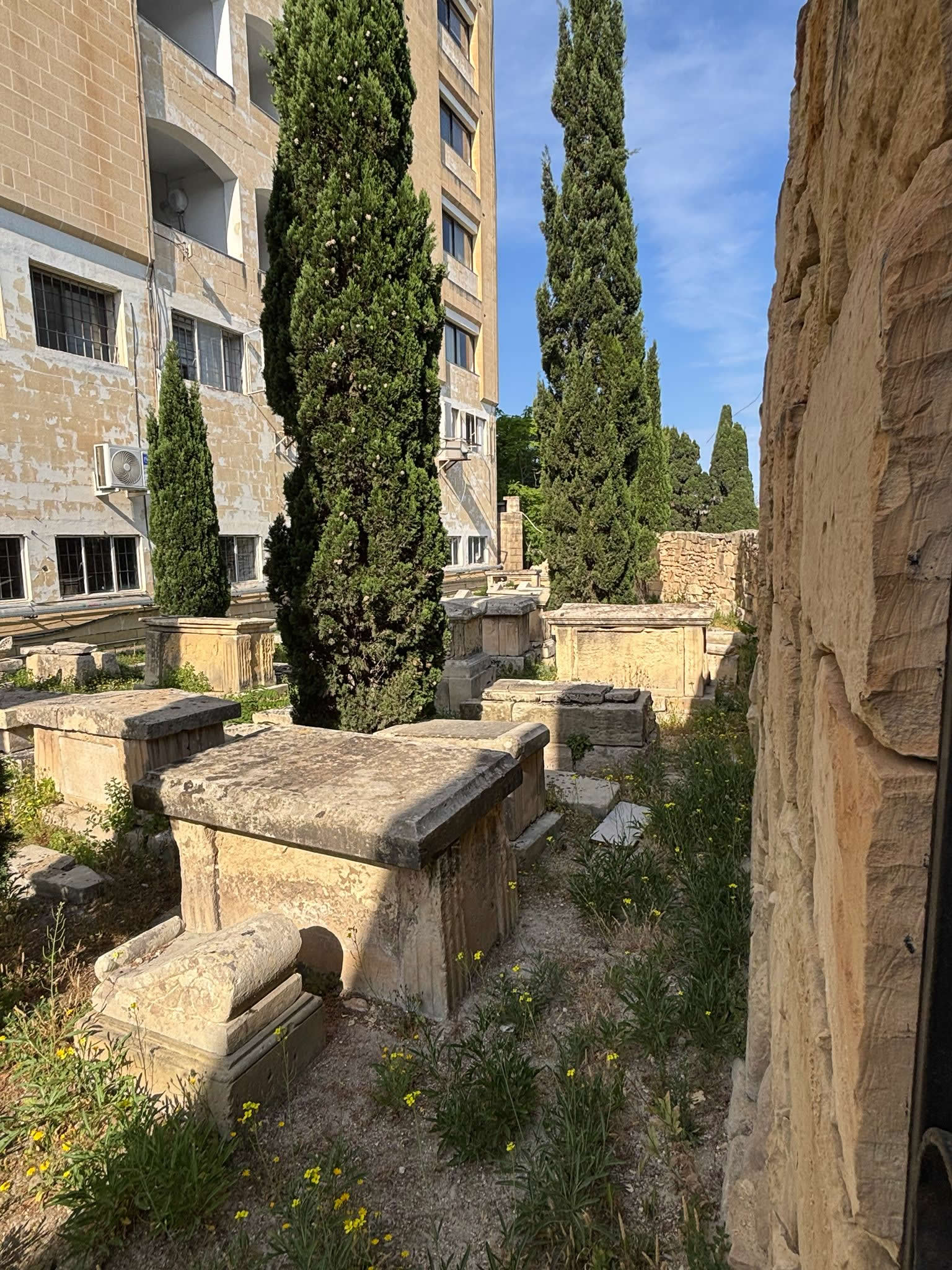
The cemetery features roughly 120 graves, arranged in dense, parallel rows. The monument typologies found inside can be divided into two main physical styles:
- Horizontal Sarcophagus-Style Slabs: True to Sephardic traditions common throughout the Mediterranean, many graves consist of raised, horizontal stone blocks or slightly curved "pillow" monuments. These designs kept the inscriptions clean and protected from the elements while preventing people from stepping directly over the burial vault beneath.
- Vertical Stele Headstones: Reflecting the Ashkenazic families who arrived from Western and Eastern Europe, these traditional vertical tablets stand upright at the head of the grave.
The epigraphical data carved into these limestone monuments is of immense value to historians tracking Mediterranean migrations. Most inscriptions are bilingual, featuring beautiful, hand-chiseled Hebrew scripts on the upper half, paired with English, Italian, or French translations on the lower face. The texts typically record the deceased's name, their parentage, their city of origin (such as Tunis, Tripoli, or Livorno), and traditional Hebrew blessings like the abbreviation *Tanzba* (Wishing the soul to be bound in the bundle of life).
4. The Philanthropic Interventions of Sir Moses Montefiore
The physical preservation and institutional security of the Ta’ Braxia Jewish Cemetery were heavily supported by the world-renowned British Jewish financier and philanthropist Sir Moses Montefiore. Throughout the 19th century, Montefiore passed through the Maltese islands multiple times during his diplomatic voyages to the Levant, where he advocated for the protection and civil rights of Jewish minorities across the Ottoman Empire.
During his visits to Valletta, Montefiore met with local community leaders, including prominent merchants from the Tayar, Azzopardi, and Borges families, to inspect their communal institutions. Finding the burial enclaves vulnerable to local vandalism and urban expansion, Montefiore provided direct financial grants to repair the cemetery's crumbling infrastructure.
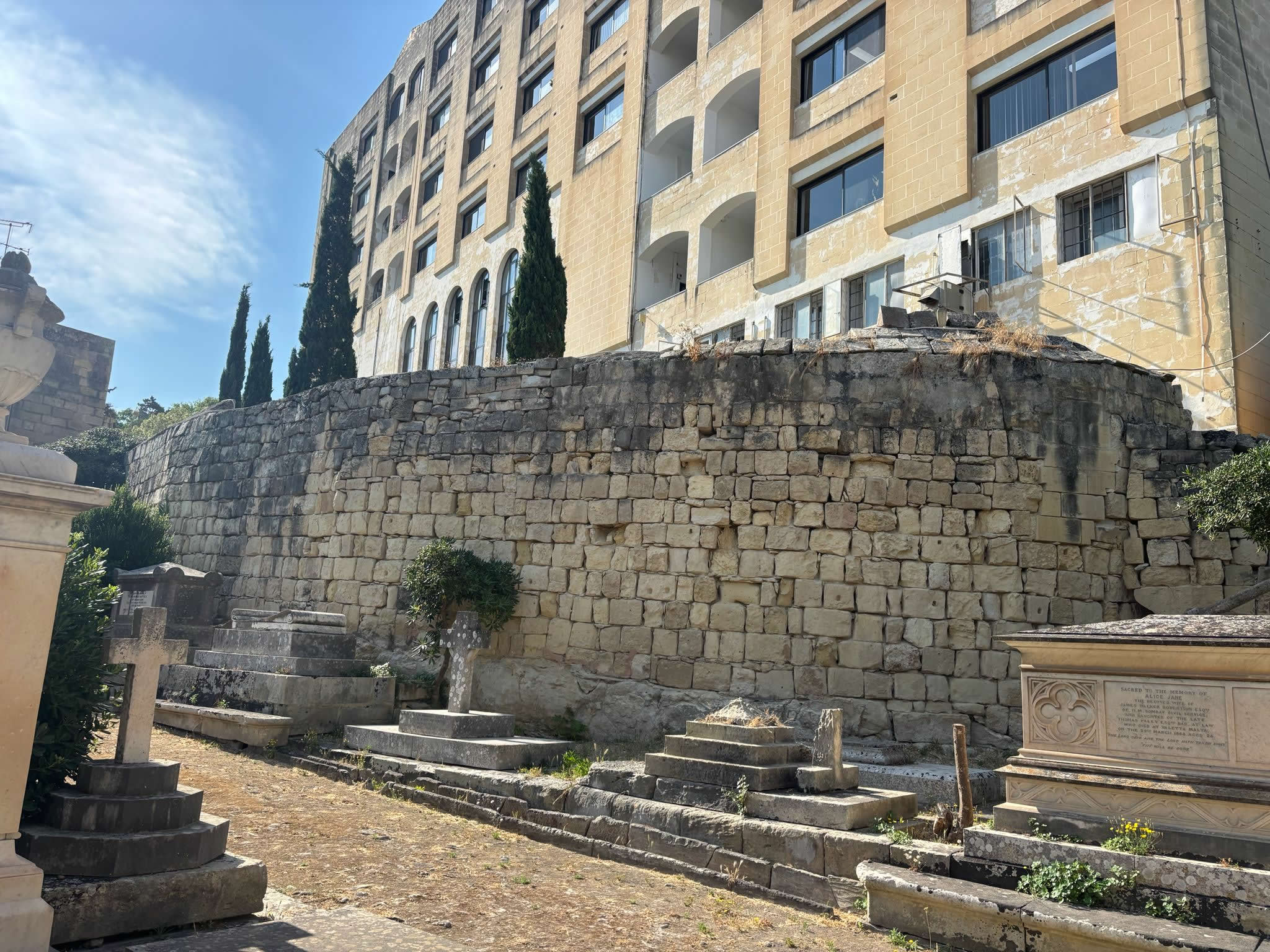
His financial aid was instrumental in higher stone perimeter walls being built around the Ta' Braxia plot, firmly separating it from the rapidly expanding multi-faith public sections nearby. This step successfully maintained the cemetery's ritual autonomy throughout the mid-Victorian era.
5. The 1880 Capacity Closure and Transition to Marsa
Because the land allocated to the Jewish community at Ta’ Braxia was strictly limited by high stone walls and neighboring properties, the plot filled up rapidly during the mid-19th century. Outbreaks of infectious disease, coupled with the steady arrival of new families, meant the space neared its total physical limits by the late 1870s.
The definitive final burial at the Ta’ Braxia Jewish Cemetery was recorded in 1880. With approximately 120 individuals interred within the compact plot, the community could no longer dig new graves without disrupting existing burials, an act strictly forbidden under Orthodox Jewish law.
Anticipating this closure, Jewish community leaders had spent years negotiating with the colonial government for a new site. This effort succeeded in December 1879, when the new Marsa Jewish Cemetery opened nearby. Designed by the famous English architect Webster Paulson with an ornate Neo-Gothic entrance facade, the Marsa cemetery immediately became the community's primary burial ground, leaving the Ta’ Braxia enclave to become a closed, protected historical monument.
6. Modern Preservation Challenges and Heritage Access
In the decades following its 1880 closure, the Ta’ Braxia Jewish Cemetery faced decades of isolation, leading to specialized preservation challenges. The soft globigerina limestone monuments have suffered from surface spalling and erosion, caused by industrial air pollution and salt-laden sea winds sweeping across the nearby harbor crests.
Today, the site is recognized as a critical component of Malta’s multicultural history. Major conservation initiatives, supported by Din l-Art Ħelwa, the Friends of Ta’ Braxia, and international Jewish heritage funds, have systematically documented and stabilized the cemetery's delicate architecture. Restorers have cleared overgrowing vegetation whose invasive roots threatened to crack the low stone foundations, and treated fragile headstones with specialized consolidants to prevent their unique Hebrew inscriptions from crumbling away completely.
To protect the site from vandalism and preserve its fragile paths, the Jewish section is kept securely locked within the main Ta' Braxia Multi-Faith Cemetery complex. However, researchers, genealogists, and cultural tourists can request access from the main cemetery administrative office or coordinate visits through regional heritage groups, ensuring this quiet monument to Malta’s Jewish history remains accessible to the world.
7. Technical Monument Profile Matrix
The profile below organizes the verified factual history and technical data of the Pietà Jewish Enclave:
| Technical Survey Parameter | Field Inventory Reference Data |
|---|---|
| Official Nomenclature | Ta’ Braxia Jewish Cemetery Enclave / The Old Pietà Jewish Cemetery |
| WGS84 Coordinate Grid | 35.889555 Latitude, 14.498785 Longitude |
| Initial Establishment Date | Circa 1830 (Earliest continuous burial logs track to 1834) |
| Definitive Closure Year | 1880 (Closed due to reaching absolute physical capacity) |
| Total Documented Burials | Approximately 120 distinct gravesites |
| Funerary Styles Represented | Horizontal Sephardic sarcophagi and vertical Ashkenazic headstones |
| Epigraphical Languages | Bilingual: Hebrew carved alongside English, Italian, or French |
| Major Philanthropic Patron | Sir Moses Montefiore (19th-Century Wall Reconstruction Financing) |
| Current Protection Status | Grade 1 Protected National Monument / Protected Heritage Landmark |
8. Frequently Asked Questions (FAQ)
❓ Why are there no burials allowed at Ta' Braxia Jewish Cemetery today?
The cemetery was closed to new burials in 1880 because it had reached its absolute physical capacity. To avoid disturbing existing graves—an act strictly forbidden by Jewish law—all burials were transferred to a new cemetery in Marsa.
❓ What languages can be found on the tombstones inside the enclave?
Most headstones are bilingual, featuring traditional Hebrew passages on top, paired with translations in English, Italian, or French on the lower section, reflecting the diverse backgrounds of Malta's 19th-century Jewish community.
❓ How can I access the Jewish section of Ta' Braxia?
The Jewish enclave is locked to safeguard its historic monuments from damage. Visitors can request entry through the main Ta' Braxia Cemetery management or arrange a visit via local heritage preservation groups.
❓ Who was interred inside this historic plot?
The cemetery holds the remains of roughly 120 Jewish merchants, travelers, and residents who settled in or passed through Malta during the first half of British colonial rule, arriving from hubs like Tripoli, Tunis, Gibraltar, and London.