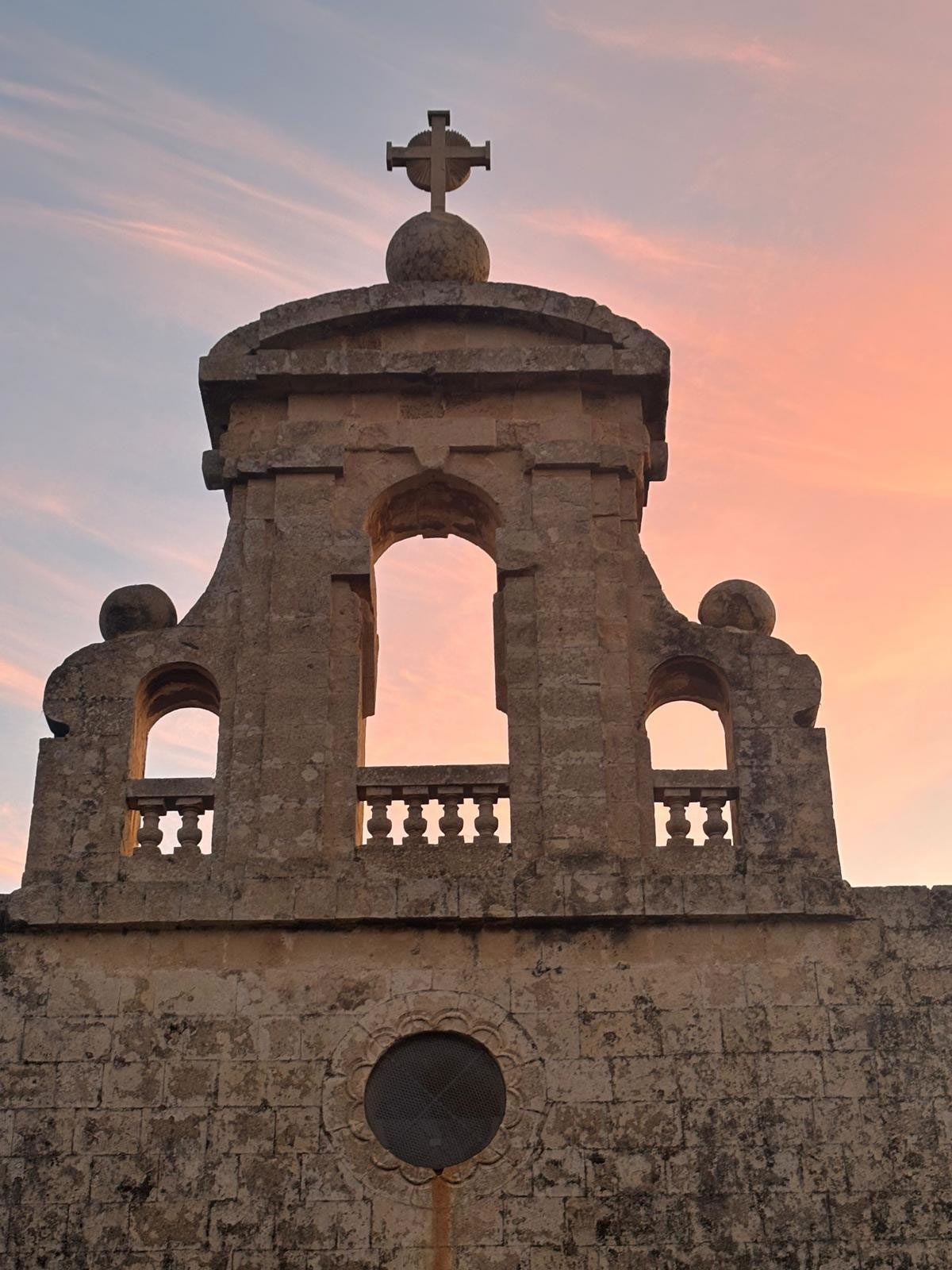
Chapel of Santa Marija ta’ Bir Miftuħ — Gudja, Malta (c.1420)
The Chapel of Santa Marija ta’ Bir Miftuħ in Gudja is one of the Maltese Islands’ most important medieval chapels.
Probably built around 1420, it stands as a testament to rural devotional architecture and the continuing heritage traditions of Malta.
Home ›
Heritage ›
Chapel of Santa Marija ta’ Bir Miftuħ
Built: c. 1420Location: Gudja, MaltaCoordinates: 35.8517004, 14.4973881Updated: 16 Dec 2025
History
The Chapel of Santa Marija ta’ Bir Miftuħ is rooted in the late medieval period of Maltese history,
likely constructed around 1420. Its origins lie in a time when small rural chapels served the spiritual needs of farming
communities beyond fortified towns. Gudja’s chapel was documented early and survived multiple eras of rebuilding and expansion,
yet retains distinctive elements of its medieval plan.
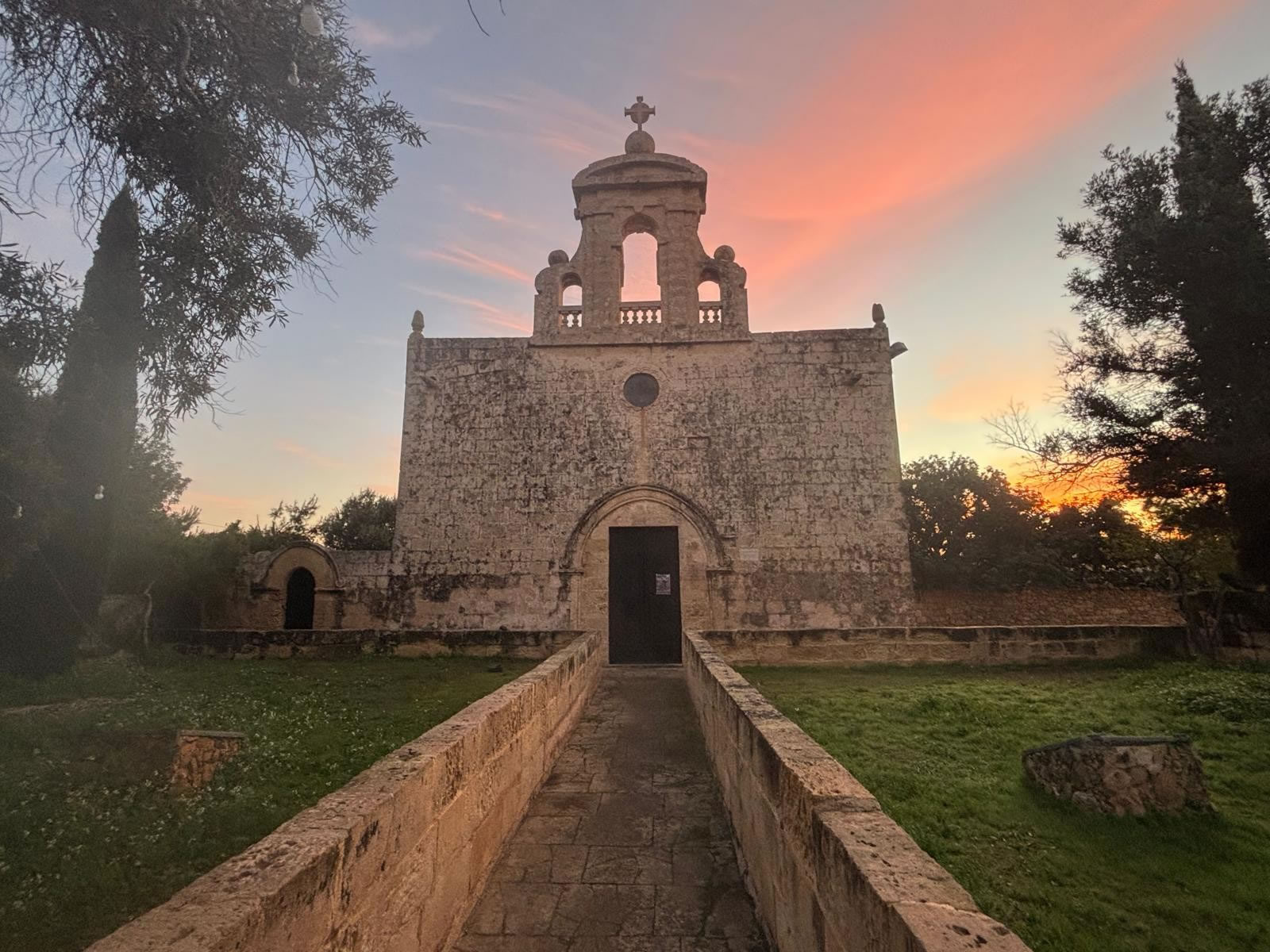
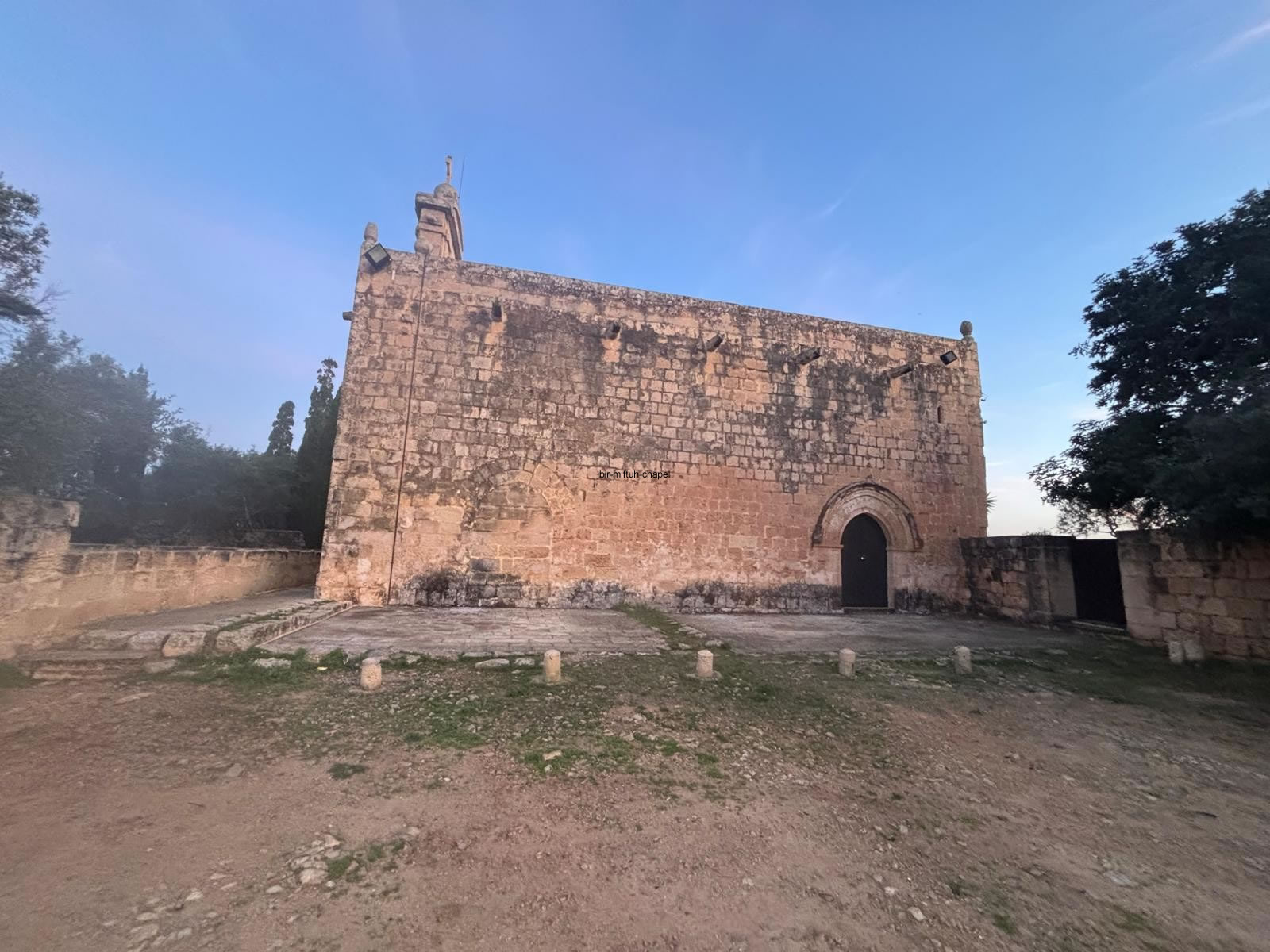
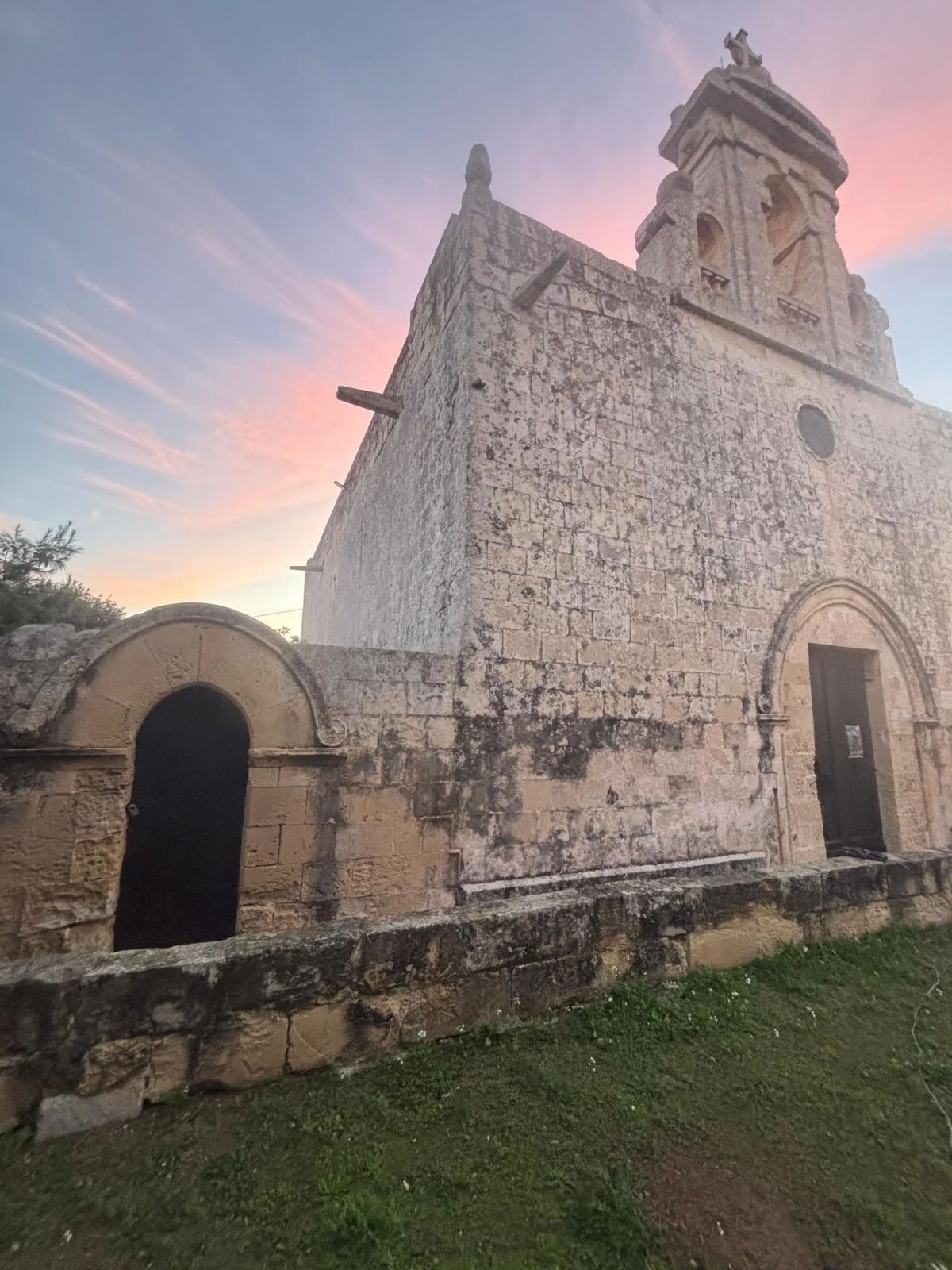
The chapel stands freely and has a rectangular plan which measures about eleven by fourteen metres. Having said that, it was originally built in the shape of a cross. In 1512, the rear end of the chapel was demolished and the stones were used in the construction of the present church. It also had six doors though only two remain. The church served as parish church until 1676 when the present church was built. A belfry was added in the 16th century.
Over centuries, the chapel continued to be used for Sunday Mass, feast days, and local devotion, linking past spiritual rhythms
with contemporary Catholic culture on the islands.
The Chapel of Santa Marija ta’ Bir Miftuħ is widely regarded as one of the most important surviving examples of
late medieval ecclesiastical architecture in Malta. Documentary and architectural evidence suggest that the chapel was
constructed around 1420, during a period when rural settlements relied on small, self-contained churches
to serve dispersed farming communities.
Bir Miftuħ occupies a strategic position within the Gudja area, close to long-established routes connecting inland villages
with the southern coastline. The chapel’s dedication to the Virgin Mary reflects a broader medieval Marian devotion that was
deeply embedded in Maltese religious life, particularly in rural areas where chapels often acted as both spiritual centres
and landmarks within the landscape.
Historical records indicate that the chapel functioned as a parish church before the formal establishment of Gudja as a parish
in the fifteenth century. For a time, Santa Marija ta’ Bir Miftuħ served as the principal place of worship for the surrounding
community, hosting regular Mass, baptisms, and important liturgical celebrations.
As Gudja developed and parish structures evolved, the chapel’s role gradually shifted from daily worship to more occasional use.
Nevertheless, it remained closely connected to communal identity and religious tradition, continuing to host services on Marian
feast days and other significant occasions.
The survival of Santa Marija ta’ Bir Miftuħ through successive centuries of political change, rebuilding elsewhere, and shifting
settlement patterns is exceptional. Its continued presence offers valuable insight into medieval Maltese devotion, parish
formation, and the enduring relationship between sacred architecture and the rural environment.
Construction and architecture
The chapel is built in local Maltese limestone, with a traditional nave plan, simple façade, and modest proportions, typical of
medieval rural ecclesiastical design. Its construction emphasises durability and clarity, with minimal ornamentation and a focus
on liturgical function.
Materials: Maltese globigerina limestone.
Plan: Simple nave and altar layout.
Features: Traditional stone doorway, small windows for controlled light.
Use over time
For generations, the Chapel of Santa Marija ta’ Bir Miftuħ has been used for local devotional activities, regularly serving the community
of Gudja and surrounding rural areas. It is recorded as the site of seasonal services, baptisms, feast celebrations and occasional
processions that reflect Malta’s vibrant religious traditions.
Visiting information
Visiting smaller chapels can vary depending on services and community events. It is often open for special feast days and heritage tours.
Contact local parish information for current opening hours, especially outside mass times.
FAQ
When was the chapel built?
It was probably built around 1420, during the medieval period of Maltese history.
Is the chapel still used today?
Yes — it continues to be used for occasional services, feast days, and heritage events.
How do I find the chapel?
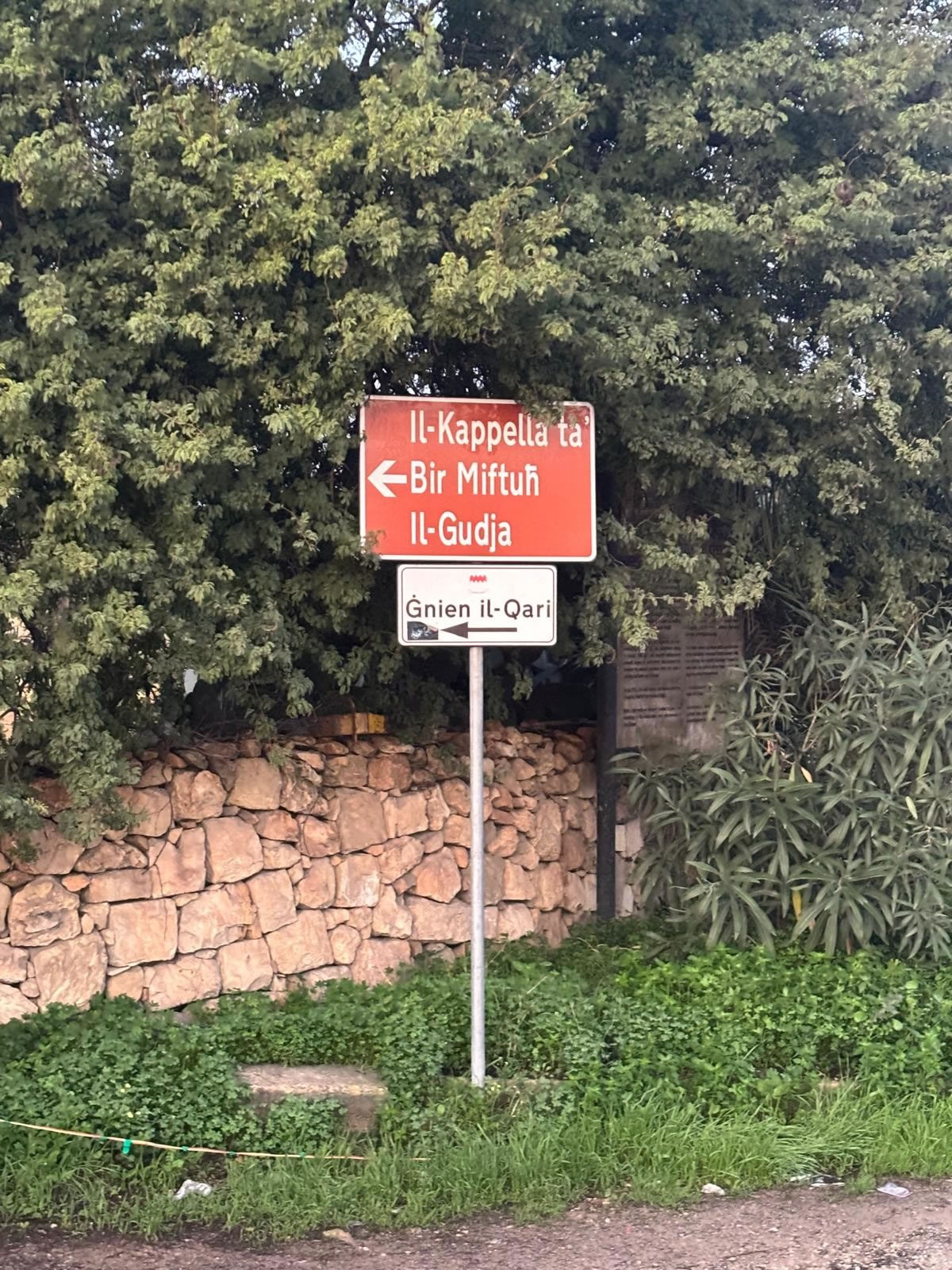
Use the coordinates 35.8517004, 14.4973881 on your map app for exact location in Gudja.