The Cathedral of the Assumption, often called the Gozo Cathedral, crowns the historic Cittadella above Victoria, the main town of Gozo. Dedicated to the Assumption of the Virgin Mary, this Baroque church is the spiritual heart of the island and the seat of the Diocese of Gozo. Set on a site that has hosted places of worship since antiquity, the cathedral combines deep religious significance with refined Maltese Baroque architecture and one of the most remarkable trompe-l’oeil ceilings in Europe.
Location and Setting
The cathedral stands at the centre of the Cittadella, a compact fortified hilltop city overlooking Victoria. From Cathedral Square, visitors enjoy sweeping views over Gozo’s countryside and coastline, while winding lanes, bastions and museums surround the church. The cathedral forms part of a wider heritage cluster that includes the Cittadella ramparts, the Gozo Museum of Archaeology and the Old Prison.

Ancient Sacred Site: From Temple to Cathedral
The site of the Cathedral of the Assumption has been associated with worship for millennia. Archaeological and historical evidence suggests that the hilltop was used as a prehistoric place of worship before the arrival of classical civilisation. During the Roman period, a temple dedicated to the goddess Juno stood here, elements of which are believed to survive beneath the present church and in its foundations.
With the spread of Christianity, the pagan temple was gradually replaced by a church dedicated to the Virgin Mary. Over the centuries different buildings rose and fell on this spot, including a medieval parish church that was damaged by corsair attacks and earthquakes, notably the powerful earthquake of 1693. The decision was then taken to demolish the older structure and construct an entirely new, grander church.

Construction of the Baroque Cathedral (1697–1716)
The current cathedral was designed by renowned Maltese architect Lorenzo Gafà, who was also responsible for St Paul’s Cathedral in Mdina. Work on the new church began in 1697, and the building was structurally completed by 1711. It was solemnly inaugurated on the eve of the feast of the Assumption, 14 August 1711, and later dedicated on 11 October 1716.
Built entirely from local limestone, the new church reflected the ambitions of Gozo’s clergy and nobles to create a dignified matrice (mother church) for the island. In 1864, when Gozo was established as a separate Catholic diocese, the church was elevated to the rank of cathedral, becoming the seat of the Gozitan bishop.

Architecture and Exterior Features
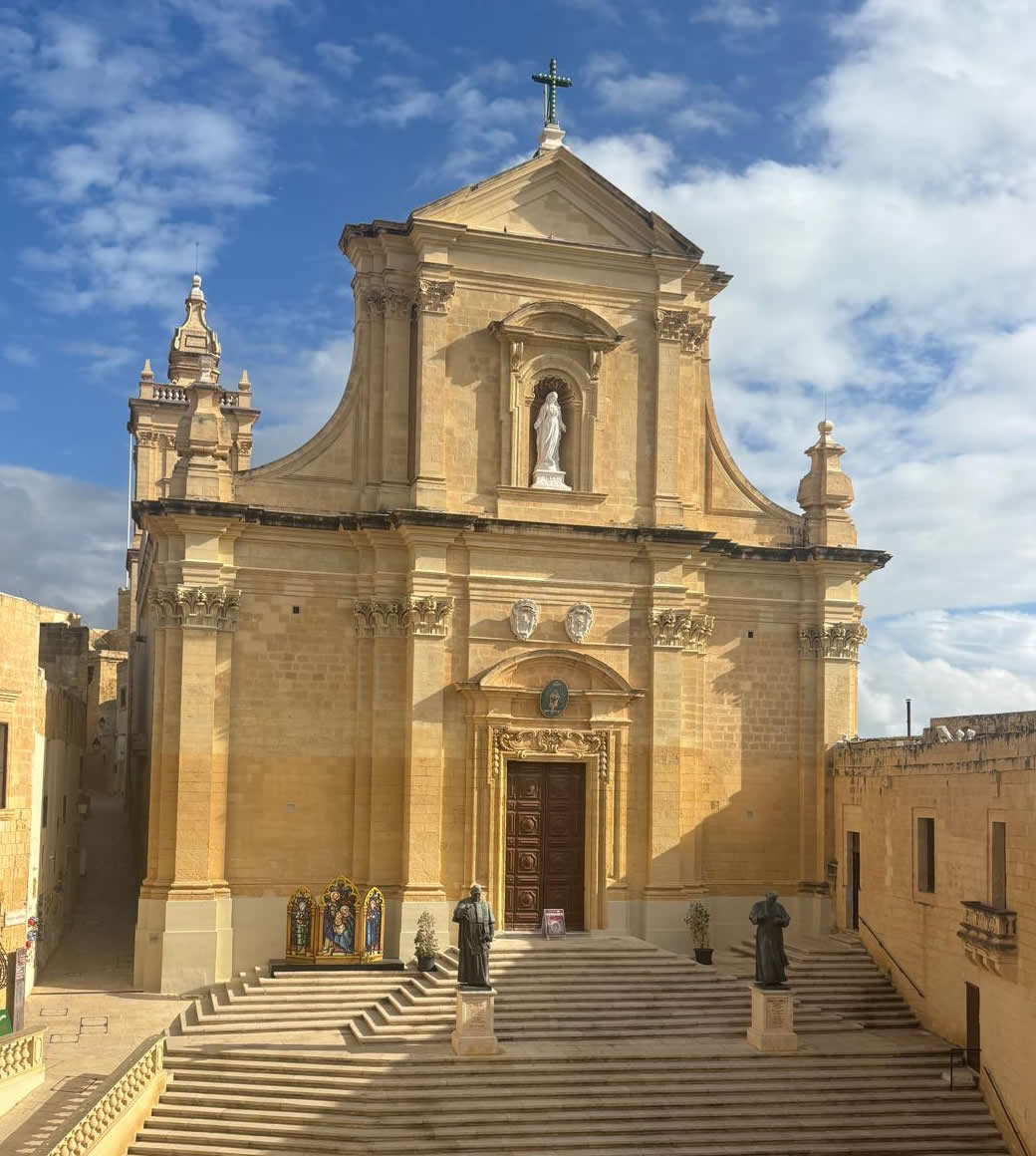
The Cathedral of the Assumption is a fine example of Maltese Baroque architecture. Its plan is that of a Latin cross, with a nave, transepts and short chancel. The façade, composed of harmonious pilasters and a central doorway surmounted by a pediment and statuary, creates a dignified yet restrained impression, well suited to the intimate scale of Cathedral Square.
A single bell tower rises on one side of the church, forming a distinctive landmark visible from much of Victoria and the surrounding countryside. The steps leading up to the main portal enhance the sense of procession, lifting the building above the level of the square and emphasising its role as the island’s principal church.
Interior: Baroque Elegance and Sacred Art
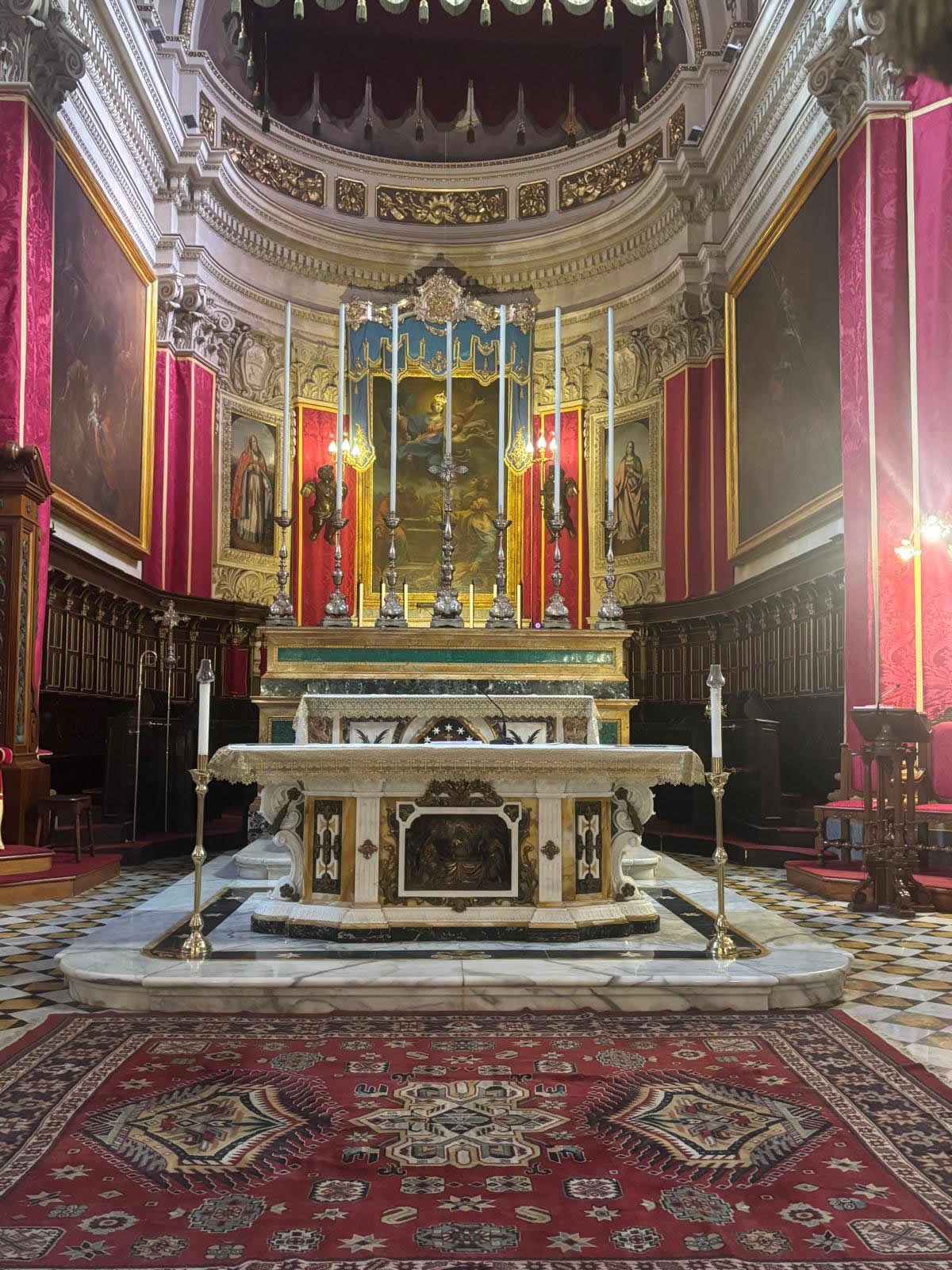
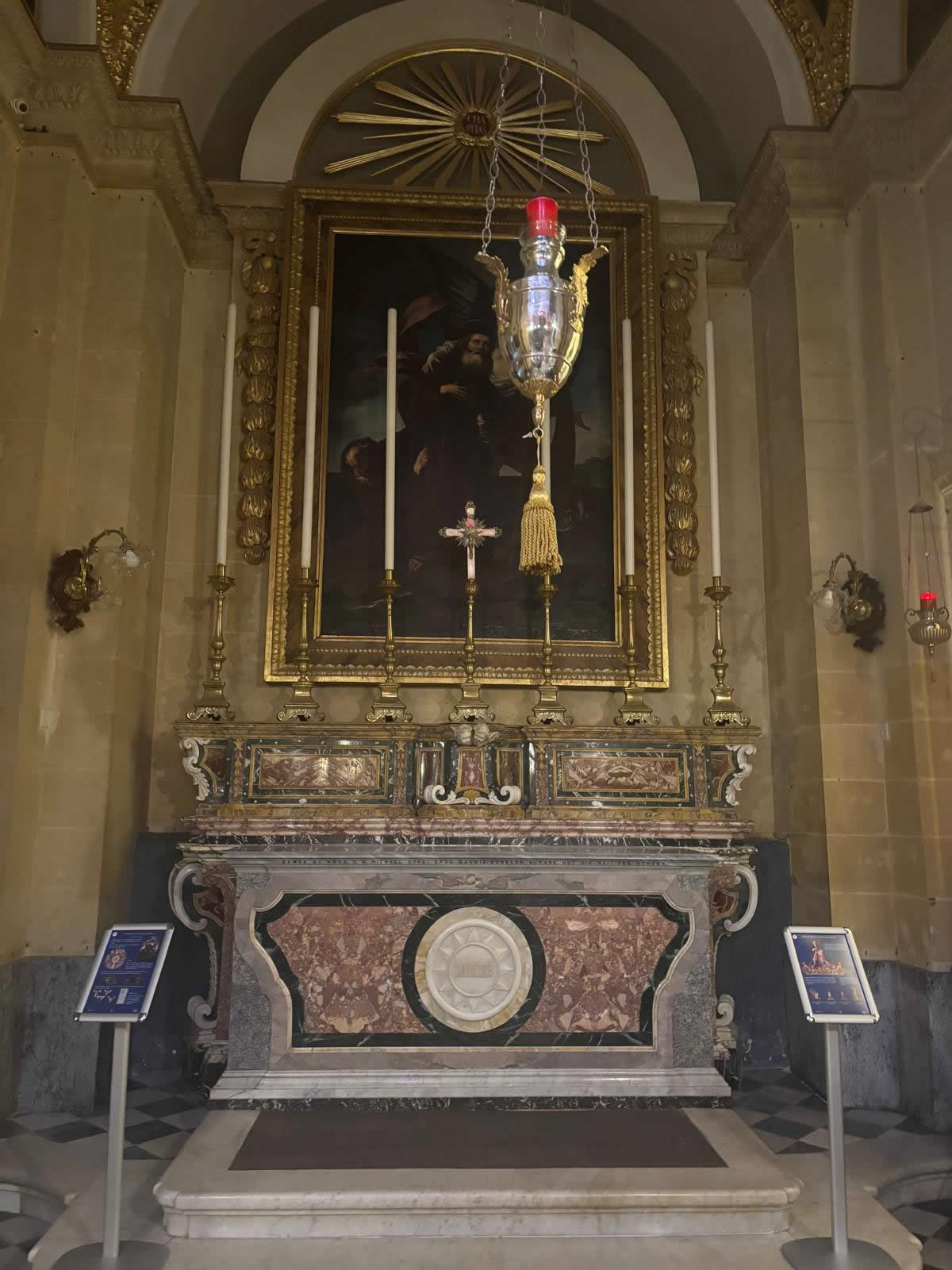
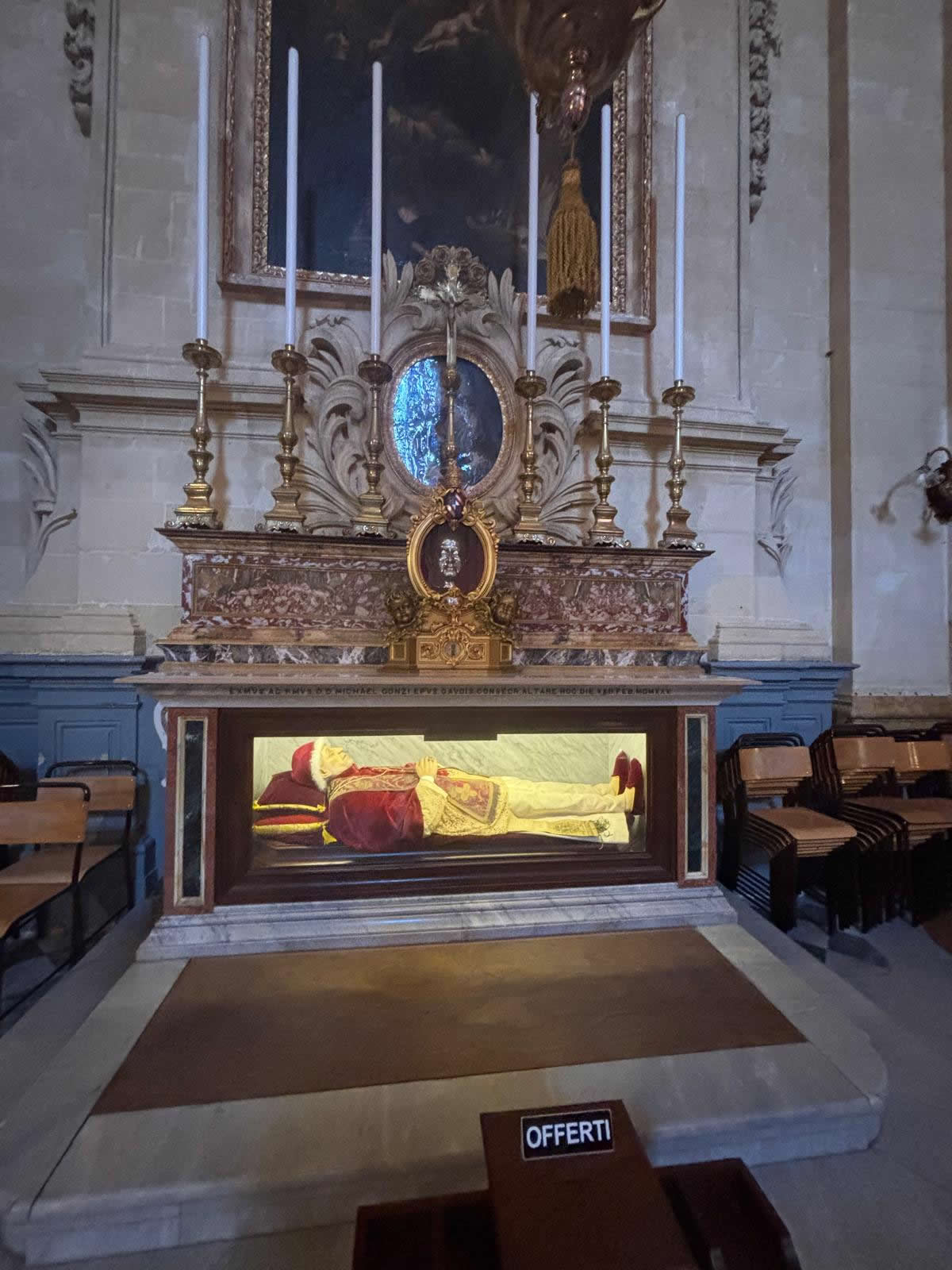
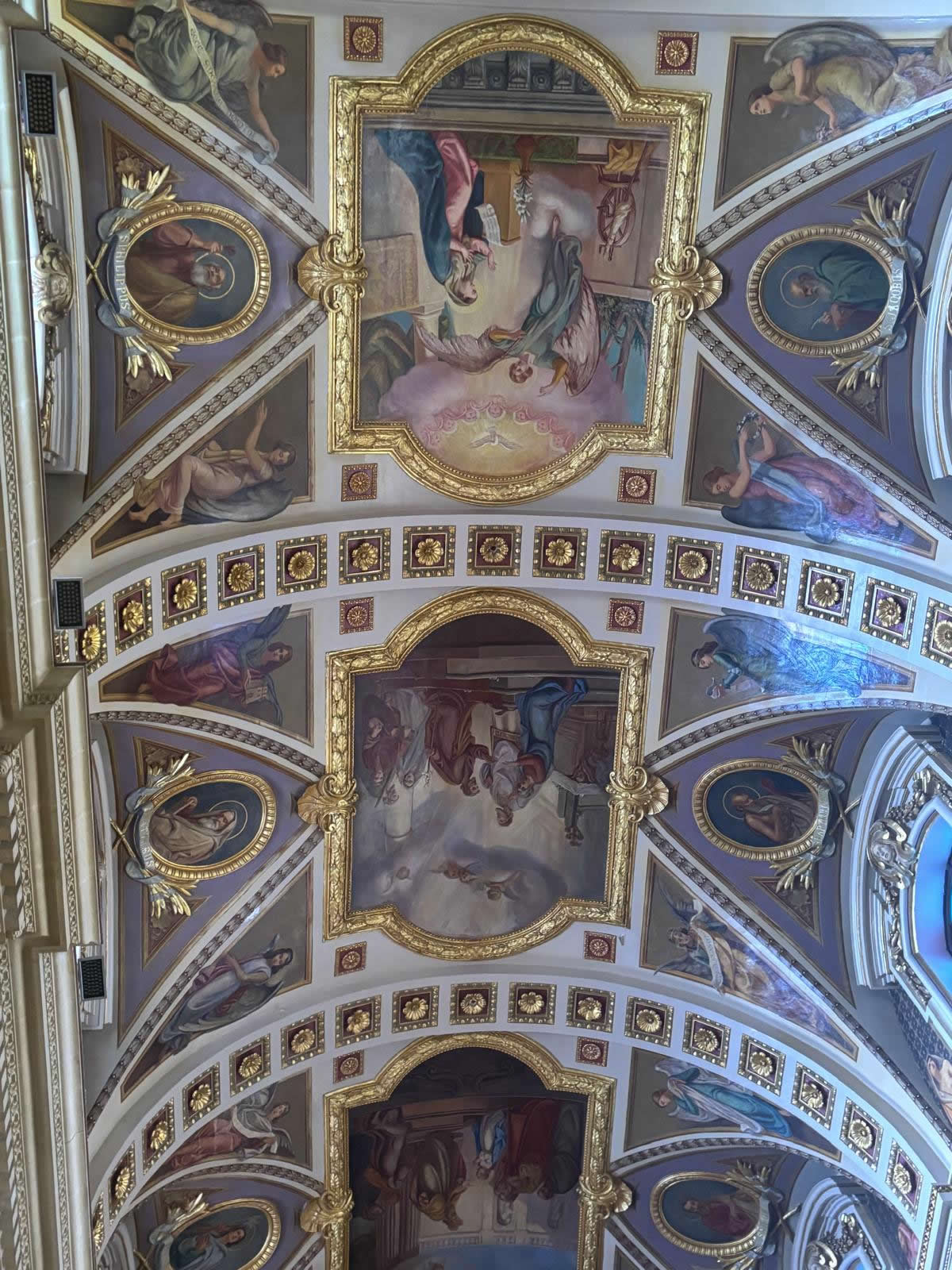
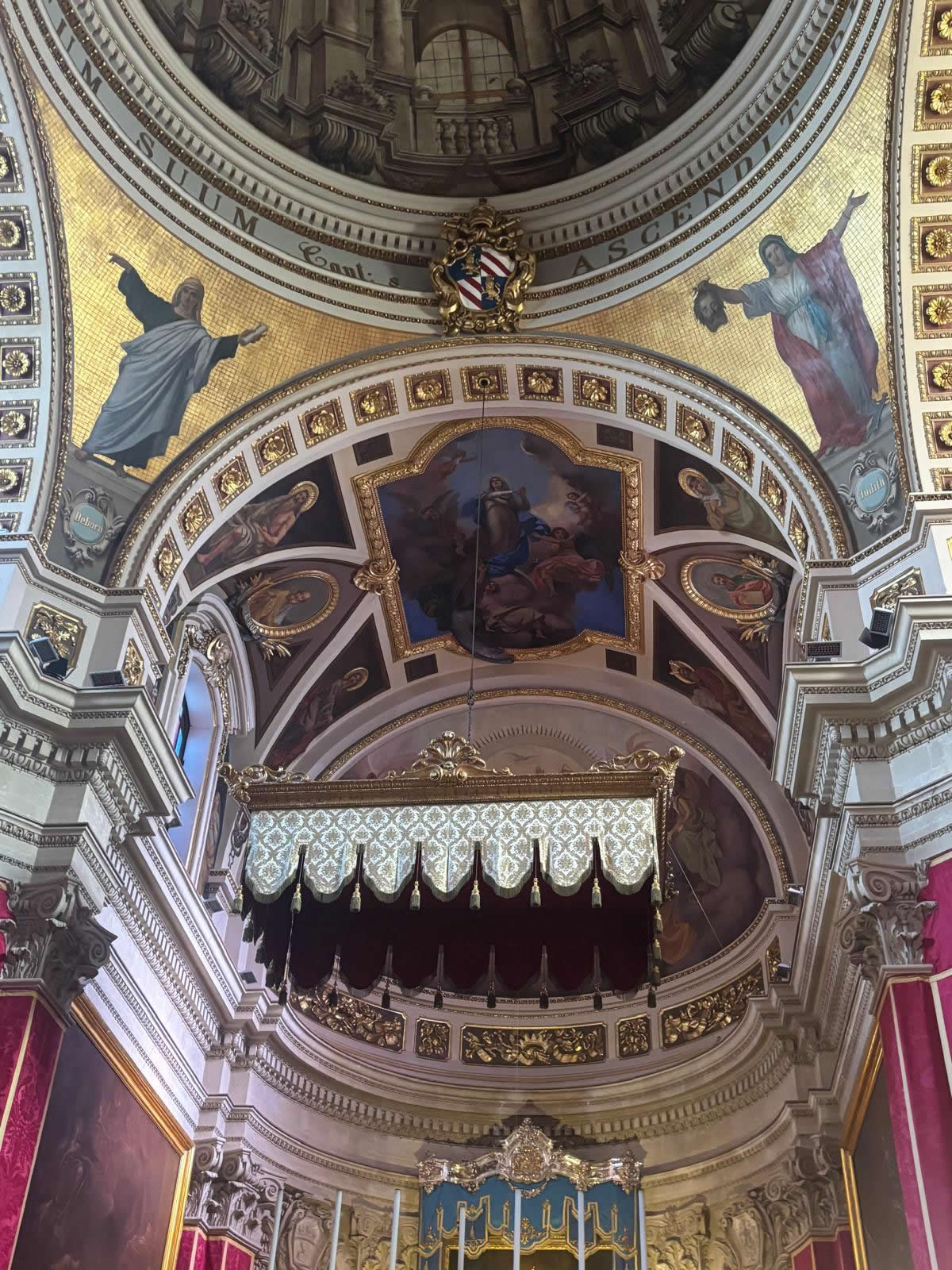
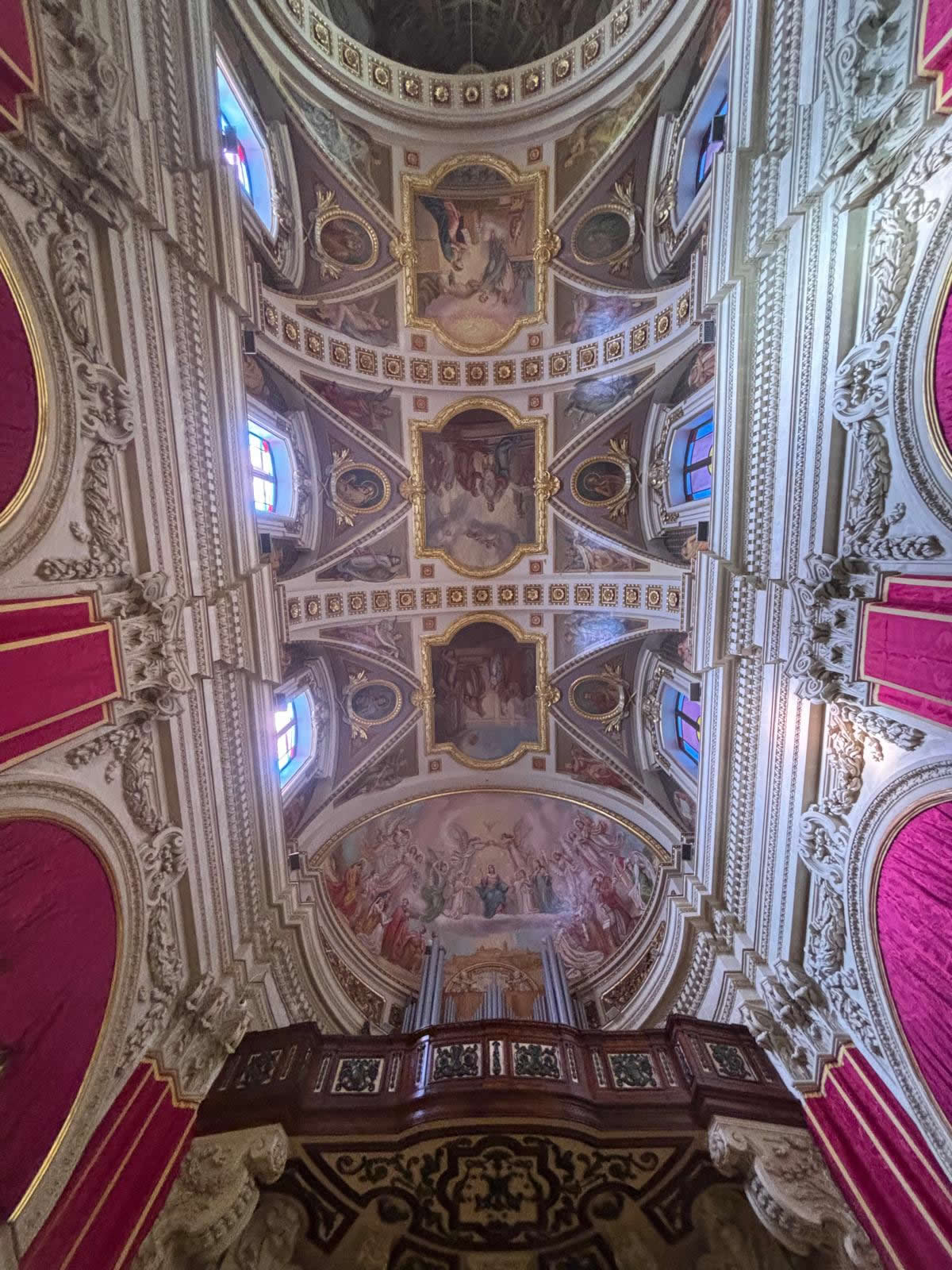
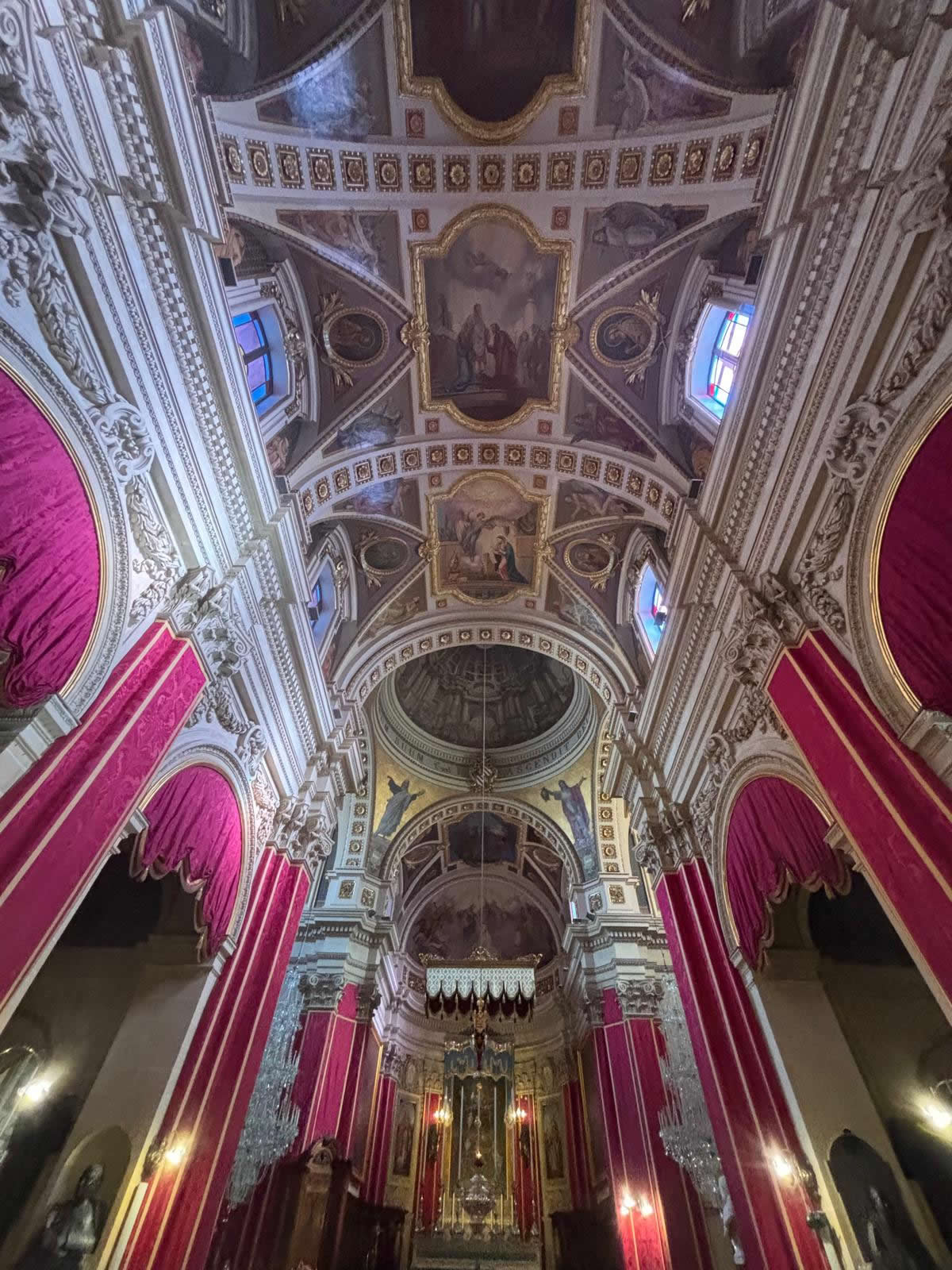
Inside, the cathedral’s proportions are balanced and harmonious. Tall pilasters rise to support an entablature and vaulted ceiling, creating a sense of verticality despite the relatively compact footprint. Side chapels house altars dedicated to various saints, while the main sanctuary focuses attention on the high altar and its titular painting of the Assumption of the Virgin.
The interior décor combines sculpted stone, gilded details and rich polychrome marble, assembled over centuries through the patronage of bishops, clergy and local families. Works of religious art, including paintings, statues and liturgical furnishings, reflect the devotional life of the Gozitan community and the wider artistic currents of the Baroque and later periods.

The Famous Trompe-l’Oeil Dome
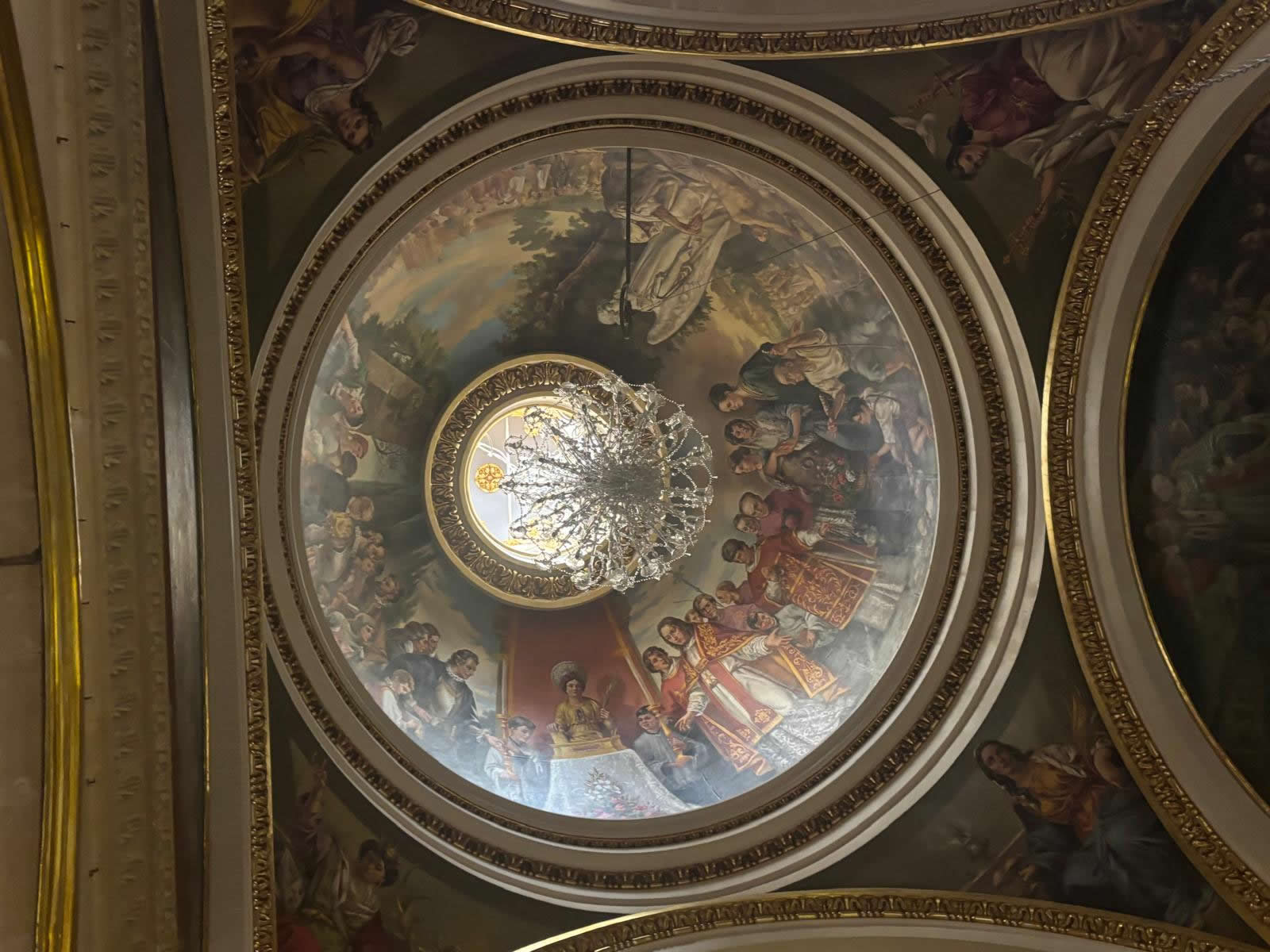
One of the cathedral’s most celebrated features is its extraordinary trompe-l’oeil “dome”. Structural limitations meant that an actual stone dome could not be built over the crossing. Instead, in the 18th century a flat ceiling was installed and later transformed into an astonishing illusionistic painting.
In 1739, Sicilian scenographer Antonio Manuele from Messina created a vast trompe-l’oeil painting that convincingly depicts the interior of a soaring dome, complete with coffering, windows and heavenly figures. From the nave, visitors have the impression of looking up into an actual three-dimensional dome, even though the surface above them is completely flat. This optical illusion has become one of the most admired artistic treasures of Gozo and a highlight of any visit to the cathedral.
The Cathedral as Seat of the Diocese of Gozo
Since 1864, the Cathedral of the Assumption has served as the episcopal seat of the Diocese of Gozo. Major diocesan liturgies, including ordinations and important feasts, are celebrated here. The cathedral is also the parish church for residents within the Cittadella area and continues to play a central role in the religious calendar of the island.
Prominent Gozitan clergy and historical figures are associated with the cathedral, including archpriests, bishops and Monsignor Saverio Cassar, the 18th-century priest who played a leading part in Gozo’s brief period of autonomy during the turmoil of the French occupation.
Cathedral Museum and Surroundings
Behind the cathedral stands the Cathedral Museum, housed in historic buildings on Cathedral Square. Its collections include religious silverware, vestments, manuscripts, paintings and archaeological objects that illustrate the long spiritual and cultural history of Gozo. A visit to the museum complements the experience of the cathedral itself and offers deeper insight into local devotion and craftsmanship.
Around the Cittadella, visitors can explore the defensive bastions, small chapels, museums and panoramic terraces. Together, they create one of the most atmospheric historic complexes in the Maltese Islands.
Visiting the Cathedral of the Assumption
The Cathedral of the Assumption is located inside the Cittadella above Victoria and is easily reached on foot from the town centre. A short uphill walk or lift brings visitors to the main gate, from which signposted lanes lead directly to Cathedral Square.
- Opening hours: Usually open daily, with separate visiting and service times.
- Dress code: As an active place of worship, modest attire is requested; shoulders and knees should be covered.
- Tickets: Entry may be included in combined tickets covering several Cittadella sites, depending on current arrangements.
- Photography: Non-flash photography is often permitted for personal use; always follow local signage and staff instructions.
Visitors are encouraged to check the latest information on Mass times, special liturgies and opening hours before their visit, especially on Sundays and major feast days.
Frequently Asked Questions
Where is the Cathedral of the Assumption located?
The cathedral stands at the heart of the fortified Cittadella in Victoria (Rabat), Gozo, Malta. It overlooks the surrounding town and countryside from its elevated hilltop position.
When was the cathedral built?
The present Baroque church was constructed between 1697 and 1711 and was formally dedicated on 11 October 1716. It was elevated to cathedral status in 1864 when the Diocese of Gozo was created.
Who designed the cathedral?
The Cathedral of the Assumption was designed by Lorenzo Gafà, one of Malta’s foremost Baroque architects, who also designed St Paul’s Cathedral in Mdina.
What is special about the dome?
The cathedral does not have a structural stone dome. Instead, visitors see a spectacular trompe-l’oeil painting created in 1739 by Sicilian artist Antonio Manuele. This flat ceiling has been painted to look like a real three-dimensional dome, making it one of Gozo’s most famous artistic features.
Is the cathedral still in use today?
Yes. The Cathedral of the Assumption is an active place of worship, the main church of the Diocese of Gozo and a key venue for liturgical celebrations, pilgrimages and religious feasts throughout the year.