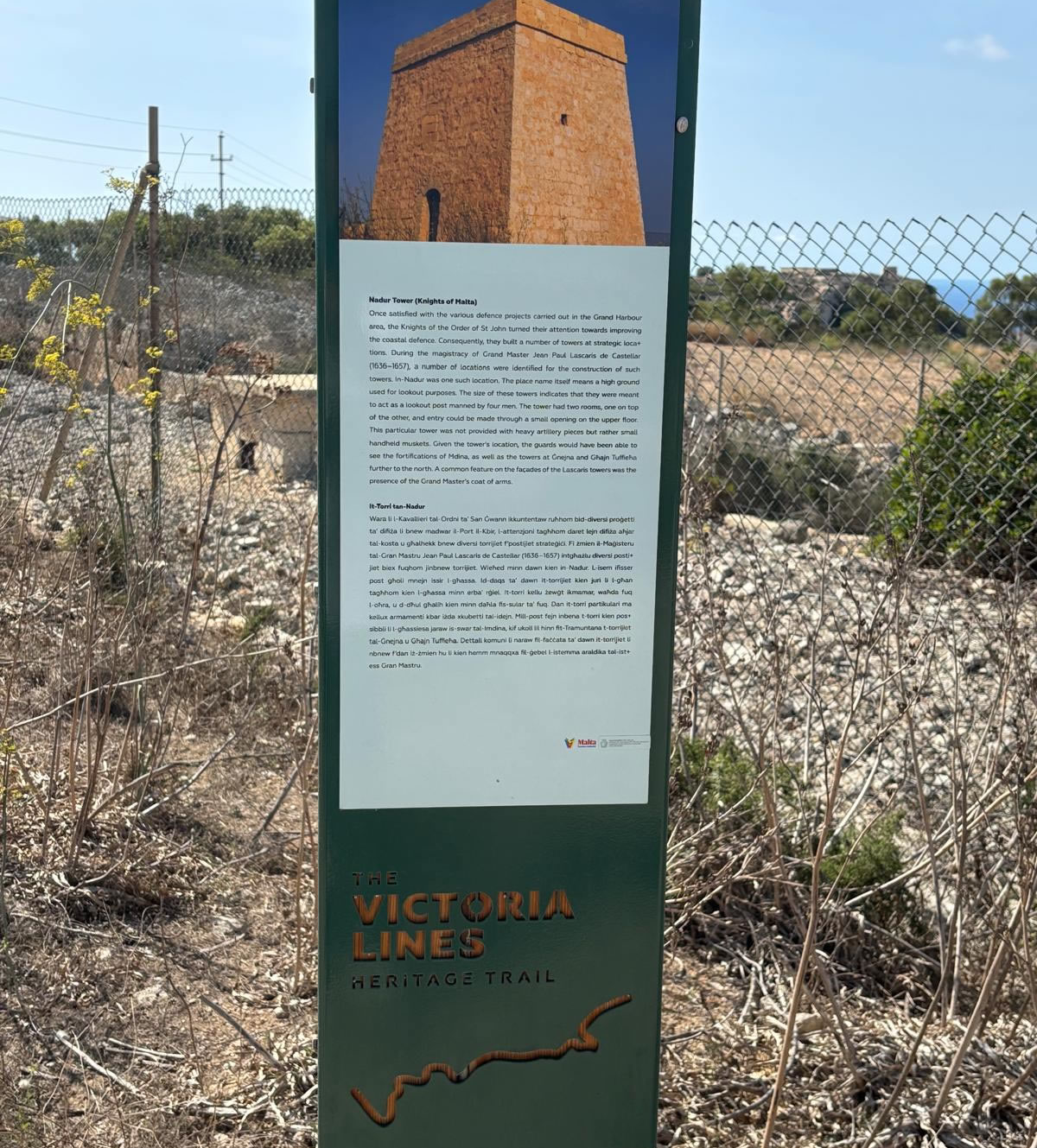
Here’s a full historical overview of NadurTower, one of Malta’s Lascaris watchtowers:
Nadur Tower (Torri tan-Nadur, Binġemma Gap)
Location
Binġemma Gap, Rabat/Mġarr area, Malta
Sits on the ridge overlooking the wide valley between Mġarr and Rabat, with commanding views of the inland approaches.
Coordinates: approx. 35.900625, 14.371268.
Construction
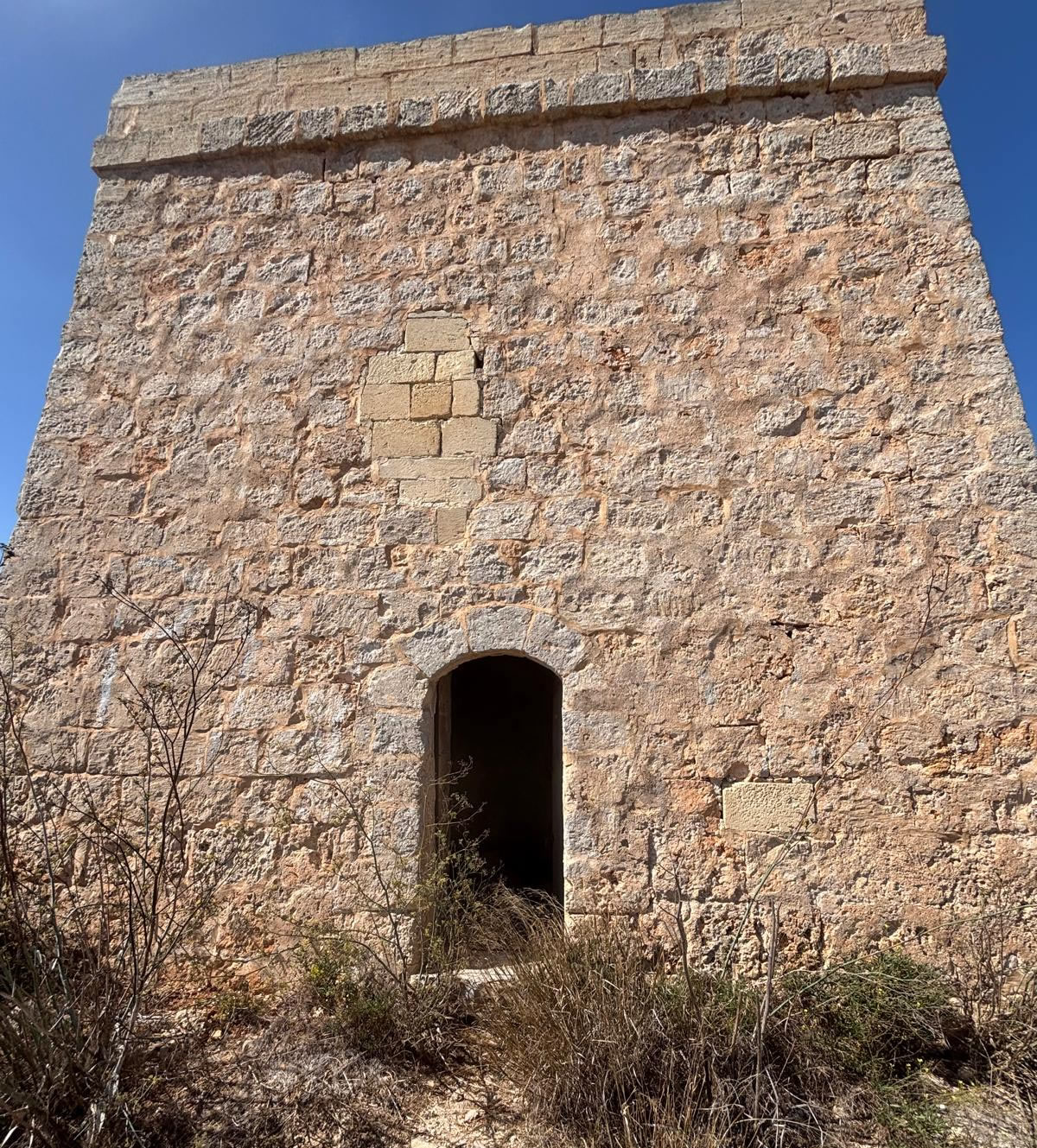
Built in 1637 during the rule of Grand Master Giovanni Paolo Lascaris of the Knights of St John.
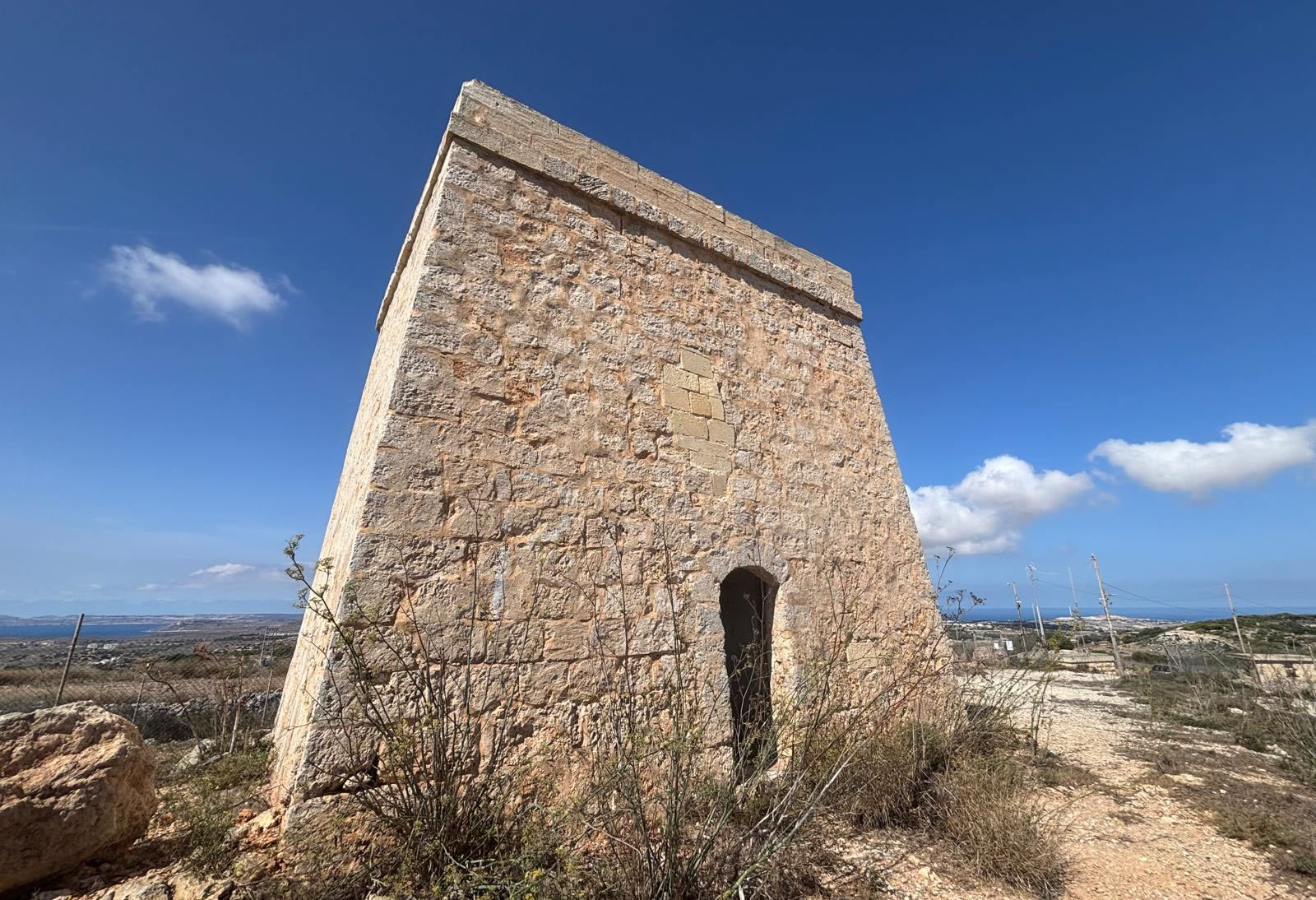
Constructed of local limestone in a simple square-plan style—similar to the other inland Lascaris towers.
Functioned as a watch and signal tower rather than a heavy fortification.
Part of the Lascaris Tower system: a chain of towers erected between 1637–1638 to improve coastal and inland defenses after raids by Ottoman Turks and Barbary corsairs.
Features
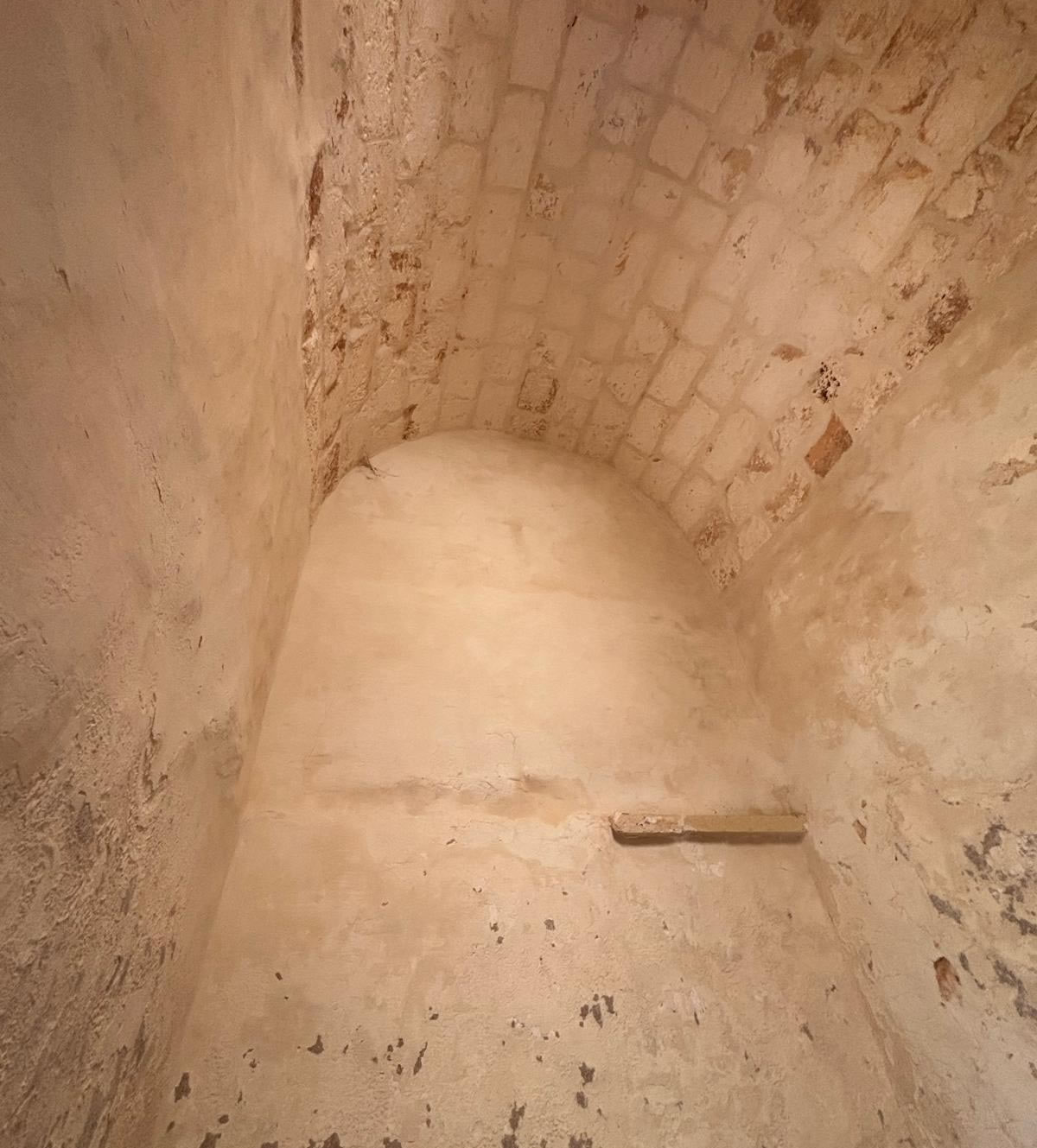
Small footprint compared to Wignacourt or De Redin towers.
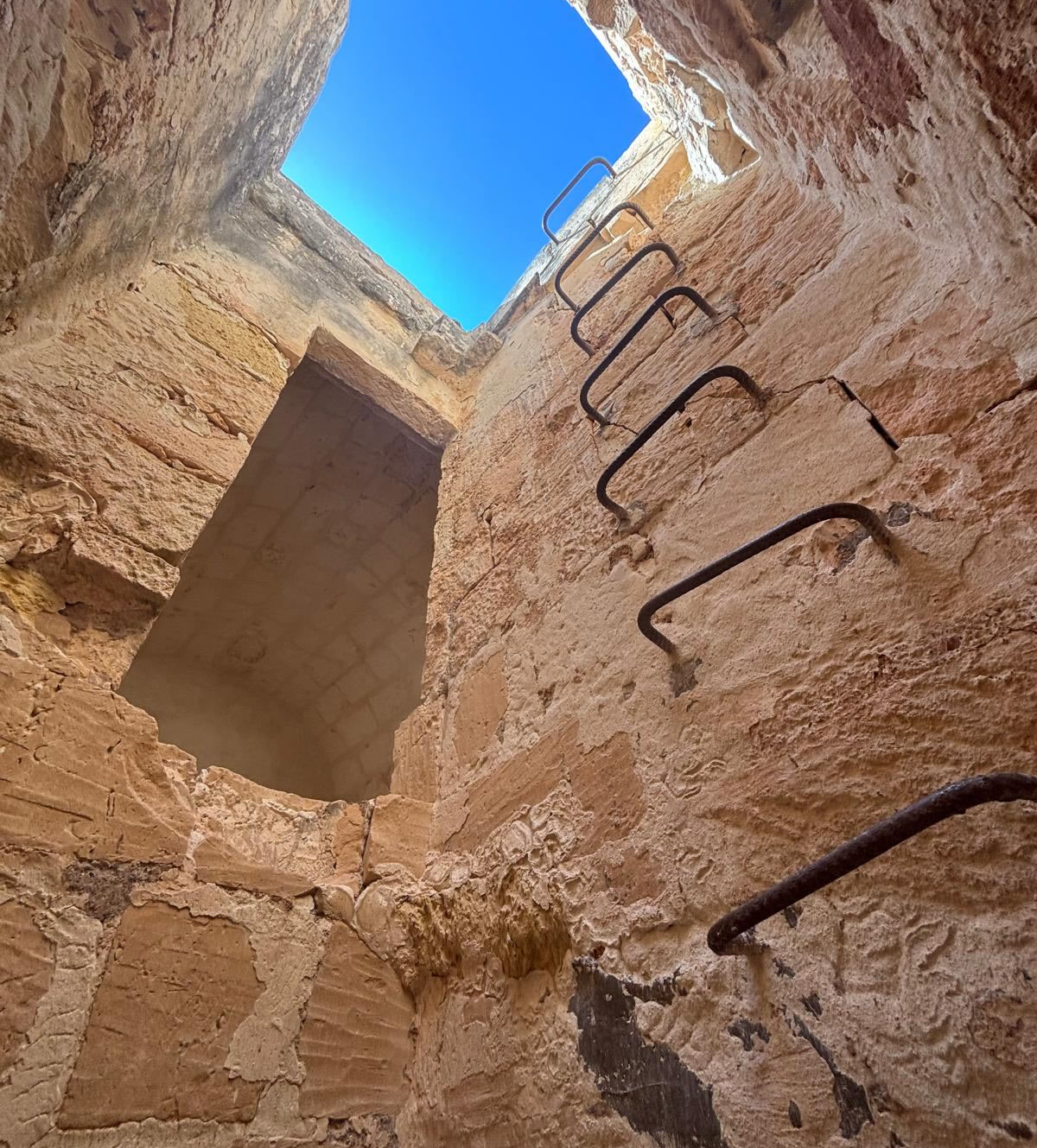
Square structure with thick stone walls and flat roof used for watch duty.
No heavy artillery: the tower was designed for surveillance and signalling, not for withstanding sieges.
Access was originally via a ladder or retractable staircase for protection.
Historical Role
Built to guard the inland route through Binġemma Gap, a natural pass leading from the northwest coast into central Malta.
Its role was to relay signals (usually via fire/smoke by day and torches at night) between:
The northwestern coastal towers (Ghajn Tuffieħa, Lippija, and others).
The inland defense network, ensuring warnings reached Mdina and Valletta.
The tower’s placement reflects the strategic concern of the Knights that corsairs might land in the north and advance inland.
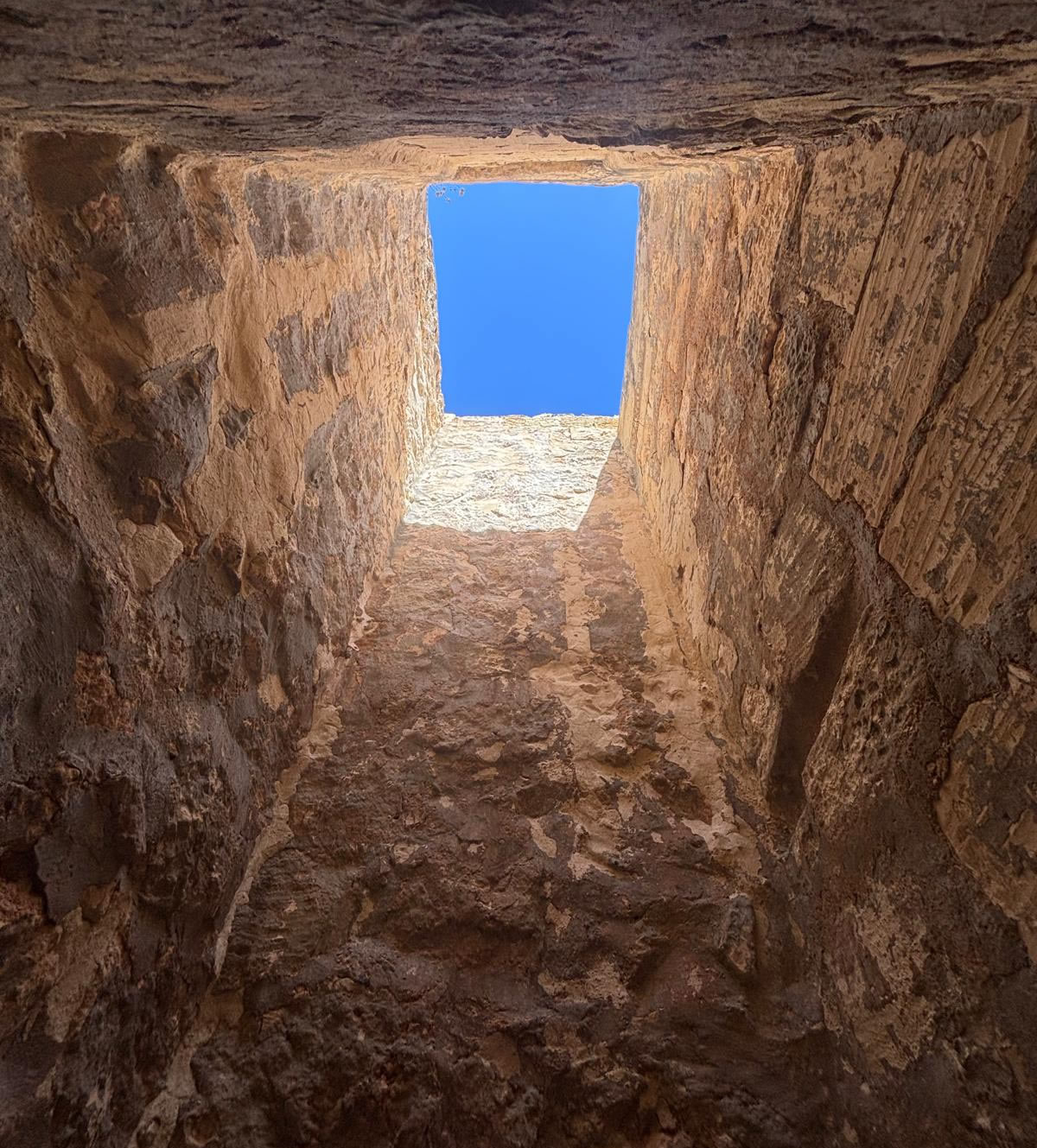
Later Use
Like other Lascaris towers, its defensive role diminished in the 18th century when Grand Master de Redin built a new series of stronger coastal towers.
Likely used occasionally for rural watch duties.
Today, the tower is in good condition and stands at Binġemma Gap, visible from the surrounding countryside.
Quick Facts
| Feature | Details |
| Built | 1637 |
| Builder | Knights of St John, Grand Master Lascaris |
| Type | Inland watchtower |
| Material | Local limestone |
| Purpose | Surveillance & signalling |
| Armament | None (watch post only) |
| Condition | Today, the tower is in good condition |
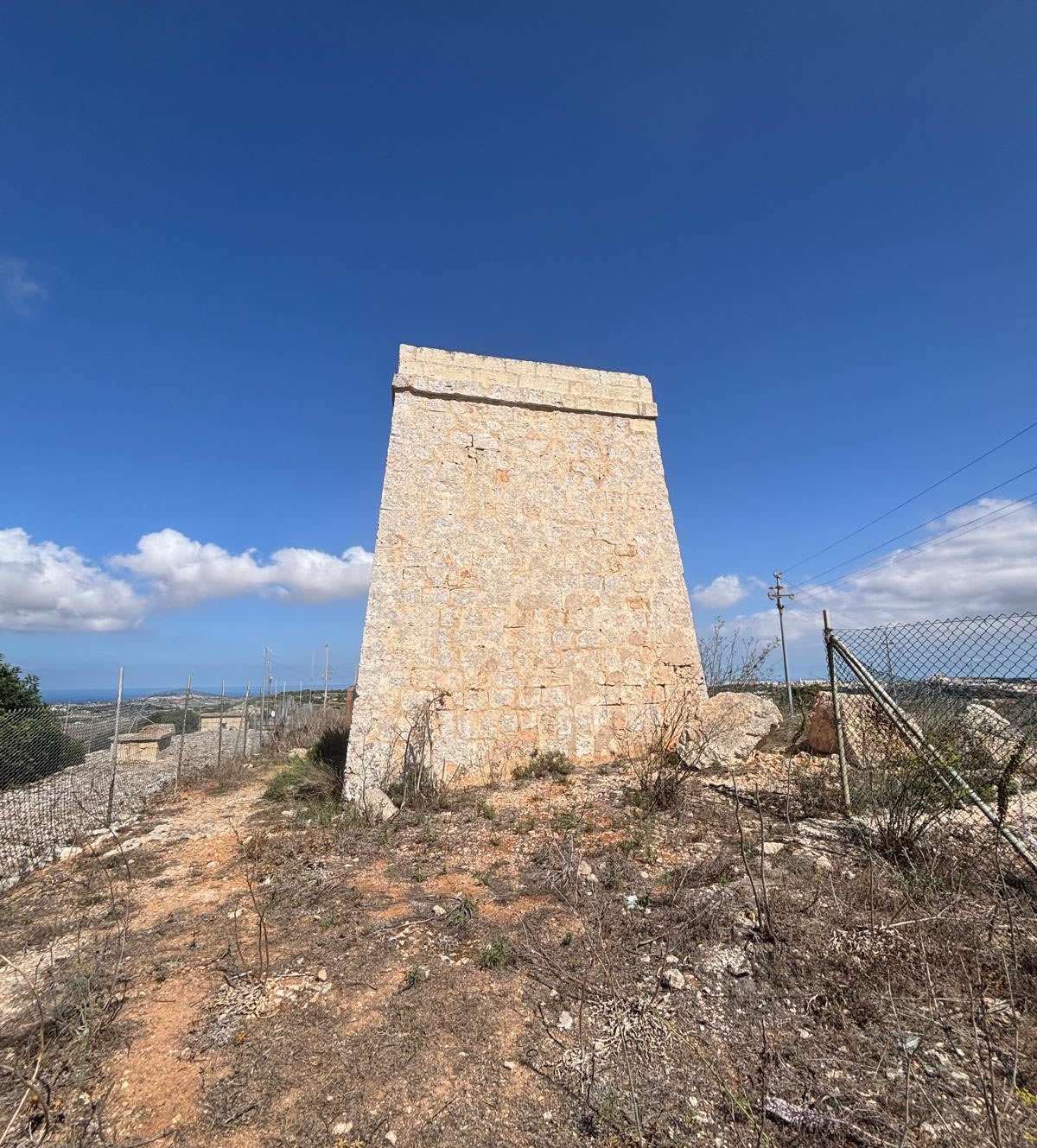
Nadur Tower is unique because, unlike most Maltese towers that face the sea, this one was deliberately placed inland at a strategic choke point—underlining how the Knights feared not just seaborne landings but also enemy movement across the island.
How to get there
Binġemma Gap, limits of Rabat/Mġarr
On a ridge road connecting Mġarr to Rabat.
Coordinates: 35.900625, 14.371268
The tower is isolated, standing on the roadside at the top of the pass.
By Car (easiest option)
From Mġarr centre:
Drive south on Triq il-Parroċċa → Binġemma Road (Triq Binġemma).
The road climbs steeply towards Rabat.
The tower is on the roadside near the crest of the ridge.
Driving time: ~5 minutes.
From Rabat centre:
Take Triq Buqana westbound, then follow signs towards Binġemma.
After about 10 minutes, you will pass through Binġemma Gap.
The tower will be visible on the left-hand side.
Parking: limited roadside space nearby.
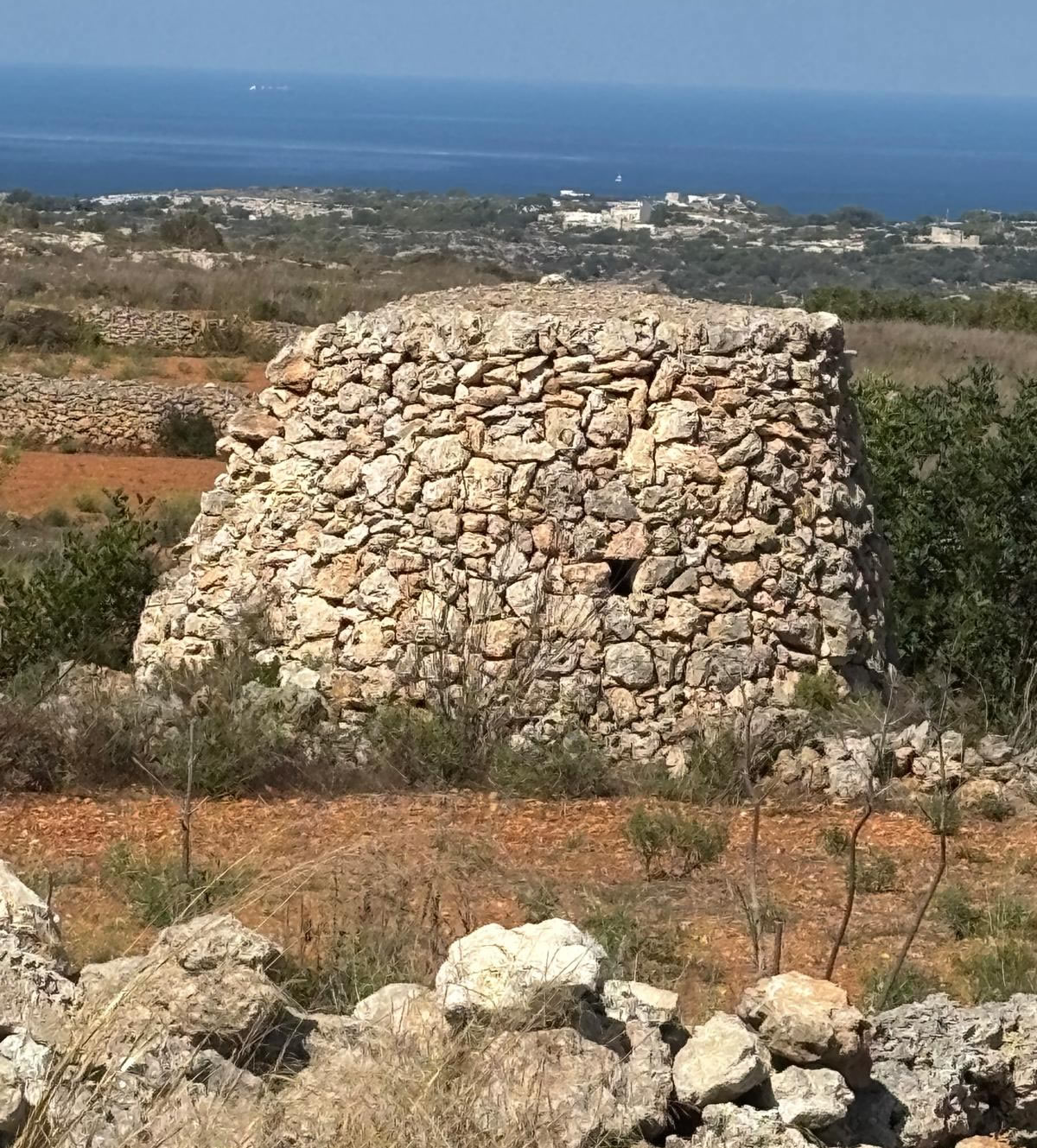
Opposite the tower
By Bus
There is no direct bus stop at the tower (it’s in a rural area). Closest options:
From Valletta: take Bus 51, 52, or 53 to Rabat.
From Rabat: take Bus 181 or 186 to Mġarr, then get off at Binġemma or Mġarr.
You’ll need to walk uphill (15–20 minutes) from the nearest bus stop to the tower along Binġemma Road.
Foot / Hiking
Nadur Tower can be reached as part of a country walk:
From Mġarr: ~25 min uphill walk.
From Rabat (Mdina area): ~40 min downhill walk.
The Binġemma Gap area is scenic, with views over the countryside and nearby Victoria Lines fortifications.