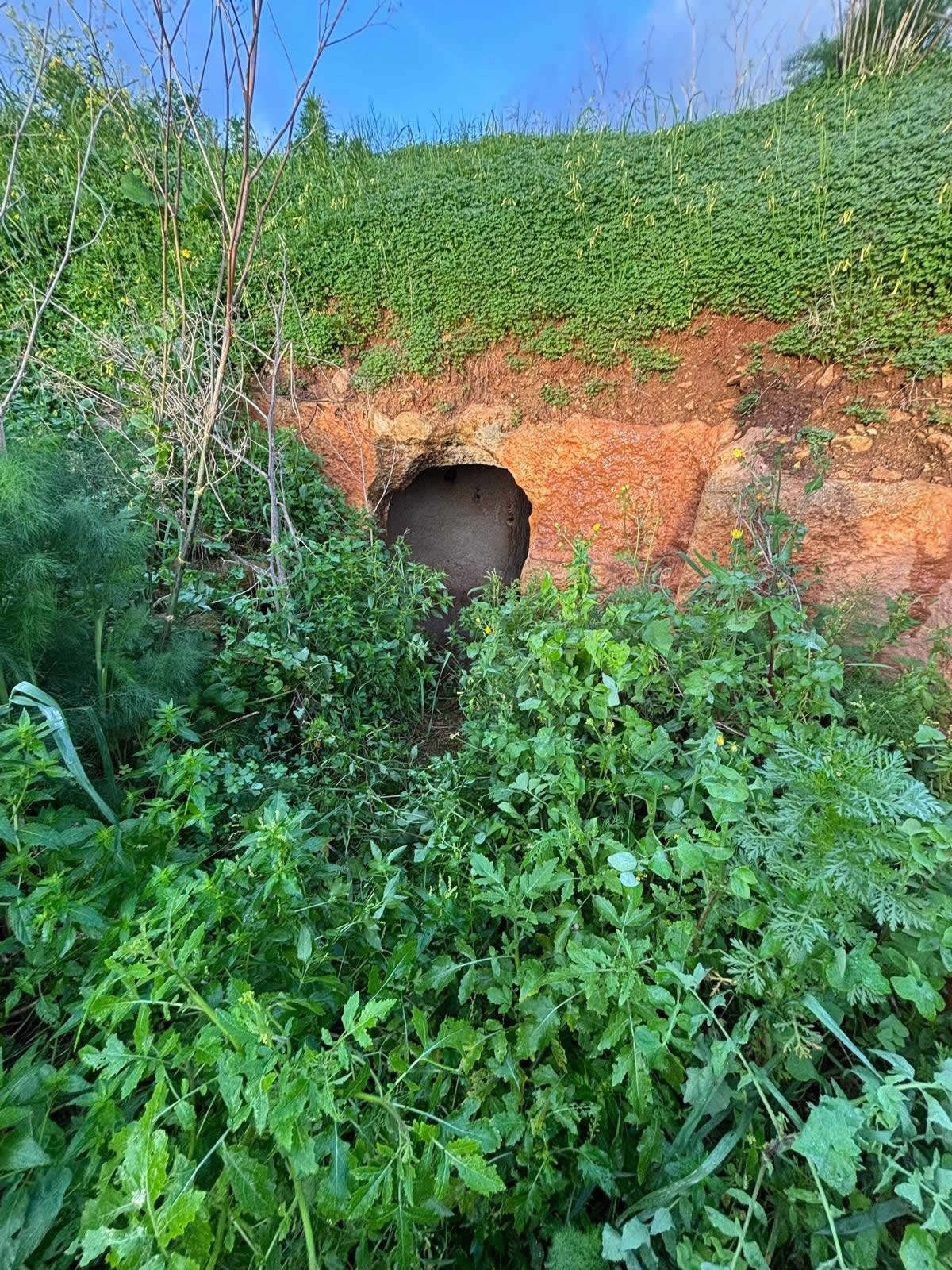
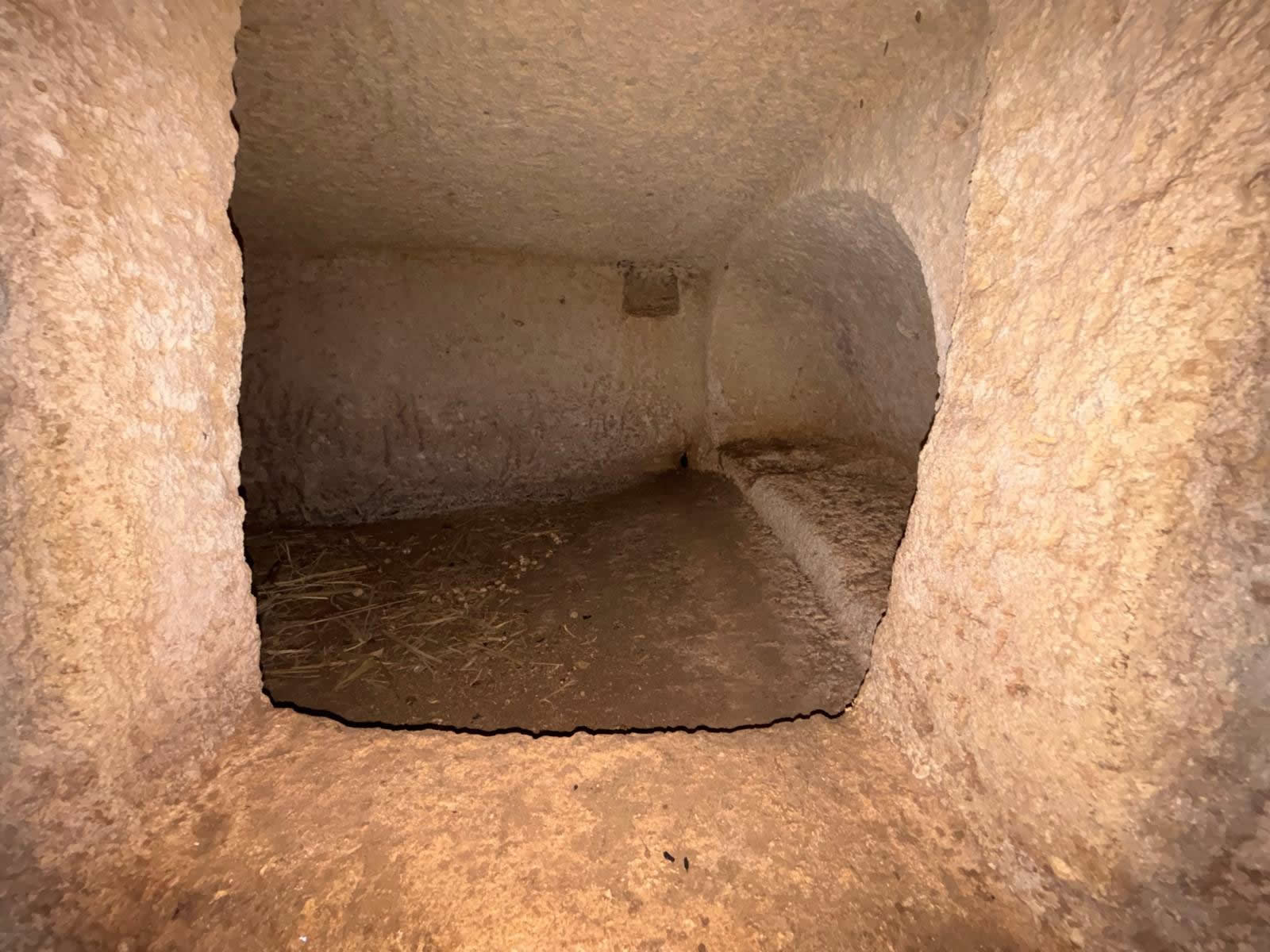
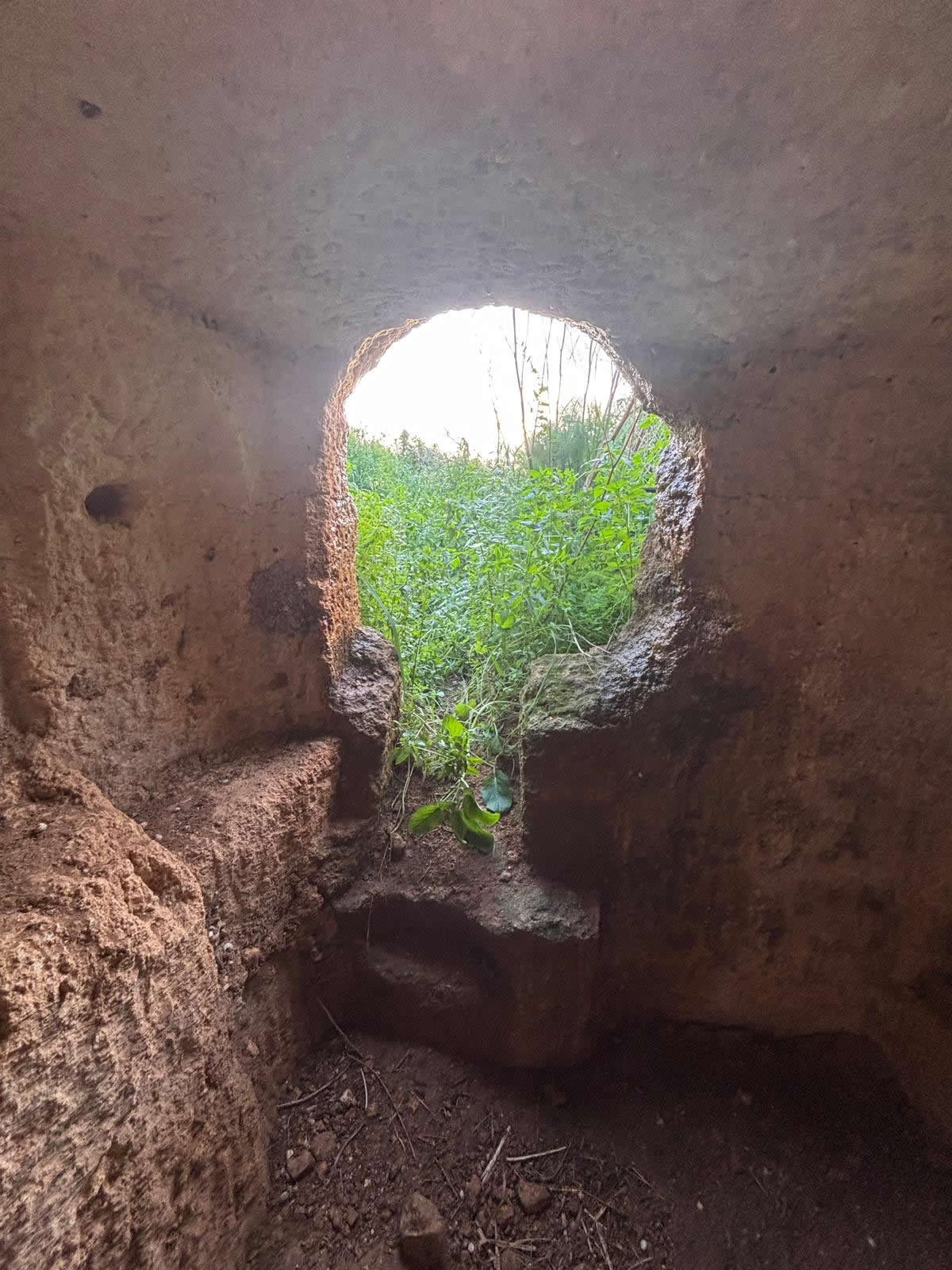
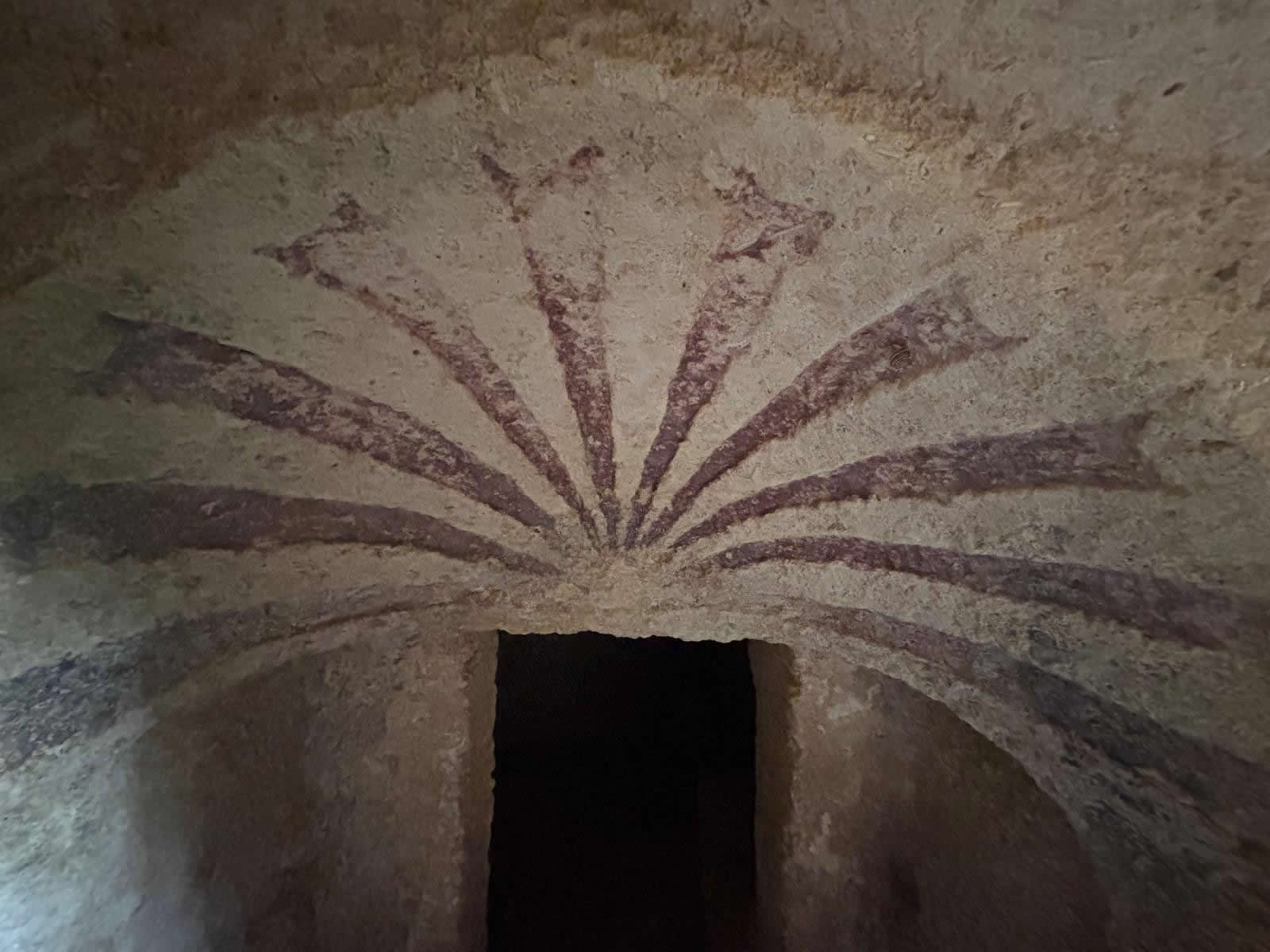
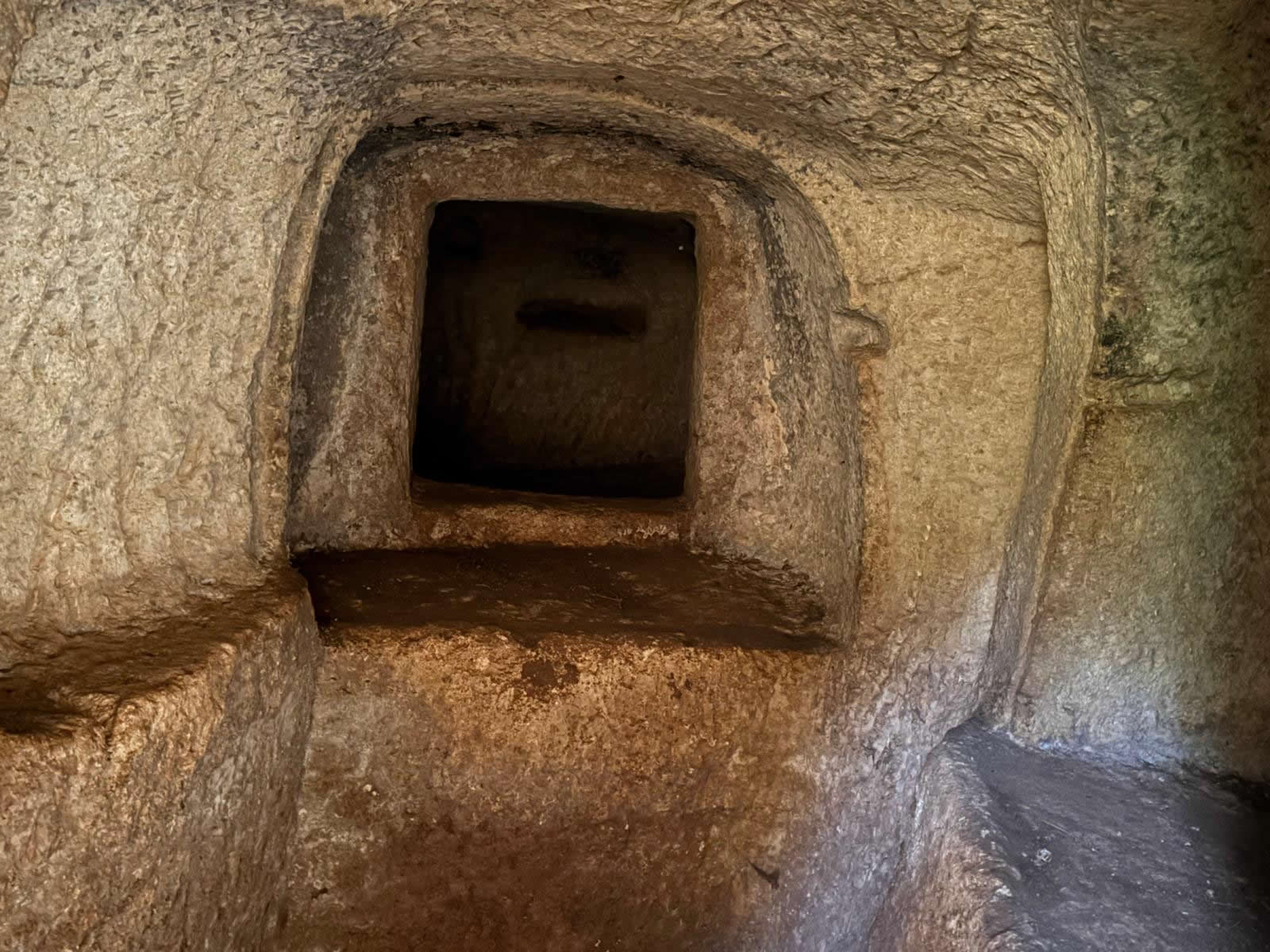
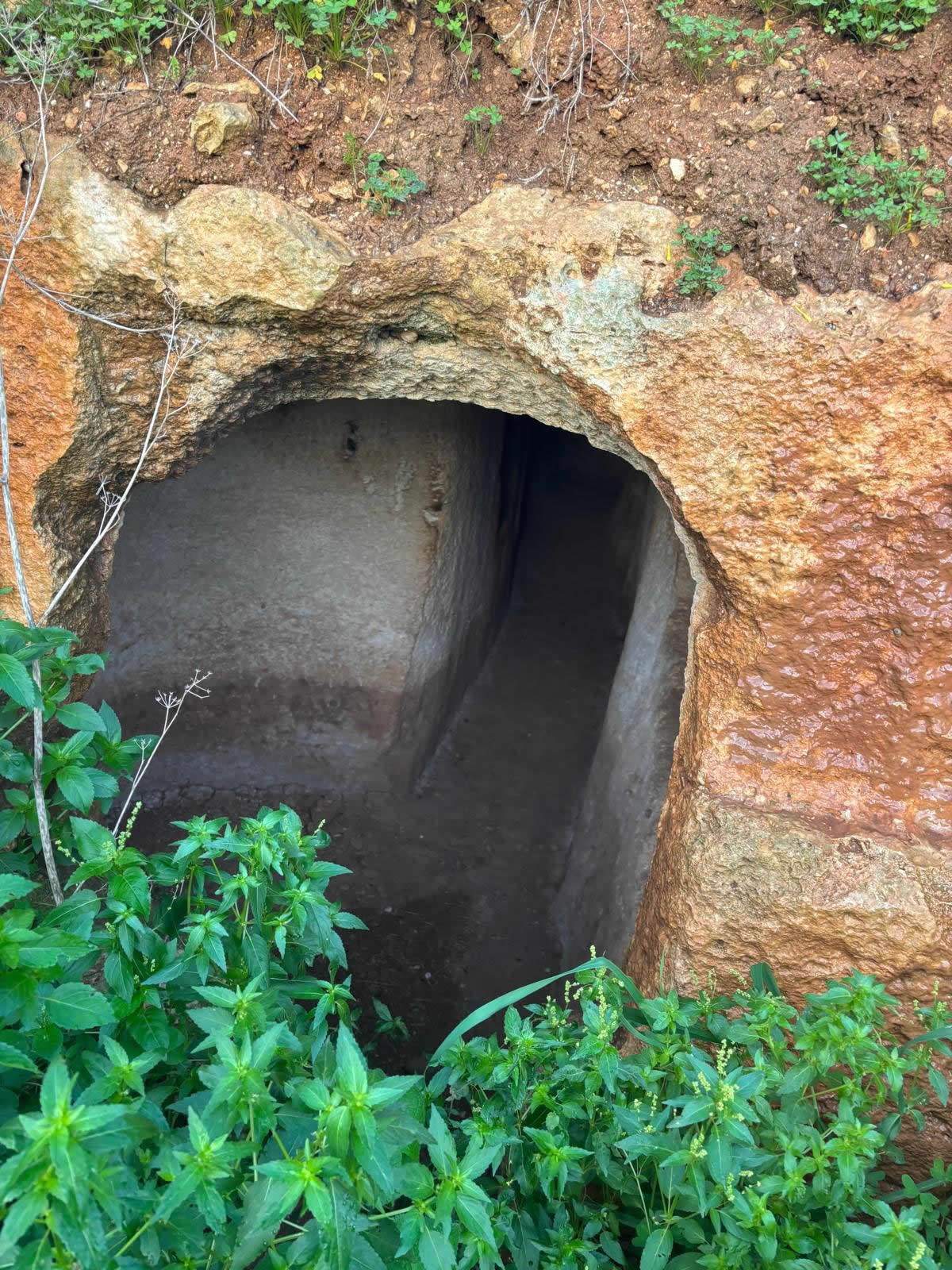
Hidden on the brow of Wied Magħlaq, this rock-cut family vault preserves a rare, atmospheric glimpse into Malta’s Phoenician–Punic burial traditions.
Overview
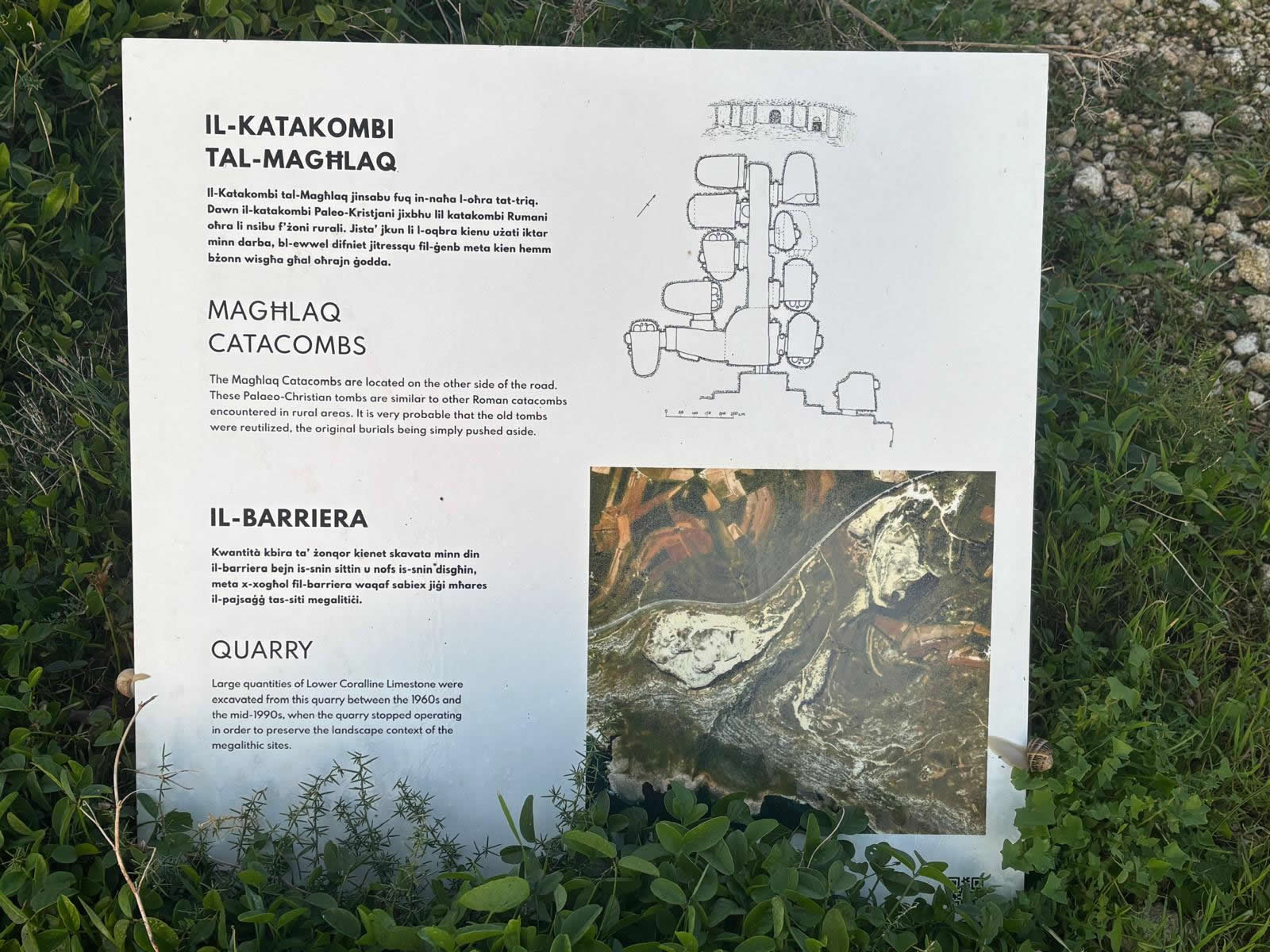
Often referred to informally as the Magħlaq “catacombs”, this site is better described as a set of
Phoenician/Punic rock-cut tombs (a family vault) carved into Maltese limestone. It lies in a rural tenement
traditionally known as Ħabel l-Abjad, on the brow of Wied Magħlaq, in the wider Qrendi temple-and-valley landscape.
c. 700–200 BC (broad): common attribution to Phoenician/Punic-era funerary practice in Malta.
1865: first recorded exploration by Dr L. Adams and Bishop Errington.
1893: surveyed (recorded survey work noted in heritage summaries).
Content note (for accuracy): the term “catacombs” is widely used in popular writing, but the structure is typically described as a
Phoenician/Punic rock-cut family vault rather than a late-Roman/Christian catacomb complex.
Full detailed history
1) The Phoenician and Punic context in Malta
In Malta, Phoenician settlement and trade networks are commonly dated from around the 8th–7th century BC, followed by the Punic period.
Burial practice in these centuries often involved rock-cut chamber tombs—an underground architecture that could be expanded into multiple
compartments for family use. Academic studies of Maltese rock-tombs describe Phoenician and Punico-Hellenistic necropolises as featuring shaft-and-chamber
forms and distinctive architectural detailing.
2) Why Magħlaq matters
The Magħlaq tombs are frequently singled out as a large, well-preserved example of this tradition in southern Malta. Their survival in a rural setting also
highlights how burial landscapes often occupied valley edges and elevated brows: places that were accessible, visible within a territory, yet outside
everyday habitation cores.
3) 19th-century discovery and recording (1865 and 1893)
Heritage summaries record that the Magħlaq vault was explored for the first time in 1865 by Dr L. Adams and
Bishop Errington, and later surveyed in 1893. These 19th-century interventions are typical of the period, when Maltese
antiquities were increasingly documented through exploration, sketching and early survey work.
Construction, layout and how the tomb was used
Cut into limestone
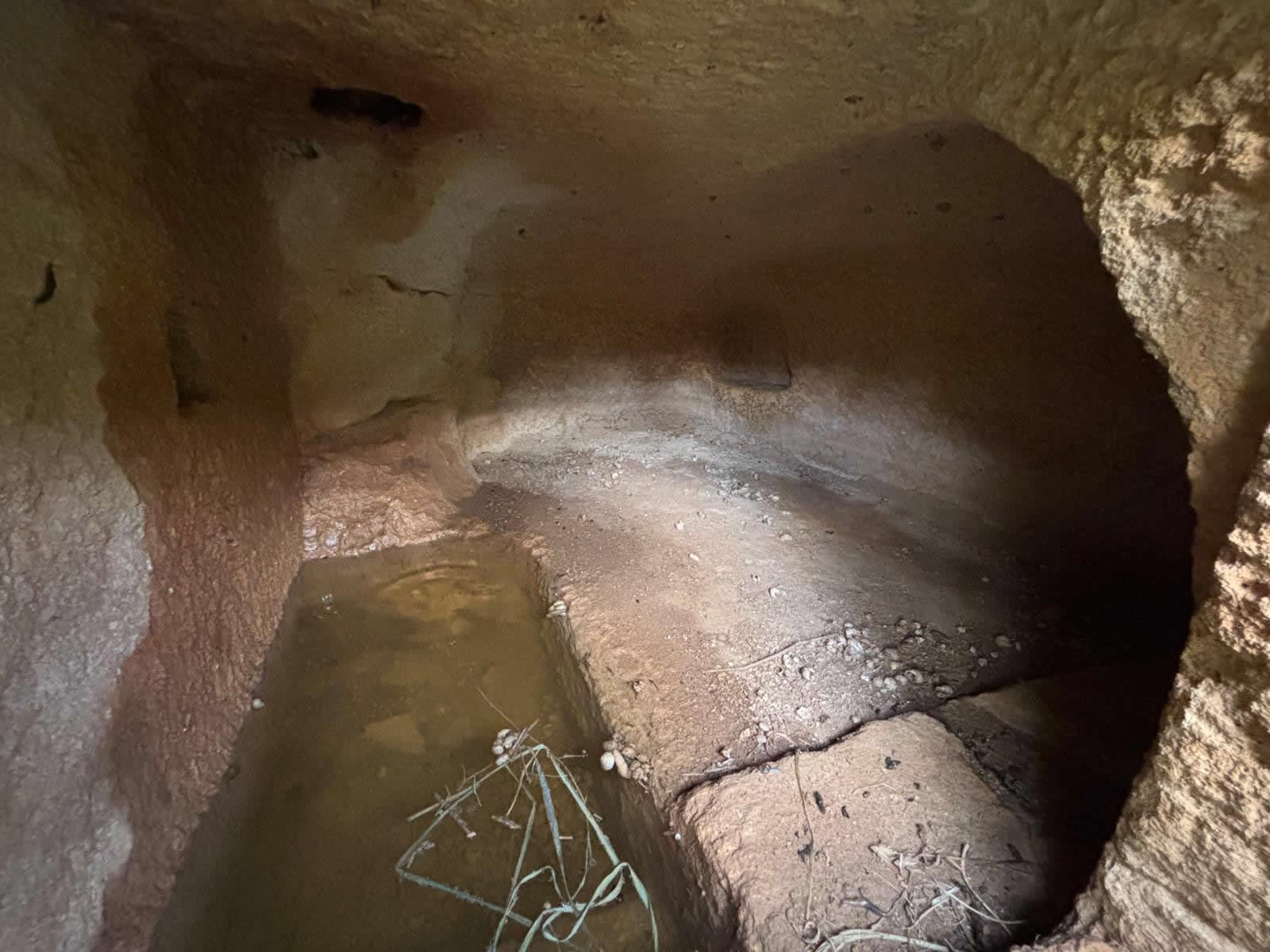
The tomb complex is cut directly into limestone bedrock. Rock-cut tomb construction generally proceeded by opening a shaft or entrance, then carving chambers
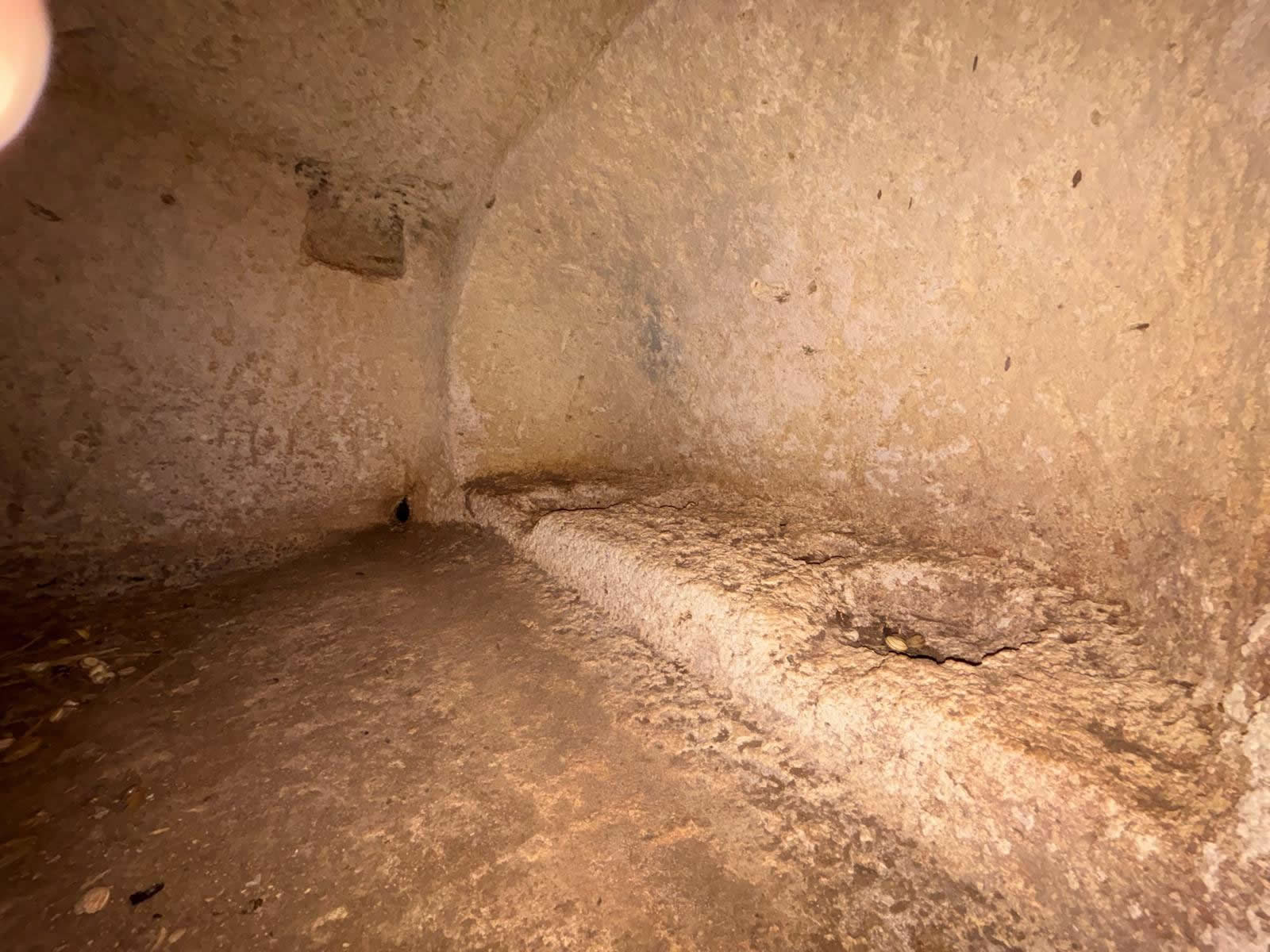
and burial cells (or benches) from inside—creating a durable subterranean space that could be reused for multiple interments.
Burial “cells” and closures
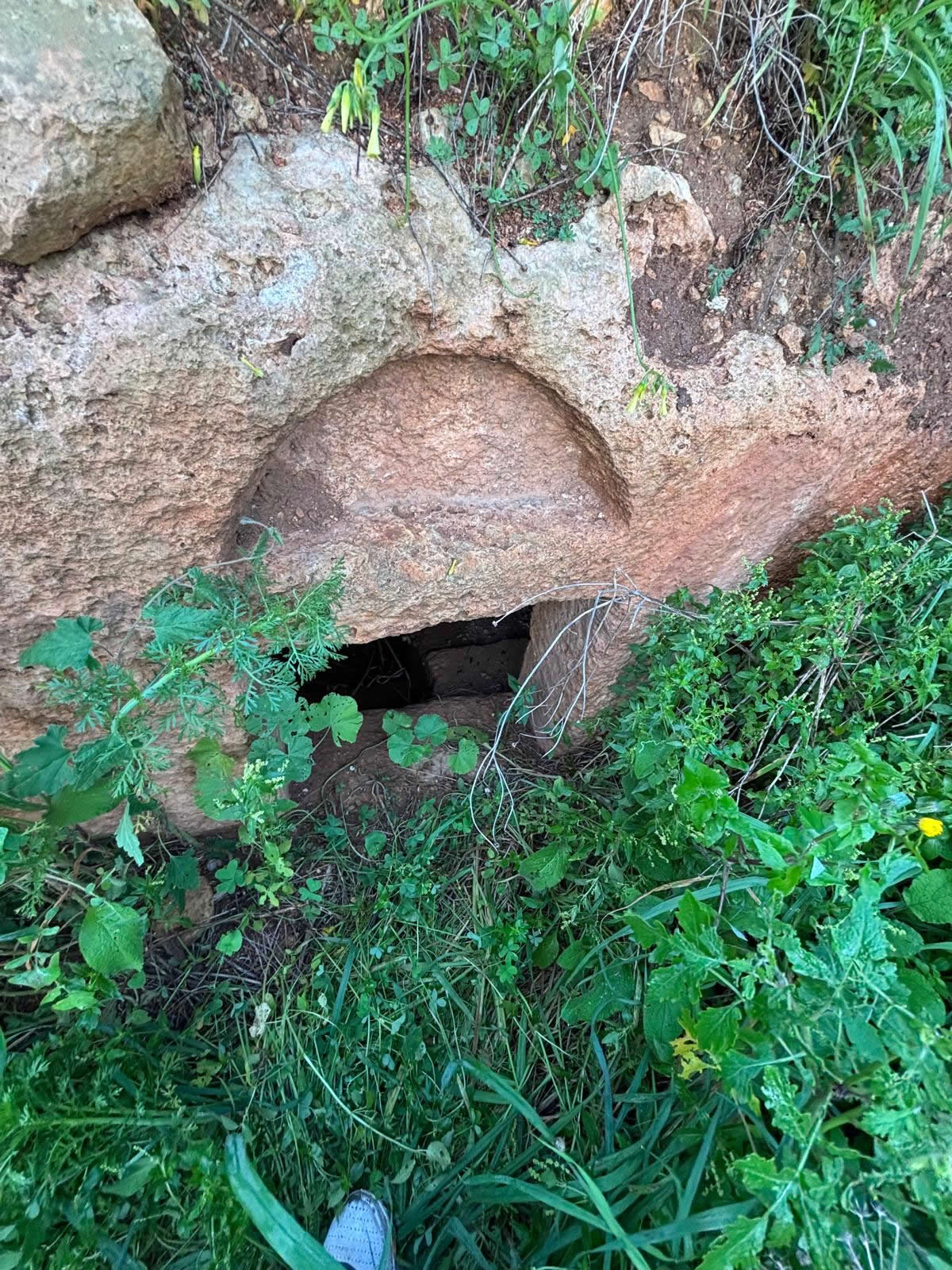
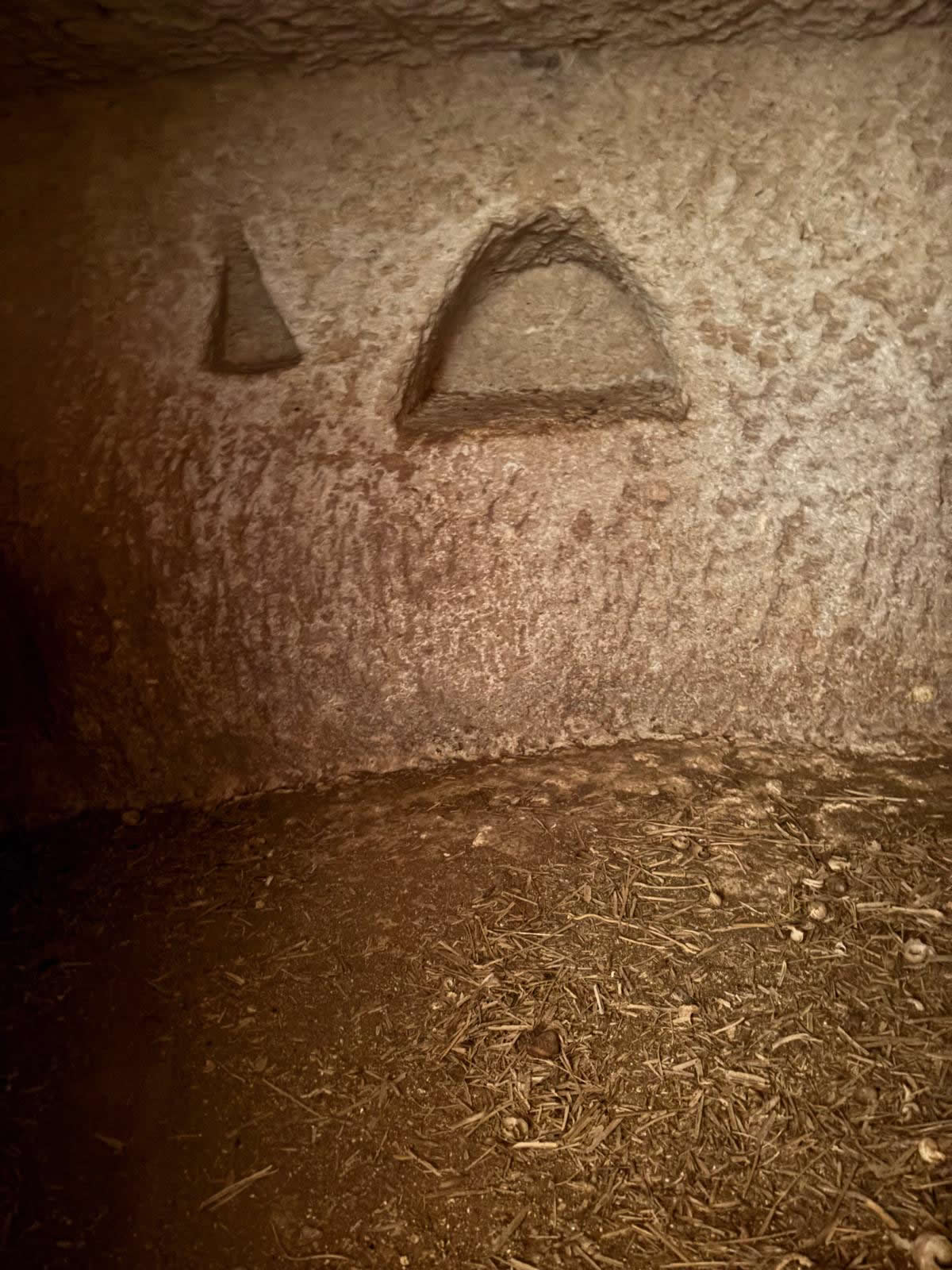
Descriptions of the Magħlaq tombs note fitted spaces for interments, including coffin-shaped hollows, and stone slab closures set in frames. Details such as
lateral hooks suggest that closures could be secured by bars—practical engineering intended to protect the dead and control access.
Primary function: a family vault
Unlike Christian catacombs (which are often communal and can include ritual dining/agape features), the Magħlaq complex is typically described as a
family vault—a burial space designed for repeated use by a kin group over time.
Landscape context: Ħabel l-Abjad, Wied Magħlaq and the Qrendi heritage zone
The tombs sit in the wider Qrendi archaeological landscape, within walking reach of major prehistoric sites and ancient water-management features. This makes
Magħlaq especially valuable for interpretation: it demonstrates how the same territory can contain layers of human activity—from Neolithic monumentality to
later Phoenician/Punic burial practice—each selecting different parts of the terrain for different needs.
Suggested internal links: link this page to your Il-Misqa tanks page and to your Mnajdra / Ħaġar Qim pages (if present),
using a “Wied Magħlaq heritage landscape” cluster.
Visiting and responsible access
Use the confirmed pin: 35.831099, 14.432917.
Respect the site: do not remove stones, scratch surfaces, or enter unsafe cavities.
Leave no trace: take litter away and avoid damaging rubble walls and vegetation.
Private land caution: many valley-edge paths cross agricultural holdings—be respectful and avoid trespass.
Explore more catacombs and rock-cut tombs on Emalta