Location Map Coordinates 35.881711, 14.399027
Beneath the Pauline complex in Rabat—beside St Paul’s Grotto and accessed through the Wignacourt Museum—lies a compact but historically rich underground landscape: Roman-era hypogea and early Christian catacomb spaces, later intersected by World War II air-raid shelters.
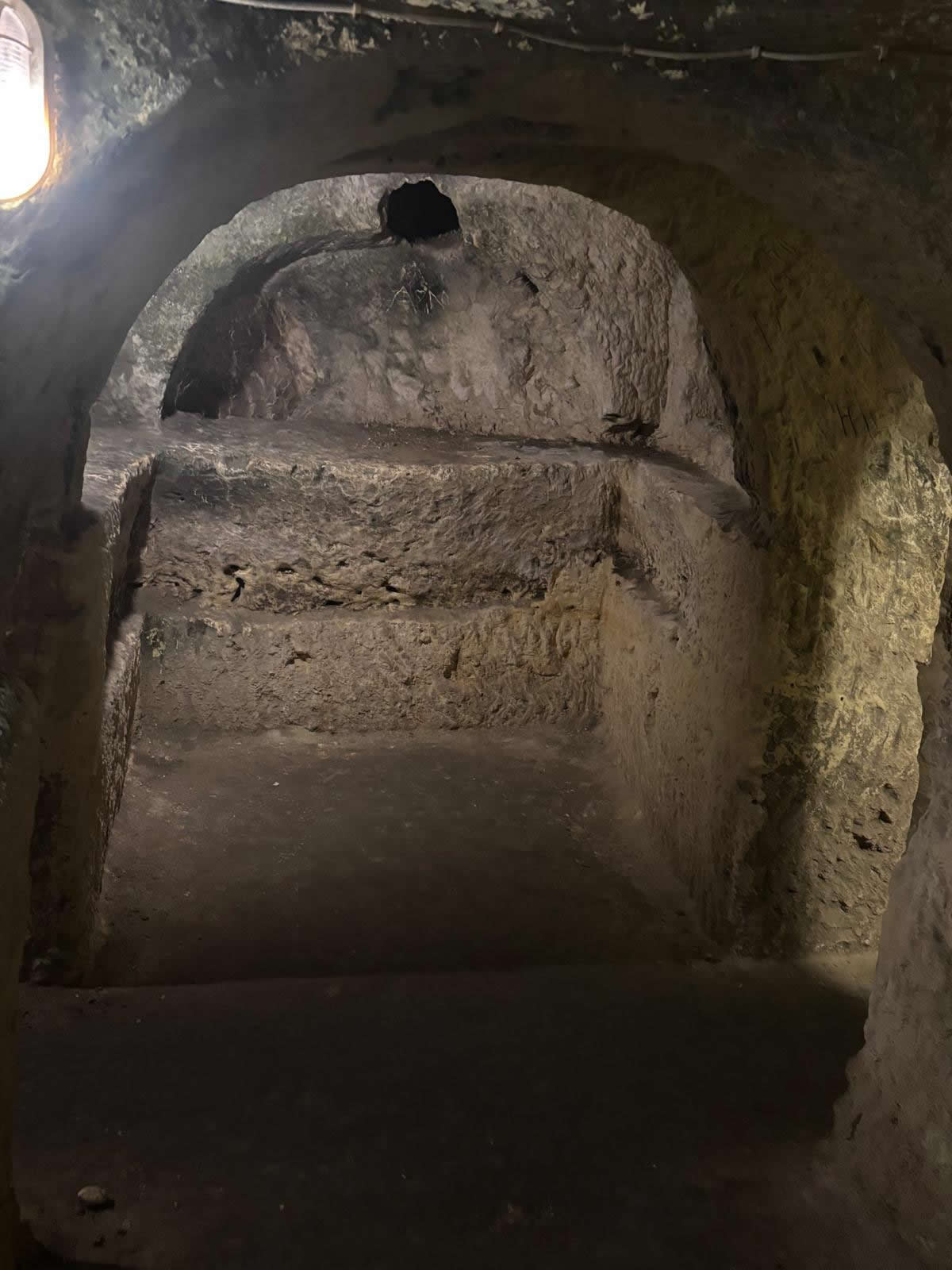
35.881694, 14.399028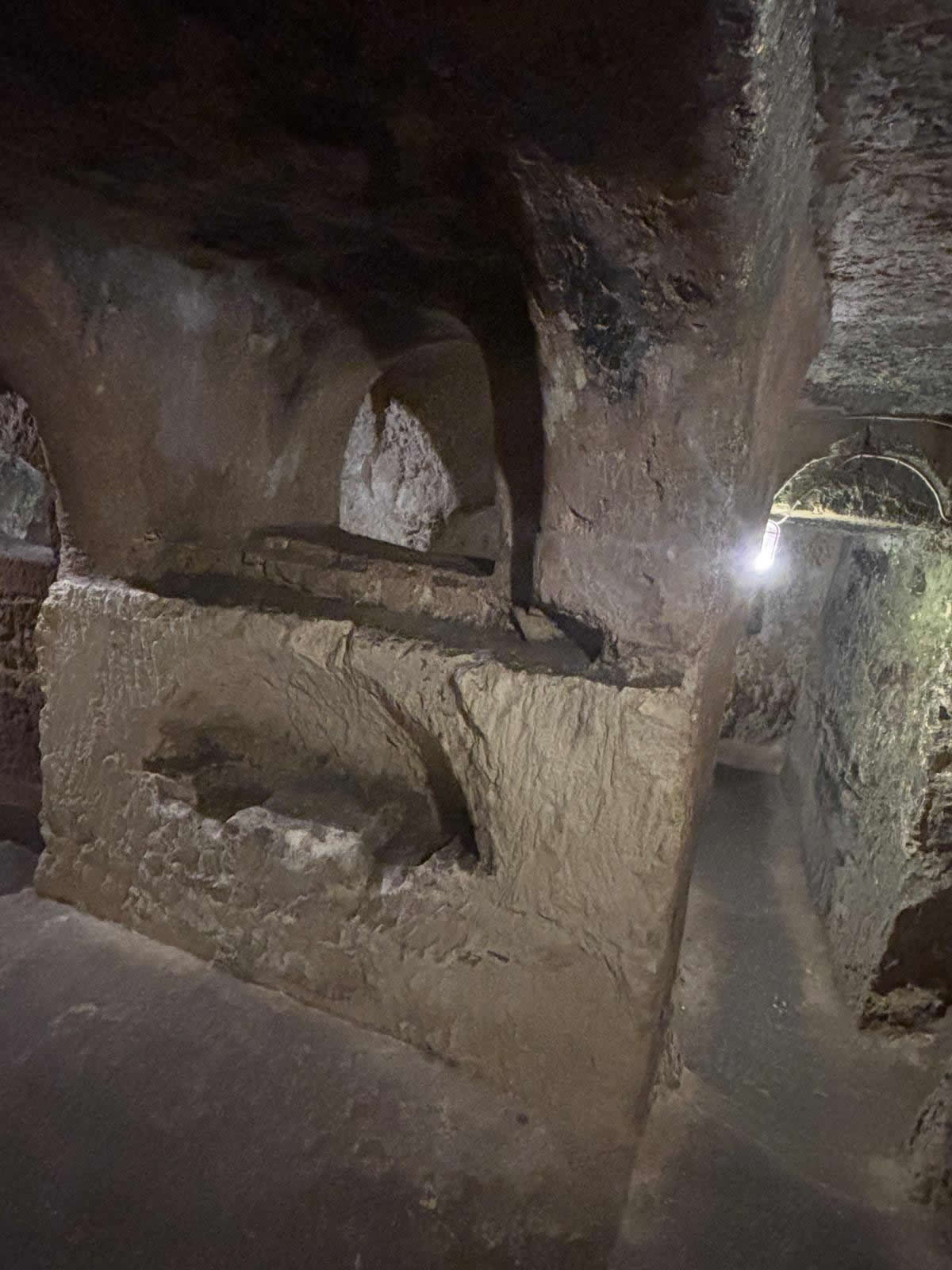
Planning note: the best way to experience these catacombs is as part of the combined route through the Wignacourt Museum and St Paul’s Grotto.
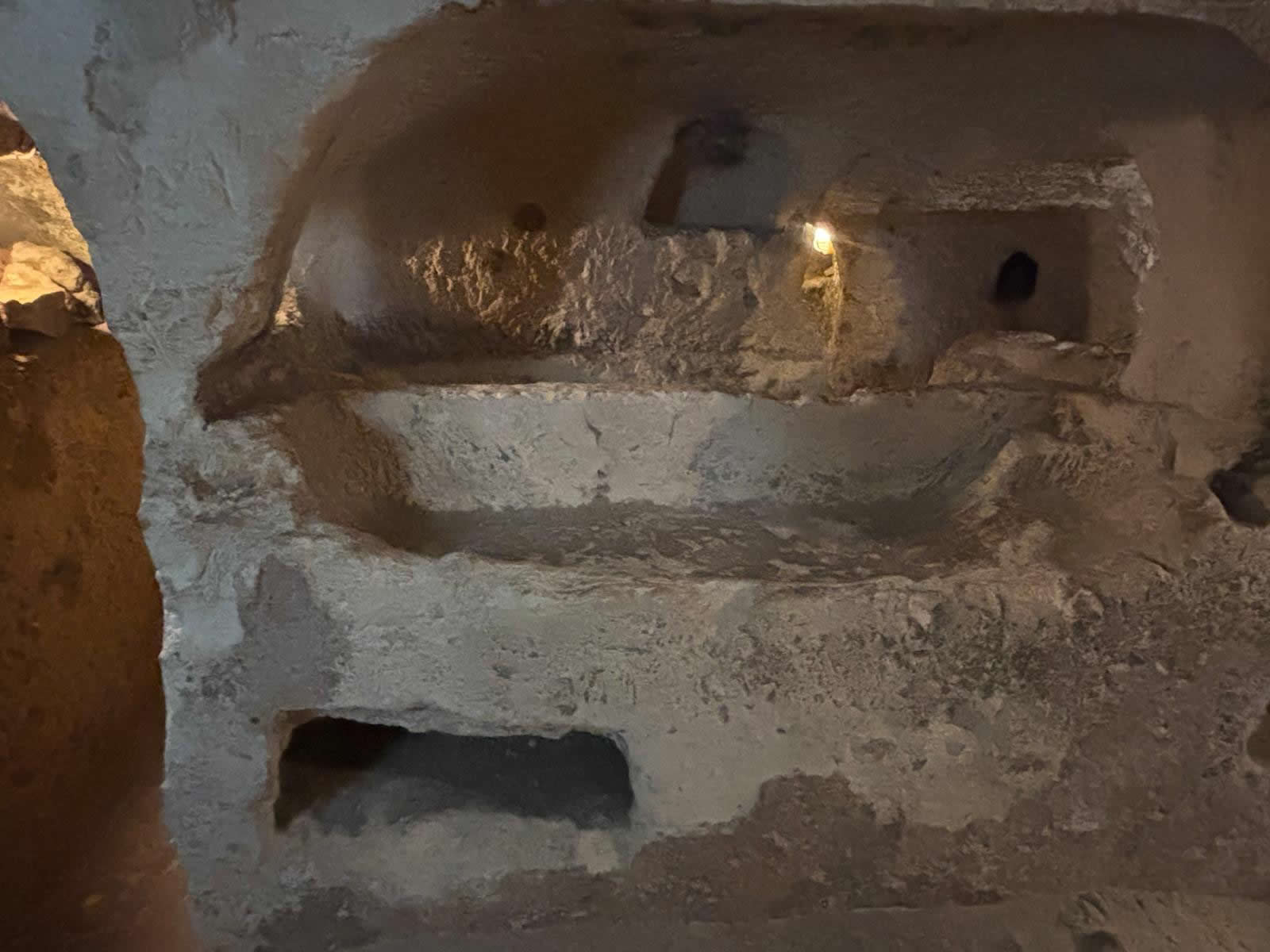
Overview
The “catacombs next to St Paul’s Grotto” are best understood as a local cluster of subterranean tombs within the Roman-period burial landscape of Rabat—an area where ancient cemeteries developed outside the city core. The Wignacourt Museum describes this catacomb area as a small part of a larger labyrinth of underground tombs in the immediate vicinity of St Paul’s Grotto.
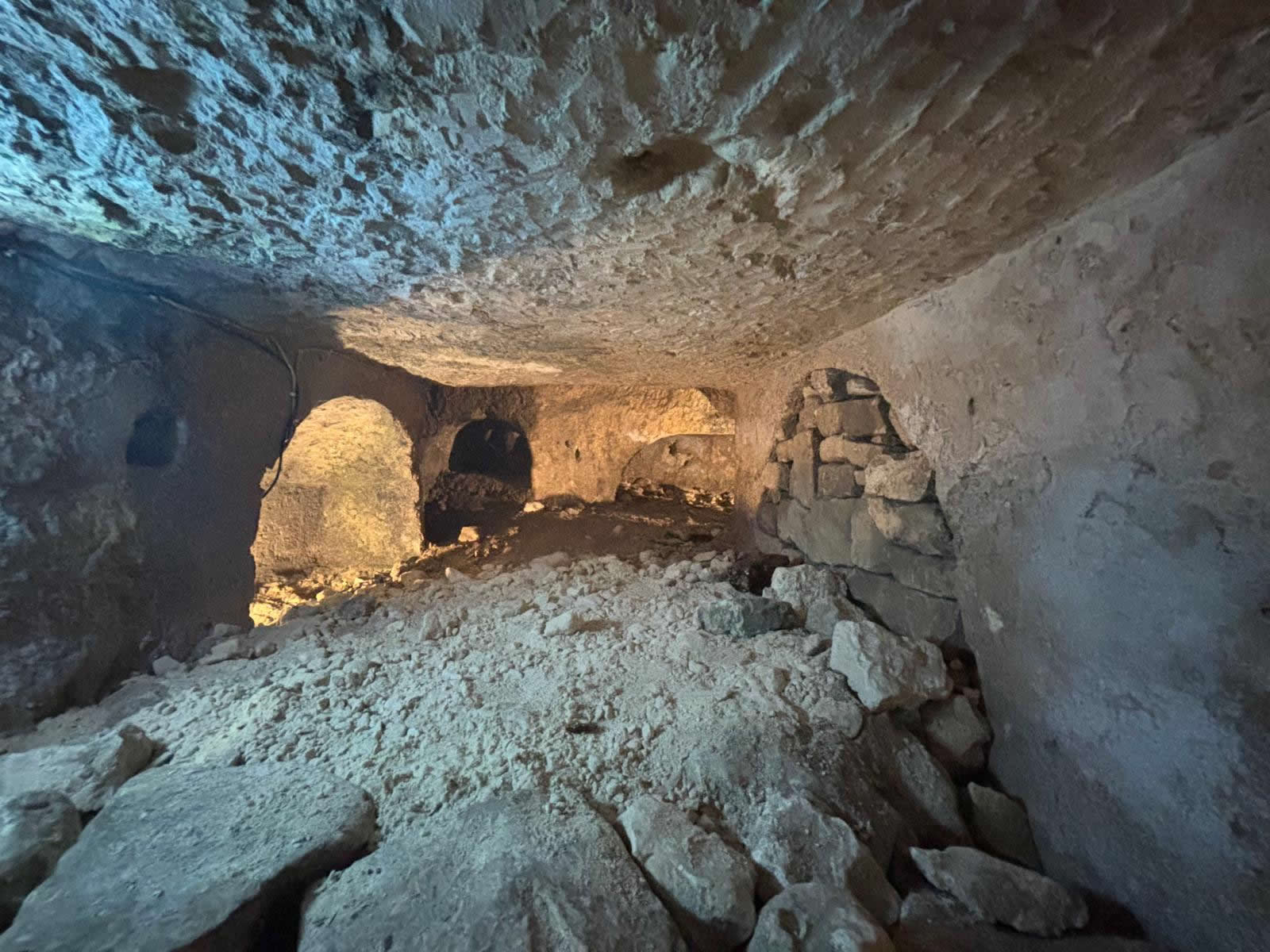
What are these catacombs?
In Maltese archaeology, the word “catacombs” often covers a variety of underground spaces used for burial and commemoration: rock-cut chambers (hypogea), corridors, loculi (niches), and more elaborate tomb forms. In Rabat, these developed as a cemetery landscape over centuries, sometimes expanding by linking or enlarging earlier units.
Full history with key dates & phases
- Roman-period cemetery landscape (context): Rabat and the Mdina plateau formed part of the ancient urban area, and burials typically took place outside the core settlement—creating necropolis zones with hypogea and tomb clusters.
- 3rd century AD (confirmed earliest phase for this “Grotto-area catacombs” route): the catacombs in the immediate area of St Paul’s Grotto are described as 3rd-century AD subterranean tombs and part of the Roman necropolis.
- Late Roman into early Christian reuse (probable multi-phase pattern): Maltese catacomb landscapes are widely described as developing from earlier tomb clusters/hypogea that were enlarged and joined over time, then used in late Roman/early Christian contexts.
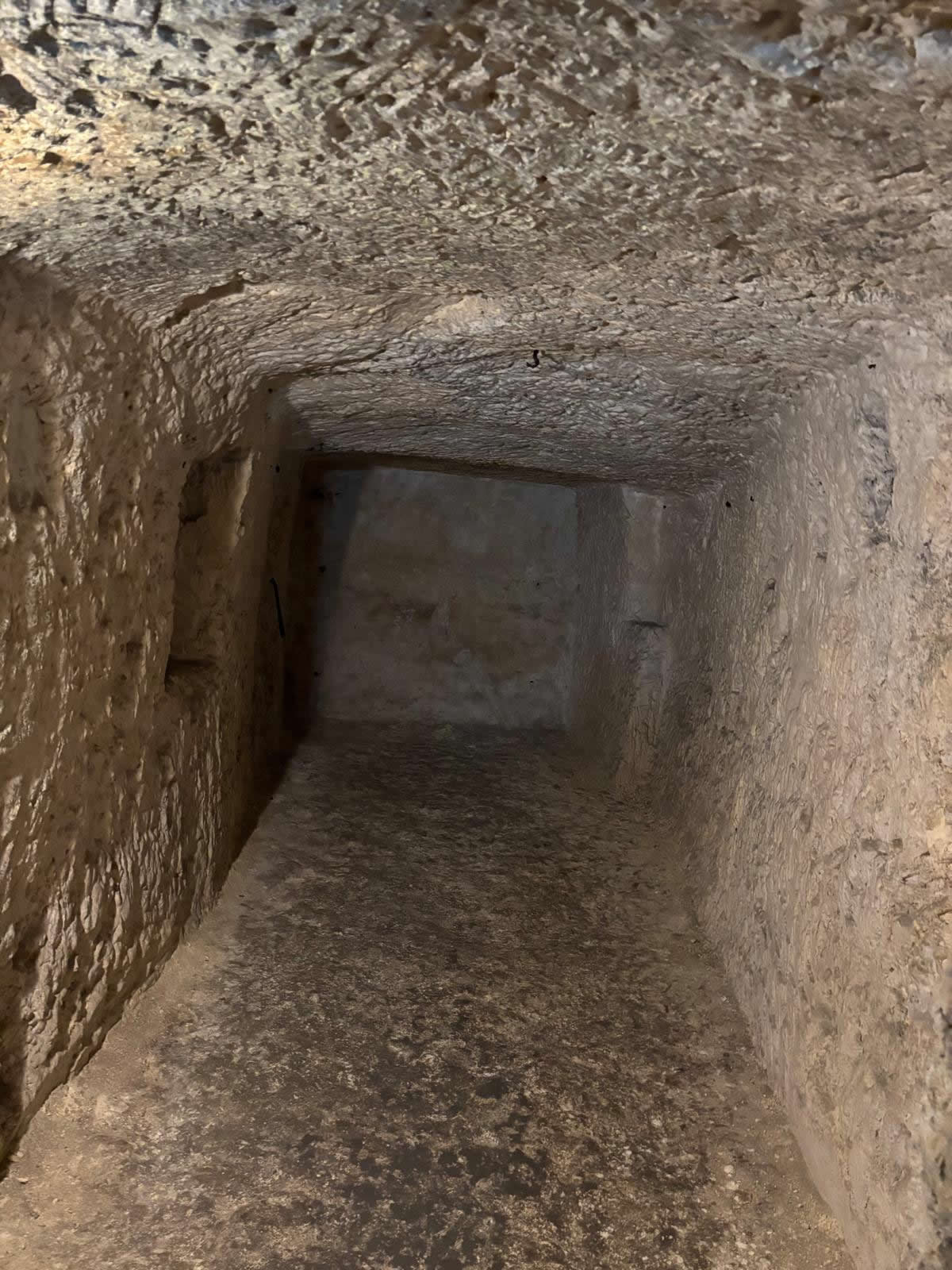
- Second World War (1939–1945): the underground complex was adapted with air-raid shelters—corridors and rooms cut into the rock to provide refuge during raids, later preserved as part of the visitor route.
- Modern heritage presentation: the catacombs are interpreted today as part of the integrated visitor experience with the Wignacourt Museum and St Paul’s Grotto.
Construction & archaeology
These catacombs were created by cutting into limestone bedrock to form burial chambers and connecting corridors. Over time, earlier tombs could be enlarged and linked, producing a “patchwork” underground landscape rather than one single planned monument.
Rock-cut hypogea
Individual burial chambers carved from bedrock, sometimes forming small clusters that later became connected.
Incremental enlargement
Many Maltese catacomb complexes reflect gradual growth: new chambers cut beside existing ones, and corridors opened between them.
What you’ll see (contents)
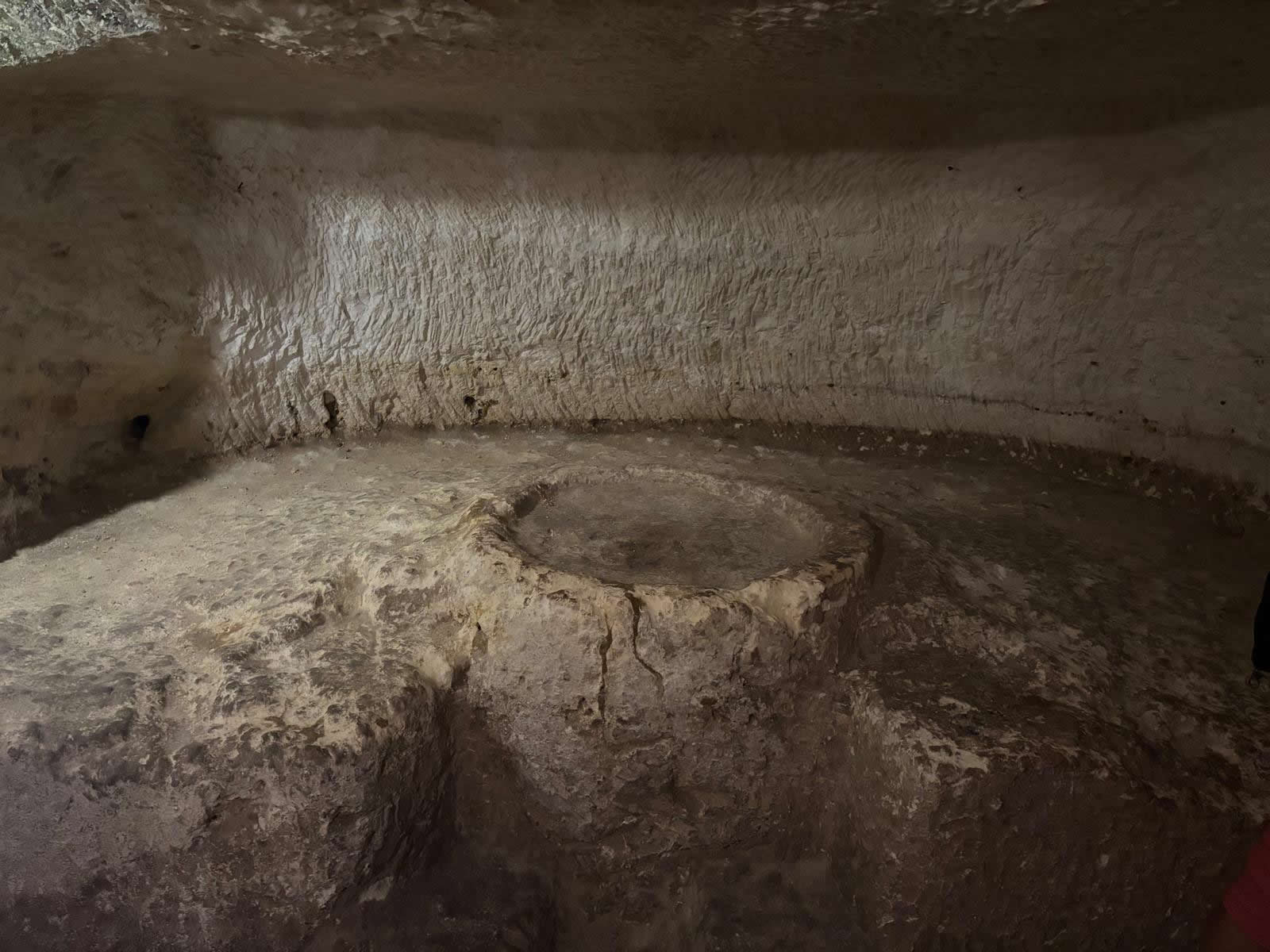
The Grotto-area catacombs are not “decorated galleries” in the modern sense; their interest lies in their architecture of burial— how spaces were carved, how bodies were placed, and how commemoration took place underground.
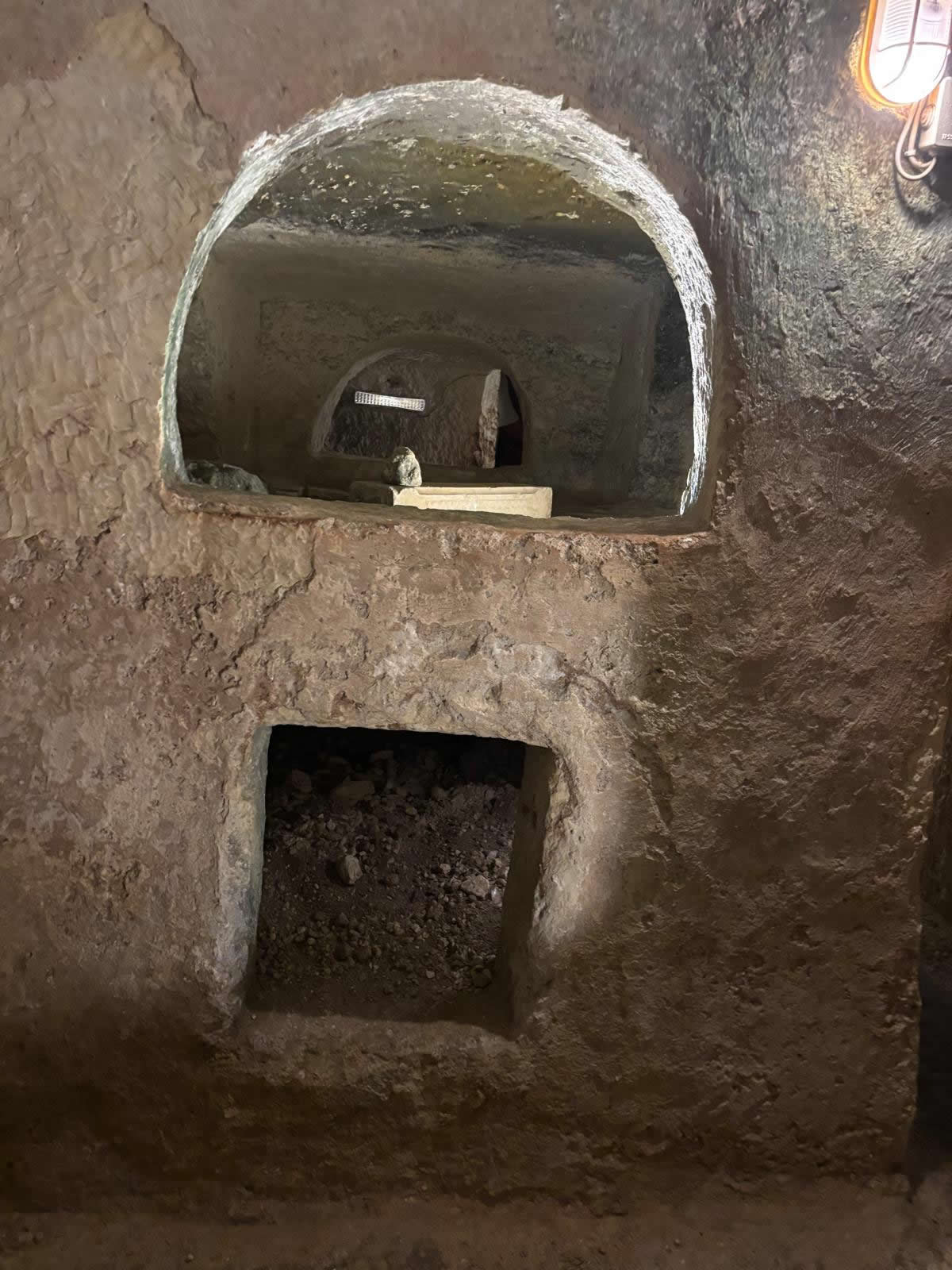
- Rock-cut burial chambers of varying sizes and shapes.
- Burial niches and tomb forms typical of local hypogea traditions (visibility varies with lighting and preservation).
- Circulation corridors linking chambers into a small walkable route.
- Interpretive points explaining Roman/early Christian burial practice and later WWII adaptation.
How the catacombs were used
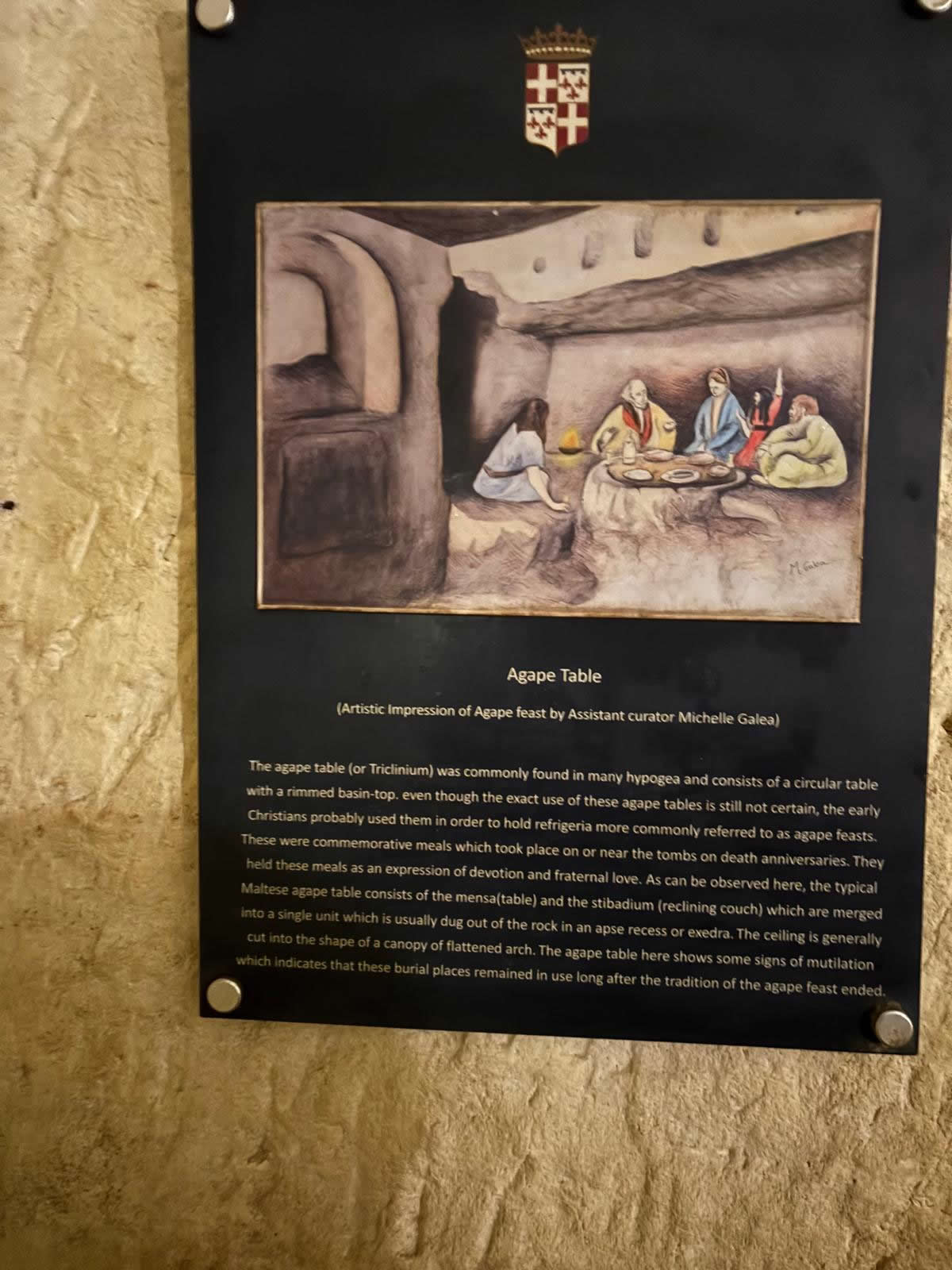
The primary function of these underground spaces was burial, within the wider necropolis area of Rabat. Over time, reuse and shifting practices are typical: chambers could be reopened, extended, or reinterpreted by later communities. In early Christian contexts, underground cemeteries also became places of memory, pilgrimage, and commemoration—especially where local tradition connected them to Pauline sites.
World War II shelters: the modern layer
During the Second World War, the underground was adapted as a refuge system. Visitors commonly experience this layer as separate corridors and rooms cut for air-raid shelter use—evidence of how Malta’s ancient rock-cut spaces were repurposed to meet modern survival needs.
Visitor tips
- Footwear: wear shoes with good grip—stone floors can be uneven and polished in places.
- Comfort: underground spaces can feel cool; a light layer helps year-round.
- Photography: low light is common—avoid flash where restricted and consider steady, low-light settings.
- Accessibility: expect steps and tight passages typical of rock-cut sites.
- Respect: do not touch fragile surfaces or attempt to enter closed side-chambers.
FAQ
Are these the same as Heritage Malta’s St Paul’s Catacombs?
No. Heritage Malta’s St Paul’s Catacombs are a larger separate complex in Rabat. This page covers the catacombs beside St Paul’s Grotto accessed as part of the Wignacourt Museum / Pauline complex.
When were these catacombs built?
The catacombs in the immediate area of St Paul’s Grotto are described as 3rd-century AD subterranean tombs forming part of the Roman necropolis. Like many catacomb landscapes, they were likely expanded and reused across later periods, and were adapted with WWII shelters during the Second World War.
What is the “most unique” thing to look for?
Look for how the underground space changes from ancient burial architecture to the more utilitarian WWII shelter corridors—two very different eras sharing the same rock.
Related: Wignacourt Museum (Rabat) • Rabat, Malta