📍 Location
Location Map Coordinates 35.904690, 14.449150
Introduction
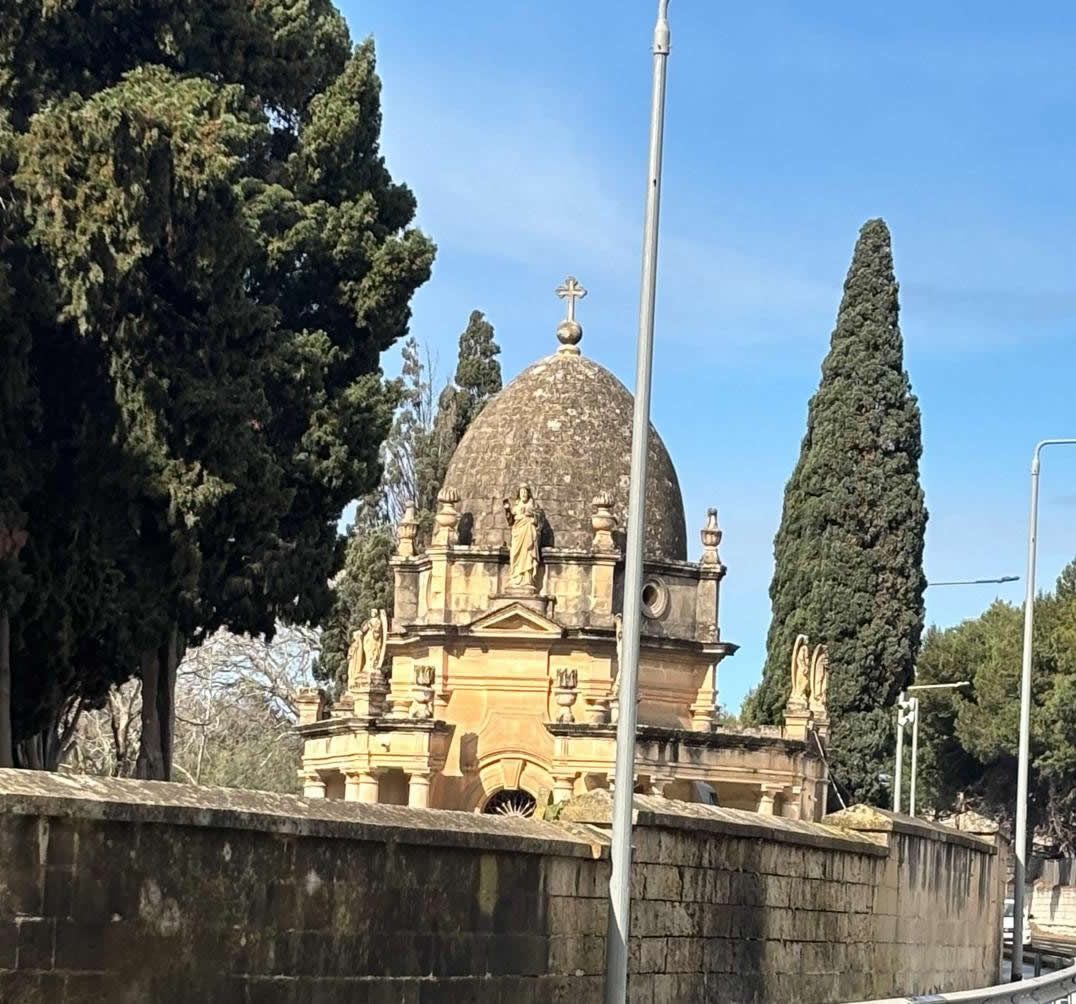
The Lija Cemetery Chapel is a small but historically significant religious structure located within the cemetery grounds of the village of Lija in central Malta. The chapel forms an integral part of the village’s funerary landscape and reflects centuries of religious tradition surrounding burial and remembrance in the Maltese Islands.
Like many cemetery chapels throughout Malta, the building served both practical and spiritual purposes. It provided a place for funeral prayers, memorial services, and religious ceremonies connected with the burial of the dead. These chapels often became focal points within cemetery grounds, linking the spiritual life of the community with the solemn rituals associated with death and remembrance.
The Cemetery of Lija
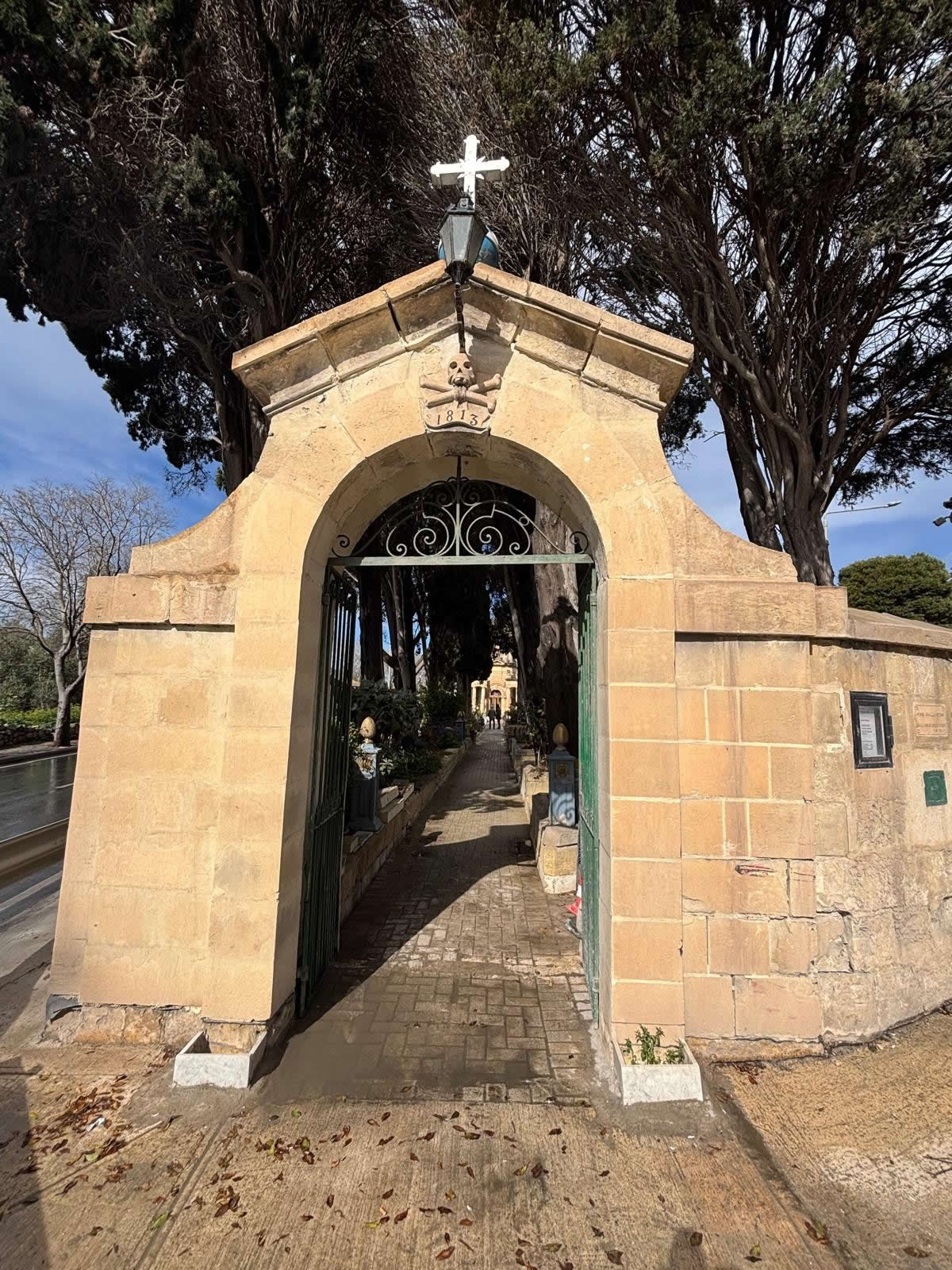
The cemetery in Lija developed during a period when burial practices in Malta were gradually shifting away from interment within church buildings toward designated burial grounds outside village centres. This transformation occurred particularly during the eighteenth and nineteenth centuries as health regulations and urban development encouraged the establishment of organised cemeteries.
In many Maltese towns the cemetery was established on land already considered sacred or historically connected with earlier religious structures. In some cases the burial grounds were located on sites where medieval churches or chapels once stood, reinforcing the spiritual significance of the location.
The Lija cemetery thus became the principal burial place for residents of the village and the surrounding rural areas.
Foundation of the Cemetery Chapel
The cemetery chapel was constructed to serve the liturgical needs of funeral ceremonies and memorial prayers. Such chapels were typically designed as modest structures containing a simple altar and limited seating space.
Although the exact date of construction of the Lija Cemetery Chapel is not always precisely documented, its architectural characteristics suggest that it belongs to the period when organised village cemeteries were being developed in Malta during the nineteenth century.
During this period many Maltese cemeteries were built with small chapels or porticos that allowed clergy to perform funeral rites before burial. These structures often became central features within the cemetery layout.
Architecture
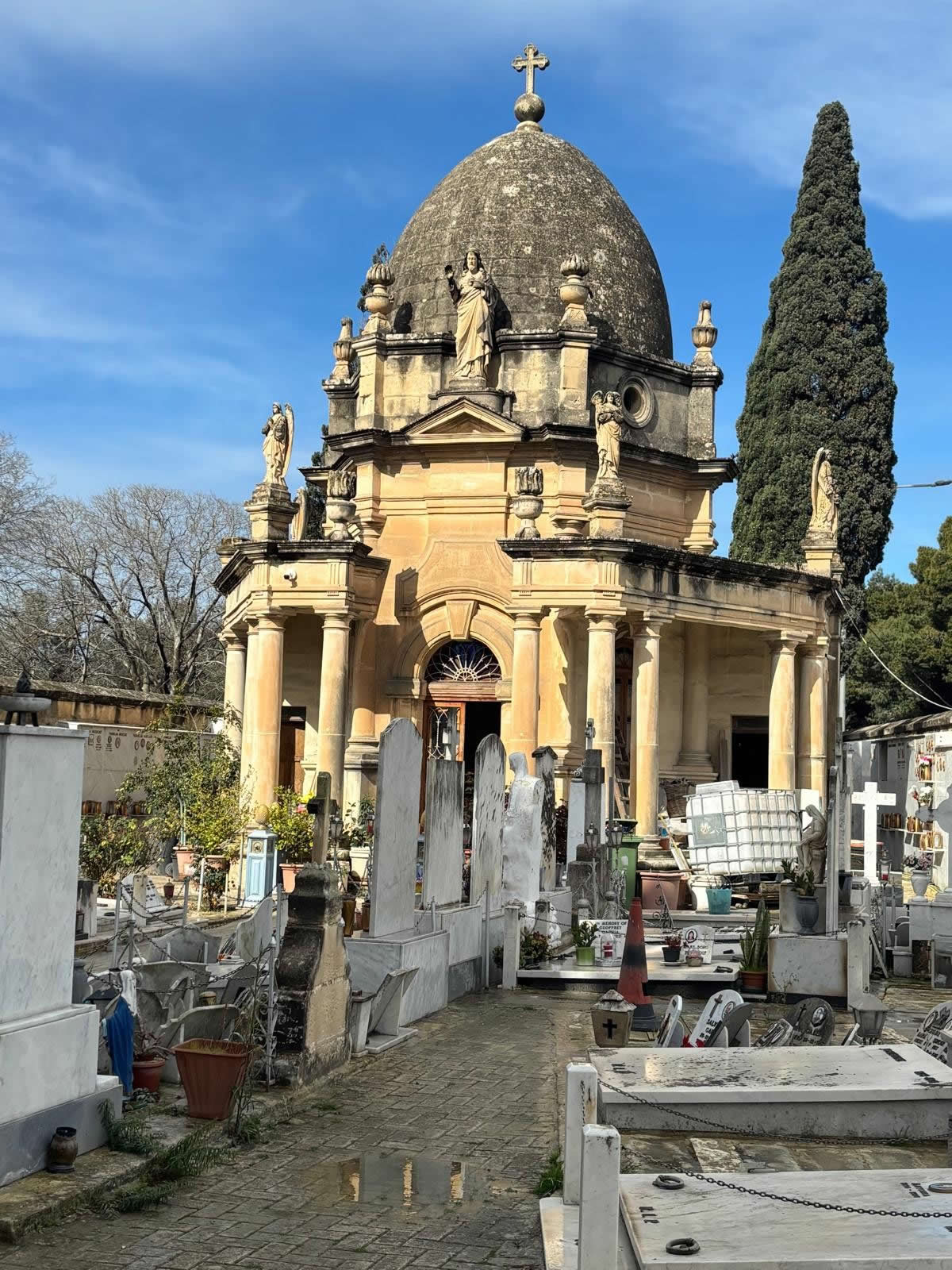
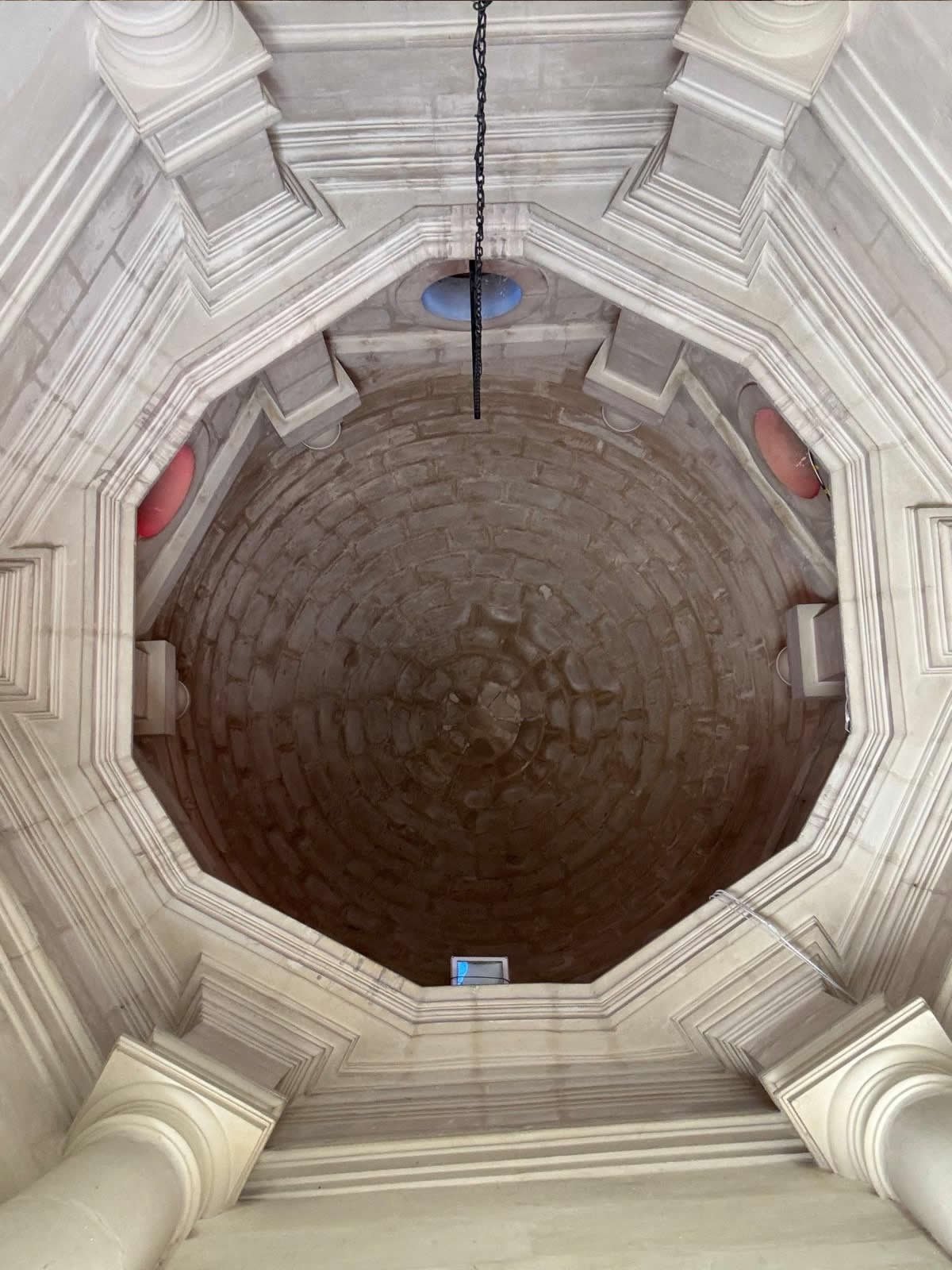
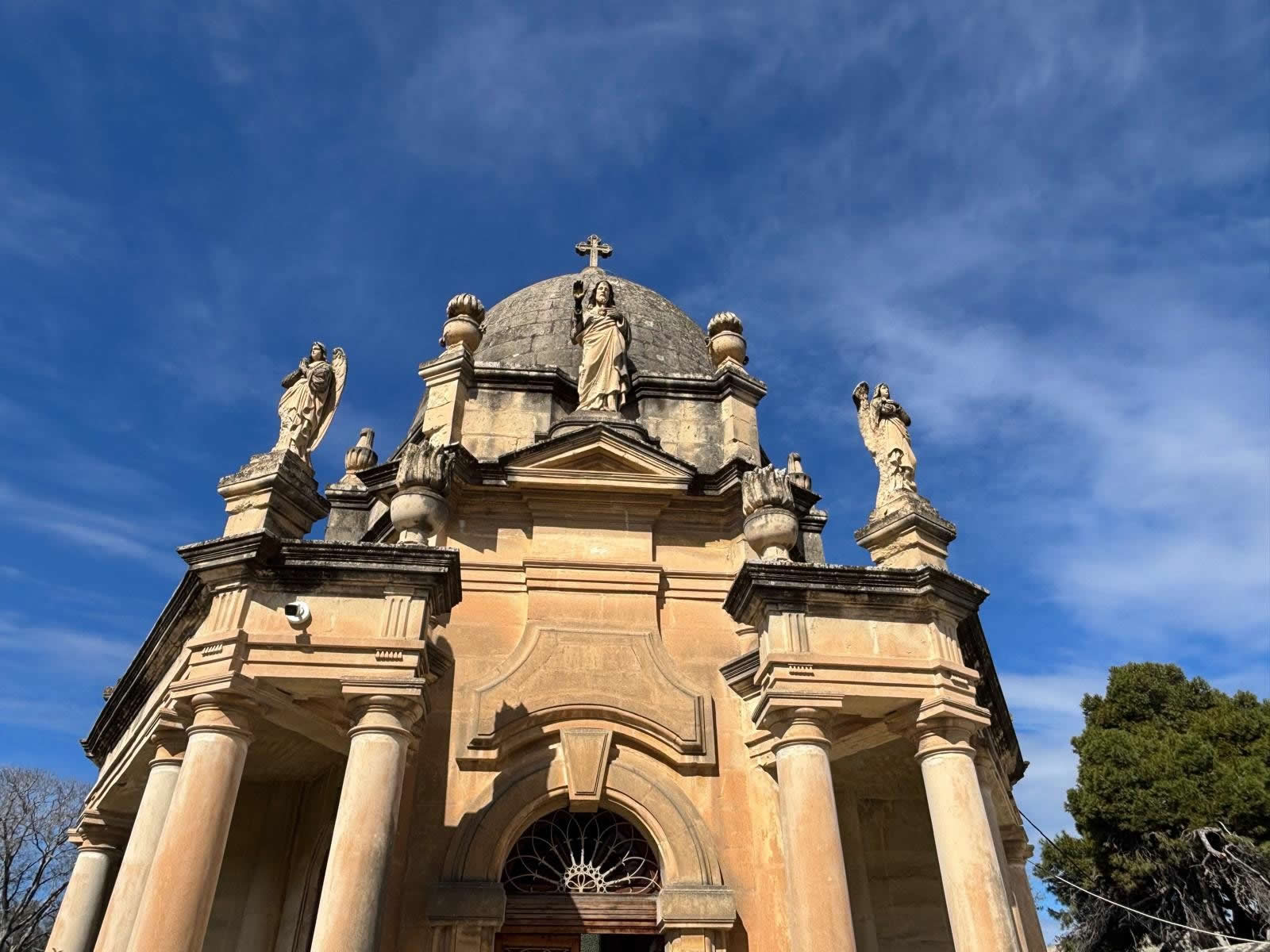
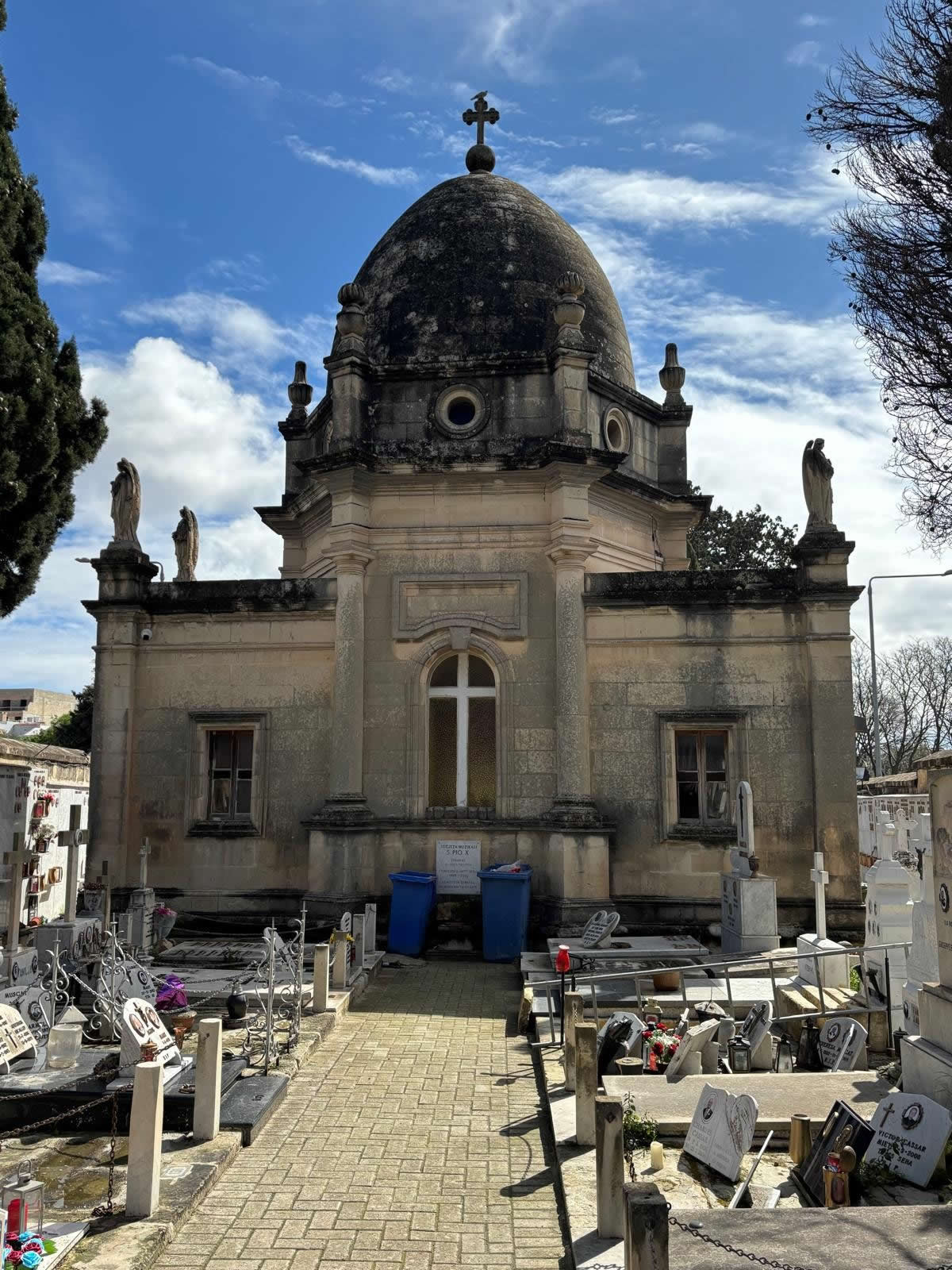
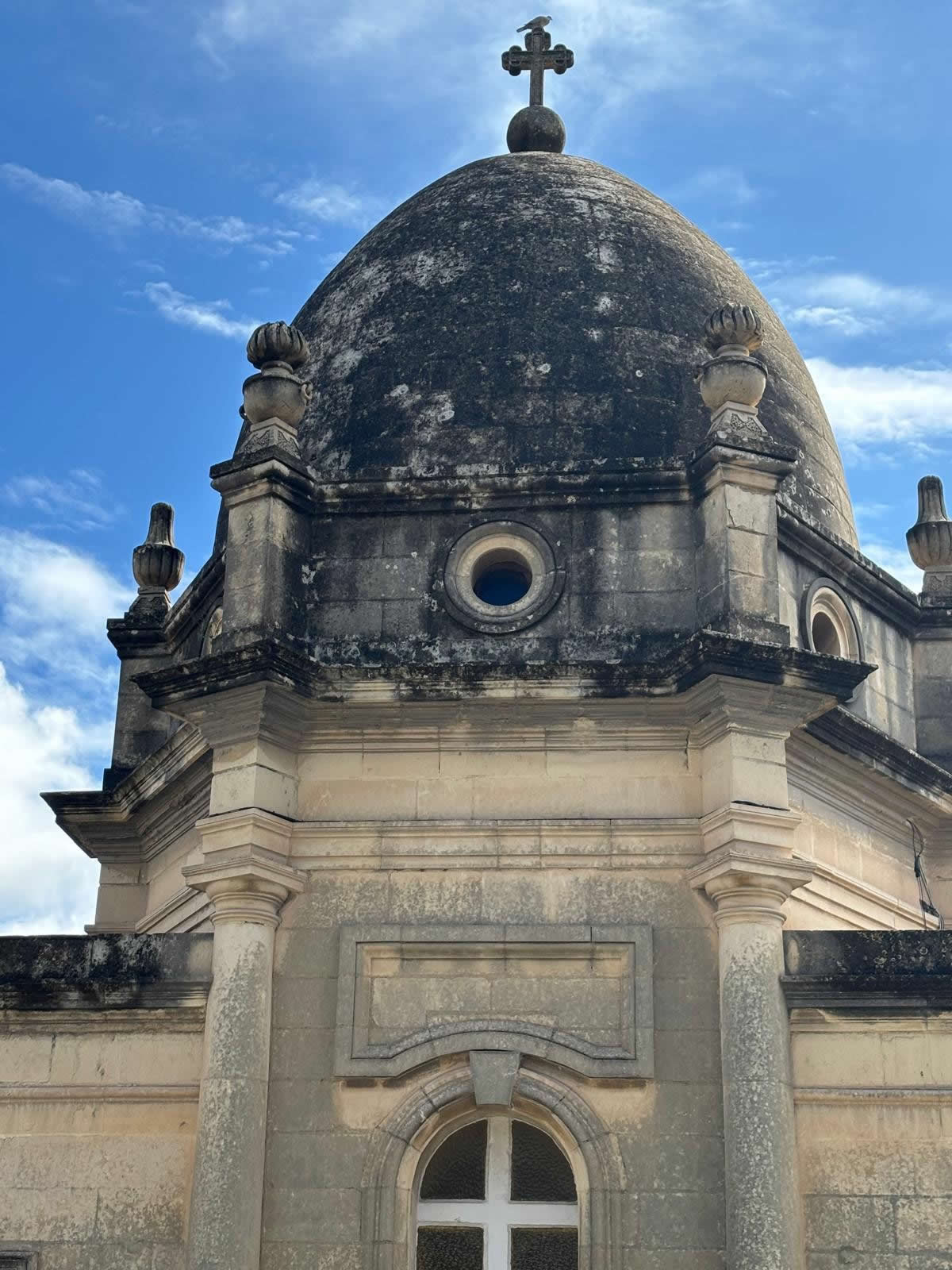
The architecture of the Lija Cemetery Chapel reflects the restrained simplicity typical of cemetery chapels in Malta. Constructed from the island’s characteristic limestone, the building presents a modest façade that blends harmoniously with the surrounding funerary monuments and stone boundary walls of the cemetery.
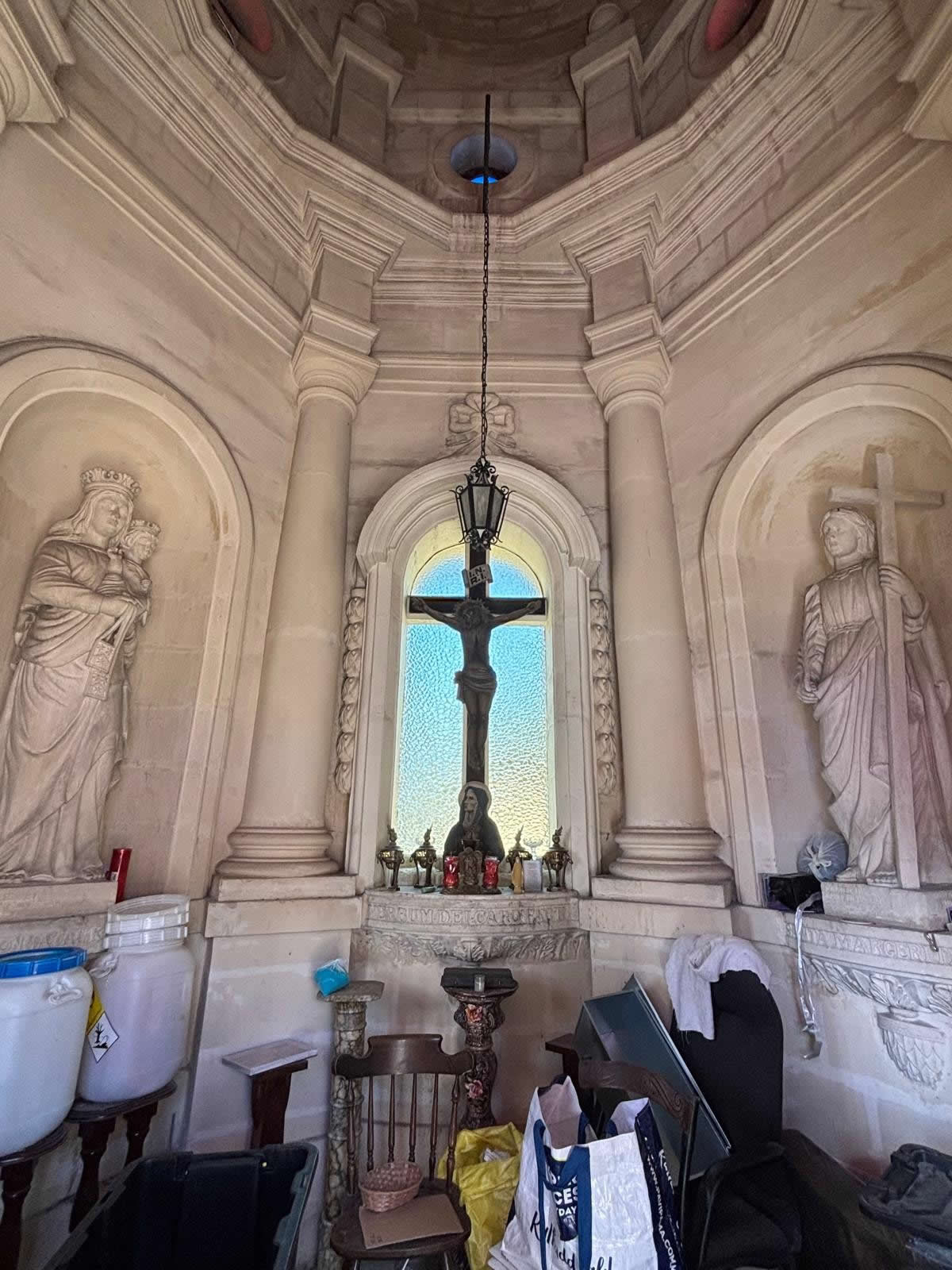
The chapel’s design emphasises functional simplicity rather than elaborate ornamentation. The interior space is centred around a single altar which was traditionally used for funeral Masses or prayers for the deceased.
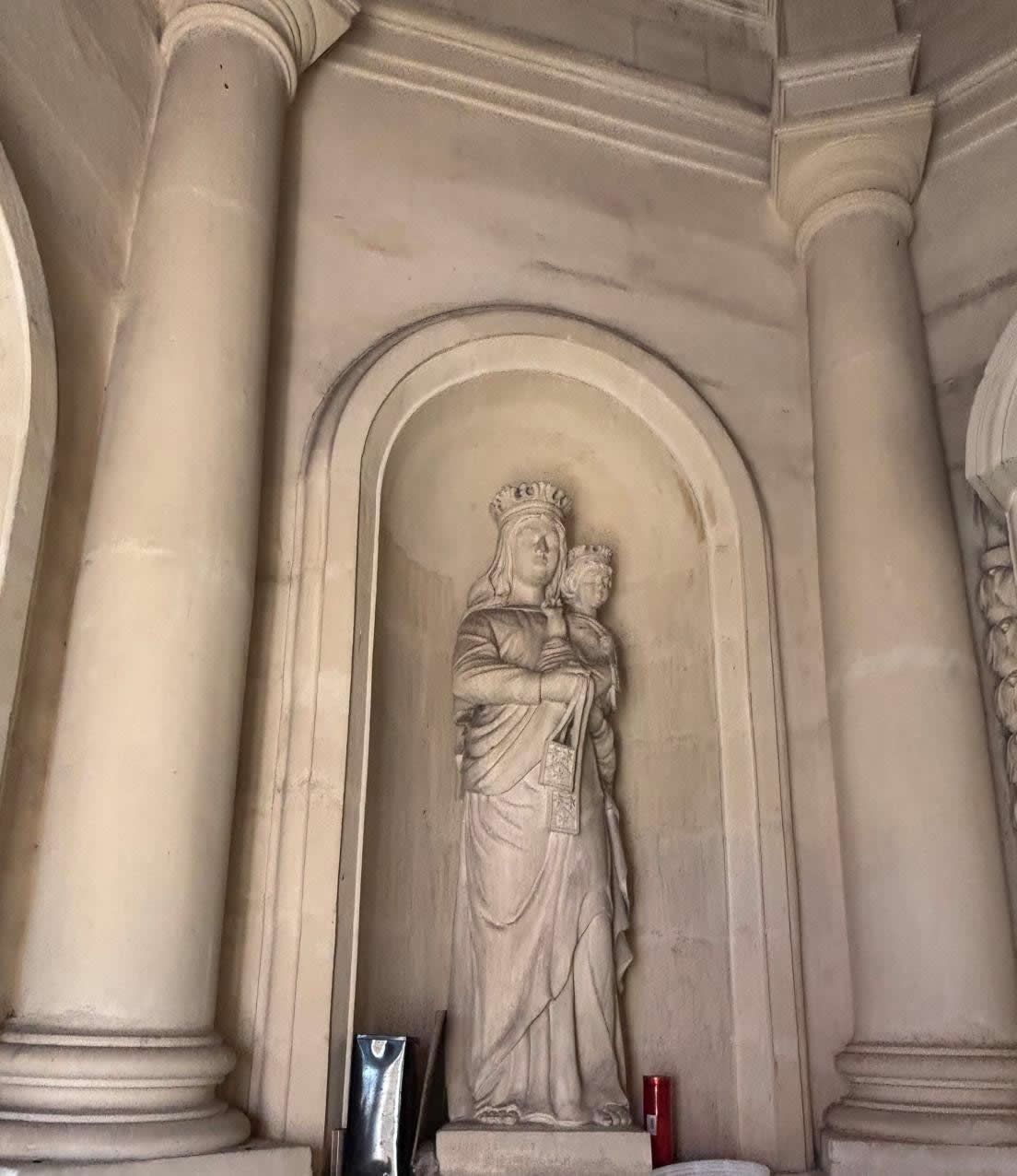
Cemetery chapels in Malta often incorporated architectural features such as small bell cots, simple arches, and modest decorative elements that echoed the design of larger parish churches while maintaining a smaller scale appropriate for cemetery settings.
Funerary Traditions
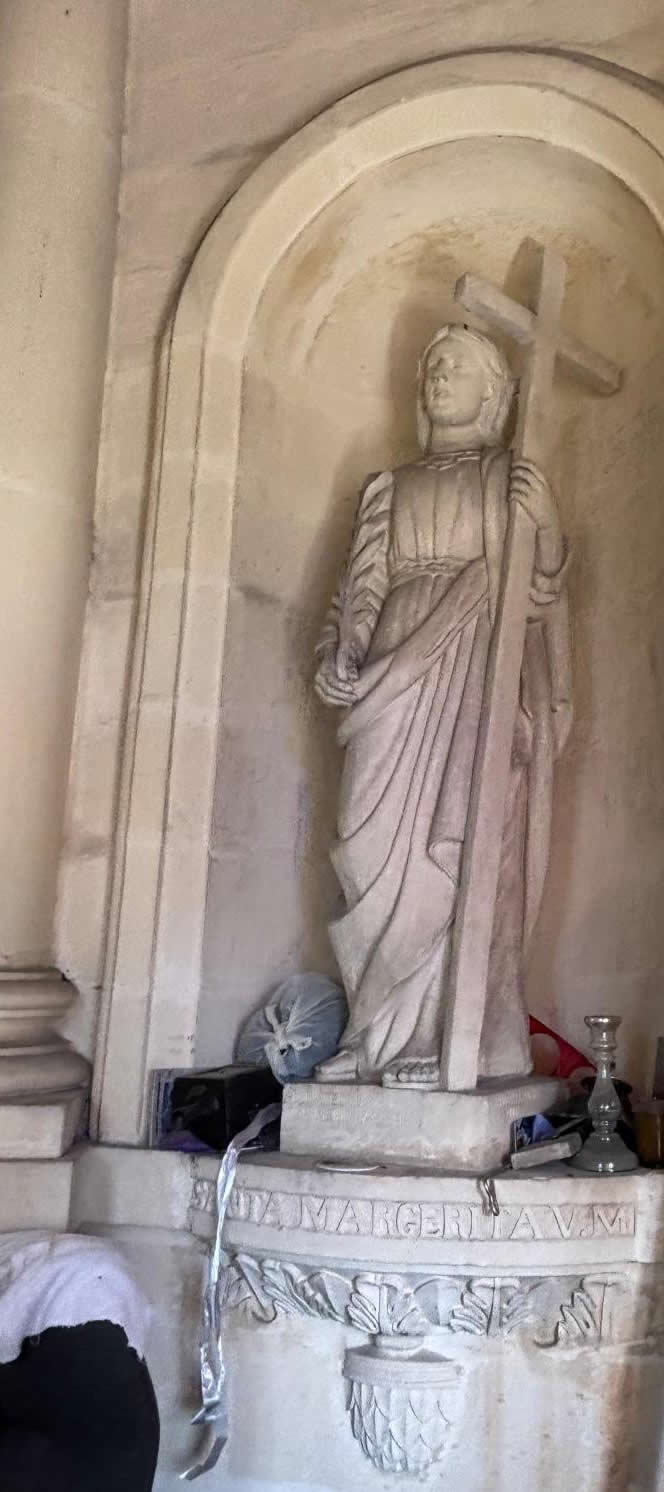
For centuries the burial of the dead in Malta has been closely linked with religious ritual. Catholic tradition emphasises prayers for the souls of the deceased, and cemeteries are regarded not only as burial places but also as sacred spaces where the faithful gather to remember loved ones.
The cemetery chapel in Lija played an important role in these traditions. Funeral rites were often conducted within or in front of the chapel before the burial ceremony took place.
Commemorative services and special prayers were also held during important liturgical events such as All Souls’ Day, when families visited the cemetery to pray for the souls of relatives who had passed away.
Religious and Cultural Significance
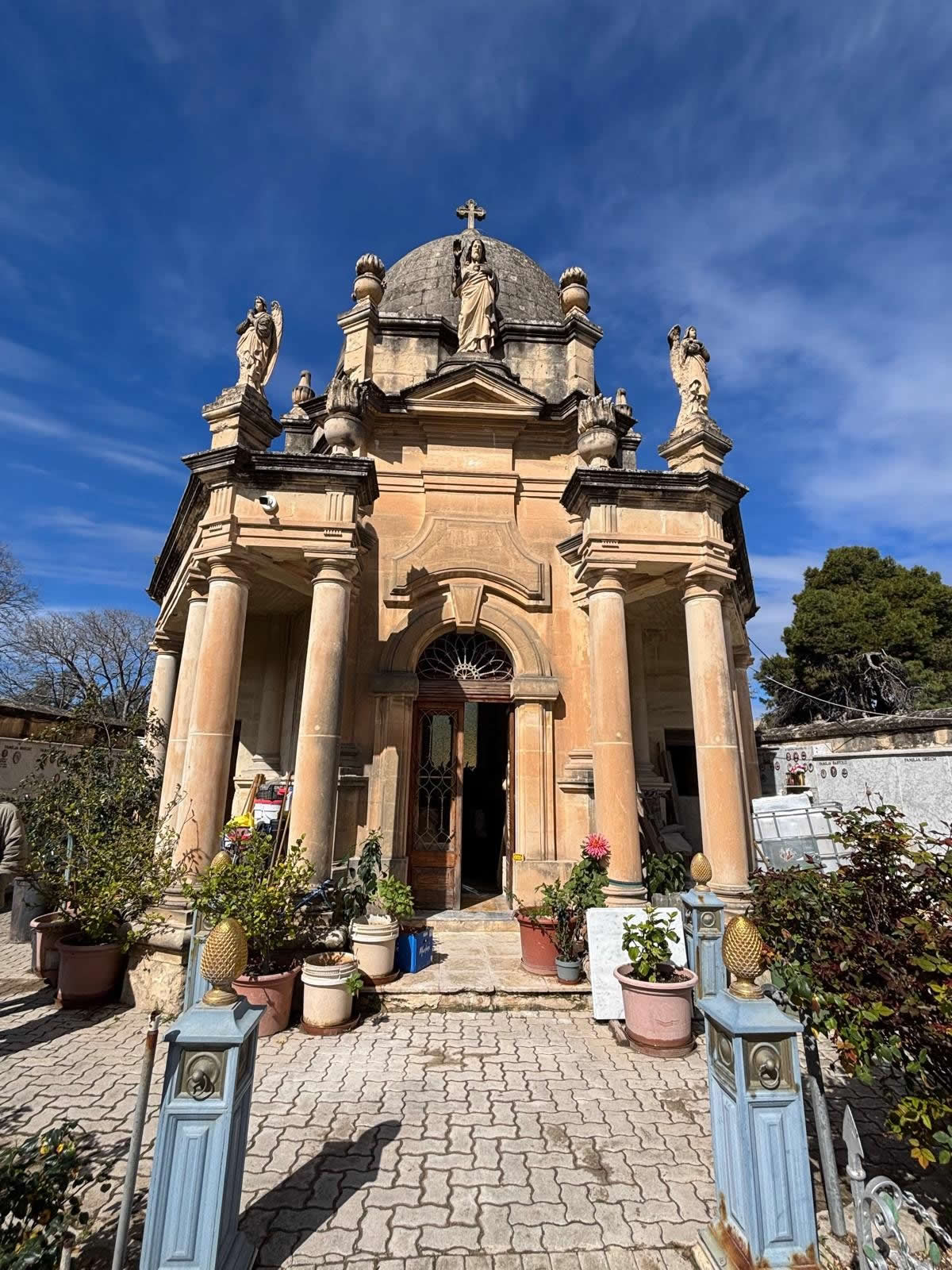
The presence of a chapel within the cemetery highlights the deep connection between Maltese religious life and the remembrance of the dead. Cemeteries are viewed not simply as burial grounds but as sacred environments that maintain a continuous spiritual link between the living and the deceased.
In villages like Lija, where community identity has historically been closely tied to the parish church and religious traditions, the cemetery chapel plays an important role in preserving local heritage and collective memory.
Later Developments
Over the years the cemetery and its chapel have undergone maintenance and restoration works aimed at preserving their historical and architectural character. As with many heritage structures in Malta, conservation initiatives have sought to ensure that the chapel remains structurally sound while respecting its historical integrity.
These restoration efforts often involve cleaning limestone surfaces, repairing structural elements, and preserving the surrounding funerary monuments that form part of the cemetery landscape.
Modern Use
Today the Lija Cemetery Chapel continues to serve as an important part of the village cemetery. Although funeral services are often conducted in parish churches, the chapel remains associated with memorial prayers and ceremonies connected with the cemetery.
Visitors to the cemetery often pause at the chapel to offer prayers or to reflect on the lives of those buried within the surrounding graves.
Location
| Chapel | Lija Cemetery Chapel |
|---|---|
| Location | Lija, Malta |
| Coordinates | 35.904690, 14.449150 |
| Function | Cemetery chapel used for funeral rites and memorial prayers |
| Architectural Material | Maltese limestone |
Conclusion
The Cemetery Chapel of Lija represents an important part of the village’s historical and religious heritage. Although modest in scale, the chapel reflects the enduring traditions of Maltese Catholic culture, particularly the rituals and customs associated with burial and remembrance.
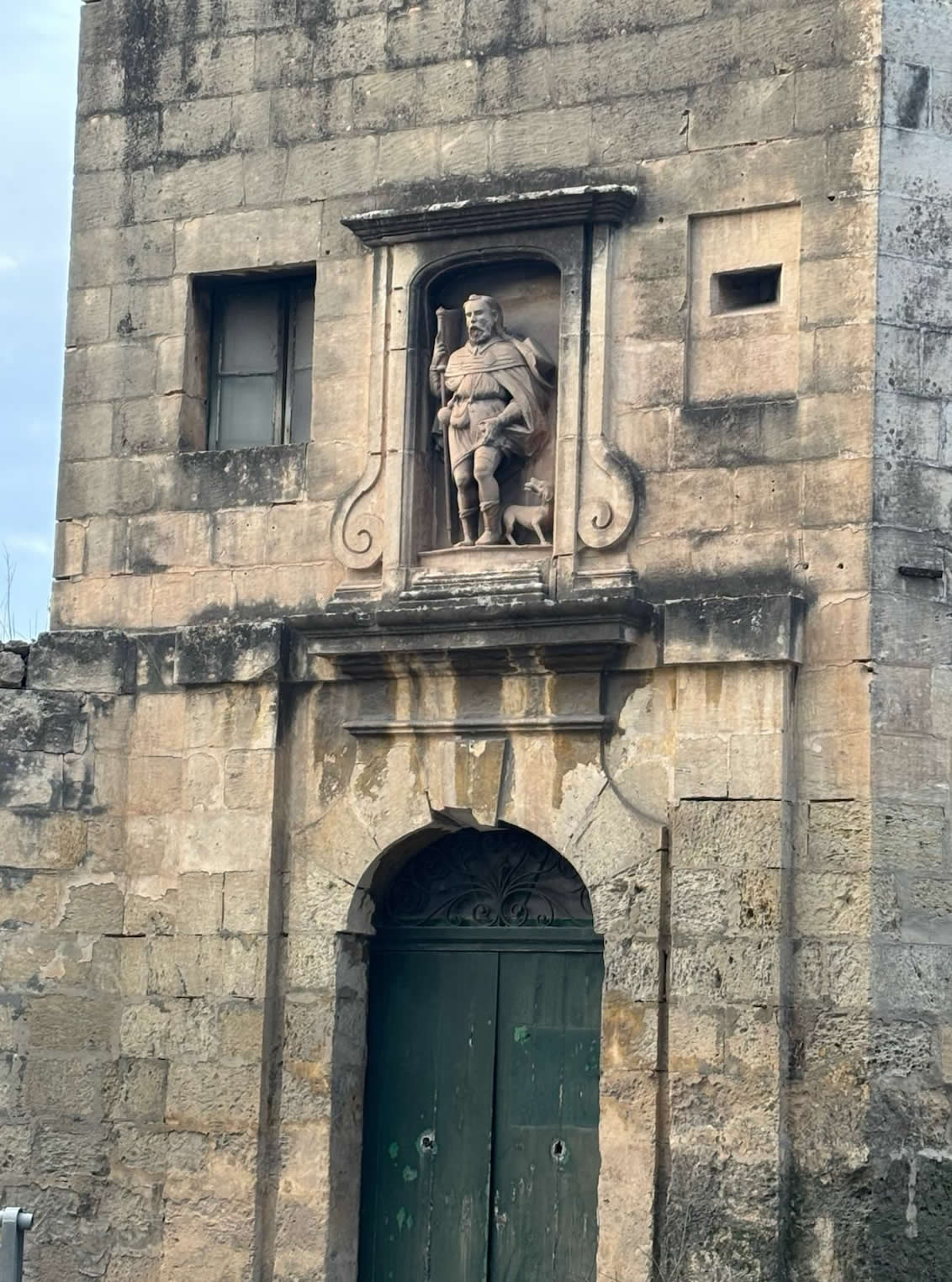
This is on the other side of the road next to the cemetery
Within the peaceful surroundings of the cemetery, the chapel continues to stand as a quiet place of reflection and prayer. Its presence serves as a reminder of the spiritual connection between generations of villagers who have lived, worshipped, and been laid to rest in the historic community of Lija.