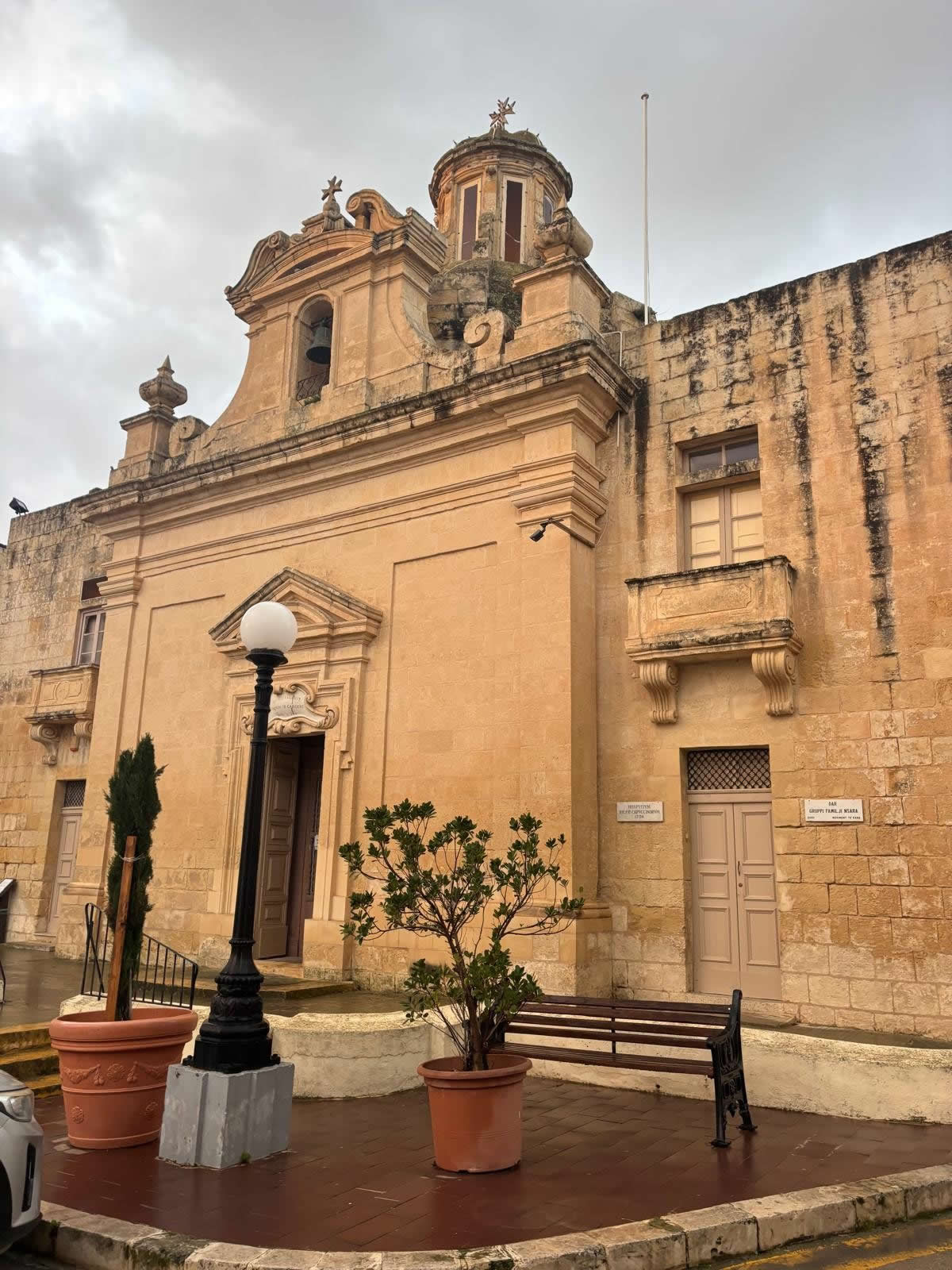
An 18th‑century countryside chapel dedicated to St John the Baptist, reflecting Malta’s rural faith and Baroque heritage.
📍 Location
Location Map Coordinates 35.853115, 14.437908
Overview
| Local Name: | Kappella ta’ San Ġwann Battista |
| Location: | Pjazza San Nikola |
| GPS Coordinates: | 35.853115, 14.437908 |
| Denomination: | Roman Catholic – Archdiocese of Malta |
| Year Established: | circa 1730 (on earlier medieval foundations) |
| Architectural Style: | Rustic Baroque with vernacular Maltese details |
Historical Background
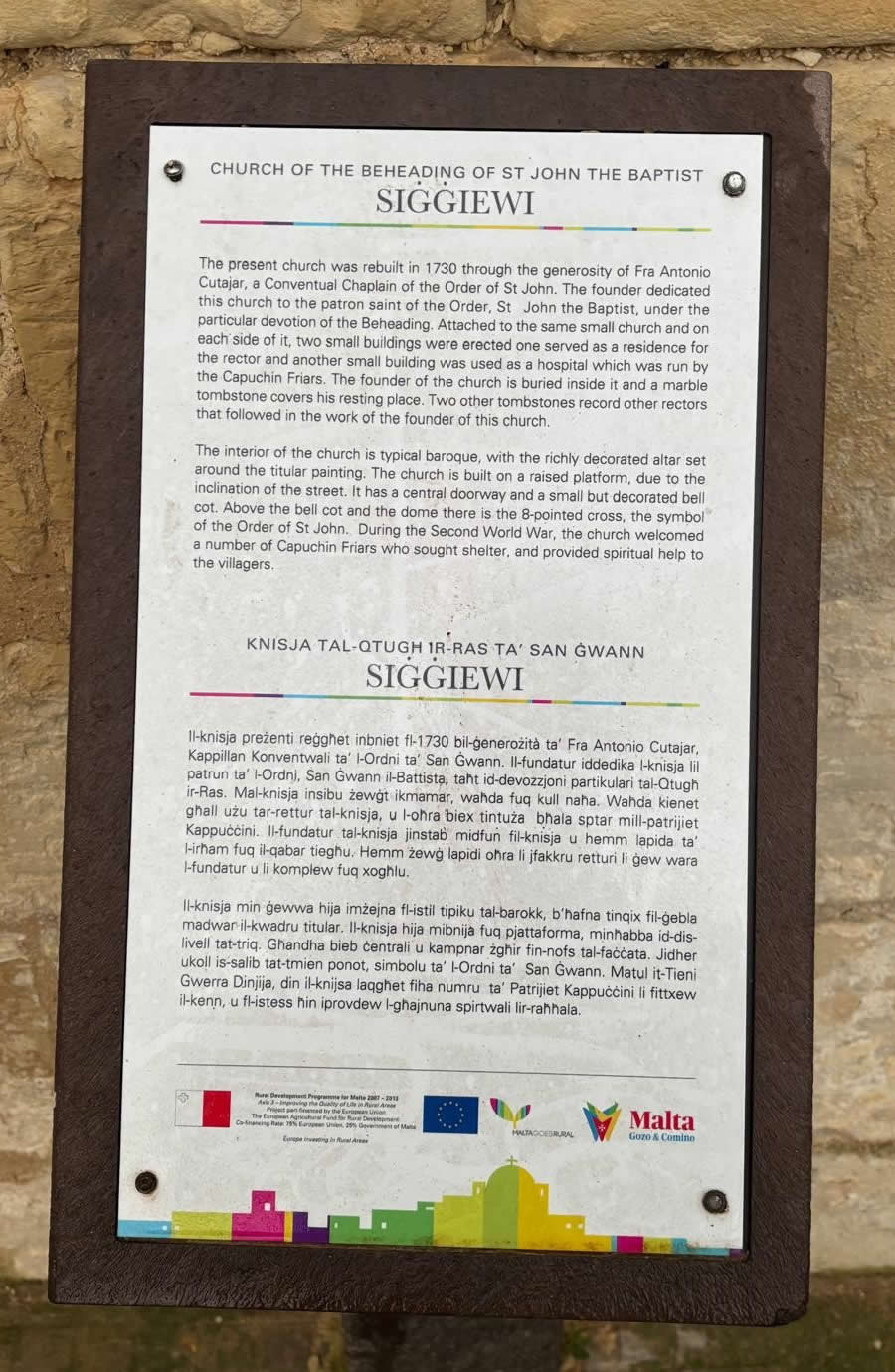
The Chapel of St John the Baptist was founded around 1730 to serve farmers and villagers living beyond the Siġġiewi parish limits. The site is believed to overlie a 16th‑century oratory destroyed during raids by corsairs and later rebuilt through the efforts of Fr. Ġużeppi Dimech, the then parish rector. The new chapel was dedicated to St John the Baptist, patron of the Order of St John and symbol of renewal and penitence.
Tradition says that local farmers prayed here for rain and a good harvest, and the chapel served as a popular pilgrimage stop during Lent and the Feast of St John in June. Its pastoral role complemented the larger Church of St Nicholas in the village centre.
Architecture & Layout
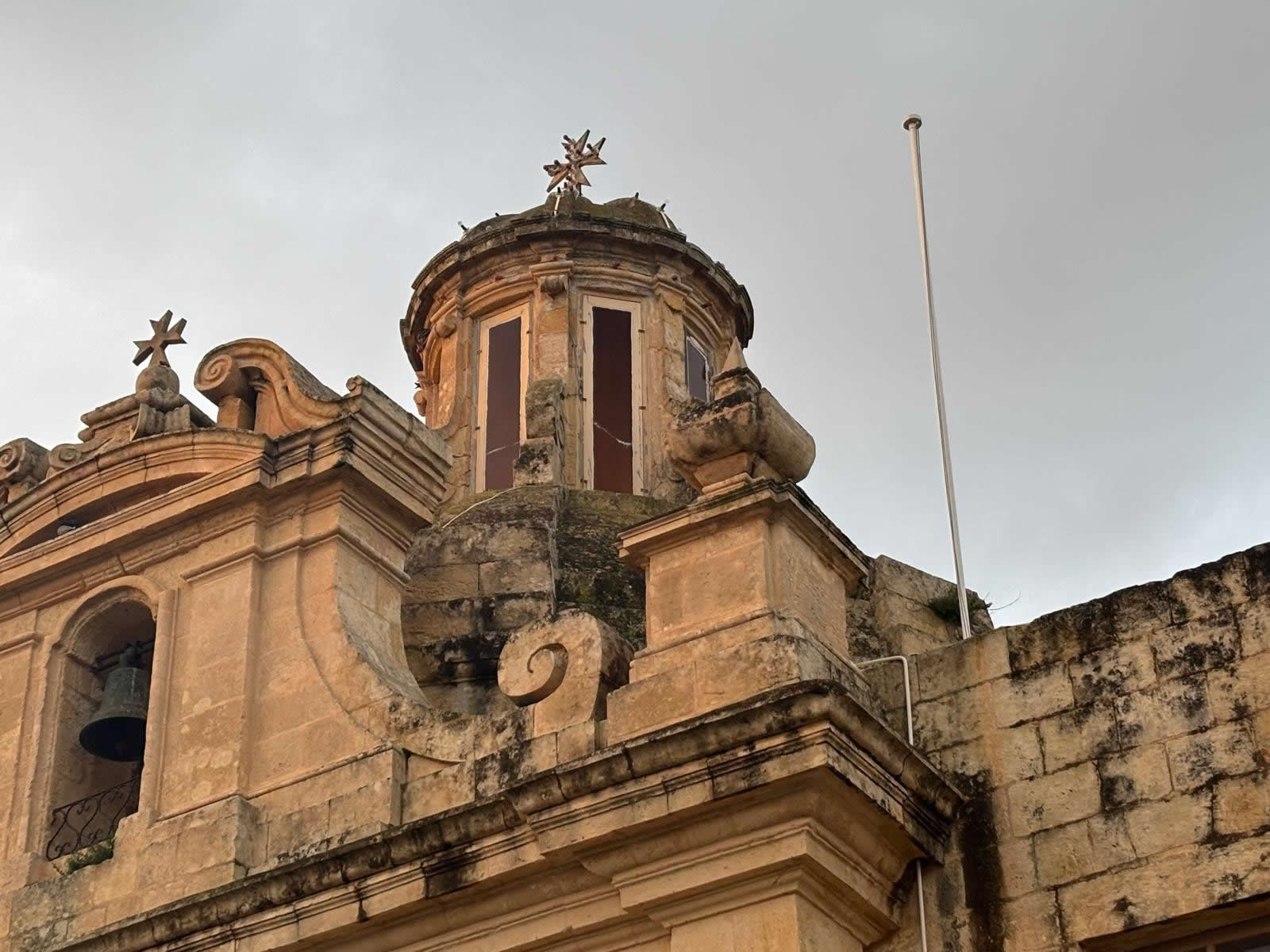
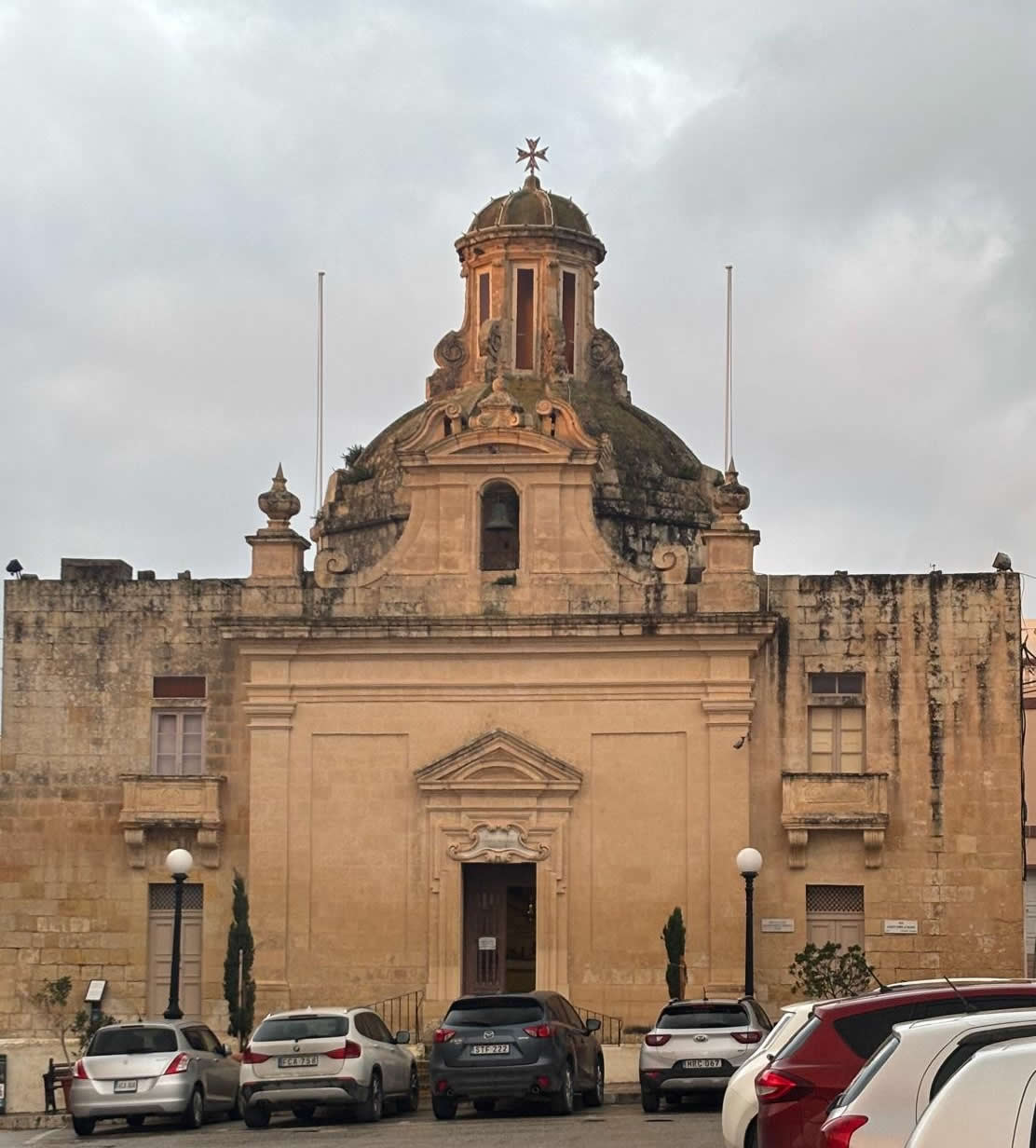
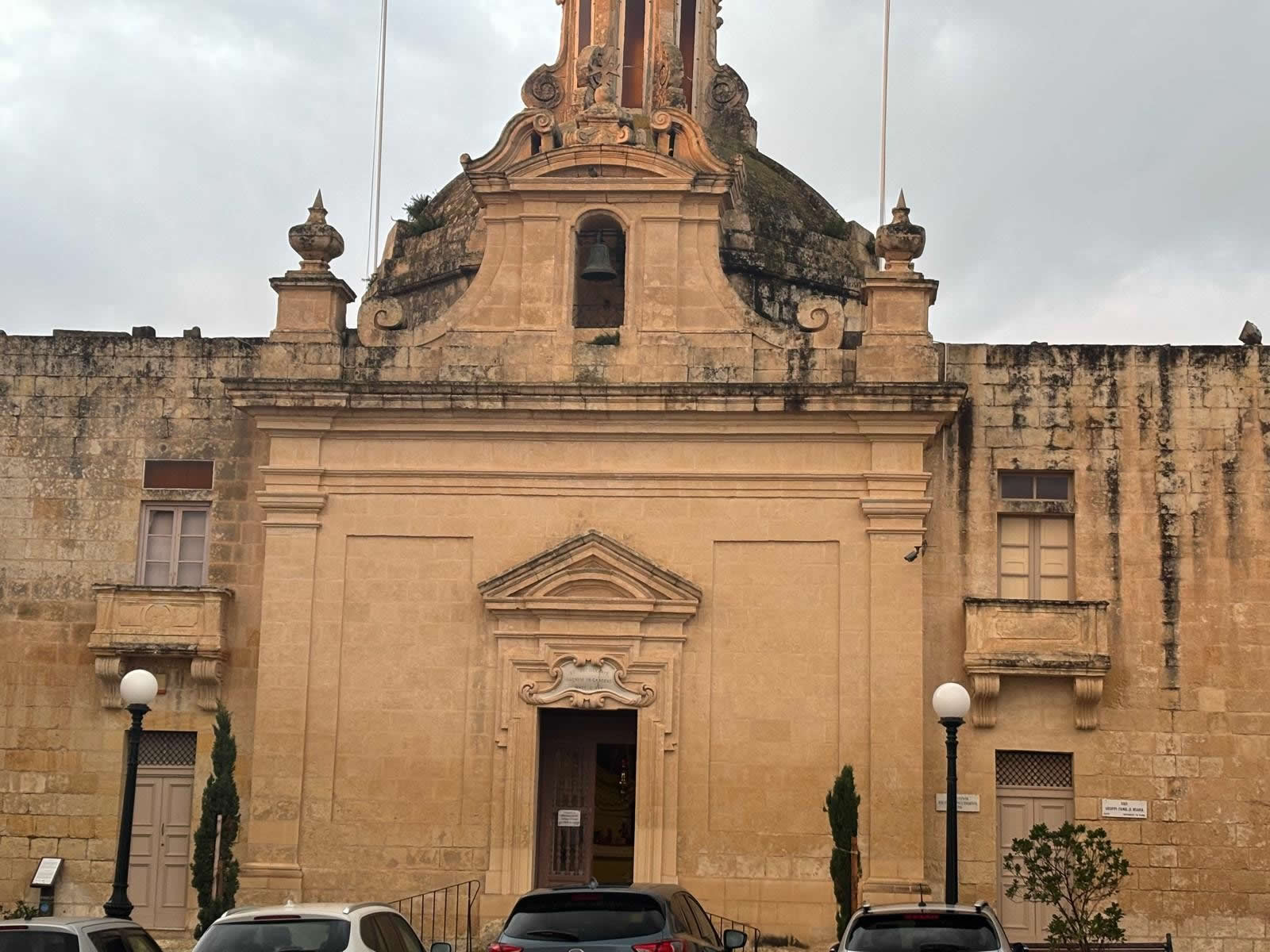
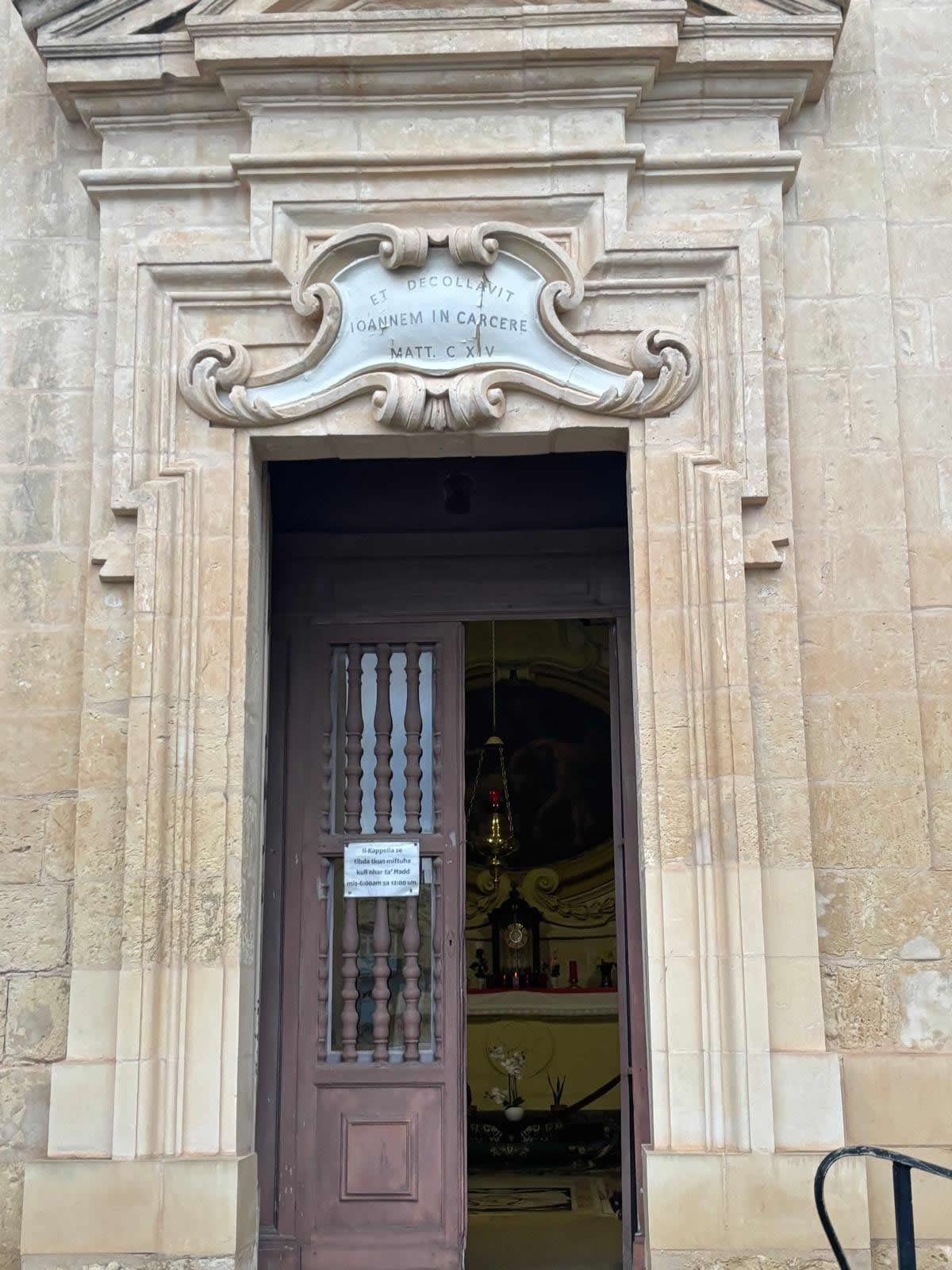
The chapel’s simple rectangular plan features a single nave and arched stone ceiling crafted from local globigerina limestone. The façade has two pilasters flanking a wooden door, an oval window above, and a niche with a small statue of St John the Baptist holding the Agnus Dei. A bellcote crowns the gable with its original bronze bell dated 1763.
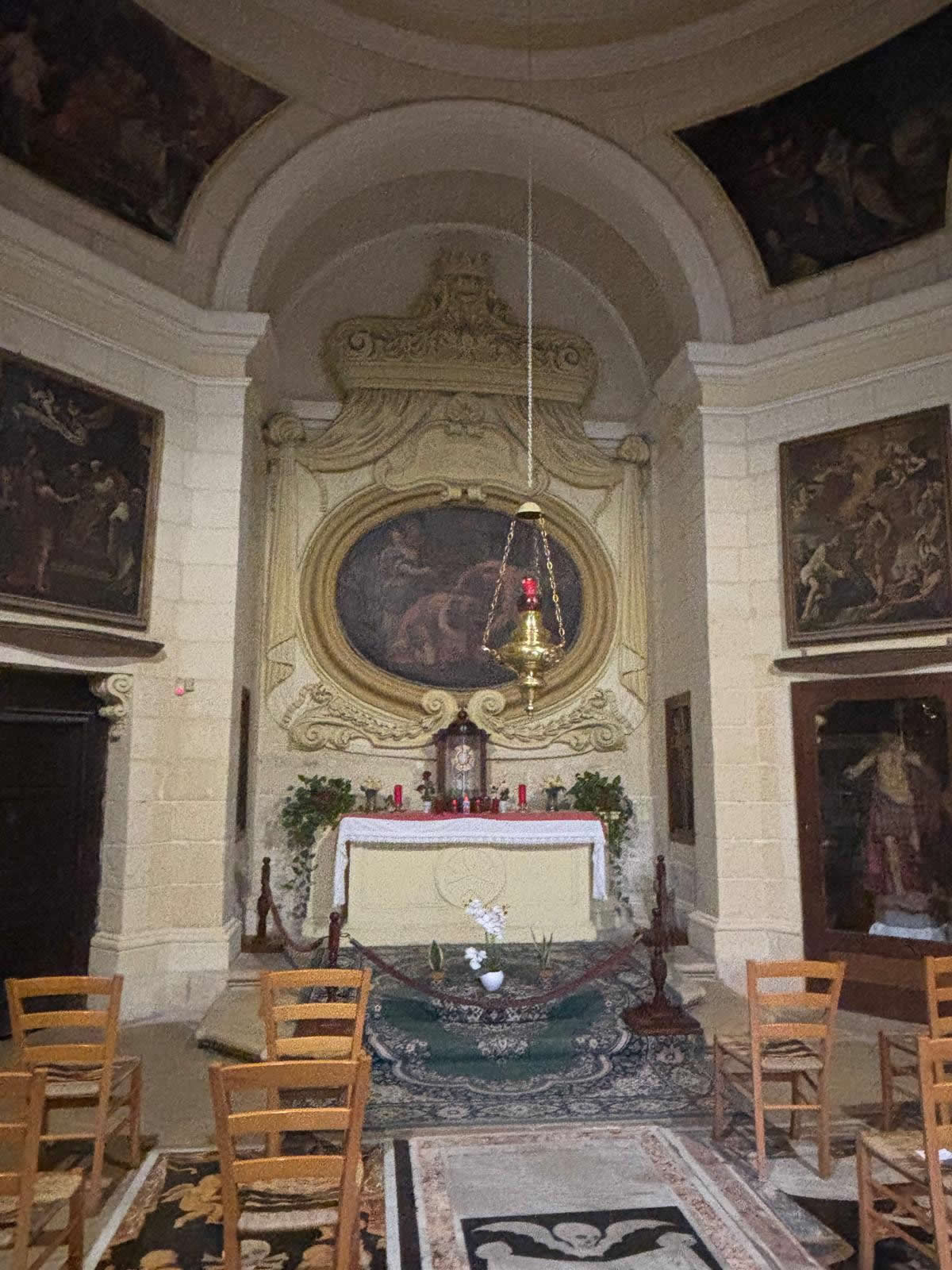
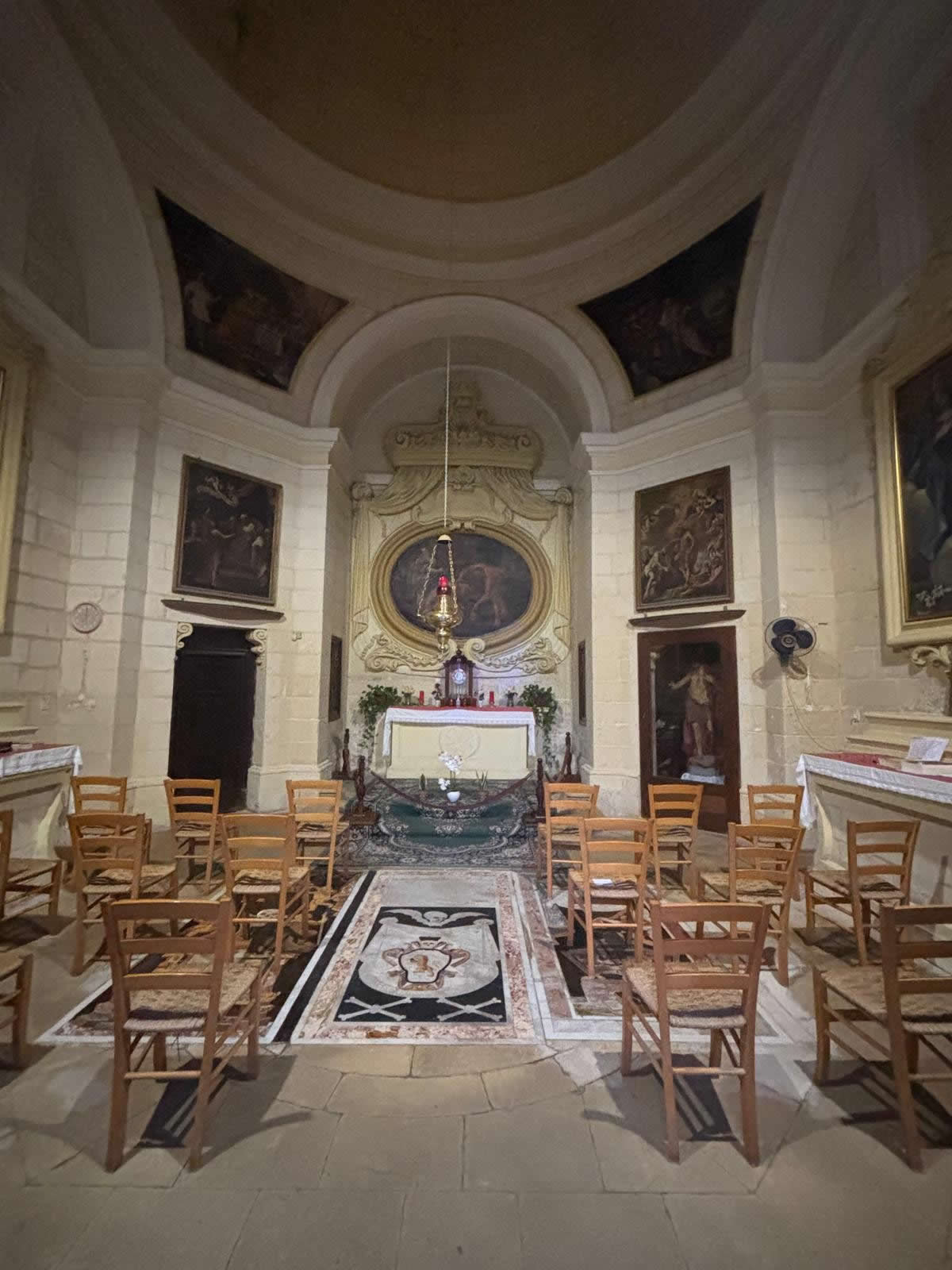
Inside, the chapel contains a modest stone altar and one main painting, “The Baptism of Christ”, mounted in a simple gilded frame behind the altar. The floor was retiled in encaustic tiles during the 1950 restoration. Side benches and confessional niches were added in the 19th century to accommodate increasing devotion by local families.
Artworks & Decoration
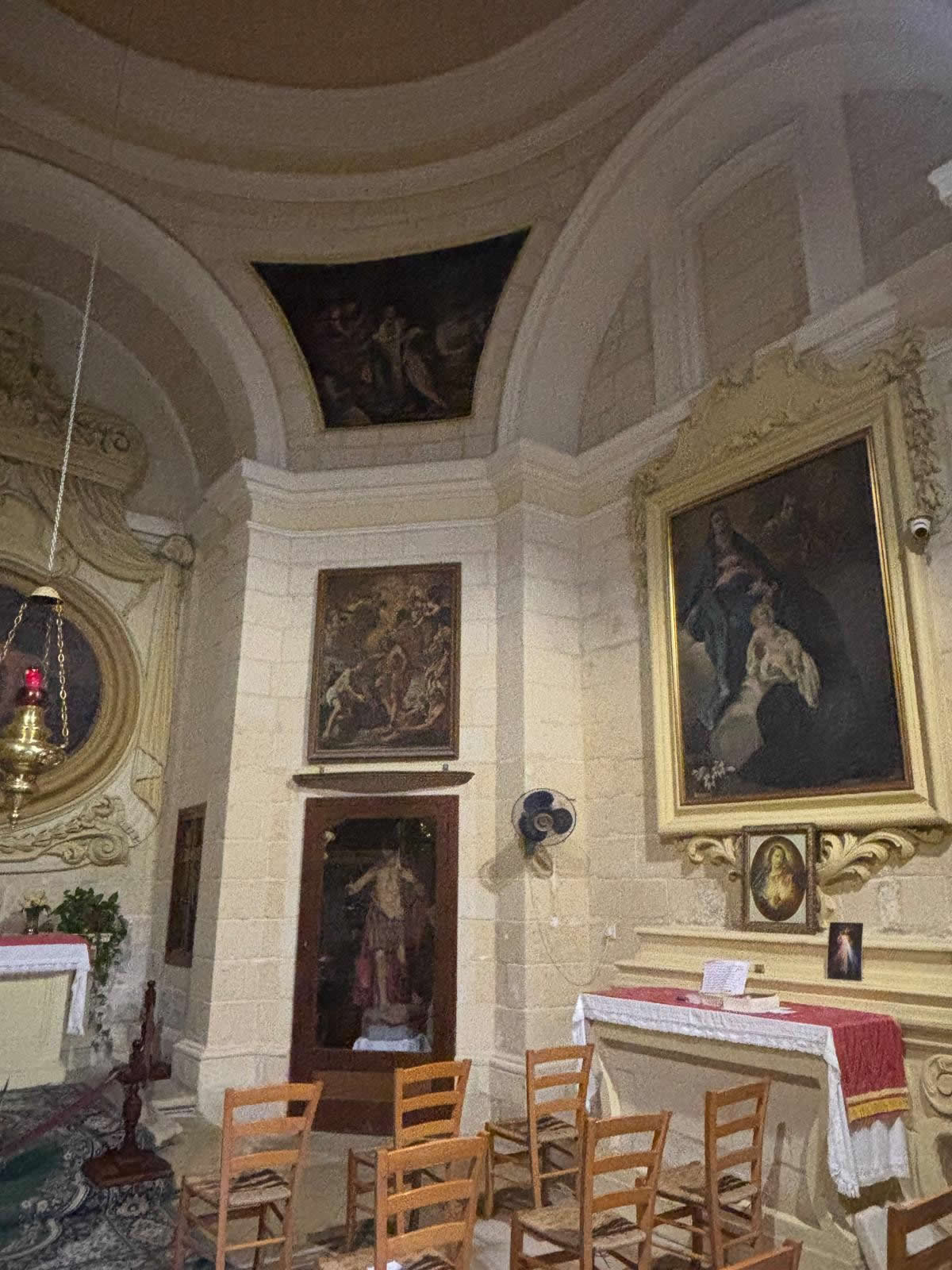
- Main Altarpiece: “The Baptism of Christ” – attributed to Stefano Erardi (late 17th century), showing Christ’s baptism in the Jordan River as the Dove descends.
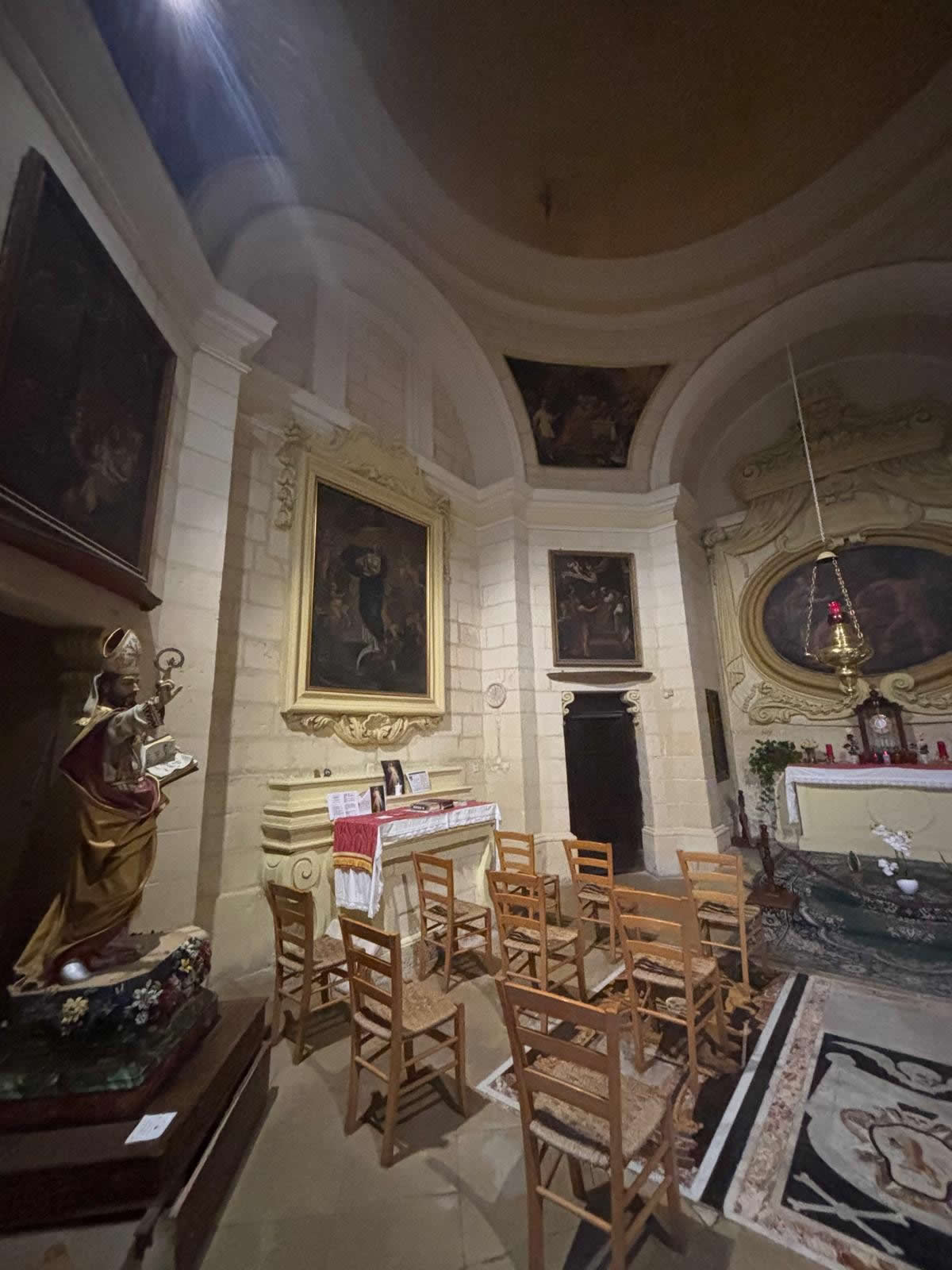
- Statue of St John the Baptist (wooden): Carved by a Maltese artisan around 1850 for outdoor processions on the saint’s feast day.
- Small fresco above entrance: Depiction of the Lamb of God in a sunburst motif, symbolising Christ’s sacrifice.
Restoration & Conservation
Following decades of exposure to weather and earthquake vibration, a major restoration was carried out in 2008–2010 by the Restoration Directorate and Siġġiewi Local Council. The project included facade re‑pointing, roof slab stabilisation, and painting conservation sponsored by Din l‑Art Ġiegħ. Electrical installations and security lighting were modernised in 2019 to facilitate evening services and guided visits.
Present Use & Community Role
Today the chapel is maintained by volunteers from the Siġġiewi parish and used regularly for summer Sunday Mass and for the Feast of St John the Baptist on 24 June. Pilgrims walking toward the Laferla Cross often stop here to pray and admire the rural views over the surrounding valley. It remains a quiet heritage site and a testament to Malta’s devout agrarian past.
Map & Location
Located just outside Siġġiewi’s southern limits on the country lane leading to the Laferla Cross and the Limiti area. The chapel stands amid terraced fields and olive groves overlooking the Fawwara coastline.
Coordinates: 35.853115° N, 14.437908° E | View on Google Maps