📍 Location
Location Map Coordinates 35.886046, 14.402062

Introduction
The Kappella ta’ San Nikola, or Chapel of St Nicholas, is one of the lesser-known historic chapels within the fortified city of Mdina in Malta. Situated within the medieval street network of the ancient capital, the chapel forms part of the rich ecclesiastical heritage that characterises Mdina’s historic landscape.
Although modest in size, the chapel reflects several centuries of religious history in Malta. Its origins date back to the medieval period, while the present Baroque structure was erected during the seventeenth century. Today the building survives as a historic monument associated with the nearby Cathedral of St Paul and the wider religious history of Mdina.

Early Medieval Origins
Historical records indicate that a chapel dedicated to St Nicholas existed in Mdina by 1434. This early chapel served the residents of the fortified city and likely formed part of the network of small religious buildings that existed within medieval Mdina.
During the Middle Ages Mdina was the principal urban centre of Malta and the seat of the island’s bishop. As a result, numerous churches and chapels were built within its walls to serve both the clergy and the city’s inhabitants.
The dedication of the chapel to St Nicholas reflects the widespread veneration of the saint throughout Mediterranean Europe. St Nicholas of Myra, a fourth-century bishop from Asia Minor, became one of the most beloved saints in Christian tradition and was particularly revered among sailors and travellers.

Rebuilding of the Chapel
By the seventeenth century the earlier medieval chapel had either deteriorated or become inadequate for continued use. In 1685 a new chapel was constructed to replace the older structure.
The rebuilding was commissioned by Bartolomeo Vella, a benefactor associated with the project. The architectural design of the new chapel has been attributed to the Maltese architect Lorenzo Gafà, although this attribution remains uncertain.
The reconstruction took place during a period when the Baroque style was becoming increasingly prominent in Malta, particularly under the patronage of the Knights of St John.

Architectural Design
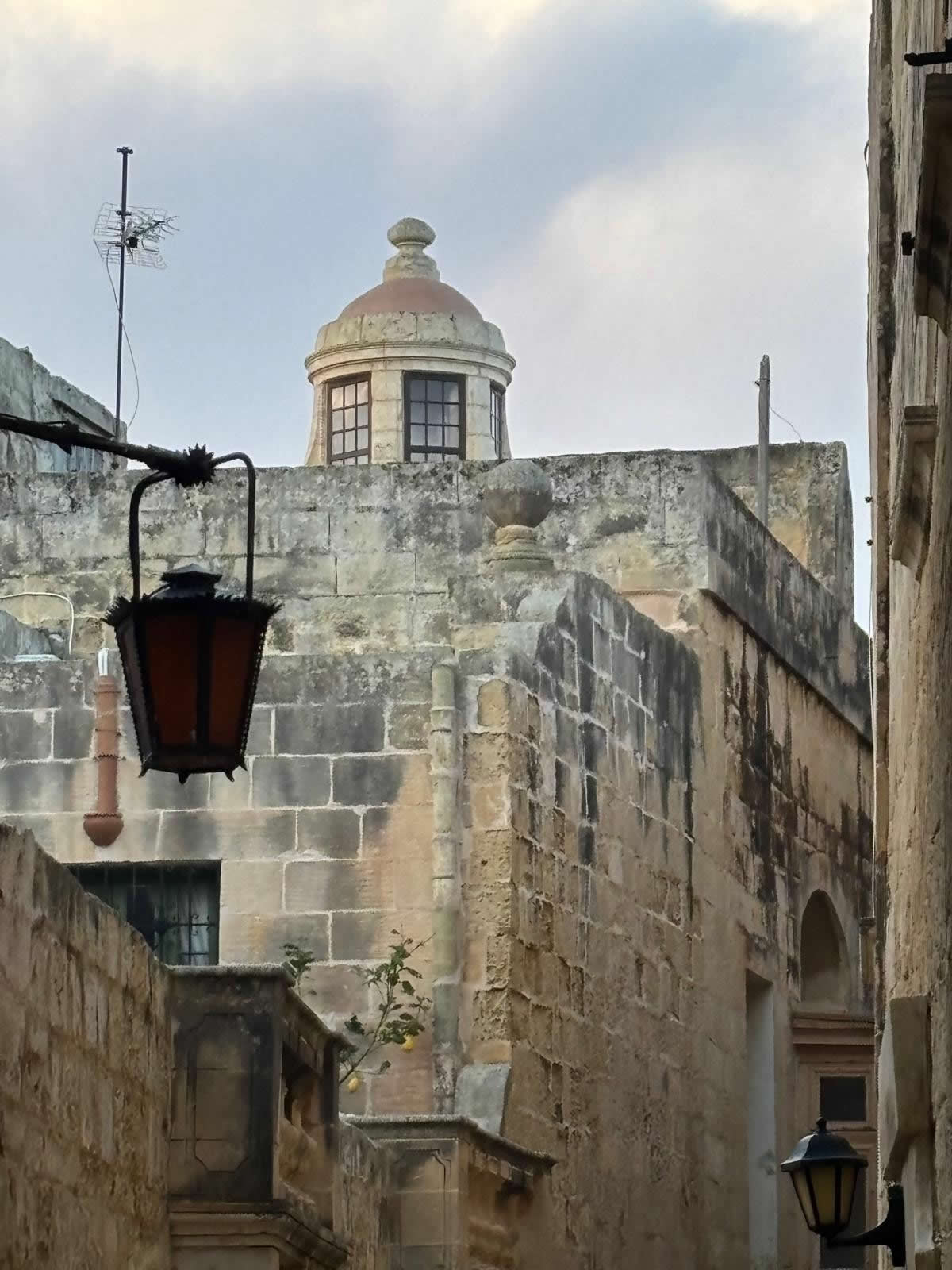
The chapel was built following a distinctive architectural plan in the form of a Greek cross, with four arms of equal length radiating from a central point.
At the centre of the structure rises a small dome, which crowns the crossing of the building and provides natural light to the interior space. This architectural feature is typical of several Baroque chapels constructed in Malta during the seventeenth century.
The exterior of the chapel is built from Malta’s characteristic limestone and reflects the restrained decorative style typical of smaller ecclesiastical buildings in Mdina.
Interior and Furnishings
The interior of the chapel originally contained an altar dedicated to St Nicholas and various liturgical furnishings used during religious services.
Over time the chapel ceased to function as an active place of worship and began to serve a more practical role associated with the nearby cathedral.
Today the building houses a number of artefacts belonging to the Metropolitan Cathedral of St Paul. Among these is the cathedral’s Capella Ardente, a ceremonial structure historically used during the funerals of prominent individuals.
Pastoral Visitations
The chapel is recorded in ecclesiastical documentation from the eighteenth century. During the pastoral visitation conducted in 1762 by Bishop Bartolomé Rull, the chapel was noted among the churches and chapels present within Mdina.
Such pastoral visitations formed an important part of church administration, ensuring that buildings, clergy, and religious practices were maintained according to the regulations of the Catholic Church.
Later History and Decline
In the centuries that followed, the chapel gradually fell out of regular use as a place of worship. Changes in the organisation of parishes and religious institutions meant that many small chapels within Mdina were no longer required for daily liturgical functions.
As a result, the Chapel of St Nicholas eventually became disused and entered a state of relative neglect. Despite this, the structure remained standing and continued to form part of the architectural fabric of Mdina’s historic streets.
Cultural Heritage
Today the chapel is recognised as part of Malta’s cultural heritage and is included in the National Inventory of the Cultural Property of the Maltese Islands.
Although it no longer serves as an active place of worship, the chapel continues to be valued as an example of Baroque religious architecture and as a reminder of the historical religious life of Mdina.
Location
| Chapel | Kappella ta’ San Nikola |
|---|---|
| English Name | Chapel of St Nicholas |
| Location | Mdina, Malta |
| Coordinates | 35.886046, 14.402062 |
| Original Chapel | Recorded in 1434 |
| Current Structure | Rebuilt 1685 |
| Architectural Style | Baroque |
| Plan | Greek Cross with central dome |
Conclusion
The Chapel of St Nicholas in Mdina represents a small but historically important element of Malta’s religious heritage. From its medieval origins in the fifteenth century to its Baroque reconstruction in the seventeenth century, the chapel reflects the evolving architectural and spiritual traditions of the island.
Although no longer used for regular religious services, the building continues to form part of the historic urban landscape of Mdina. Together with the nearby Cathedral of St Paul and other churches within the city walls, the chapel contributes to the unique historical character of Malta’s ancient capital.