📍 Location
Location Map Coordinates 35.898939, 14.505908
Introduction
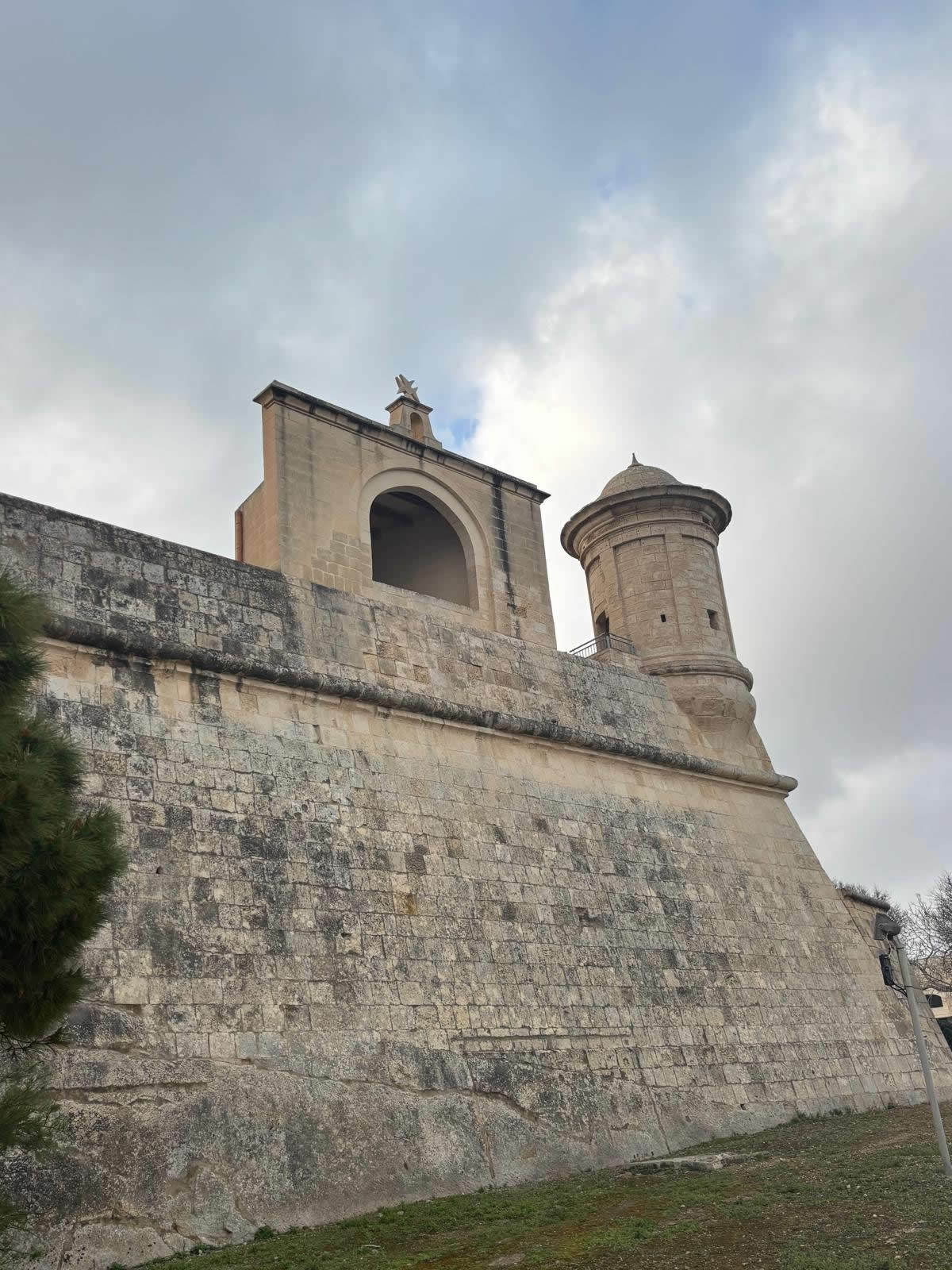
The Santu Rokku Chapel, also known as the Chapel of Saint Roch, is a small historic religious structure located high on the defensive fortifications of Valletta in Malta. Positioned on the summit of St Michael’s Counterguard, the chapel overlooks Marsamxett Harbour and forms part of the extensive system of bastions, ramparts and outworks that protected the capital city of the Knights of St John.
Although modest in size, this chapel holds a unique place in Maltese history. Its construction was closely connected with Malta’s historic quarantine system and the nearby Lazaretto hospital on Manoel Island. From this elevated location, religious services celebrated inside the chapel could be seen from across the harbour by patients who were confined in quarantine. The chapel therefore represents an unusual and fascinating example of how religion, medicine and military architecture intersected within the historic landscape of Valletta.
The Fortifications of Valletta
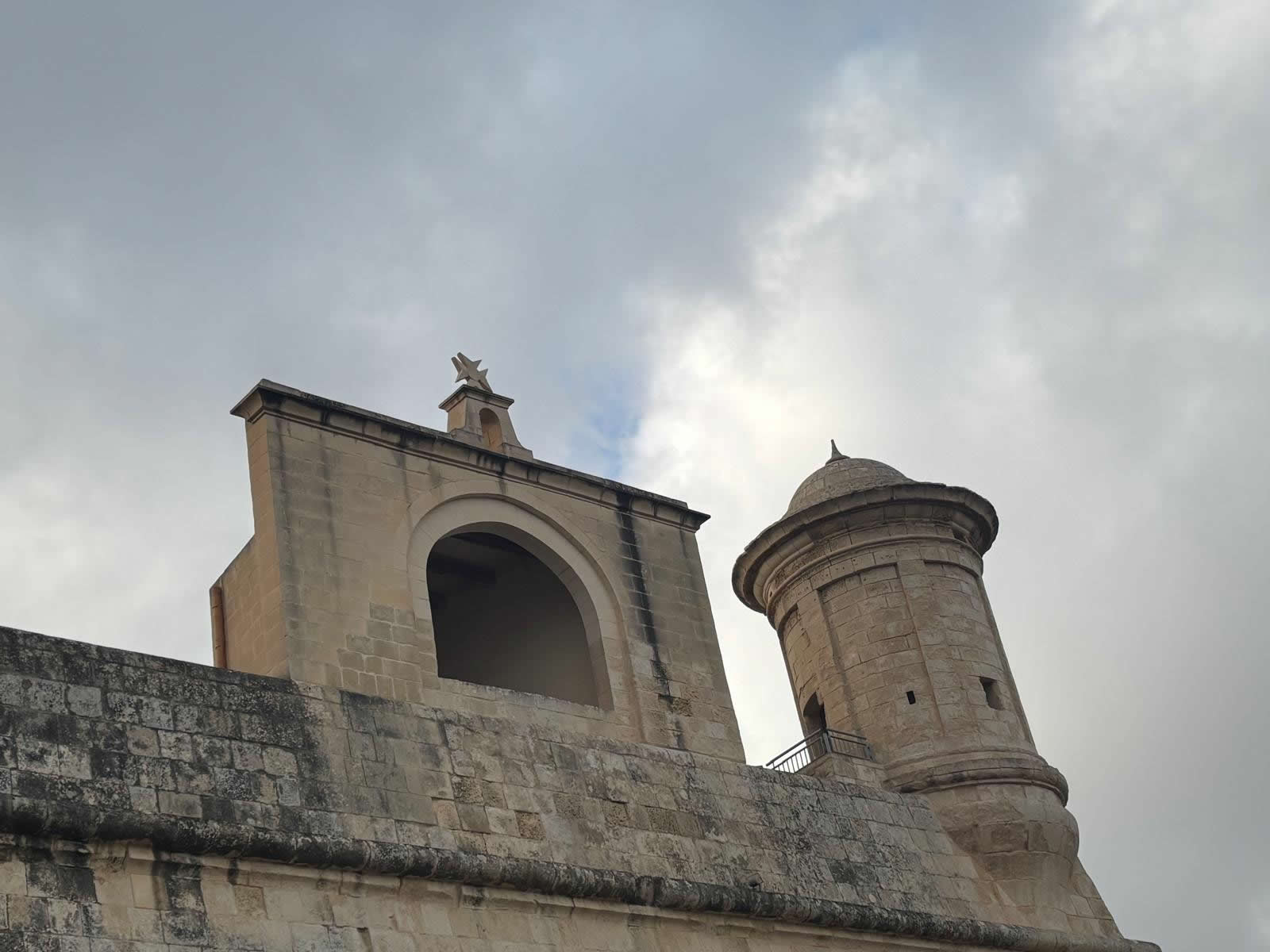
Valletta was founded in 1566 by the Knights of St John following their victory in the Great Siege of Malta the previous year. The city was conceived as a powerful fortified capital designed to withstand future attacks from the Ottoman Empire. Over the following decades, engineers and military architects constructed one of the most advanced defensive systems in Europe.
The land front of Valletta consisted of a series of bastions, curtains, ravelins and counterguards designed to provide overlapping artillery fire and strong defensive positions. These fortifications were further strengthened in the seventeenth century with additional outworks intended to protect the main bastions from enemy assault.
One of these additions was St Michael’s Counterguard, built around the 1640s as part of a programme of defensive improvements. Counterguards were detached fortifications placed in front of the main bastions to absorb enemy attacks and shield the primary defensive walls from artillery bombardment.
Construction of the Chapel
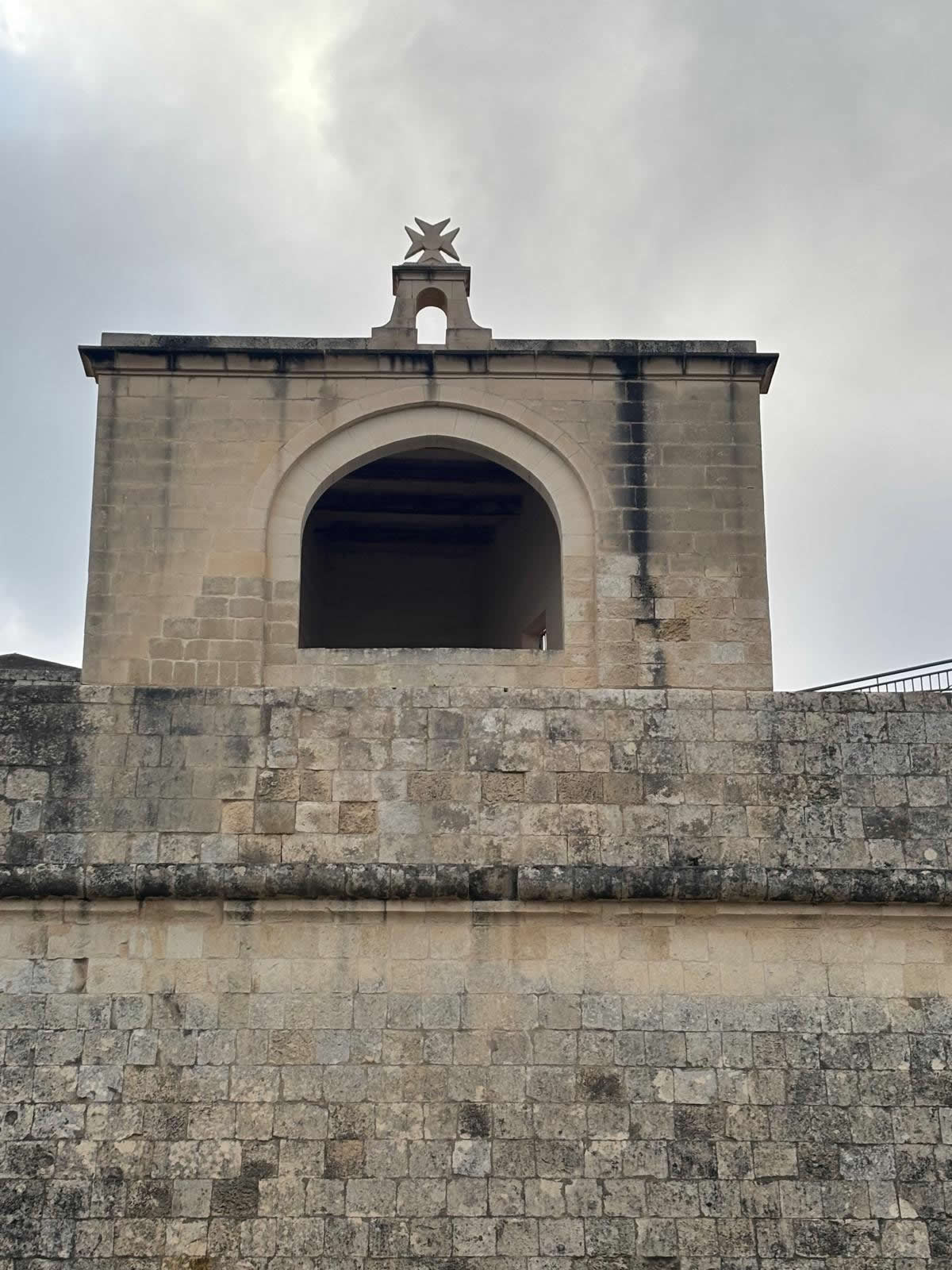
The Santu Rokku Chapel was constructed in 1643 during the magistracy of Grand Master Juan de Lascaris-Castellar. Its dedication to Saint Roch was particularly appropriate given the saint’s reputation as a protector against plague and contagious diseases.
The chapel’s strategic position overlooking Marsamxett Harbour was not accidental. Directly across the harbour stood the Lazaretto quarantine hospital on Manoel Island, one of the most important quarantine stations in the Mediterranean. Ships arriving in Malta that were suspected of carrying infectious diseases were required to undergo quarantine there before passengers and cargo could enter the island.
The Lazaretto Connection
The Lazaretto played a crucial role in Malta’s maritime trade and public health system from the seventeenth century onwards. Sailors, merchants and travellers arriving from potentially infected ports were isolated for a period of observation to prevent the spread of disease.
Patients undergoing quarantine were not allowed to leave the island facility. In order to provide spiritual care for these individuals, the Santu Rokku Chapel was built in a position that allowed them to observe Mass from a distance. Priests would celebrate the liturgy inside the chapel while the quarantined patients watched from across the harbour.
This arrangement allowed the faithful to participate spiritually in religious services without breaching the strict quarantine regulations designed to protect the island from epidemics.
Architectural Characteristics
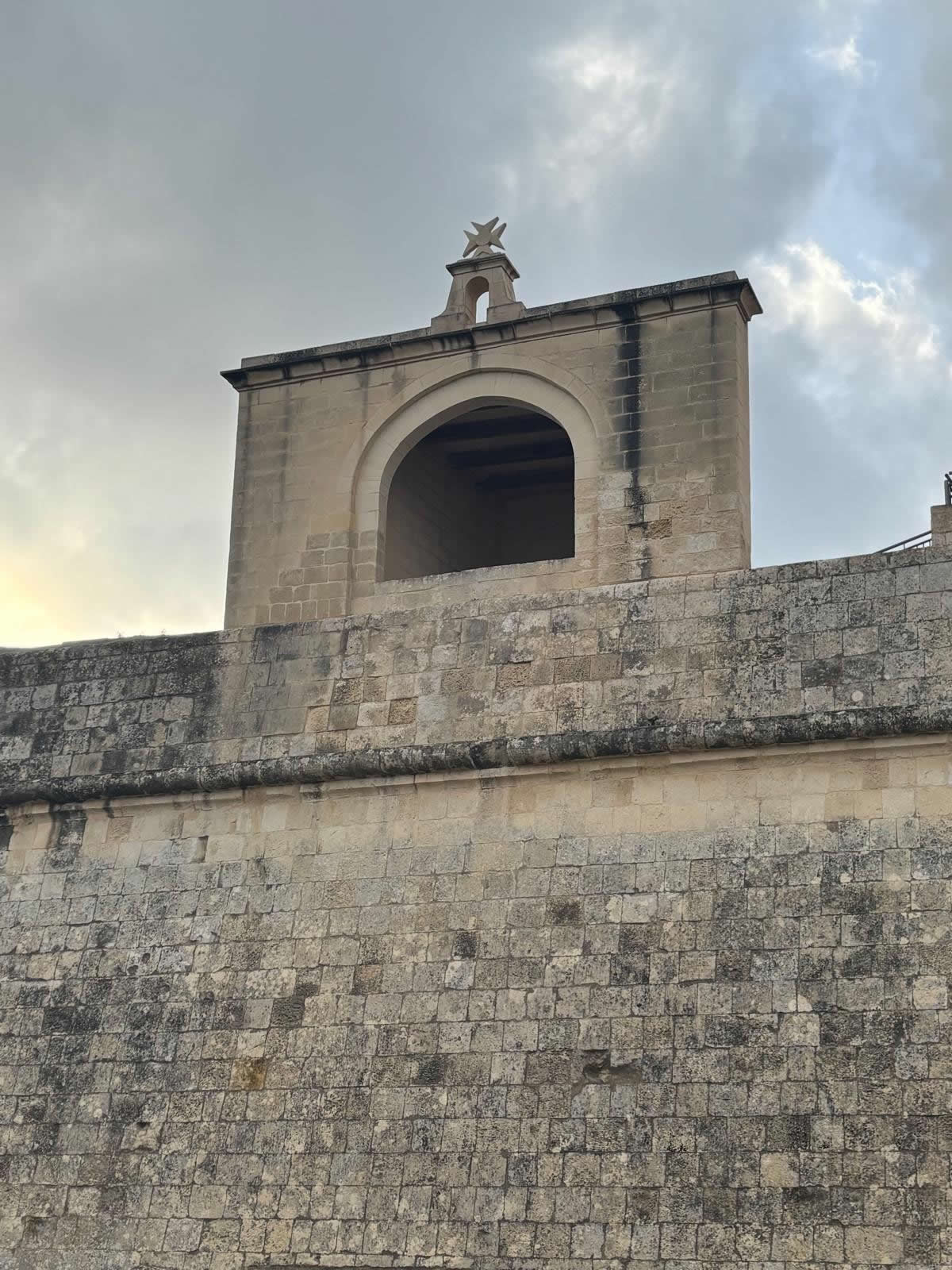
The chapel itself was extremely small and simple in design. It was constructed from the same globigerina limestone used throughout Valletta’s fortifications and integrated directly into the defensive structures of the counterguard.
Its modest size meant that it could accommodate little more than a priest and a small altar. The façade faced towards Marsamxett Harbour so that the liturgical celebration would be visible from the Lazaretto buildings on Manoel Island.
Architecturally the chapel reflected the restrained Baroque style typical of small devotional buildings in Malta. The emphasis was placed not on elaborate decoration but on functionality and visibility from the harbour.
Devotion to Saint Roch
Saint Roch was widely venerated across Europe during the late Middle Ages and early modern period as a protector against plague. According to tradition, he was a pilgrim who devoted his life to caring for victims of the plague and miraculously recovered after contracting the disease himself.
Because of this association with healing and protection from epidemics, churches dedicated to Saint Roch were commonly established during times when communities feared outbreaks of disease. In Malta, where maritime trade brought ships from across the Mediterranean, the risk of infection was always present.
The dedication of the chapel to Saint Roch therefore reflected both spiritual devotion and practical concern for public health.
Destruction During the Second World War
During the Second World War the island of Malta endured heavy aerial bombardment due to its strategic importance in the Mediterranean. Valletta and its harbour areas were among the most heavily targeted locations.
The Santu Rokku Chapel suffered severe damage during these attacks and was almost completely destroyed. Only fragments of the structure and the remains of the altar survived the wartime devastation.
For decades after the war the ruined remains of the chapel stood on the counterguard as a reminder of the destruction inflicted upon Valletta’s historic fabric during the conflict.
Restoration of Valletta’s Fortifications
In the early twenty-first century an extensive programme of restoration was undertaken to conserve the historic fortifications of Valletta. Supported by European Union funding, these projects aimed to stabilise the defensive walls, restore architectural features and preserve important historic elements.
As part of this broader conservation effort, the remains of the Santu Rokku Chapel were studied and stabilised. Restoration work sought to preserve surviving fragments while ensuring the structural integrity of the counterguard.
These projects have helped safeguard Valletta’s unique military and cultural heritage while allowing visitors to appreciate the remarkable scale and complexity of the city’s fortifications.
Historical Significance
Today the Santu Rokku Chapel represents an extraordinary intersection of several aspects of Maltese history. It reflects the military engineering achievements of the Knights of St John, the island’s long history as a maritime trading centre, and the public health measures developed to combat the spread of infectious disease.
The chapel also illustrates the deep importance of religion within Maltese society. Even in the context of quarantine and military fortifications, spiritual care remained an essential part of daily life.
Although small and easily overlooked, the chapel forms an integral part of the broader historical narrative of Valletta and its harbour landscape.
Location
Location: St Michael's Counterguard, Valletta Land Front Fortifications
Coordinates: 35.898939, 14.505908
City: Valletta, Malta