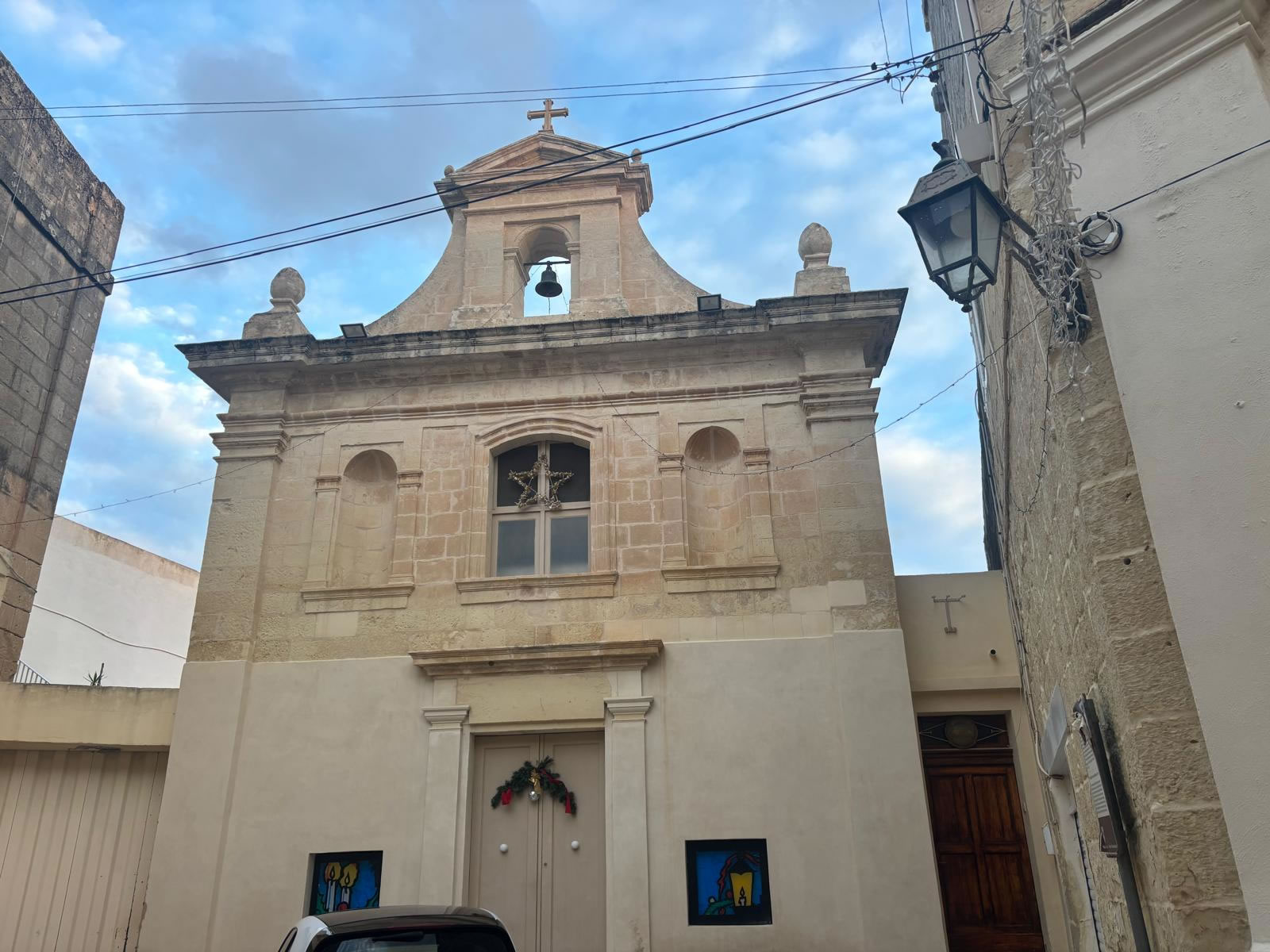
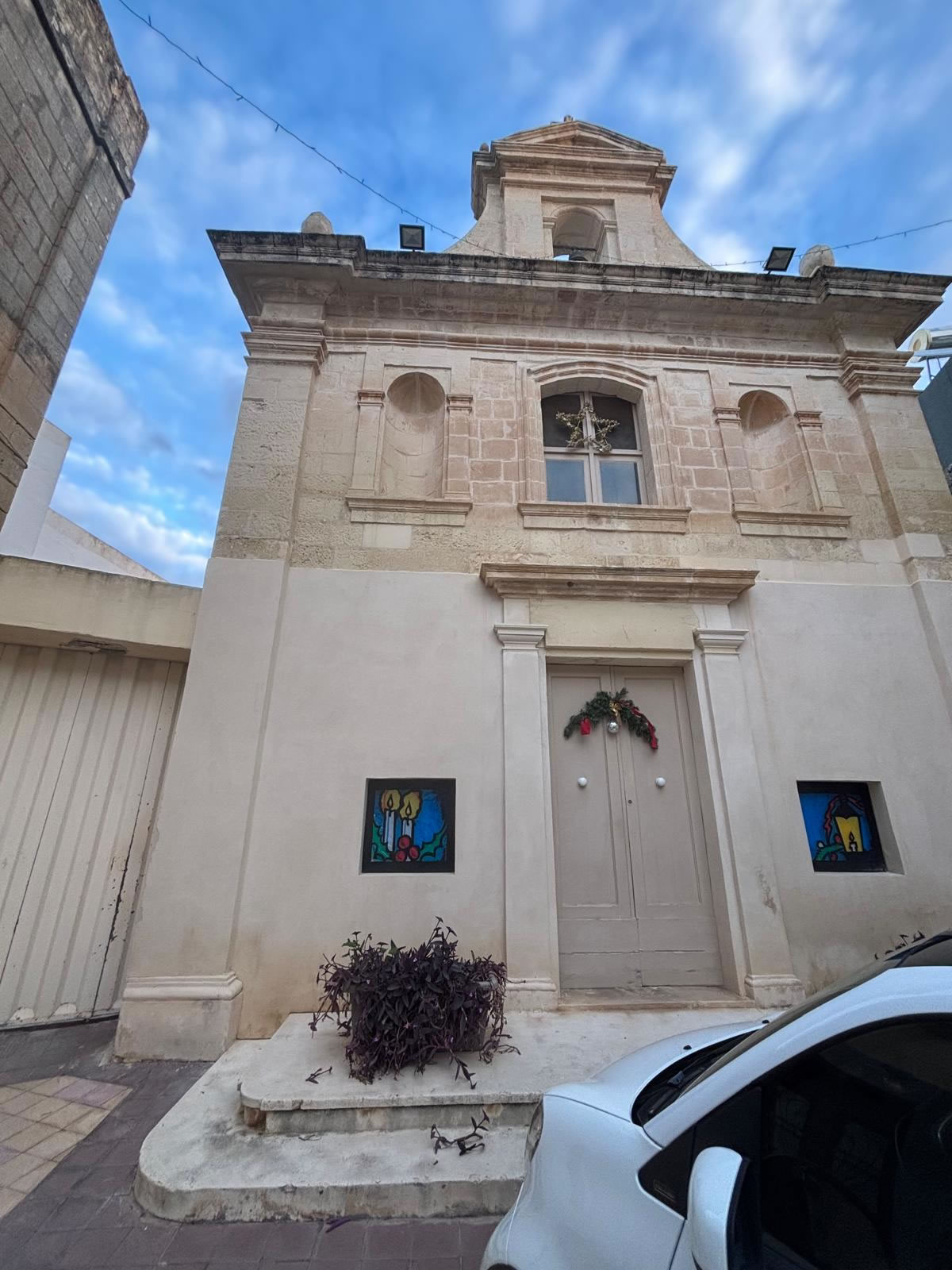
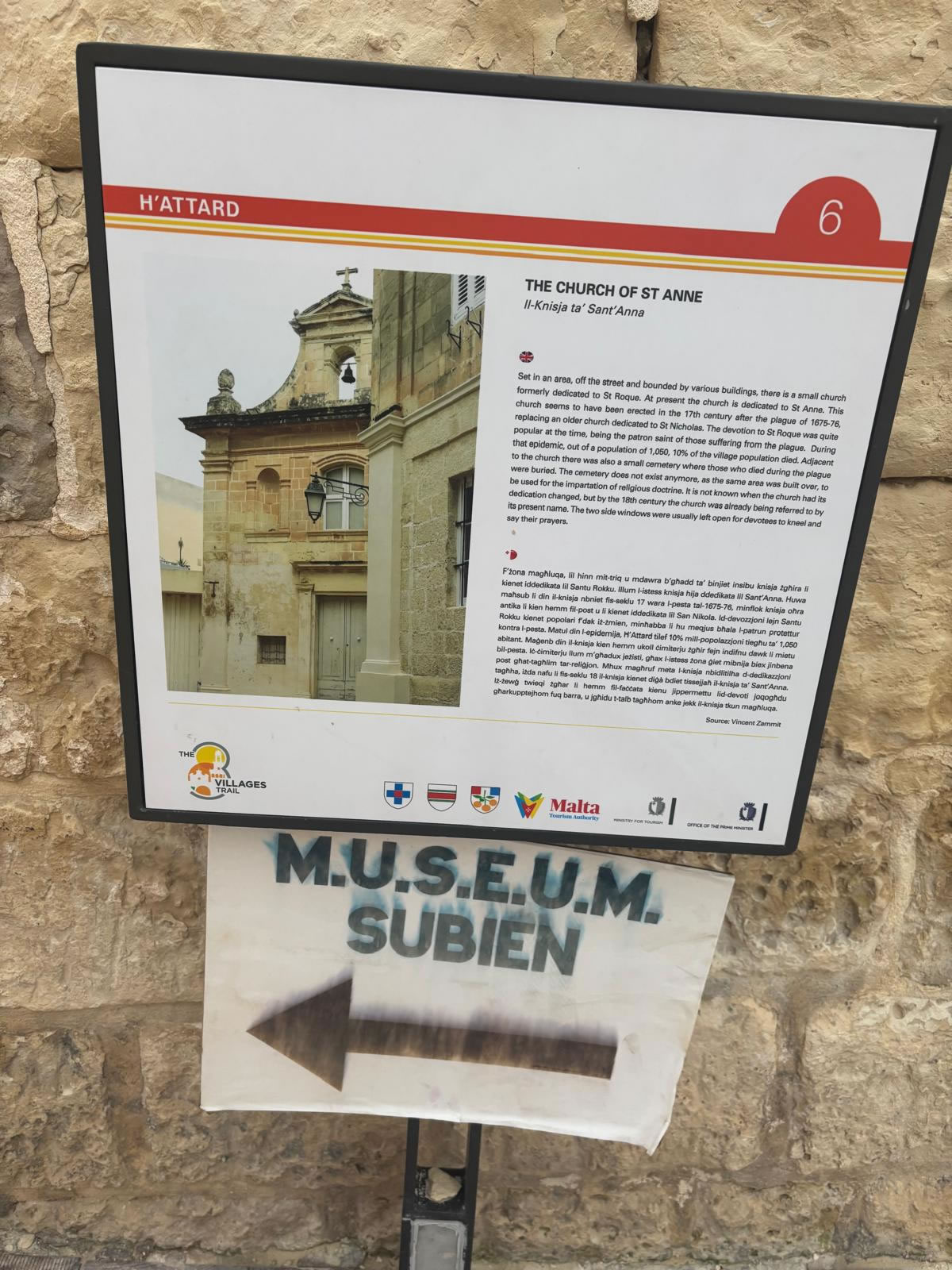
Il-Kappella ta’ Sant’Anna (St Anne’s Chapel), Ħ’Attard
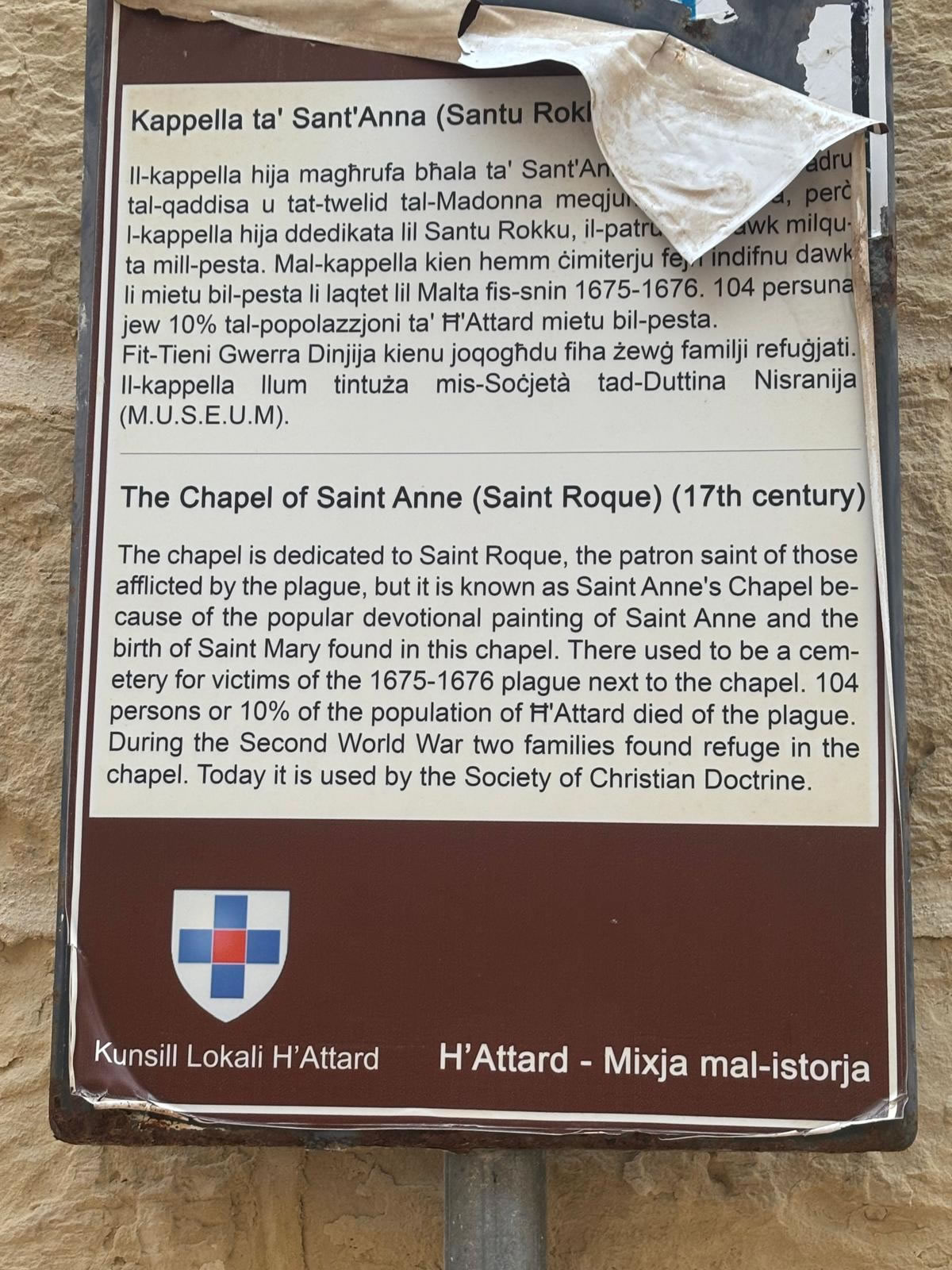
St Anne’s Chapel is a small but historically significant Attard chapel associated with community thanksgiving after the
1676 plague. It is closely linked to devotion to St Roque (a plague-protector saint) and is
also popularly called “St Anne’s” because of the image inside. In the 21st century, it became a focus of national and local
conservation efforts, with restoration works completed in 2022 under the Local Council Restoration Scheme.
Coordinates: 35.8921339, 14.4428880Built: late 17th century (after 1676 plague) Dedication: St Roque / popularly St Anne Restoration: completed 2022 Scheme: Local Council Restoration Scheme
Build-date confirmation: published heritage notes place the chapel’s construction in the late 17th century,
specifically linked to community thanksgiving after the 1676 plague.
Full detailed history
Plague Malta and a chapel of thanksgiving
Attard, like many Maltese communities, carries a deep memory of epidemics that shaped local devotion. Accounts of this chapel associate it with the
aftermath of the 1676 plague, describing how chapels and churches were built or renewed as acts of thanksgiving for deliverance,
and to strengthen prayer life around saints closely linked to protection from disease.
Dedication and popular name: St Roque and St Anne
While the chapel is linked to devotion to St Roque (Rocco)—a saint frequently invoked against plague—heritage notes explain that it is
also “more popularly” known as the Church/Chapel of St Anne because of the picture inside. This dual identity is common in Maltese
chapels: an official dedication alongside a popular devotional name anchored in a specific image or local tradition.
20th-century community role
The chapel continued to function as a religious space into the modern era. A 2022 report on restoration works states that the chapel (described there as
built in the 17th century) was donated in 1968 to the male section of M.U.S.E.U.M for religious functions,
underlining its practical role in community faith formation and devotional practice.
21st-century heritage recognition
By the 2010s–2020s, the chapel formed part of national heritage initiatives supporting local councils. In January 2020, St Anne’s Chapel in Ħ’Attard was
listed among sites selected to benefit from the Restoration Works Scheme for Local Councils, coordinated through the Restoration Directorate.
Construction and architectural description
Late-17th-century village chapel form
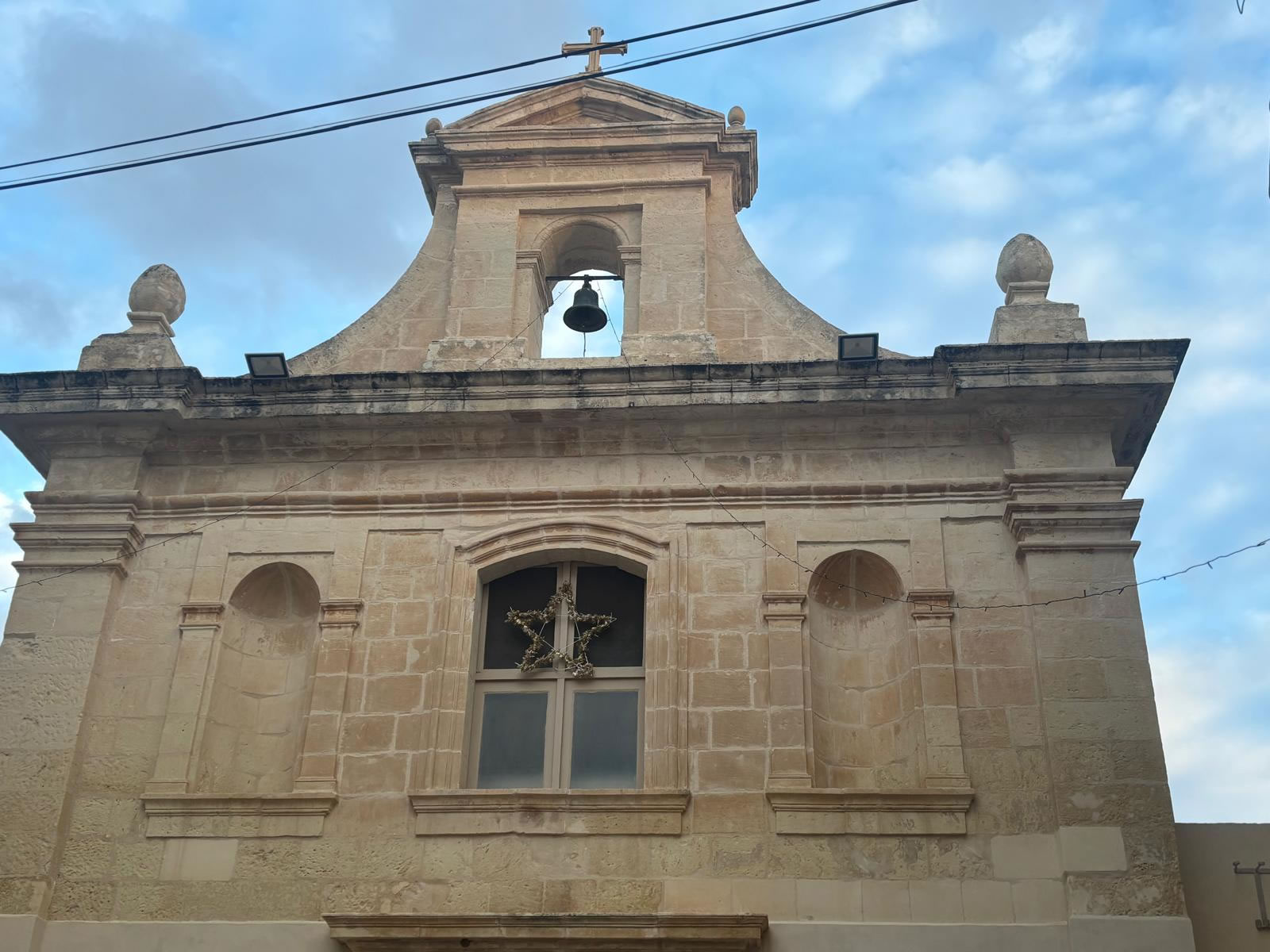
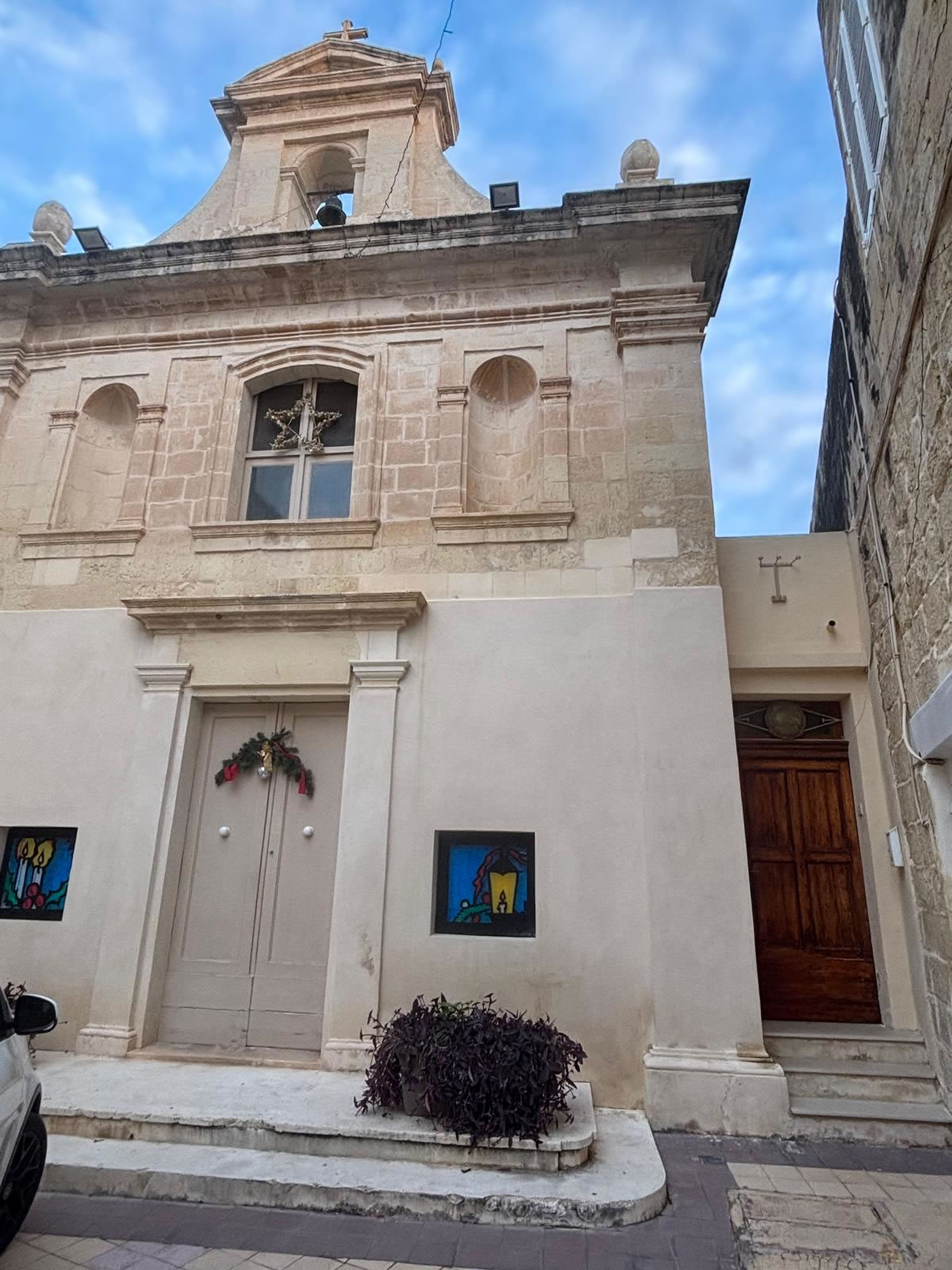
St Anne’s is best understood as a compact village chapel typical of late-17th-century Maltese devotional architecture: a simple, robust limestone structure,
oriented to serve local worship rather than monumental display. Its external character is shaped by exposed stone façades and a small roof volume—features that
also make it vulnerable to weathering and biological growth over time.
Fabric and materials
Like most historic chapels in Malta, the building is limestone masonry. Conservation reporting highlights issues common to exposed limestone: biological growth,
deteriorated mortar joints, and localized stone decay that require careful cleaning, compatible repointing, and breathable finishes.
Restoration and conservation
2020 scheme selection
In January 2020, St Anne’s Chapel in Ħ’Attard was named among nine heritage sites selected for restoration support through the national scheme for local councils.
The scheme’s aim is to assist local councils with the safeguarding of historically and artistically valuable monuments within their boundaries.
2022: works completed under the Local Council Restoration Scheme
Restoration works were reported as completed in April 2022. The intervention included cleaning the three exposed façades and the roof to remove biological growth,
restoring defective joints, and applying conservation-appropriate materials. The report also describes the removal of render from the main façade and the application
of a new breathable render; replacement of severely deteriorated stone blocks on the main façade; roof repairs; and structural consolidation at the
entrance of the central doorway.
Why breathable materials matter: Traditional limestone needs to “breathe”. Breathable mortars and renders help moisture escape instead of trapping
damp inside the stone—reducing salt damage and long-term decay.
Use: past and present
Historic use
The chapel’s origins are tied to a public moment of crisis (the plague) and to communal vows of thanksgiving, reflecting how Maltese rural and village chapels often
formed around shared experiences and collective devotion.
Modern use and community function
In modern reporting, the chapel is associated with religious functions connected to community catechesis, with a 2022 account noting its donation in 1968 to the male
section of M.U.S.E.U.M for religious functions. After the 2022 restoration, the chapel also stands as a local heritage landmark demonstrating what targeted conservation
can achieve for small historic buildings.
Timeline
1676
Plague year associated with the chapel’s founding context; built in the aftermath as thanksgiving/devotion.
Late 17th century
Chapel described as built in the 17th century; commonly linked to the post-plague period.
1968
Reported donation to the male section of M.U.S.E.U.M for religious functions.
9 Jan 2020
Selected under the Restoration Works Scheme for Local Councils (national scheme).
The chapel is in Attard near Pjazzetta Sant’Anna (local access varies). As with many Maltese chapels, opening depends on the local calendar.
If you visit, treat the site as both a heritage monument and a devotional space—keep noise low, do not climb on stonework, and leave no litter.