📍 Location
Location Map Coordinates 35.897120, 14.458393
Introduction
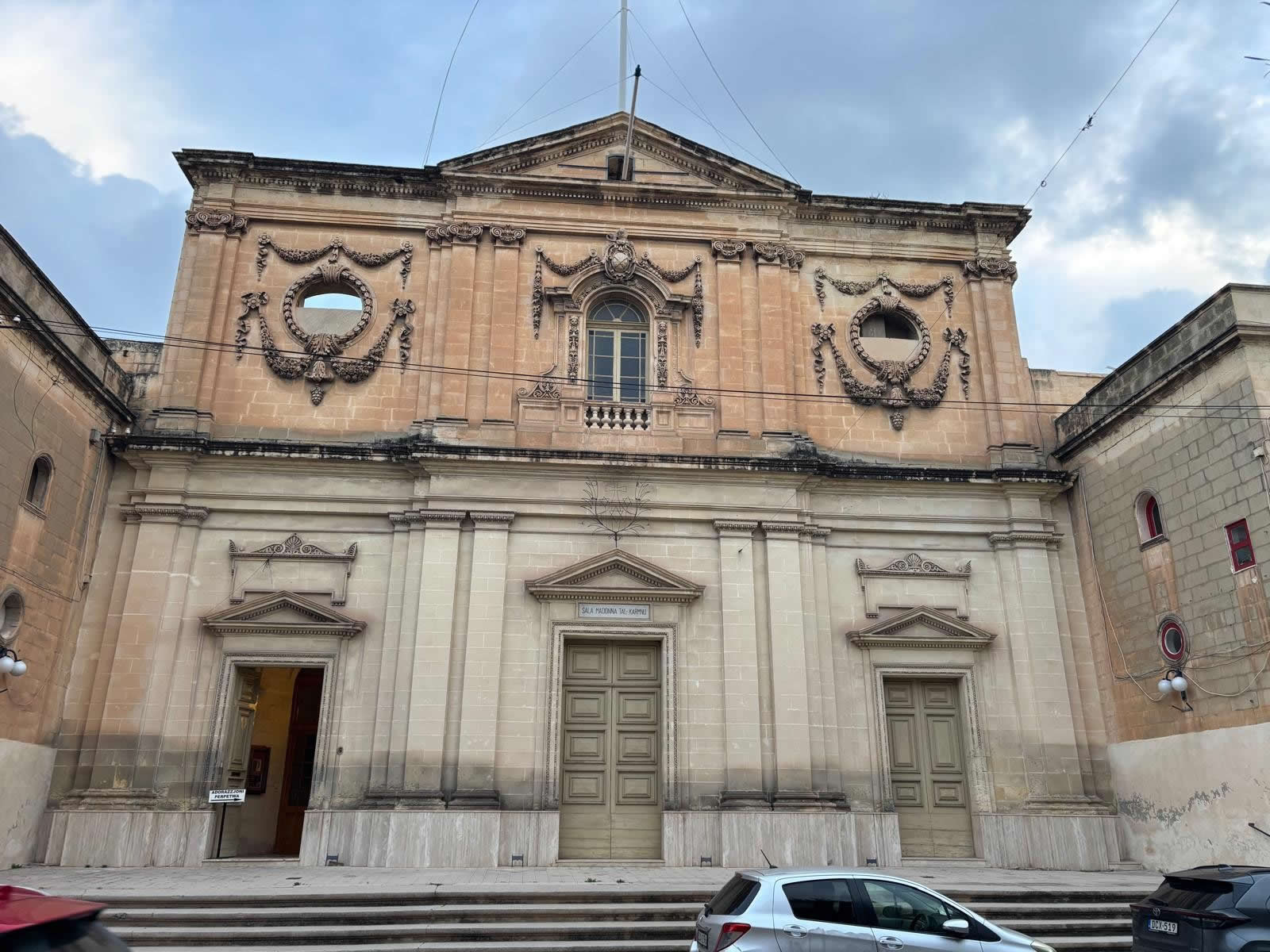
The Church of St Alphonse Liguori in Birkirkara is a historic Roman Catholic church closely associated with the Discalced Carmelite Order in Malta. Built at the end of the nineteenth century, the church formed part of a Carmelite convent complex and served as an important centre of spiritual life for the growing population of Birkirkara and surrounding localities.
Although no longer used regularly for parish worship, the church remains an important historical monument and continues to serve the local community as a meeting hall and place of prayer.
Foundation of the Carmelite Convent
The church and its adjoining monastery were constructed between 1893 and 1895 for the Discalced Carmelites. The project was financed by the benefactor Alphonse Maria Micallef, and the church was dedicated to the Italian saint St Alphonsus Maria de’ Liguori in his honour.
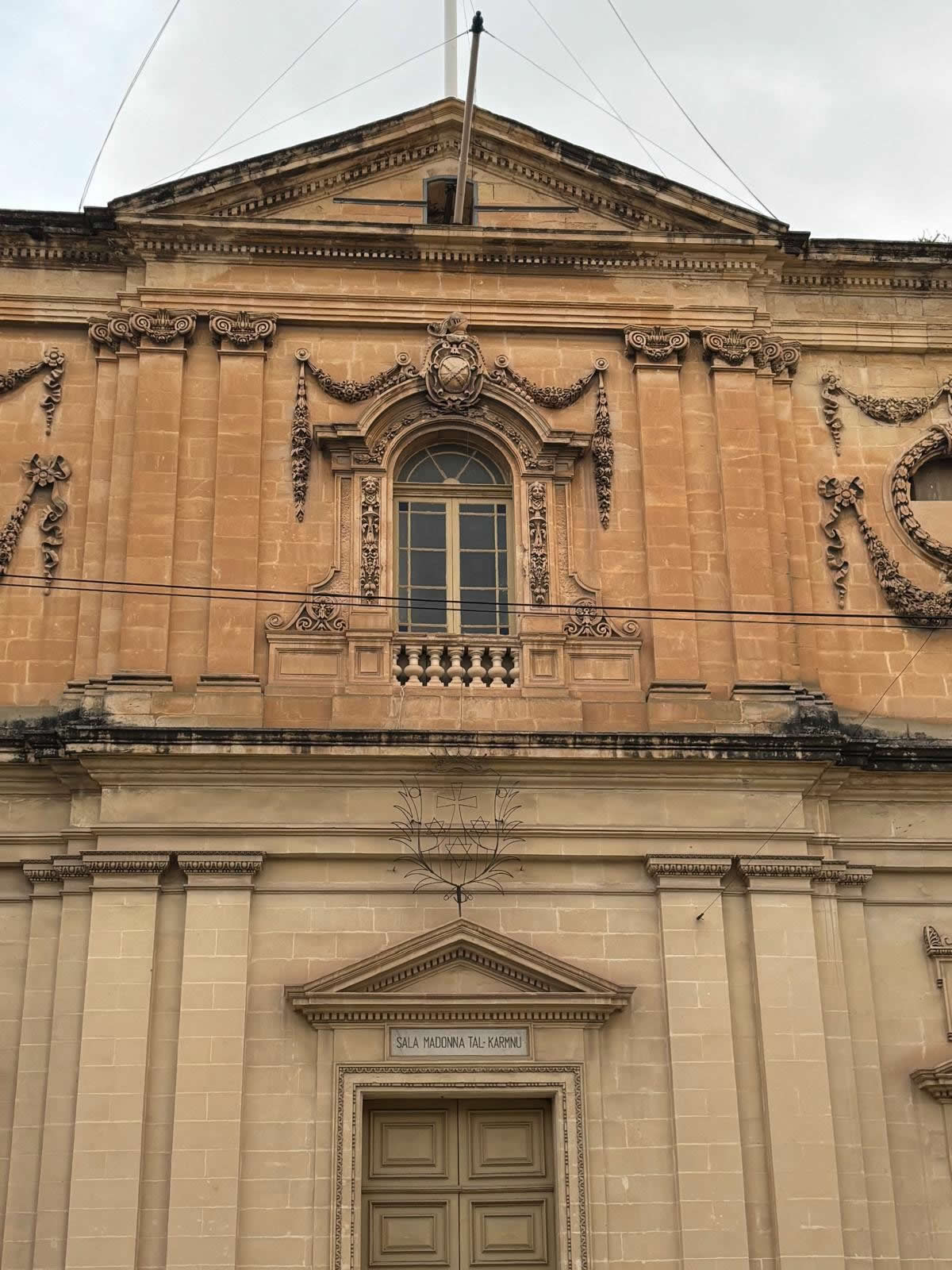
The complex was designed by the distinguished Maltese architect Emanuele Luigi Galizia, one of the most influential architects of nineteenth-century Malta. Galizia was responsible for many important buildings throughout the Maltese Islands and was known for his refined interpretation of classical architectural styles.
This monastery became the second Carmelite house established in Malta, following the earlier foundation in Cospicua in 1625.
Opening of the Church
The new church was officially inaugurated in November 1896. The first public religious celebration held in the church took place on 14 November 1896 when the Carmelite friars gathered to chant the traditional Marian hymn Salve Regina.
The following day, 15 November 1896, the first Mass was celebrated in the church by Fr Carmel of the Child Jesus, the first Vicar Provincial of the Carmelite semi-province in Malta.
The opening of the church marked an important moment in the development of the Carmelite Order in Malta and strengthened the religious life of the surrounding community.
Expansion and Growth
At the turn of the twentieth century the population of Birkirkara and neighbouring villages continued to grow rapidly. As a result, the Carmelite church quickly became too small for the number of faithful attending religious services.
To accommodate the growing congregation, the church underwent two major enlargements. The first expansion took place in 1904, followed by a second extension in 1909.
These expansions allowed the church to serve a larger number of worshippers and confirmed its importance as one of the principal Carmelite centres in Malta.
The Lourdes Grotto
An interesting devotional feature associated with the church was a grotto depicting the apparition of Our Lady of Lourdes. This grotto was sponsored by the Marquise Anna Bugeja, who commissioned statues of the Virgin Mary and St Bernadette from Paris.
The grotto became a place of Marian devotion for the faithful visiting the church and reflects the strong Marian spirituality characteristic of Carmelite religious life.
Damage and Alterations
In 1959 the church suffered severe damage during a powerful storm which struck Malta. Lightning hit the bell tower, causing structural damage that eventually led to the removal of the belfry.
Despite this damage, the church continued to serve the community until a new and larger Carmelite church was planned nearby.

Construction of St Thérèse Sanctuary
By the mid-twentieth century the increasing population of Birkirkara made it necessary to construct a much larger church for the Carmelite community.
A new sanctuary dedicated to St Thérèse of Lisieux was therefore planned adjacent to the older church. Construction began in 1965 and continued for several years until the completion of the modern structure in 1982.
Once the new sanctuary was completed, the original Church of St Alphonse Liguori ceased to function as the main Carmelite church in the locality.
Architecture
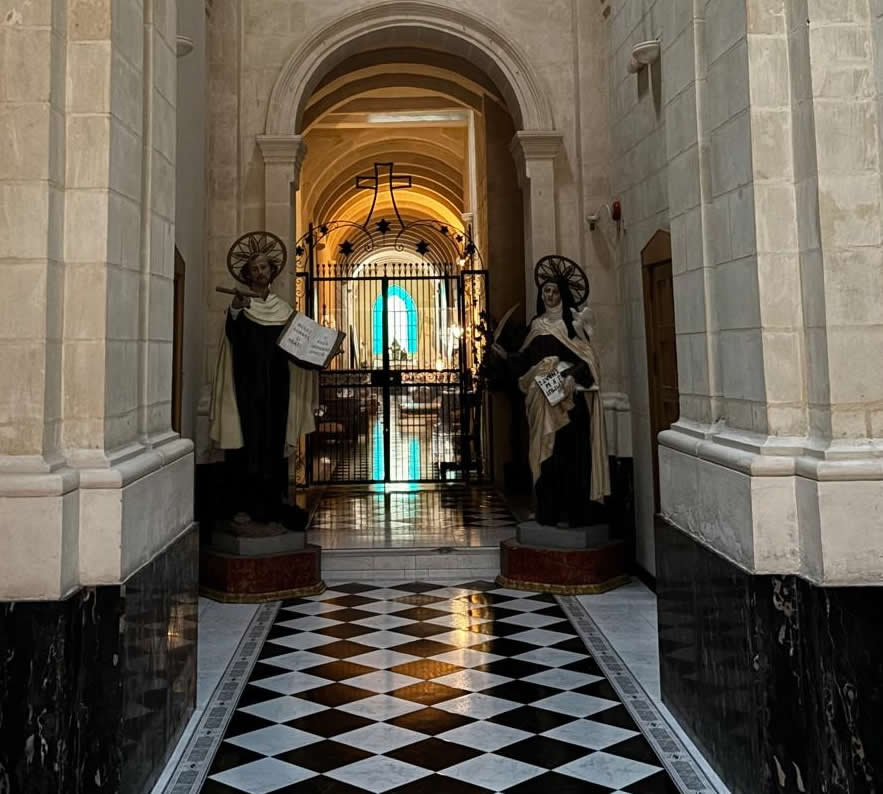
The architecture of the Church of St Alphonse Liguori reflects the classical style popular in Maltese ecclesiastical architecture during the late nineteenth century.
The façade is composed of three vertical bays decorated with pilasters and classical columns. The lower section incorporates Doric elements while the upper level features Ionic details, creating a harmonious architectural composition typical of Galizia’s work.
Originally the church included a bell tower rising above the façade, although this structure was removed after the storm damage of 1959.

Current Use
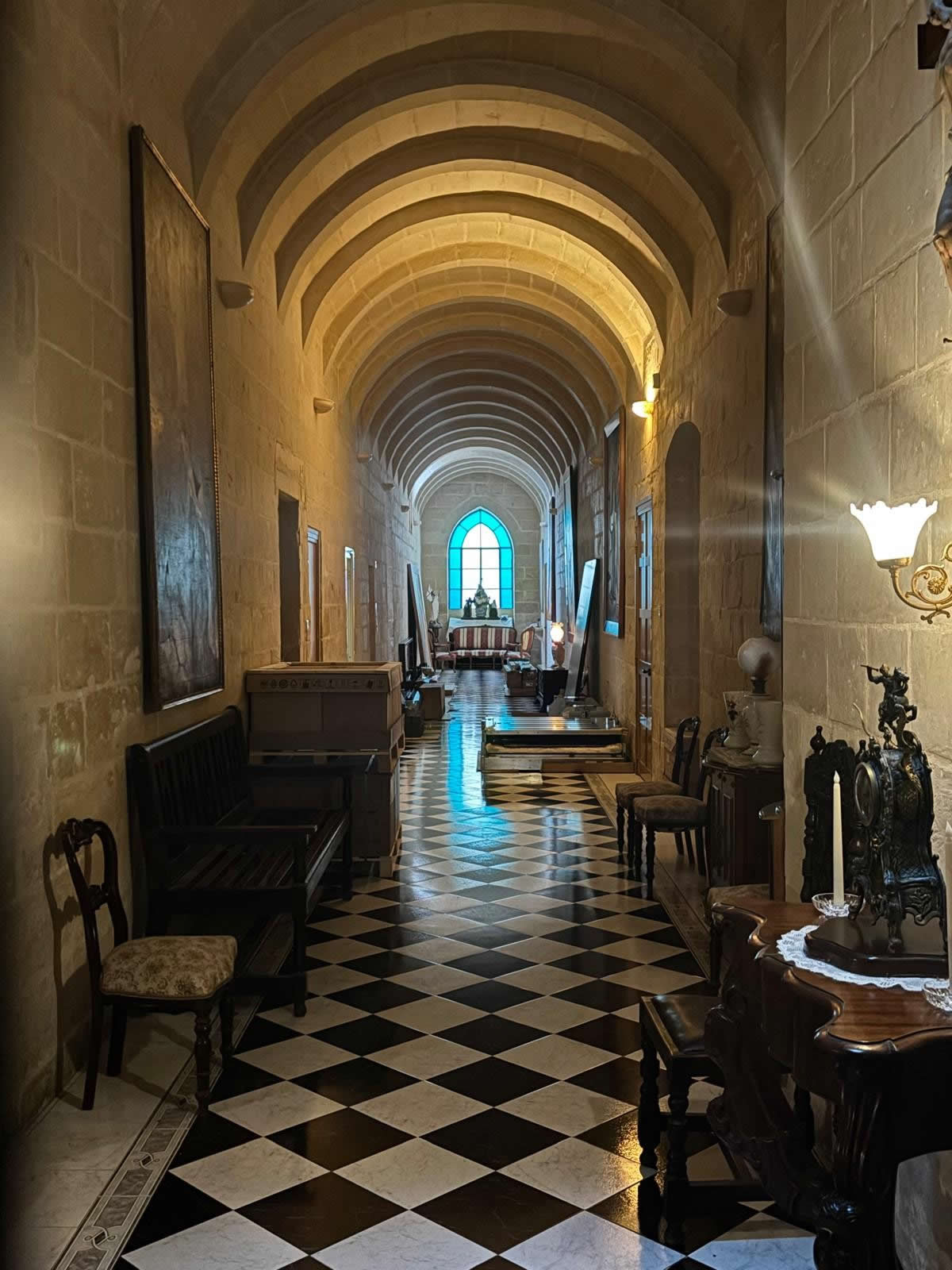
Today the church is no longer used for regular parish liturgy. Instead, the building serves as a meeting and community hall known as Our Lady of Mount Carmel Hall.
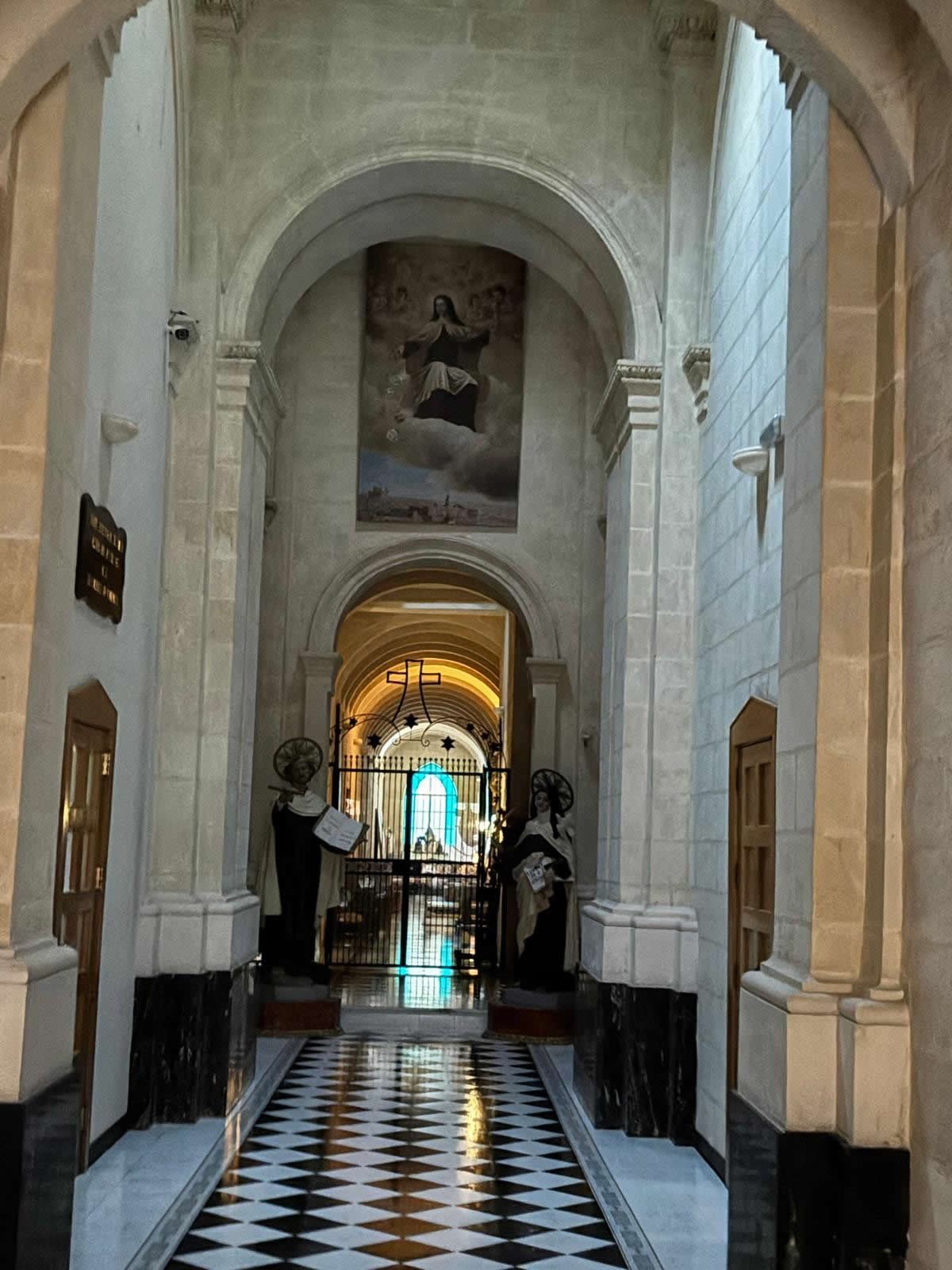
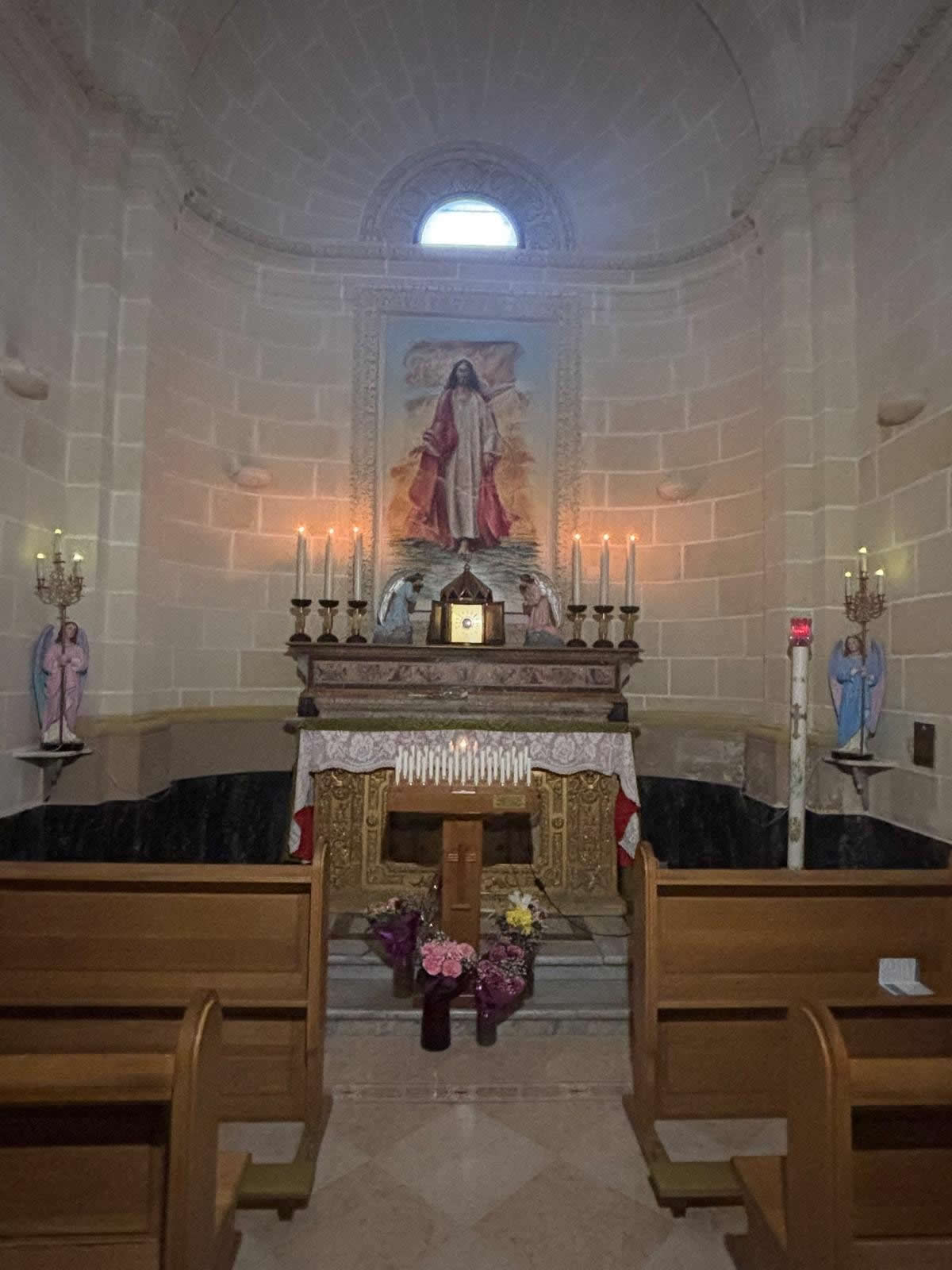
Despite this change of function, the building remains closely connected to the Carmelite spiritual tradition, and a small chapel for perpetual adoration continues to operate within the complex.
The church is also listed on the National Inventory of the Cultural Property of the Maltese Islands, recognising its historical and architectural importance.

Location
| Church | Church of St Alphonse Liguori |
|---|---|
| Maltese Name | Knisja ta’ San Alfons Liguori |
| Location | Birkirkara, Malta |
| Coordinates | 35.897120, 14.458393 |
| Architect | Emanuele Luigi Galizia |
| Construction | 1893 – 1895 |
| Religious Order | Discalced Carmelites |
Conclusion
The Church of St Alphonse Liguori represents an important chapter in the religious and architectural history of Birkirkara. Built by the Discalced Carmelites during a period of rapid urban growth, the church served as a centre of worship and devotion for several decades.
Although its role has changed over time, the building remains a significant historical landmark and a reminder of the Carmelite presence that helped shape the spiritual life of the town.