📍 Location
Location Map Coordinates 35.890918, 14.443113
Introduction
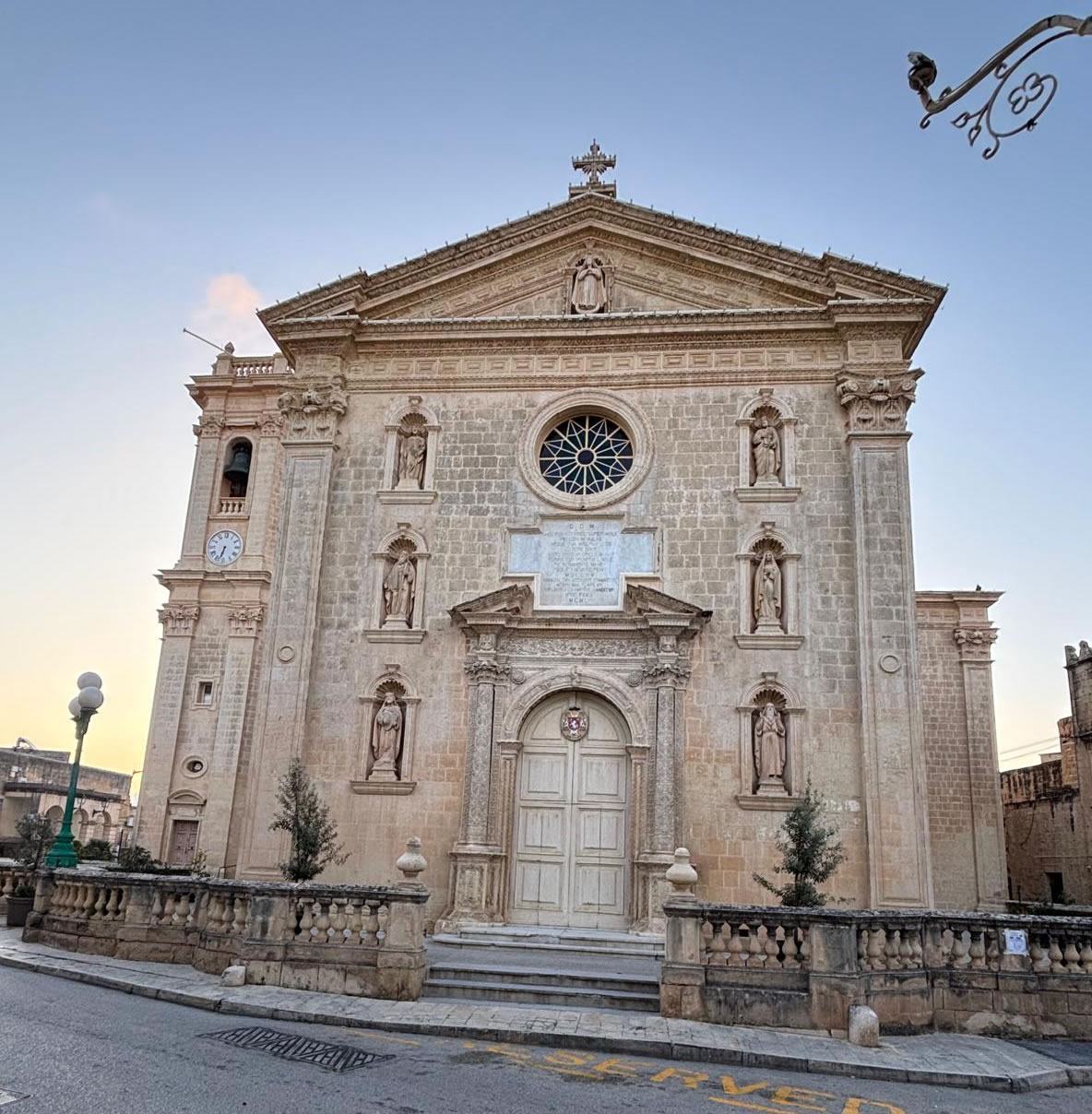
The Parish Church of St. Mary in Attard—formally dedicated to the Assumption of the Blessed Virgin Mary—is one of Malta’s most refined examples of Renaissance ecclesiastical architecture. Situated at the heart of the village of Attard, this historic church has long served as the spiritual, cultural, and architectural focal point of the community. Its harmonious proportions, artistic embellishments, and historical continuity make it one of the most significant parish churches on the island.
Historical Background
Attard was established as a parish in 1575, reflecting the growth of the settlement and its increasing religious importance. However, the original church soon proved inadequate for the expanding population. As a result, a new and more ambitious structure was commissioned in the early 17th century.
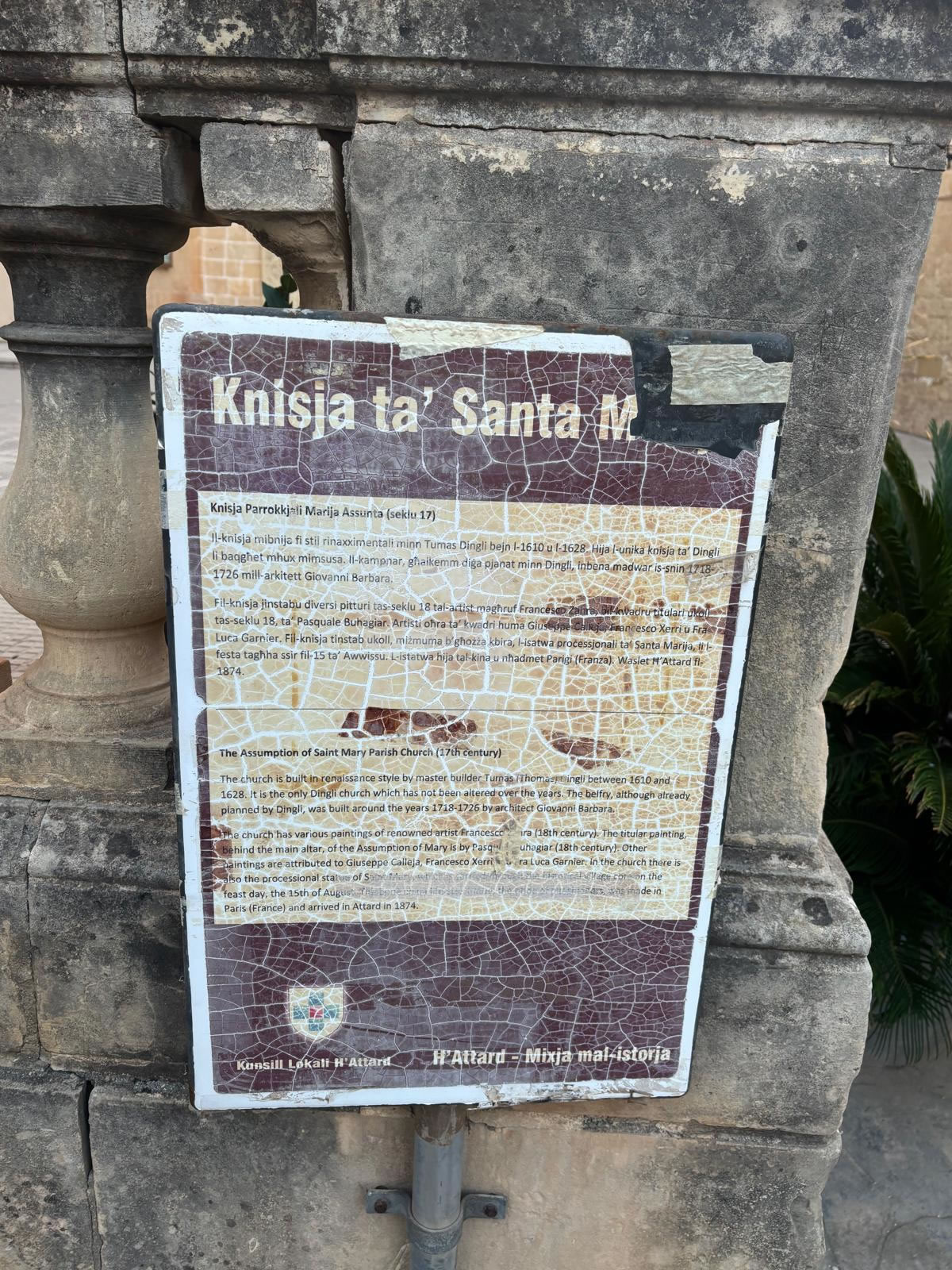
Construction of the present Parish Church of St. Mary began in 1613 and was completed in 1624. The design is attributed to the renowned Maltese architect and sculptor Tommaso Dingli, whose work represents a crucial transitional phase between late Renaissance and early Baroque influences in Malta.
The church was officially consecrated on 7 May 1730, marking its full liturgical establishment. Over the centuries, the structure has remained largely faithful to its original design, a rare feature among Maltese parish churches, many of which underwent extensive Baroque transformations.
Construction and Architectural Development
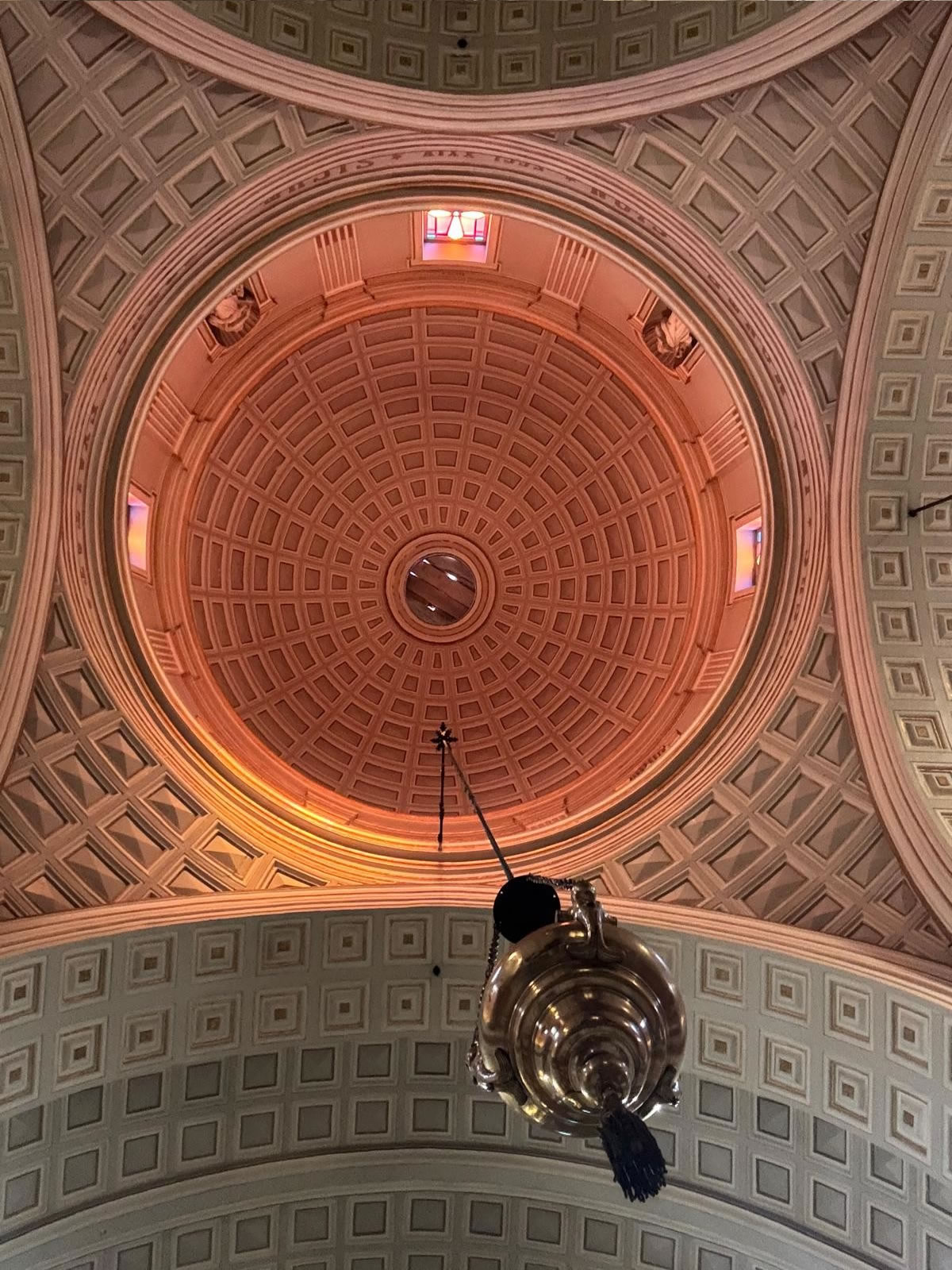
The Parish Church of St. Mary is widely regarded as one of the finest Renaissance churches in Malta. Built from locally quarried limestone, the church reflects a balance of symmetry, proportion, and restrained ornamentation. Its plan follows a Latin cross layout, with a central nave, transepts, and a prominent dome.
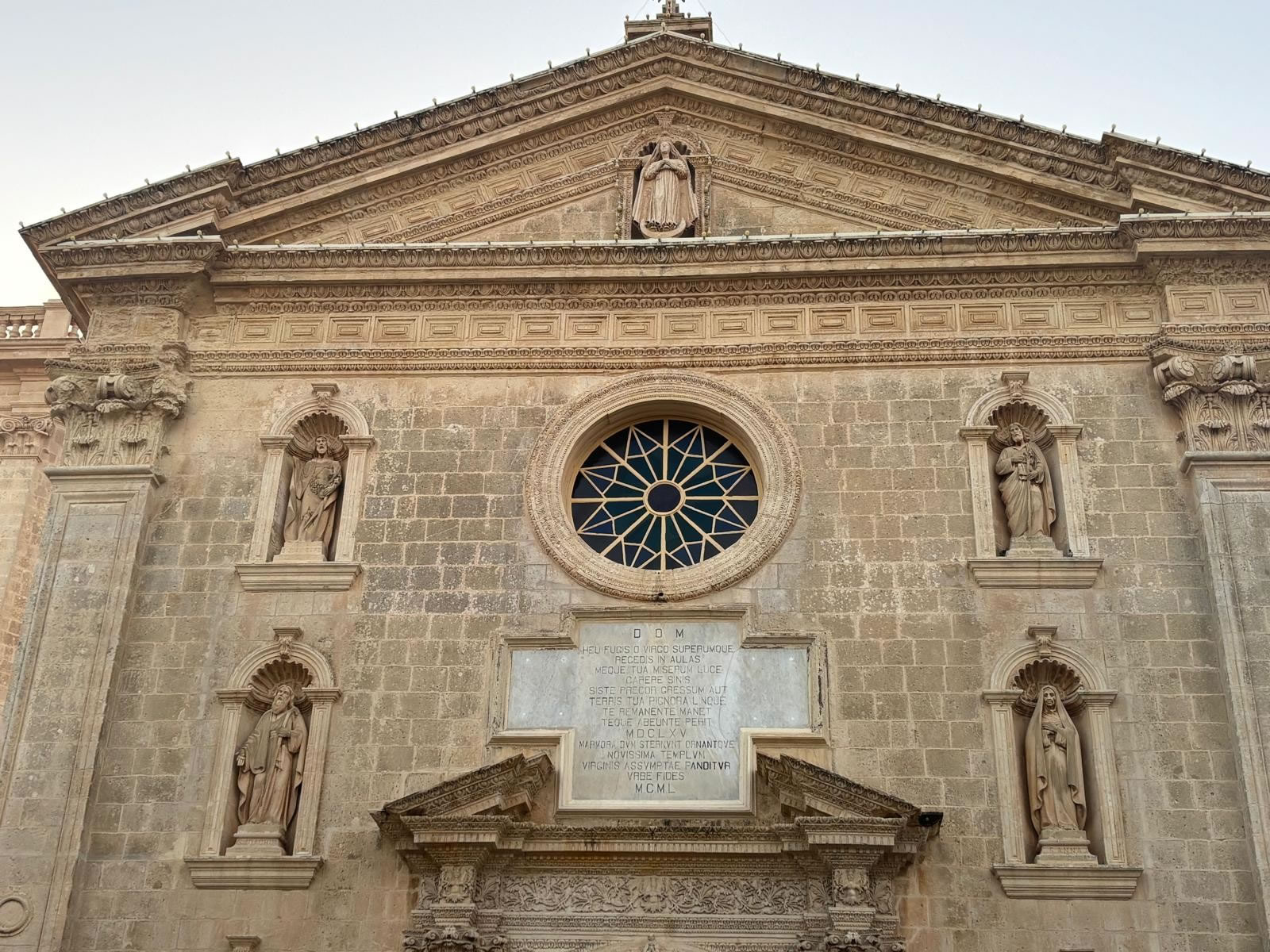
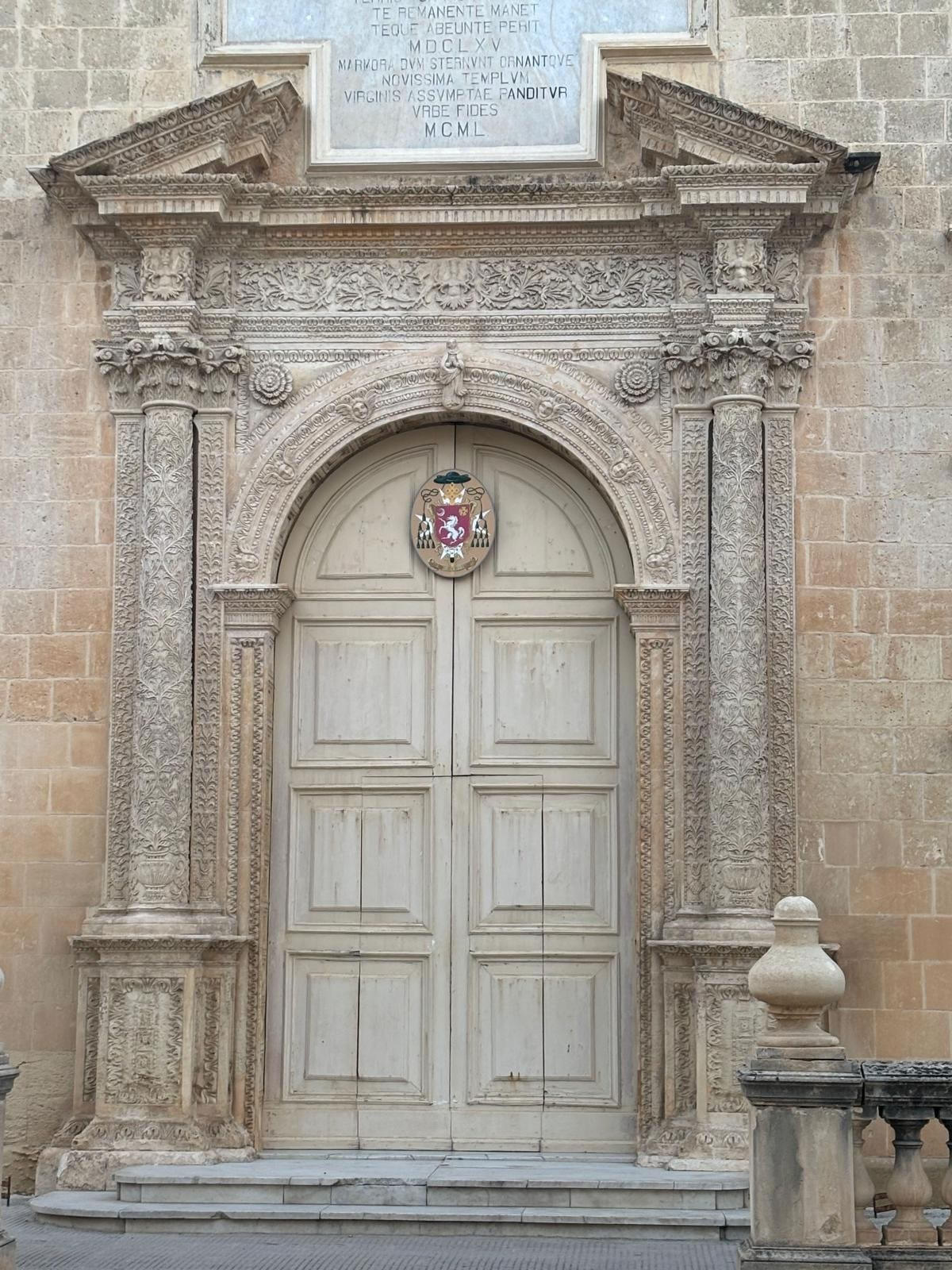
The façade is particularly striking, characterized by Corinthian pilasters, a central doorway framed by intricate stonework, and a triangular pediment crowning the structure. Six statues occupy niches across the façade, representing biblical figures and saints, adding both symbolic and aesthetic value.
Although Dingli’s original plans included a bell tower, the belfry was only constructed later, between 1718 and 1719. The tower houses five bells cast between the early 18th and early 19th centuries, contributing to the auditory identity of the parish.
Later Additions and Modifications
While the core structure has remained largely intact, several additions were made over time to accommodate evolving liturgical and community needs. A sacristy was added in 1740, enhancing the church’s functionality, while a second sacristy was constructed between 1856 and 1857.
The church parvis (forecourt) was built in 1891, providing an open communal space in front of the church. This area suffered damage during World War II but was later reconstructed in 1958, restoring its role as a gathering place for parishioners.
Further enhancements include the installation of a clock in the belfry in 1872, crafted by Maltese clockmaker Michelangelo Sapiano, illustrating the continued investment in the church’s infrastructure and aesthetic refinement.
Interior and Artistic Heritage
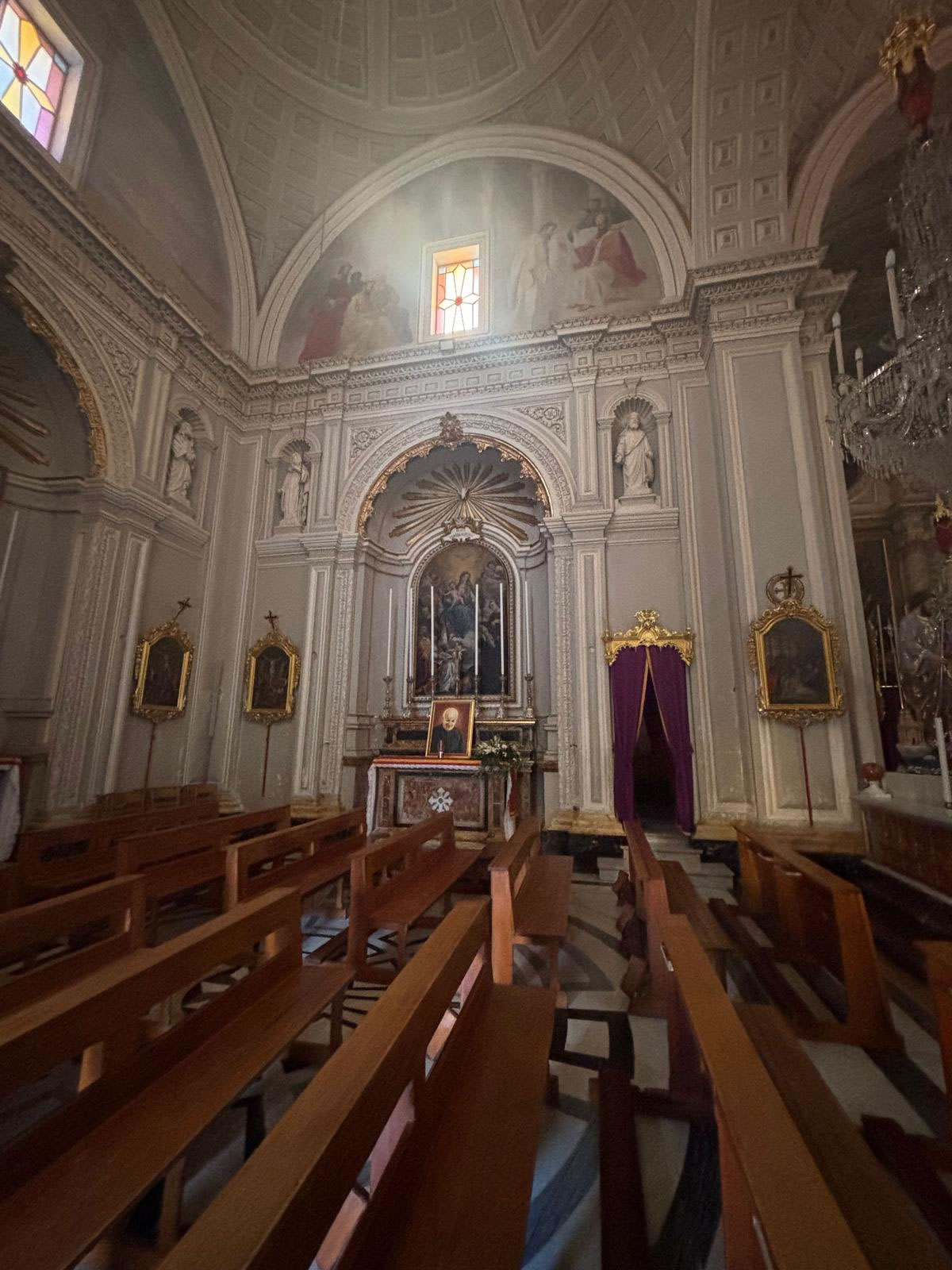
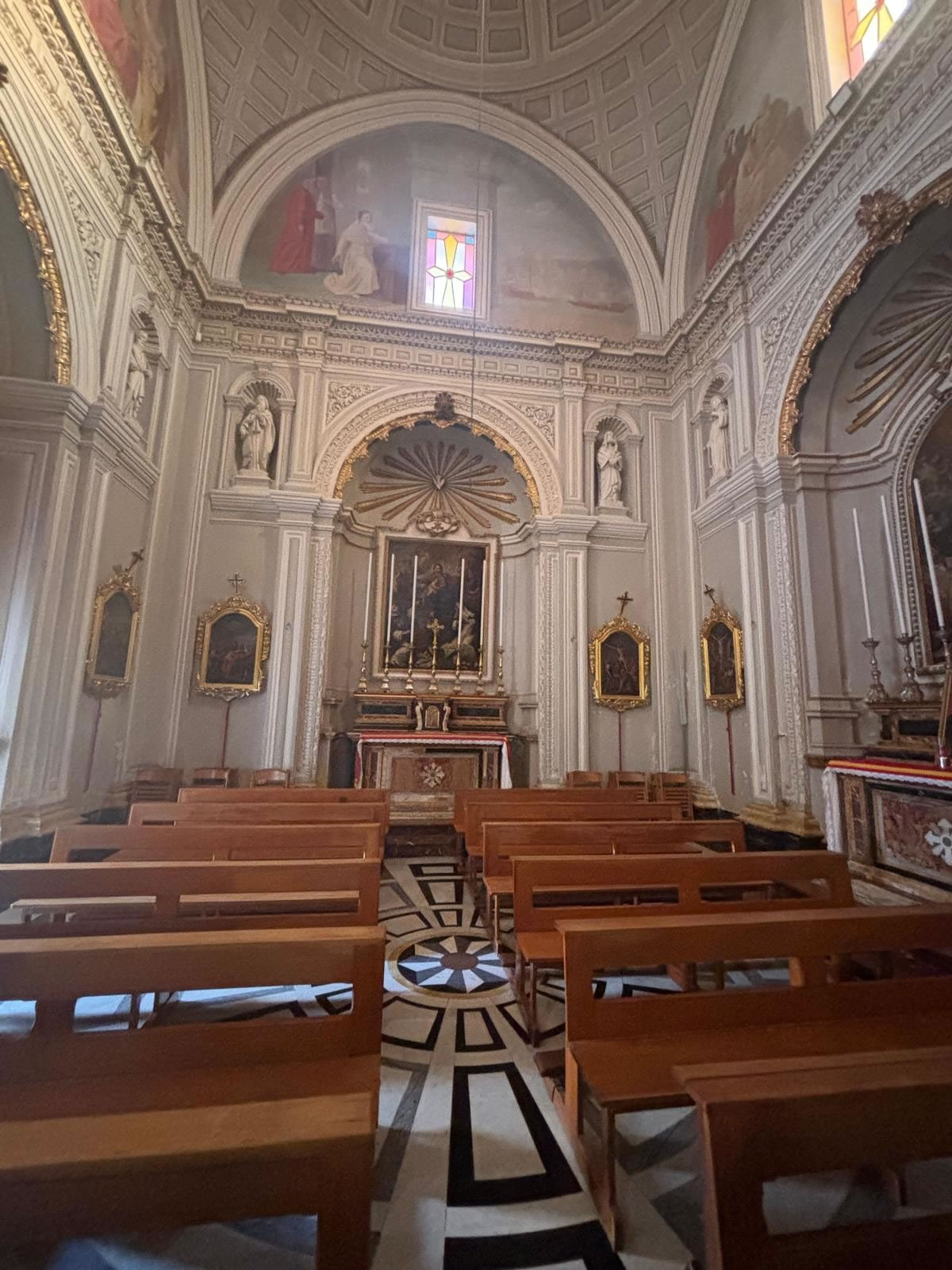
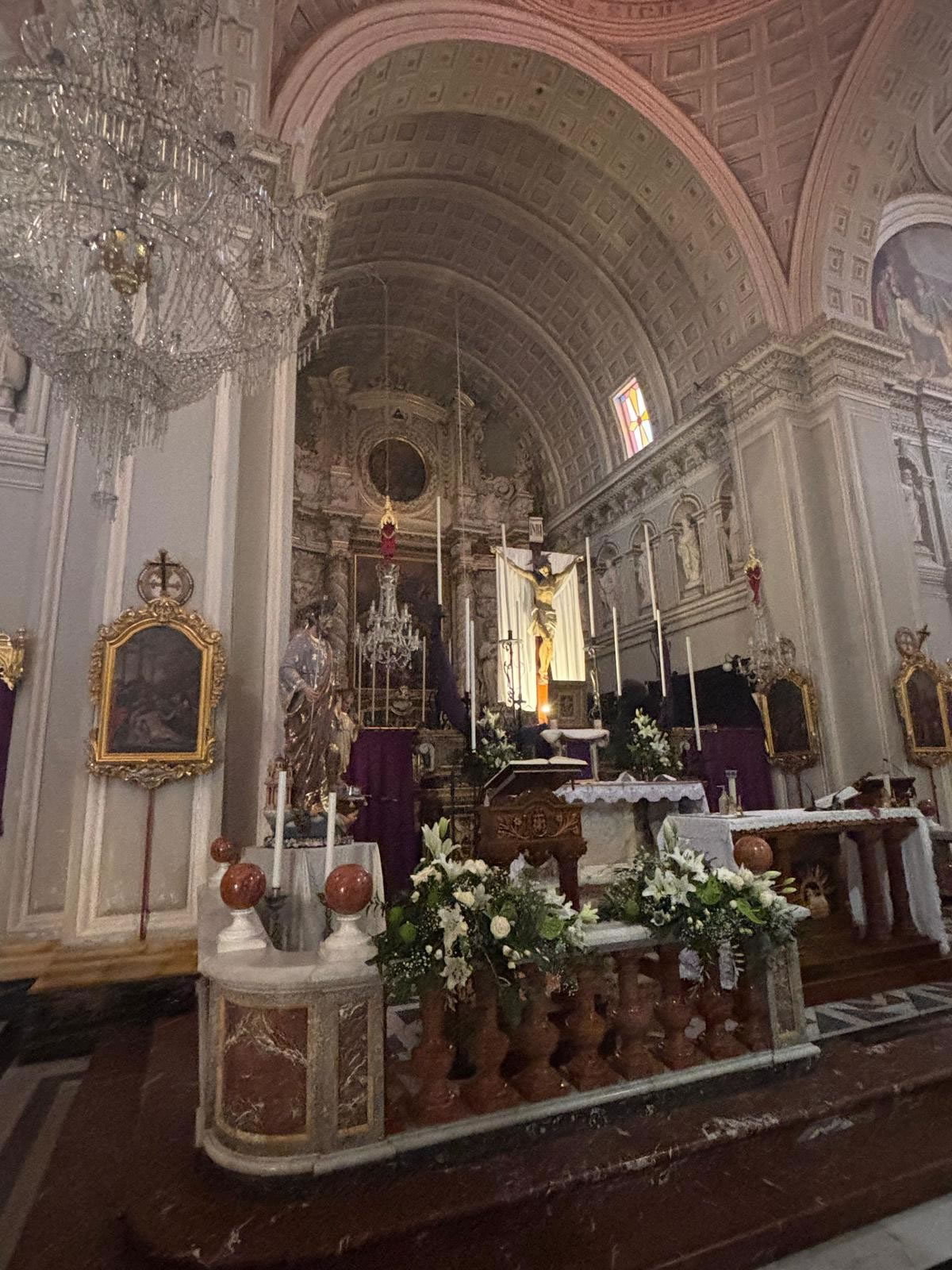
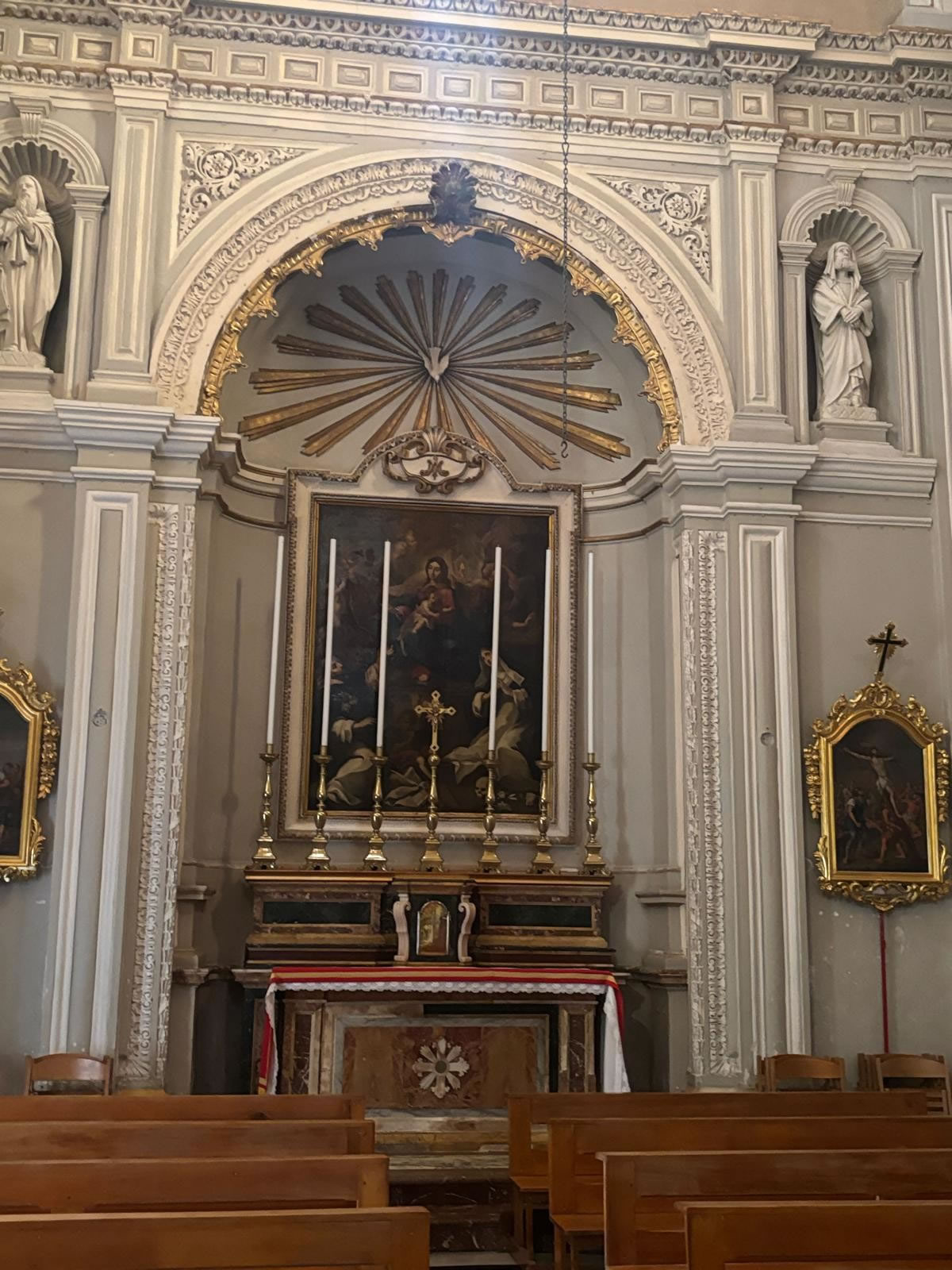
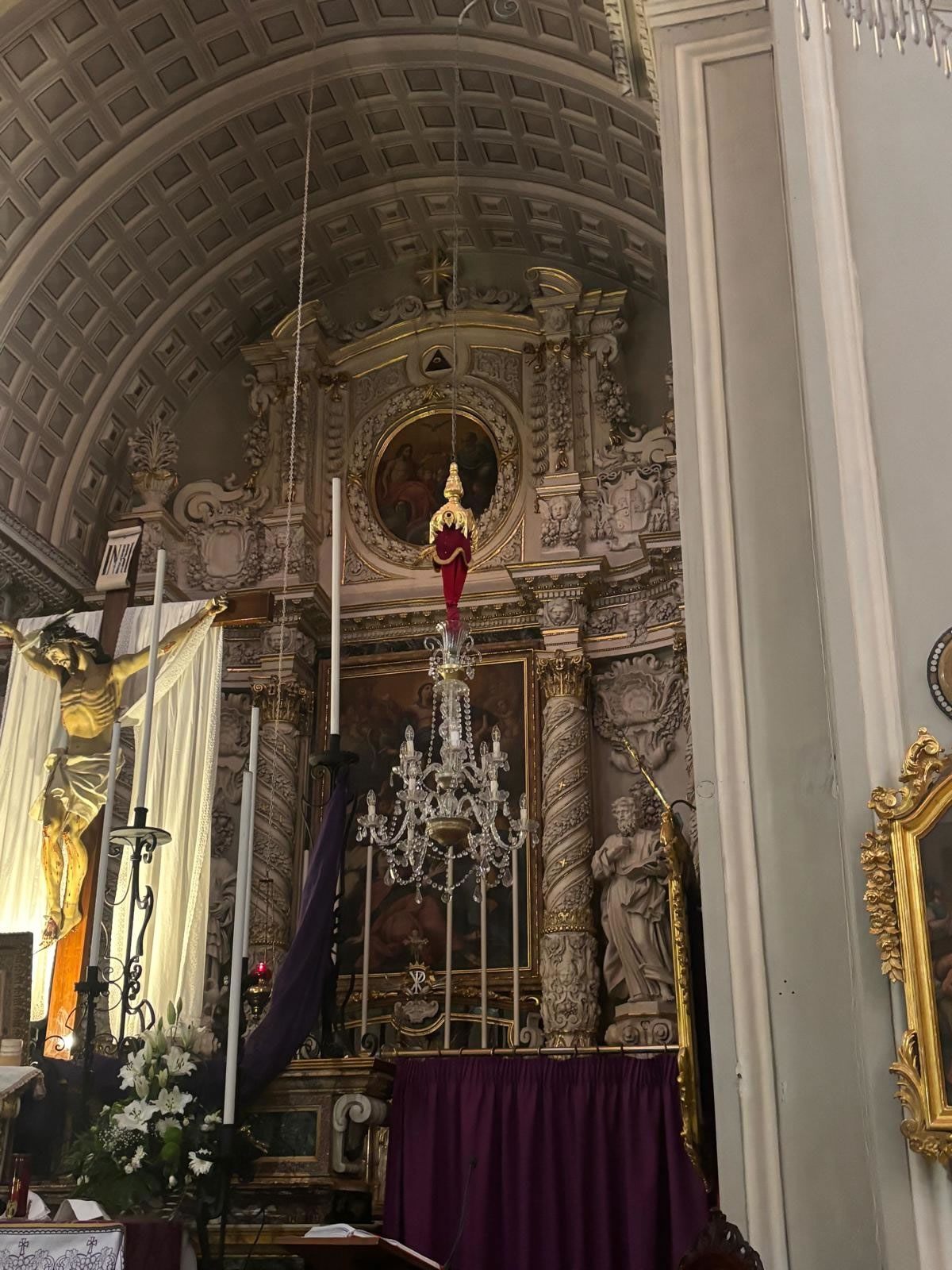
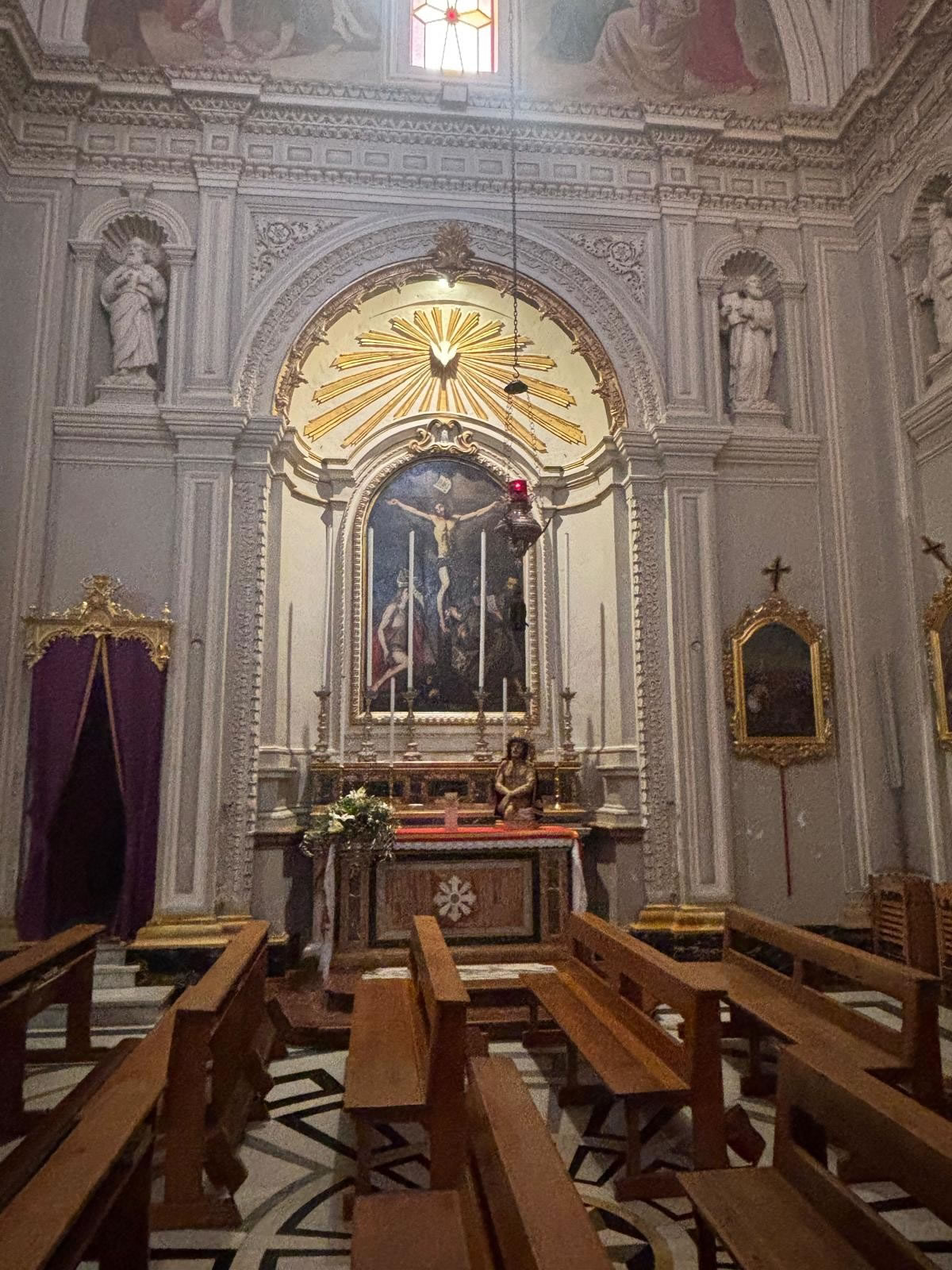
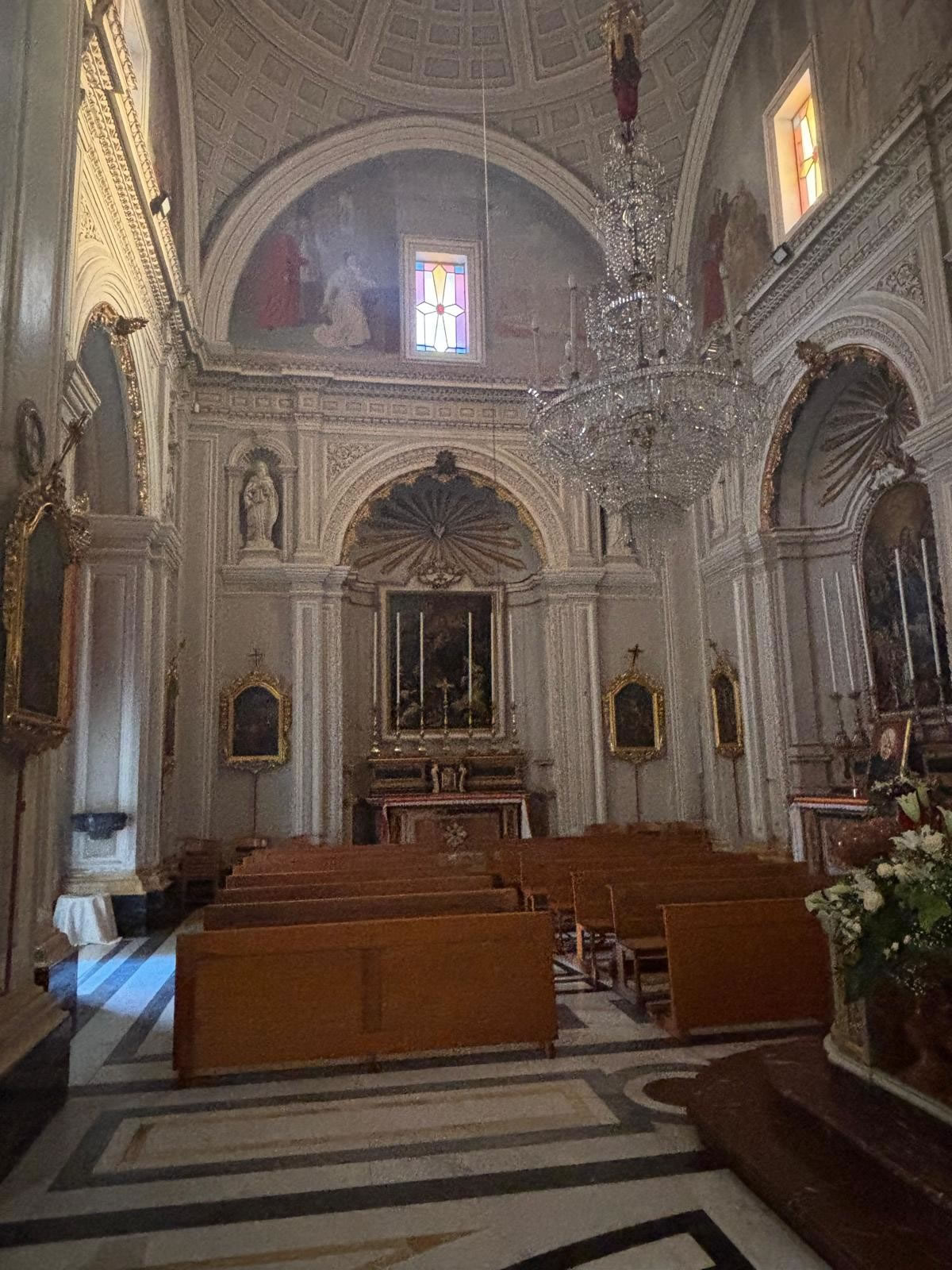
Inside, the church reveals a rich artistic and devotional environment. The interior includes a central nave, transepts, choir, and ten altars, each dedicated to different saints or aspects of Catholic devotion.
The ceiling and choir are adorned with frescoes that enhance the spiritual atmosphere, drawing the eye upward and reinforcing the sacred character of the space. Sculptural works within the church are attributed to Tommaso Dingli himself, along with contributions from other Maltese artists such as Giovanni Attard.
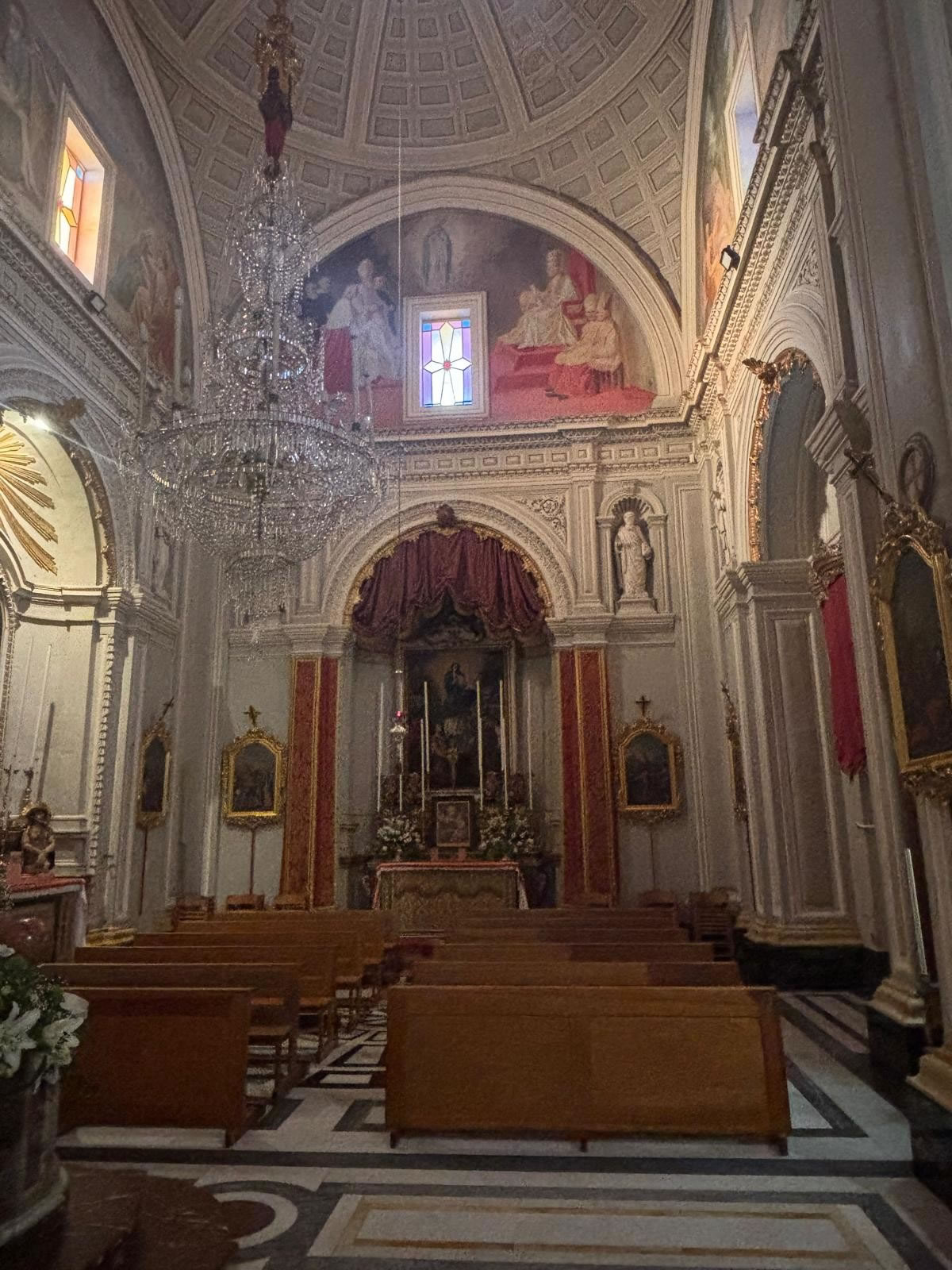
The combination of architectural harmony and artistic detail makes the interior a cohesive expression of Renaissance religious ideals—clarity, proportion, and spiritual focus.
Religious and Cultural Significance
As the principal parish church of Attard, St. Mary’s plays a central role in the religious life of the community. It hosts daily Mass, feast celebrations, and important liturgical events throughout the year.
The feast of the Assumption of Mary, celebrated annually in August, is a highlight of the parish calendar. Like many Maltese festas, it combines religious devotion with cultural festivities, including processions, band marches, and communal gatherings.
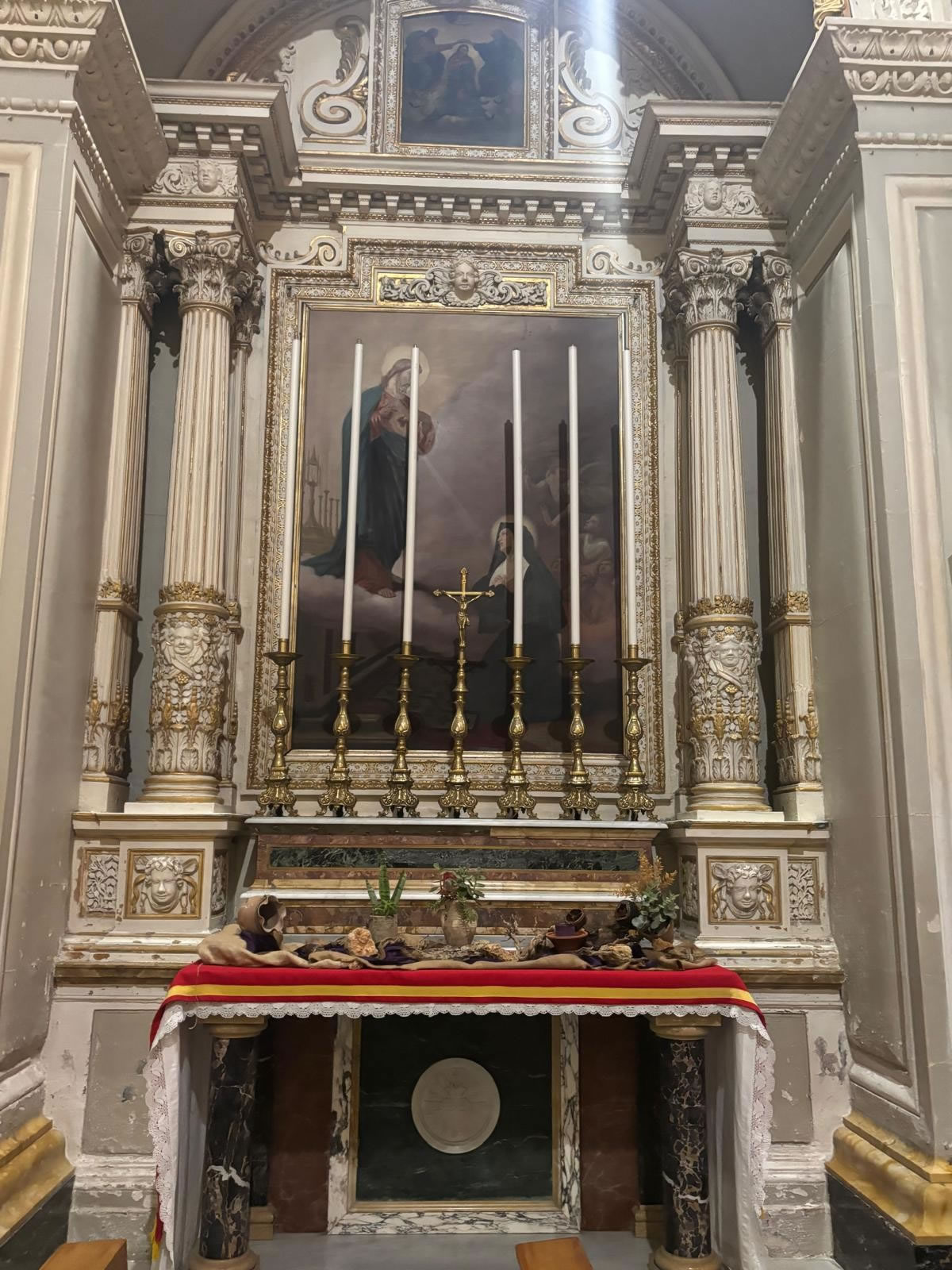
Beyond its liturgical role, the church serves as a symbol of Attard’s identity and continuity. It stands as a testament to centuries of faith, craftsmanship, and community involvement.
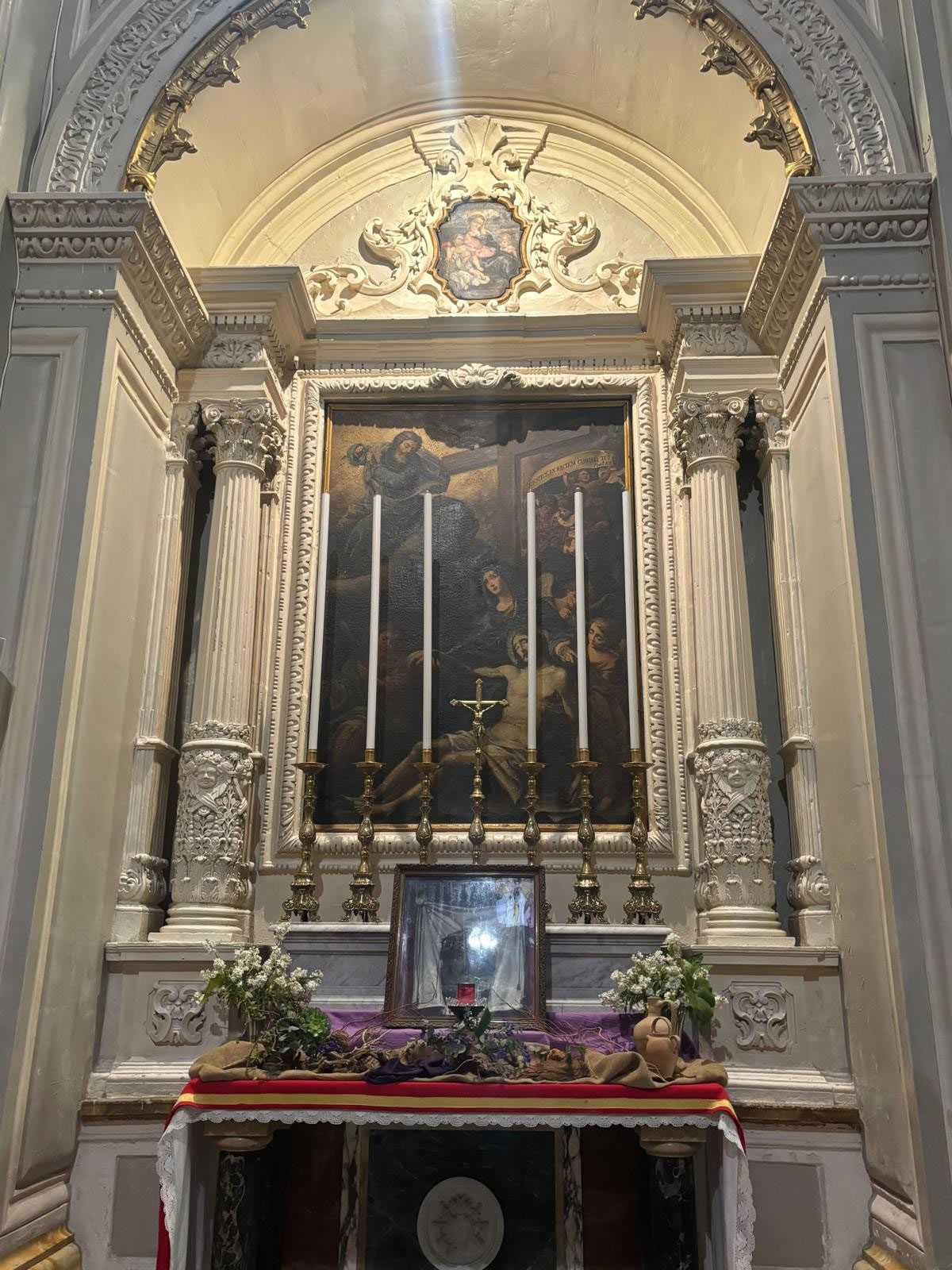
Architectural Importance in Malta
The Parish Church of St. Mary is often cited as one of the best-preserved Renaissance churches in Malta. Its design reflects influences from Italian Renaissance architecture, possibly inspired by churches such as Santa Maria del Calcinaio in Cortona.
Unlike many Maltese churches that were extensively modified during the Baroque period, this church retains much of its original character. This makes it particularly valuable for understanding early 17th-century ecclesiastical architecture on the island.
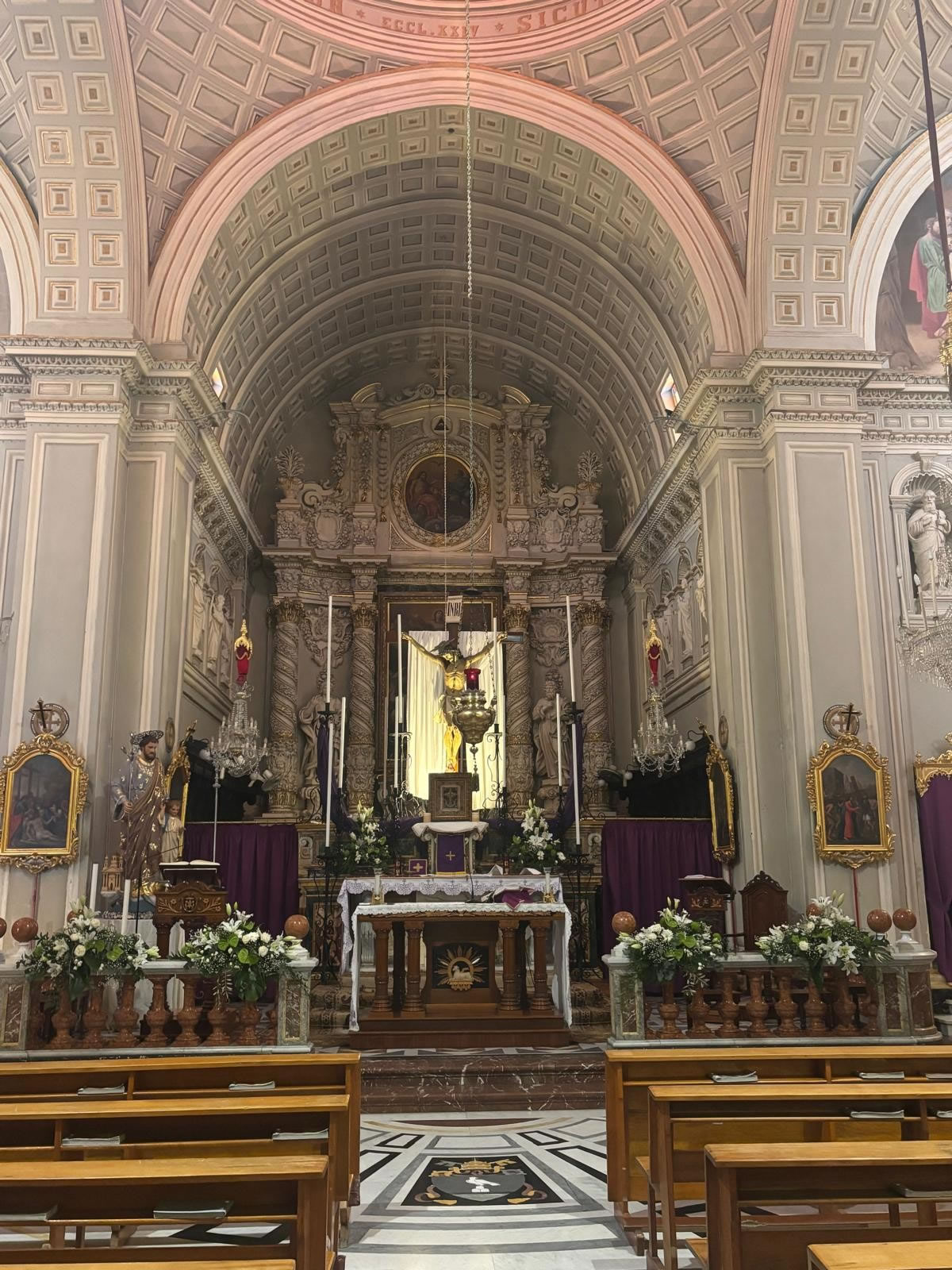
Restoration and Conservation
Over the centuries, the church has undergone various restoration efforts aimed at preserving its structural integrity and artistic heritage. These interventions have included repairs following wartime damage, maintenance of stonework, and conservation of interior artworks.
Today, the church is recognized as a Grade 1 national monument and is included in the National Inventory of the Cultural Property of the Maltese Islands, reflecting its historical and cultural importance.
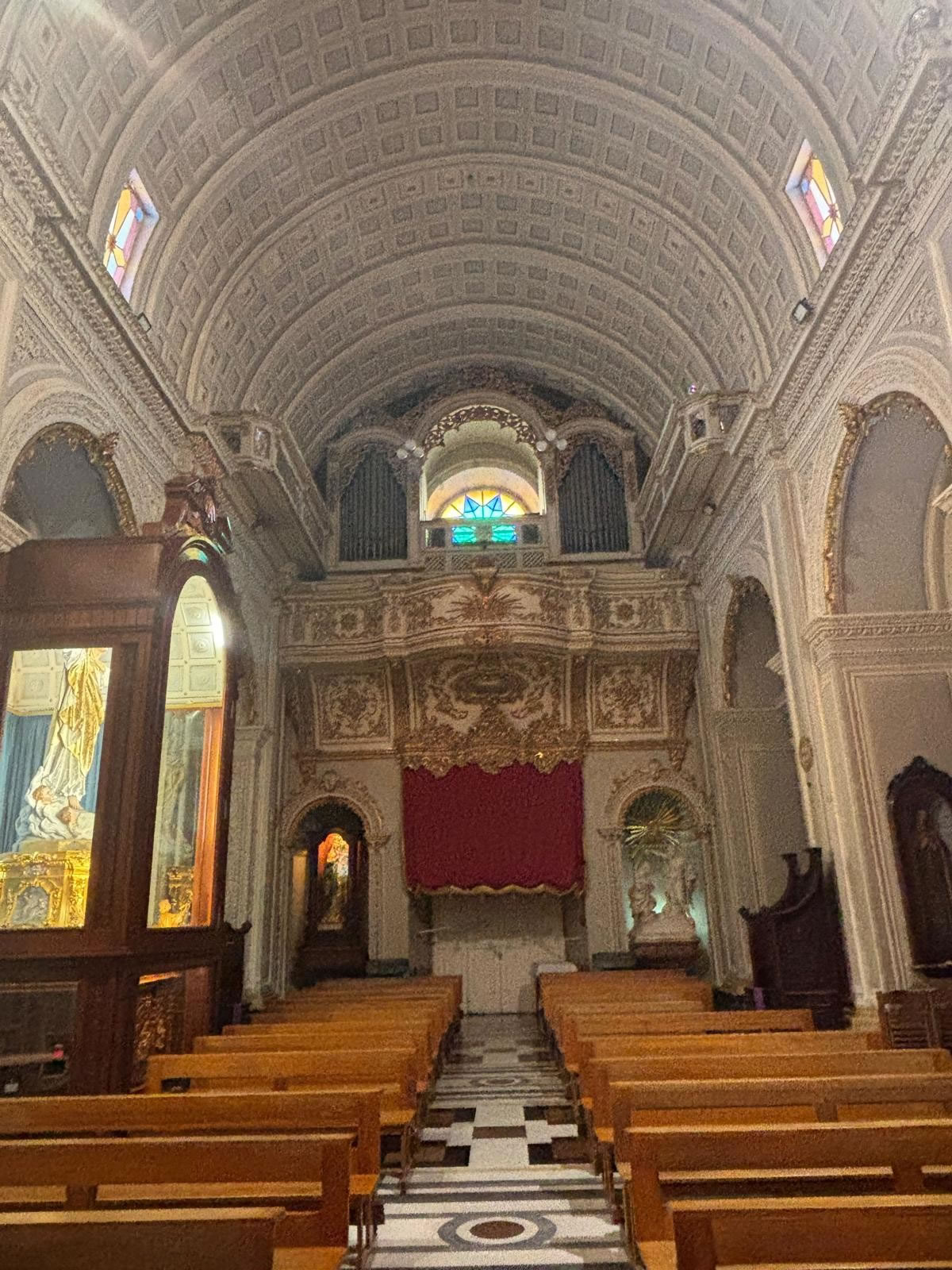
Visitor Information
Visitors to Attard will find the Parish Church of St. Mary centrally located and easily accessible. The church is open for worship and visits, although access may vary depending on Mass schedules and parish activities.
The surrounding area features traditional Maltese architecture, quiet residential streets, and proximity to landmarks such as the San Anton Gardens, making it an ideal stop within a broader cultural itinerary.
Conclusion
The Parish Church of St. Mary in Attard stands as a masterpiece of Maltese Renaissance architecture and a living centre of faith. Its historical continuity, architectural integrity, and artistic richness make it not only a place of worship but also a monument of national heritage.
Whether visited for its religious significance, architectural beauty, or historical value, the church offers a profound insight into Malta’s cultural and spiritual identity.