📍 Location
Location Map Coordinates 35.896755, 14.462307
Introduction
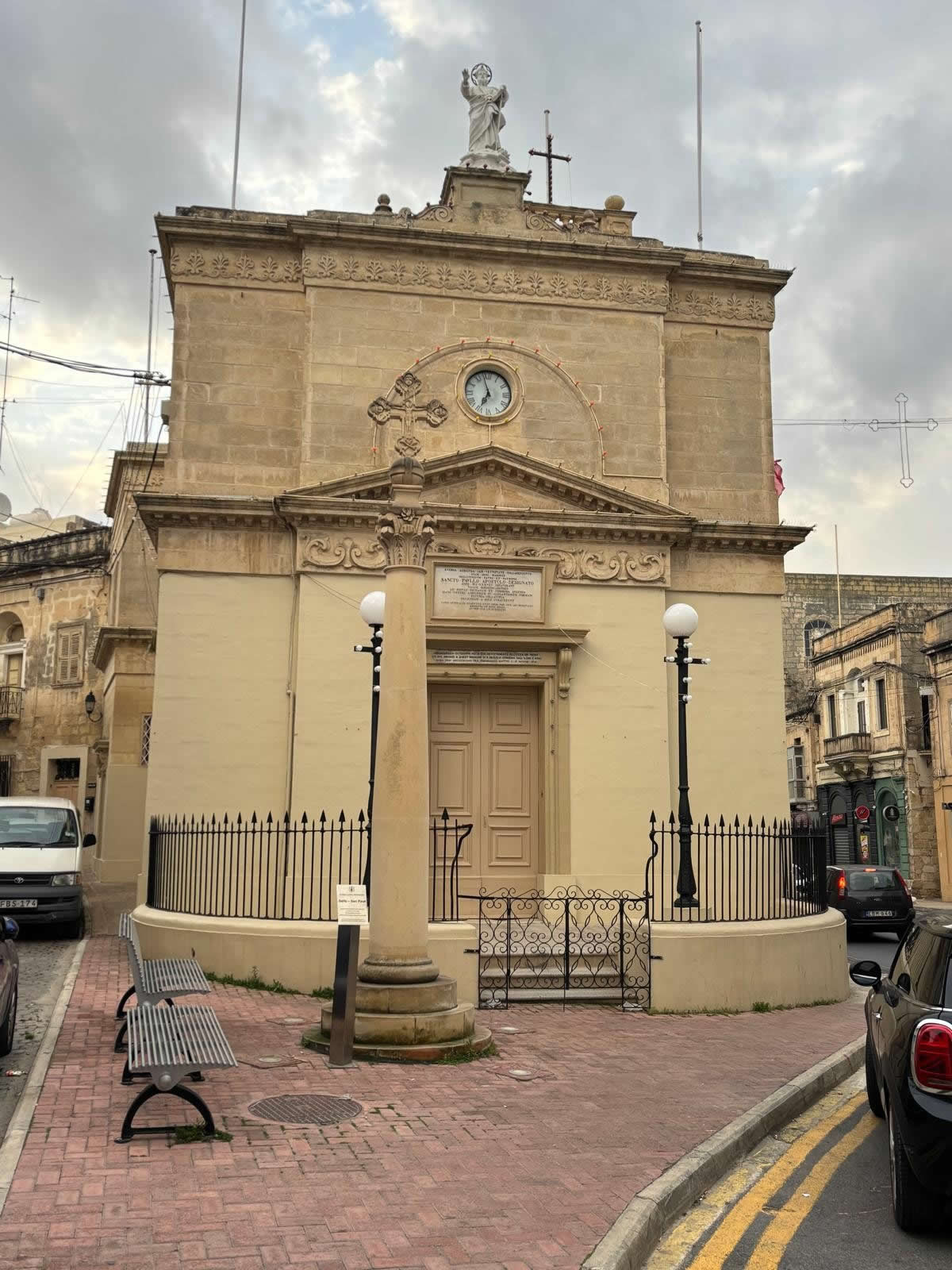
The Church of St Paul (San Pawl) in Birkirkara is one of the most historic churches in the central region of Malta. Located in the area traditionally known as San Pawl tal-Wied, the church commemorates the preaching and missionary activity of the Apostle St Paul during his stay in Malta following his famous shipwreck described in the Acts of the Apostles.
Although modest in size when compared with the larger churches of Birkirkara, the church of San Pawl occupies an important place in the religious history of the locality. The building reflects centuries of devotion to St Paul, whose presence in Malta has been deeply embedded in the island’s Christian tradition since antiquity.
Foundation of the Church
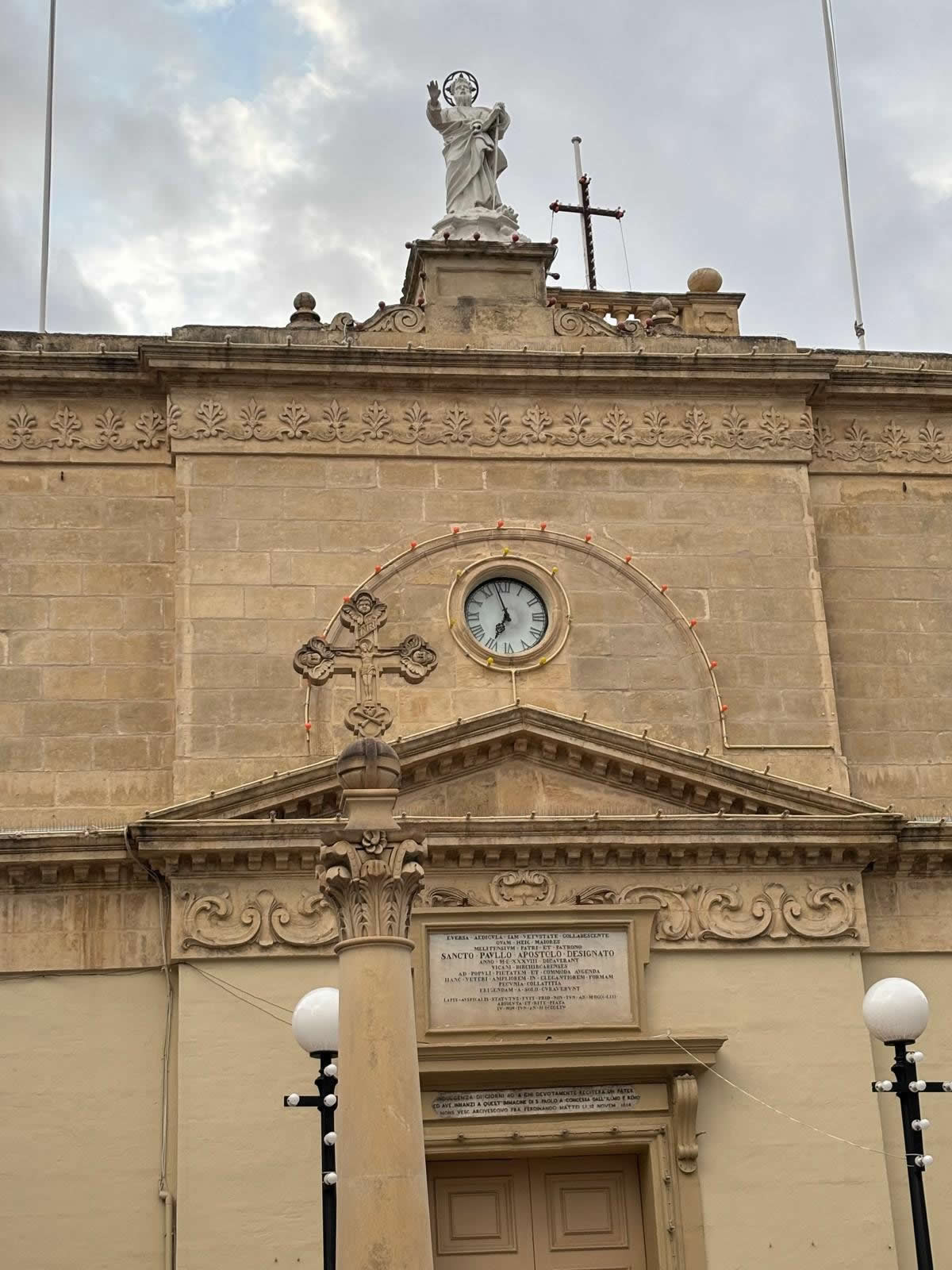
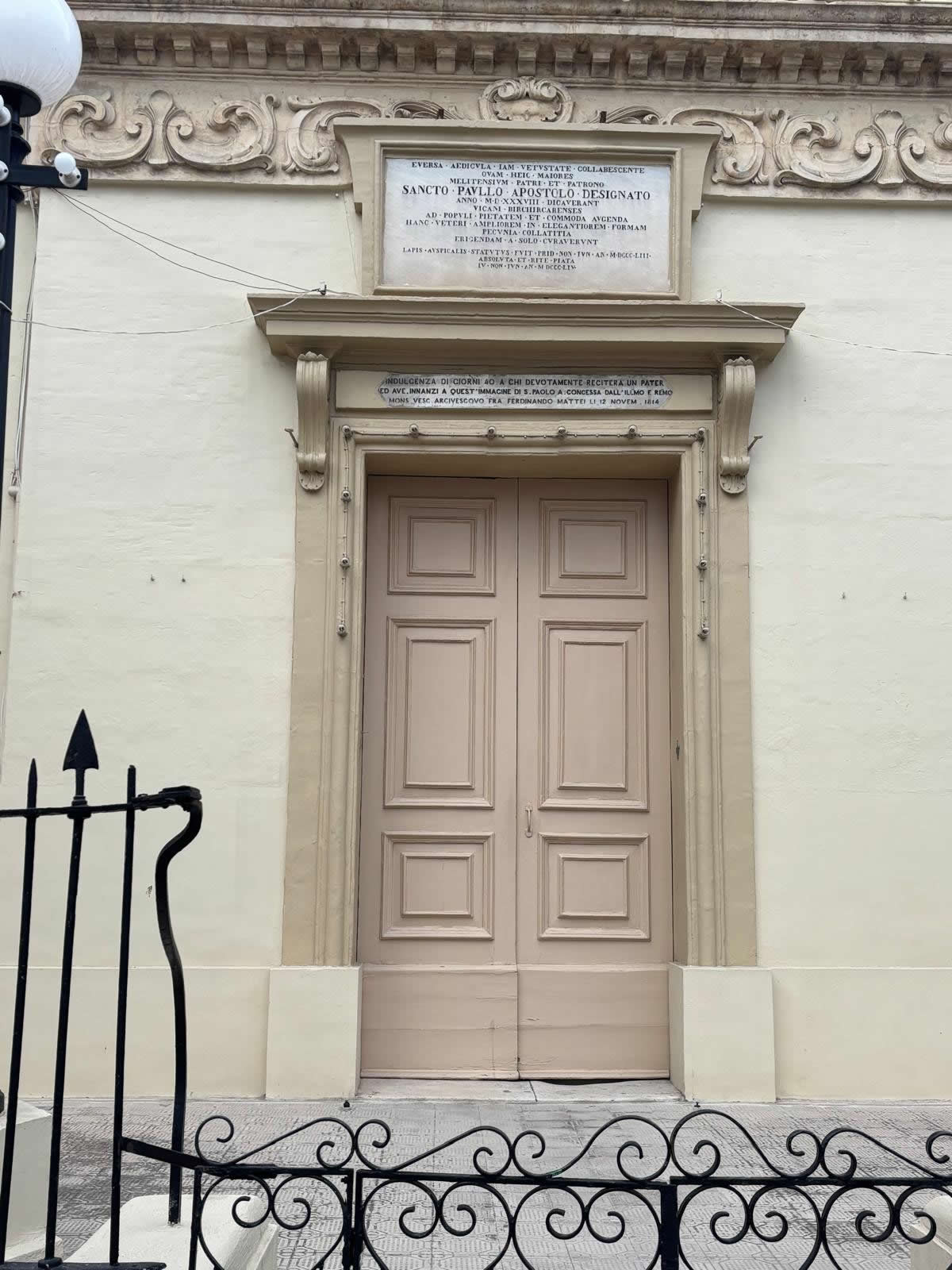
Historical records indicate that the first church dedicated to St Paul in this area was constructed in 1538. The building was erected in a place known as San Pawl tal-Wied, and its dedication commemorated the tradition that St Paul preached to the Maltese people during his stay on the island after the shipwreck of AD 60.
The establishment of the church demonstrates the importance of the Pauline tradition in Maltese religious culture. Throughout Malta, numerous churches and chapels were dedicated to the Apostle, reflecting the strong belief that the Christian faith on the island originated with St Paul’s mission.
The early church at Birkirkara would have been relatively small and simple, typical of rural chapels built during the sixteenth century. Nevertheless, it served as a focal point of religious devotion for the surrounding countryside and rural communities.
Rebuilding in the Nineteenth Century
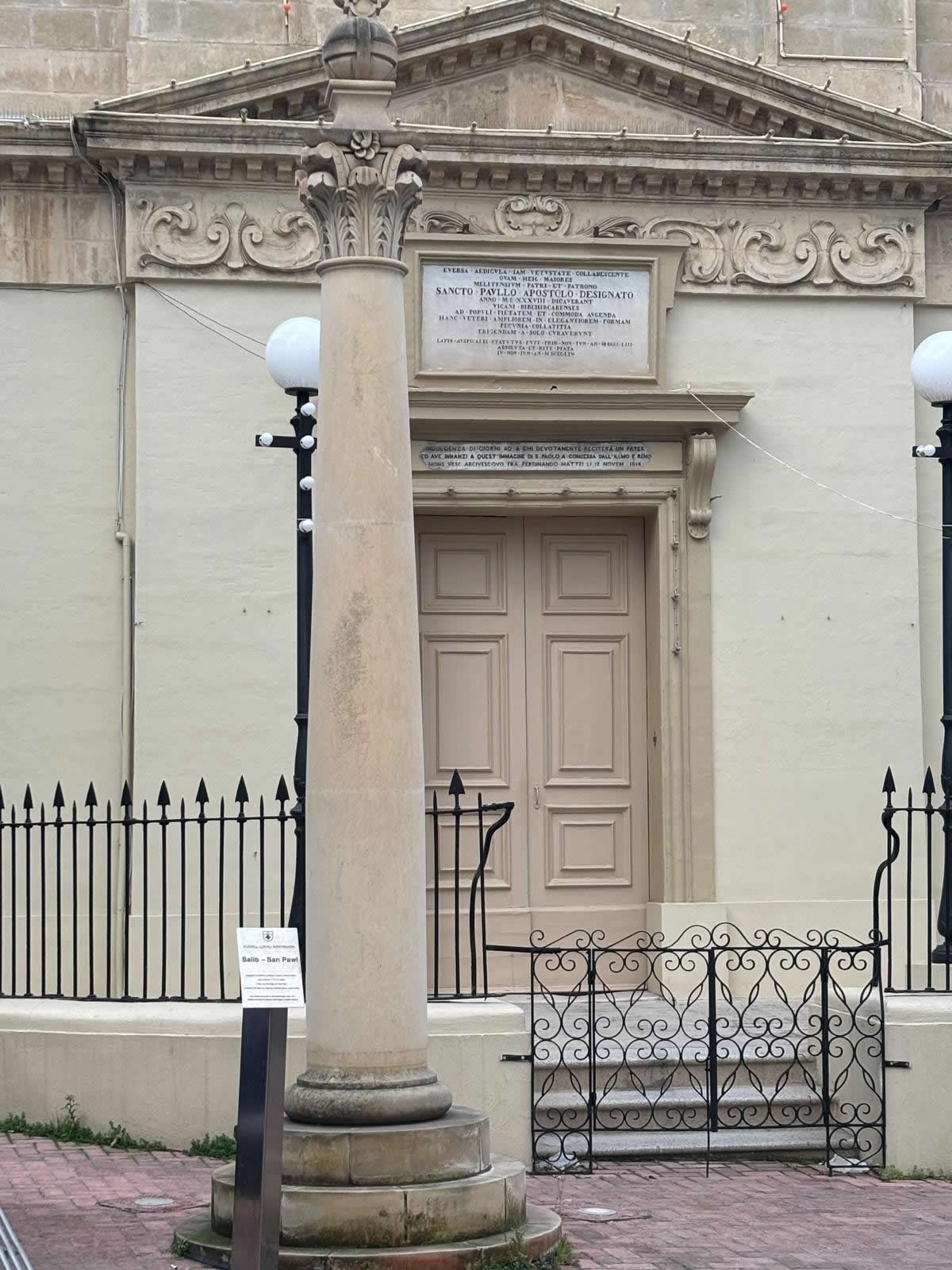
Over the centuries the original church deteriorated and eventually required reconstruction. A new church was therefore built between 1852 and 1854, replacing the earlier structure while maintaining the same dedication to St Paul.
The rebuilt church reflected the architectural tastes of the nineteenth century while preserving the spiritual heritage associated with the site. The reconstruction also allowed for a larger interior space capable of accommodating a growing congregation.
During this period Birkirkara was expanding rapidly, and the town gradually developed into one of the largest communities in Malta. Churches such as San Pawl therefore continued to play an important role in the religious life of the locality.
Architecture
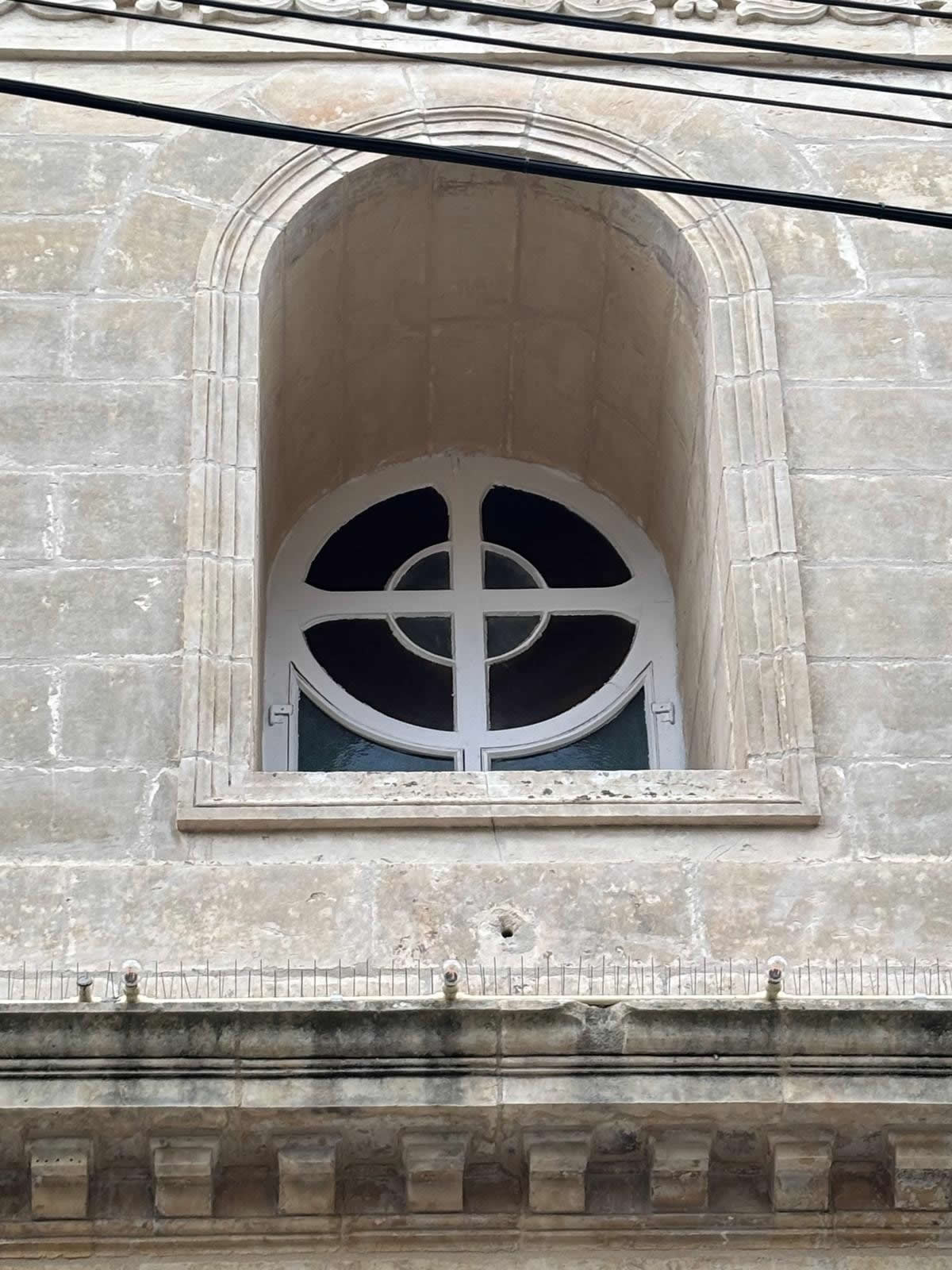
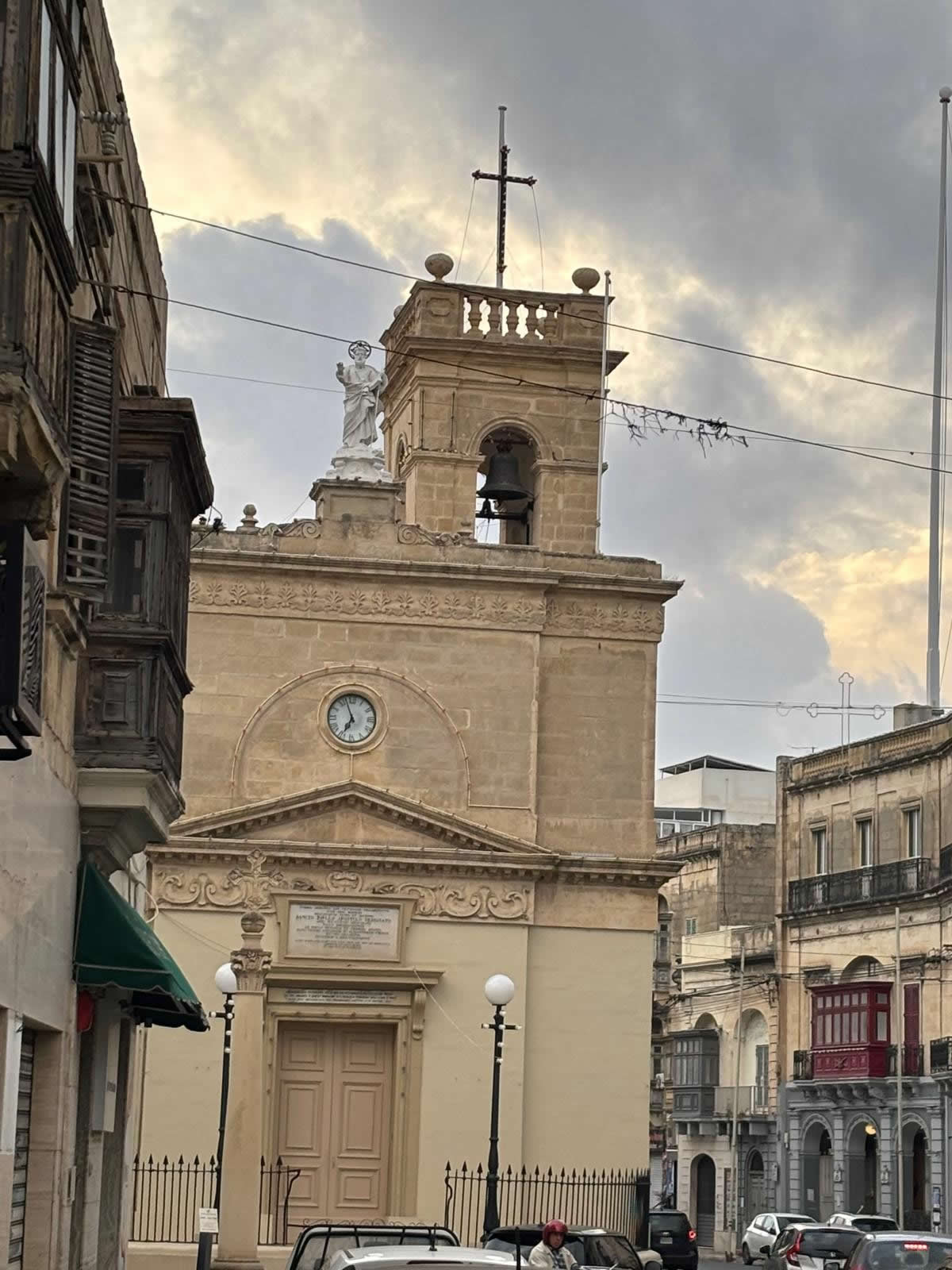
The Church of St Paul in Birkirkara reflects the traditional style of Maltese ecclesiastical architecture. The building features a simple but elegant façade constructed from the island’s characteristic limestone.
The interior layout follows the typical arrangement of Maltese churches, with a central nave leading to the main altar and smaller devotional spaces along the sides. Although smaller than the parish churches of Birkirkara, the church possesses an intimate atmosphere that reflects its origins as a local devotional chapel.
Architectural details within the church combine classical elements with decorative motifs typical of nineteenth-century Maltese religious buildings.
Artworks and Interior Decoration
One of the most significant artistic features of the church is its series of ceiling paintings depicting episodes from the life of St Paul. These works were created by the Maltese artist Professor Giuseppe Briffa between 1945 and 1968.
The paintings illustrate important moments in the apostle’s life, including his arrival in Malta after the shipwreck, his missionary preaching, and his martyrdom in Rome. Other scenes show St Paul celebrating the Eucharist and departing from Malta after his stay on the island.
Briffa employed a technique known as marouflage, in which paintings are created on canvas before being attached to the ceiling surface. This technique allowed the artist to produce highly detailed works within his studio before installing them in the church.
These paintings contribute significantly to the church’s artistic heritage and serve as visual representations of the Pauline tradition in Malta.
Restoration Works
In recent years the church has undergone restoration works aimed at preserving its artistic and architectural heritage. Particular attention has been given to the conservation of the ceiling paintings by Giuseppe Briffa.
Over time moisture infiltration and environmental pollution had caused deterioration in the paintings, including discoloration and damage to the protective varnish layers. Restoration specialists carefully cleaned and stabilised the works in order to preserve them for future generations.
These restoration efforts highlight the importance of maintaining Malta’s cultural heritage and ensuring that historic religious buildings remain part of the island’s living history.
Religious Significance
The Church of St Paul reflects the profound importance of the Pauline tradition within Maltese Christianity. According to the Acts of the Apostles, St Paul was shipwrecked on Malta during his journey to Rome and remained on the island for three months.
During this time he is believed to have preached the Christian faith to the Maltese people and performed numerous miracles. This event is considered the foundation of Christianity in Malta and remains one of the most celebrated episodes in the island’s religious history.
Churches dedicated to St Paul, such as San Pawl in Birkirkara, serve as reminders of this ancient tradition and continue to foster devotion to the apostle among the Maltese faithful.
Location
| Church | Church of St Paul |
|---|---|
| Maltese Name | San Pawl |
| Location | Birkirkara, Malta |
| Area | San Pawl tal-Wied |
| Coordinates | 35.896755, 14.462307 |
| Original Construction | 1538 |
| Reconstruction | 1852 – 1854 |
| Notable Artwork | Ceiling paintings by Prof. Giuseppe Briffa |
Conclusion
The Church of St Paul in Birkirkara is a modest yet historically significant place of worship which reflects centuries of Maltese devotion to the Apostle who brought Christianity to the island. From its origins in the sixteenth century to its nineteenth-century reconstruction and modern restoration works, the church remains an enduring symbol of the Pauline heritage of Malta.
Today San Pawl continues to stand as an important cultural and religious landmark within Birkirkara, preserving both the artistic legacy of Maltese religious art and the deep spiritual traditions associated with St Paul.