Historical Background
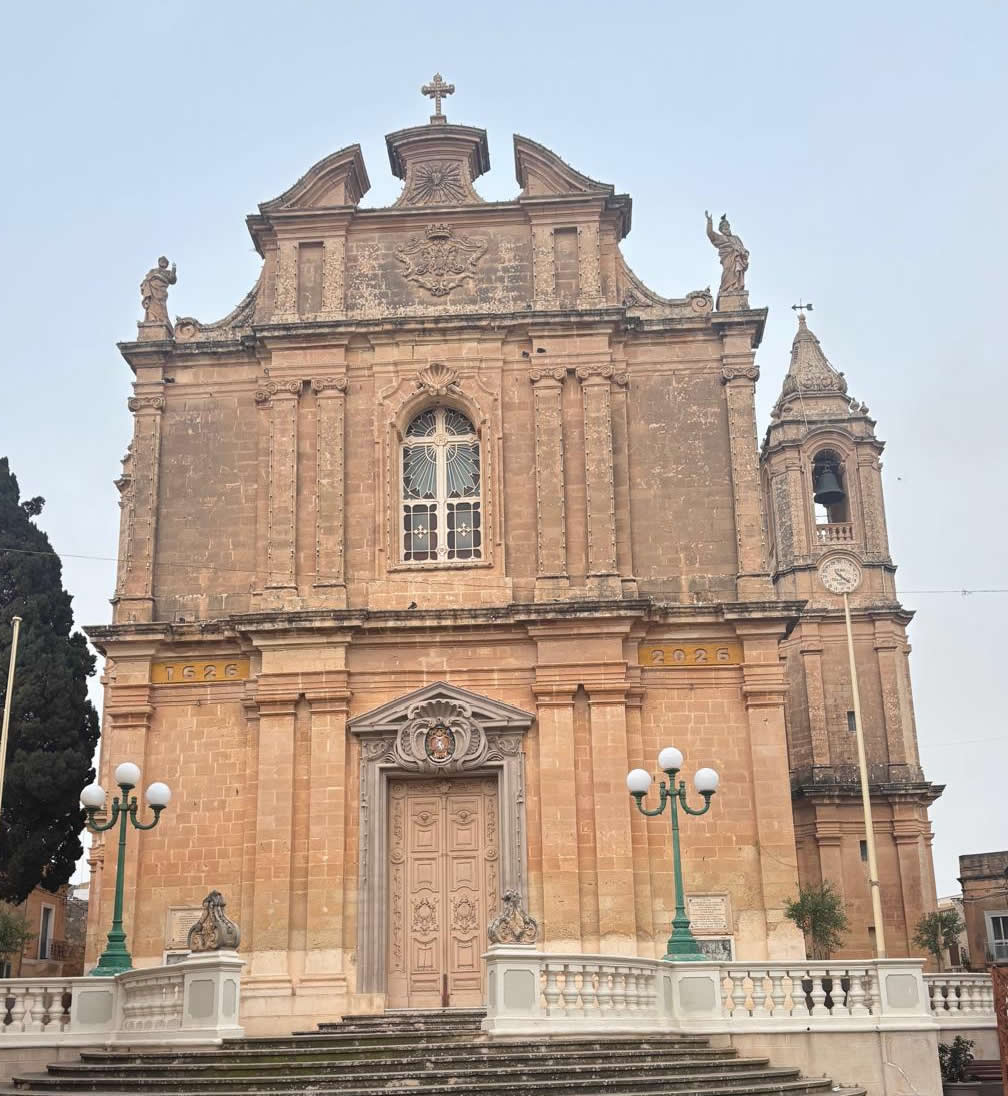
The Parish Church of the Assumption of the Virgin Mary, known locally as Il‑Knisja Parrokkjali tal‑Assunzjoni tal‑Verġni Marija, stands as the spiritual and architectural heart of the southern Maltese village of Għaxaq. Historical evidence indicates that Għaxaq had a distinct spiritual identity as early as the 16th century. The old parish, once part of Żejtun, was formally established as independent in 1626, responding to the town’s growing population and devotion to Our Lady.
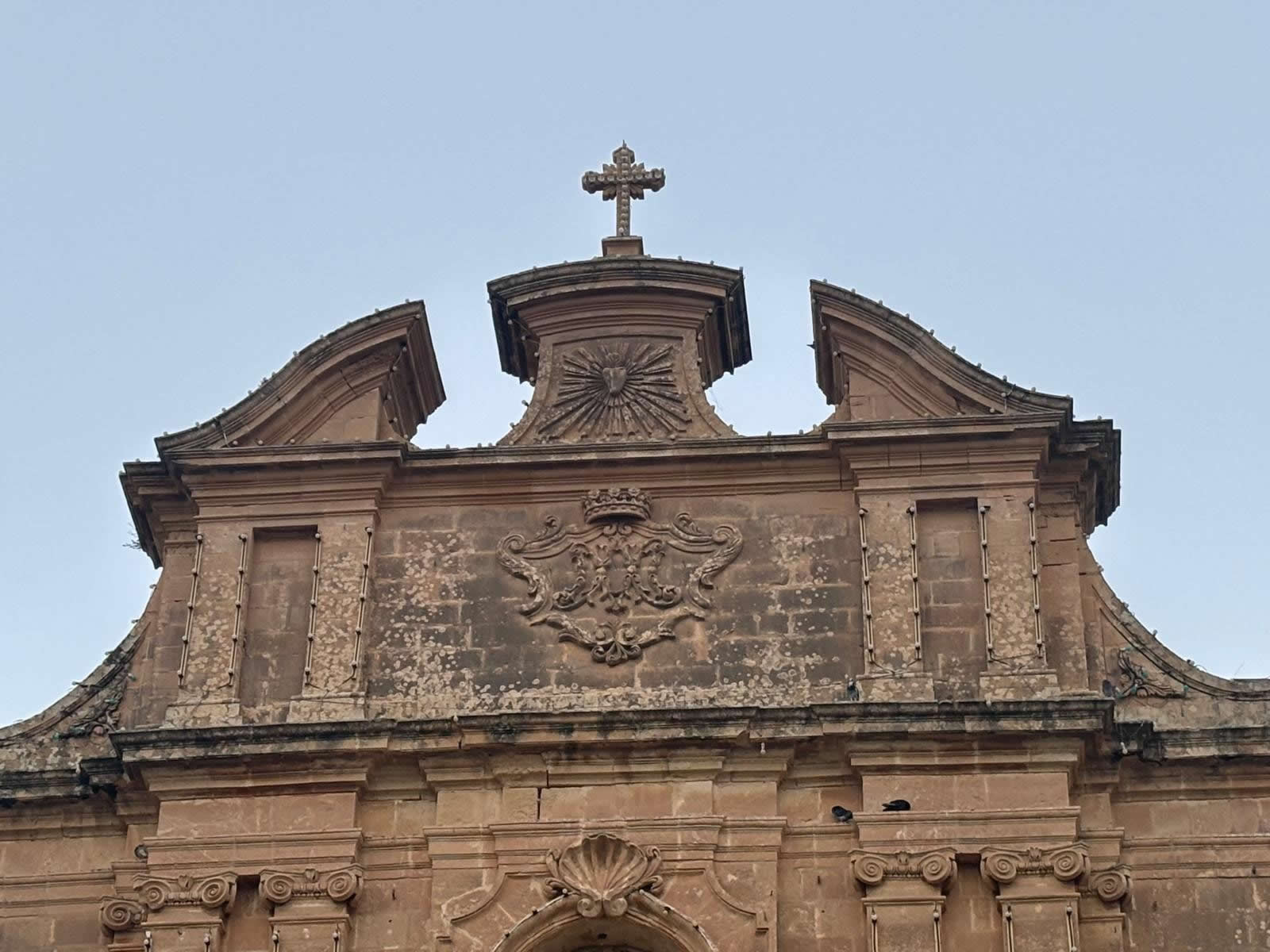
Construction of the first parish church began around 1655 under the initiative of local benefactors. The structure was expanded several times, with the current Baroque‑style edifice largely completed by 1758. The final design reflects both Italianate influences and the expertise of Maltese master builders, making it one of the grandest parish churches in the southern district of Malta.
Architecture and Design
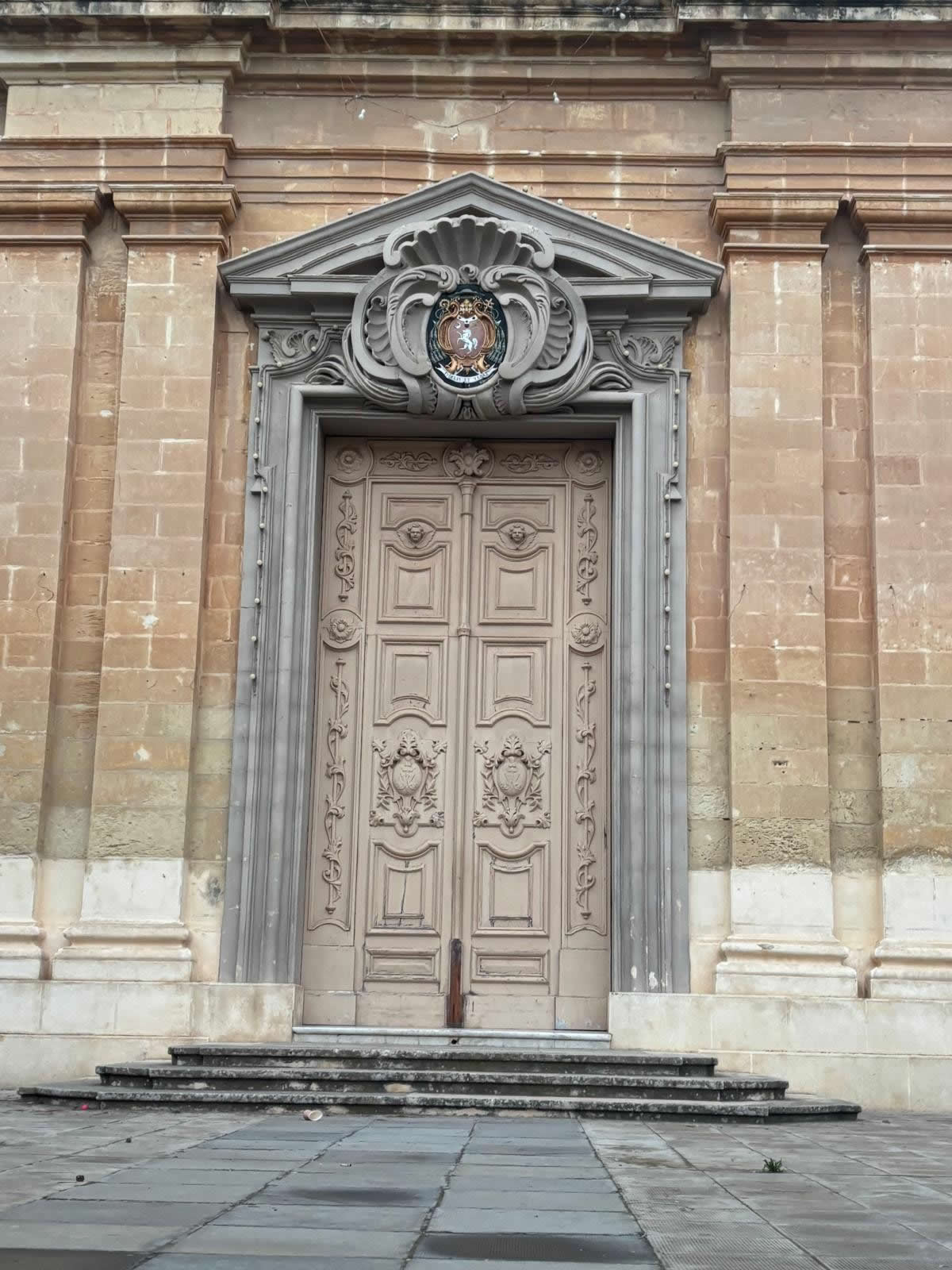
Architecturally, the church is an imposing masterpiece of the Maltese Baroque period. Its façade is characterised by balanced twin bell towers and sculptural ornamentation typical of 18th‑century Maltese ecclesiastical architecture. The central doorway, framed by Corinthian pilasters and topped by an elaborate pediment, leads into a vast interior that follows a Latin cross plan.
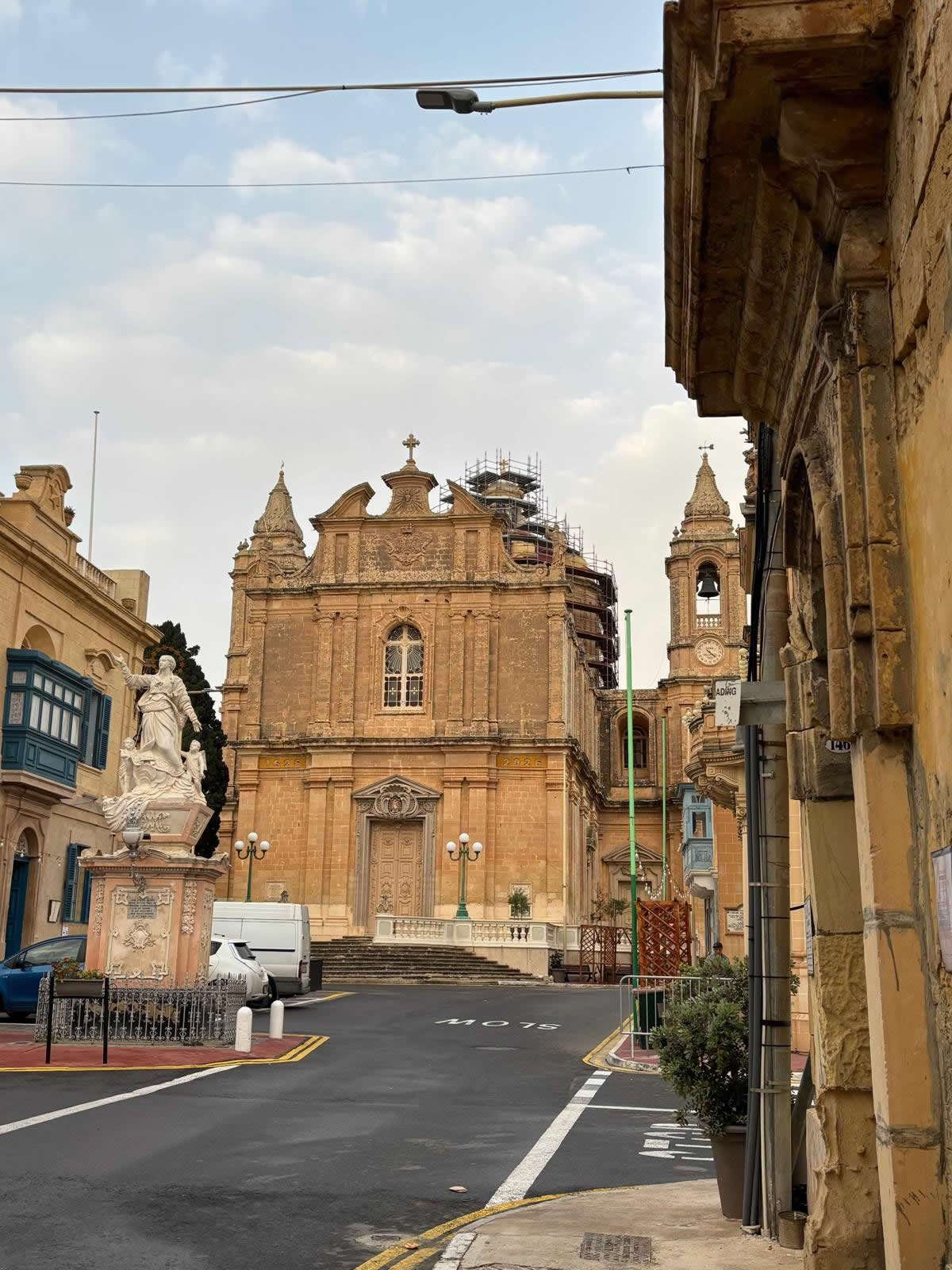
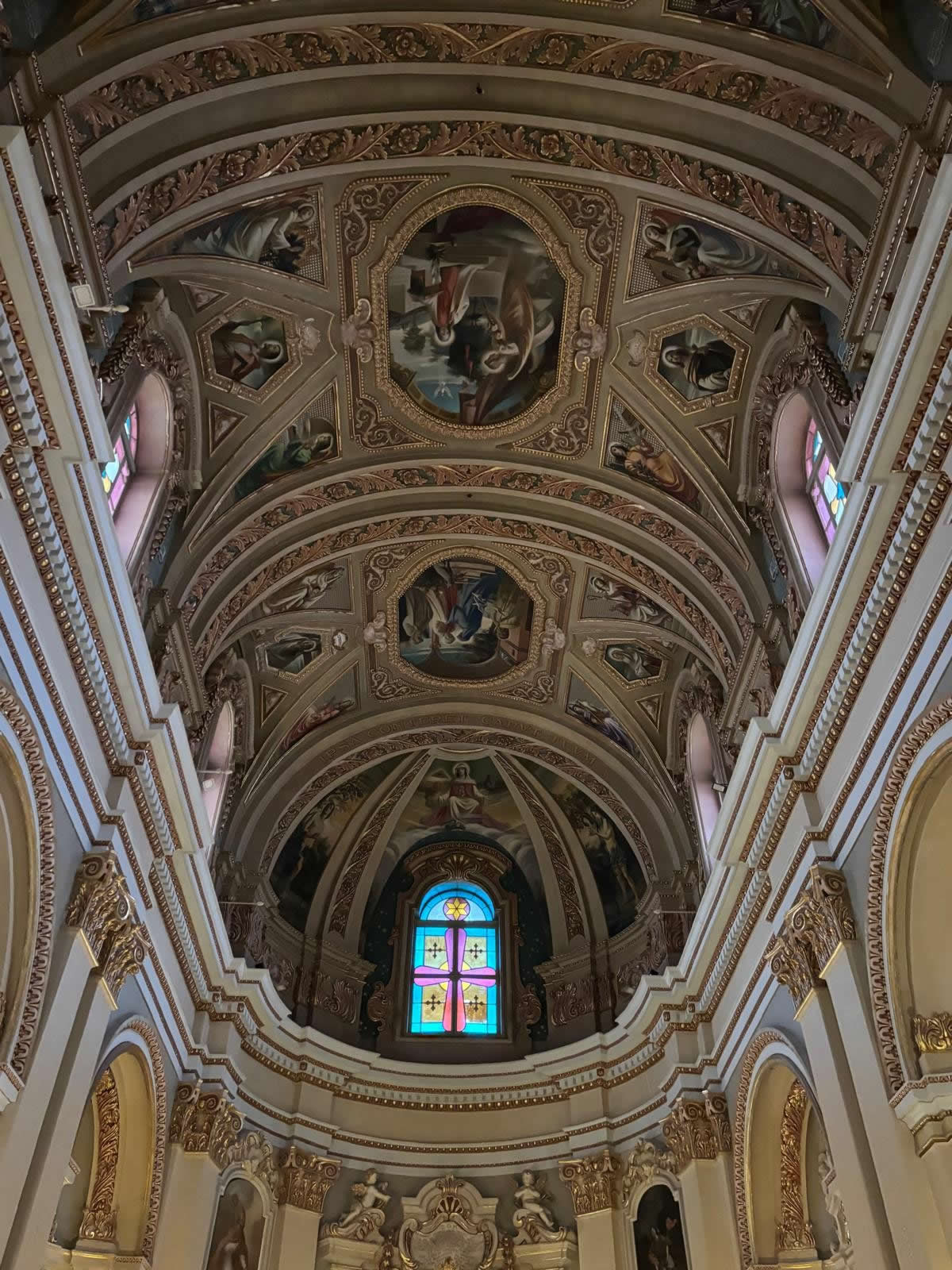
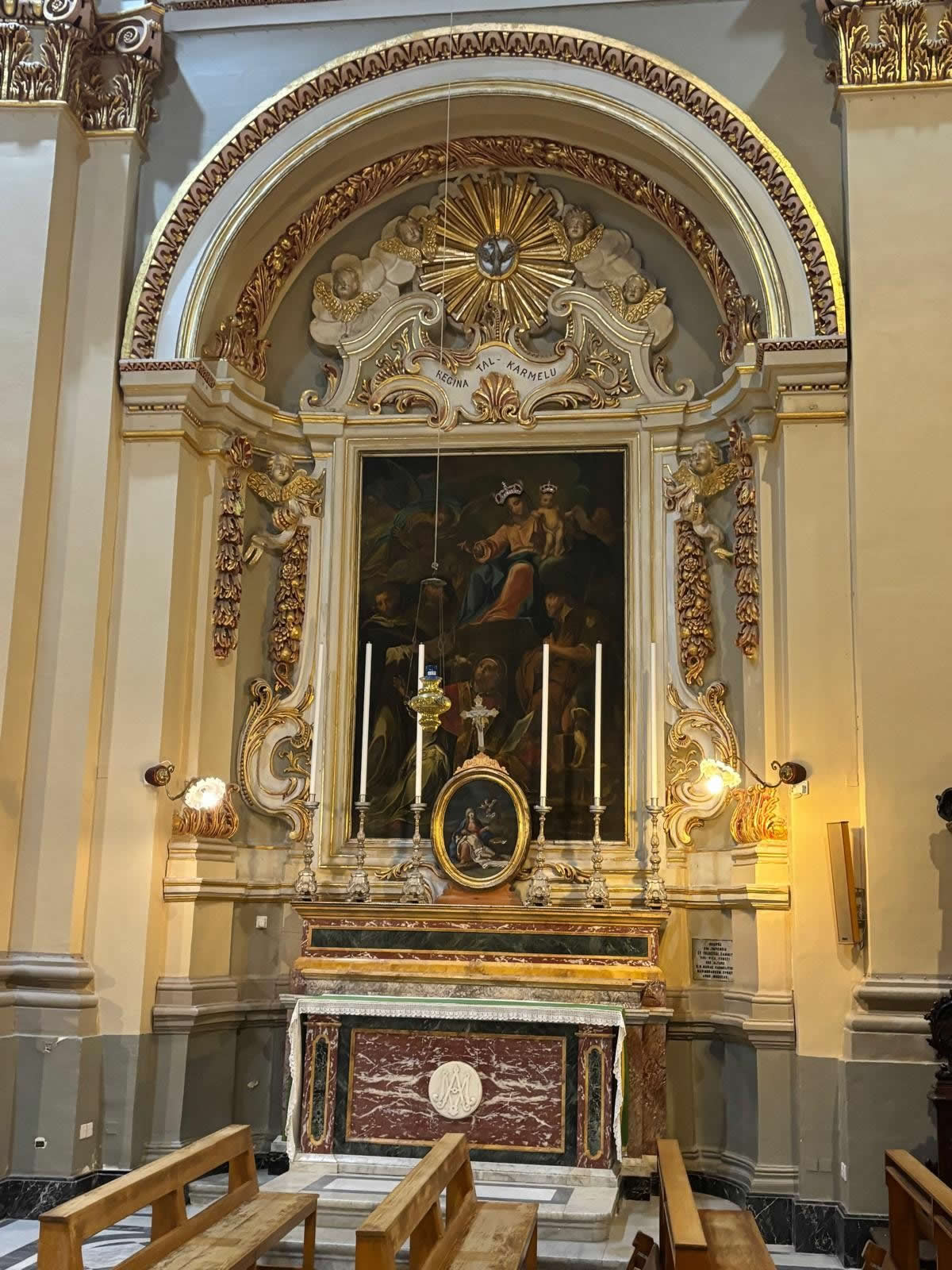
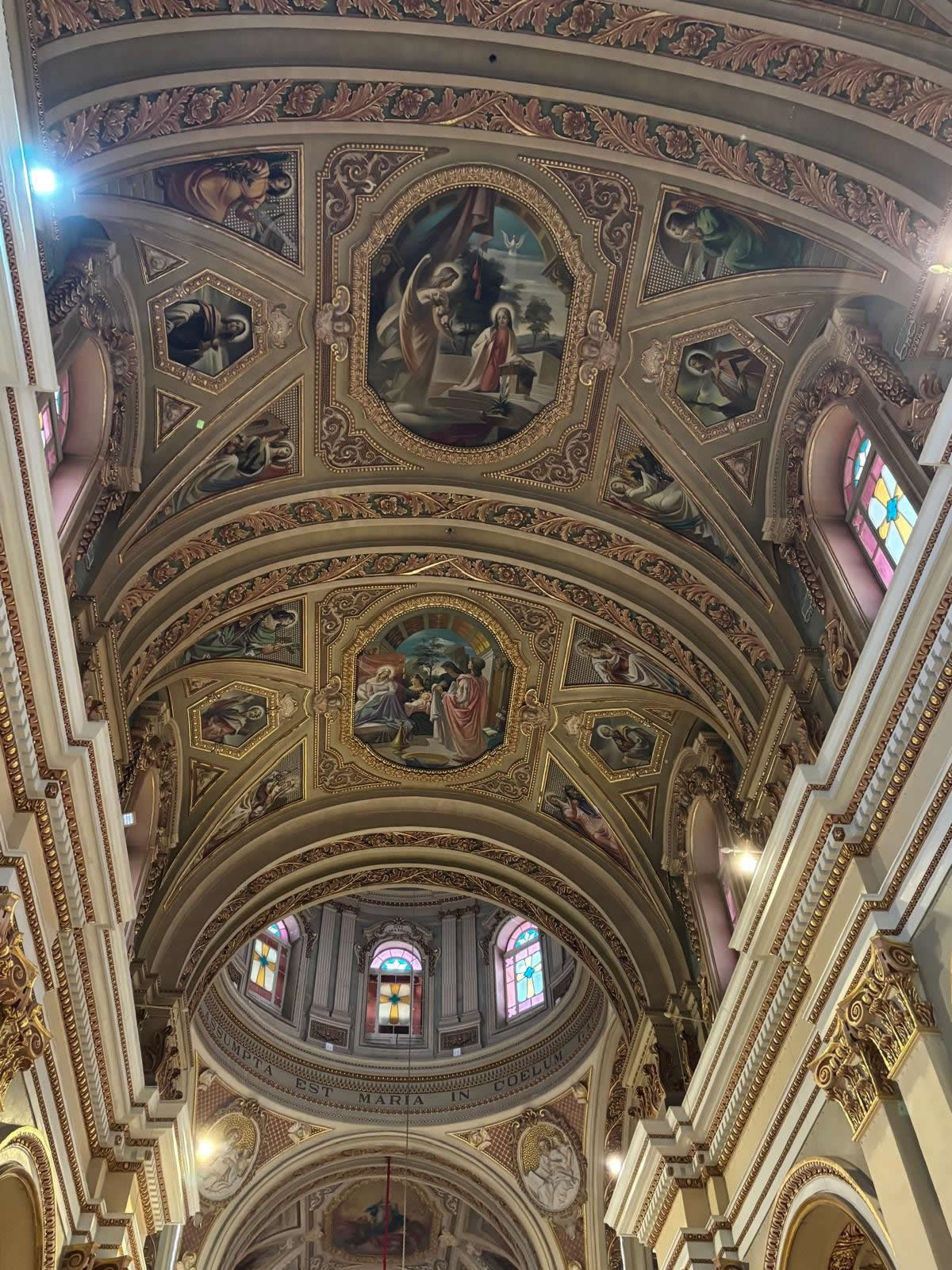
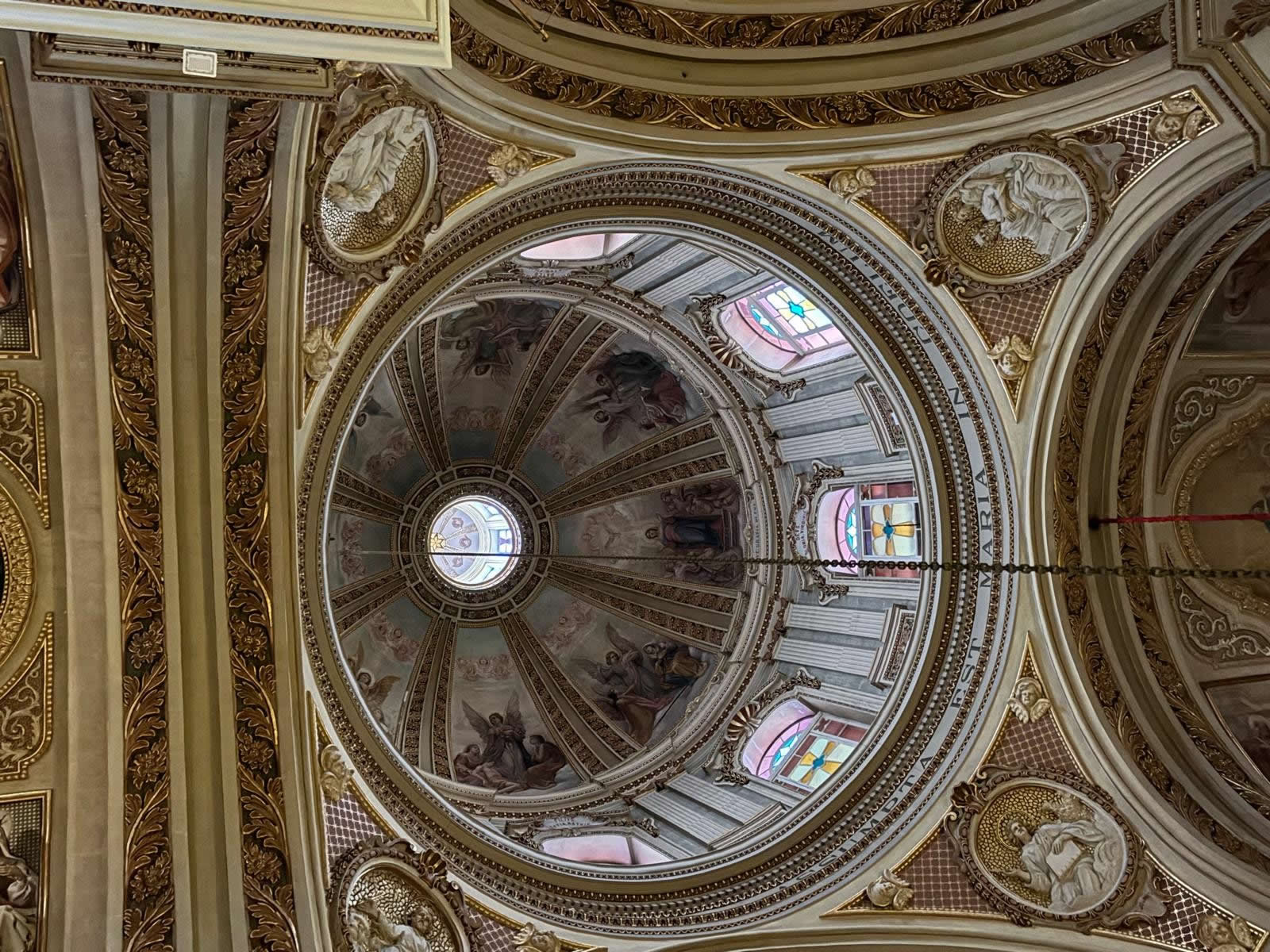
The dome, built in proportion to the nave, rises elegantly above the surrounding rooftops. Inside, the structure’s limestone masonry glows warmly under natural light filtering through high clerestory windows. Gilded cornices, marble altars, and intricately carved stone moldings demonstrate the craftsmanship of Maltese artisans who collaborated across generations to complete the church’s decorative scheme.
Interior Decoration and Artworks
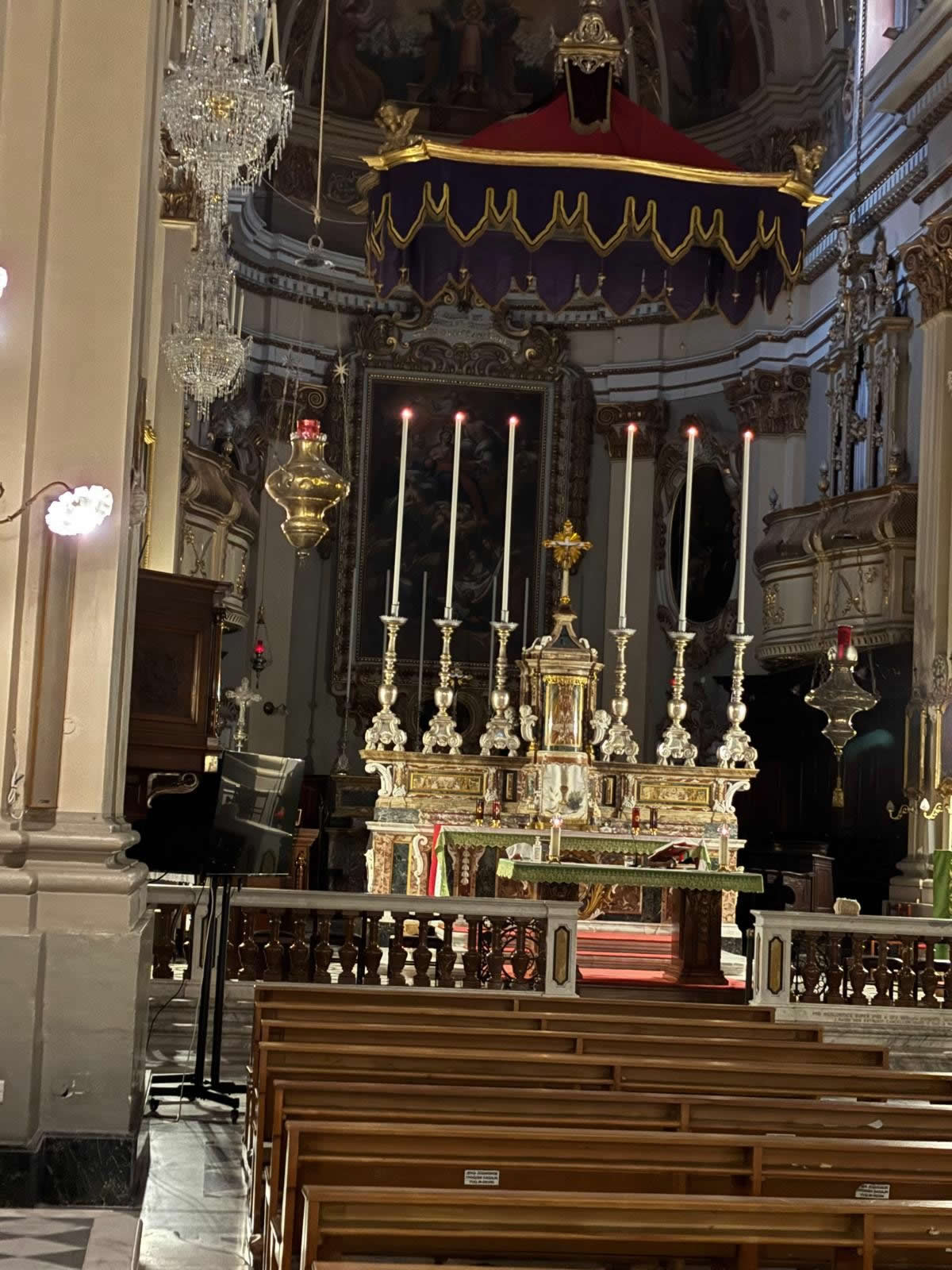
The parish church of Għaxaq is renowned not only for its size but also its rich artistic patrimony. The main altar is dominated by the titular painting The Assumption of the Virgin, attributed to the Maltese Baroque painter Giuseppe Calì, replacing an earlier 17th‑century work. This striking image captures the Virgin Mary rising toward heaven surrounded by angels — a theme central to Għaxaq’s identity.
Other notable works include paintings depicting St Joseph, St Catherine of Alexandria, and St Andrew, as well as crafted marble balustrades and statuary carved by local masters. The wooden pulpit, choir stalls, and confessional boxes show exceptional wood‑carving techniques traditional to Maltese ecclesiastical art.
Feast of the Assumption (Il‑Festa taʼ Santa Marija)
Every year on 15 August, Għaxaq celebrates one of Malta’s most vibrant festivals — the Feast of the Assumption of the Virgin Mary. Known as Il‑Festa taʼ Santa Marija, it is marked by religious processions, colourful street decorations, band marches, and spectacular fireworks. It is a key part of Malta’s island‑wide celebrations honouring the Assumption, making Għaxaq one of seven Maltese parishes sharing this patronal feast.
The feast not only commemorates the spiritual significance of Mary’s Assumption but also reflects deep‑rooted village pride and community spirit. Visitors experience a blend of faith, folk culture, music, and local cuisine, offering one of Malta’s most authentic religious spectacles.
Restoration and Conservation
Over the centuries, the church endured natural wear, wartime vibrations, and environmental decay. Major restoration initiatives began in the 1990s and continued through the 2010s, focusing on structural reinforcement of the dome, façade cleaning, and conservation of 18th‑century paintings. These projects were undertaken with guidance from Malta’s Restoration Directorate and supported by Heritage Malta and local parish groups.
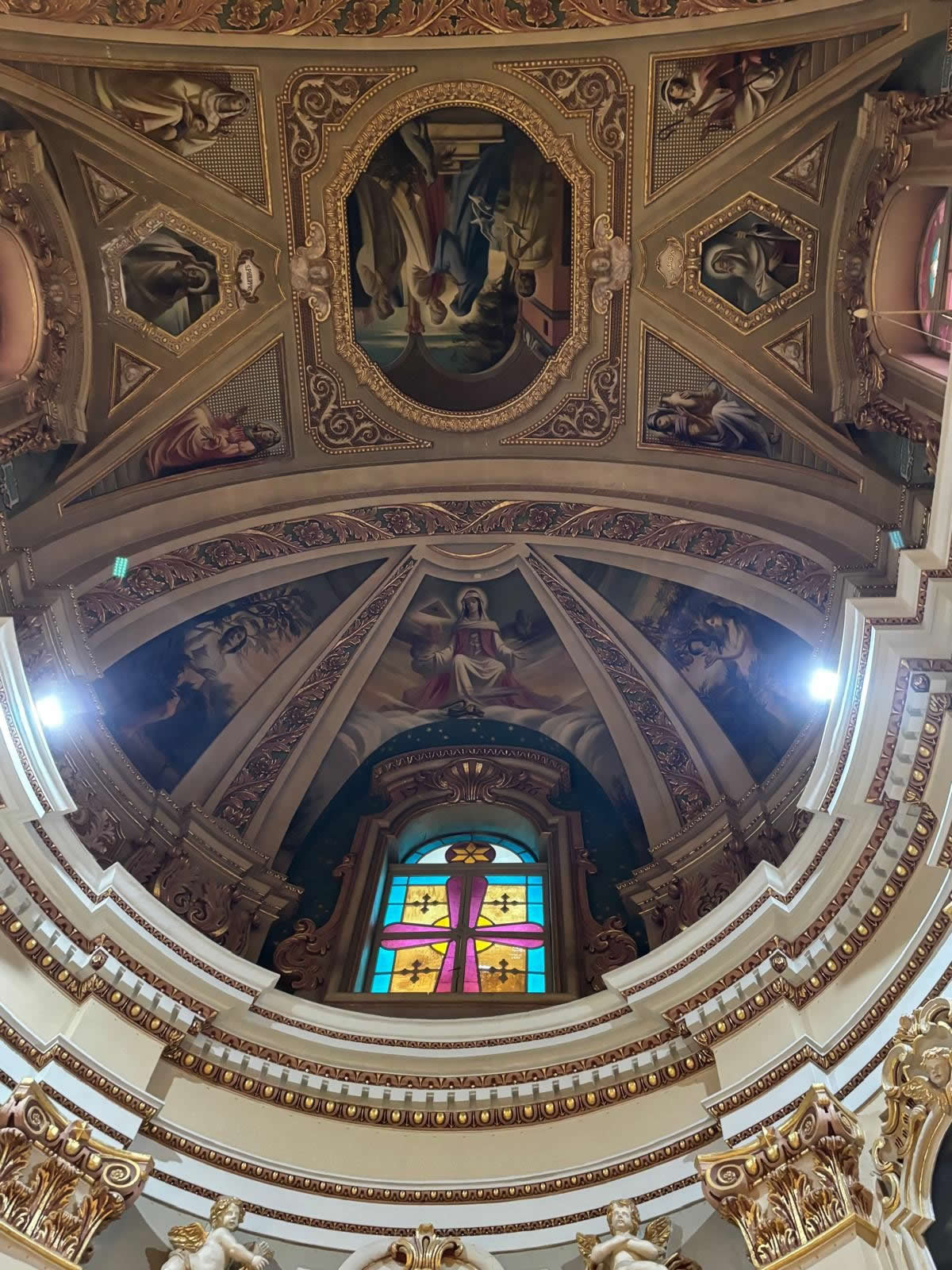
Recent restorations have also included re‑gilding of the ceiling cornices, stonework repairs, and the installation of improved lighting systems, carefully designed to enhance the interior ambience without disrupting the church’s historic character.
Architectural Significance in Malta
The Għaxaq parish church stands as a clear example of how Malta adapted Sicilian and Italian Baroque aesthetics into local craftsmanship using the island’s creamy limestone. Its dome and drum construction served as references for later churches across the southern region. Many architectural historians consider it one of the most balanced and proportionate Baroque exteriors on the island.
Parish Life Today
Today, the Assumption Church remains the spiritual and communal centre of Għaxaq, hosting daily Mass, baptisms, weddings, and parish programmes. Volunteers maintain the church’s decorations year‑round, ensuring that the beauty of its sacred art continues to inspire both locals and tourists. The parish is also active in social outreach, promoting music education through its two local band clubs and participation in local charity initiatives.
Notable Features and Treasures
- Statue of the Assumption (1952): Created by Wistin Camilleri, this beloved processional statue is carried during the August feast.
- Titular Painting (19th century): Depicts the Virgin Mary being taken to Heaven — centerpiece of the high altar.
- Set of 10 bells (1762–1958): Ranging in tone and inscription, they commemorate major events in Għaxaq’s history.
- Marble baptistery (1730): Finely sculpted with cherub motifs and still used today for baptisms.
Visitor Information
- Address: Parish Square, Għaxaq, GXQ 1050, Malta
- Telephone: +356 2166 0754
- Email: [email protected]
- Opening Hours: Monday–Saturday 07:00–19:30 · Sunday 06:30–20:00
- Coordinates: 35.849414 °N, 14.517305 °E
The church sits on Għaxaq’s main square and is easily accessible by bus routes from Valletta. Modest attire is recommended for all visitors. Guided tours can be arranged through the parish office or Heritage Malta’s cultural itineraries.