Church of the Visitation of Our Lady Għarb
📍 Location
Location Map Coordinates 36.060139, 14.208904
Għarb, Gozo Coordinates: 36.060139, 14.208904 Baroque Minor Basilica Collegiate Parish Church
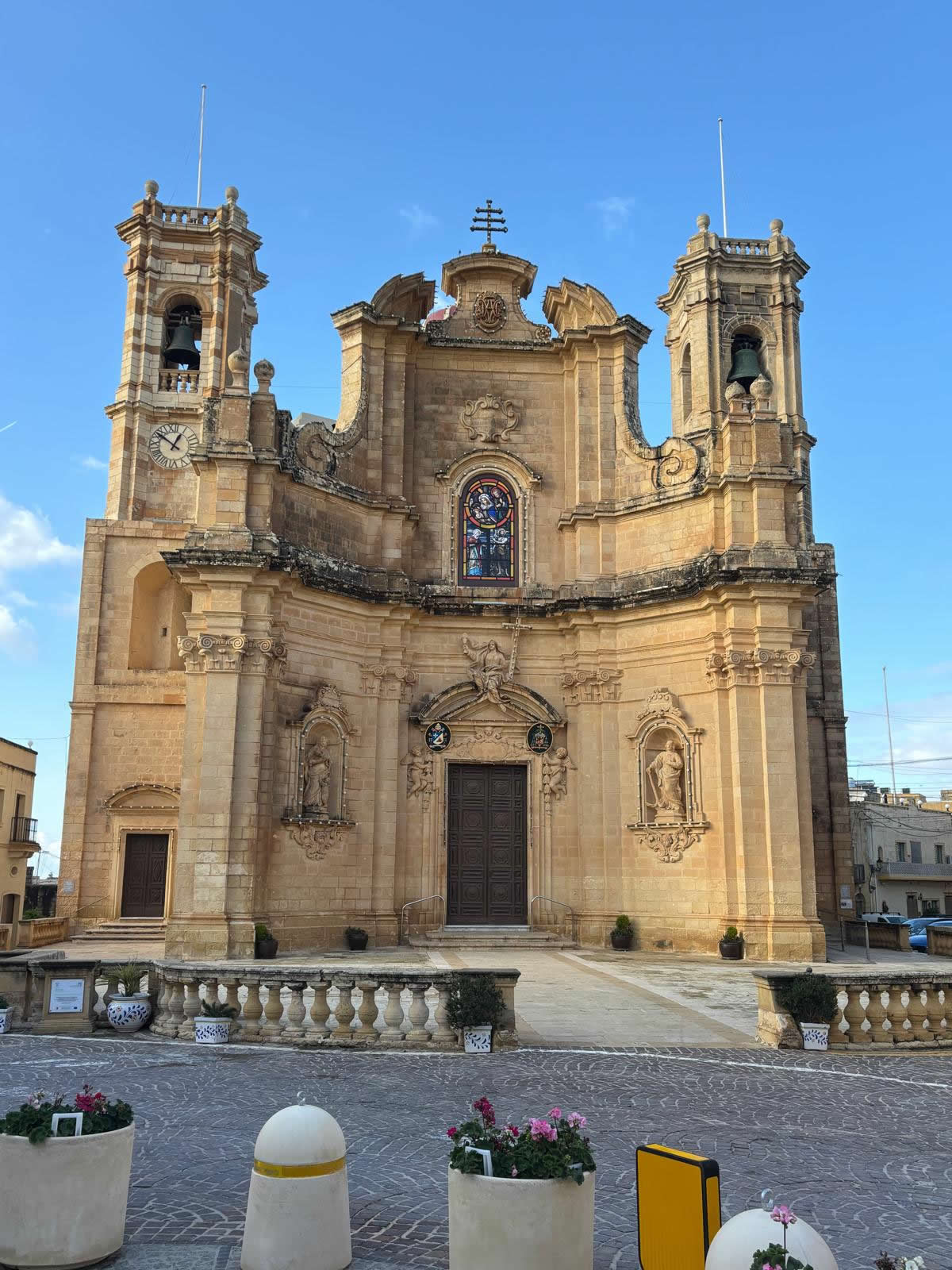
Overview
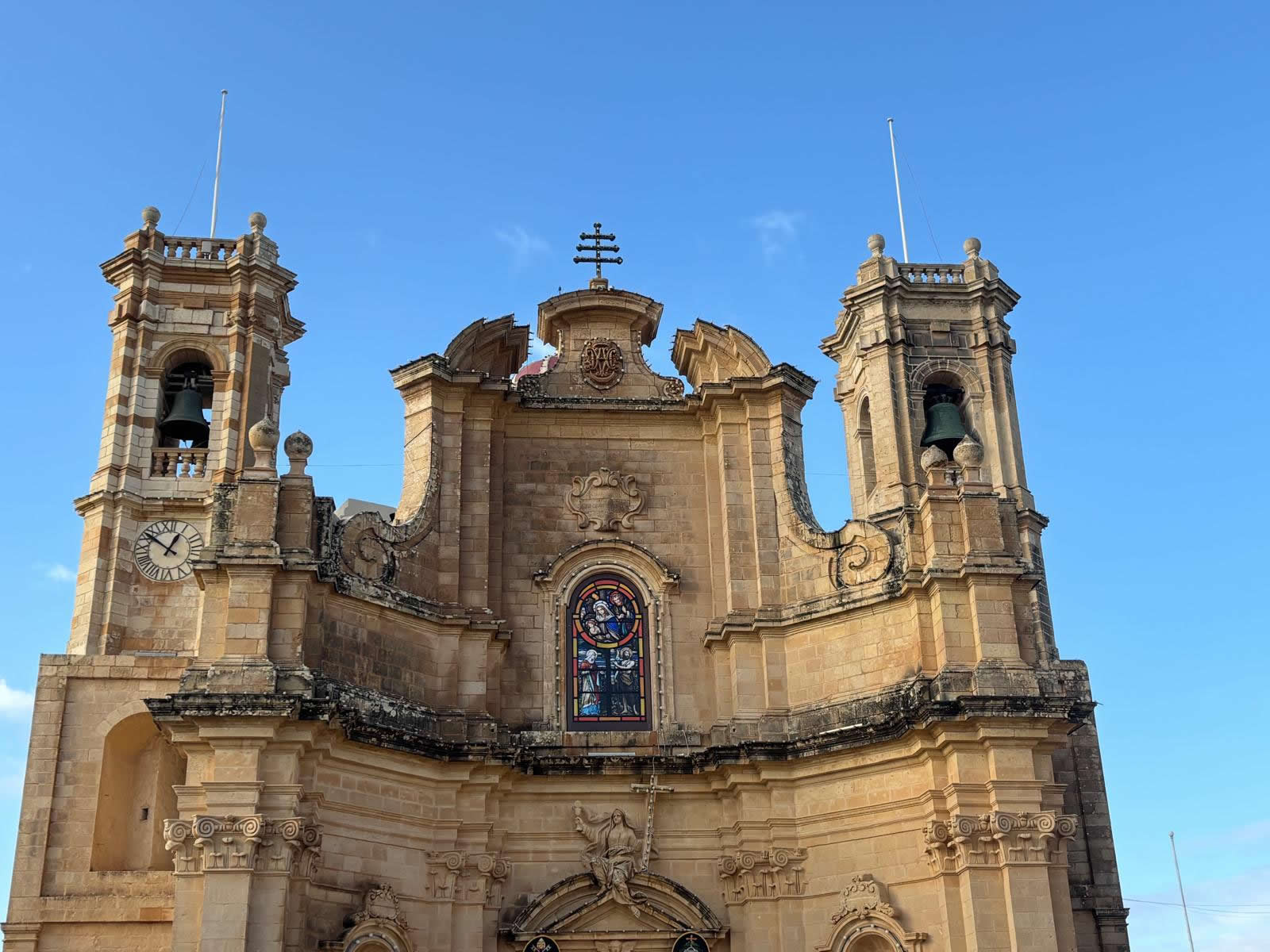
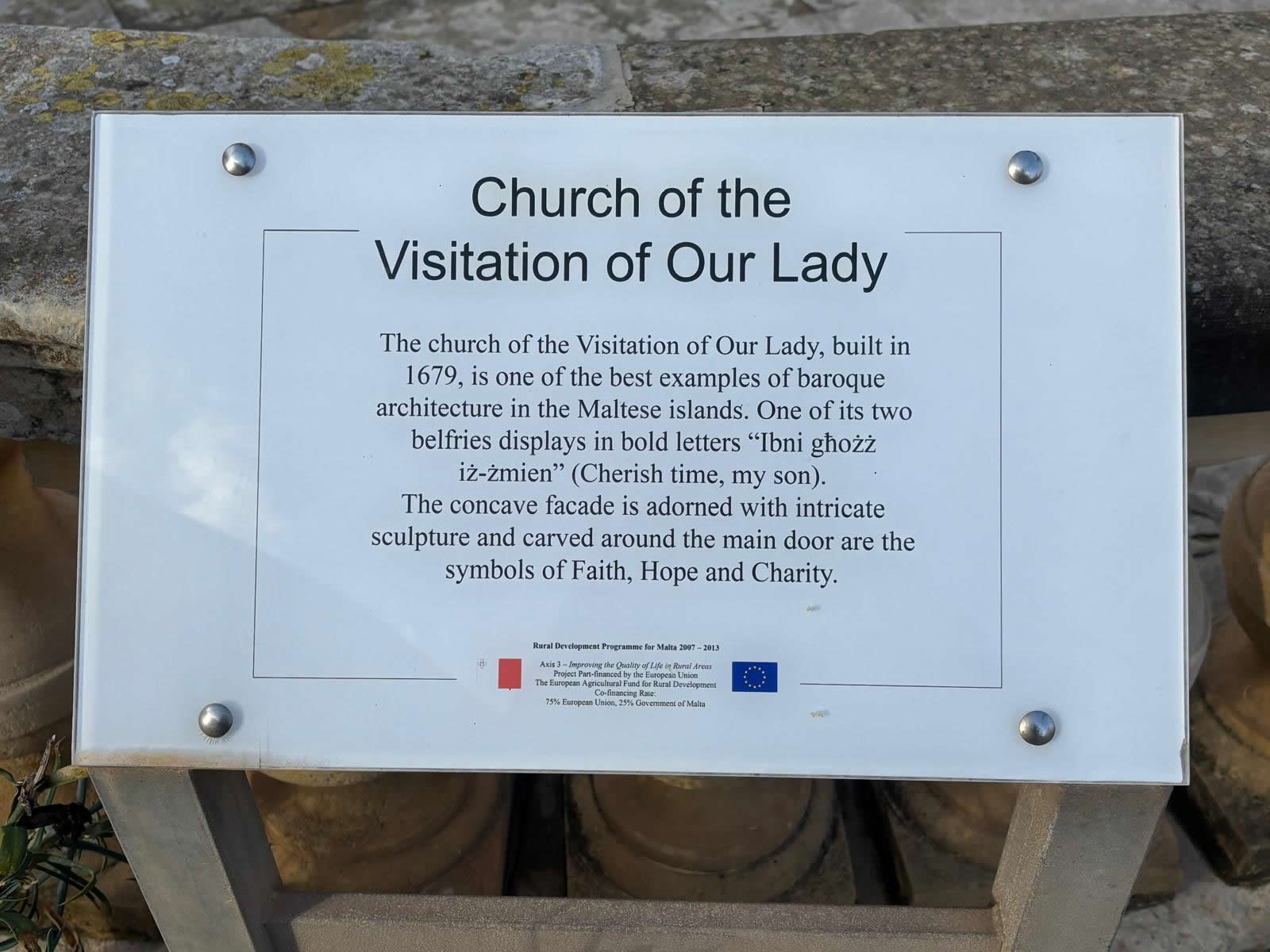
The Basilica and Collegiate Parish Church of the Visitation of Our Lady stands at the heart of Għarb, one of Gozo’s most historic villages. Built in the late 17th and early 18th centuries, it is widely admired for a refined Baroque design and a façade often compared to Roman Baroque models. Over time, the church earned both collegiate rank and the title of a minor basilica, marking its liturgical and cultural importance on the island.
Parish origins & the old church (Taż-Żejt)
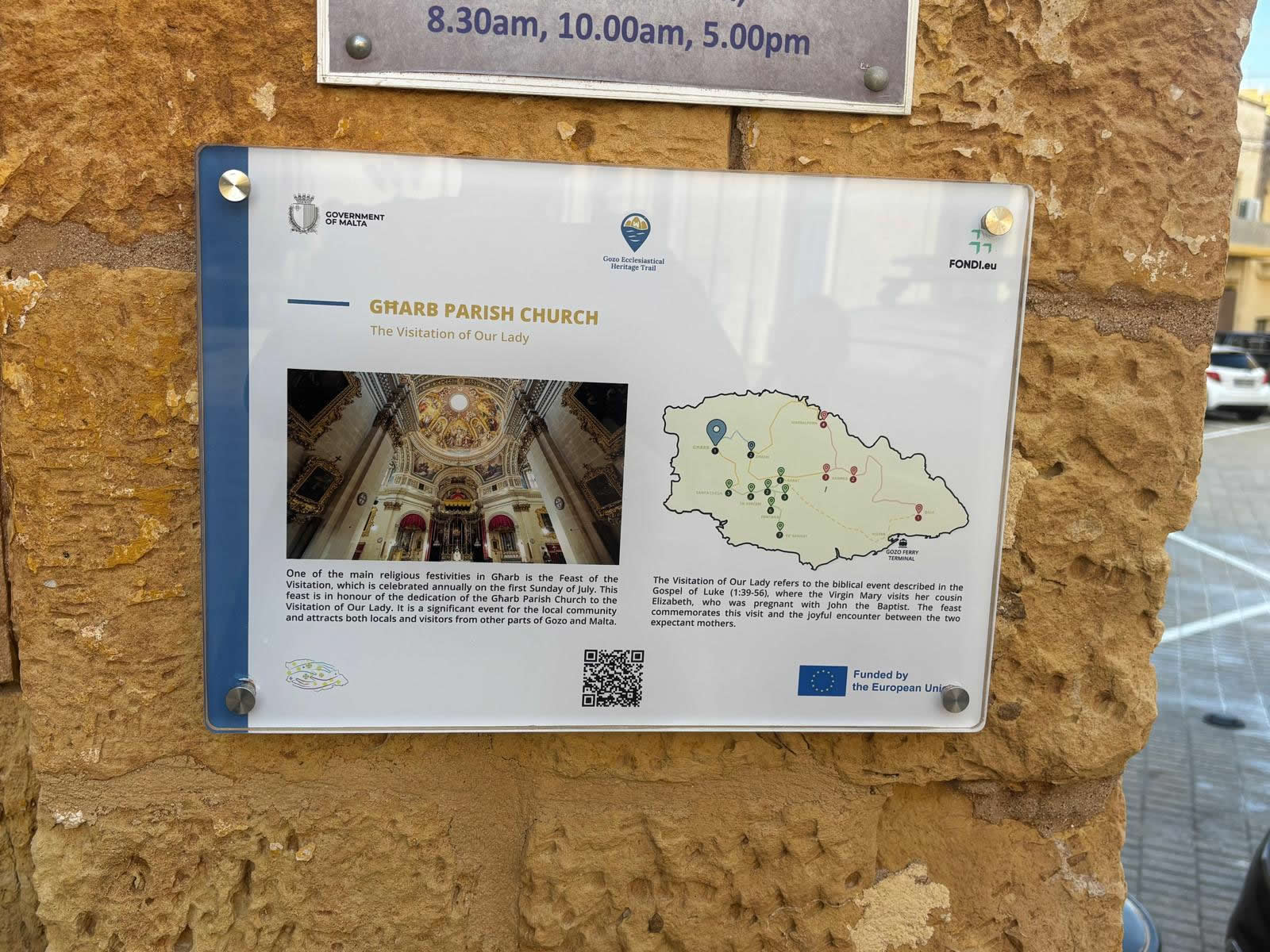
Għarb became an independent parish on 29 August 1679, making it one of the earliest parishes established outside Victoria (Rabat) on Gozo. Before the present church was built, parish life centred on an earlier church of the Visitation located downhill from today’s main square — traditionally known as Taż-Żejt (“of the Oil”) and situated near the village cemetery.
As the population increased and the community’s centre of gravity shifted, the need for a larger and more central parish church became pressing. This pastoral and urban change set the stage for one of Gozo’s most architecturally accomplished churches.
Construction of the present basilica (1699–1729)
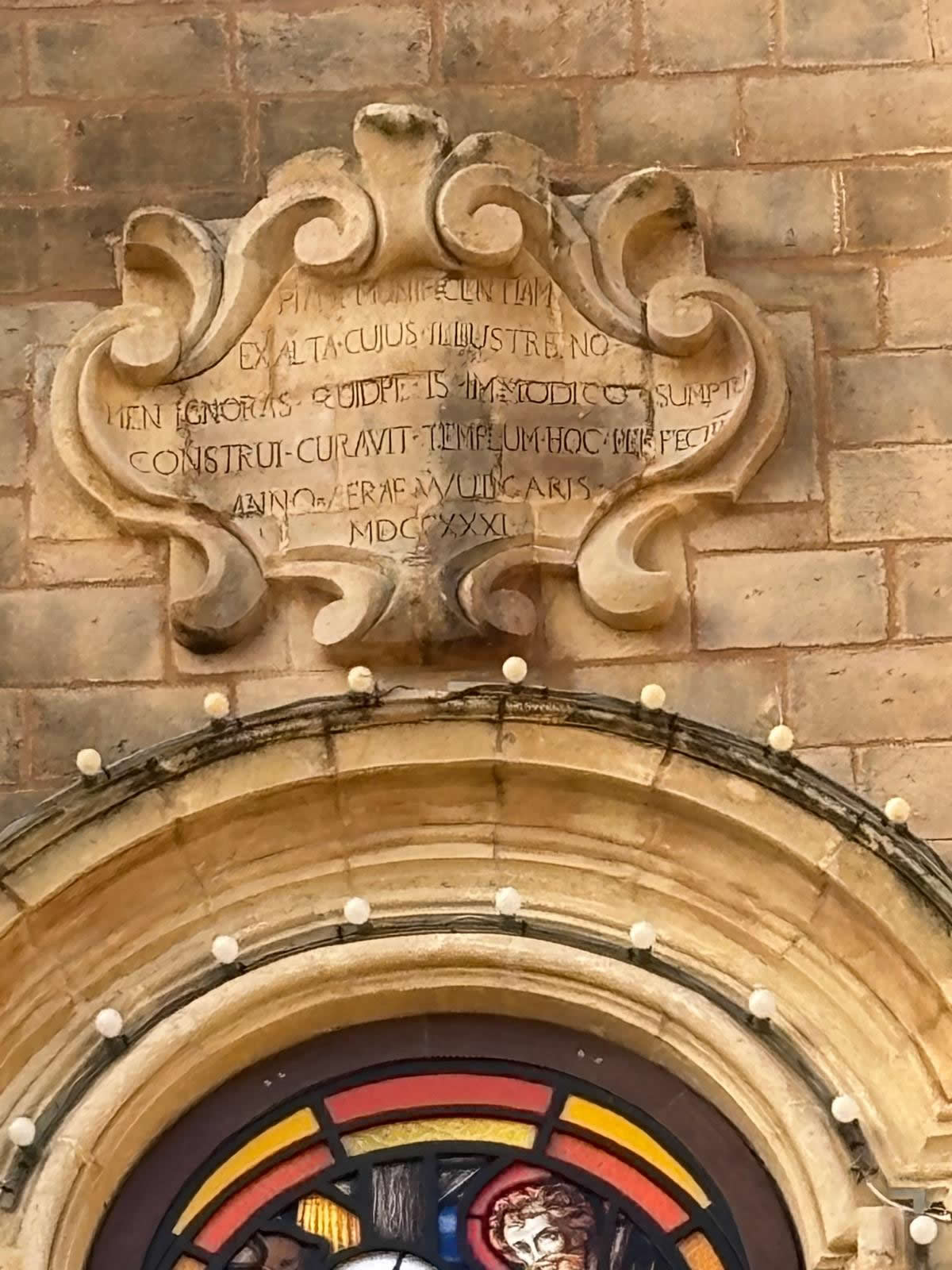
Work on the present parish church began in 1699 and reached completion in 1729. The long building campaign reflects the scale of the project and the realities of funding and craftsmanship on a small island community, while also demonstrating the parish’s sustained commitment over generations.
Key dates (quick timeline)
- 29 Aug 1679 – Għarb erected as an independent parish.
- 1699–1729 – Construction of the present parish church.
- 28 Sep 1755 – Church consecrated.
- 19 May 1774 – Elevated to collegiate status.
- 28 Nov 1967 – Granted the title of minor basilica.
- 2017 – Major external restoration recognised (Malta Architect Awards – conservation commendation).
- 2023 – Conservation/restoration of significant paintings completed.
Although completed in 1729, the church was consecrated later — on 28 September 1755 — a date still remembered as a major milestone in the parish’s story.
Architecture & façade details
Baroque design
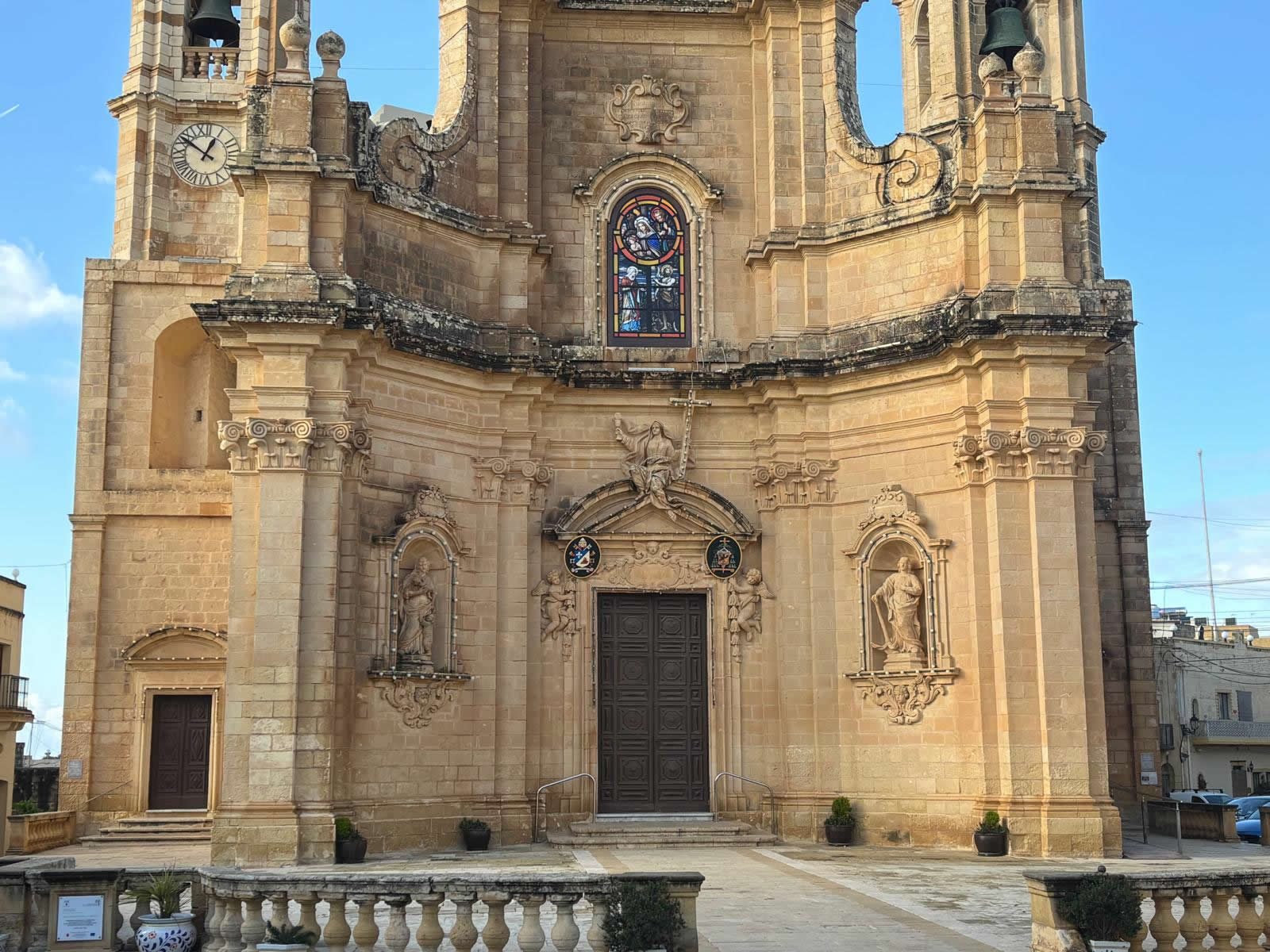
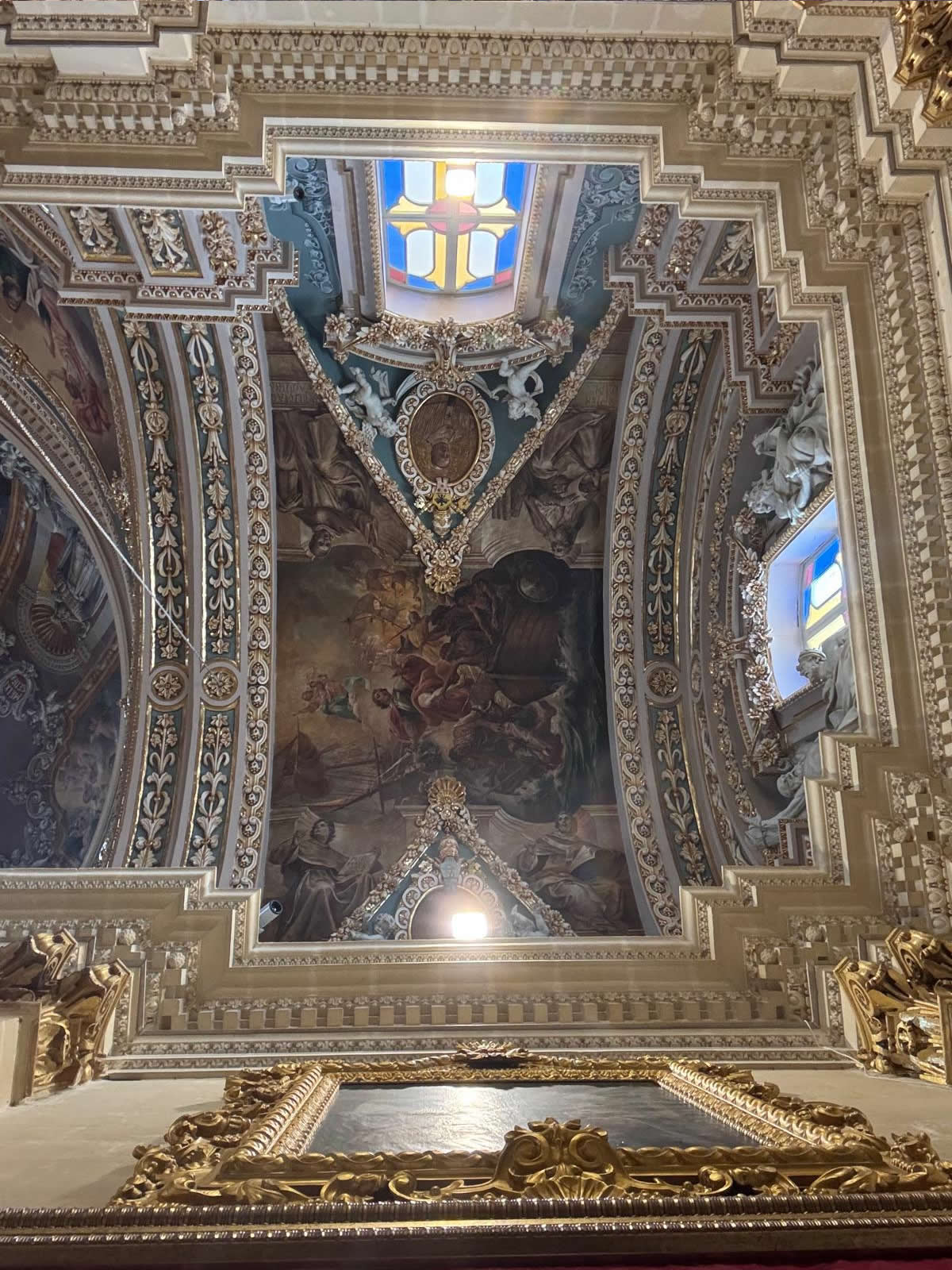
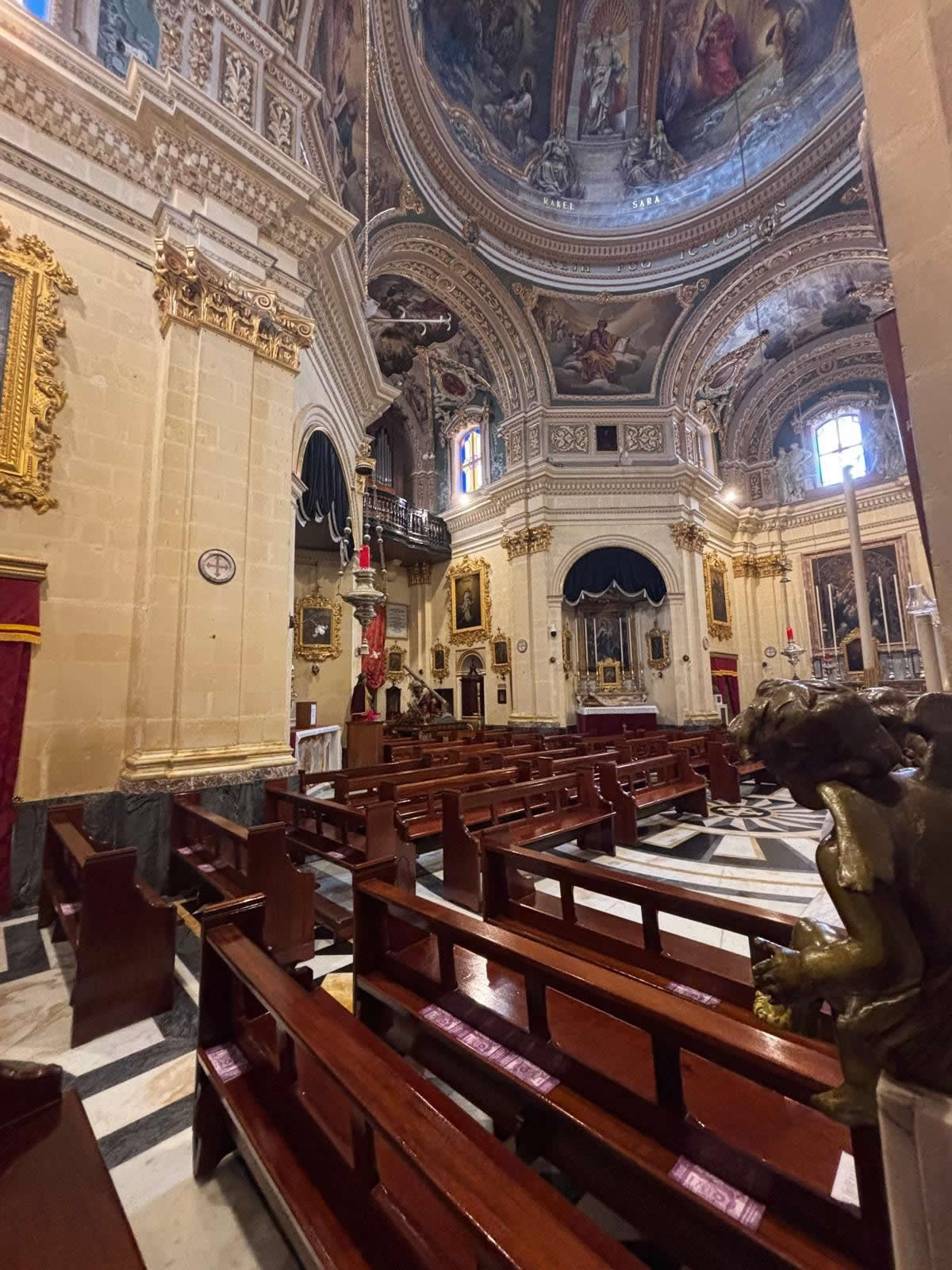
The church is celebrated for its balanced proportions, sculptural stonework, and an “urban” Roman-inspired presence that is rare in such a rural setting. The main façade has been compared to Borromini’s Roman Baroque vocabulary — a useful reference point for visitors who want to “read” the building in a wider European context.
Façade sculpture
Travel sources highlight emblematic façade figures representing the theological virtues (Faith, Hope, and Charity), reinforcing the building’s catechetical role as well as its visual drama.
Best photo time: late afternoon for warm limestone tones; step back into the square for the full façade and bell-tower profile.
Artworks & devotional treasures
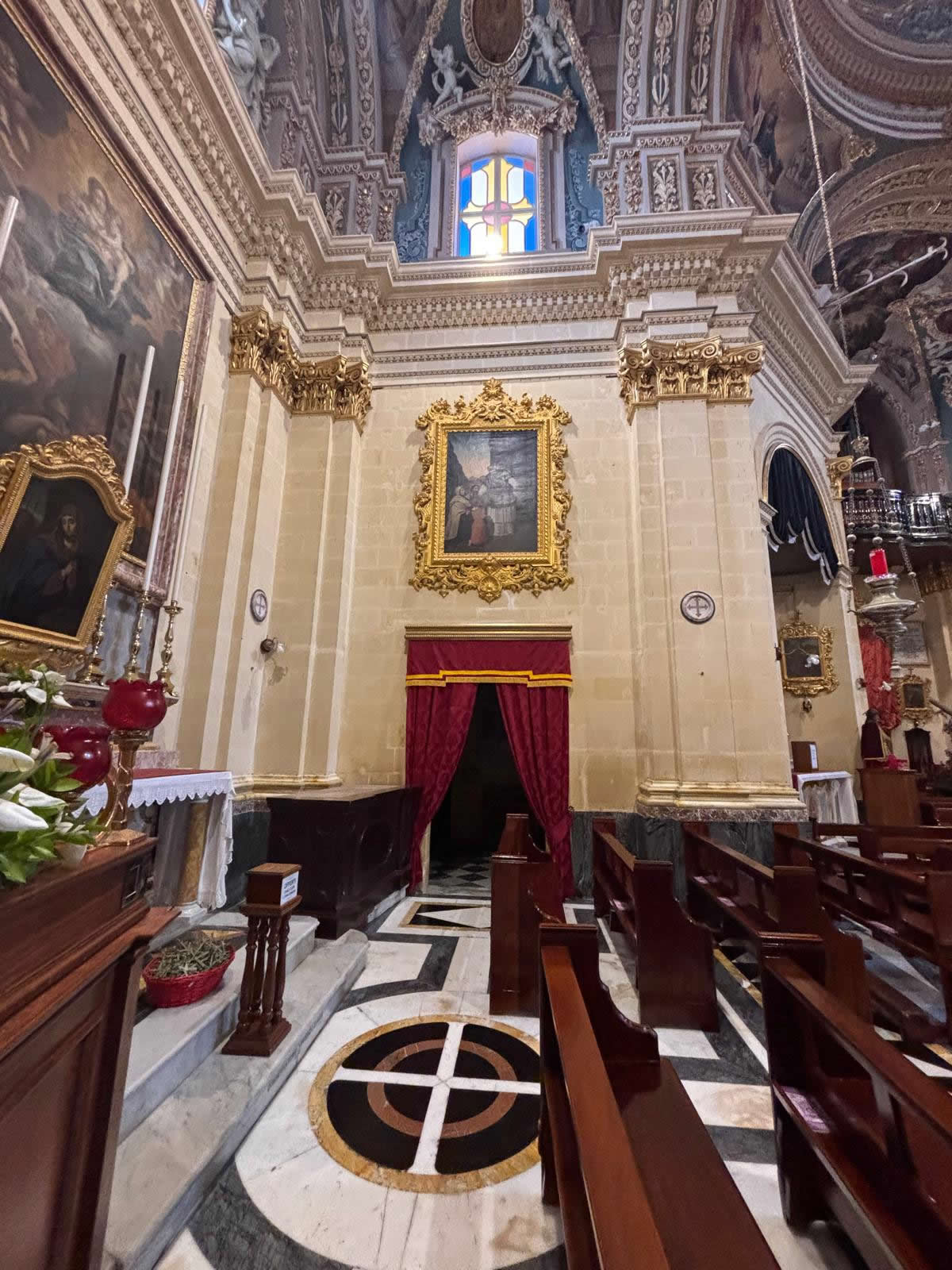
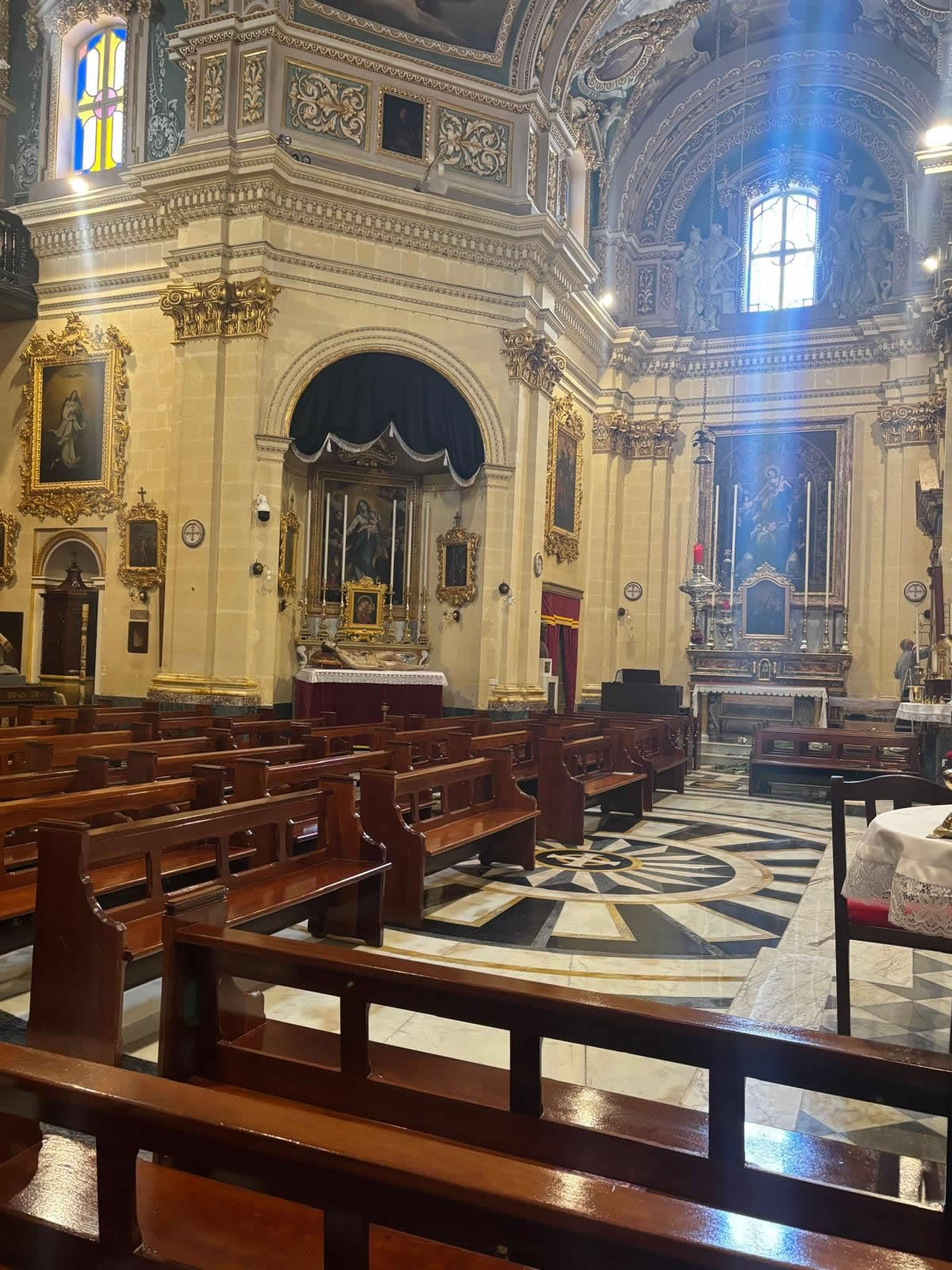
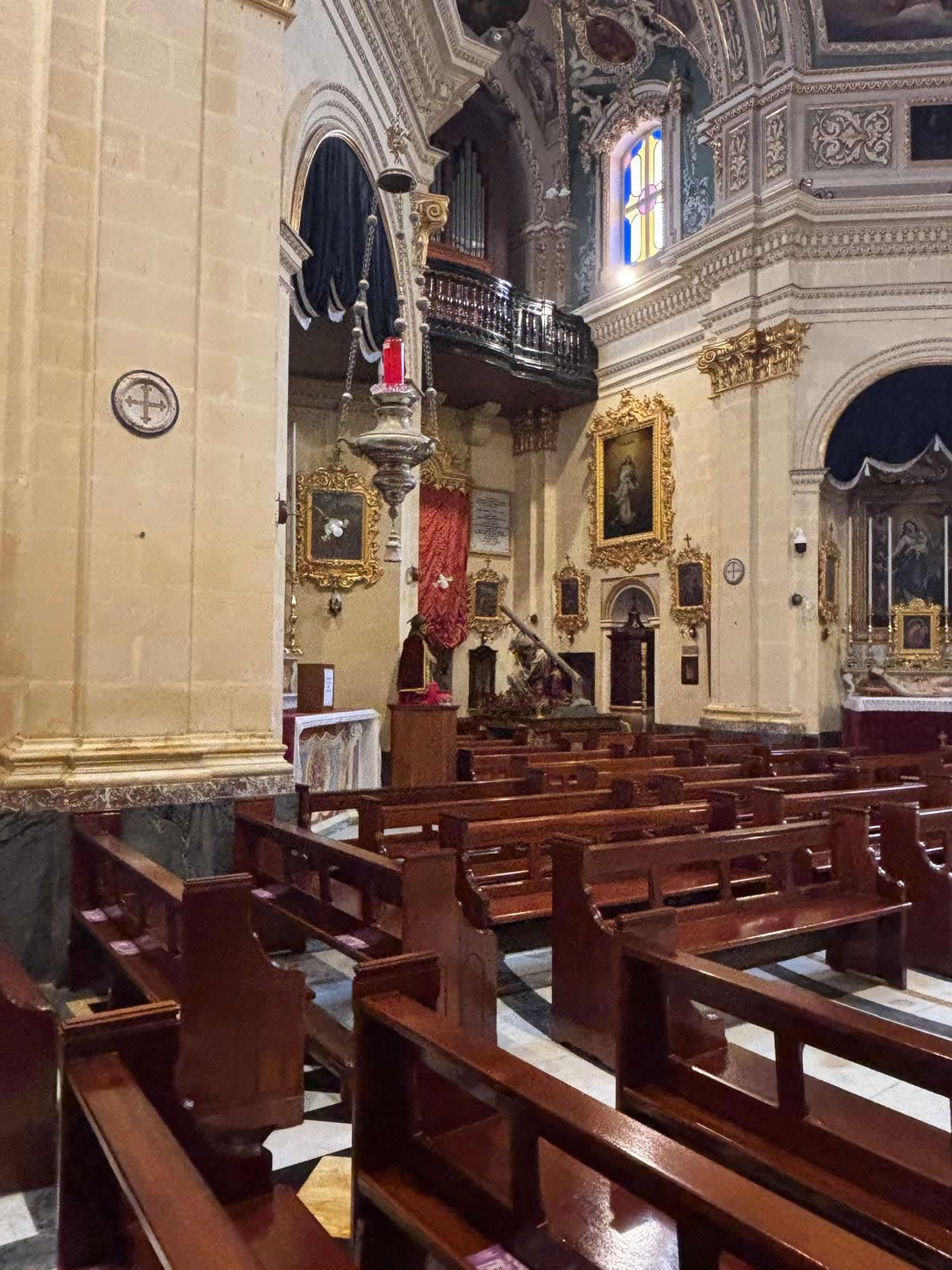
As a parish and later collegiate church, the Visitation basilica accumulated artworks and liturgical furnishings through patronage and devotion. Well-known guide references note an important altarpiece linked to the Visitation theme, as well as notable donations connected to the Grand Master era.
What to look for inside
- Main altarpiece / titular focus: imagery centred on the Visitation and Marian devotion in Għarb.
- Side chapels: devotional altars reflecting parish confraternities and local benefactors.
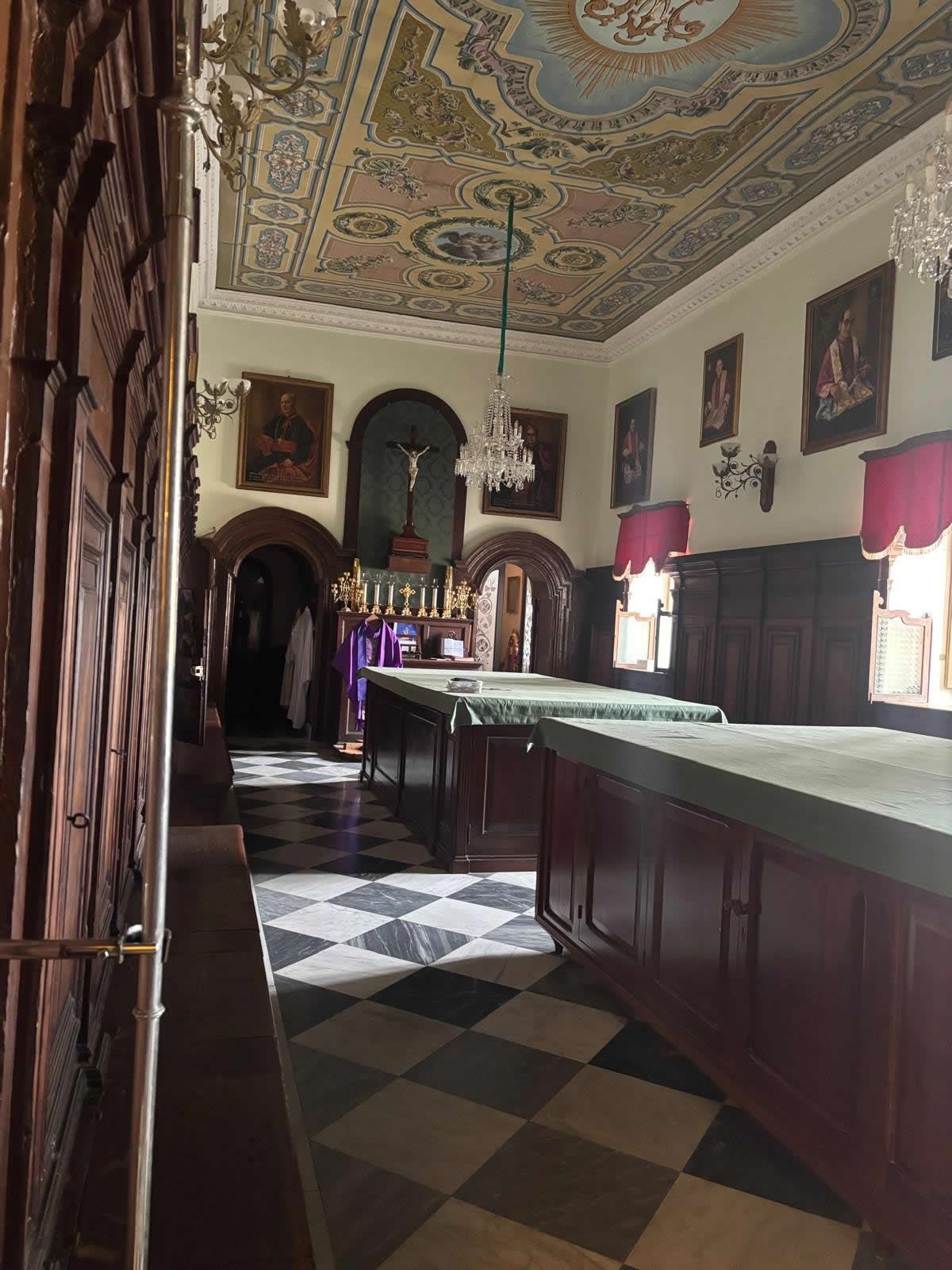
- Liturgical heritage: furnishings and insignia associated with collegiate and basilica status.
(If you’d like, share photos of the interior/altars and I’ll add a precise artwork inventory section with captions and SEO-friendly alt text.)
Collegiate & basilica privileges
The church was raised to collegiate rank on 19 May 1774, becoming the second collegiate church on Gozo. This status reflects an elevated liturgical role and a chapter of clergy attached to the church.
On 28 November 1967, the church was granted the title of minor basilica. Basilicas traditionally have the privilege of displaying and using symbols such as the umbraculum and tintinnabulum in solemn celebrations and processions.
Restoration & conservation
Għarb’s ecclesiastical heritage has benefited from modern conservation efforts. A significant external restoration programme that included the basilica was recognised with a conservation commendation in the Malta Architect Awards 2017.
More recently, conservation work on important paintings at the basilica was reported as completed in 2023, reflecting ongoing care for the church’s artistic patrimony.
Restoration notes
- Stone conservation: façade cleaning, repointing, and weathering repairs (external fabric).
- Art conservation: stabilisation, cleaning, varnish correction, and frame conservation (paintings).
- Preventive care: humidity management, lighting improvements, and routine inspections.
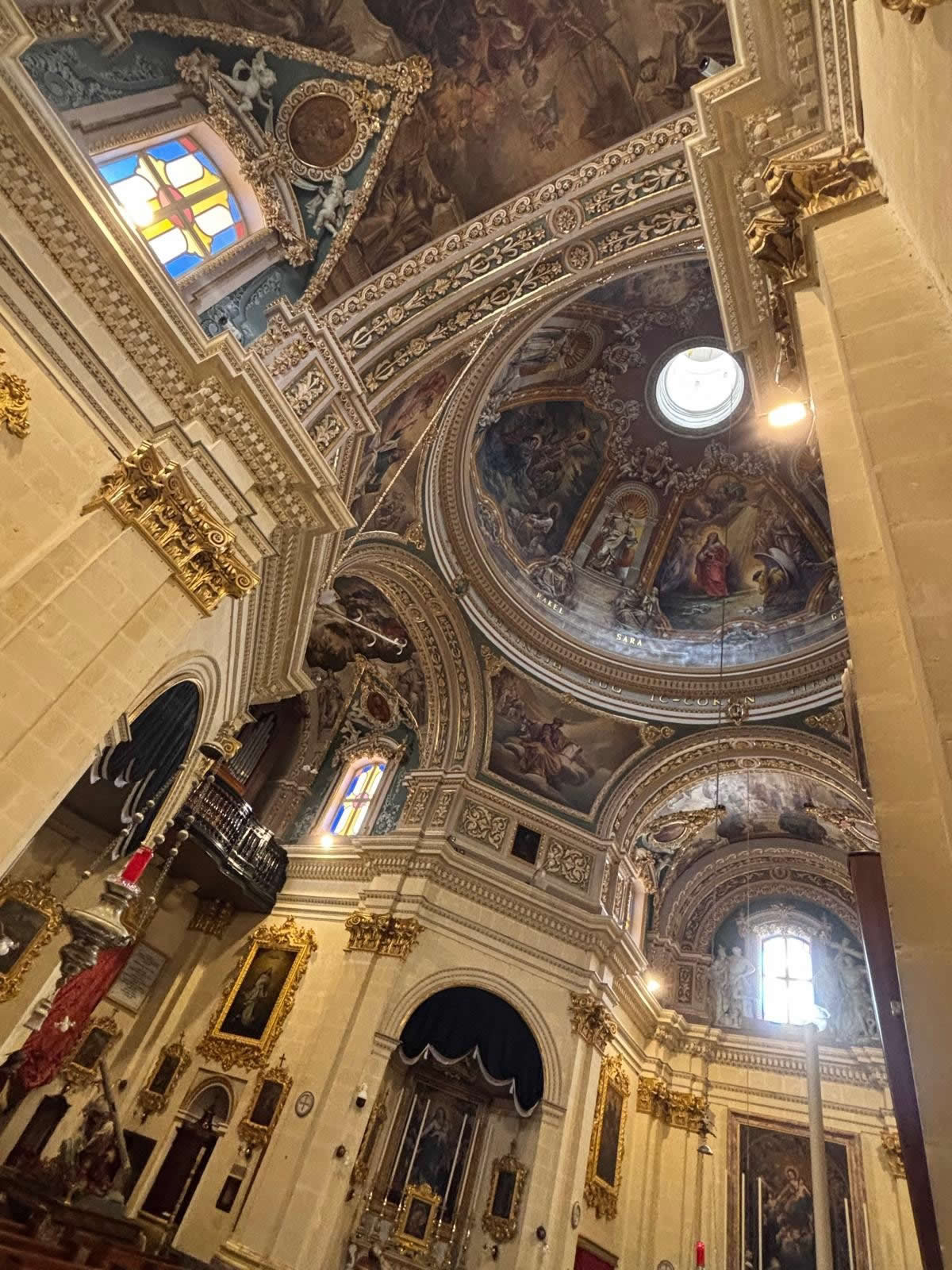
Use & parish life today
The basilica remains an active parish church — the setting for daily prayer, Sunday liturgy, baptisms, weddings, funerals, and major village celebrations. As Għarb’s spiritual centre, it also frames community identity through its feast days and public processions that animate the square.
Visitors are welcome when the church is open; during services, respectful dress and quiet behaviour are expected.
Visiting info & map
Location
Basilica and Collegiate Parish Church of the Visitation of Our Lady
Għarb, Gozo, Malta
Coordinates: 36.060139, 14.208904
Visitor tips
- Check for open-door times (varies with parish activity).
- Photography may be restricted during services—follow signage.
- Combine your visit with nearby heritage sites and village walks.
FAQ
Why is it called a “collegiate” church?
A collegiate church has a chapter of clergy attached to it, reflecting an elevated liturgical role. Għarb’s church became collegiate on 19 May 1774.
What does “minor basilica” mean?
“Minor basilica” is an honorific title granted by the Holy See to churches of particular importance. Għarb’s Visitation church received this title on 28 November 1967.
Is this the same as Ta’ Pinu?
No. Ta’ Pinu is a famous nearby national shrine area, but the official parish church of Għarb is the Basilica of the Visitation.
Explore more churches on emalta.com
Browse the full directory here: emalta.com/churches/